Search results for: “pneumonia”

  • David Douglas iHuman Case Study and Best Guide 2025

    David Douglas iHuman Case Study

    David Douglas is a 74-year-old male presenting on post-operative day five following an elective left total hip arthroplasty. His hospital course has been uncomplicated, and he is being transferred to rehabilitation due to a lack of home support. He reports a pain level of 4/10 to the left hip and requires assistance with transfers and ambulation due to left hip pain. Notably, physical and occupational therapy recommended further strengthening prior to discharge to home because he lives alone.

    In this comprehensive guide, we’ll walk you through how to approach his case, from initial post-operative assessment through systematic physical examination to the final nursing diagnoses of acute pain management and impaired mobility. You’ll learn the key clinical reasoning steps for post-operative hip replacement care, what the iHuman grading rubric expects, and a complete step-by-step solution to help you confidently navigate this essential post-operative nursing care simulation involving orthopedic recovery and rehabilitation planning.

    David Douglas iHuman
    David Douglas iHuman Case Study Guide

    David Douglas iHuman Case Overview (Doorway Information)

    Patient Overview: David Douglas, a fictional patient, presents as a 74-year-old male on day five post-elective left total hip arthroplasty. He describes ongoing left hip discomfort with a pain level of 4/10, requiring ongoing pain management and mobility assistance. David requires assistance with transfers and ambulation and uses a front-wheeled walker for safe mobility. Additionally, he lives alone, creating unique discharge planning challenges that necessitate rehabilitation placement.

    Key Background Information:

    • Age/Gender: 74-year-old male
    • Height/Weight: 6’0″ (183 cm), 165 lbs (75 kg)
    • Procedure: Post-operative day 5 following elective left total hip arthroplasty
    • Chief Concern: Post-operative pain management and mobility limitations
    • Presenting Situation: Stable post-operative patient requiring rehabilitation placement due to lack of home support
    • Associated Conditions: Lives alone, requires strengthening before home discharge
    • Significant History: Uncomplicated surgical course, elective procedure
    • Current Status: Stable vital signs, manageable pain levels, requires mobility assistance
    • Risk Factors: Advanced age, living alone, post-operative complications risk
    • Physical Findings: Stable post-operative condition, uses assistive devices for mobility

    The patient appears stable but requires ongoing post-operative care including pain management, mobility assistance, and rehabilitation planning. His presentation with typical post-operative hip replacement recovery needs suggests standard orthopedic nursing care requirements with focus on safe discharge planning and functional improvement.

    David Douglas (74 y/o male) – Adult Post-Operative Assessment

    • CC: Post-operative pain and mobility limitations following left total hip arthroplasty
    • MSAP: Acute Pain Related to Surgical Intervention – requiring ongoing pain management and mobility rehabilitation
    • Associated symptoms: Left hip pain (4/10), impaired mobility, requires assistance with transfers
    • History: Day 5 post-elective left total hip arthroplasty, uncomplicated course
    • High-risk factors: Advanced age, living alone, post-operative status, mobility limitations

    History Questions

    • How are you feeling today, Mr. Douglas?
    • Can you tell me about your pain level right now?
    • Where exactly do you feel the pain?
    • Can you rate your pain on a scale of 1 to 10?
    • What makes your pain better or worse?
    • How has your pain been since your surgery?
    • Are you taking any pain medications? How well are they working?
    • How are you managing to move around?
    • Tell me about your living situation at home
    • Do you have help at home when you’re discharged?
    • How confident do you feel about going home right now?
    • What concerns do you have about your recovery?
    • Are you able to use the bathroom independently?
    • How is your appetite and sleep?
    • Have you been doing your physical therapy exercises?
    • Do you feel safe when walking with your walker?
    • Any nausea, dizziness, or other concerns?
    • Do you have any questions about your medications?
    • What are your goals for rehabilitation?

    Physical Exam

    Vitals: Blood pressure, pulse rate, respiratory rate, and oxygen saturation levels within normal limits for post-operative status

    General appearance: Alert, oriented male appropriate for age, post-operative day 5, appears comfortable at rest

    Post-Operative Assessment:

    • Pain Assessment: Current pain level 4/10 to left hip, manageable with prescribed medications
    • Surgical Site: Assessment of incision site for signs of infection, healing progress
    • Mobility Assessment: Requires assistance with transfers and ambulation, uses front-wheeled walker safely
    • Safety Assessment: Uses urinal and bedside commode appropriately for toileting needs

    Cardiovascular Assessment:

    • Heart rate and rhythm evaluation post-operatively
    • Assessment for signs of DVT or other post-operative complications
    • Circulation checks to affected extremity

    Respiratory Assessment:

    • Post-operative respiratory status evaluation
    • Assessment for signs of pneumonia or other pulmonary complications
    • Deep breathing and coughing assessment

    Musculoskeletal Assessment:

    • Range of motion within post-operative limitations
    • Strength assessment of unaffected extremities
    • Gait assessment with assistive device
    • Transfer ability and safety

    Integumentary Assessment:

    • Surgical incision assessment
    • Skin integrity evaluation
    • Assessment for pressure areas from bed rest

    Assessment Note

    D.D. is a 74-year-old male on post-operative day 5 following elective left total hip arthroplasty with an uncomplicated hospital course. Physical examination notable for stable vital signs, manageable pain levels (4/10), and appropriate use of mobility aids. His presentation with typical post-operative recovery progress, combined with social factors requiring rehabilitation placement, indicates successful surgical outcome requiring comprehensive discharge planning and continued rehabilitation.

    Diagnostic Testing: Complete blood count, basic metabolic panel, ESR/CRP if infection suspected, X-ray of surgical site if complications arise

    Primary Nursing Diagnoses:

    1. Acute Pain Related to Surgical Intervention
    2. Impaired Physical Mobility Related to Hip Surgery
    3. Risk for Injury Related to Altered Mobility

    Plan:

    • Continue pain management with oxycodone/acetaminophen as prescribed
    • Physical and occupational therapy for strengthening and mobility training
    • Discharge planning for rehabilitation facility placement
    • Patient education on post-operative precautions and safety
    • Regular assessment of surgical site and overall recovery progress

    David Douglas SOAP Note

    Patient: David Douglas

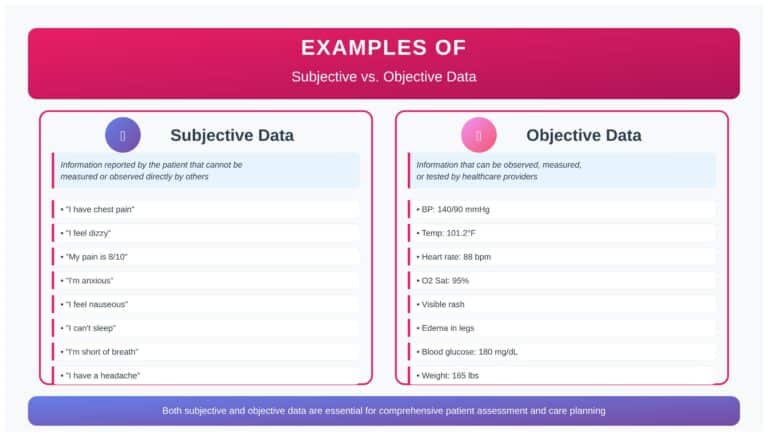
    Subjective Data

    CC: Post-operative pain and mobility limitations following left total hip arthroplasty

    HPI: 74-year-old male on post-operative day 5 following elective left total hip arthroplasty who presents with ongoing but manageable post-operative pain rated 4/10 to the left hip. Patient reports the pain is controlled with prescribed oxycodone/acetaminophen and describes the pain as aching and intermittent, worsening with movement and improving with rest and medication. Patient requires assistance with transfers and ambulation, using a front-wheeled walker for mobility. He reports feeling ready for rehabilitation but acknowledges concerns about eventual discharge home due to living alone.

    Medications: Oxycodone/acetaminophen for pain management, prophylactic anticoagulation, other post-operative medications as prescribed

    Allergies: No known drug, food, or environmental allergies reported

    PMH: Elective left total hip arthroplasty 5 days ago, uncomplicated surgical course, no previous orthopedic surgeries

    Social History: Lives alone, which necessitates rehabilitation placement, retired, limited social support system for immediate post-operative period

    Review of Systems: Reports manageable pain levels, no signs of infection, appetite returning to normal, sleep somewhat interrupted by position limitations, no respiratory distress, bowel and bladder function intact with assistive toileting

    Objective Data

    General: Alert, oriented 74-year-old male in no acute distress, appears comfortable at rest, post-operative day 5

    Vital Signs: Pulse rate, respiratory rate, blood pressure, and oxygen saturation levels stable and within normal limits

    Physical Examination:

    • Appearance: Appropriate for age and post-operative status, cooperative with care
    • Surgical Site: Left hip incision healing appropriately, no signs of infection or complications
    • Mobility: Requires assistance with transfers and ambulation due to left hip pain, uses front-wheeled walker safely
    • Pain: Current pain level 4/10, well-controlled with current regimen
    • Safety: Uses urinal and bedside commode appropriately for toileting needs
    • Respiratory: Clear lung sounds, adequate respiratory effort
    • Cardiovascular: Regular rate and rhythm, no signs of complications

    Assessment

    Primary Nursing Diagnoses:

    1. Acute Pain Related to Surgical Intervention (Priority)
    2. Impaired Physical Mobility Related to Hip Surgery
    3. Risk for Injury Related to Altered Mobility

    Secondary Concerns:

    • Discharge planning needs due to lack of home support
    • Need for continued rehabilitation and strengthening
    • Risk for post-operative complications
    • Patient education needs for safe recovery

    Differential Considerations

    Acute Pain Related to Surgical Intervention: Most appropriate diagnosis given the patient’s current pain level of 4/10 related directly to the surgical procedure. The pain is manageable with current medications and is expected for post-operative day 5 following major orthopedic surgery.

    Impaired Physical Mobility Related to Hip Surgery: Highly relevant given the patient’s need for assistance with transfers and ambulation, use of assistive devices, and overall functional limitations expected after hip replacement surgery.

    Risk for Injury Related to Altered Mobility: Important consideration given the patient’s age, altered mobility status, and potential for falls or other injuries during the recovery period.

    Readiness for Enhanced Self-Care: Potential positive diagnosis as patient demonstrates willingness to participate in rehabilitation and self-care activities within current limitations.

    Primary Focus: Acute Pain Management and Mobility Enhancement with safe rehabilitation progression toward independent function.

    Plan

    Health Promotion:

    Post-Operative Education – Comprehensive instruction on hip precautions, activity limitations, and gradual progression of activities

    Safety Training – Proper use of assistive devices, fall prevention strategies, home safety assessment

    Rehabilitation Participation – Active engagement in physical and occupational therapy programs

    Pain Management Education – Understanding of medication regimen, non-pharmacological pain relief techniques

    Monitoring:

    Surgical Site Assessment – Daily evaluation for signs of infection, proper healing progression

    Pain Assessment – Regular monitoring of pain levels and medication effectiveness

    Mobility Progress – Assessment of functional improvement and safety with activities

    Vital Signs – Continued monitoring for post-operative complications

    Interventions:

    Pain Management – Administer prescribed oxycodone/acetaminophen for pain management, continuously monitor pain levels and assess medication effectiveness

    Mobility Assistance – Provide assistance for transfers and ambulation using front-wheeled walker, collaborate with interdisciplinary team including physical and occupational therapists

    Rehabilitation Support – Active participation in prescribed therapy sessions for strengthening and functional improvement

    Safety Measures – Ensure safe toileting with urinal and bedside commode, prevent falls and injuries during mobility

    Long-term Management:

    Discharge Planning – Coordination with social services and rehabilitation facility for safe transition

    Rehabilitation Goals – Progressive strengthening and functional improvement toward home discharge

    Follow-up Care – Scheduled orthopedic follow-up appointments and continued therapy

    Home Preparation – Assessment and modification of home environment for safe eventual discharge

    David Douglas iHuman
    David Douglas SOAP Note

    Complete Step-by-Step Guide to Writing the David Douglas iHuman Case Study

    Completing the David Douglas iHuman case requires a systematic approach focused on post-operative nursing care and rehabilitation planning. This comprehensive guide will walk you through each section of the simulation, providing specific strategies and key points to ensure you achieve the required 70% score.

    Step 1: Pre-Case Preparation and Initial Approach

    Before diving into the case, review the doorway information and formulate your initial clinical approach.

    Key Information to Note:

    • 74-year-old male, post-operative day 5
    • Elective left total hip arthroplasty with uncomplicated course
    • Lives alone, requiring rehabilitation placement
    • Current pain level 4/10, manageable with medications

    Initial Clinical Mindset: Approach this case focusing on post-operative orthopedic nursing care. The priority concerns include pain management, safe mobility, and appropriate discharge planning for an elderly patient living alone.

    Step 2: Conducting the History of Present Illness (HPI)

    The HPI is crucial for understanding the patient’s current post-operative status and recovery progress.

    Key Areas to Assess:

    • Pain Assessment: Current level, location, quality, what relieves/aggravates
    • Mobility Status: Current functional level, use of assistive devices, safety concerns
    • Recovery Progress: Comparison to expected post-operative milestones
    • Discharge Planning: Home situation, support systems, rehabilitation needs

    Critical Questions:

    • Pain level and management effectiveness
    • Mobility limitations and safety concerns
    • Understanding of post-operative precautions
    • Concerns about discharge and home management

    Step 3: Review of Systems (ROS)

    Conduct a focused ROS paying attention to post-operative complications:

    Musculoskeletal:

    • Joint mobility, strength, function
    • Pain patterns and relief measures

    Cardiovascular:

    • Signs of DVT, circulation to extremities
    • Activity tolerance

    Respiratory:

    • Post-operative pulmonary function
    • Risk for pneumonia or other complications

    Integumentary:

    • Surgical site healing, signs of infection
    • Skin integrity from bed rest/immobility

    Step 4: Social and Discharge Planning Assessment

    Living Situation:

    • Lives alone – assess safety and support needs
    • Home environment and accessibility
    • Available family/social support

    Functional Assessment:

    • Current ability to perform ADLs
    • Safety with mobility and transfers
    • Readiness for rehabilitation participation

    Step 5: Physical Examination Strategy

    Perform a comprehensive post-operative assessment:

    General Assessment:

    • Overall post-operative recovery status
    • Pain levels and comfort measures

    Surgical Site Examination:

    • Incision healing and integrity
    • Signs of infection or complications

    Mobility Assessment:

    • Transfer ability and safety
    • Gait assessment with assistive devices
    • Range of motion within restrictions

    Safety Assessment:

    • Fall risk evaluation
    • Cognitive status for following precautions

    Step 6: Developing Nursing Diagnoses

    Propose appropriate nursing diagnoses with rationales:

    Priority Diagnoses:

    1. Acute Pain Related to Surgical Intervention
    2. Impaired Physical Mobility Related to Hip Surgery
    3. Risk for Injury Related to Altered Mobility

    Supporting Evidence:

    • Current pain level 4/10
    • Requires assistance with mobility
    • Uses assistive devices for safety
    • Advanced age and post-operative status

    Step 7: Pain Management and Mobility Plan

    Pain Management:

    • Continue oxycodone/acetaminophen as prescribed
    • Non-pharmacological interventions
    • Regular pain assessment and medication effectiveness evaluation

    Mobility Enhancement:

    • Physical and occupational therapy for strengthening and mobility training
    • Progressive activity advancement
    • Safety measures and fall prevention

    Step 8: Discharge Planning and Rehabilitation

    Rehabilitation Placement:

    • Coordination for rehabilitation facility due to lack of home support
    • Goals for functional improvement
    • Timeline for potential home discharge

    Patient Education:

    • Post-operative precautions and restrictions
    • Safe use of assistive devices
    • Signs and symptoms to report

    Step 9: Interdisciplinary Collaboration

    Team Coordination:

    • Collaboration with physical and occupational therapists for rehabilitation planning
    • Social services for discharge planning
    • Orthopedic surgeon for medical management

    Step 10: Documentation and Submission Tips

    Writing Your Summary:

    • Create a concise summary explaining your nursing care priorities
    • Include clinical reasoning for nursing diagnosis selection
    • Cite specific assessment findings and interventions
    • Use professional orthopedic nursing terminology

    Key Documentation Elements:

    • Assessment of post-operative status and recovery progress
    • Pain management effectiveness and ongoing needs
    • Mobility assessment and safety considerations
    • Discharge planning requirements and rehabilitation goals

    Final Submission Checklist:

    • ✓ Complete post-operative assessment with systematic evaluation
    • ✓ Appropriate nursing diagnoses with clear rationales
    • ✓ Evidence-based pain management and mobility plan
    • ✓ Comprehensive discharge planning and rehabilitation coordination
    • ✓ Professional documentation with proper nursing terminology

    David Douglas iHuman Case Summary Grading Criteria

    The David Douglas iHuman case will evaluate you across several critical domains to ensure comprehensive post-operative nursing care skills. Here’s what you need to focus on to maximize your score:

    (1) Assessment Skills (Major Points): You must demonstrate thorough post-operative assessment including pain evaluation, mobility status, and surgical site examination. Essential components include: systematic pain assessment using appropriate scales, mobility and transfer evaluation, surgical site and healing assessment, vital signs and overall recovery status monitoring. The rubric specifically rewards students who conduct comprehensive post-operative evaluations.

    (2) Nursing Diagnosis (High Weight): Focus on appropriate nursing diagnoses for post-operative orthopedic patients. Must-include diagnoses: Acute Pain Related to Surgical Intervention, Impaired Physical Mobility Related to Hip Surgery, Risk for Injury Related to Altered Mobility. Pro tip: The rubric awards points for accurate problem identification and appropriate prioritization based on patient needs and safety.

    (3) Pain Management (Critical for Scoring): You need to demonstrate understanding of post-operative pain management principles. Expected interventions include: appropriate medication administration and monitoring, non-pharmacological pain relief measures, regular pain assessment and documentation, patient education about pain management strategies.

    (4) Mobility and Safety Planning: You must address mobility limitations and safety concerns appropriately. Key components include: safe transfer and ambulation techniques, proper use of assistive devices, fall prevention strategies, progressive mobility goals.

    (5) Discharge Planning (Heavily Weighted): The rubric expects comprehensive discharge planning including: assessment of home situation and support needs, coordination with rehabilitation services, patient education for safe recovery, interdisciplinary team collaboration for optimal outcomes.

    (6) Patient Education: Demonstrate appropriate education for post-operative orthopedic patients. Bonus points for: explaining post-operative precautions clearly, teaching safe mobility techniques, discussing pain management strategies, providing discharge instructions and follow-up care.

    David Douglas iHuman
    David Douglas iHuman Grading Criteria

    Example of a High-Scoring Clinical Summary

    Here’s how a top-performing student might document this case:

    Patient Summary – David Douglas

    Situation: 74-year-old male on post-operative day 5 following elective left total hip arthroplasty requiring ongoing pain management and mobility rehabilitation with discharge planning for rehabilitation facility placement.

    Background: Uncomplicated surgical course with stable recovery progress. Lives alone, creating unique discharge challenges requiring rehabilitation placement for strengthening before home discharge. Current pain level 4/10, well-controlled with prescribed medications.

    Assessment: Alert, oriented male demonstrating appropriate post-operative recovery with manageable pain levels and safe mobility using assistive devices. Requires assistance with transfers and ambulation, uses front-wheeled walker and bedside commode appropriately.

    Primary Nursing Diagnoses:

    1. Acute Pain Related to Surgical Intervention
    2. Impaired Physical Mobility Related to Hip Surgery
    3. Risk for Injury Related to Altered Mobility

    Recommendation:

    • Continue prescribed pain management with oxycodone/acetaminophen and regular pain assessment
    • Ongoing physical and occupational therapy for strengthening and functional improvement
    • Safe mobility practices with assistive devices and fall prevention measures
    • Coordination with rehabilitation facility for appropriate placement and continued recovery
    • Patient education on post-operative precautions and safe discharge planning

    Patient and Family Education Provided:

    Explained post-operative recovery expectations and timeline, discussed proper pain management and medication use, taught safe mobility techniques and assistive device use, reviewed rehabilitation goals and discharge planning process, provided instructions for recognizing and reporting complications.

    Conclusion

    By following this comprehensive approach to the David Douglas case, you’ll demonstrate the post-operative nursing care skills that iHuman evaluates. Remember, success in orthopedic nursing cases requires understanding post-operative care principles: conduct thorough post-operative assessments including pain and mobility evaluation, develop appropriate nursing diagnoses focused on patient safety and recovery, implement evidence-based pain management and mobility interventions, and coordinate comprehensive discharge planning with interdisciplinary teams. The key is treating each iHuman simulation as you would a real post-operative patient encounter – be thorough, prioritize safety and comfort, and always focus on patient-centered care planning. With this guide, you’re well-prepared to excel in this essential post-operative nursing care simulation.

    Frequently Asked Questions

    Q1: What are the priority nursing diagnoses for David Douglas?

    The primary nursing diagnoses for David Douglas include Acute Pain Related to Surgical Intervention (priority), Impaired Physical Mobility Related to Hip Surgery, and Risk for Injury Related to Altered Mobility. Students often struggle with prioritization, but remember that pain management is crucial for successful rehabilitation and recovery in post-operative orthopedic patients.

    Q2: What are the critical assessment components I need to perform?

    Essential assessment elements include comprehensive pain evaluation using appropriate scales, mobility and transfer assessment for safety, surgical site examination for healing progress, and vital signs monitoring for post-operative stability. Many students miss points by inadequately assessing discharge planning needs or failing to evaluate the patient’s understanding of post-operative precautions.

    Q3: How do I address the discharge planning requirements effectively?

    Focus on the patient’s living situation (lives alone), need for rehabilitation facility placement, and coordination with physical and occupational therapy for strengthening before home discharge. Include assessment of home safety, support systems, and functional improvement goals. The key is demonstrating understanding of safe discharge planning for elderly post-operative patients.

    Q4: What pain management interventions should I include?

    The comprehensive pain management plan should include prescribed oxycodone/acetaminophen administration with regular effectiveness monitoring, non-pharmacological interventions such as positioning and ice therapy, patient education about medication use and overuse prevention, and regular pain assessment using appropriate scales. Students often forget to address the importance of pain control for successful rehabilitation participation.

  • Alvin Stafford iHuman Case Study and Best Guide 2025

    Alvin Stafford iHuman Case Study

    Alvin Stafford is a 63-year-old male presenting to the clinic with chief complaint of worsening shortness of breath that started last week and has progressively deteriorated. He reports significant nocturnal dyspnea that makes it difficult to sleep, along with associated chest tightness, productive cough, and easy fatigability. He has a history of bronchial asthma diagnosed two weeks prior to this presentation and lives near a factory environment.

    In this comprehensive guide, we’ll walk you through how to approach his case, from initial adult respiratory assessment through systematic physical examination to the final diagnosis of Acute Bronchial Asthma with possible COPD exacerbation. You’ll learn the key clinical reasoning steps for adult respiratory disorders, what the iHuman grading rubric expects, and a complete step-by-step solution to help you confidently navigate this complex adult case simulation involving chronic respiratory conditions and acute exacerbation management.

    Alvin Stafford iHuman
    Alvin Stafford iHuman Case Study Guide

    Alvin Stafford iHuman Case Overview (Doorway Information)

    Patient Overview: Alvin Stafford is a 63-year-old male presenting with chief complaint of worsening shortness of breath that started last week following a recent diagnosis of bronchial asthma. He was brought to the clinic due to progressive respiratory symptoms that significantly impact his sleep and daily activities.

    Key Background Information:

    • Age/Gender: 63-year-old male
    • Height/Weight: 5’11” (180cm) / 142 pounds (64.4kg)
    • Chief Complaint: Worsening shortness of breath since last week
    • Duration: Progressive deterioration over one week
    • Sleep Impact: Severe nocturnal dyspnea affecting sleep quality
    • Presenting Situation: Adult respiratory clinic presentation for acute exacerbation
    • Associated Symptoms: Productive cough, chest tightness, fatigue, chest pain
    • Significant History: Recent bronchial asthma diagnosis, factory environment exposure
    • Current Status: Symptomatic adult with respiratory distress
    • Risk Factors: Age over 60, environmental exposure, smoking history
    • Symptom Characteristics: Worsening at night, progressive dyspnea, productive cough

    The patient appears fatigued during assessment, with notable respiratory findings including productive cough and chest tightness following recent asthma diagnosis. His presentation is consistent with acute bronchial asthma exacerbation, making this an excellent case for learning systematic adult respiratory assessment and chronic disease management skills.

    Alvin Stafford (63 y/o male) – Adult Respiratory Disorder Assessment

    • CC: Worsening shortness of breath since last week
    • MSAP: Acute Bronchial Asthma Exacerbation – respiratory deterioration in previously diagnosed asthmatic patient
    • Associated symptoms: Nocturnal dyspnea, productive cough, chest tightness, easy fatigability, chest pain
    • History: Recent bronchial asthma diagnosis two weeks ago, environmental factory exposure, married for 35 years
    • High-risk factors: Age 63, environmental exposures, recent asthma diagnosis, nocturnal symptom progression

    History Questions:

    • How can I help you today?
    • Can you tell me more about your breathing difficulties and when they started?
    • When did you first notice the worsening shortness of breath?
    • Tell me about your sleep patterns and any breathing problems at night
    • When was your asthma first diagnosed, and what medications were prescribed?
    • Has your breathing gotten progressively worse since your diagnosis?
    • Can you describe what happened in the weeks leading up to this visit?
    • Do you have any other symptoms or concerns we should discuss?
    • Where do you experience chest pain, and what does it feel like?
    • Is your cough productive, and if so, what does the sputum look like?
    • What treatments have you tried for your breathing problems?
    • Do you have any known allergies to medications?
    • Are you currently taking any medications for your asthma?
    • Have you been using your inhalers as prescribed?
    • How has your energy level been during this worsening period?
    • Do you have any environmental exposures at work or home?
    • Have you been exposed to anyone who is sick recently?
    • How is your breathing compared to before your asthma diagnosis?
    • Any changes in your appetite or weight recently?
    • Tell me about your work environment and potential respiratory irritants?

    Physical Exam:

    • Vitals: Temperature, pulse, blood pressure, respirations, oxygen saturation, pain assessment (0-10 scale)
    • General appearance: Level of distress, respiratory effort, use of accessory muscles, ability to speak in full sentences
    • Respiratory Assessment:
      • Systematic evaluation of breathing pattern and effort
      • Assessment of lung sounds and adventitious sounds
      • Evaluation of chest expansion and respiratory excursion
      • Documentation of wheezing, rhonchi, or decreased air entry
    • Cardiovascular Assessment:
      • Heart rate and rhythm evaluation with respiratory correlation
      • Assessment for signs of right heart strain
      • Peripheral perfusion and capillary refill assessment
    • HEENT examination:
      • Nasal examination for congestion or polyps
      • Throat examination for inflammation
      • Lymph node palpation for infection signs
    • Chest and Thoracic Assessment:
      • Inspection for barrel chest or chest wall deformities
      • Palpation for fremitus and chest wall tenderness
      • Percussion for hyperresonance or dullness
    • Extremity Assessment:
      • Assessment for clubbing, cyanosis, or edema
      • Evaluation of peripheral circulation
    • Neurological Assessment:
      • Mental status and orientation
      • Assessment for confusion related to hypoxia

    Assessment Note: A.S. is a 63-year-old male presenting with acute exacerbation of recently diagnosed bronchial asthma. Physical examination notable for elevated blood pressure (152/82 mmHg), tachycardia (109 bpm), and respiratory symptoms including wheezing and productive cough. His presentation is consistent with acute bronchial asthma with possible underlying COPD in the typical age group with environmental risk factors.

    Diagnostic Testing: Pulmonary function tests pre and post-bronchodilator, chest X-ray for infiltrates and hyperinflation, arterial blood gas analysis, complete blood count, comprehensive metabolic panel, and sputum cultures for gram stain evaluation

    Diagnosis: Acute Bronchial Asthma Exacerbation

    Plan:

    • Bronchodilator therapy optimization
    • Anti-inflammatory medication management
    • Patient education about asthma control and triggers
    • Environmental modification strategies
    • Follow-up care and monitoring plan
    • Emergency action plan development

    Alvin Stafford SOAP Note

    Patient: Alvin Stafford

    Subjective Data

    CC: 63-year-old male presents with “worsening shortness of breath since last week”

    HPI: 63-year-old previously healthy male presents to respiratory clinic for evaluation of progressive dyspnea. Patient reports that he was diagnosed with bronchial asthma two weeks ago and given appropriate medications for management. However, over the past week, he has experienced significant worsening of his breathing difficulties. Patient describes the dyspnea as particularly severe at night, stating “It becomes worse at night. Sometimes it even becomes very hard to sleep.” He reports associated chest tightness and pain around the chest region, along with a productive cough and easy fatigability. Patient lives near a factory environment and has been married for 35 years with three children.

    Patient has been using budesonide and salbutamol inhalers as prescribed but continues to experience symptom progression. He reports that he “cannot breathe properly, especially when going about daily activities” and becomes tired easily. No recent travel or new exposures reported beyond usual environmental factors.

    Medications: Budesonide inhalers 200mcg and salbutamol 200mcg daily for asthma management

    Allergies: No known drug, food, or environmental allergies reported

    PMH: Recently diagnosed bronchial asthma two weeks prior, no other significant medical history reported

    Family History: Unknown family medical history for both parents

    Social History: Married for 35 years, lives with family, three children, lives near factory environment with potential respiratory irritant exposure

    Review of Systems: Notable for progressive dyspnea, nocturnal breathing difficulties, productive cough, chest tightness, easy fatigability, and chest pain. Denies fever, chills, weight loss, or recent infections.

    Objective Data

    General: Fatigued-appearing 63-year-old male in mild respiratory distress, able to speak in complete sentences but with some effort

    Vital Signs: Blood Pressure 152/82 mmHg, Heart Rate 109 bpm, elevated respiratory rate, oxygen saturation monitoring required

    Physical Examination:

    • Appearance: Well-developed adult male, appropriate for stated age, showing signs of respiratory fatigue
    • HEENT: Normocephalic, atraumatic, no acute distress in head/neck region
    • Cardiovascular: Tachycardic with heart rate 109 bpm, regular rhythm, assessment for murmurs and extra sounds needed
    • Respiratory: Evidence of wheezing, productive cough noted, breathing pattern assessment showing increased work of breathing
    • Abdomen: Requires palpation for tenderness, bowel sounds assessment, and evaluation for abdominal bruits
    • Extremities: Full range of motion assessment needed, evaluation for signs of hypoxia or circulation compromise

    Growth Parameters: Height 5’11” (180cm), Weight 142 pounds (64.4kg) – within normal range for age

    Assessment

    Primary Diagnosis: Acute Bronchial Asthma Exacerbation (J45.9)

    Secondary Concerns:

    • Possible underlying COPD given age and environmental exposures
    • Hypertension (elevated blood pressure reading)
    • Environmental respiratory irritant exposure

    Differential Diagnoses

    Acute Bronchial Asthma Exacerbation: Classic presentation of worsening respiratory symptoms in recently diagnosed asthmatic patient with nocturnal dyspnea, productive cough, and chest tightness. The temporal relationship between recent asthma diagnosis and current exacerbation, combined with environmental risk factors, supports this diagnosis.

    COPD Exacerbation: Given patient’s age (63), environmental exposure to factory pollutants, and presentation with progressive dyspnea and productive cough, COPD should be considered as either primary diagnosis or comorbid condition.

    Pneumonia: Can present with dyspnea, productive cough, and chest discomfort. However, absence of fever and acute onset pattern makes this less likely.

    Heart Failure: Elevated blood pressure and heart rate could suggest cardiovascular involvement, but primary respiratory symptoms point toward pulmonary etiology.

    Pulmonary Embolism: Acute dyspnea and chest pain could suggest PE, but gradual onset over one week and response pattern make this less likely.

    Most Likely Diagnosis: Acute Bronchial Asthma evidenced by progressive respiratory symptoms following recent asthma diagnosis, nocturnal dyspnea pattern, productive cough, and chest tightness in patient with environmental risk factors.

    Plan

    Health Promotion:Respiratory Health Monitoring – Regular assessment of lung function and symptom control ✓ Environmental Modification – Education about reducing exposure to factory pollutants and respiratory irritants ✓ Medication Adherence – Comprehensive education about proper inhaler technique and medication compliance ✓ Lifestyle Modifications – Discussion of factors that may improve respiratory health

    Screening:Symptom Monitoring – Close observation for further respiratory deterioration or improvement ✓ Peak Flow Monitoring – Daily peak flow measurements for objective assessment ✓ Blood Pressure Monitoring – Address elevated BP reading with appropriate follow-up

    Interventions:Bronchodilator Optimization – Continue budesonide 200mcg and salbutamol 200mcg with possible dose adjustment and addition of Flonase spray 50mcg daily ✓ Anti-inflammatory Therapy – Ensure adequate controller medication dosing ✓ Emergency Action Plan – Development of written asthma action plan for future exacerbations ✓ Environmental Control – Patient education about avoiding aggravating factors such as cold, smoking, over-exercise, and dusty conditions

    Alvin Stafford iHuman
    Alvin Stafford iHuman SOAP Note

    Complete Step-by-Step Guide to Writing the Alvin Stafford iHuman Case Study

    Completing the Alvin Stafford iHuman case requires a systematic approach focused on adult respiratory assessment and chronic obstructive disease management. This comprehensive guide will walk you through each section of the simulation, providing specific strategies and key points to ensure you achieve the required 70% score.

    Step 1: Pre-Case Preparation and Initial Approach

    Before diving into the case, take a moment to review the doorway information and formulate your initial clinical approach.

    Key Information to Note:

    • 63-year-old male with worsening respiratory symptoms
    • Recent asthma diagnosis with current exacerbation
    • Consider chronic respiratory diseases and environmental factors
    • Age group typical for COPD development

    Initial Clinical Mindset: Approach this case with chronic respiratory diseases as your primary consideration. The age (63 years old), recent asthma diagnosis with rapid deterioration, and environmental exposure history immediately suggest either asthma exacerbation or possible COPD, which commonly affects adults over 60 with environmental risk factors.

    Step 2: Conducting the History of Present Illness (HPI)

    The HPI is crucial for establishing the foundation of your respiratory diagnosis. Use systematic questioning while keeping adult chronic respiratory disease considerations in mind:

    Onset: Ask about when breathing difficulties worsened and relationship to recent asthma diagnosis

    • Key points to elicit: Timeline of symptom progression and relationship to previous treatment

    Location: Determine specific areas of chest discomfort and breathing difficulty

    • Target response: Chest tightness and pain around chest region

    Duration: How long current exacerbation has persisted

    • Important detail: Worsening over one week since asthma diagnosis

    Character: Detailed description of dyspnea and associated symptoms

    • Critical descriptors: Progressive, nocturnal worsening, productive cough, fatigue

    Aggravating factors: What makes breathing difficulties worse

    • Essential findings: Nighttime worsening, activity limitations, environmental factors

    Relieving factors: What provides symptom relief

    • Key response: Current inhaler use, rest, positioning

    Timing: Pattern of symptom variation throughout day

    • Important pattern: Significant nocturnal worsening affecting sleep

    Severity: Impact on patient’s daily function and quality of life

    • Typical response: Inability to sleep, easy fatigue with activities

    Associated Symptoms:

    • Ask specifically about: Cough characteristics, sputum production, chest pain, fatigue levels
    • Key findings: Productive cough, chest tightness, easy fatigability

    Step 3: Review of Systems (ROS)

    Conduct a thorough but focused ROS, paying special attention to adult respiratory disease systems:

    Constitutional:

    • Energy levels, sleep quality, appetite changes
    • Weight loss or gain patterns
    • General sense of wellness

    Respiratory:

    • Detailed cough assessment, sputum characteristics
    • Dyspnea on exertion vs rest
    • Wheezing, chest tightness patterns

    Cardiovascular:

    • Chest pain characteristics, palpitations
    • Exercise tolerance changes
    • Peripheral edema or circulation issues

    Gastrointestinal:

    • Appetite changes, weight fluctuations
    • GERD symptoms that may trigger respiratory symptoms

    Musculoskeletal:

    • General fatigue and weakness patterns
    • Activity limitation assessment

    Step 4: Past Medical History, Social History, and Family History

    Past Medical History:

    • Recent asthma diagnosis and initial treatment response
    • Previous respiratory illnesses or hospitalizations
    • Any cardiac conditions or hypertension
    • Previous pulmonary function testing

    Social History:

    • Environmental exposure assessment (factory work/living)
    • Smoking history (current, former, never)
    • Occupational exposures and respiratory irritants
    • Living situation and family support

    Family History:

    • Family history of asthma, COPD, or chronic respiratory diseases
    • Genetic predisposition to allergic conditions
    • Family cardiovascular disease history

    Step 5: Physical Examination Strategy

    Perform a comprehensive adult respiratory physical examination:

    General Assessment:

    • Expected findings: Fatigued adult with mild respiratory distress
    • Critical component: Respiratory effort and use of accessory muscles

    Vital Signs:

    • Look for: Elevated heart rate, blood pressure changes, respiratory rate, oxygen saturation

    Respiratory Examination:

    • Comprehensive lung assessment: inspection, palpation, percussion, auscultation
    • Look for: Wheezing, decreased air entry, prolonged expiratory phase, hyperinflation

    Systematic Physical Exam:

    • Cardiovascular assessment for right heart strain
    • Extremity examination for clubbing, cyanosis, edema
    • HEENT examination for related findings

    Risk Assessment:

    • Comprehensive assessment for respiratory failure risk
    • Cardiovascular status evaluation

    Step 6: Developing Differential Diagnoses

    Propose at least 4-5 appropriate differentials with rationales:

    Primary Consideration: Acute Bronchial Asthma Exacerbation

    • Supporting evidence: Recent asthma diagnosis, progressive symptoms, nocturnal pattern

    Secondary Considerations:

    • COPD: Age-appropriate, environmental exposure, symptom pattern
    • Pneumonia: Productive cough and respiratory symptoms
    • Heart failure: Age group and cardiovascular findings
    • Pulmonary embolism: Acute dyspnea consideration

    Step 7: Diagnostic Test Interpretation

    Interpret clinical findings to support your diagnosis:

    Expected Key Findings:

    • Pulmonary function tests showing obstruction
    • Chest X-ray for hyperinflation or infiltrates
    • Laboratory studies for infection or inflammation markers

    Step 8: Final Diagnosis and Most Significant Active Problem (MSAP)

    Primary Diagnosis: Acute Bronchial Asthma Exacerbation

    Justification:

    • Recent asthma diagnosis with rapid symptom progression
    • Classic nocturnal worsening pattern
    • Appropriate age group with environmental risk factors
    • Response to bronchodilator therapy

    MSAP Selection: Choose “Acute Bronchial Asthma Exacerbation” as your Most Significant Active Problem, as this represents the primary condition requiring immediate intervention and management.

    Step 9: Comprehensive Management Plan

    Develop a multi-faceted treatment approach:

    Immediate Management:

    • Bronchodilator therapy optimization
    • Anti-inflammatory medication adjustment
    • Symptom monitoring and assessment

    Short-term Management:

    • Medication regimen including budesonide 200mcg and salbutamol with potential addition of Flonase spray 50mcg daily
    • Environmental modification strategies
    • Patient education about trigger avoidance

    Long-term Management:

    • Regular follow-up visits every two weeks for monitoring and medication adherence
    • Pulmonary rehabilitation consideration
    • Comprehensive asthma management plan

    Patient Education:

    • Proper inhaler technique demonstration
    • Trigger avoidance education including cold, smoking, over-exercise, and dusty conditions
    • Emergency action plan development
    • Signs and symptoms requiring immediate medical attention

    Follow-up Plan:

    • Scheduled follow-up every two weeks for symptom assessment and medication adjustment
    • Pulmonary function testing for objective monitoring
    • Long-term respiratory health maintenance

    Step 10: Documentation and Submission Tips

    Writing Your Summary:

    • Create a concise 350-word summary explaining your clinical reasoning for adult respiratory disorders
    • Include how you arrived at the problem list with consideration of chronic disease management
    • Cite specific assessment findings and age-related risk factors
    • Use professional respiratory terminology appropriate for adult care

    Key Documentation Elements:

    • Assessment Statement: Brief patient summary with key respiratory and cardiovascular findings
    • Clinical Reasoning: Explain diagnostic thought process for chronic respiratory diseases
    • Age Considerations: Link symptoms to typical adult respiratory disease patterns
    • Management Rationale: Justify treatment choices and environmental modification needs

    Final Submission Checklist:

    • ✓ Complete adult respiratory history with systematic disease progression questioning
    • ✓ Comprehensive physical examination including detailed respiratory assessment
    • ✓ Appropriate differential diagnoses with adult respiratory considerations
    • ✓ Correct final diagnosis and MSAP
    • ✓ Evidence-based management plan including patient education
    • ✓ Professional documentation with proper adult respiratory terminology

    Alvin Stafford iHuman Case Summary

    Grading Criteria

    The Alvin Stafford iHuman case will evaluate you across several critical domains to ensure comprehensive adult respiratory assessment skills. Here’s what you need to focus on to maximize your score:

    (1) History Taking (Major Points): You must ask targeted questions about respiratory symptom progression and medication history to get full credit. Essential questions include: dyspnea onset and progression pattern, relationship to recent asthma diagnosis, nocturnal symptom assessment, environmental exposure history. Don’t miss asking about: medication adherence and response, sleep quality impact, activity limitations, cough characteristics. The rubric specifically rewards students who ask about symptom-medication temporal relationships and environmental risk factor assessment.

    (2) Physical Examination (High Weight): Focus your exam on systematic respiratory assessment and cardiovascular evaluation. Must-do components: detailed respiratory examination, vital signs assessment, comprehensive adult physical exam, environmental exposure documentation. Pro tip: The rubric awards points for thorough respiratory characterization and systematic adult assessment – key components that relate directly to chronic respiratory disease diagnosis.

    (3) Differential Diagnosis (Critical for Scoring): You need to propose at least 4 appropriate differentials with brief rationales. Expected differentials include: Acute Bronchial Asthma Exacerbation, COPD, Pneumonia, and Heart Failure. Scoring secret: The rubric rewards students who can distinguish between chronic respiratory diseases based on age, environmental exposure, and symptom progression patterns.

    (4) Final Diagnosis & MSAP: You must correctly identify Acute Bronchial Asthma Exacerbation as your Most Significant Active Problem (MSAP). Justification is key – cite the recent asthma diagnosis, progressive symptoms, nocturnal pattern, and environmental factors as supporting evidence.

    (5) Management Plan (Heavily Weighted): The rubric expects comprehensive respiratory care including: appropriate medication optimization, environmental modification strategies, patient education planning, and follow-up scheduling. High-scoring responses mention: bronchodilator therapy adjustment, trigger avoidance education, emergency action plan development, and regular respiratory monitoring.

    (6) Patient Communication: Demonstrate appropriate communication for adult respiratory patients. Bonus points for: explaining the diagnosis in patient-friendly terms, discussing chronic disease management, addressing lifestyle modifications, and providing clear medication instructions.

    Alvin Stafford iHuman
    Alvin Stafford iHuman Grading Criteria

    Example of a High-Scoring Clinical Summary

    Here’s how a top-performing student might document this case:

    Patient Summary – Alvin Stafford

    Situation: 63-year-old male presenting with acute exacerbation of recently diagnosed bronchial asthma with progressive respiratory symptoms and nocturnal dyspnea.

    Background: Significant findings include appropriate age group for chronic respiratory disease, recent asthma diagnosis with rapid deterioration, environmental factory exposure risk factors. Past medical history notable for recent bronchial asthma diagnosis with prescribed bronchodilator therapy.

    Assessment: Physical examination notable for fatigued adult with elevated vital signs including blood pressure 152/82 mmHg and heart rate 109 bpm, consistent with respiratory distress. Progressive symptom pattern since asthma diagnosis supports acute exacerbation diagnosis.

    Primary Diagnosis: Acute Bronchial Asthma Exacerbation

    Recommendation:

    • Bronchodilator therapy optimization with continued budesonide and salbutamol
    • Addition of Flonase spray for enhanced anti-inflammatory control
    • Comprehensive patient education about trigger avoidance and medication adherence
    • Environmental modification strategies for factory exposure reduction
    • Regular follow-up scheduling every two weeks for symptom monitoring
    • Emergency action plan development for future exacerbations

    Patient and Family Education Provided: Explained asthma exacerbation diagnosis and importance of medication adherence, discussed environmental trigger avoidance strategies, emphasized proper inhaler technique, provided information about when to seek emergency care, and established regular follow-up schedule for ongoing respiratory management.

    Conclusion

    By following this comprehensive approach to the Alvin Stafford case, you’ll demonstrate the adult respiratory assessment skills that iHuman evaluates. Remember, success in adult respiratory cases requires understanding chronic disease patterns: gather detailed history about symptom progression and medication response, perform systematic respiratory examination with comprehensive assessment documentation, consider age-appropriate chronic respiratory diseases in differential diagnosis, and develop patient-centered management plans addressing both medical care and environmental modifications. The key is treating each iHuman simulation as you would a real adult respiratory encounter – be thorough, consider the complexity of chronic respiratory diseases, and always prioritize patient education and environmental risk reduction. With this guide, you’re well-prepared to excel in this important adult respiratory case simulation.

    Frequently Asked Questions

    Q1: What is the correct diagnosis for Alvin Stafford’s respiratory presentation?

    Alvin Stafford’s primary diagnosis is Acute Bronchial Asthma Exacerbation. The key distinguishing features include the recent asthma diagnosis followed by progressive worsening of respiratory symptoms, particularly nocturnal dyspnea affecting sleep quality, productive cough, and chest tightness. Students often struggle between asthma and COPD, but remember that the temporal relationship to recent asthma diagnosis and rapid symptom progression pattern are more consistent with asthma exacerbation in this age group.

    Q2: What are the critical physical examination components I need to perform to score well?

    Essential physical exam elements include comprehensive respiratory assessment with detailed lung examination, vital signs monitoring for cardiovascular impact, systematic adult examination, and environmental exposure assessment. Many students miss points by inadequately assessing respiratory effort and cardiovascular response to respiratory distress, which are crucial for adult respiratory disease diagnosis. Don’t forget to assess the patient’s functional capacity and work of breathing patterns.

    Q3: How do I pass the Alvin Stafford case and meet the 70% requirement?

    You must score a cumulative 70% on the iHuman assessments to successfully complete the required lab component. To achieve this score, focus on thorough adult respiratory history-taking using systematic chronic disease questioning, complete all recommended physical exam components with attention to respiratory and cardiovascular assessment, propose appropriate differential diagnoses (including Asthma Exacerbation, COPD, Pneumonia, and Heart Failure), and develop a comprehensive adult-centered management plan that includes medication optimization, environmental modifications, and follow-up planning. The key is being systematic and remembering that adult cases require comprehensive chronic disease management approaches.

    Q4: What management interventions should I include in my treatment plan?

    The comprehensive management plan should focus on bronchodilator therapy optimization including continued budesonide 200mcg and salbutamol with potential addition of Flonase spray 50mcg daily. Include patient education about trigger avoidance such as cold, smoking, over-exercise, and dusty conditions, strict medication adherence, and regular follow-up visits every two weeks for monitoring. Students often forget to address environmental modification strategies and emergency action plan development, which are crucial components for managing chronic respiratory diseases in adults and can impact your overall score.

    Chat controls

    Sonnet 4

  • Aaron Preston iHuman Case Study Example and Best Guide

    Aaron Preston iHuman Case Study

    Aaron Preston is a 7-year-old male patient who presents to the Emergency Department at 1700 hours (5:00 PM) with his mother due to difficulty breathing. He has a known history of asthma, and the current episode of respiratory distress began after school while playing outside.

    The mother reports that there is smoke in their area due to wildfires, which appears to be the triggering factor for this acute asthma exacerbation. In this comprehensive guide, we’ll walk you through how to approach his case, from initial history-taking through physical examination to the final diagnosis of acute asthma exacerbation triggered by wildfire smoke exposure.

    You’ll learn the key clinical reasoning steps, what the iHuman grading rubric expects, and a complete step-by-step solution to help you confidently navigate this pediatric respiratory emergency simulation.

    Aaron Preston iHuman
    Aaron Preston iHuman

    Aaron Preston iHuman Case Overview (Doorway Information)

    Patient Overview: Aaron Preston is a 7-year-old male with a known history of asthma presenting with acute respiratory distress that began after school while playing outdoors. The patient was brought to the Emergency Department at 1700 hours by his mother due to difficulty breathing. Environmental factors include wildfire smoke in their area, which the mother identified as a potential trigger for the current exacerbation.

    Key Background Information:

    • Age/Gender: 7-year-old male
    • Chief Complaint: Difficulty breathing
    • Time of Presentation: 1700 hours (5:00 PM)
    • Precipitating Event: Playing outside after school
    • Environmental Trigger: Wildfire smoke in the area
    • Previous Treatment: Nebulizer treatment given at home with little effect
    • PMH: Known asthma diagnosis
    • Current Medications: Albuterol and nebulizer treatments as needed
    • Social History: Lives with mother, father, and older sister in a pet-free and smoke-free home environment
    • Activities: Participates in scouts and swimming

    Current Presentation: The patient appears pale with circumoral cyanosis noted, indicating respiratory compromise. Vital signs show tachycardia, tachypnea, and decreased oxygen saturation, consistent with acute asthma exacerbation.

    This case represents an excellent learning opportunity for understanding pediatric asthma management, environmental triggers, and the specific challenges posed by wildfire smoke exposure in vulnerable populations.

    Aaron Preston (7 y/o male) – Acute Asthma Exacerbation Assessment

    • CC: Difficulty breathing
    • MSAP: Acute asthma exacerbation triggered by wildfire smoke exposure
    • Environmental Trigger: Wildfire smoke in the area where patient was playing outdoors
    • Treatment Response: Poor response to home nebulizer treatment
    • History: Known asthma, active child participating in scouts and swimming
    • Home Environment: Pet-free and smoke-free household

    History Questions:

    • How can I help you today?
    • Tell me more about the breathing difficulty Aaron is experiencing
    • When did this episode start and what was Aaron doing at the time?
    • Has Aaron had similar episodes before, and how often?
    • What does the breathing difficulty look like? (wheezing, coughing, shortness of breath)
    • What treatments have you tried at home before coming to the hospital?
    • How well did the home nebulizer treatment work today?
    • Tell me about Aaron’s asthma history – when was he first diagnosed?
    • What medications does Aaron typically use for his asthma?
    • How often does Aaron need to use his rescue inhaler?
    • Have you noticed any environmental triggers for Aaron’s asthma before?
    • Can you tell me about the air quality and smoke in your area today?
    • Does Aaron have any allergies to medications or environmental factors?
    • Has Aaron been sick recently with a cold or other respiratory illness?
    • What is Aaron’s normal activity level, and has this changed recently?
    • Tell me about Aaron’s sleep – has he been coughing or wheezing at night?
    • Has Aaron ever been hospitalized for asthma before?
    • Any family history of asthma, allergies, or respiratory conditions?
    • How has Aaron been eating and drinking today?
    • Are Aaron’s immunizations up to date?

    Physical Exam:

    • Vitals: pulse, blood pressure, respiratory rate, temperature, oxygen saturation
    • General appearance: level of distress, use of accessory muscles, ability to speak
    • Skin: color, moisture, presence of circumoral cyanosis
    • HEENT: pupils, nasal flaring, throat examination
    • Neck: lymph nodes, use of accessory muscles
    • Chest wall & lungs:
      • Visual inspection for retractions and respiratory effort
      • Palpation for tenderness and chest wall movement
      • Auscultation of all lung fields for wheezing, decreased air entry
    • Heart: rate, rhythm, murmurs
    • Abdomen: breathing pattern, use of abdominal muscles
    • Extremities: clubbing, edema, capillary refill
    • Neurologic: mental status, alertness, anxiety level

    Assessment Note

    A.P. is a 7-year-old male with known asthma presenting with acute respiratory distress that began after outdoor play in an area affected by wildfire smoke. The patient was brought to the ED at 1700 hours by his mother due to difficulty breathing that was poorly responsive to home nebulizer treatment. Physical examination reveals pale appearance with circumoral cyanosis, consistent with respiratory compromise. Environmental history is significant for wildfire smoke exposure, which research shows increases asthma exacerbations in pediatric populations. The patient’s current medications include albuterol and PRN nebulizer treatments, and he lives in a pet-free, smoke-free home environment.

    Diagnosis: Acute Asthma Exacerbation secondary to wildfire smoke exposure

    Plan:

    • Immediate bronchodilator therapy with albuterol
    • Systemic corticosteroids for inflammation control
    • Continuous monitoring with objective severity scoring
    • Patient and family education regarding environmental triggers
    • Discharge planning with appropriate follow-up care
    • Inhaled corticosteroid prescription for ongoing control

    Aaron Preston SOAP Note

    Patient: Aaron Preston

    Subjective Data

    CC: 7-year-old male presents with difficulty breathing

    HPI: 7-year-old male with known asthma presents today with acute onset of respiratory distress that began after school while playing outside. The mother reports that difficulty breathing started during outdoor activities in an area with wildfire smoke. Home nebulizer treatment was administered with minimal improvement. The patient was brought to the ED at 1700 hours due to continued respiratory difficulty.

    Medications: Albuterol and nebulizer treatments as needed

    Allergies: No known drug allergies

    PMH: Asthma diagnosis

    PSH: Denies any surgical procedures

    Family History: Should be assessed for asthma, allergies, and respiratory conditions

    Social History:

    • Lives with mother, father, and older sister
    • Pet-free and smoke-free home environment
    • Activities include scouts and swimming
    • Environmental exposure: Wildfire smoke in area during outdoor play

    Objective Data

    ROS:

    • General: Acute respiratory distress, appears uncomfortable
    • Respiratory: Difficulty breathing, poor response to home nebulizer treatment
    • Cardiovascular: Assess for tachycardia secondary to respiratory distress
    • Neurologic: Assess for anxiety related to breathing difficulty

    Vital Signs:

    • Temperature: 98.6°F
    • Blood Pressure: 108/60 mmHg
    • Heart Rate: 108 bpm (tachycardic)
    • Respiratory Rate: 32 breaths per minute (tachypneic)
    • SpO2: 94% (decreased oxygen saturation)
    • Pain Score: 4/10
    • IV Site: Right forearm

    Assessment

    General: 7-year-old male in mild to moderate respiratory distress, alert and responsive but uncomfortable

    Skin: Clean, dry, and intact. Pale colored skin with circumoral cyanosis noted, indicating respiratory compromise

    HEENT: Head shows no visible or palpable masses, depressions, or scarring

    Respiratory: Expected findings include decreased air entry, possible wheezing, use of accessory muscles

    Cardiovascular: Tachycardia consistent with respiratory distress and potential hypoxemia

    Neurologic: Alert and oriented, anxiety related to breathing difficulty

    Differential Diagnoses

    Primary Diagnosis: Acute Asthma Exacerbation triggered by wildfire smoke exposure

    • Supporting evidence: Known asthma history, acute onset after environmental exposure, poor response to home treatment, physical findings consistent with asthma exacerbation
    • Wildfire smoke is a well-documented trigger for asthma exacerbations in children, with studies showing a 13% increase in emergency department visits during wildfire smoke days

    Secondary Considerations:

    Respiratory Tract Infection with Asthma Exacerbation

    • Consider due to: Common trigger for asthma in children
    • Arguments against: No fever, acute onset related to environmental exposure

    Foreign Body Aspiration

    • Consider due to: Acute onset in young child
    • Arguments against: History of environmental trigger, known asthma history, bilateral symptoms

    Pneumonia

    • Consider due to: Respiratory distress, hypoxemia
    • Arguments against: Acute onset, environmental trigger, no fever

    Most Likely Diagnosis: Acute asthma exacerbation secondary to wildfire smoke exposure, evidenced by known asthma history, acute onset after environmental exposure, and physical findings consistent with bronchospasm and airway inflammation.

    Plan

    Immediate Management:

    • Severity Assessment: Use standardized scoring system (PRAM or Clinical Assessment Score) to categorize severity
    • Oxygen Support: Provide supplemental oxygen to maintain SpO2 >92%
    • Continuous Monitoring: Regular reassessment of respiratory status and response to treatment

    Pharmacological Treatment:

    • Bronchodilator Therapy: Albuterol via MDI with spacer or nebulizer every 20 minutes for first hour, then reassess
    • Anti-inflammatory Therapy: Systemic corticosteroids – single-dose dexamethasone 0.3-0.6 mg/kg PO or prednisolone 1-2 mg/kg PO
    • Adjunct Therapy: Consider ipratropium bromide for moderate to severe exacerbations

    Environmental Management:

    • Trigger Avoidance: Education about wildfire smoke avoidance strategies and air quality monitoring
    • Home Environment: Review indoor air quality maintenance during wildfire events
    • Activity Modifications: Guidance on outdoor activities during poor air quality days

    Discharge Planning:

    • Controller Medication: Prescribe inhaled corticosteroid for daily use
    • Rescue Medication: Ensure adequate albuterol supply and proper inhaler technique
    • Action Plan: Provide written asthma action plan with clear instructions for exacerbation management
    • Environmental Monitoring: Education on using AirNow.gov and local air quality alerts

    Follow-up:

    • Primary Care: Within 1-2 weeks for asthma control assessment
    • Pulmonology: Consider referral if frequent exacerbations or poor control
    • Return Precautions: Clear instructions for return to ED if symptoms worsen
    Aaron Preston iHuman
    Aaron Preston Ihuman SOAP Note

    Complete Step-by-Step Guide to Writing the Aaron Preston iHuman Case Study

    Completing the Aaron Preston iHuman case requires a systematic approach that mirrors real pediatric emergency assessment. This comprehensive guide will walk you through each section of the simulation, providing specific strategies and key points to ensure you achieve the required 70% score.

    Step 1: Pre-Case Preparation and Initial Approach

    Before diving into the case, review the doorway information and formulate your initial clinical approach.

    Key Information to Note:

    • 7-year-old male with known asthma and acute respiratory distress
    • Environmental trigger: wildfire smoke exposure
    • Poor response to home nebulizer treatment

    Initial Clinical Mindset: Approach this case with acute asthma exacerbation as the primary consideration while maintaining awareness of severity assessment and potential complications. The wildfire smoke exposure provides important context for understanding environmental triggers in pediatric asthma.

    Step 2: Conducting the History of Present Illness (HPI)

    The HPI is crucial for establishing severity and triggers for the asthma exacerbation:

    Onset and Timing:

    • Key findings: Symptoms began after school during outdoor play
    • Duration: How long symptoms have been present
    • Trigger: Direct exposure to wildfire smoke

    Character and Quality:

    • Type of breathing difficulty (wheezing, shortness of breath, cough)
    • Severity indicated by poor response to home treatment

    Associated Symptoms:

    • Cough, wheezing, chest tightness
    • Activity tolerance and speech ability
    • Sleep disturbance

    Previous Episodes and Treatment:

    • Frequency of asthma exacerbations
    • Current medications: Albuterol and nebulizer treatments PRN
    • Previous hospitalizations

    Step 3: Environmental and Social History

    Environmental Triggers:

    • Wildfire smoke exposure during outdoor play
    • Home environment: pet-free and smoke-free
    • Seasonal patterns and other known triggers

    Activity Assessment:

    • Normal activities: scouts and swimming
    • Exercise tolerance and limitations
    • School attendance and performance

    Step 4: Physical Examination Strategy

    Perform a focused exam that evaluates respiratory status and severity:

    Vital Signs:

    • Expected findings: tachycardia (HR 108), tachypnea (RR 32), hypoxemia (SpO2 94%)

    General Appearance:

    • Key findings: pale appearance, circumoral cyanosis
    • Use of accessory muscles, positioning, speech pattern

    Respiratory Examination:

    • Inspection: retractions, nasal flaring, chest wall movement
    • Palpation: chest expansion, tactile fremitus
    • Auscultation: air entry, wheezing, prolonged expiration

    Step 5: Severity Assessment

    Use Standardized Scoring:

    • Apply PRAM (Pediatric Respiratory Assessment Measure) or Clinical Assessment Score
    • Consider factors: oxygen saturation, air entry, wheezing, work of breathing, alertness

    Classification:

    • Mild: SpO2 >95%, minimal work of breathing, speaks in sentences
    • Moderate: SpO2 90-95%, moderate work of breathing, speaks in phrases
    • Severe: SpO2 <90%, significant work of breathing, difficulty speaking

    Step 6: Developing Differential Diagnoses

    Primary Consideration: Acute Asthma Exacerbation triggered by wildfire smoke

    • Supporting evidence: Known asthma history, environmental trigger, physical findings
    • Literature support: Wildfire smoke demonstrates 13% increase in asthma exacerbations

    Secondary Considerations:

    • Viral-induced asthma exacerbation
    • Pneumonia with underlying asthma
    • Foreign body aspiration (less likely given history)

    Step 7: Management and Treatment Plan

    Immediate Treatment:

    • Bronchodilator therapy: Albuterol via MDI with spacer
    • Systemic corticosteroids: Dexamethasone 0.3-0.6 mg/kg PO
    • Oxygen support if SpO2 <92%

    Monitoring and Reassessment:

    • Serial severity scores every 15-20 minutes
    • Response to bronchodilator therapy
    • Consideration for additional treatments

    Step 8: Environmental Education and Prevention

    Wildfire Smoke Management:

    • Air quality monitoring using AirNow.gov
    • Indoor air quality maintenance strategies
    • Activity modifications during poor air quality

    Long-term Asthma Control:

    • Inhaled corticosteroid therapy
    • Written asthma action plan
    • Regular follow-up care

    Step 9: Disposition and Discharge Planning

    Discharge Criteria:

    • SpO2 >92% on room air, minimal work of breathing, good response to bronchodilators
    • Adequate home support and understanding

    Discharge Medications:

    • Inhaled corticosteroid for controller therapy
    • Albuterol rescue inhaler with spacer
    • Consider short course of oral steroids if needed

    Step 10: Documentation and Submission Tips

    Key Documentation Elements:

    • Clear description of environmental trigger
    • Objective severity assessment
    • Response to treatment
    • Discharge planning and education

    Final Submission Checklist:

    • ✓ Complete environmental history including wildfire exposure
    • ✓ Appropriate physical exam with severity assessment
    • ✓ Correct primary diagnosis of asthma exacerbation
    • ✓ Evidence-based treatment plan
    • Environmental education and prevention strategies
    • ✓ Appropriate disposition and follow-up planning

    Aaron Preston iHuman Case Summary

    Grading Criteria:

    The Aaron Preston iHuman case evaluates your ability to diagnose and manage pediatric asthma exacerbations with environmental triggers. Here’s what you need to focus on to maximize your score:

    (1) History Taking (Major Points): You must ask targeted questions about asthma symptoms and environmental triggers. Essential questions include: onset of breathing difficulty, environmental exposures (especially wildfire smoke), previous asthma episodes, current medications, response to home treatments, and family history. Don’t miss asking about: specific environmental triggers, home environment (pet-free, smoke-free), activity level, and previous hospitalizations.

    (2) Physical Examination (High Weight): Focus your exam on respiratory assessment and severity scoring. Must-do components: vital signs (noting tachypnea, tachycardia, hypoxemia), respiratory examination including inspection for retractions and cyanosis, auscultation for wheezing and air entry. Pro tip: The rubric awards points for using standardized severity assessment tools like PRAM.

    (3) Environmental Assessment (Critical for Scoring): You must identify wildfire smoke as the environmental trigger and discuss its impact on asthma exacerbations. Scoring secret: The rubric rewards students who can clearly connect environmental exposures to asthma symptoms and provide appropriate education.

    (4) Final Diagnosis & MSAP: You must correctly identify acute asthma exacerbation triggered by wildfire smoke as your primary diagnosis. Justification should cite: environmental trigger, known asthma history, physical findings, and poor response to home treatment.

    (5) Management Plan (Heavily Weighted): The rubric expects evidence-based treatment including bronchodilator therapy, systemic corticosteroids, and appropriate monitoring. High-scoring responses mention: inhaled corticosteroid prescription for ongoing control, environmental trigger avoidance education, and appropriate follow-up planning.

    (6) Environmental Education: Demonstrate understanding of wildfire smoke impacts and provide practical strategies for air quality monitoring and exposure reduction. Bonus points for: discussing air quality resources, indoor air management, and activity modifications during poor air quality days.

    Aaron Preston iHuman
    Aaron Preston iHuman Case Summary

    Example of a High-Scoring Clinical Summary

    Patient Summary – Aaron Preston

    Situation: 7-year-old male with known asthma presenting with acute respiratory distress following wildfire smoke exposure during outdoor play.

    Background: Patient has established asthma diagnosis with current medications including albuterol and PRN nebulizer treatments. Lives in appropriate home environment (pet-free, smoke-free) and maintains active lifestyle with scouts and swimming. Current episode triggered by wildfire smoke exposure, which research demonstrates increases pediatric asthma exacerbations by 13%.

    Assessment: Physical examination notable for pale appearance with circumoral cyanosis, tachypnea (RR 32), tachycardia (HR 108), and hypoxemia (SpO2 94%). Poor response to home nebulizer treatment indicates moderate severity exacerbation.

    Primary Diagnosis: Acute Asthma Exacerbation secondary to wildfire smoke exposure

    Recommendation:

    • Immediate bronchodilator therapy with albuterol via MDI and spacer
    • Systemic corticosteroids with single-dose dexamethasone 0.3-0.6 mg/kg PO
    • Continuous monitoring with standardized severity scoring
    • Inhaled corticosteroid prescription for ongoing controller therapy
    • Environmental education regarding wildfire smoke monitoring and avoidance strategies
    • Appropriate follow-up with primary care within 1-2 weeks

    Patient Education Provided: Explained wildfire smoke as environmental trigger, provided resources for air quality monitoring (AirNow.gov), discussed indoor air quality maintenance during wildfire events, provided written asthma action plan with clear instructions for future exacerbations, and emphasized importance of controller medication adherence for prevention.

    Conclusion

    By following this comprehensive approach to the Aaron Preston case, you’ll demonstrate the clinical reasoning skills that iHuman evaluates for pediatric respiratory emergencies. Success in pediatric asthma cases requires systematic thinking: gather detailed environmental and symptom history, perform focused respiratory examination with severity assessment, consider appropriate differentials, and develop evidence-based treatment plans. The key unique aspect of this case is recognizing wildfire smoke as an important environmental trigger and providing appropriate education for future prevention. With this guide, you’re well-prepared to excel in this challenging but essential pediatric case simulation.

    Frequently Asked Questions

    Q1: What is the correct diagnosis for Aaron Preston’s breathing difficulty?

    Aaron Preston’s primary diagnosis is acute asthma exacerbation triggered by wildfire smoke exposure. The key distinguishing features include known asthma history, acute onset following environmental exposure, poor response to home nebulizer treatment, and physical findings consistent with respiratory compromise including circumoral cyanosis and decreased oxygen saturation. Research supports wildfire smoke as a significant trigger for pediatric asthma exacerbations, with studies showing a 13% increase in emergency department visits during wildfire smoke exposure days.

    Q2: What are the critical history questions I need to ask to score well?

    Essential history elements include asking about the onset and timing of breathing difficulty, specific environmental exposures (especially wildfire smoke), previous asthma episodes and their frequency, current medications and their effectiveness, response to home treatments, and family history of asthma or allergies, home environment factors, activity level and limitations. Many students miss points by not exploring the environmental component thoroughly or failing to ask about the patient’s usual asthma control and previous hospitalizations.

    Q3: How do I assess the severity of Aaron’s asthma exacerbation?

    Use standardized assessment tools like PRAM (Pediatric Respiratory Assessment Measure) or Clinical Assessment Score that consider oxygen saturation, air entry, wheezing, work of breathing, and alertness. Key indicators of severity include: SpO2 94% (indicating moderate hypoxemia), tachypnea (RR 32), tachycardia (HR 108), pale appearance with circumoral cyanosis, and poor response to home nebulizer treatment. This presentation suggests moderate severity requiring immediate bronchodilator and anti-inflammatory therapy.

    Q4: What management interventions should I include for this asthma exacerbation?

    Comprehensive management should include: immediate bronchodilator therapy with albuterol via MDI and spacer, systemic corticosteroids (dexamethasone 0.3-0.6 mg/kg PO or prednisolone), continuous monitoring with objective severity assessments, supplemental oxygen if needed to maintain SpO2 >92%, discharge planning with inhaled corticosteroid prescription for controller therapy, environmental education about wildfire smoke monitoring and avoidance strategies using resources like AirNow.gov, and written asthma action plan with clear instructions for future exacerbations. Students often forget the importance of environmental education and long-term prevention strategies, which are crucial components for comprehensive pediatric asthma care.

  • Jake Mason iHuman Case Study Example

    Jake Mason is an 18-month-old male presenting with a chief complaint of “cough and difficulty breathing” brought to urgent care by his father. The toddler has been experiencing worsening respiratory symptoms, including a productive cough worse at night, fever, and decreased appetite over the past 2-3 days.

    In this comprehensive guide, we’ll walk you through how to approach his case, from initial history-taking through physical examination to the final diagnosis of pneumonia and respiratory management. You’ll learn the key clinical reasoning steps specific to pediatric respiratory cases, what the iHuman grading rubric expects, and a complete step-by-step solution to help you confidently navigate this challenging pediatric simulation.

    Jake Mason iHuman

    Jake Mason iHuman Case Overview (Doorway Information)

    Patient Overview: Jake Mason is an 18-month-old male presenting with a chief complaint of “cough and difficulty breathing” that has been worsening over the past 2-3 days. His father reports that Jake has been having a productive cough that is significantly worse at night, accompanied by fever and decreased appetite. The child has been exposed to secondhand smoke and sick children at daycare.

    Key Background Information:

    • Age/Gender: 18-month-old male
    • Chief Complaint: Cough and difficulty breathing
    • Duration: 2-3 days of worsening symptoms
    • Cough Characteristics: Productive with yellow sputum, worse at night
    • Associated Symptoms: Fever, rhinorrhea, decreased appetite
    • Environmental Exposures: Secondhand smoke, sick children at daycare
    • Presenting Concerns: Respiratory distress, intercostal retractions, fine crackles
    • Current Status: Brought to urgent care by father for evaluation

    The patient appears ill and in mild respiratory distress with visible work of breathing. His presentation is classic for pediatric lower respiratory tract infection, making this an excellent case for learning systematic pediatric respiratory assessment and age-specific management strategies.

    Jake Mason iHuman (18 months old male) – Respiratory Assessment

    • CC: Cough and difficulty breathing
    • MSAP: Productive cough worse at night with yellow sputum, fever, respiratory distress with intercostal retractions
    • Associated symptoms: Rhinorrhea, decreased appetite, exposure to secondhand smoke
    • Environmental factors: Daycare exposure to sick children, secondhand smoke exposure
    • Respiratory distress indicators: Fine crackles, intercostal retractions, increased work of breathing

    History Questions:

    • How can I help you today?
    • When did you first notice Jake having trouble breathing?
    • Can you describe his cough? (dry, wet, barking, honking)
    • Has he been producing any sputum? What color?
    • Is the cough worse at any particular time of day?
    • Has he had a fever? How high?
    • How has his appetite been?
    • Has he been drinking fluids normally?
    • Any changes in his activity level or playfulness?
    • Has he been exposed to anyone who’s been sick?
    • Does anyone in the household smoke?
    • What is his vaccination status?
    • Has he had any similar episodes before?
    • Any family history of asthma or respiratory problems?
    • Has he been to daycare recently?
    • Any known allergies?
    • Is he taking any medications?
    • Any recent travel?
    • How has his sleep been affected?
    • Any difficulty feeding or taking bottles?
    • Have you noticed any color changes around his mouth or fingernails?
    • Any unusual breathing patterns or sounds?

    Physical Exam:

    • Vitals: temperature, heart rate, respiratory rate, blood pressure, oxygen saturation
    • General appearance: level of distress, activity level, alertness
    • Skin: color, temperature, capillary refill
    • HEENT:
      • Examine the ears, nose, and throat
      • Look for signs of upper respiratory infection
      • Check for nasal congestion/discharge
    • Neck: lymph nodes, any swelling
    • Chest wall & lungs:
      • Visual inspection for retractions, use of accessory muscles
      • Palpate chest for tenderness, expansion
      • Percuss the lung fields
      • Auscultate all lung fields systematically
    • Heart:
      • Auscultate for murmurs, rate, rhythm
      • Check for signs of cardiac stress
    • Abdomen:
      • Inspect, auscultate, palpate
      • Check for hepatomegaly
    • Extremities:
      • Check perfusion, clubbing, cyanosis
      • Assess muscle tone and reflexes

    Assessment Note:

    J.M. is an 18-month-old male presenting with 2-3 day history of worsening productive cough, fever, and respiratory distress. Physical exam notable for intercostal retractions, fine crackles on auscultation, and mild tachypnea. Environmental exposures include secondhand smoke and recent daycare attendance with exposure to sick children. Clinical presentation consistent with community-acquired pneumonia.

    Likely Diagnosis: Community-acquired pneumonia Supporting Evidence: Productive cough with purulent sputum, fever, respiratory distress, fine crackles, age-appropriate risk factors

    Jake Mason iHuman Plan:

    • Immediate Management:
      • Oxygen saturation monitoring
      • Supplemental oxygen if SpO2 < 92%
      • Elevate the head of the bed
      • Humidified oxygen therapy
    • Diagnostic Testing:
      • Chest X-ray to confirm diagnosis
      • Complete blood count with differential
      • Blood cultures if severely ill
      • Rapid viral panel (RSV, influenza)
      • Sputum culture (if obtainable)
    • Pharmacological Treatment:
      • Age-appropriate antibiotic therapy (amoxicillin first-line)
      • Fever management with acetaminophen or ibuprofen
      • Consider a bronchodilator trial if wheezing is present
    • Supportive Care:
      • Encourage fluid intake
      • Rest and activity as tolerated
      • Humidification
      • Close monitoring of respiratory status
    • Education and Follow-up:
      • Return precautions for parents
      • Follow-up in 24-48 hours
      • Complete the antibiotic course
      • Smoking cessation counseling for the household

    Jake Mason SOAP Note

    Jake Mason iHuman

    Patient: Jake Mason Subjective Data

    CC: 18-month-old male brought by father with “cough and difficulty breathing”

    HPI: Jake Mason is an 18-month-old male who presents to urgent care with a 2-3 day history of worsening cough and respiratory symptoms. The father reports that Jake initially had what seemed like a cold with a runny nose and low-grade fever, but over the past two days has developed a productive cough that is significantly worse at night. The cough produces yellow-colored sputum. Jake has had a decreased appetite and has been less active than usual. Father notes that Jake seems to be working harder to breathe and has been more irritable, especially at night. The child attends daycare where several children have been sick with similar symptoms. There is secondhand smoke exposure in the home from the father’s smoking.

    Medications: None currently. Acetaminophen as needed for fever.

    Allergies: No known drug allergies

    PMH: Full-term delivery, no complications. Up to date on vaccinations, including pneumococcal conjugate vaccine.

    Family History: No significant family history of respiratory or cardiac disease. Father smokes cigarettes.

    Social History: Lives with father and paternal grandmother. Attends daycare 4 days per week. Recently exposed to multiple sick children at daycare.

    Environmental: Secondhand smoke exposure from the father’s cigarette use inside the home.

    Objective Data

    ROS:

    • General: Decreased activity level, irritability, decreased appetite, fever
    • HEENT: Rhinorrhea with clear to yellow discharge, no ear pain reported
    • Respiratory: Productive cough worse at night, mild respiratory distress
    • Cardiovascular: No known heart problems
    • GI: Decreased appetite, normal bowel movements, adequate fluid intake
    • GU: Normal urination pattern
    • Neurologic: Alert but somewhat irritable, normal development for age

    Vital Signs:

    • Temperature: 101.2°F (38.4°C)
    • Heart Rate: 125 bpm
    • Respiratory Rate: 32 breaths/min
    • Blood Pressure: 95/60 mmHg
    • Oxygen Saturation: 94% on room air
    • Weight: 24 lbs (10.9 kg)

    Assessment

    General: 18-month-old male appears mildly ill, alert but somewhat irritable. Mild respiratory distress with increased work of breathing.

    Vital Signs: Febrile, mild tachypnea, oxygen saturation borderline low for age.

    HEENT: Nasal congestion with yellow rhinorrhea. Throat without erythema or exudate. Tympanic membranes are clear bilaterally.

    Respiratory: Mild intercostal retractions noted. Fine crackles were heard in the bilateral lower lung fields. No wheezing. Equal chest expansion.

    Cardiovascular: Regular rate and rhythm, no murmurs. Capillary refill < 3 seconds.

    Abdomen: Soft, non-tender, bowel sounds present. No hepatomegaly.

    Extremities: Warm, well-perfused. No clubbing or cyanosis.

    Skin: Warm and dry, appropriate color for ethnicity.

    Differential Diagnoses

    Community-Acquired Pneumonia: Most likely diagnosis given productive cough with purulent sputum, fever, fine crackles on auscultation, and mild respiratory distress. Age and daycare exposure are consistent risk factors.

    Viral Upper Respiratory Infection: Could present with cough and rhinorrhea, but is less likely to cause significant respiratory distress and fine crackles. Usually self-limiting.

    Bronchiolitis: Common in this age group, especially with RSV. However, typically presents with wheezing and more significant respiratory distress.

    Asthma Exacerbation: Could cause cough and respiratory symptoms, but is usually associated with wheezing and a family history. No previous episodes reported.

    Most Likely Diagnosis: Community-acquired pneumonia evidenced by productive cough with purulent sputum, fever, fine crackles on auscultation, mild respiratory distress, and appropriate epidemiologic risk factors.

    Complete Step-by-Step Guide to Writing the Jake Mason iHuman Case Study

    Step 1: Pre-Case Preparation and Pediatric Considerations

    Key Pediatric Factors to Remember:

    • Age-specific normal vital signs (18-month-old: HR 80-130, RR 20-30, BP varies)
    • Developmental considerations for assessment
    • Age-appropriate communication with the caregiver
    • Vaccination status relevance
    • Environmental exposure importance

    Initial Clinical Mindset: Approach with pediatric respiratory conditions as the primary consideration. Age makes viral and bacterial respiratory infections most likely, with pneumonia being a significant concern given symptom severity.

    Step 2: Conducting Pediatric History of Present Illness (HPI)

    Use the OLDCARTS method while considering pediatric-specific factors:

    Onset: When did symptoms start, and how did they progress

    Location: Where are the symptoms (chest, throat, nose)

    • Target response: Productive cough from chest, nasal congestion

    Duration: How long do coughing episodes last

    • Important detail: Persistent cough, worse at night, disrupting sleep

    Character: Description of cough quality and sputum

    • Critical descriptor: Productive cough with yellow sputum

    Aggravating factors: What makes symptoms worse

    • Essential findings: Night time, lying flat, activity

    Relieving factors: What provides relief

    • Key response: Sitting upright, rest, humidified air

    Timing: Pattern of symptoms

    • Important pattern: Progressive worsening, nocturnal exacerbation

    Severity: Impact on function

    • Pediatric consideration: Decreased activity, poor feeding, sleep disruption

    Step 3: Pediatric Review of Systems (ROS)

    General: Energy level, appetite changes, sleep disturbances, fever patterns

    Respiratory:

    • Work of breathing changes
    • Cough character and timing
    • Sputum production
    • Breathing difficulty with activity

    Cardiovascular:

    • Feeding tolerance (important in infants/toddlers)
    • Activity level changes
    • Color changes

    GI: Appetite changes, vomiting, feeding difficulties

    Infectious: Fever patterns, exposures, vaccination status

    Step 4: Environmental and Social History

    Daycare/School Exposures:

    • Recent sick contacts
    • Outbreak information
    • Vaccination compliance

    Home Environment:

    • Smoking exposure (critical risk factor)
    • Air quality factors
    • Household illness

    Developmental History:

    • Meeting milestones
    • Previous respiratory illnesses
    • Feeding and growth patterns

    Step 5: Pediatric Physical Examination Strategy

    Approach Considerations:

    • Examine the child on the parent’s lap if possible
    • Least invasive procedures first
    • Use distraction techniques
    • Age-appropriate equipment

    Respiratory Focus:

    • Observe the work of breathing before touching the child
    • Count the respiratory rate for a full minute
    • Look for retractions, nasal flaring, and head bobbing
    • Auscultate systematically with a pediatric stethoscope
    • Assess oxygen saturation

    Expected Findings:

    • Mild tachypnea (RR 28-35 for age)
    • Fine crackles in affected areas
    • Possible intercostal retractions
    • Fever
    • Oxygen saturation 92-94%

    Step 6: Developing Pediatric Differential Diagnoses

    Primary Considerations:

    Community-Acquired Pneumonia

    • Supporting evidence: Age, daycare exposure, productive cough, fever, crackles
    • Most common bacterial: Streptococcus pneumoniae

    Viral Respiratory Infection

    • Supporting evidence: Season, daycare exposure, gradual onset
    • Consider: RSV, rhinovirus, influenza

    Bronchiolitis

    • Supporting evidence: Age group, viral prodrome
    • Expected: Wheezing, more severe distress

    Step 7: Diagnostic Test Interpretation

    Expected Key Tests:

    • Chest X-ray: May show consolidation or infiltrates
    • CBC: Possible leukocytosis with bacterial infection
    • Rapid viral panel: Rule out RSV, influenza
    • Oxygen saturation: Monitor respiratory status
    • Blood cultures: If severely ill or hospitalized

    Step 8: Pediatric-Specific Diagnosis and Management

    Primary Diagnosis: Community-acquired pneumonia

    Justification:

    • Age-appropriate presentation
    • Classic symptom progression
    • Physical exam findings are consistent
    • Risk factors present (daycare, smoke exposure)

    Step 9: Comprehensive Pediatric Management Plan

    Immediate Assessment:

    • Severity stratification
    • Need for hospitalization vs outpatient management
    • Respiratory support requirements

    Pharmacological Management:

    • First-line antibiotic: Amoxicillin 90 mg/kg/day divided twice daily
    • Alternative: Amoxicillin-clavulanate if atypical bacteria are suspected
    • Fever management: Acetaminophen 15 mg/kg every 4-6 hours or ibuprofen 10 mg/kg every 6-8 hours

    Supportive Care:

    • Humidified air
    • Adequate hydration
    • Rest with activity as tolerated
    • Oxygen supplementation if SpO2 < 92%

    Monitoring:

    • Daily assessment for the first 2-3 days
    • Return precautions for worsening
    • Complete the antibiotic course

    Prevention:

    • Smoking cessation counseling for the family
    • Hand hygiene education
    • Vaccination compliance

    Step 10: Pediatric Documentation and Safety

    Key Safety Considerations:

    • Clear return precautions for parents
    • Signs of respiratory distress requiring immediate care
    • Medication dosing safety
    • Follow-up scheduling

    Parent Education Topics:

    • Expected course of illness
    • Medication administration
    • When to seek immediate care
    • Environmental modifications

    Jake Mason iHuman Case Summary

    Grading Criteria for Pediatric Cases:

    (1) History Taking (Major Points): Focus on age-appropriate questioning and caregiver interview skills. Essential questions include the onset and progression of symptoms, cough characteristics, fever patterns, changes in feeding and activity, exposure history (including daycare and smoking), and vaccination status. The rubric rewards students who ask about environmental exposures and developmental considerations specific to pediatric patients.

    (2) Physical Examination (High Weight): Pediatric-focused examination with age-appropriate techniques. Must-do components: vital signs with age-specific norms, respiratory assessment including work of breathing, auscultation technique for toddlers, and assessment of hydration status. Pro tip: The rubric awards points for observing the child before examination and using appropriate restraint/comfort techniques.

    (3) Differential Diagnosis (Critical for Scoring): Age-appropriate differentials with understanding of pediatric disease patterns. Expected differentials: community-acquired pneumonia, viral respiratory infection, bronchiolitis. Scoring secret: Understanding age-specific epidemiology and risk factors.

    (4) Final Diagnosis & MSAP: Must correctly identify pneumonia with supporting evidence and age-appropriate reasoning.

    (5) Management Plan (Heavily Weighted): Pediatric-specific treatment including weight-based medication dosing, supportive care measures, and family education. High-scoring responses include: appropriate antibiotic selection and dosing, symptom management, follow-up planning, and prevention strategies.

    (6) Family Communication: Demonstrate clear communication with caregivers, including return precautions and expectations for recovery.

    Jake Mason Clinical Summary Example

    Jake Mason iHuman

    Patient Summary – Jake Mason

    Situation: 18-month-old male presenting with 2-3 day history of productive cough, fever, and mild respiratory distress.

    Background: Healthy toddler with daycare exposure to ill children and household secondhand smoke exposure. Up-to-date on immunizations, including pneumococcal vaccine.

    Assessment: Physical examination notable for fever (101.2°F), mild tachypnea (RR 32), oxygen saturation 94%, fine crackles bilateral lower lobes, and mild intercostal retractions. No signs of severe respiratory distress.

    Primary Diagnosis: Community-acquired pneumonia, mild severity, suitable for outpatient management.

    Recommendation:

    • Amoxicillin 90 mg/kg/day divided BID x 10 days
    • Supportive care with humidification and adequate hydration
    • Acetaminophen for fever management
    • Close follow-up in 24-48 hours
    • Return the precautions provided to the father
    • Smoking cessation counseling for household members

    Patient/Family Education: Explained pneumonia in age-appropriate terms for the caregiver, emphasized the importance of medication compliance, provided clear return precautions for worsening respiratory distress, and discussed environmental modifications to reduce future risk.

    Key Success Factors for Jake Mason Case

    Pediatric-Specific Considerations:

    • Understand normal vital signs for an 18-month-old
    • Recognize age-appropriate disease patterns
    • Use proper examination techniques for toddlers
    • Calculate weight-based medication dosing
    • Provide appropriate caregiver education

    Clinical Reasoning Focus:

    • Systematic approach to pediatric respiratory distress
    • Integration of environmental and social factors
    • Age-appropriate differential diagnosis
    • Evidence-based treatment decisions
    • Family-centered care approach

    Common Pitfalls to Avoid:

    • Using adult normal values for vital signs
    • Inadequate assessment of work of breathing
    • Missing environmental risk factors
    • Inappropriate antibiotic dosing
    • Insufficient parent education

    Frequently Asked Questions

    Q1: What is the most likely diagnosis for Jake Mason’s respiratory symptoms?

    Community-acquired pneumonia is the most likely diagnosis based on his productive cough with purulent sputum, fever, fine crackles on examination, and mild respiratory distress. The combination of daycare exposure and secondhand smoke creates an appropriate risk factor for bacterial pneumonia in this age group.

    Q2: What are the critical physical exam components for scoring well in pediatric respiratory cases?

    Essential components include observing work of breathing before touching the child, obtaining accurate vital signs with age-appropriate norms, systematic respiratory auscultation, assessment for retractions and accessory muscle use, and evaluation of hydration status. Don’t forget to assess oxygen saturation, the overall appearance of illness.

    Q3: How do I determine if this case requires hospitalization vs outpatient management?

    Outpatient management is appropriate for this case based on: age > 3 months, ability to maintain oral intake, oxygen saturation > 92%, mild respiratory distress without severe retractions, and reliable caregivers for follow-up. Hospitalization would be considered for severe respiratory distress, poor oral intake, or social concerns.

    Q4: What is the appropriate antibiotic choice and dosing for pediatric pneumonia?

    First-line treatment is amoxicillin 90 mg/kg/day divided twice daily for 10 days. This high-dose amoxicillin covers the most common bacterial pathogen (Streptococcus pneumoniae), including some resistant strains. Alternative options include amoxicillin-clavulanate for broader coverage or macrolides if atypical bacteria are suspected.

  • How to Write a Nursing Case Study: Format and Nursing Case Study Examples

    Nursing Case Study Format and Nursing Case Study Examples

    A nursing case study is an in-depth analysis of a patient case, focusing on their health status, treatment plan, and overall nursing care, viewed through the lens of clinical and nursing practice. These case studies in nursing are fundamental to nursing education, offering valuable exposure to real-life clinical situations and enhancing critical thinking and problem-solving skills for both nursing students and practicing nurses.

    Each scenario typically includes the patient’s demographic data, such as age, gender, and medical history, which form the basis for nursing assessments, nursing diagnoses, and appropriate intervention clinical practice. These components help student nurses and nurse educators analyze complex cases and build nursing knowledge in real-world settings.

    What is the Format of a Nursing Case Study?

    A nursing case study is not just an assignment — it mirrors real-life nursing documentation and clinical judgment. For a student, it’s a structured way to demonstrate understanding of a patient’s condition, the nursing process, critical thinking, and application of evidence-based practice.

    Whether the case involves anemia, bipolar disorder, cardiac tamponade, ARDS (acute respiratory distress syndrome), or breast cancer, your ability to organize information coherently is what transforms a clinical observation into a professional document.

    This guide will walk you step-by-step through the standard format of a nursing case study, show you what to write in each section, and how to avoid common mistakes.

    Nursing Case Study Format

    A comprehensive nursing case study typically includes 8–10 sections. Here’s how to structure it and what to put under each heading:

    Nursing Case Study Format Example
    Nursing Case Study Format Example

    1. Title Page

    Think of the title page as the cover of a professional report.

    • Title: Specific and informative. Example: Nursing Management of Cardiogenic Shock Post-Myocardial Infarction.
    • Student Name: Your official name as per university records.
    • Institution: E.g., University of Maryland School of Nursing.
    • Course Name and Code: E.g., Adult Health Nursing II, NUR 302.
    • Instructor’s Name.
    • Date of submission.

    📝 Tip: Format according to your university’s style guide (APA, Harvard, etc.). Pay attention to spacing, font, and margins — formatting errors can cost easy marks.

    2. Abstract (Optional for Assignments, Mandatory for Publication)

    An abstract summarizes your entire case study in about 150–250 words.

    Include:

    • Brief patient introduction.
    • Key nursing issues (e.g., management of respiratory failure or burn care).
    • Interventions implemented.
    • Outcomes achieved.
    • Major conclusions or learning points.

    🧠 Why important: Abstracts help readers quickly decide if your study is relevant to their interests. It’s standard in research papers and professional publications.

    3. Introduction

    Set the stage by explaining:

    • Why this particular case is significant.
    • Relevance to nursing practice or public health (e.g., rising rates of breast cancer among women under 40).
    • Your aim: what will this case study demonstrate or solve?

    🔍 Example:

    “This case study examines the nursing care and management of a patient experiencing cardiogenic shock following a myocardial infarction, focusing on early detection, interventions, and outcomes improvement strategies.”

    📝 Tip: End with a thesis statement — a roadmap for the reader. Example: This paper discusses assessment, diagnosis, care planning, interventions, and evaluation in managing acute cardiac conditions.

    4. Patient Profile (Case Presentation)

    This is the foundation of your case.

    Include:

    • Demographics: Age, gender, race, marital status, occupation.
    • Chief Complaint: Why did the patient seek medical attention? E.g., Severe chest pain radiating to the left arm — suspected angina.
    • Medical History: Chronic diseases like diabetes, previous surgeries, allergies.
    • Family History: Any relevant illnesses — e.g., family history of bipolar disorder or breast cancer.
    • Social History: Smoking, alcohol, drug use, living conditions — all can impact care plans.
    • Current Medications: Important for drug interaction checks.
    • Vital Signs and Initial Assessment Findings.

    🧠 Example Data for Cardiogenic Shock:

    • BP: 82/60 mmHg
    • HR: 112 bpm
    • Oxygen saturation: 88% on room air
    • Mental status: Lethargic

    📝 Tip: Keep it factual, objective, and HIPAA compliant — no patient names or identifying information!

    5. Assessment and Diagnosis

    Here you apply the nursing process.

    • Assessment: Detailed and focused — physical exam findings, lab results (e.g., low hemoglobin for anemia, creatinine for AKI).
    • Nursing Diagnoses: Use NANDA-approved language.
      • Example for ARDS: Impaired Gas Exchange related to alveolar-capillary membrane changes as evidenced by low oxygen saturation levels.
      • Example for burn injury: Risk for Infection related to loss of skin barrier.

    📝 Tip: Prioritize diagnoses. Not every finding is critical. Focus on what poses the greatest threat to life or function first.

    6. Planning and Expected Outcomes

    Here’s where you show your clinical leadership in setting clear goals.

    • Develop SMART goals:
      • Specific: Targeted to the patient’s issue.
      • Measurable: Quantifiable outcomes.
      • Achievable: Realistic given patient status.
      • Relevant: Focused on patient priorities.
      • Time-bound: Clear timeframe for achievement.

    🧠 Example for Burn Patient:

    • Short-term goal: Patient’s wound sites will show no signs of infection during hospitalization.
    • Long-term goal: Patient will demonstrate proper wound care techniques prior to discharge.

    7. Nursing Interventions

    This is the heart of the case — what you, as the nurse, do.

    • Detail each nursing intervention:
      • Administer oxygen therapy to maintain saturation above 94%.
      • Educate patient on signs of infection for post-op care after breast surgery.
      • Perform hourly neuro checks in cardiac tamponade case.
    • Justify with evidence-based guidelines:
      • Cite latest clinical guidelines or peer-reviewed research — show you know the “why” behind actions.
    • Include delegation aspects where appropriate.
      • For example: Delegating blood sugar checks to LPNs under RN supervision.

    📝 Tip: Show leadership. Effective nurses delegate appropriately to manage complex patient loads.

    8. Evaluation

    Analyze outcomes — did your interventions work?

    • State if goals were met or not, and why.
    • Example:
      • Oxygen saturation improved to 96% within 6 hours of oxygen therapy initiation.
      • Joint pain reduced from 8/10 to 3/10 after NSAID therapy.

    If goals weren’t met, explain modifications:

    • Due to poor response to diuretics, the plan was adjusted to add vasopressors for cardiogenic shock.

    🧠 Reflection: What did you learn about nursing care, leadership, or patient management?

    9. Discussion

    Connect your case to current research and nursing theory:

    • How did your interventions align with best practices for conditions like bipolar disorder, anemia, or burns?
    • Reflect on ethical considerations: patient autonomy, beneficence, non-maleficence, justice.
    • Did you apply a specific nursing theory or model (e.g., Orem’s Self-Care Model)?
    • Discuss broader public health implications if applicable.

    📝 Tip: This is the academic part — cite scholarly sources, not just personal opinion.

    10. Conclusion

    • Summarize key points.
    • Reinforce the benefit of this case study to nursing education or public health.
    • Example: This case highlights the importance of early detection and aggressive management in cardiogenic shock to prevent multi-organ failure.

    11. References

    • List every source cited in the paper.
    • Follow your required format (APA, MLA, Harvard).
    • Include journals, books, and credible websites.

    Components of a Nursing Case Study Assignment

    Every case study assignment needs to:

    • Tell a story: Who is the patient? What happened?
    • Analyze critically: What did you (as the nurse) see, think, and do?
    • Connect to research: Ground your actions in evidence.
    • Reflect: What leadership or delegation skills were used?
    • Show growth: What did you learn? How does this shape your nursing philosophy?

    🧩 Important Components to Check:

    • Detailed patient data.
    • Accurate NANDA diagnoses.
    • SMART care planning.
    • Justified, evidence-based interventions.
    • Clear evaluation and discussion.
    • Strong referencing.

    Free Templates for Nursing Case Studies

    Templates can make the writing process much easier — giving you a clear roadmap of what to include and where. Many universities and nursing platforms offer free nursing case study templates in PDF format or as editable documents.

    📝 Common Sections in a Free Template:

    • Title Page
    • Abstract
    • Introduction
    • Patient History
    • Assessment and Diagnoses
    • Plan of Care
    • Interventions and Rationales
    • Evaluation
    • Discussion
    • Conclusion
    • References

    🧠 Where to Find Free Templates:

    • University resource centers (e.g., University of Maryland Library).
    • Open nursing educational sites.
    • Nursing education apps (HESI, Quizlet often link to resources).
    • Some academic book publishers provide template downloads with textbooks.

    Using Templates Wisely:

    • Use them to structure, not copy.
    • Customize based on patient details — a bipolar case won’t fit a shock management template without edits.
    • Templates help organize, but your clinical judgment brings the case to life.

    How to Write a Nursing Case Study for Students? Step-by-Step Guide for Nursing Students

    1. Select a Relevant Clinical Case

    Begin by choosing a patient case that offers a strong learning experience and demonstrates important aspects of nursing practice or clinical reasoning. The case should involve critical thinking, complex nursing interventions, or a notable clinical situation. Always protect patient confidentiality by removing or altering identifying details.

    2. Obtain Consent

    If your nursing case study is based on a real clinical setting, it is essential to obtain informed consent from the patient. Ethical nursing education practices require clear permission to use personal health data, even for academic purposes.

    3. Collect Comprehensive Data

    Gather all relevant patient information, including:

    • Chief complaint and presenting symptoms
    • Medical history, including chronic conditions or past treatments
    • Family history, social background, and living conditions
    • Demographic data such as age, gender, and occupation

    Include results from:

    • Physical assessments
    • Vital signs
    • Diagnostic tests
    • Daily nursing assessments and observations

    This step ensures your case study reflects a holistic view of nursing care and supports evidence-based decision-making.

    4. Structure the Case Study

    Organize the case using a professional format:

    • Title page: Include the title, your name, date, and college of nursing or institutional affiliation
    • Introduction: Briefly describe the clinical scenario and state the purpose of the study
    • Background: Present the patient’s demographic details, medical history, and primary concerns
    • Assessment: List findings from clinical assessments, lab results, and nursing evaluations
    • Nursing Diagnoses: Identify problems based on the data, using approved terminology
    • Nursing Interventions: Describe the steps taken, provide rationale, and explain how these support the plan of care
    • Outcomes: Detail the results of the interventions and any changes in the patient’s condition
    • Analysis: Use critical thinking skills to interpret the outcomes and link them to nursing theory and real-world practice
    • Conclusion: Summarize key points and offer recommendations for improving future nursing programs or research

    5. Write Professionally

    Maintain a clear, professional tone. Avoid unnecessary jargon, but use clinical and theoretical terms where appropriate. Focus on clarity to improve learning outcomes for readers, especially student nurses.

    6. Protect Patient Identity

    Replace names with pseudonyms and exclude any identifying information. Patient privacy must be respected in all case studies in nursing.

    7. Review and Edit

    Proofread your case study thoroughly. Look for grammar errors, formatting issues, or unclear explanations. Make sure all data is accurate, organized, and directly supports your learning objectives.

    8. Use Visual Aids (When Needed)

    If appropriate, add charts, graphs, or diagrams to show trends in vital signs, medication schedules, or assessment outcomes. These tools help highlight important elements of nursing care plans and simulation-based learning.

    What are the Different Types of Case Studies?

    Understanding the different types of nursing case studies is essential for every nursing student. Each type offers a unique learning experience and is designed to improve clinical reasoning, critical thinking, and problem-solving skills in a clinical setting. Below are the main types, along with simple examples to help clarify their purpose.

    TYPES OF NURSING CASE STUDY formats
    TYPES OF NURSING CASE STUDY FORMATS

    1. Descriptive Case Studies

    These case studies provide a detailed clinical scenario focusing on one patient case. The goal is to describe the nursing care, assessment, and nursing interventions without requiring a specific solution.

    Example: A nursing student reviews the case of a 70-year-old man admitted to the hospital with chronic obstructive pulmonary disease (COPD). The study outlines his vital signs, medical history, medications, and the care provided.

    2. Exploratory Case Studies

    These are used to explore clinical situations that are not well understood or have multiple possible outcomes. They often raise questions rather than provide solutions.

    Example: An unfolding case study on a patient with long COVID-19 symptoms, prompting student nurses to gather more data, evaluate nursing diagnoses, and identify knowledge gaps in primary care management.

    3. Explanatory Case Studies

    These are used to explain the “why” and “how” behind certain nursing interventions or outcomes. They focus on cause-and-effect relationships in clinical practice.

    Example: A clinical case examining why a patient with heart failure experienced worsening symptoms after being prescribed a new medication, requiring analysis and apply critical thinking to understand the outcome.

    4. Instrumental Case Studies

    This type uses one patient case to better understand a larger issue in nursing education or nursing programs. The case is a tool to examine broader themes.

    Example: A case on poor medication administration leading to adverse effects, used to highlight the importance of double-checking medication dosages in nursing practice across various settings.

    5. Collective (Multiple) Case Studies

    These involve studying several clinical cases to identify patterns or differences. This method supports systematic review and draws comparisons to improve learning outcomes.

    Example: Comparing care plans of three patients with diabetes across different college of nursing programs, analyzing how each team approached assessment, nursing care, and intervention clinical practice.

    6. Unfolding Case Studies

    These are dynamic and develop over time, revealing new information gradually. They are commonly used in simulation and active learning to mirror real-world nursing challenges.

    Example: A simulation of a postpartum patient who later shows signs of infection. Students must adapt their plan of care, monitor vital signs, and make decisions as the scenario progresses.

    How to Conduct Research for a Nursing Case Study?

    Conducting research for a nursing case study requires much more than a Google search. It demands a methodical approach anchored in evidence-based practice, ensuring that your patient care plans are not just informed but defensible and effective.

    A well-done nursing case study, whether it’s on a patient with joint pain, breast cancer, or ARDS (Acute Respiratory Distress Syndrome), begins with a strong foundation of clinical research.

    Here’s the strategy:

    1. Identify the Clinical Focus: Clarify whether your patient suffers from a surgical complication (like post-op infection), a chronic disorder (like anemia), or an acute emergency (like cardiac tamponade or cardiogenic shock). Each scenario demands a specific research lens.
    2. Frame Research Questions: For example:
      • What is the current best-practice management for burn injuries?
      • How do nurses recognize early signs of bipolar disorder during a psychiatric assessment?
      • What are the nursing priorities in BPH (Benign Prostatic Hyperplasia) post-surgical care?
    3. Follow the Nursing Process: Let the research mirror the steps of assessment, diagnosis, planning, intervention, and evaluation. Research should not just describe a condition but lead to actionable nursing interventions.
    4. Incorporate the Philosophy of Nursing: Nursing is both a science and an art. Remember the philosophy of nursing—holistic care, patient dignity, and ethical responsibility must underpin all your research and writing.

    By approaching research systematically, you ensure your nursing care plan will stand up to clinical and academic scrutiny.

    Sources of Information for Nursing Research Papers

    Quality of sources equals quality of case study.

    When you’re writing about sensitive, complex cases like respiratory failure, anemia, or breast cancer, reputable, peer-reviewed sources are non-negotiable.

    Primary Sources:

    • Peer-Reviewed Journals:
      • Journal of Clinical Nursing, American Journal of Nursing, Nursing Outlook—cover evidence-based practices for everything from managing shock to improving psychiatric care for bipolar disorder patients.
    • Medical Databases:
      • PubMed, CINAHL, and Medline offer access to high-level research on ARDS, AKI (Acute Kidney Injury), and complex surgical recovery protocols.

    Secondary Sources:

    • Clinical Guidelines:
      • The American Nurses Association and the Maryland Board of Nursing release updated guidelines on care strategies for disorders like angina or cancer-related fatigue.
    • Books and Nursing Textbooks:
      • Use textbooks that are widely respected, such as Brunner & Suddarth’s Textbook of Medical-Surgical Nursing or Essentials of Psychiatric Mental Health Nursing. These offer deeper insight into transfusion best practices and anesthesia management.

    Educational Tools:

    • Quizlet and HESI Practice Exams:
      • Sites like Quizlet provide flashcards and quizzes that help students master key terms like cardiac tamponade, anemia, and cardiogenic shock.
      • HESI practice tests often simulate NCLEX questions and case scenarios, reinforcing critical clinical decision-making skills.

    🧠 Pro Tip: Save articles in PDF format for easy offline review and annotation. Many libraries and free nursing case repositories online offer PDF downloads of case studies for students.

    Important: Always cross-verify free sources. Not every PDF or sample you find online will meet university standards for nursing research papers.

    Ethics in Nursing Case Study Research

    When working on a particular case, especially in psychiatric or surgical settings, ethics are critical.

    Core Ethical Principles:

    • Confidentiality: Replace real names and use de-identified data.
    • Informed Consent: If gathering firsthand patient data, ensure consent is properly documented, particularly for sensitive areas like psychiatric disorders or bipolar affective disorder cases.
    • Avoiding Malpractice: In your documentation, avoid presenting speculative diagnoses or treatments without referencing guidelines. Nursing case studies can be scrutinized in academic and professional settings — errors can equate to academic misconduct or a form of malpractice if disseminated.

    🧩 Example: Suppose you’re working on a case study involving anesthesia complications in elderly patients post-hip replacement surgery. Not only should you anonymize the patient, but you should also explicitly explain the steps taken to maintain ethical standards in the case study section.

    How to Analyze a Nursing Case Study Effectively?

    Now that you have the research, it’s time to analyze.

    Effective analysis is what separates an average paper from an outstanding one. It’s about making your case study come alive, demonstrating clinical reasoning and leadership in patient care.

    Think Like a Nurse Leader:

    Good case study analysis shows leadership—the ability to prioritize, delegate (important in cases involving delegation to LPNs or aides), and ensure safe patient outcomes.

    Key Analytical Steps:

    • Comprehensive Patient Review:
      • Assess full history: A 65-year-old female with joint pain post-surgical intervention requires different planning than a 23-year-old male with trauma-related burns.
    • Identify Patterns:
      • Is the chest pain cardiac in nature (e.g., angina) or musculoskeletal? Use clinical tools to differentiate.
    • Formulate Nursing Diagnoses:
      • Based on assessment, identify the main nursing problems. For instance, “Risk for unstable blood glucose levels related to diabetes mellitus” or “Impaired gas exchange related to ARDS.”

    Methods for Analyzing Patient Care Solutions

    Once you’ve identified the problems, you need to match them with effective solutions. But how do you evaluate if the solutions are good?

    Use the following framework:

    • Compare to Best Practices: Match the intervention to the latest guidelines.
      • Example: For shock management, are you following the Surviving Sepsis Campaign protocols?
    • Evaluate Outcomes: Were measurable improvements achieved?
      • For AKI, did kidney function (serum creatinine) stabilize?
      • In breast cancer postoperative care, was wound healing within expected limits?

    📝 Sample Evaluation:
    A case study on cardiac tamponade might evaluate if pericardiocentesis was performed timely and effective, leading to hemodynamic stabilization.

    The analysis must end by reflecting on what leadership and delegation skills were applied and whether the nursing interventions minimized risk and improved outcomes.

    Using Case Study Examples for Analysis

    Learning from others is powerful. Reviewing published nursing case study examples shows how experienced nurses tackle complex problems.

    What to Look for in Examples:

    • Detailed Patient Data: See how thoroughly the nurse documented the patient’s condition.
    • Critical Thinking: Notice how the nurse connects symptoms to pathophysiology.
    • Intervention Justifications: Look at why specific treatments (like blood transfusion in severe anemia) were selected.

    🧩 Example:
    A sample case study on a patient with cardiogenic shock post-MI may reveal key insights:

    • Early detection via monitoring vital signs and cardiac output.
    • Administration of vasopressors based on EBP (Evidence-Based Practice).
    • Delegation of tasks like IV fluid management to the nursing team appropriate.

    Seeing real-life cases sharpens your ability to think critically, avoid malpractice, and improve clinical judgment.

    Creating a Research Paper from Nursing Case Studies

    Transforming your case study into a polished research paper allows you to contribute to public health knowledge and nursing education.

    Steps to Write the Paper:

    1. Introduction:
      • Frame the clinical issue (e.g., high mortality of respiratory failure patients in ICUs).
    2. Literature Review:
      • Summarize what’s known—include the latest evidence on topics like burn injury recovery or management of bipolar disorder in hospitalized settings.
    3. Case Study Section:
      • Present detailed information about your patient, interventions used, and outcomes.
    4. Discussion:
      • Critically evaluate the interventions. Did you meet goals? Could delegation have improved efficiency? How did leadership influence outcomes?
    5. Conclusion:
      • Sum up key lessons. For example, in anemia management, early transfusion and nutrition education can shorten hospital stays.
    6. References:
      • Use proper citation style, compiling a list of journal articles, clinical guidelines, and books used.

    🧩 Example Paper:
    A PDF research paper on anesthesia complications in elderly patients may cover:

    • Risk assessment pre-op.
    • Intraoperative monitoring strategies.
    • Post-op care focuses on respiratory status to prevent respiratory failure.

    By structuring your paper correctly, you demonstrate not only clinical knowledge but the ability to communicate professionally — a vital skill for advancing your nursing career.

     Nursing Research Paper on a Nursing Case Study
    Nursing Research Paper on a Nursing Case Study

    Key Rules for Writing a Nursing Case Study

    1. Do Thorough Clinical Preparation

    Before writing, gather all essential documentation related to the patient case. This includes clinical notes, medical history, diagnostic test results, vital signs, and any relevant assessment findings. Organize these details to develop a clear, evidence-based narrative of the patient’s clinical situation. Ask yourself, “What stands out about this case?” and use that as a focus point throughout the writing process. This approach helps align your case study with real clinical reasoning and critical thinking skills.

    2. Present Objective, Fact-Based Information

    Your case study should reflect an accurate and unbiased account of actual nursing practice. Avoid making assumptions or discussing complex medical conditions beyond your current nursing knowledge. Instead, concentrate on what you observed, documented, and implemented during the patient’s care. Let the assessment data, nursing interventions, and patient outcomes speak for themselves, supporting a strong foundation in evidence-based practice.

    3. Focus on the Patient’s Journey

    Remember, the core of every nursing case study is the patient care experience, not the actions of the nurse. Your role is to document the patient’s condition, progress, and the impact of the care plan. Keep the story centered on how the patient responded to nursing interventions and how their health status evolved throughout the clinical setting. Use a clear timeline to highlight outcomes and improvements, demonstrating holistic and patient-centered care.

    Steps to Write a Nursing Case Study

    How to Structure a Nursing Case Study?

    1. Title Page

    Include the following:

    • Descriptive case study title
    • Your name
    • Date of submission
    • Institution or college of nursing

    2. Introduction

    Set the stage by introducing the clinical case and explaining why it is significant. You may:

    • Mention challenges in nursing diagnoses, treatment, or decision-making
    • Reference similar case studies in nursing or systematic reviews
    • Briefly cite any evidence-based sources
    • State the learning objectives and relevance to nursing education

    The purpose of this section is to help the reader understand why this patient scenario is worth analyzing from a nursing student perspective.

    3. Case Presentation (Background Information)

    Present a clear picture of the patient case:

    • Patient demographics (age, sex, occupation, living situation)
    • Medical history and previous treatments
    • Presenting symptoms and reason for seeking care
    • Social and family history
    • Use a narrative style to build a story around the clinical situation

    4. Assessment

    Document the initial and ongoing nursing assessments, including:

    • Physical assessment findings (e.g., vital signs, pain level, skin integrity)
    • Diagnostic test results (lab work, imaging, etc.)
    • Behavioral or emotional observations
    • Assessment tools used in the clinical setting

    This section is crucial in forming accurate nursing diagnoses and planning nursing interventions.

    5. Nursing Diagnoses

    List the nursing diagnoses derived from the assessment data. For each:

    • Explain the rationale
    • Use standardized terminology (e.g., NANDA)
    • Link to clinical reasoning and critical thinking skills

    6. Interventions and Actions

    Detail the nursing interventions implemented or planned:

    • Include medication administration, patient education, wound care, etc.
    • Justify each intervention using evidence-based rationale
    • Mention any input from team members in a primary care or emergency department setting

    You may also include:

    • Duration of care
    • Outcomes from prior treatment
    • How patient feedback or condition influenced care decisions

    7. Outcomes

    Evaluate the results of the interventions:

    • What changes occurred in the patient’s condition?
    • Was the plan of care effective?
    • Include both clinical and holistic responses

    This section helps student nurses apply critical thinking to evaluate real-world outcomes.

    8. Discussion

    Analyze the clinical case:

    • Reflect on what the case teaches about nursing practice
    • Link observations to nursing theory and evidence-based care
    • Identify strengths, gaps, or errors in the care plan

    This is a space to demonstrate deep problem-solving skills and apply theoretical knowledge to real-world patient care.

    9. Conclusion

    Summarize:

    • Key takeaways from the case
    • How the case contributes to nursing education, clinical reasoning, and decision-making
    • Limitations of the case and any unanswered questions
    • Lessons learned that can enhance student learning outcomes

    10. References

    List all cited sources, including textbooks, academic journals, and guidelines. Stick to up to 10 well-chosen references. Use the citation style required by your nursing program or instructor.

    11. Appendices (If Required)

    Include relevant materials:

    • Charts, vital signs records, diagnostic images, or medication logs
    • Label each clearly (Appendix A, B, etc.)
    • Ensure these support your analysis and align with your learning objectives

    30 Examples of Nursing Case Study Topics

    1. Managing Type 2 Diabetes in a Primary Care Setting
    2. Postoperative Care Plan for an Elderly Patient Following Hip Replacement
    3. Acute Asthma Attack in a Pediatric Patient: Assessment and Interventions
    4. COVID-19 Complications in Immunocompromised Patients: A Nursing Case Study
    5. Pressure Ulcer Management in Bedridden Patients: A Clinical Approach
    6. Nursing Interventions for Heart Failure in the Emergency Department
    7. Case Study on Pain Management in End-of-Life Care
    8. Assessment and Care of a Pregnant Teenager with Pre-Eclampsia
    9. Holistic Nursing Care for a Patient with Alzheimer’s Disease
    10. Ethical Dilemma in Medication Administration: A Simulation-Based Study
    11. Hypertension in African American Adults: A Patient-Centered Nursing Approach
    12. Mental Health and Suicide Risk in Adolescents: Case Analysis
    13. Obesity and Lifestyle Modification in a Middle-Aged Patient: A Nursing Perspective
    14. Stroke Rehabilitation and Multidisciplinary Team Interventions
    15. Managing Postpartum Depression: A Maternal and Child Health Case Study
    16. Unfolding Case Study on Chronic Kidney Disease
    17. Nursing Diagnoses and Interventions in Patients with Sepsis
    18. The Role of Nurse Practitioners in Managing COPD in Older Adults
    19. Sleep Deprivation and Stress in Nursing Students: A College of Nursing Case Study
    20. Simulation-Based Learning in Pediatric Emergency Scenarios
    21. A Mixed Methods Approach to Managing Delirium in Hospitalized Elderly Patients
    22. Case Study: Clinical Reasoning in Diagnosing Appendicitis
    23. Assessment and Care Plan for a Victim of Domestic Violence
    24. Post-Traumatic Stress Disorder in Veterans: A Nursing Education Case Study
    25. Managing Gestational Diabetes in Rural Primary Care Settings
    26. Vital Signs and Decision-Making in a Patient with Hypoglycemia
    27. Clinical Assessment of a Patient with Rheumatoid Arthritis
    28. Nursing Care for a Child with Autism Spectrum Disorder
    29. Case Study on Medication Errors and Patient Safety Protocols
    30. Evidence-Based Interventions for Preventing Hospital Readmission in CHF Patients

    Real-World Applications in Clinical Practice

    Case Study for nursing students 1: Case Study of Mr. Adams’s Type 2 Diabetes Mellitus

    Background of Mr. Adams’s Diabetes

    Mr. Adams is a 58-year-old male who was admitted to the hospital with complaints of excessive thirst, frequent urination, and fatigue. He has a past medical history of type 2 diabetes mellitus for the past 8 years and is currently prescribed oral hypoglycemic agents.

    He has a family history of diabetes and obesity; his father and older sister both had diabetes. Mr. Adams is self-employed as a taxi driver and lives alone. He reports a sedentary lifestyle, irregular meals, and frequent non-adherence to his medication regimen, often due to a busy work schedule and lack of understanding of his condition.

    Nurse Notes of Mr. Adams’s Diabetes

    Upon admission, Mr. Adams’s vital signs are as follows: blood pressure (BP) 150/95 mmHg, heart rate (HR) 92 beats per minute (BPM), respiratory rate (RR) 20 breaths per minute, and temperature 99.1°F.

    He is alert but appears fatigued. He reports dry mouth and blurred vision. On physical assessment, his skin is dry with delayed turgor, and there is evidence of peripheral neuropathy (numbness and tingling in his feet). His lung and heart sounds are normal. Laboratory results indicate a fasting blood glucose level of 210 mg/dL, HbA1c of 9.2%, cholesterol level of 265 mg/dL, and serum creatinine of 1.4 mg/dL. His BMI is 32, indicating obesity.

    Questions and Answers Guide of Case Study

    1. What are the risk factors for diabetes in this case study?

    • Family history of diabetes
    • Obesity and a sedentary lifestyle
    • Non-adherence to medications and irregular diet

    2. What are the signs and symptoms of diabetes in Mr. Adams?

    • Excessive thirst and frequent urination
    • Fatigue and blurred vision
    • Elevated blood glucose (210 mg/dL) and high HbA1c (9.2%)

    3. What other assessments should the nurse prioritize for Mr. Adams?

    • Monitoring of blood glucose and HbA1c levels
    • Assessment of medication adherence and lifestyle factors
    • Evaluation for neuropathy and other diabetes-related complications
    • Assessment of diet, physical activity, and support system

    4. What nursing interventions would be appropriate for Mr. Adams’s diabetes management?

    • Administer prescribed antidiabetic medications and monitor for side effects
    • Educate Mr. Adams on the importance of medication adherence and lifestyle changes
    • Encourage regular physical activity and a nutritious diet
    • Monitor vital signs, blood glucose, and cholesterol levels regularly
    • Collaborate with the healthcare provider to adjust the plan of care as needed
    • Incorporate clinical reasoning to tailor interventions based on patient care priorities

    5. What patient education should the nurse provide to Mr. Adams regarding diabetes management?

    • Importance of routine medication administration
    • Need for a consistent meal plan and healthy lifestyle
    • Regular blood sugar monitoring and understanding warning signs of complications
    • Stress management techniques and importance of follow-up visits
    • How to recognize and respond to symptoms of hypo- or hyperglycemia

    6. What referrals or consultations should the nurse consider for Mr. Adams?

    • Registered dietitian for individualized nutritional counselling
    • Diabetes educator for education on glucose monitoring and self-care
    • Pharmacist to review medication regimen and potential interactions
    • Social worker to explore barriers to care and support systems
    • Healthcare provider for evaluation of medication effectiveness and possible referral to an endocrinologist

    Case Study 2: Case Study of a Patient with Congestive Heart Failure (CHF)

    Author: Laura Simmons, RN
    Institution: Brookside University School of Nursing
    Date: October 2024

    Background Information

    Patient Profile

    Name: Mr. David Thompson
    Age: 74 years
    Gender: Male
    Medical History: Congestive heart failure, coronary artery disease, chronic kidney disease stage 3
    Current Medications: Furosemide, lisinopril, carvedilol, atorvastatin
    Presenting Problem: Mr. Thompson presented to the emergency department with complaints of increasing shortness of breath, fatigue, and swelling in both legs over the past week.

    Initial Assessment

    Vital Signs

    Blood Pressure: 160/95 mmHg
    Heart Rate: 98 bpm
    Respiratory Rate: 26 breaths per minute
    Oxygen Saturation: 90% on room air

    Physical Examination

    General Appearance: Tired, pale, with labored breathing
    Cardiovascular: Jugular venous distension, presence of S3 heart sound
    Respiratory: Bilateral crackles at lung bases
    Abdomen: Mild ascites
    Extremities: 2+ pitting edema in both legs

    Diagnosis

    Primary Diagnosis: Acute exacerbation of congestive heart failure
    Secondary Diagnoses: Hypertension, chronic kidney disease

    Plan of Care

    – Administer IV furosemide for fluid overload
    – Begin low-flow oxygen therapy to maintain oxygenation
    – Monitor intake and output strictly
    – Restrict fluid and sodium intake as per cardiology orders
    – Educate the patient on daily weight monitoring and dietary compliance
    – Collaborate with the dietitian and nephrologist for comprehensive care

    Nurse Notes

    Date: October 3, 2024
    Time: 8:30 AM
    Patient received 40 mg IV furosemide. Urine output has increased significantly. Lung sounds improved slightly; crackles are now diminished. Oxygen saturation improved to 93% with nasal cannula. Patient reports mild relief in breathing.

    Time: 11:00 AM
    Patient reassessed. Edema slightly reduced. Blood pressure still elevated at 158/90 mmHg. Educated patient on importance of sodium restriction and the need to monitor fluid intake. Discussed daily weight monitoring at home.

    Time: 2:00 PM
    Patient tolerated a low-sodium lunch. Collaborated with case management to plan follow-up with cardiology and nephrology. Provided written discharge instructions. Patient verbalized understanding of medication regimen and dietary restrictions.

    Questions and Answers Guide

    1. What are the key nursing interventions for managing acute CHF exacerbation?
    Answer: The primary interventions include administering diuretics to reduce fluid overload, providing supplemental oxygen, monitoring vital signs and fluid balance, restricting fluid/sodium intake, and offering patient education on lifestyle and medication compliance.

    2. What are the signs that the CHF is improving or worsening?
    Answer:
    Improving:

    • Decreased shortness of breath
    • Reduced edema
    • Improved oxygen saturation
    • Lower heart rate and respiratory rate

    Worsening:

    • Worsening edema
    • Persistent crackles or wheezing
    • Oxygen saturation dropping below 90%
    • Onset of confusion or fatigue

    3. How should the nurse manage fluid and dietary restrictions in CHF patients?
    Answer: Nurses should educate patients about limiting fluid intake to prescribed amounts (often <2L/day), avoiding salty foods, reading food labels, and adhering to a heart-healthy diet. Monitoring weight daily is also essential.

    4. What discharge instructions should be provided to Mr. Thompson?
    Answer: Instructions should include:

    • Taking medications as prescribed
    • Monitoring daily weight and reporting any sudden gains
    • Limiting fluid and salt intake
    • Attending follow-up appointments
    • Recognizing early signs of fluid overload such as swelling or fatigue

    5. Why is education essential in managing chronic conditions like CHF?
    Answer: Education empowers patients to manage their condition effectively, adhere to treatments, recognize warning signs early, and prevent hospital readmissions. Informed patients are more likely to make healthier lifestyle choices.

    Case Study 3: Case Study of a Patient with Community-Acquired Pneumonia

    Author: Olivia Bennett, RN
    Institution: Ridgefield Nursing College
    Date: January 2025

    Background Information

    Patient Profile

    Name: Mr. Samuel Ortega
    Age: 53 years
    Gender: Male
    Medical History: Smoking (30 pack-years), seasonal allergies, occasional alcohol use
    Current Medications: Loratadine PRN, multivitamins
    Presenting Problem: Mr. Ortega presented to the emergency department with complaints of high fever, chills, productive cough with greenish sputum, chest pain worsened by deep breaths, and shortness of breath for 3 days.

    Initial Assessment

    Vital Signs

    Blood Pressure: 130/78 mmHg
    Heart Rate: 102 bpm
    Respiratory Rate: 26 breaths per minute
    Oxygen Saturation: 89% on room air
    Temperature: 101.8°F

    Physical Examination

    General Appearance: Ill-looking, fatigued
    Respiratory: Crackles and decreased breath sounds in right lower lobe
    Cardiovascular: Tachycardia, regular rhythm
    Skin: Warm and flushed
    Neurologic: Alert and oriented

    Diagnosis

    Primary Diagnosis: Community-Acquired Pneumonia (CAP)
    Secondary Diagnoses: Hypoxemia, dehydration

    Plan of Care

    – Initiate IV antibiotics (ceftriaxone and azithromycin)
    – Administer IV fluids to address dehydration
    – Provide supplemental oxygen to maintain saturation >92%
    – Encourage deep breathing and use of incentive spirometry
    – Monitor respiratory status and temperature
    – Educate the patient on completing antibiotics and smoking cessation

    Nurse Notes

    Date: January 15, 2025
    Time: 8:30 AM
    Oxygen initiated at 2L via nasal cannula. Antibiotics (ceftriaxone and azithromycin) administered. Patient tolerated well. Vital signs stable but febrile (101.5°F).

    Time: 11:00 AM
    Patient coughed up thick sputum. Provided oral care and encouraged fluid intake. Used incentive spirometer successfully. O2 saturation improved to 93%.

    Time: 2:30 PM
    Reassessed patient. Temperature decreased to 100.4°F. Crackles still present in RLL but slightly diminished. Discussed smoking cessation programs. Patient receptive and requested more information.

    Questions and Answers Guide

    1. What are the core nursing interventions for pneumonia?
    Answer: Interventions include administering prescribed antibiotics and oxygen, promoting airway clearance with deep breathing and coughing, encouraging fluid intake, and monitoring vital signs and respiratory function.

    2. What are signs that the pneumonia is improving?
    Answer: Indicators include reduced fever, improved oxygen saturation, less productive coughing, improved breath sounds, increased energy levels, and stabilized respiratory rate.

    3. Why is incentive spirometry important in pneumonia care?
    Answer: It encourages deep breathing, prevents lung collapse (atelectasis), helps clear mucus, and promotes better oxygen exchange, crucial for recovery in pneumonia patients.

    4. What discharge instructions should Mr. Ortega receive?
    Answer: Instructions should cover completing the full course of antibiotics, monitoring symptoms, staying hydrated, smoking cessation resources, using incentive spirometry, and follow-up with his primary care provider.

    5. How can nurses support patients with pneumonia in preventing future occurrences?
    Answer: Educate on vaccinations (pneumococcal and flu), smoking cessation, good hygiene practices, hand washing, avoiding crowded places during flu season, and managing underlying conditions.

    Tips for Writing a High-Quality Nursing Case Study in Record Time

    3 Smart Ways to Kickstart Your Case Study

    1. Define Your Purpose Early
      Don’t get bogged down choosing between dozens of ideas. Determine your case study’s objective first: Are you aiming to highlight critical thinking? A specific disease process? Ethical considerations? Once the goal is clear, the patient scenario should follow naturally.
    2. Use Focused Skimming Techniques
      Instead of reading full journal articles upfront, scan abstracts, headings, and summaries. Prioritize credible sources (e.g., clinical guidelines, scholarly reviews) and highlight keywords or clinical patterns that match your topic.
    3. Create a Case Framework Before You Write
      Outline your sections (e.g., patient history, assessment findings, nursing diagnoses, interventions, and outcomes). This “skeleton” will guide your research, organize your thoughts, and help you avoid rewriting later.

    4 Strategies to Stay on Track Midway

    1. Stick to a Structured Format
      A strong case study follows a clear flow:
      • Introduction to the patient
      • Subjective and objective data
      • Nursing diagnosis and rationale
      • Interventions and patient responses
      • Evaluation and reflection
    2. Maintain Clinical Objectivity
      Avoid injecting personal opinions or assuming outcomes. Your job is to present observations and interventions grounded in evidence-based practice and nursing rationale.
    3. Be Specific and Data-Driven
      Use real values and observations: BP 160/100 mmHg, SpO₂ 88% on room air, patient reports 7/10 chest pain. These details show clinical reasoning and support your nursing judgment.
    4. Integrate the Nursing Process
      Frame your thinking around ADPIE (Assessment, Diagnosis, Planning, Implementation, Evaluation). Not only does this save time, it aligns with academic and clinical expectations.

    3 Finishing Touches to Polish Your Work

    1. Propose Feasible and Ethical Solutions
      Your recommendations should be realistic, safe, and in line with current clinical standards. Avoid “perfect-world” answers—focus on what’s actionable in a real nursing environment.
    2. Keep the Conclusion Concise
      Restate key takeaways without repetition. A brief summary of the patient’s progress, the effectiveness of interventions, and lessons learned is all you need.
    3. Visual Aids = Bonus Points
      If presenting your case study, use visuals to enhance clarity:
      • Timeline of interventions
      • Flowcharts of nursing decision-making
      • Vital sign trends
      • Images (e.g., medication schedules, wound progression)

    Extra Quick Tips

    • Use citation tools like Zotero or EndNote to format your references.
    • Keep a clinical terminology cheat sheet handy to improve vocabulary and accuracy.
    • Ask peers for a quick peer review—even 10 minutes of feedback can uncover errors or strengthen your rationale.
    • Set a time limit per section to avoid overthinking (e.g., 30 minutes on assessment, 20 minutes on care plan, etc.).

    Frequently Asked Questions

    1. Why are nursing case studies important?

    Nursing case studies serve as in-depth examinations of patient care scenarios. They are essential learning tools for nursing students and healthcare professionals because they:

    • Break down complex clinical conditions
    • Allow the application of theoretical knowledge in real-world settings
    • Strengthen clinical judgment and decision-making skills
    • Highlight evidence-based practices and care strategies

    They are also valuable for both educational and research purposes. Many examples are available online as free resources.

    2. How do you protect patient confidentiality in a nursing case study?

    To maintain patient privacy when writing a case study:

    • Replace real names with pseudonyms
    • Omit any personal details that could lead to identification
    • Secure written consent if the study is based on an actual patient
    • Follow institutional privacy protocols
    • Adhere to applicable legal and ethical standards (e.g., HIPAA or GDPR)

    3. How should the discussion section be structured?

    A strong discussion section should:

    • Interpret the Case: Explain the clinical reasoning behind care decisions
    • Connect to Theory: Link patient care to academic models or nursing concepts
    • Highlight Key Lessons: Identify what this case teaches about nursing practice
    • Discuss Implications: Explore the impact on current and future care approaches
    • Offer Recommendations: Suggest improvements or alternative interventions

    4. How do you choose a case for a nursing case study?

    Choose a case that is both clinically relevant and educationally valuable. The ideal case should:

    • Present a challenging or uncommon medical scenario
    • Offer learning opportunities across physical, psychological, or ethical aspects
    • Provide insight into patient-centered care and critical thinking
    • Be general enough to protect the patient’s identity while still providing depth

    Mental health cases, chronic illness management, or multi-morbidity scenarios are often great examples

  • Nursing Dissertation Topics: Best Nurse Dissertation Topic Ideas and Titles in 2025

    Nursing Dissertation Topics: Nurse Topic Ideas and Dissertation Titles

    Choosing the right nursing dissertation topic is a crucial step in the academic journey of every nursing student, especially those pursuing a master’s or PhD in nursing. Whether you’re interested in community health, pain management, critical care, or mental health nursing, this guide provides a comprehensive list of dissertation titles and ideas tailored to modern nursing challenges. Read on to explore engaging nursing dissertation topics, understand how to choose the best research idea, and gain insight into recent dissertation trends across the nursing profession.

    Why Is Selecting the Right Nursing Dissertation Topic So Important?

    A well-chosen nursing dissertation topic not only aligns with your interests but also contributes meaningfully to nursing practice and health care improvement. Selecting the right topic sets the stage for a successful dissertation journey, from literature review to final defense. It also ensures your work can impact real-world nurse-led practices, policy development, or clinical protocols.

    How to Choose a Nursing Dissertation Topic That Reflects Your Passion and Goals

    Choosing the right nursing dissertation topic is both a strategic and personal decision. It involves balancing academic expectations with your unique professional interests and career aspirations. A thoughtful topic not only showcases your understanding of nursing challenges but also sets the foundation for meaningful, evidence-based contributions to the field.

    How to Choose a Nursing Dissertation Topics
    How to Choose a Nursing Dissertation Topics

    Here’s how to approach selecting a topic:

    • Reflect on Your Clinical Practice: Consider the most impactful or challenging cases you’ve encountered during clinical rotations. Think about the patient populations, conditions, or interventions that intrigued you. These real-world experiences often highlight issues worth researching.
    • Review Nursing Literature and Trends: Stay current by reading peer-reviewed journals, nursing blogs, and professional publications. Identify gaps, emerging challenges, or controversial topics in nursing care, education, or policy.
    • Explore the StudyingNurse.com Topics Section: Use this platform to browse curated dissertation ideas across various specializations. It’s an excellent starting point to discover high-demand topics and get clarity on how to narrow your focus.
    • Consult Mentors and Supervisors: Experienced faculty or clinical mentors can help guide you toward a topic that aligns with your academic level and practical scope. Their feedback is especially helpful when narrowing from a broad interest to a focused, researchable question.
    • Balance Scope and Feasibility: Your topic should be narrow enough to be manageable within your program’s timeline, yet broad enough to provide substantial findings. Consider access to data, ethical constraints, and whether the project can be realistically completed with available resources.
    • Align With Your Career Path: Choose a dissertation topic that complements your long-term goals—whether that’s becoming a nurse educator, policy advocate, advanced practice nurse, or researcher. This alignment adds relevance and motivation throughout the research process.

    By following these steps, you’ll ensure your dissertation is not only academically rigorous but also meaningful to your personal growth and the advancement of the nursing profession.

    What Makes a Good Topic for Your Nursing Dissertation?

    Choosing a strong nursing dissertation topic means going beyond surface-level interest. It involves selecting a subject that is clear, relevant, researchable, and aligned with real-world healthcare priorities. A well-crafted dissertation topic showcases your understanding of nursing challenges and your ability to contribute to evidence-based practice.

    Here are the essential qualities of a good nursing dissertation topic:

    • Focused and Specific: A great topic should narrow in on a precise issue within the nursing field. For example, rather than broadly studying “critical care,” a better topic would be “nurse-led care for sepsis patients in intensive care units.” This helps ensure that your research is both manageable and impactful.
    • Addresses a Real Problem: Your dissertation should aim to solve an actual healthcare issue faced by nurses, patients, or health systems. Whether it’s improving communication in emergency rooms or enhancing pediatric pain assessment protocols, your topic should serve a clear purpose.
    • Actionable and Policy-Relevant: A strong topic should lead to findings that inform nursing practice, influence health policy, or suggest improvements in patient care. Ideally, it should result in recommendations that nurses, educators, or administrators can implement.
    • Evidence-Based and Research-Supported: Your topic should allow you to engage with existing literature and contribute new insights. This ensures academic rigor and real-world credibility, especially if you’re pursuing a doctoral or PhD-level nursing dissertation.
    What makes nursing dissertation topics good

    A good topic not only fulfills academic requirements but also reflects your passion and readiness to lead change in the nursing profession.

    What Are the Best Nursing Dissertation Topics in 2022 and 2020?

    Looking back at 2022 and 2020 offers valuable inspiration. These years brought global healthcare challenges that shaped the nursing profession, influencing the types of dissertation topics nursing students chose. Mental health, emergency response, health promotion, leadership, and primary care emerged as top research areas.

    Emerging Themes in Nursing Research from 2018 and 2022

    Nursing dissertation topics from these years addressed issues like pandemic preparedness, virtual care delivery, and gaps in nursing education and leadership. The aim was often health improvement, service innovation, or support for vulnerable populations such as those with disability or chronic illnesses.

    • Pandemic Preparedness and Emergency Response
      Topics explored how nurses adapted during the COVID-19 crisis, focusing on ICU surge protocols, PPE use, and triage practices in overwhelmed emergency departments.
    • Virtual and Tele-Nursing Innovations
      With the rise of remote care, many dissertations evaluated telehealth outcomes, nurse-patient communication in digital platforms, and care continuity during lockdowns.
    • Mental Health Nursing and Burnout
      There was a surge in interest around nurse mental health, PTSD, and coping strategies, especially for psychiatric and frontline staff.
    • Leadership in Crisis and Change Management
      Nurse leadership under stress, particularly during public health emergencies, became a strong theme, along with mentorship and crisis communication.
    • Primary Care and Chronic Disease Management
      Research addressed how nurse-led clinics and services improved care for diabetes, hypertension, and obesity during constrained healthcare access.
    • Support for Vulnerable Populations
      These include nursing services focused on disability inclusion, elderly care, and patients with chronic or complex needs during periods of restricted services.
    • Nursing Education Gaps and Digital Learning
      Dissertations reviewed the effectiveness of online simulation, flipped classrooms, and e-learning platforms in nursing schools amid closures.
    • Health Promotion and Preventive Nursing
      Emphasis was placed on nurse-led community education programs targeting maternal health, adolescent wellness, and school-based interventions.
    • Workforce Resilience and Policy Reform
      Studies evaluated strategies for supporting nursing staff well-being, influencing NHS/US policy updates, and workforce retention post-pandemic.
    • Infection Control and Patient Safety
      Topics here examined evidence-based protocols in hand hygiene, antibiotic stewardship, and prevention of hospital-acquired infections.

    List of Nursing Dissertation Topics in Emergency Nursing and COVID-19 Response

    1. Evaluating nurse-led triage protocols in emergency departments
    2. ICU nurse preparedness during COVID-19 surges
    3. Nurse-led community outreach during pandemic vaccine rollouts
    4. Infection prevention strategies adopted by emergency nurses
    5. Rapid-response protocols and leadership in high-pressure emergency settings

    Nursing Education and Student Well-being Topics

    1. Effectiveness of remote learning on nursing student performance
    2. Academic resilience among undergraduate nursing students during the pandemic
    3. Supporting mental health nurses through peer-led learning during lockdowns
    4. Simulation-based training in school of nursing programs during COVID-19
    5. Dissertation topic selection challenges in online nursing programs

    Public Health and Primary Care Research Topics

    1. Nursing interventions to reduce pediatric obesity in primary care
    2. The role of nurses in improving health promotion awareness in rural areas
    3. Addressing disability-related stigma through primary care nurse education
    4. Enhancing wound care management protocols in community clinics
    5. Nurse-led hypertension control programs in underserved regions

    Psychiatric and Mental Health Dissertation Ideas

    1. Strategies for improving mental health nurses’ communication in telehealth
    2. Evaluating psychiatric nurse response to post-COVID anxiety and trauma
    3. Managing burnout among mental health nurses during prolonged crises
    4. School nursing and early intervention in adolescent psychiatric symptoms
    5. Tele-psychiatry adoption by nurses in remote mental health services

    Leadership and Professional Development Topics

    1. The role of nurse leadership in maintaining morale during health crises
    2. Leadership competencies for managing surgical teams during emergency care
    3. Evaluating mentorship impact in postgraduate (MSc/doctoral) nursing programs
    4. Building leadership skills in undergraduate nursing through service-learning
    5. Selecting the right nursing dissertation topic: A decision-making framework

    Specialty-Specific Dissertation examples from 2016 –2022

    1. Nurse involvement in cardiac rehab programs post-myocardial infarction
    2. Enhancing sepsis recognition through nurse education in critical care
    3. Pediatric nursing education challenges during school closures
    4. Maternal health and obstetrics: The nurse’s role in improving delivery outcomes
    5. Comparing oncology nurse-led pain management strategies pre- and post-pandemic
    6. The impact of NHS policy reforms on nurse-led service delivery in the UK
    7. School-based health promotion programs led by nurses in the UK
    8. Gynaecology nursing service improvement initiatives within NHS Tru

    These sample dissertation topics from 2020 and 2022 reflect the evolving priorities in the nursing profession across the US and UK. Whether your interest lies in emergency care, nursing education, psychiatric support, or leadership, these themes help in selecting the right nursing dissertation topic that is both timely and impactful.

    These sample dissertation topics from 2020 and 2022 reflect the evolving priorities in the nursing profession. Whether your interest lies in emergency care, nursing education, psychiatric support, or leadership, these themes help in selecting the right nursing dissertation topic that is both timely and impactful.

    Critical Care Nursing Dissertation Topics

    These topics are ideal for nurses in ICUs, emergency departments, or surgical recovery wards:

    1. Early sepsis detection by nurses in ICU settings
    2. Managing multi-organ failure: The nurse’s perspective
    3. Protocol adherence for critical care nurses during emergencies
    4. The role of simulation training in preparing ICU nurses
    5. Cardiac arrest response times in nurse-led vs. team-based settings
    6. The psychological toll on critical care nurses
    7. Ventilator-associated pneumonia prevention: Nurse-led interventions
    8. Evaluating handover protocols in critical care units
    9. Stress management programs for surgical ICU nurses
    10. Critical thinking development in trauma nurses

    Community Health Nursing Dissertation Topics

    Explore how nurses contribute to health promotion at the community level:

    1. Nurse-led vaccination campaigns in underserved communities
    2. Improving maternal health through community midwifery programs
    3. Health promotion and behavior change in rural populations
    4. Nurse involvement in public health policy design
    5. Diabetes education effectiveness in community health settings
    6. Addressing malnutrition through community nursing initiatives
    7. Screening for hypertension in resource-poor settings
    8. Smoking cessation counseling by community nurses
    9. Enhancing prenatal care through mobile health clinics
    10. Evaluating school nurse impact on child wellness

    Mental Health Nursing Dissertation Ideas

    Perfect for students focusing on psychiatric and behavioral health:

    1. Psychiatric nurse-led CBT for depression in adolescents
    2. Reducing nurse burnout in mental health settings
    3. Suicide risk assessment protocols in psychiatric nursing
    4. Therapeutic communication techniques in psychiatric wards
    5. Stigma and self-perception among mental health nurses
    6. Evaluating group therapy models in community psychiatry
    7. Nurse education on trauma-informed care practices
    8. Implementing mindfulness in inpatient psychiatric units
    9. Workplace violence against mental health nurses
    10. Support systems for nurses working in forensic psychiatry

    Pain Management and Palliative Care Topics

    Ideal for students focusing on chronic illness or end-of-life care:

    1. Nurse-led pain assessment tools in cancer care
    2. Improving comfort care in advanced dementia patients
    3. Ethical dilemmas in palliative nursing care
    4. Palliative care delivery in home vs. hospital settings
    5. Family counseling in end-of-life situations
    6. Managing pediatric pain: A nurse’s approach
    7. Training gaps in pain management education
    8. Chronic pain interventions in elderly populations
    9. Interdisciplinary collaboration in hospice settings
    10. Exploring spirituality in palliative care nursing

    Pediatric Nursing Dissertation Topics

    Explore topics relevant to neonatal, school-age, and adolescent care:

    1. Neonatal nurse interventions in premature birth outcomes
    2. Evaluating asthma education by pediatric nurses
    3. Parental satisfaction with nurse-led pediatric care
    4. School nurses’ role in managing chronic illnesses
    5. Pediatric obesity prevention through nurse counseling
    6. Pain assessment strategies in non-verbal children
    7. Educating parents on safe infant care practices
    8. Immunization adherence: The pediatric nurse’s influence
    9. Managing pediatric diabetes in school settings
    10. Reducing anxiety in children during hospital stays

    Nursing Education and Leadership Dissertation Ideas

    Target nurse educators, academic researchers, or future nurse leaders:

    1. The effect of simulation-based education on skill acquisition
    2. Nurse leadership in promoting interprofessional teamwork
    3. Mentorship programs and their role in nurse retention
    4. Improving preceptorship experiences for student nurses
    5. Academic stress management among nursing students
    6. Integrating technology in nursing education programs
    7. Leadership styles and nurse job satisfaction
    8. Competency frameworks in nurse training curricula
    9. Evaluating flipped classroom models in nursing schools
    10. Impact of continuing education on nursing care quality

    List of Nursing Dissertation Topics

    If you’re still exploring ideas, here’s a broader list with AEO-friendly formatting:

    30 Dissertation Topics for Nursing Students

    1. The effectiveness of tele-nursing in chronic heart failure management
    2. Nurse-led obesity prevention programs in primary care
    3. How nurse communication reduces medication errors
    4. Health nurses and adolescent sexual health education
    5. Diabetic wound care: A nursing perspective
    6. COVID-19 and nurse burnout: Lessons learned
    7. Pre-op assessments: Nurse-led vs. physician-led outcomes
    8. Barriers in child abuse reporting by school nurses
    9. Ethical decision-making in palliative care nursing
    10. Managing hypertension with community health nurse interventions
    11. The role of school nurses in mental health early detection
    12. Patient satisfaction in nurse-led postnatal care
    13. Evaluating nurse involvement in emergency preparedness
    14. Improving infection control through nursing audits
    15. Use of wearable tech in nurse-monitored home care
    16. The nurse’s role in elder fall prevention
    17. Integrating AI tools in nursing diagnostics
    18. Exploring mobile apps for nursing education support
    19. Nurse strategies in promoting HPV vaccination
    20. Nurse resilience-building programs and their outcomes
    21. Preventing pressure ulcers in long-term care
    22. Antibiotic stewardship initiatives led by nurses
    23. Evaluating e-learning in postgraduate nursing training
    24. The influence of cultural competence in global nursing
    25. Addressing disability inclusion in nursing services
    26. Pediatric nurse interventions in developmental disorders
    27. Nurse attitudes toward end-of-life discussions
    28. Evaluating holistic care in nurse training programs
    29. Nursing informatics integration in clinical workflows
    30. Role of nurses in implementing trauma care protocols

    Tips for Nursing Students: Selecting the Right Dissertation Topic and Service

    Selecting the right nursing dissertation topic is a crucial step toward academic success and professional development. A well-defined topic not only reflects your area of interest but also opens the door to impactful, evidence-based research that contributes to nursing practice and policy.

    Here are strategic and practical tips to help you choose an effective dissertation topic:

    • Identify Gaps in Research: Start by conducting a thorough literature review using reliable academic databases. Focus on recent publications to uncover underexplored or emerging topics in nursing practice, education, or health policy.
    • Use StudyingNurse.com for Inspiration: Visit the StudyingNurse.com Topics Section to explore curated lists of trending dissertation topics, nursing education gaps, and hot issues in primary care, mental health, and patient safety. The platform helps students easily browse research themes relevant to both UK and US contexts.
    • Ensure Measurable Outcomes: Your topic should support measurable data collection, whether through surveys, patient outcomes, or policy evaluation. Avoid topics that are too abstract or lack real-world applications.
    • Test Feasibility Early: Consider your available time, resources, and access to research participants or institutional data. StudyingNurse.com’s Primary Research Finding Service can help you locate relevant sources, validated tools, and current datasets to support your topic.
    • Align with Your Specialization: Select a topic that aligns with your nursing track (e.g., pediatric, critical care, psychiatric, community health) and future career goals. This ensures your work remains relevant and meaningful.
    • Seek Academic Guidance: Talk to your dissertation advisor, nursing faculty, or peers who have completed similar projects. Their feedback can help you refine and validate your topic choice, ensuring academic rigor and originality.

    Remember: Selecting the right nursing dissertation topic is a crucial step toward producing valuable research that influences the future of nursing care and healthcare systems.

    How to Choose a Nursing Research Topic for your Dissertation

    Selecting the right nursing research topic is often the most challenging step in the dissertation process. The direction you choose will shape months of your academic journey, so it’s worth investing time in thoughtful consideration. Two proven frameworks can guide your decision-making process and help you identify a topic that’s both meaningful and manageable.

    The 3 Ps Approach: Mapping Your Research Landscape

    The 3 Ps framework—Populations, Problems, and Practices—provides a systematic method for generating potential research areas aligned with your interests:

    The 3 Ps Approach to Nursing Dissertation Topics
    The 3 Ps Approach to Nursing Dissertation Topics

    Patient Populations

    Consider which groups capture your professional interest or where you have valuable experience:

    Start by identifying specific patient populations you’re passionate about or have clinical experience with. These could include pediatric patients, older adults, marginalized communities, mental health service users, or patients with chronic illnesses like diabetes or heart failure.

    • Pediatric patients with chronic conditions
    • Geriatric populations in community settings
    • Underserved rural communities
    • Post-surgical recovery patients
    • Mental health populations
    • Maternal-child healthcare recipients

    Healthcare Problems

    Think about pressing healthcare problems or clinical challenges affecting those populations. These might include delayed wound healing, medication adherence, access to mental health care, high hospital readmission rates, or barriers to preventive care. Identify challenges that warrant further investigation:

    • Medication adherence barriers
    • Healthcare access disparities
    • Hospital readmission patterns
    • Care coordination breakdowns
    • Patient education effectiveness
    • Healthcare-associated infections
    • Nursing workflow inefficiencies

    Nursing Practices

    Practices: Finally, explore existing nursing practices or interventions related to these problems. Ask yourself which practices are effective, where the gaps lie, or how protocols vary across settings (e.g., nurse-led vs. multidisciplinary care). Explore interventions, approaches, or methodologies that could be evaluated or improved:

    • Evidence-based protocols for specific conditions
    • Nurse-led education initiatives
    • Interdisciplinary collaboration models
    • Technology integration in care delivery
    • Patient-centered communication techniques
    • Transitional care approaches
    • Clinical simulation in nursing education

    The intersection of your selected Population, Problem, and Practice often reveals fertile ground for research. For example, combining “geriatric patients” (population) with “medication adherence” (problem) and “nurse-led education initiatives” (practice) might lead to a focused study on how specialized nursing education affects medication compliance among older adults.

    The FINER Criteria: Evaluating Topic Viability

    Using the F.I.N.E.R. Criteria for Topic Selection

    The F.I.N.E.R. criteria—Feasible, Interesting, Novel, Ethical, and Relevant—is a widely recommended framework for evaluating whether a dissertation topic is worth pursuing, especially for nursing students involved in clinical or applied research. Here’s how you can apply each component of the F.I.N.E.R. criteria to ensure your nursing dissertation topic is academically sound and professionally meaningful:

    The FINER Criteria for Nursing Dissertation Topics
    The FINER Criteria for Nursing Dissertation Topics

    Feasible

    Can you realistically complete this research with available resources?

    • Consider time constraints, access to participants, and required approvals
    • Evaluate whether you have the necessary skills or can acquire them
    • Assess potential obstacles and how they might be addressed

    Interesting

    Will this topic sustain your intellectual engagement?

    • Choose something that genuinely excites your curiosity
    • Consider whether you’ll remain motivated through challenging phases
    • Reflect on whether the topic connects to your personal nursing experiences

    Novel

    Does your research add something new to the field?

    • Look for gaps in existing literature or practice
    • Consider new angles on previously studied topics
    • Identify opportunities to extend or challenge current understanding

    Ethical

    Can the research be conducted while respecting patient rights and wellbeing?

    • Consider potential risks to participants and how they’ll be minimized
    • Evaluate whether benefits outweigh any potential harms
    • Assess whether vulnerable populations are protected appropriately

    Relevant

    Will your findings matter to nursing practice or education?

    • Consider the potential impact on patient outcomes
    • Evaluate alignment with current healthcare priorities
    • Assess whether results could influence nursing procedures, education, or policy

    Additional Strategic Approaches

    Beyond these frameworks, consider these practical strategies for topic identification:

    • Review Clinical Journals: Note where authors suggest “future research is needed”
    • Analyze Healthcare Policy Reports: Identify priority areas emphasized by nursing organizations
    • Consult with Mentors: Discuss potential topics with experienced researchers
    • Examine Interdisciplinary Intersections: Consider how nursing connects with technology, psychology, or business
    • Reflect on Clinical Observations: Consider patient care challenges you’ve personally witnessed

    Remember that your dissertation isn’t just an academic exercise—it’s an opportunity to contribute meaningfully to nursing knowledge while developing expertise that can shape your career trajectory. By applying these structured approaches, you’ll identify a topic that balances scholarly merit with personal significance.

    Frequently Asked Questions on Nursing Dissertation Topics

    • How to choose a nursing dissertation topic? – Provides a balanced approach considering personal interests, academic requirements, and practical considerations.
    • What is the best topic for nursing research? – Identifies current high-impact areas in nursing research with specific examples that reflect contemporary healthcare challenges.
    • What is the best dissertation topic? – Outlines five key criteria that make a dissertation topic effective, emphasizing the subjective nature of “best” based on individual circumstances.
    • How do I choose a nursing research topic? – Offers structured approaches including the “3 Ps” framework (Populations, Problems, Practices) and the FINER criteria for evaluating potential topics.
    • How do I find a unique dissertation topic? – Provides seven specific strategies for identifying original research areas, including interdisciplinary approaches and understudied populations.
    • How long is a nursing dissertation? – Gives concrete word count and page ranges for different degree levels (BSN, MSN, DNP, PhD) while emphasizing quality over quantity.
  • Focused Exam Chest Pain Shadow Health: Assessment Guide with Example

    Introduction to the Focused Exam

    A thorough, objective, focused exam chest pain  Shadow Health involves a systematic assessment of vital signs, chest wall inspection, and palpation. When preparing for your clinical rotations, understanding how to properly assess a patient presenting with chest pain is a fundamental skill that could save lives. The focused exam chest pain Shadow Health assessment offers a realistic environment to hone these skills without the pressure of a real-life emergency. This comprehensive guide explores how to effectively approach, conduct, and document this essential assessment, using the virtual patient Brian Foster as your study subject.

    Shadow Health Brian Foster Case

    Brian Foster, the 58-year-old Caucasian male patient in this Shadow Health simulation, presents with troubling chest pain that requires careful assessment. This virtual patient interaction allows nursing students to practice their clinical reasoning and documentation skills in a controlled environment.

    The Shadow Health focused exam for chest pain allows you to interact with Brian, collect subjective and objective data, and develop a comprehensive report based on your findings. This article will guide you through the entire process, ensuring you understand how to maximize your learning from this digital clinical experience.

    Focused Exam Chest Pain Shadow Health flowchart

    Preparing for the Focused Exam: Chest Pain Assessment

    Before beginning your shadow health focused assignment, take time to review the relevant content in your health assessment textbook. Pay particular attention to:

    • Cardiac assessment techniques
    • Respiratory assessment methods
    • Pain assessment scales
    • Documentation requirements for chest pain

    Understanding these fundamentals will help you approach the exam with confidence and ensure you collect all necessary data to complete your assessment of Brian Foster successfully.

    Conducting the Focused Exam: Chest Pain Interview

    The interview portion of the chest pain focused exam is where you’ll gather subjective data from Brian about his experience. Here’s how to structure this important component:

    Investigating Onset and Duration of Chest Pain

    When you meet Brian, you’ll need to ask about onset and duration of his chest pain. Document carefully when the pain began and how long episodes typically last. This information is crucial for determining potential causes and urgency.

    Questions to consider:

    • “When did you first notice the chest pain?”
    • “Have you experienced this chest pain before?”
    • “What were you doing when the chest pain started?”
    • “Is there anything that seems to trigger the onset of chest pain?”

    Pain Assessment in the Shadow Health Chest Pain Scenario

    focused exam chest pain Shadow Health assessment scale

    During your focused exam, you’ll be asked to rate chest pain on a scale of 1-10. This standardized pain assessment helps quantify Brian’s subjective experience and track changes in his condition.

    Beyond intensity, document:

    • Pain quality (sharp, dull, burning, etc.)
    • Radiation (Does the pain extend to the neck, shoulder, or arm?)
    • Alleviating factors (What makes the pain better?)
    • Exacerbating factors (What makes the pain worse?)
    • Associated symptoms (shortness of breath, nausea, etc.)

    If Brian mentions arm pain or discomfort radiating to other areas, this could indicate cardiac involvement, so document these findings carefully in your report.

    Related Symptoms and Health History

    The chest pain focused exam should include questions about:

    • Heartburn or indigestion symptoms
    • Exercise tolerance and whether exertion worsens symptoms
    • Past cardiac history
    • Family history of heart disease
    • Risk factors such as smoking, diet, stress levels

    Brian may mention feeling uncomfortable during certain activities or experiencing distension in his abdomen. These details should be documented thoroughly as they contribute to a complete clinical picture.

    Physical Assessment Components

    After gathering subjective data, you’ll conduct the physical portion of the focused exam chest pain Shadow Health simulation. This objective data collection phase is crucial for developing an accurate clinical impression.

    Cardiovascular Assessment

    During the cardiac exam, you’ll need to:

    1. Auscultate heart sounds in all four cardiac areas
    2. Locate and document the PMI (Point of Maximum Impulse)
    3. Assess for any irregular heartbeats or abnormal sounds
    4. Check for signs of sinus rhythm or ST changes on the ECG if available
    5. Palpate peripheral pulses

    Respiratory Assessment

    The respiratory component of your focused exam includes:

    1. Observing respiratory rate, depth, and pattern
    2. Auscultating breath sounds in all lung fields
    3. Noting any abnormal breath sounds like crackles or wheezes
    4. Assessing for tenderness when you palpate the chest wall

    Additional Assessment Areas

    Don’t forget to:

    • Check for neck vein distension
    • Palpate for tenderness in the epigastric region
    • Assess skin color and temperature
    • Document vital signs thoroughly
    focused exam chest pain Shadow Health physical assessment

    Documenting Your Findings

    Creating a thorough report following your focused exam chest pain assessment is essential for clinical communication and your grade in the Shadow Health study module. Your document should include:

    1. All subjective data collected from Brian
    2. Complete objective findings from your physical exam
    3. Analysis of potential causes for Brian’s chest pain
    4. Recommended follow-up or further testing

    The Shadow Health platform evaluates your transcript based on thoroughness and accuracy, so be methodical in your documentation.

    Focused Exam Chest Pain Shadow Health Example

    Cardiovascular and Chest Pain Assessment Activity

                Nurses should comprehensively assess vital concerns to rule out life-threatening circumstances when dealing with patients like Brian who are presenting with chest pain. There are several priority questions and assessments that nurses should conduct on such patients. First, the nurse should patient’s onset of pain. The priority question is, ‘Mr. Brian, when did you start experiencing chest pain? Was the pain gradual or did it increase gradually?’ Enquiring about the onset of pain will help the nurses to establish whether the patient’s pain relates to a recent surgery or a new serious condition like a heart attack. Secondly, the nurse should assess the nature of the pain. The priority question is, ‘Mr. Brian, please tell me more about your pain. Is it dull, sharp, or burning? Is your pain constant or does it come and disappear?’ Comprehending the nature of the pain will inform the nurse about the potential causes (Wilson & Giddens, 2020). The third assessment should be about associated symptoms. The priority question will be, ‘Do you have any other symptoms such as shortness of breath, sweating, or dizziness?’ Asking about other symptoms helps to indicate symptoms such as conditions such as heart disease.

                The nurse should assess Brian’s vital signs such as heart rate, blood pressure, oxygen saturation, and respiratory rate. The nurse should also examine physical examination to identify distress signs such as difficulty in breathing, and sweating. An ECG assessment was also necessary to determine potential abnormal electrical abnormalities of the heart while blood tests will check for cardiac enzymes released when the heart muscles are damaged (Tejtel et al., 2022). 

                On the contrary, Tina presents with a family history of heart disease and high blood pressure. The nurse should focus on Tina’s blood pressure. The priority question is, ‘Tina, have you been monitoring your blood pressure at home? What are ranges about the reading?’ Monitoring the patient’s blood pressure is vital to evaluate the effectiveness of the new medication. The nurse should also assess Tina’s medication adherence. The priority question is, ‘Are you under any medication currently? Have you taken all doses as prescribed?’ Inquiring about medication adherence is vital to determine non-compliance. Lastly, the nurse should evaluate Tina’s lifestyle. The priority question is, ‘Do you have an exercise or diet routine? Assessing Tina’s physical activity levels is relevant since it affects cardiovascular health. Tina’s health assessments should include blood pressure measurements. Heart and lung auscultation is also necessary to reveal irregular heartbeats or abnormal heart sounds that imply heart disease or respiratory problems (Jarvis, 2018). Peripheral vascular assessment is also necessary to check edema and observe poor circulation or lower extremity pulses.

                The assessments for Tina and Brain are different. Tina’s assessment focused on the cardiovascular system, including edema and high blood pressure. Tina’s questioning entailed exercise habits, diet, and medication adherence. On the contrary, the Brain needed immediate attention to the elevated heart rate and chest pain. Brian’s questions included the severity, duration, and onset of the chest pain. Brian’s NANDA nursing diagnosis is acute pain linked to myocardial ischemia. The Nursing Interventions (NICs) include pain management through administration of analgesics and evaluating their effectiveness. Secondly, cardiac care through monitoring of vital signs and heart rhythm will be vital to detect abnormalities. The last intervention is patient education on lifestyle modification. The Nursing Outcomes (NOCs) is pain control where the patient reports the pain is manageable. The second outcome is cardiac stability where heart rhythm and vital signs are within normal ranges. The outcome is the patient demonstrating a high level of understanding of his health state and lifestyle modification.

    References

    Jarvis, C. (2018). Physical examination and health assessment (8th ed.).  St. Louis, MO: Saunders.

    Tejtel, S. K. S., Munoz, F. M., Al-Ammouri, I., Savorgnan, F., Guggilla, R. K., Khuri-Bulos, N., … & Engler, R. J. (2022). Myocarditis and pericarditis: case definition and guidelines for data collection, analysis, and presentation of immunization safety data. Vaccine40(10), 1499-1511. https://doi.org/10.1016/j.vaccine.2021.11.074

    Wilson, S. F., & Giddens, J. F. (2020). Health Assessment for Nursing Practice-E-Book. Elsevier Health Sciences. https://books.google.co.ke/books?hl=en&lr=&id=_foPEAAAQBAJ&oi=fnd&pg

    Common Challenges in the Shadow Health Brian Foster Case

    Many nursing students struggle with specific aspects of this simulation:

    • Remembering to ask about onset and duration of chest pain
    • Correctly documenting radiation patterns
    • Properly conducting and documenting the cardiac exam
    • Distinguishing between cardiac and non-cardiac causes

    To overcome these challenges, study with Quizlet and memorize flashcards containing terms like sinus rhythm, PMI assessment, and proper chest pain documentation language.

    Tips for Success in the Shadow Health Focused Exam

    To achieve the highest score on your chest pain focused exam in Shadow Health:

    1. Read the assignment instructions thoroughly before beginning
    2. Review cardiac assessment techniques in advance
    3. Take a systematic approach to both the interview and physical exam
    4. Document thoroughly, including negative findings
    5. Ask follow-up questions based on Brian’s responses
    6. Complete all components of the assessment
    7. Review your document before submission

    FAQs About the Focused Exam: Chest Pain Shadow Health Assessment

    What should I do if I’m unable to access the PDF of my Shadow Health transcript?

    If you encounter technical difficulties accessing the PDF of your Shadow Health transcript, first try clearing your browser cache and cookies, then restart your browser. If problems persist, contact Shadow Health technical support through your course portal and document your attempt to resolve the issue for your instructor.

    How can I improve my health assessment skills beyond the Shadow Health simulations?

    To enhance your health assessment proficiency, consider joining study groups that practice physical examination techniques, volunteer at community health screenings to gain real-world experience, and regularly review anatomy and physiology to better understand normal versus abnormal findings you might encounter during assessments.

    How should I interpret abnormal breath sounds during a chest pain assessment?

    When you detect abnormal breath sounds like crackles or wheezes during a chest pain assessment, correlate these findings with other clinical data such as oxygen saturation, respiratory rate, and the patient’s reported symptoms to determine possible underlying causes, which could range from heart failure to pneumonia depending on the overall clinical picture.

    What is the significance of ST changes in relation to chest pain assessment?

    ST changes on an ECG during a chest pain assessment may indicate myocardial ischemia or injury, requiring immediate medical attention; these electrocardiogram alterations are particularly concerning when they coincide with chest discomfort, shortness of breath, or other cardiac symptoms and should prompt urgent cardiology consultation.

  • Brian Foster Shadow Health Assessment: A Chest Pain Focused Exam | Example and Guide

    Brian Foster Shadow Health Assessment: Chest Pain Focused Exam

    Brian Foster is a 54-year-old male patient in Shadow Health who presents with chest pain. As a nursing student, your task involves conducting a thorough assessment, including gathering a health history and performing a focused physical examination. The Brian Foster case challenges students to differentiate between cardiac and non-cardiac causes of chest pain, a critical skill for any future healthcare provider.

    Cardiovascular Brian Foster shadow health Assessment Guide
    Cardiovascular Brian Foster Shadow Health Assessment Guide

    Brian Foster Chest Pain Focused Exam

    DOCUMENTATION OF HISTORY AND PHYSICAL EXAM

    Patient Name (Initials only): B.R DOB: March/10/1965 Gender:

    CHIEF COMPLAINT “My chest pains”
    HISTORY OF PRESENT ILLNESS
    Mr. B.R., a 58-year-old man, complained of chest pain in the middle of his chest when he arrived at the emergency room. It starts abruptly and does not radiate. Moving up the stairs and exertion exacerbate the tight, painful discomfort. Resting reduces the pain. The patient continues with everyday activities despite the pain, which is not severe. Mr. B.R. experiences periodic and intermittent chest pain. In one month, he has experienced three pain bouts. Three days ago was the most recent incident. According to the patient, the pain is related to leg cramps. He does not, however, admit to having heartburn, orthopnea, syncope, indigestion, nausea, vomiting, exhaustion, or shortness of breath.
    PAST MEDICAL HISTORY
    B.R. denies previous medical conditions.
    The patient denies previous hospitalization, surgery, or trauma.
    Medications None
    Allergies/Adverse Reactions None
    Immunizations:  Flu – 2019, Pneumonia – 2009 Tdap – Denied Zoster – Denied, Covid – 2021, June
    FAMILY HISTORY
    The patient is the youngest of three siblings in a family of five. The father suffered from hypertension and coronary heart disease and died at 60. The mother had developed diabetes mellitus and high blood pressure and died at 68. His siblings are all still alive and well.
    SOCIAL HISTORY The patient has a wife and kids. He is a call center manager and likes reading books and watching television. He does not smoke and occasionally drinks alcohol. Grilled meat, sandwiches, and vegetables are staples in his diet. Typically, he consumes grilled meat 4-5 times a week. On busy days, he eats fast food for lunch. Every day, he drinks 1-2 cups of coffee.
    REVIEW OF SYSTEMS
    Constitutional
    Patient denies fatigue, dizziness, weakness, fever, and weight loss.
    Eyes
    B.R. denies visual impairment or blurry vision
    Ears/Nose/Throat
    Immunizations:  Flu – 201,9, Pneumonia – 2009 Tdap – Denied Zoster – Denied, Covid – 2021, June
    Mouth / Dental
    Ears: denies hearing changes or ear pain. Nose: denies sneezing or change in the sense of smell, sinus pain, or pressure. Throat: denies difficulty swallowing- dry mouth, swollen lymph nodes
    Breast
    N/A
    Cardiovascular The patient reports chest pain at the mid-sternum of the chest, causing discomfort.
    Respiratory Denies cough or chest tightness, difficulty breathing except during asthma attacks, and dyspnea on exertion.
    Gastrointestinal
    Denies nausea or vomiting, abdominal pain, no changes in bowel or bladder pattern, or constipation; denies diarrhea.
    Genito-Urinary
    Denies change in urinary pattern; denies dysuria or incontinence. He is heterosexual. B.R. denies a history of STDs and reports being sexually active with his wife, who is under birth control.
    Male Reproductive
    Denies any erectile or urinary problems
    Female Reproductive N/A
     
    Denies tooth decay and gum disease; the last visit to the dentist was one year ago. B.R. denies speech problems, sinus drainage, taste, and snoring
    Neurological
    The patient denies syncopal episodes or dizziness, paresthesia, change in memory or thinking pattern, disturbances or problems with coordination, and seizure history.
    Skin
    Denies rashes, itching, or bruising. Denies changes in skin color.
          Endocrine
    B.R. denies polyurea, polyphagia, polydipsia, or fatigue. He denies heat or cold intolerance or shedding of hair.
    Hematologic/Lymphatic:
    B.R.  denies bruising, bleeding, and anemia. He has no history of blood transfusion or thrombolytic disorders.
    Psychiatric
    He denies a history of anxiety or depression, apart from when his father and mother died from an illness. He denies fatigue, sleep disturbances, delusions, or mental health history. B.R. denies suicidal and homicidal history or ideation.
    PHYSICAL EXAMINATION (Please describe your findings from inspection, palpation, percussion, & auscultation and use the term “deferred” if you did not examine that area.)
    Vital signsHt: 5’8 Wt 198 BMI 30.1 
     Temp: 98.2F Pulse 85 BP 110/68 
     R.R. 18 Pain 4/10   
    General Appearance
    The patient appears healthy, dressed appropriately for the season, clean and well-groomed, with well-kempt hair. BMI indicates obesity.
    Head Normocephalic and atraumatic. Patient denies headaches
    PHYSICAL EXAMINATION (Please describe your findings from inspection, palpation, percussion, & auscultation, and use the term “deferred” if you did not examine that area.)
    Ears/Nose/Throat
    Oropharynx red, moist mucous membranes
    Mouth / Dental
    Teeth appear healthy and aligned. No odor or teeth decay.
    Neck Supple. No JVD. Trachea midline. No pain, swelling, or palpable nodules.
    Eyes Sclera anicteric, no conjunctival erythema, PERRLA
    Cardiovascular
    Although the patient’s heartbeat and rhythm are regular, murmurs and other sounds are coming from her chest. The patient’s heart rate is constant, and capillaries refill in two seconds. S3 rub is noted at the mitral area. The JVP is 3cm above the sternal angle. A bruit was noted on the right carotid, which had a 3+ thrill.
    Gastrointestinal No nausea or vomiting, no abdominal pain or bowel changes
    Genitourinary/Gynecological No changes in urinary pattern, no dysuria or inconsistency, no STD, reports being sexually active with wife.
    Gastrointestinal: No nausea or vomiting, no abdominal pain or bowel changes
    Lymphatic: No axillary lymphadenopathy or swelling on palpation
    Back, Extremities, Musculoskeletal
    Skin: No rashes or bruising
    No arthralgia and myalgia, no arthritis gout, or limitations in range of motion, no trauma or fractures
    Psychiatric No anxiety or depressive report, fatigue, sleep disturbances, or suicidal or homicidal ideation.
    Neurological: No syncopal episodes or dizziness, no paresthesia, no change in memory or thinking pattern, denies disturbances or problems with coordination.
    List 3 Differential Diagnoses with Rationale (pertinent positive and negative)
    Coronary artery disease with stable angina
    Congestive heart failure
    Costochondritis Rationale The chest pain that characterizes B.R.’s typical angina is typically brought on by a buildup of plaque in the arteries that supply the heart with blood. B.R. is at risk for coronary artery disease due to his history of hypertension, hyperlipidemia, and familial myocardial infarction. He described the pressure in his mid-sternum as his chest pain. Angina can happen while the heart is working harder or at rest, and it can continue for five to thirty minutes. Usually eased with nitrate and rest. Right-sided carotid bruit and thrill are B.R.’s first signs of heart failure. Typically, more fluid causes an S3 gallop. Additionally, the bilateral posterior bases of his lungs displayed fine crackles. These signs and symptoms all point to Class II heart failure ( Inamdar & Inamdar, 2019). Physical activity is slightly restricted in patients with class II heart failure, who are comfortable at rest but experience heart failure symptoms during routine physical exercise( Shahjehan & Bhutta, 2022).  When the patient started pulling weeds, the first thing that came to mind was a musculoskeletal condition like costochondritis. When doing repetitive upper body movements, the strain on the upper chest costal cartilage can feel like angina in the upper to mid-sternum region.
    ASSESSMENT ICD-10 code I25 Coronary artery disease with stable angina (Confirmed Diagnosis) A mismatch in supply and demand is what causes stable angina. Symptoms frequently appear when the myocardial oxygen demand momentarily surpasses the myocardial oxygen supply. Stable angina is caused by several factors, with coronary artery stenosis being the most common cause (Gillen & Goyal, 2021). An imbalance between the myocardial oxygen supply and the myocardial oxygen demand typically causes angina to emerge. Myocardial ischemia is most frequently caused by coronary artery stenosis. The stenosis prevents a sufficient delivery of cardiac oxygen during periods of high myocardial oxygen demand. The primary parameters affecting oxygen demand are heart rate, systolic blood pressure, myocardial wall tension, and myocardial contractility (Gillen & Goyal, 2021). The chest pain that characterizes B.R.’s typical angina is typically brought on by a buildup of plaque in the arteries that supply the heart with blood ( Schumann, Sood, & Parente, 2023). Angina can happen while the heart is working harder or at rest, and it can continue for five to thirty minutes. Usually eased with nitrate and rest.
    REFERENCE (include at least one evidence-based guideline/peer-reviewed journal article to support the diagnosis and plan) Gillen, C., & Goyal, A. (2021). Stable Angina. In StatPearls [Internet]. StatPearls Publishing. Inamdar, A. A., & Inamdar, A. C. (2019). Heart Failure: Diagnosis, Management and Utilization. Journal of Clinical Medicine5(7), 62. https://doi.org/10.3390/jcm5070062 Schumann, J. A., Sood, T., & Parente J. J. (2023). Costochondritis. In: StatPearls [Internet]. StatPearls Publishing. https://www.ncbi.nlm.nih.gov/books/NBK532931/ Shahjehan, R. D., & Bhutta, B. S. (2022). Coronary artery disease. In StatPearls [Internet]. StatPearls Publishing. https://www.ncbi.nlm.nih.gov/books/NBK564304/
    REFERENCE (include at least one evidence-based guideline/peer-reviewed journal article to support the diagnosis and plan)
    Gillen, C., & Goyal, A. (2021). Stable Angina. In StatPearls [Internet]. StatPearls Publishing. Inamdar, A. A., & Inamdar, A. C. (2019). Heart Failure: Diagnosis, Management and Utilization. Journal of Clinical Medicine, 5(7), 62. https://doi.org/10.3390/jcm5070062
    Schumann, J. A., Sood, T., & Parente, J. J. (2023). Costochondritis. In: StatPearls [Internet]. StatPearls Publishing. https://www.ncbi.nlm.nih.gov/books/NBK532931/
    Shahjehan, R. D., & Bhutta, B. S. (2022). Coronary artery disease. In StatPearls [Internet]. StatPearls Publishing. https://www.ncbi.nlm.nih.gov/books/NBK564304/

    Conducting the Focused Exam with Brian Foster

    The focused exam for Brian Foster in Shadow Health concentrates on the cardiovascular system due to his presenting complaint of chest pain. During this exam, students should:

    Brian Foster Shadow Health

    Initial Assessment

    When you first meet Brian Foster in Shadow Health, begin by establishing rapport and identifying his chief complaint. Brian will describe his chest pain, which he might characterize as tight and uncomfortable. Students should ask Brian Foster to rate his chest pain on a scale of 1-10 and determine when his chest started hurting.

    Health History

    Collecting a comprehensive health history from Brian Foster is crucial. Key areas to explore include:

    1. Family History: Ask about any family history of heart conditions or high cholesterol.
    2. Personal Health History: Inquire about Brian’s history of angina, high blood pressure, or heart murmur.
    3. Medication Review: Document any cardiovascular medications like Lisinopril.
    4. Risk Factors: Assess for cardiovascular risk factors such as smoking, diet, and physical activity.

    Brian Foster may mention that he has high blood pressure and high cholesterol. He might also share his family history of heart disease, which is relevant health information that could contribute to his current condition.

    Physical Examination

    During the physical examination of Brian Foster in Shadow Health, you should:

    • Measure vital signs, including blood pressure
    • Observe for any signs of distension in the neck veins
    • Auscultate for heart murmurs or abnormal heart sounds
    • Palpate the chest to identify areas of tenderness
    • Assess for arm pain, back pain, or neck pain that might radiate from the chest

    The Shadow Health platform allows you to perform these assessments virtually, providing feedback on your technique and findings.

    Differential Considerations for Brian Foster’s Chest Pain

    When working with Brian Foster in Shadow Health, consider various potential causes for his chest pain:

    Cardiac Causes

    • Angina
    • Myocardial infarction
    • Pericarditis

    Non-Cardiac Causes

    • Heartburn (Brian might mention “it might just be heartburn”)
    • Pulmonary conditions (check for history of pulmonary embolism)
    • Musculoskeletal pain
    • Anxiety

    Through careful questioning and examination, you’ll gather data to help determine the likely cause of Brian Foster’s chest pain. Shadow Health experts emphasize the importance of not jumping to conclusions before completing a thorough assessment.

    Communication Strategies for the Brian Foster Case

    Effective communication with Brian Foster in Shadow Health requires a balanced approach. Shadow Health recommends using a combination of open and closed questions when interviewing patients like Brian Foster:

    • Open questions encourage Brian to share his experience in his own words
    • Closed questions will yield better patient data for specific details like pain intensity

    For example, you might start with an open question like “Can you tell me about your chest pain?” followed by more specific closed questions such as “Did your chest pain radiate to your arm?”

    As you ask about the onset and duration of chest pain, maintain a conversational tone while systematically gathering necessary information. Brian Foster’s responses in Shadow Health are programmed to react to different questioning approaches, providing valuable feedback on your communication techniques.

    Documenting the Brian Foster Encounter

    Proper documentation of your encounter with Brian Foster in Shadow Health is essential for success in this simulation. Your documentation should include:

    Subjective Data

    Record what Brian Foster tells you about his chest pain and health history, including:

    • Description of pain (tight and uncomfortable)
    • Onset and duration of chest pain
    • Associated symptoms
    • Relevant health history, such as high blood pressure or history of angina

    Objective Data

    Document your physical findings and measurements:

    • Vital signs, including blood pressure
    • Heart and lung sounds
    • Areas of tenderness upon palpation
    • Observable signs of distress

    Shadow Health provides a documentation system for recording your findings from the Brian Foster case, which then factors into your overall assessment grade.

    Common Challenges in the Brian Foster Shadow Health Simulation

    Many nursing students encounter similar challenges when working through the Brian Foster chest pain scenario in Shadow Health:

    1. Missing Key Questions: Failing to ask about critical aspects of chest pain, such as aggravating or alleviating factors
    2. Incomplete Physical Assessment: Not performing all necessary aspects of the cardiovascular examination
    3. Poor Documentation: Inadequately recording subjective and objective data
    4. Time Management: Spending too long on certain aspects of the assessment while neglecting others

    To overcome these challenges, review resources like the focused exam guide and Shadow Health experts’ recommendations before beginning the Brian Foster simulation.

    Preparing for the Brian Foster Shadow Health Assessment

    Successful completion of the Brian Foster chest pain Shadow Health assessment requires preparation. Consider these strategies:

    1. Review Cardiovascular Assessment: Understand the components of a focused cardiovascular exam
    2. Study Chest Pain Differentials: Know the various causes of chest pain and their distinguishing features
    3. Practice Documentation: Familiarize yourself with proper documentation of subjective and objective data
    4. Utilize Available Resources: Many students study with Quizlet and memorize flashcards containing terms like angina, myocardial infarction, and other cardiovascular concepts.

    Some students find it helpful to review peers’ experiences with the Brian Foster case through discussion boards or study groups, though they always maintain academic integrity by forming your assessment rather than copying others’ work.

    Interpreting Your Results from the Brian Foster Case

    After completing the Brian Foster chest pain Shadow Health assessment, you’ll receive feedback on your performance. This feedback evaluates:

    • Thoroughness of your health history
    • Accuracy of your physical examination techniques
    • Appropriateness of your communication approach
    • Completeness of your documentation

    Shadow Health experts design this feedback to be educational rather than merely evaluative. Use insights from your performance with Brian Foster to strengthen your clinical reasoning skills for future patient encounters.

    Applying Brian Foster Shadow Health Learning to Clinical Practice

    The skills practiced in the Brian Foster Shadow Health simulation translate directly to clinical practice. When encountering real patients with chest pain, you’ll need to:

    1. Quickly establish the nature of the chief complaint
    2. Perform a targeted assessment based on presenting symptoms
    3. Think critically about potential causes
    4. Communicate findings effectively to the healthcare team

    The experience of assessing Brian Foster in Shadow Health builds confidence for these real-world clinical situations. By mastering the virtual simulation, you develop muscle memory for the assessment process that will serve you well in actual patient care.

    Beyond Brian Foster: Advanced Shadow Health Scenarios

    After mastering the Brian Foster chest pain case in Shadow Health, students typically progress to more complex scenarios. These might include patients with multiple comorbidities or atypical presentations of common conditions.

    The foundational skills learned through assessing Brian Foster—thorough history taking, focused physical examination, critical thinking, and clear documentation—support success in these advanced cases as well.

    Conclusion

    The Brian Foster chest pain case in Shadow Health offers nursing students a valuable opportunity to develop clinical assessment skills in a safe, virtual environment. By approaching this simulation with preparation and attention to detail, students can maximize learning and build confidence for future clinical encounters.

    Remember that the goal of the Brian Foster Shadow Health experience extends beyond achieving a high grade—it’s about developing the clinical reasoning abilities that will make you an effective healthcare provider. Each interaction with Brian Foster and careful analysis of his chest pain contributes to your growth as a nursing professional.

    Frequently Asked Questions

    How can I improve my assessment of arm pain, back pain, and neck pain when evaluating Brian Foster’s chest pain in Shadow Health?

    When assessing Brian Foster, thoroughly investigate any radiation of pain to the arms, back, or neck, as these can be important indicators of cardiac origins. Ask specific questions about when these pains occur in the chest and have Brian Foster describe their quality and intensity. Remember that pain radiation patterns often help differentiate between cardiac and non-cardiac causes.

    What techniques should I use to palpate effectively during Brian Foster’s focused exam for chest pain?

    When palpating during Brian Foster’s focused exam, use the pads of your fingers with gentle but firm pressure, systematically covering the precordial area while observing for facial expressions indicating discomfort. Pay special attention to areas where Brian Foster reports pain, and note any tenderness, masses, or abnormal pulsations that might relate to his chief complaint of chest pain.

    How should I approach questions about heartburn versus angina when Brian Foster mentions “it might just be heartburn”?

    When Brian Foster suggests his chest pain “might just be heartburn,” explore distinguishing characteristics between heartburn and angina through targeted questions about pain relief methods, relation to meals, and associated symptoms like nausea or acid reflux. Use this opportunity to educate Brian about the importance of not dismissing chest pain and the necessity of proper medical evaluation, even when it feels similar to previous heartburn episodes.

    What is the significance of documenting a history of pulmonary embolism or a history of rheumatic fever when assessing Brian Foster in Shadow Health?

    Documenting a history of pulmonary embolism or rheumatic fever is crucial as both conditions significantly impact differential diagnosis for Brian Foster’s chest pain. Pulmonary embolism history increases risk for recurrence and requires immediate consideration when chest pain presents, while rheumatic fever history suggests possible valvular heart disease that could contribute to cardiac-origin pain or complications like heart murmur, making these historical elements essential components of your comprehensive health assessment.

  • Dorothy Johnson Behavioral System Model

    Dorothy Johnson Behavioral System Model

    Dorothy E. Johnson, a renowned nursing theorist, was born on August 21, 1919, in Savannah, Georgia. Her contributions to the field of nursing, particularly through Johnson Behavioral System Model, emphasize the intricate relationship between nursing care and the behavioral functions of individuals, promoting health and balance. Johnson’s innovative approach transformed nursing practice by advocating for the integration of scientific principles with the art of nursing. This model has become a cornerstone in understanding human behavior in healthcare settings, making it a pivotal component in contemporary nursing education and practice. Johnson’s legacy is underscored by her distinguished career, during which she introduced essential concepts such as nursing diagnosis and identified key subsystems integral to her behavioral system model.

    Introduction to Dorothy E. Johnson’s Model

    Dorothy E. Johnson, a prominent nursing theorist, is known for her influential contributions to the field of nursing, particularly through her development of the Behavioral System Model. Her biography reveals a strong foundation built upon her upbringing, education, and extensive nursing career.

    Background on Dorothy E. Johnson Biography

    Dorothy Johnson’s life and career exemplify her dedication to nursing. Born on August 21, 1919, in Savannah, Georgia, her early years were marked by an environment that shaped her understanding of health challenges faced by communities with limited healthcare access. This upbringing fueled her passion for enhancing nursing care and advocating for patients.

    Early Life

    Johnson’s early life experiences were pivotal in her development as a nursing theorist. Growing up amidst societal health disparities, she developed a keen awareness of the necessity for effective nursing practices. These formative years laid the groundwork for her future endeavors in nursing education and theory formulation.

    Education

    Her academic journey commenced with an Associate’s Degree from Armstrong Junior College, followed by a Bachelor of Science in Nursing from Vanderbilt University. This rigorous academic background was further enriched by her Master of Public Health degree earned at Harvard University in 1948. The comprehensive nursing education she received fostered significant insights that would later influence her theoretical contributions.

    Career & Appointments

    Dorothy Johnson’s nursing career began as a pediatric nursing instructor at Vanderbilt University, where she served for approximately five years. Subsequently, she accepted a faculty position at UCLA, dedicating nearly 29 years to nursing education, research, and administration. Her teaching appointments allowed her to shape future generations of nurses and empower them with her theoretical knowledge. Notably, Johnson made a lasting impact on global nursing education during her sabbatical in India, where she successfully initiated a baccalaureate nursing program.

    Key Concepts of the Johnson Behavioral System Model

    Core ConceptDefinitionCharacteristicsClinical Application
    Behavioral SystemA system of patterned, repetitive, and purposeful behaviors that function as an integrated whole• Dynamic • Organized • Interdependent parts • Goal-directed • Self-maintaining • AdaptiveFoundation for nursing assessment, viewing the person holistically as a complete behavioral system
    System Balance & StabilityState of equilibrium among subsystems where all are functioning efficiently• Flexibility within stability • Efficient energy use • Predictable patterns • Effective adaptationGoal of nursing interventions is to maintain or restore system balance
    System ImbalanceDisruption in function of one or more subsystems• Inefficient behavior • Unpredictable responses • Maladaptive patterns • Energy misuseTriggers nursing assessment and intervention

    The Seven Behavioral Subsystems

    SubsystemPurposeKey BehaviorsFunctional RequirementsImbalance IndicatorsNursing Interventions
    Attachment/AffiliativeSocial inclusion and bond formation• Forming relationships • Social interaction • Intimacy behaviors • Belonging• Security in relationships • Opportunities for meaningful connection • Social stimulation• Social isolation • Difficulty forming attachments • Excessive dependency • Social withdrawal• Facilitate social connections • Promote therapeutic relationships • Support family involvement
    DependencyObtaining nurturing and approval• Help-seeking • Approval-seeking • Care-receiving behavior• Reliable caregivers • Appropriate assistance • Validation• Excessive dependency • Inability to seek help • Rejection of assistance• Provide appropriate assistance • Encourage self-care when possible • Establish boundaries
    IngestiveFood and fluid intake• Eating • Drinking • Food selection • Appetite regulation• Nutritional adequacy • Eating satisfaction • Cultural appropriateness• Poor appetite • Malnutrition • Disordered eating • Inadequate fluid intake• Nutritional assessment • Meal planning • Feeding assistance • Hydration management
    EliminativeExcretion of waste products• Bowel elimination • Urination • Sweating • Expelling carbon dioxide• Regular patterns • Privacy • Comfort • Accessibility• Constipation • Incontinence • Retention • Irregular patterns• Bowel/bladder training • Elimination monitoring • Environmental adaptations
    SexualProcreation and gratification• Sexual identity expression • Intimacy • Reproductive behaviors • Sexual response• Gender identity support • Privacy • Sexual health education • Respect for values• Sexual dysfunction • Identity conflicts • Reproductive disorders• Sexual health education • Respect privacy • Address concerns sensitively
    Aggressive/ProtectiveSelf-protection and preservation• Self-defense • Boundary setting • Protection of values • Assertion of rights• Safety • Ability to protect self • Constructive expression• Excessive aggression • Inability to defend self • Self-harm • Risk-taking• Safety planning • Boundary education • Anger management • Protective environments
    AchievementEnvironmental mastery and competence• Skill development • Intellectual pursuits • Goal-directed activities • Creative expression• Challenges • Recognition • Opportunities to achieve • Skill development• Underachievement • Perfectionism • Lack of motivation • Skill deficits• Realistic goal setting • Skill development • Recognition of achievements • Adaptive equipment

    Functional Requirements for All Subsystems

    RequirementDefinitionExamplesNursing Implications
    ProtectionShielding from harmful influences• Safe environment • Health maintenance • Disease preventionNurses implement protective measures to prevent system damage
    NurturanceProviding input needed for growth• Educational support • Emotional nourishment • Resource provisionNurses support growth of each subsystem through targeted interventions
    StimulationPromoting appropriate behavioral responses• Sensory input • Challenges • Activity promotionNurses provide appropriate stimulation to activate subsystems

    Nursing Process in JBSM

    Process StepFocusActivitiesGoals
    AssessmentIdentify subsystem status and function• Observe behavioral patterns • Interview about subsystem function • Evaluate relationships between subsystemsComprehensive understanding of behavioral system status
    DiagnosisDetermine causes of system imbalance• Identify structural issues (insufficient, excessive, or restrictive environment) • Recognize functional problems (impaired use or development)Clear identification of behavioral system problems
    InterventionApply external regulatory mechanisms• Impose (restrict behaviors) • Teach (new behaviors) • Support (existing adaptive behaviors)Restoration of behavioral system balance
    EvaluationMeasure restoration of balance• Reassess subsystem functioning • Monitor stability over time • Evaluate integration of subsystemsDocument progress toward behavioral system equilibrium

    External Regulatory Mechanisms

    MechanismPurposeExamplesClinical Application
    ImpositionEstablish or reinforce behavioral limits• Activity restrictions • Dietary limitations • Safety protocolsUsed when patient cannot self-regulate behaviors
    TeachingProvide knowledge for new behaviors• Health education • Skill development • Decision-making guidanceUsed to develop new, more adaptive behaviors
    SupportMaintain existing adaptive behaviors• Positive reinforcement • Environmental modifications • Resource provisionUsed to strengthen functional behaviors

    The Behavioral System Model proposed by Dorothy E. Johnson represents an essential facet of modern nursing theory, focusing on the interplay between various behavioral systems and their impact on patient health. This model places a premium on understanding the organized and dynamic nature of behaviors that each individual exhibits. The following sections will elucidate the concept definition of behavioral systems and outline the critical behavioral system model components essential for nursing practice.

    Definition of Behavioral Systems

    Behavioral systems refer to structured patterns of behavior that coexist within individuals, influenced by biological, psychological, and social factors. Through the lens of nursing theory, these systems emphasize the interaction and interdependence of behaviors, asserting that health outcomes are significantly influenced by how these behaviors are organized. Johnson’s model articulates that understanding these systems is critical for effective nursing care, as they help healthcare professionals identify areas where patients may be experiencing imbalance and require support.

    Components of the Johnson Behavioral System Model

    Johnson Behavioral System Model
    Johnson Behavioral System Model

    Within the Johnson Behavioral System Model, several components emerge that serve to categorize human behavior into distinct subsystems. Johnson identified seven behavioral system model components:

    • Attachment
    • Achievement
    • Aggressive
    • Dependence
    • Sexual
    • Ingestive
    • Eliminative

    Each of these subsystems possesses three functional requirements necessary for maintaining balance: protection from harmful influences, nurturing through appropriate environmental input, and stimulation for growth. Johnson’s insights into the behavioral system model components illuminate how these subsystems can interact and influence each other, essential for restoring equilibrium when disruptions occur. This holistic understanding is pivotal in nursing practices, where diverse factors converge to shape patient h

    Within the Johnson Behavioral System Model, several components emerge that serve to categorize human behavior into distinct subsystems. Johnson identified seven behavioral system model components:

    • Attachment
    • Achievement
    • Aggressive
    • Dependence
    • Sexual
    • Ingestive
    • Eliminative

    Each of these subsystems possesses three functional requirements necessary for maintaining balance: protection from harmful influences, nurturing through appropriate environmental input, and stimulation for growth. Johnson’s insights into the behavioral system model components illuminate how these subsystems can interact and influence each other, essential for restoring equilibrium when disruptions occur. This holistic understanding is pivotal in nursing practices, where diverse factors converge to shape patient health and wellbeing.

    The Role of the Nurse in the Model

    Johnson’s Behavioral System Model positions nursing as a fundamental component of behavioral science, highlighting its critical role in understanding patient behavior and influencing health outcomes. The model suggests that to fulfill their nursing responsibilities effectively, nurses must engage with the various behavioral subsystems that govern patients’ actions. This requires a nuanced approach that balances scientific knowledge with compassionate care, enabling nurses to address both physical and emotional dimensions of health.

    Nursing as a Behavioral Science

    The integration of nursing with behavioral science enables practitioners to observe and respond to patient needs more effectively. Nurses analyze behaviors that may indicate underlying health issues, applying research-based knowledge to foster a supportive environment conducive to healing. In this context, the nursing role encompasses not only the assessment of patients but also the creation of individualized care plans that promote optimal functioning across the identified subsystems. By focusing on holistic assessments, nurses can pinpoint interconnected problems and facilitate improved health outcomes for their patients.

    Responsibilities of the Nurse Practitioner

    Nurse practitioners carry substantial responsibilities in executing the principles outlined in Johnson’s model. Primarily, they evaluate the balance within a patient’s behavioral system, identifying any disruptions that could stem from internal stressors such as anxiety or external factors like environmental influences. Continuous assessment is vital as it allows for flexibility in care plans, ensuring they evolve alongside the patient’s needs. Additionally, nurse practitioner roles include the collaboration with interdisciplinary teams, which enhances the effectiveness of interventions aimed at restoring stability and promoting holistic well-being. This commitment to addressing both medical and behavioral challenges underscores the critical nature of nursing practice in achieving healthy patient outcomes.

    Johnson Behavioral System Model: Seven Subsystems Explained

    Dorothy Johnson viewed each person as a behavioral system made up of seven interconnected subsystems. Think of these subsystems as seven essential parts of a person that work together to maintain balance and health. When one subsystem is affected, it impacts the others—much like how a mobile hanging above a baby’s crib will tilt completely if just one piece is moved.

    Before we dive into each subsystem, remember that:

    • Each subsystem has a purpose (what it aims to accomplish)
    • Each has functional requirements (what it needs to work properly)
    • Each displays behaviors (observable actions)
    • Each requires nursing care when imbalanced

    1. Attachment and Affiliative Subsystem: Building Meaningful Connections

    What It Is

    This subsystem governs how we form social bonds and maintain relationships with others. It’s about our need to belong and connect.

    Real-World Example

    Meet Mrs. Chen: An 82-year-old widow hospitalized for pneumonia. She rarely has visitors and appears withdrawn. Nurses notice she brightens significantly when they spend extra time talking with her during medication administration.

    Functional Assessment

    • Healthy Function: Mrs. Chen maintained close relationships with her church group before hospitalization
    • Dysfunction: Isolation in hospital has disrupted her attachment patterns

    Nursing Application

    1. Personalized Care: The nurse assigns the same staff to Mrs. Chen when possible
    2. Environmental Adjustment: Places Mrs. Chen in a semi-private room with a compatible roommate
    3. Family Involvement: Coordinates video calls with her church friends
    4. Therapeutic Communication: Schedules brief but meaningful daily conversations

    Result

    Mrs. Chen develops a trusting relationship with her care team, participates more actively in recovery, and experiences reduced anxiety—demonstrating how supporting the attachment subsystem promotes healing.

    2. Dependency Subsystem: Balancing Help and Self-Reliance

    What It Is

    This subsystem controls behaviors related to caretaking, assistance, and the balance between dependence and independence.

    Real-World Example

    Meet James: A 45-year-old man recovering from a stroke who is frustrated by his new limitations. He refuses help with activities he cannot safely perform alone, saying “I don’t need anyone’s help!”

    Functional Assessment

    • Healthy Function: Before his stroke, James appropriately sought help for complex tasks while maintaining independence
    • Dysfunction: Now alternates between refusing necessary assistance and becoming frustrated when tasks are difficult

    Nursing Application

    1. Gradual Independence: The nurse creates a schedule where James does more for himself each day
    2. Reframing Assistance: Explains how accepting help now leads to greater independence later
    3. Partnership Approach: “Let’s work on this together” instead of “Let me do this for you”
    4. Celebrating Milestones: Acknowledges each new skill James masters

    Result

    James begins to accept necessary help while working toward independence, showing how properly supporting the dependency subsystem creates a healthy balance between assistance and autonomy.

    3. Ingestive Subsystem: Nourishing the Body and Mind

    What It Is

    This subsystem manages behaviors related to eating, drinking, and taking in nourishment—both what and how we consume.

    Real-World Example

    Meet Sophia: A 16-year-old with newly diagnosed diabetes who is struggling with dietary restrictions. She secretly eats forbidden foods and then lies about her blood sugar readings.

    Functional Assessment

    • Healthy Function: Previously ate a varied diet with regular meal patterns
    • Dysfunction: Now exhibits disordered eating patterns and resistance to dietary guidelines

    Nursing Application

    1. Education Through Exploration: The nurse helps Sophia discover diabetes-friendly versions of favorite foods
    2. Psychological Support: Addresses the emotional aspects of dietary changes
    3. Practical Skills: Teaches carbohydrate counting instead of rigid “forbidden foods” rules
    4. Social Strategies: Role-plays how to handle food-centered social situations

    Result

    Sophia develops a healthier relationship with food while managing her diabetes appropriately, demonstrating how addressing both physical and psychological aspects of the ingestive subsystem leads to better outcomes.

    4. Eliminative Subsystem: Managing Waste Processes with Dignity

    What It Is

    This subsystem regulates behaviors related to bodily excretion—how we eliminate waste biologically, socially, and psychologically.

    Real-World Example

    Meet Mr. Rodriguez: A 70-year-old man hospitalized after prostate surgery who is now incontinent. He refuses to leave his room or see visitors due to embarrassment.

    Functional Assessment

    • Healthy Function: Previously had normal elimination patterns and no social limitations
    • Dysfunction: Now experiencing incontinence and social withdrawal due to shame

    Nursing Application

    1. Preserving Dignity: The nurse ensures privacy during care and uses discreet incontinence products
    2. Scheduled Voiding: Implements a timed toileting program
    3. Environmental Control: Places his room near the bathroom and creates clear access
    4. Normalization: Explains that temporary incontinence is common after his procedure

    Result

    Mr. Rodriguez regains confidence to participate in physical therapy and accept visitors, showing how addressing both physical and psychological aspects of the eliminative subsystem preserves dignity and promotes recovery.

    5. Sexual Subsystem: Acknowledging Identity and Intimacy Needs

    What It Is

    This subsystem encompasses behaviors related to gender identity, sexual expression, and reproduction.

    Real-World Example

    Meet Maria: A 35-year-old woman recovering from a mastectomy who expresses concerns about her relationship with her husband and her self-image.

    Functional Assessment

    • Healthy Function: Previously had positive body image and satisfying intimate relationship
    • Dysfunction: Now experiencing altered body image and anxiety about intimacy

    Nursing Application

    1. Open Communication: The nurse creates opportunities to discuss concerns about intimacy and relationship changes
    2. Body Image Support: Teaches Maria how to care for her surgical site while acknowledging emotional responses
    3. Resource Connection: Provides information about support groups and reconstruction options
    4. Partner Inclusion: With Maria’s permission, includes her husband in discussions about adjustment

    Result

    Maria begins to adapt to body changes and communicates more openly with her husband, demonstrating how supporting the sexual subsystem addresses both physical adjustments and relational aspects of health.

    6. Aggressive/Protective Subsystem: Safeguarding Self and Values

    What It Is

    This subsystem manages behaviors related to self-protection, setting boundaries, and responding to threats—both real and perceived.

    Real-World Example

    Meet Devon: A 19-year-old admitted after a car accident who becomes verbally aggressive when healthcare decisions are made without his input.

    Functional Assessment

    • Healthy Function: Previously used appropriate assertiveness to protect his interests
    • Dysfunction: Now displaying excessive aggression due to feeling threatened and powerless

    Nursing Application

    1. Control Restoration: The nurse involves Devon in care planning: “What time would you prefer to take your medication?”
    2. Boundary Education: Teaches the difference between assertiveness and aggression
    3. Predictability: Explains procedures before they happen to reduce threat perception
    4. Validation: Acknowledges his right to have opinions about his care

    Result

    Devon’s aggressive outbursts decrease as he gains appropriate control over his care, showing how supporting healthy protective behaviors while redirecting unhelpful aggression balances this subsystem.

    7. Achievement Subsystem: Mastering Skills and Environment

    What It Is

    This subsystem directs behaviors related to accomplishment, intellectual mastery, and skill development.

    Real-World Example

    Meet Aisha: A 50-year-old teacher who has had a stroke affecting her language abilities. She becomes depressed when unable to read or communicate effectively.

    Functional Assessment

    • Healthy Function: Previously derived significant satisfaction from intellectual accomplishments and teaching
    • Dysfunction: Now experiencing frustration and loss of identity due to communication difficulties

    Nursing Application

    1. Modified Goals: The nurse helps break rehabilitation into achievable milestones
    2. Alternative Achievements: Identifies non-verbal accomplishments Aisha can master
    3. Progress Visibility: Creates a visual chart showing improvement over time
    4. Strength Focus: Emphasizes abilities retained rather than only what was lost

    Result

    Aisha engages more actively in speech therapy and finds new ways to experience achievement, demonstrating how supporting this subsystem maintains motivation and identity during recovery.

    How These Subsystems Work Together: A Holistic View

    Interconnected Nature

    Consider how these subsystems overlap and influence each other:

    Case Study: Mr. Jackson Mr. Jackson, a 60-year-old with newly diagnosed heart failure, shows how disturbance in one subsystem affects others:

    • Ingestive subsystem is affected by sodium restrictions
    • This impacts his achievement subsystem as he can no longer cook favorite family recipes
    • His attachment subsystem is strained as social gatherings revolved around these meals
    • His aggressive/protective subsystem activates as he feels his identity threatened
    • His dependency subsystem struggles with new reliance on medications
    • His eliminative subsystem is affected by diuretics
    • His sexual subsystem faces challenges due to medication side effects and fatigue

    Nursing Application to Multiple Subsystems

    Effective nursing care addresses these connections:

    1. Holistic Assessment: Evaluate all subsystems, not just the most obvious one
    2. Prioritization: Address the most critical subsystem first while planning for others
    3. Ripple Effect Planning: Anticipate how interventions in one area will affect others
    4. Patient Perspective: Ask which subsystem disruption matters most to the patient

    Practical Application for Nursing Students

    Assessment Questions for Each Subsystem

    Attachment:

    • “Who are the important people in your life?”
    • “How has your illness affected your relationships?”

    Dependency:

    • “What activities do you need help with now?”
    • “How do you feel about asking for assistance?”

    Ingestive:

    • “Describe your typical eating patterns.”
    • “Have you noticed any changes in appetite or enjoyment of food?”

    Eliminative:

    • “Have you experienced any changes in your bowel or bladder habits?”
    • “Are you comfortable using the bathroom facilities here?”

    Sexual:

    • “Has your condition affected how you see yourself?”
    • “Do you have concerns about how this condition might affect intimate relationships?”

    Aggressive/Protective:

    • “What helps you feel safe and in control?”
    • “How do you typically respond when you feel threatened?”

    Achievement:

    • “What activities give you a sense of accomplishment?”
    • “How has your condition affected your ability to do things that matter to you?”

    Creating Nursing Care Plans Using Johnson’s Model

    • Step 1: Identify which subsystems are imbalanced
    • Step 2: Determine what each subsystem needs (protection, nurturance, stimulation)
    • Step 3: Plan interventions that specifically address those needs
    • Step 4: Evaluate effectiveness by observing behavioral changes

    Example: For Mr. Jackson (heart failure patient mentioned earlier):

    • Priority Subsystem: Ingestive
    • Need: Knowledge about heart-healthy eating while preserving enjoyment
    • Intervention: Work with dietitian to modify favorite recipes to be heart-healthy
    • Evaluation: Mr. Jackson demonstrates understanding by creating a meal plan that follows restrictions while maintaining satisfaction

    Dorothy Johnson’s Behavioral System Model offers a structured way to understand the whole person—not just their medical diagnosis. By recognizing how these seven subsystems interact, nurses can:

    1. Provide truly holistic care that addresses all aspects of human functioning
    2. Anticipate problems before they develop by noticing early subsystem imbalances
    3. Create interventions that promote balance rather than just treating symptoms
    4. Recognize that behavior has meaning and serves a purpose in maintaining balance

    Remember that each patient’s behavioral system is unique, shaped by their culture, experiences, and values. The art of nursing using Johnson’s model lies in understanding each patient’s individual patterns and supporting their return to their optimal balance.

    Furthermore, Johnson Behavioral System Model can be effectively juxtaposed against other nursing theories, including Orem’s Self-Care Deficit Theory. While Orem emphasizes the importance of individual self-care abilities, Johnson’s framework places a greater emphasis on the nurse’s role in achieving behavioral equilibrium for their patients. This Johnson model comparison allows for deeper insights into varying approaches to nursing care, reinforcing the necessity for adaptable strategies that meet diverse patient needs. The exploration of these nursing theories further solidifies the importance of acknowledging both self-care capabilities and the facilitative role of nursing in managing patient behaviors and health outcomes.

    FAQ

    What is Dorothy E. Johnson’s Behavioral System Model?

    The Behavioral System Model developed by Dorothy E. Johnson emphasizes the relationship between nursing care and individuals’ behavioral functions to promote health and equilibrium. It advocates a holistic approach to nursing that integrates both the science and art of care.

    How does Johnson’s model categorize human behavior?

    Johnson’s model categorizes human behavior into seven distinct subsystems, each addressing a specific function and goal. These subsystems facilitate the understanding of how behaviors interconnect and influence health outcomes.

    What role do nurses play in the Behavioral System Model?

    Nurses are tasked with assessing behavioral systems, implementing interventions, and evaluating patient outcomes. They are responsible for creating a therapeutic environment that empowers patients to modify their behaviors for better health.

    How does the Behavioral System Model relate to patient autonomy?

    Johnson’s model underscores the importance of encouraging patient autonomy while recognizing their needs for support. This balance is critical for recovery and self-management, making it essential for nurses to foster independence during care.

    What are the practical applications of Johnson’s Behavioral System Model?

    The model’s framework aids nurses in systematizing patient assessments and interventions, ensuring that care is patient-centered and responsive to behavioral needs, ultimately facilitating recovery in clinical settings.

    How does the Behavioral System Model integrate into nursing education?

    By incorporating Johnson’s model into nursing curricula, students are equipped to analyze patient behaviors better and design effective care plans that align with holistic health promotion.

    How does Johnson’s model compare to Orem’s Self-Care Deficit Theory?

    While Orem’s theory focuses on individuals’ self-care abilities, Johnson emphasizes the role of nurses in facilitating behavioral equilibrium. Both theories contribute to a more comprehensive approach to patient care.

  • SOAP Note Example NP – Best 3 Examples

    SOAP Note Example NP – Pediatric Patient

    S: Subjective

    Chief Complaint: “My daughter has had ear pain and fever for two days.” (Parent report)
    HPI:

    • 5-year-old female with 2-day history of right ear pain, described as “sharp,” rated 6/10.
    • Associated symptoms: Fever (max 101.3°F), fussiness, difficulty sleeping, and decreased appetite.
    • Tugging at right ear. No vomiting, diarrhea, or cough.
    • Recent upper respiratory infection (URI) resolved 1 week ago.
      PMH: Full-term birth, no chronic illnesses.
      Immunizations: Up to date, including PCV13 and influenza.
      Allergies: NKDA.
      Family History: No history of recurrent ear infections.
      Social: Lives with parents and siblings; attends preschool.

    O: Objective

    Vital Signs:

    • Temp: 101.3°F (oral)
    • HR: 110 bpm
    • RR: 22/min
    • SpO2: 98% RA
    • Weight: 18 kg (50th percentile)

    Physical Exam:

    • General: Alert but fussy.
    • HEENT:
      • Right ear: Tympanic membrane erythematous, bulging, loss of landmarks, decreased mobility on pneumatic otoscopy.
      • Left ear: Normal.
      • Throat: Mild erythema, no exudate.
      • Nose: Clear, no discharge.
    • Neck: No lymphadenopathy.
    • Lungs: Clear bilaterally, no wheezing.
    • Skin: No rash.

    A: Assessment

    Primary Diagnosis:

    • Acute Otitis Media (AOM), Right Ear (ICD-10: H66.91)
      • Rationale:
        • Clinical findings: Bulging, erythematous TM with decreased mobility (key diagnostic criteria for AOM).
        • Supportive symptoms: Acute onset ear pain, fever, recent URI.

    Differential Diagnoses:

    1. Otitis Externa (ICD-10: H60.90)
      • Rationale for Exclusion: Absence of ear canal edema, pain on tragus palpation, or history of swimming.
    2. Viral Pharyngitis (ICD-10: J02.9)
      • Rationale for Exclusion: Mild throat erythema without exudate or tonsillar swelling; primary symptom is ear pain.
    3. Teething (ICD-10: K00.7)
      • Rationale for Exclusion: Fever >100.4°F and ear findings inconsistent with teething.

    P: Plan

    1. Antibiotic Therapy:
      • Amoxicillin 45 mg/kg/day divided BID x10 days (18 kg → 405 mg BID).
      • Rationale: First-line treatment for AOM in patients without penicillin allergy. High-dose amoxicillin covers S. pneumoniae and H. influenzae.
    2. Symptom Management:
      • Ibuprofen 10 mg/kg every 6–8 hours PRN pain/fever.
      • Acetaminophen 15 mg/kg every 4–6 hours PRN (if ibuprofen contraindicated).
    3. Follow-Up:
      • Re-evaluate in 10 days to confirm resolution.
      • Return immediately if fever persists >48 hours, worsening pain, or hearing loss.
    4. Parent Education:
      • Counsel on completing antibiotics even if symptoms improve.
      • Avoid bottle propping to reduce aspiration risk.
      • Use analgesics as needed for comfort.
    5. Prevention:
      • Encourage hand hygiene and avoid sick contacts.

    Rationale for ICD-10 Selection:

    • H66.91: Specific to right ear AOM (laterality improves coding accuracy).
    • Differentials excluded based on history/exam findings to avoid misclassification.

    Clinical Decision-Making:

    • AOM diagnosis aligns with AAP criteria (acute symptoms + middle ear effusion). Immediate antibiotics chosen due to age <6 years, bilateral symptoms excluded, and significant discomfort.

    Example SOAP Note Nurse Practitioners – Teen Patient

    SUBJECTIVE:

    Chief Complaint:

    “I’ve been feeling really sad and tired all the time for the past 3 months”

    History of Present Illness: Alex is a 16-year-old male who presents with mother for evaluation of persistent sadness, fatigue, and academic decline over the past 3 months. Patient reports feeling sad “most of the day, almost every day,” with decreased interest in basketball and video games, which he previously enjoyed. Reports difficulty falling asleep and staying asleep, waking early at 4-5 AM unable to return to sleep. Has experienced a 10-pound unintentional weight loss over the past 2 months. Describes feeling “worthless” and has trouble concentrating on schoolwork. Denies suicidal ideation, plan, or intent. No prior history of self-harm. No manic episodes.

    Past Medical History: No significant medical history
    Past Psychiatric History: None
    Medications: None
    Allergies: NKDA
    Family History: Mother with history of depression and anxiety; maternal grandmother with history of depression
    Social History: Lives with mother and younger sister. Parents divorced 6 months ago. Changed schools 4 months ago due to move. Reports difficulty making new friends. Denies alcohol, tobacco, or substance use.
    Review of Systems: Constitutional: Fatigue, weight loss. Psych: As above. All other systems negative.

    OBJECTIVE:

    Vital Signs:
    BP 118/72, HR 78, RR 16, Temp 98.6°F, Ht 5’10”, Wt 155 lbs (down from 165 lbs 2 months ago)

    Physical Examination:

    • General: Alert, appropriately dressed adolescent male who appears stated age. Makes minimal eye contact. Psychomotor retardation noted.
    • HEENT: Normocephalic, atraumatic. No thyromegaly.
    • Cardiovascular: Regular rate and rhythm, no murmurs
    • Respiratory: Clear to auscultation bilaterally
    • Abdominal: Soft, non-tender, no organomegaly
    • Neurological: CN II-XII intact, no focal deficits
    • Psychiatric: Affect flat, mood depressed. Speech slow in rate and volume. Thought process linear. No evidence of hallucinations or delusions. No suicidal or homicidal ideation. Oriented x3. Good insight and judgment.

    PHQ-9 Score: 18 (Moderately severe depression)

    Laboratory Results:

    • TSH: 2.1 mIU/L (normal range: 0.4-4.0 mIU/L)
    • CBC: Within normal limits
    • Comprehensive Metabolic Panel: Within normal limits
    • Urine drug screen: Negative

    ASSESSMENT:

    Primary Diagnosis:

    • Major Depressive Disorder, single episode, moderate (F32.1)
      Rationale: Patient meets DSM-5 criteria with depressed mood, anhedonia, significant weight loss, insomnia, psychomotor retardation, fatigue, feelings of worthlessness, and diminished ability to concentrate for > 2 months. Symptoms are causing significant impairment in academic and social functioning. PHQ-9 score indicates moderately severe depression.

    Differential Diagnoses:

    1. Adjustment Disorder with Depressed Mood (F43.21)
      Rationale: Recent stressors include parental divorce and school change. However, symptom severity and duration exceed typical adjustment reaction.
    2. Persistent Depressive Disorder (Dysthymia) (F34.1)
      Rationale: Symptoms have not persisted for ≥ 1 year as required for this diagnosis in adolescents.
    3. Bipolar Disorder (F31.9)
      Rationale: No history of manic or hypomanic episodes.
    4. Hypothyroidism (E03.9)
      Rationale: Some symptoms overlap, but normal TSH rules this out.
    5. Substance-Induced Depressive Disorder (F19.94)
      Rationale: Negative drug screen and denial of substance use make this less likely.

    PLAN:

    Psychotherapy:

    • Refer to adolescent therapist for Cognitive Behavioral Therapy (CBT), weekly sessions
    • Rationale: Evidence-based first-line treatment for adolescent depression; helps address negative thought patterns and develop coping skills

    Medication:

    • Start Fluoxetine 10 mg PO daily for 1 week, then increase to 20 mg daily
    • Rationale: FDA-approved SSRI for adolescent depression; start low and titrate slowly to minimize side effects
    • Discussed black box warning regarding increased risk of suicidal thoughts/behaviors in adolescents
    • Parent and patient educated on side effects, benefits, and risks

    Safety Plan:

    • Developed safety plan with patient and mother
    • Provided crisis hotline numbers and local emergency resources
    • Rationale: Essential component of depression management even in absence of current suicidal ideation

    Monitoring:

    • Follow-up in 1 week to assess for side effects and symptom changes
    • Repeat PHQ-9 at each visit to track symptom improvement
    • Rationale: Close monitoring needed during initiation of treatment, especially in adolescents

    School Accommodations:

    • Provided letter for school counselor recommending temporary accommodations
    • Rationale: Support academic functioning during acute phase of illness

    Family Support:

    • Provided information on parent support groups and family therapy options
    • Rationale: Family involvement improves outcomes in adolescent depression

    Lifestyle Modifications:

    • Encouraged regular exercise, sleep hygiene, and healthy eating
    • Rationale: Adjunctive non-pharmacological interventions with evidence supporting efficacy in depression

    Next Appointment: 1 week from today
    Duration: 45 minutes

    Nurse Practitioner SOAP Note Example – Major Depressive Disorder

    SOAP Note Example NP - Best 3 Examples
    SOAP Note Example NP – Best 3 Examples

    Subjective:

    CC (Chief Complaint):
    45-year-old Caucasian female presents with complaints of persistent low mood, fatigue, and difficulty concentrating over the past six months. She reports feeling “overwhelmed and exhausted all the time,” with decreased interest in activities she used to enjoy.

    HPI:

    • Onset: Symptoms began approximately six months ago after experiencing increased work-related stress and the loss of a close family member.
    • Duration: Symptoms have been persistent, occurring nearly every day.
    • Character:
      • Depressed mood, frequent crying spells.
      • Difficulty sleeping, early morning awakening.
      • Feelings of worthlessness and guilt, especially about not being “productive enough.”
      • Increased fatigue despite adequate sleep.
      • Decreased motivation and enjoyment in hobbies.
      • Reports some unintentional weight loss (approximately 8 lbs in the past 3 months).
      • Concentration issues affecting job performance.
      • No suicidal ideation currently but states, “I feel like I don’t have a purpose anymore.”

    Substance Current Use:

    • Drinks 1-2 glasses of wine on weekends but denies excessive alcohol use.
    • Smoked cigarettes in her 20s but quit 10 years ago.
    • No history of illicit drug use.

    Medical History:

    • Current Medications: None
    • Allergies: No known drug allergies
    • Reproductive Hx: Menopausal symptoms started in the last year, with occasional hot flashes and night sweats.

    ROS:

    • GENERAL: Reports weight loss, fatigue.
    • HEENT: No vision changes, no tinnitus.
    • SKIN: No rashes, itching, or abnormal bruising.
    • CARDIOVASCULAR: No chest pain, palpitations.
    • RESPIRATORY: No shortness of breath or cough.
    • GASTROINTESTINAL: Reports mild nausea, occasional loss of appetite.
    • GENITOURINARY: No dysuria, normal urine output.
    • NEUROLOGICAL: No dizziness, headaches, or focal deficits.
    • MUSCULOSKELETAL: No joint pain or swelling.
    • ENDOCRINOLOGIC: No excessive thirst or urination.

    Objective:

    Vital Signs:

    • BP: 124/78 mmHg
    • HR: 72 bpm
    • RR: 16 bpm
    • Temp: 98.2°F
    • O2 Sat: 98% on room air
    • BMI: 24.5 kg/m²

    Mental Status Examination:

    • Appearance: Well-groomed, appropriate attire for weather.
    • Gait: Normal.
    • Behavior: Cooperative, but appears tired and downcast.
    • Eye Contact: Fair, intermittently downcast.
    • Speech Rate & Tone: Soft, slow, but articulate.
    • Mood: Depressed.
    • Affect: Constricted, congruent with mood.
    • Thought Process: Linear, logical.
    • Thought Content: No delusions, no psychotic features.
    • Suicide Ideation: Denies, but reports feelings of hopelessness.
    • Homicidal Ideation: None.
    • Perceptual Disturbances: None.
    • Insight & Judgment: Fair.
    • Fund of Knowledge: Appropriate.
    • Cognition: Alert, oriented to person, place, and situation.

    Diagnostic Results:

    • PHQ-9 Score: 18 (Moderate-Severe Depression)
    • TSH & T4: Pending (rule out hypothyroidism contribution).
    • CMP: Pending (assess nutritional and metabolic status).

    Assessment:

    Primary Diagnosis:

    🩺 F32.1 – Major Depressive Disorder, Single Episode, Moderate

    • Rationale: Patient meets DSM-5 criteria for Major Depressive Disorder (MDD) with symptoms persisting for over 6 months, including depressed mood, anhedonia, fatigue, changes in sleep and appetite, difficulty concentrating, and feelings of worthlessness. The PHQ-9 score supports moderate to severe depression.

    Differential Diagnoses:

    1. F41.1 – Generalized Anxiety Disorder (GAD)
      • Patient reports excessive worry, fatigue, and difficulty concentrating, which overlap with GAD. However, her symptoms are primarily depressive, not excessive worry and fear.
    2. E66.9 – Menopausal Symptoms with Mood Changes
      • Patient has started experiencing menopausal symptoms (hot flashes, night sweats). While menopause can contribute to mood instability, the duration and severity of symptoms suggest an independent depressive disorder.
    3. F34.1 – Persistent Depressive Disorder (Dysthymia)
      • Dysthymia is diagnosed when symptoms persist for at least 2 years. This patient’s depressive symptoms have lasted six months, making Major Depressive Disorder the more appropriate diagnosis.
    4. E03.9 – Hypothyroidism, Unspecified
      • Hypothyroidism can mimic depression (fatigue, weight changes, concentration issues). TSH and T4 testing is pending to rule this out.
    5. F43.21 – Adjustment Disorder with Depressed Mood
      • This diagnosis is considered but ruled out because the patient’s symptoms are more pervasive and persistent than what is typically seen in adjustment disorder, which resolves within 6 months after a stressor.

    Plan (Treatment & Rationale):

    1. Pharmacologic Treatment:

    • Start Sertraline (Zoloft) 50 mg PO daily
      • First-line SSRI for depression, low side effect profile, effective for moderate-severe MDD.
      • Patient educated on delayed onset of action (2-4 weeks for effect).
      • Side effects discussed (nausea, headache, sexual dysfunction).
      • Will follow up in 4 weeks to assess response and adjust dose if needed.

    2. Psychotherapy Referral:

    • Cognitive Behavioral Therapy (CBT) recommended
      • Proven effective in restructuring negative thoughts and improving coping mechanisms.
      • Encouraged patient to engage in therapy 1x/week.

    3. Lifestyle & Holistic Interventions:

    • Exercise: Encourage 30 minutes of moderate exercise (walking, yoga) 5x/week to help with mood.
    • Sleep Hygiene: Maintain a consistent bedtime routine, avoid screens before bed.
    • Mindfulness & Relaxation Techniques: Journaling, meditation, deep breathing exercises.

    4. Nutritional Support:

    • Increase omega-3 fatty acids (salmon, flaxseeds, walnuts) for brain health.
    • Reduce caffeine/alcohol intake to improve sleep and anxiety symptoms.
    • Ensure adequate hydration and balanced diet.

    5. Lab Follow-Up:

    • TSH/T4 Results Pending: If abnormal, consider endocrinology referral.
    • CMP: Check for metabolic/nutritional deficiencies.

    6. Follow-Up Plan:

    • Follow-up in 4 weeks to assess medication response and side effects.
    • Check PHQ-9 score for improvement.
    • Assess sleep, appetite, and suicidal ideation.
    • If no improvement in 6-8 weeks, consider increasing Sertraline dose or switching to an SNRI (e.g., Venlafaxine).

    7. Safety & Crisis Planning:

    • Patient educated on warning signs for worsening depression and suicidal thoughts.
    • Crisis hotline provided: 988 Suicide & Crisis Lifeline.
    • Patient instructed to seek immediate help if experiencing severe suicidal thoughts.