Search results for: “heart failure”

  • Med Surg Exam 1 blueprint nurs 3661

    N 3661 Exam 1 Exam Blueprint – Med Surg Exam 1 blueprint nurs 3661

    Med Surg Exam 1 blueprint nurs 3661

    The focus of the N3561 exams is nursing management (Med Surg Exam 1 blueprint nurs 3661. This will mean you need to recognize risk factors (what can they nurse teach about here), expected findings, signs of complications, how is this condition/disease managed (medications , diet , exercise , etc…). So, when you look at the content areas – think assessment, planning, intervention and evaluation.

    Perioperative Nursing 

    1. Explain the nurse’s responsibilities preoperatively and during surgery.

    Pre-op responsibilities

    • Assessment (includes vitals)
      • Ensure that ordered diagnostic procedures are done and provider is notified of abnormal results (labs, X-rays, EKG’s).Witness informed consent.Patient in gownAllergy/ID bands placed on pt.Perform any required bowel prep.  Perform any required skin prep.  Start IV (at least an 18 gauge)  Give ordered pre-op meds.Ensure patient has been NPO.Remove all jewelry, dentures, prosthetics, make-up, nail polish, glasses, contacts.Pt teaching about what to expect after surgery.Ask about blood thinners (aspirin, Plavix, lovenox, etc.)Patient uses restroom prior to ORDocumentationIntra-op responsibilitiesRoom prep (privacy, infection prevention, safety)Transfer pt to OR suite (verify pt identity, transfer pt safely)Surgical time-out (before anesthesia given)  Pt confirms name & DOB.Operative procedure and procedure sitePatient consent (verbal)Compare hospital ID # with pt armband and chart.Maintain sterile field.Sponge/instrument count.  Position pt for optimal alignment  Prevent chemical injury.Electrical equipment safety.Give meds safely.Monitor vitals.
      • Monitor blood loss and urine output.
    • Identify the purpose and components of preoperative nursing assessment and interpret the significance of data related to the patient’s health status and risk.
    • Vital signs (establishes baseline and is safety precaution)
    • Home medications (prescription, OTC, herbal supplements) Especially blood thinners (including aspirin) and beta blockers – reduced nonfatal MIs in highrisk patients undergoing elective surgery. Therefore, pts. Who are already on beta blockers should continue to take them during the perioperative period.
    • Allergies to drugs, foods, or latex (allergy to kiwi, avocado, bananas, [[or balloons may indicate latex allergy)
    • Previous surgical history/reactions to anesthesia
    • Labs/X-ray/EKG
    • Urinalysis- kidney fx, rule out infection.
    • Blood type and crossmatch- if pt needs transfusion.
    • CBC- hydration, anemia, infection/immune status
    • Pregnancy test- fetal risk
    • Clotting studies- PT, INR, aPTT, platelet count
    • Electrolyte levels (usually a BMP or CMP)- electrolyte imbalances
    • Serum creatinine and BUN- kidney fx
    • ABG’s (per ATI book) oxygenation status
    • Chest x-ray- heart and lung status
    • EKG- baseline, check for dysrhythmias, hx of cardiac disease, done on all pt’s  over 40 (per ATI)
    • Nutritional status
    • obesity, weight loss, malnutrition, deficiencies in specific nutrients,
    • metabolic abnormalities (nutrition affects healing. Table 17-2 on pg 425 talks about specific nutrients)
    • Hydration status -dehydration, hypovolemia and electrolyte imbalances can cause significant problems in surgery.
    • Dental- do they have dentures or anything removable in their mouth? Any anatomical issues that might make it hard for intubation. Decaying teeth may crumble and go into airway during intubation
    • Drug/alcohol use – weakens immune system, can interfere with medications, increases post-op complications, alcoholics tend to be malnourished.
    • Respiratory status – infections, resp diseases (asthma, COPD), smoking causes poor wound healing, more surgical site infections, complications the include blood clots and pneumonia.
    • Cardiovascular status- ensure pt can tolerate the O2, fluid and nutritional requirements of surgery. Uncontrolled HTN may cause delays in surgery.
    • Liver fx– liver metabolizes the medications, if liver sucks, meds can build up and be toxic.
    • Kidney fx– kidneys excrete meds, most surgeries are contraindicated on patients with renal problems unless the surgery is absolutely necessary.
    • Endocrine fxo
    • Diabetes- hypoglycemia can develop from inadequate carbs or too much insulin,
    • hyperglycemia can develop from stress of surgery and can increase risk of wound infection.
    • Patients who have been on corticosteroids any time in the last year may be at
    • risk of adrenal insufficiency.        Must be reported to CNRA or anesthesiologist.
    • Pt’s with uncontrolled thyroid disorders are at risk of thyrotoxicosis (with hyperthyroid disorders) or respiratory failure (with hypothyroid disorders)
    • Immune fx– determines infection and allergies. Immunosuppression can occur with corticosteroid therapy, organ transplant, radiation, chemo, immune system disorders like AIDs and leukemia.
    • Psychosocial factors
    • Preoperative anxiety (determine what it’s related to and provide supportive guidance)
    • Pt’s support system (how much help do they have or need at home?)
    • Pt’s baseline level of functioning and typical daily activities (assist in pt’s care and recovery)
    • Pt’s readiness to learn and how they learn (to provide the most affective education)
    • Spiritual & cultural beliefs
    • We must help the pt obtain the spiritual support they request (within reason of course, no live chickens or goats or anything)
    • Ask pt if their spiritual advisor is aware of impending surgery (be careful how you say it because it may make pt’s think that you think they are going to die or something)
    • Ask pt which ethnic group they belong to and any customs/beliefs the pt holds about illness and health care providers.
    • Joint problems – can impact patient positioning in surgery, don’t want to bend something in a way that it doesn’t bend anymore.
    • Special considerations
    • Elderly– can have more comorbidities. They have less physiological reserve (ability of an organ to return to normal after a disturbance in its equilibrium). Respiratory and cardiac complications are leading causes of post-op morbidity and mortality in older adults.
    • Bariatrico BMI > 30. Obesity increases the risk and severity of complications from surgery.
      • Increase in wound infections and dehiscence. Possible restrictions on theability to move.
      • Increased cardiac demand.
      • Shallow respirations when supine increased risk of hypoventilation and postop pulmonary problems.
      • Can have short, thick necks, big tongues, recessed chins, etc that can make them harder to intubate, increase O2 demand and decrease pulmonary reserves.
      • Assess for sleep apnea, very common in overweight folks.
      • Pt’s with disabilities– assess for need for assistive devices, modifications in
    • preop education, additional assistance with positioning and transferring.
    • Explain the etiology and nursing assessment with management of post-operative care.
      • Objectives are to provide care until pt has recovered from effects of anesthesia (resumes motor and sensory fx), making sure that the pt is oriented, has stable vital signs, and shows no evidence of hemorrhage or other complications.
      • Assess – airway, respiratory fx, cardiac fx, skin color, level of consciousness, ability to respond to commands, vital signs (minimum Q15, more frequent if needed), surgical sites, drainage tubes and monitoring lines, IV fluids and meds.
      • Airway
      • Primary objective- right after surgery, is maintaining ventilation and preventing hypoxemia and hypercapnia.
      • Give O2 as prescribed, assess resp rate & depth, ease of respiration, O2 sats, breath sounds.
      • Monitor for hypopharyngeal obstruction from lower jaw and tongue blocking airway.o S/S: choking, noisy & irregular respirations, decreased O2 sats, cyanosis (blue, dusky skin color).

    o Can try head tilt and chin lift to improve.

    • Use hand to feel pt’s breath, just b/c pt’s chest is moving doesn’t mean they are breathing HOB elevated 15 to 30 degrees unless contraindicated.
      • If vomiting, turn on the side.
        • Suction if needed.
        • Cardiac
        • Primary post op CV complications are hypotension and shock, hemorrhage, HTN and dysrhythmias.
        • Hypotension– blood loss, hypoventilation, position changes, pooling of blood in extremities, side effects of meds.
        • Shock-
        • Can be classified as hypovolemic, cardiogenic, neurogenic, anaphylactic, and septic.
        • Most common is hypovolemic.

    S/S: pallor; cool, moist skin; rapid breathing; cyanosis of lips, gums, and tongue; rapid, weak, thready pulse; narrowing pulse pressure; low blood pressure; concentrated urine.

    • Relieve pain and anxiety
      • usually opioids b/c they provide immediate relief and are short acting so not as much of a risk of prolonged respiratory depression.
      • Control nausea/vomiting – treat nausea ASAP to decrease chance of vomiting and aspiration.
      • Determine if pt ready to leave PACU (is a critical care unit where the pt’s vital signs are closely observed, pain mgt begins and fluids are given) o Aldrete score (tool to maintain assessment of the post anesthesia pt as they move through their stay in the dept. and in the hospital).assign number of 0, 1,, or 2 to 5. Variables.
      • Used to determine if pt is ready to leave PACU (Post Anesthesia Care Unit) o Q15 minutes, pt given score for activity (movement), respiration, circulation (blood pressure), consciousness, and O2 sats. Scores are added and usually if pt scores are below 7, they must stay in PACU. Usually, a score of 7-10 means pt can leave PACU. o ATI list of what nurses should monitor and assess.
      • Airway, circulation. Vital signs, positioning, response to anesthesia (sedation, nausea, vomiting), I/O’s, surgical wound/incision site/drainage, pain, mentation (mental activity).
    • Choose strategies to prevent postoperative complications.  Airway obstruction
      • Monitor for S/S of hypopharyngeal obstruction discussed above and intervene.
      • Head-tilt/chin-lift.
      • Keep resuscitation bag, suction equipment and airway supplies at bedside.
      • Notify anesthesiologist,
      • Elevate HOB if not contraindicated.
      • Give humidified O2,
      • Prepare for reintubation with ET tube.
      • Hypoxia
      • Monitor O2 status and give O2 as prescribed.
      • Encourage coughing and deep breathing to prevent atelectasis.
      • Elevate HOB and turn Q2 hours to facilitate chest expansion.
      • Hypovolemic shock
      • Monitor for decreased BP and urinary output, increased heart and respiratory rates, narrowing of pulse pressure and slow cap refill.
      • Give O2.
      • Supine position with legs elevated.
      • IV fluids and vasopressors as prescribed.
      • Paralytic ileus
      • Monitor bowel sounds.  Encourage ambulation.
      • Advance diet as tolerated when bowel sounds or flatus are present.
      • NG tube placement if needed to empty stomach.
      • Give prokinetic agents, such as metoclopramide, as prescribed.
      • Wound dehiscence or evisceration.
      • Monitor risk factors (obesity, coughing, moving without splinting, poornutritional status, diabetes, infection, hematoma, steroid use).
      • If it occurs, call for help, stay with pt, cover wound with sterile towel ordressing that is moistened with sterile saline, do not attempt to reinsert organs, place in low-Fowlers with hips and knees bent, monitor for shock, notify provider STAT.
      • DVT-
      • Prophylactic treatments:
        • low molecular weight heparin.
          • low-dose heparin, low dose warfarin.
          • anti-embolism stockings.
          • pneumatic compression devices.
          • range of motion (ROM) exercises.
          • early ambulation
      • Avoid any pressure behind the knee with a pillow or blanket, can constrict bloodvessels and decrease venous return.
      • Don’t let pt’s legs dangle very long.
      • Hydration with IV fluids and PO intake
      • Other complications listed on last page of powerpoint
      • Pulmonary embolism
      • Urinary retention
      • Infection
      • Gastric dilation
      • Pneumonia
      • Atelectasis
    • Describe general discharge teaching for the postop patient.

    Teach the patient-

    • The purpose, administration, guidelines, and adverse effects of meds
      • Activity restrictions (driving, stairs, limits on weightlifting, sexual activity)  Dietary guidelines
      • Treatment instructions (wound care, catheter, care, use of assistive devices)  Emergency contact info and what complications they should report.

    Content

    Perioperative Care

    A. Preoperative Nursing

    1. Consent
      1. Medications to avoid
        1. Teaching

    B. Postoperative Nursing

    1. Prevent complications ( IS, CD&B, ambulation , SCD’s etc..)
      1. Assessment

    C. Discharge Teaching

    1. potential limitations
      1. teaching that should occur ( what does the nurse need to cover)

    Fluid & Electrolytes

      Identify patients at risk for F&E imbalance. Infant age 1 and under and older adults.

      Describe the etiology, laboratory, diagnostic findings and nursing as well as collaborative management of persons with fluid and electrolyte imbalances.

    II.  Fluid & Electrolyte Imbalances

    A. Electrolyte imbalances

                      a.   Sodium

    • Normal range 135-145
    • Hyponatremia – < 135  Signs/symptoms:
    • Anorexia, nausea and vomiting, headache, lethargy, dizziness, muscle cramps and weakness, muscle

    twitching, seizures, increased pulse, decreased BP,

    • Labs:
    • Decreased serum and urine sodium, decreased urine specific gravity and osmolality.
    • Management.
    • Sodium replacement and water restriction  management:
    • Monitor and Ident. pts at risk.
    • Nursing management
    • Monitor I&O and daily weight.
    • Hypernatremia
    • 1. >145
    • Signs and symptoms
    • Thirst, elevated body temp, swollen dry tongue and sticky mucus membranes, hallucinations, lethargy,
    • restlessness, irritability, simple partial or tonic clonic.  seizures, pulmonary edema, hyperreflexia, twitching,  nausea, vomiting, anorexia, increase pulse and BP.
    • Labs
    • Increased serum sodium, decreased urine sodium,
    • increased urine specific gravity and osmolality
    • Nursing management
    • Gradual lowering of serum sodium with IV hypotonic solution or isotonic non saline solution
    • I&O monitoring.
    • Calcium
      • Normal range 8.5-10.5  Hypocalcemia – <8.5
      • Signs and symptoms
        • Numbness, tingling of fingers, toes, and circumoral region.
          • Positive Trousseau sign and Chvostek sign.
            • seizures, carpopedal spasms, hyperactive deep tendon reflexes, irritability, bronchospasm, anxiety, impaired clotting time,
            • ↓ prothrombin, diarrhea,
            • ↓BP. ECG: prolonged QT interval and lengthened ST
          • Management
          • Acute symptomatic
          • IV infusion of calcium salts.
          • Nutritional therapy
          • Vitamin D
          • Nurse management
            • Monitor pt if severe seizure precautions areimplemented.
            • Airway monitored for laryngeal stridor.
            • Diet education
      • Hypercalcemia   >10.5
      • Signs and symptoms

     Muscular weakness, constipation, anorexia, nausea and vomiting, polyuria and polydipsia, dehydration, hypoactive deep tendon reflexes, lethargy, deep bone pain, pathologic fractures, flank pain, calcium stones, hypertension. ECG: shortened ST segment and QT interval, bradycardia, heart blocks

    • Management
      • Aim to decrease calcium level.
        • Treating the underlying cause is essential.
          • Nurse management
            • Increase mobility and encourage fluid intake.
            • Unless contraindicated fluids with sodium should be encouraged.
            • Encourage adequate fiber intake.
            • Monitor cardiac rhythms.
    • potassium
      • Normal 3.5-5
        • Hypokalemia <3.5
          • Signs and symptoms
          • Fatigue, anorexia, nausea and vomiting, muscle weakness, polyuria, decreased bowel motility, ventricular asystole or fibrillation, paresthesia’s, leg cramps,
          • ↓ BP, ileus, abdominal distention, hypoactive reflexes.
          • ECG: flattened T waves, prominent U waves, ST depression, prolonged PR interval
          • Management
          • Oral or IV potassium replacement  Nurse Management
          • Monitor ECG and for dig toxicity.
          • Hyperkalemia – >5
          • Signs and symptoms
          • Muscle weakness, tachycardia → bradycardia, dysrhythmias, flaccid paralysis, paresthesia, intestinal colic, cramps, abdominal distention, irritability, anxiety.
          • ECG: tall, tented T waves, prolonged PR interval and QRS duration, absent P waves, ST depression
          • Management
          • ECG immediately obtained.
          • Kayexalate (poo the potassium away)
          • Emergency management
    • IV calcium gluconate
    • IV regular insulin and a hypertonic dextrose solution
      • Nurse management
        • Monitor pt and I&O
    • Magnesium
      • Normal 1.3-2.3
        • Hypomagnesemia – <1.3
        • Signs and symptoms
          • Neuromuscular irritability, positive Trousseau sign and Chvostek sign, insomnia, mood changes, anorexia, vomiting, increased tendon reflexes, and ↑BP.
            • ECG: PVCs, flat or inverted T waves, depressed ST segment, prolonged PR interval, and widened QRS.
          • Management
          • Mild-diet therapy
          • Magnesium salts can be given orally or IV.
          • Nurse management.  Monitor pt.
          • Education
          • Hypermagnesemia >2.3
          • Signs and symptoms
          • Flushing, hypotension, muscle weakness, drowsiness, hypoactivereflexes, depressed respirations, cardiac arrest and coma, diaphoresis.
          • ECG: tachycardia →bradycardia, prolonged PR interval and QRS, peaked T waves
          • Management
          • Avoid magnesium salts on pts with kidney injury.
          • In emergent situations IV calcium gluconate is indicated.

    B.NO ABG’S (arterial blood gases)

    • Fluid Volume Deficit; causes, symptoms and management. Remember BP changes
      • know orthostatic BP – how do you do it ? What’s normal ?
      • Fluid Volume Excess; causes, symptoms and management.
      • Some specific electrolyte disturbances- examples (not an all-inclusive list electrolytelosses secondary GI issue (like an NGT) NO ABG’S (arterial blood gases)

     Heart Failure:

    Heart Failure

    1. Causes ( risk factors)
    • Clinical Manifestations
      • Left-sided HF
        • Signs/symptoms
          • Dyspnea, orthopnea, nocturnal dyspnea  Fatigue
            • Displaces apical pulse.
            • S3 heart sound (gallop)
            • Pulmonary congestion
            • Frothy sputum
            • AMS
            • Manifestations of organ failure such as oliguria
            • nocturia
            • Nursing management
      • Right-sided HF
        • Signs/symptoms
          • JVD
          • Ascending dependent edema
          • Fatigue, weakness
          • Nausea and anorexia
          • Polyuria at rest (nocturnal)
          • Liver enlargement and tenderness
          • N 3561 Exam 1 Exam Blueprint
          • Weight gain
          • Nursing management Medical Management
          • labs to monitor.
          • BNP
          • lytes
          • Pharmacologic Therapy
          • Diuretics. (Labs to monitor, how do you know the medication was effective)
          • Digoxin. (Sign of toxicity, what does the nurse need to monitor)
          • HF Plan of Care
          • weight management /monitoring  signs of exacerbation
          • LOOK FOR ABOVE.

    Hypertension:

    Identify risk factors associated with primary hypertension.

    • Nonmodifiable risks
      • Age: over 60 or postmenopausal
        • Race: especially African Americans
          • Family history
          • Gender
          • Prehypertension or gestational diabetes
          • Modifiable risks
          • Overweight or obese
          • High sodium intake
          • Alcohol use
          • Lack of physical activity
          • Smoking
          • Stress
          • Hyperlipidemia

     Explain the medical and nursing management of the person with hypertension.

    • Lifestyle modifications
      • Weight loss (shoot for BMI of 18.5-24.9)
        • DASH diet (Dietary Approaches to Stop Hypertension)
          • Rich in fruits & vegetables
            • Low-fat dairy
            • Reduce saturated and total fat.
            • Reduce sodium intake to at least < 2400 mg a day, but preferably <1500 mg a day.
          • Aerobic activity at least 30 minutes a day, most days of the week
          • Reduce alcohol- limit consumption to 2 drinks or less (24 oz beer, 10 oz of wine,
          • or 3 oz 80-proof whiskey) per day in most men and 1 drink of less per day in
          • women or lighter weight people.
          • Medication therapy (they will start on lowest dose, then increase gradually if needed.
          • Multiple medications may be needed to reach the target).
          • The medications used for treating hypertension decrease peripheral resistance,  blood volume, or the strength and rate of myocardial contraction. Initial medication for African American patients and patients over 60 with stage I hypertension is a calcium channel blocker or a thiazide diuretic. Patients with stage I who are not African American and less than 60 are started with an ACE inhibitor or ARB. Patients are initially given low doses of medication. If the blood pressure does not fall less than 140/90 mm Hg, the dose is increased gradually, and additional hypertension medications may be included. When the bp is less than 140/90 for a least 1-year, gradual reduction of the types and doses is considered.
          • Diuretics
          • Thiazide diuretics (hydrochlorothiazide)
          • Usually, the first drug they put people on if they don’t have any other. major issues
    • Prevents reabsorption of sodium and water Excretes more potassium.
    • Monitor for hypokalemia.
    • Pt may need to eat more potassium.
      • Loop diuretics (furosemide AKA Lasix)  Same info as thiazides.
        • Potassium-sparing diuretics (spironolactone)  Prevent reabsorption of sodium  Hold onto potassium.
        • Monitor for hyperkalemia.
        • ACE Inhibitors (lisinopril and enalapril)
        • Prevent angiotensin I from converting to angiotensin II whichprevents vasoconstriction.
        • Monitor for hypotension, heart or kidney complications, edema.
        • Teach pt to report cough and any signs of heart failure (edema)
        • Can cause angioedema, HUGE swollen lips
        • Beta blockers (metoprolol and atenolol)
        • Decrease cardiac output and block release of renin, leads todecreased.

    vasoconstriction

    • Good for unstable angina or MI
      • Check bp and PULSE before giving.

     Identify the impact of uncontrolled hypertension on other body systems. (renal, cardiac, eyes, etc.…)

    • Uncontrolled hypertension can result in a hypertensive crisis.  Manifestations include-
      • severe headache, extremely high blood pressure greater than 240/120,  blurred vision, dizziness, disorientation, and epistaxis.
        • Prolonged blood pressure elevation gradually damages blood vessels throughout the body, target organs such as the heart, kidneys, brain, and eyes.
        • The typical outcome of Uncontrolled hypertension is MI, heart failure, chronic kidney disease, stroke, and impaired vision.
        • Hypertrophy of the left ventricle of the heart may occur as it works to pump blood against the elevated pressure.

     Identify which evaluation(s) would indicate a therapeutic response to the medical and nursing interventions.

    • Reports knowledge of disease management sufficient to maintain adequate tissue perfusion such as
      • The patient maintains a blood pressure less than 140/90 mm Hg with lifestyle modifications and medications.
        • Demonstrations no symptoms of angina, palpitation, or vision changes. Has stable BUN and serum creatinine levels.
        • Has palpable peripheral pulses.
        • Adheres to the self-care program such as abstains from tobacco and alcohol intake, adheres to dietary regimen, exercise regularly, takes medication.
        • Keeps follow up appointments, and measure bp routinely.
        • Has no complications such as  no changes in vision.
        • exhibits no retinal damage on vision testing.
        • reports no dyspnea or edema.
        • maintain pulse rate and rhythms and respiratory rate with normal ranges.
        • maintain urine output consistent with intake.
        • has renal function test results within normal range.
        • demonstrates no motor, speech, or sensory deficits.
        • and reports no headaches, dizziness, weakness, change in gait, or falls.

     Identify and discuss what is/are the priority teaching(s) to patients with hypertension.

    • Express the importance of adhering to the medication regimen.
      • Encourage the patient to keep all appointments with the provider to monitor efficacy of pharmacological treatment and possible electrolyte imbalance.
        • Encourage potassium-rich foods if the patient is taking a potassium-depleting diuretic.
        • Instruct patients who are taking antihypertensives to change positions slowly, and  to be careful when getting out of bed, driving, and climbing stairs.
        • Patients should rise slowly to prevent postural hypotension.
        • Patients should not stop their medications abruptly. Smoking cessation and stress reduction.
        • Patients should be taught how to monitor BP at home.

    Effect on organs macrovascular vs microvascular (this is complications)

    • Potential complications include left ventricular hypertrophy, MI, heart failure, TIAs, cerebrovascular disease (stroke or brain attack), renal insufficiency and chronic kidney disease, and retinal hemorrhage.

    Patient teaching- Diet- what kind? What does the nurse need to teach about?

    Dash Diet:

    • consume a diet rich in fruits, vegetables, low-fat dairy products with a reduced content of saturated fat.
      • monitor for hyperkalemia with salt substitute use.
        • Consume less than 2.3g/day of sodium.
        • Avoid foods high in sodium and fat (trans and saturated fat)  Consume feeds rich in calcium and magnesium.

    Medications: Table 31-4

    • Diuretics: Thiazide diuretics inhibit water and sodium reabsorption and increase potassium excretion.
      • Other diuretics can treat hypertension that is not responsive to thiazide diuretics such as loop diuretics and potassium diuretics.
        • Monitor potassium levels and watch for muscle weakness, irregular pulse, and dehydration.
        • Thiazide and loop can cause hypokalemia, and potassium-sparing diuretics can cause hyperkalemia.
        • Ace inhibitors: (end in -pril) prevents the conversion of angiotensin I to angiotensin II, which prevents vasoconstriction.
        • Hypotension is a common adverse effect.
        • Monitor for evidence of heart failure, edema.
        • ACE inhibitors can cause heart and kidney complications.
        • Teach the client to report a cough as it’s an adverse effect.
        • Beta blockers: (end in -olol) for clients with unstable angina and MI.
        • They decrease cardiac output and block the release of renin, decreasing vasoconstriction of the peripheral vasculature.
        • These meds can mask hypoglycemia in clients with DM.

    What does the medications do for the patient? How does the nurse know the medications are working? Side effects? What needs to be monitored?

    • The patients bp should be lower than 140/90.
      • When the patient returns for follow up care, all body systems must be assessed to detect any evidence of vascular damage.
        • An eye examination with an ophthalmoscope is important to detect retinal blood vessel damaged which indication similar damage elsewhere in the  vascular system.
        • The patient is questioned about blurred vision, spots in the front of eyes and diminished visual acuity.
        • The heart, nervous system, and kidneys are assessed.
        • The patient should report no changes in vision, edema, dyspnea,  no motor, sensory, or speech deficits.
        • Urine output should be consistent with input, no headaches, weakness, or falls. Any significant findings may indicate the need to change medications and additional diagnostic tests may be needed such as urinalysis, blood chemistry, a 12-lead electrocardiogram, and echocardiography.
        • Additional studies, such as creatinine clearance, renin level, urine tests, and 24-hour urine protein.

    Diabetes:

    1.   Describe the clinical manifestations of persons with diabetes. General Signs and Symptoms of Diabetes

    Type I vs Type II Diabetes

     Criteria for Diagnosing Diabetes

    *note – PGL plasma glucose level {there is a difference between a PGL and a BLG (blood glucose level).

    The textbook talks about obtaining plasma glucose levels.

    • Ketones – a highly acidic substance formed when the liver breaks down free fatty acids in the absence of insulin
    • Classic Signs of Diabetes – Polyuria, polydipsia, and weight loss

    2.Explain the relationship between diabetes and other disease processes  Macrovascular disease – usually associated with type II diabetes.

    • Pathology – Increased atherosclerosis [1] leading to ischemia
      • Changes in arterial walls r/t hyperglycemia and hyperinsulinemia  Changes in platelet and clotting factors  Decrease in RBC flexibility.
      • Decrease in oxygen release.  Specific Processes
      • Coronary Artery Disease (CAD)
      • MIs are more likely to occur, reoccur, and cause death.
      • MIs may not have ischemic signs and symptoms  silent MI related to neuropathy.
      • Cerebrovascular Disease
      • Thrombus of cerebral vessel or emboli that lodges in cerebral vessel  Recovery is also hampered in diabetics.
      • HHS and DKA symptoms may be similar to those of a stroke.  Peripheral Artery Disease (PAD)
      • S&S  diminished peripheral pulses, claudication, pale skin
      • PAD can progress resulting in ischemia, gangrene and need for
      • amputation
      • Microvascular – usually associated with type I diabetes.
      • Pathology
      • Elevated glucose causes a thickened capillary basement membrane.
      • Specific Processes
      • Diabetic Retinopathy
      • Leading cause of blindness in ages 20-74
      • Microvascular changes of retinal [2] blood vessels cause.

    S&S of Retinopathy

    • Many are asymptomatic until proliferative stage.
      • Floaters/cobwebs
      • Sudden, spotty, hazy vision
      • Sudden complete loss of vision

    Diabetic Nephropathy

    • Microvascular changes to and around kidney filtration mechanism
      • Caused by osmotic pressure placed on kidneys by excreted glucose and protein
      • Damage to kidneys can increase BP.

    Neuropathic – nerve damage caused by chronically elevated BGL.

    Pathology

    • Thickening and closing of capillary membrane around nerves decreases nerve.  perfusion
      • Demyelization of nerves slows/disrupts nerve conduction.

    Specific Processes

    • Peripheral (sensorimotor) polyneuropathy
      • Paresthesia
      • Decreased proprioception.
      • Charcot joints [3].
      • Decreased deep tendon reflex.
      • Autonomic neuropathy  affects every organ of the body.  Cardiovascular Neuropathy  Fixed, tachycardic HR.
      • Orthostatic hypotension
      • Silent MI Gastrointestinal Neuropathy  Delay gastric emptying.
      • Constipation or diarrhea
      • Wide swings in BGL due to inconsistent GI absorption of glucose
      • Renal/Bladder Neuropathy
      • Urinary retention with decreased sensation of fullness
      • UTIs

    Adrenal Medulla Neuropathy

    • Hypoglycemic unawareness
      • Adrenal glands no longer respond to hypoglycemic conditions.

    Sudomotor Neuropathy  anhidrosis (absent sweating) related to diabetic neuropathy.

    • Sexual Dysfunction  Reduced vaginal lubrication.  Decreased libido.
      • Vaginal infections
      • Erectile dysfunction/retrograde ejaculation  Cranial mononeuropathies

    Others

     Hypertension – most common complication in people with diabetes but may not bedirectly caused by diabetes.

    • High cholesterol = HTN
      • Kidney damage = HTN
      • Vascular damage = HTN
      • Erectile dysfunction = HTN related medications

    Metabolic Syndrome  interrelated conditions typical of type II diabetes

    • Atherosclerosis – blood vessel wall thickening, sclerosing, and becoming occluded by plaque.
    • Retina – the part of the eye that receives and sends images.
    • Charcot Joints – neuropathy related joint changes, often found in the foot, caused by abnormal weight distribution.
    • Explain the psychological and sociological effects of diabetes in the individual and family.

    Implementing nutritional changes can affect the entire family.

    • Hypoglycemia/DKA/HHS can be traumatic experiences for the family.
      • Children with diabetes have a significant impact on their family.
      • Administering injections
      • Sudden blindness caused by diabetes can be the first indication of diabetes.
    • Compare and contrast the pharmacological management and nursing implicationsassociated with people with diabetes.
      • General Nursing Considerations  Monitor BGL
      • Beta-blockers may block S&S of hypoglycemia.

    Ultra long acting insulin provides additional glucose control and lasts for more than 24 hrs

    [1] Lactic Acidosis S&S – myalgia, sluggishness, somnolence, hyperventilation

    • Apply the concepts of nutrition to the care of persons with diabetes
      • Nutrition, meal planning, weight control, and increased activity are the foundation of diabetes management.
      • Control total caloric intake to attain or maintain a reasonable body weight,
      • Control of blood glucose levels, and normalization of lipids and blood pressure to prevent heart disease.
      • Registered dietician and RNs responsible for design and educate about aspects of a therapeutic plan.
      • A meal plan for diabetes focuses on the percentages of calories that come from carbohydrates, proteins, and fats. OH=risk for hypoglycemia.
    • Appraise the learning needs and develop teaching plans for the person with diabetes.
      • Nursing management of patients with diabetes can involve treatment of a wide variety of physiologic disorders, depending on the patient’s health status and whether the patient is newly diagnosed or seeking care for an unrelated health problem. Monitor glc levels,  Assess self-care skills.
        • Provide basic education.
        • Reinforce the education provided by the specialist and refer patients for follow-up care.
    • Identify the nursing responsibility in the short and long-term management (including discharge instructions) of the person with diabetes.
      • Teachpt about diet = limit carbs, increase protein, limit fats, medication, exercise @ least 3X/wk, sleep, encourage weight loss, self-management skills, monitor blood glc and prevent complications.
        • Teach pt and family members S&S of hypo and hyperglycemia.
        • Diabetes management has five components:

     nutritional therapy, exercise, monitoring, pharmacologic therapy, and education.

     Need to do constant assessment.

    o Diabetes

    1. Type I and II Diabetes ( know the differences)
    • Clinical Manifestations – hypoglycemia & hyperglycemia

    Note: Additional info below if you want to go over it, if not continue part C. Nutrition Hypoglycemia- < 65, devastating effects on the CNS b/c relies on glc for energy if no glc lead to cell death.

    *How can it happen?

    • Too much insulin circulating, overly high dose of oral hypoglycemic.
    • Reduced clearance of insulin from the body because of renal insufficiency *Who is at risk?
    • Decreased nutritional intake.
    • Increase metabolism d/t exercise.
    • Alcohol can reduce glucose levels too by blunting the release of glucose from the liver.
    • Can be more severe if the early signs are blunted – pt. isn’t aware – one thing you might see is a change in mental status in the elderly.

    *S&S

    Anxiety, palpitations, hunger, paresthesia (numbness at lip), sweating, shakiness.

    *If it continues to drop – where the CNs would be involved

    • Difficulty thinking, dizzy, fatigue, sleepiness, slurred speech, weakness lack of  coordination.

    *If continues to be untreated: seizures coma

    If a patient suffers from hypogly frequently – they may be unaware of early symptoms – this patient should increase their BS control number to avoid hypogly events.

    Hyperglycemia = Diabetic Ketoacidosis (DKA) BG > 250

    *Causes – missed dose of insulin /inadequate insulin d/t increases insulin needs secondary to stress or infection

    New dx of DM 1 *How is it diagnosed?

    • ketones in the urine
    • arterial pH <7.30
    • serum bicarb <15
    • Positive anion gap

    *S&S

    The three P’s.

    • Pt. becomes dehydrated- electrolyte imbalance. Increase or decrease K+  Fluid shift from intracellular to the extracellular.
    • Leads to dilution AL hyponatremia.
    • Patient at risk/f hypovolemia 2’ to the osmotic diuresis.

    *If not treated what happens?

    • Hypotension, tachycardia secondary fluid vol. loss.
    • Kussmaul respiration develop – these are rapid deep respirations this is a  compensatory mechanism for acidosis.
    • fruity acetone breath – because of the ketone bodies s
    • n/v
    • lethargy, coma *Treatment
    • Fluid replacement – NS (isotonic)
    • Insulin administration
    • Correction of electrolyte imbalance.

    C. Nutrition – timing of snacks when giving insulin, general diet teaching

    • If a patient is in Lispro (rapid acting insulin) give it w/food bc it works quickly. Highest risk
    • for hypoglycemia is when it reaches peak level so here is when you need a snack for
    • the patient. Know peak time=snack time
    • N 3561 Exam 1 Exam Blueprint
    • Diabetic diet = limiting carbs or counting carbs. Pt edu @ bedside but need support when they go home they need to consult a dietician to help them with diet at home.  D. Acute and chronic complications: DKA, HHNS, hypoglycemia , effects on organs.
    • *DKA
    • hypotensive tachy secondary vol. loss.
    • kussmauls respirations develop – these are rapid deep respirations this is a

    compensatory mechanism for acidosis. fruity acetone breath – because of the ketone bodies n/v

    • lethargy
    • Coma

    *HHNS-Hyperosmolar Hyperglycemic Non-Ketosis or Hyperglycemic

    • Hyperosmolar State (HHS) is serious event, glucose levels rise toward 600 +
    • Characterized by hyperglycemia hyperosmolarity and dehydration without ketoacidosis (big distinguishing factor)
    • *It occurs when there is sufficient insulin to prevent the breakdown of fat and ketone release BUT not enough insulin to prevent severe hyperglycemia
    • *Because of this the body compensates this leads to extreme hyperosmolarity leads to osmotic diuresis –
    • The patient became severely dehydrated!!!! And suffers from electrolyte.
    • imbalances (severe)
    • They may also present with neuro defects.
    • *It is less common then DKA
    • Does have a higher mortality rate than DKA. Hypoglycemia
    • *If insulin continues to drop – the CNs would be involved
    • Difficulty thinking, dizzy, fatigue, sleepiness, slurred speech, weakness lack of coordination.
    • *If continues to be untreated: seizures coma
    • If a patient suffers from hypoglycemia frequently – they may be unaware of early symptoms – this patient should increase their BS control number to avoid hypoglycemia event.

    What are the long-term effects of DM on organs?

    • The immune system can be impacted – this can lead to infection and poor wound healing, foot ulcers,
    • Puts patients at risk for longer hospital stays – sepsis – tissue damage Vascular effects & heart failure.
    • Can be macrovascular (large arteries ) and microvascular ( small bld vessels)
    • Eyes (Retinopathy)
    • Gums (Periodontal)
    • Kidneys (Nephropathy)
    • PVD & PAD
    • Neurological effect
    • Diabetic peripheral neuropathy
    • Autonomic neuropathy – gastropareses (pt eats and stomach doesn’t empty or nauseous) ED orthostatic hypertension.
    • Urinary problems – difficulty starting stream.
    • inability to empty bladder completely
    • leads to UTI,
    • Cardiovascular disease – most likely will have some sort of cardio problem.
    • 75% higher risk for blockage.
    • fertility issues, liver dz, amputations

    Sick day management. Exercise management,

    *Sick day management keep monitoring blood glucose because blood sugar can go up. Illness or stress can trigger hyperglycemia. If a diabetic pt is admitted to hosp. and A1C is high find out why maybe underlying infection.

    • *Exercise at the same time of day (preferably when blood glucose levels are at their peak) and for the same duration each session. Inspect your feet daily after exercise.
    • Avoid exercise in extreme heat or cold. Avoid exercise during periods of poor metabolic control.
    • Eat a snack at the end of the exercise session and at bedtime and monitor the blood glucose level more frequently.
    • Know the insulins – onset, peak and duration, metformin too,  Know the insulins – onset, peak and duration, metformin too. Onset Peak Duration
    • *Rapid acting lispro – 10–15 minutes 1 hours 2-4 hrs.
    • Used for rapid reduction of glucose level, to treat postprandial hyperglycemia,  and/or to prevent nocturnal hypoglycemia.
    • *Short acting regular (Humulin R, Novolin)  30–60 minutes 2–3 hours 4–6 hours  given 20–30 minutes before a meal.
    • alone or w/long acting
    • *Intermediate acting: NPH (neutral protamine Hagedorn)  2–4 hours 4–12 hours 16–20 hours  taken after food.
    • *Very long acting: glargine (Lantus) detemir (Levemir) glargine  1-6 hrs. (no peak, cont.) 24 hrs. or 24–36hrs  Used for basal dose.

    * Metformin oral antidiabetic.

    • Inhibit production of glc by the liver. start pt @ lower dose possible and then gradually increase it.
    • Med will work to decrease the amount of
    • circulating glc. Need to monitor blood glc and take it every day. Can be used in comb w/insulin or other antidiabetic agents.
    • *Extra info!
    • *Pts on metformin discontinue the oral agent 24 to 48 hours before surgery, if glc not well controlled with diet and an oral antidiabetic agent before surgery) need to continue with insulin injections after discharge.
    • *Pt with minor surgery and stable glc level no dextrose is infused during the surgery.
    • After surgery, these patients may require small doses of regular insulin until the usual diet and oral agent are resumed.
    • *Metformin should be stopped 48 hours prior to and for 48 hours after the use of contrast agent or until kidney function is evaluated and normal.

    *NOTE: prof said peak onset and duration commit to memory!

    • The primary goal of treatment to maximize glycemic control for both type 1 and 2.
    • Achieve normal glc levels (euglycemia) without hypoglycemia while maintaining a high quality of life.

    Sick day management

    If pt sick they should increase their blood sugar checks What can increase blood sugar?

    If conscious: oral glucose administration, can give any form of a carbohydrate like juice soda, bread, or crackers.

    • Carbs that contain fat are not recommended – like ice cream.
    • Once taken recheck BS in 15 mins.
    • If unable to swallow – and has IV access- give D50 25-50 ml.
    • If no IV access- 1mg IM glucagon
    • Teach family members about the symptoms and how to treat them.
    • Check blood sugar levels 15 minutes after treatment.

    Effect of exercise – education needed.

    • *Exercise 3X wk.
    • teach pt that blood sugar will decrease so they need to know how to respond,
    • Check blood sugar before exercise, and if exercising for a long period of time check blood sugar before and after. If heavy exercise (check during).
    • They should have candy & eat it if hypoglycemia symptoms.
    • If using insulin, abdomen is best bc better absorption rate.
    • *Increased blood pressure associated with exercise may aggravate diabetic retinopathy and increase the risk of a hemorrhage into the vitreous or retina.

    Practice questions

    1. The nurse is reviewing laboratory values and notes that a patient will soon begin treatment for diabetes mellitus. Which glycosylated hemoglobin (A1C) level is on the patient’s medical record?
      1. A.1.7%
      1. B.3.4%
      1. C.5.2%
      1. D.6.8%
      1. C.6.8%

    Rationale:

    According to the American Diabetic Association diagnostic criteria, a hemoglobin A1C greater than or equal to 6.5% support the diagnosis of diabetes mellitus.

    • The nurse correlates which laboratory values as a diagnostic for DKA? Select all that apply.
      • A. serum bicarbonate of 15
      • B. negative anion gap
      • C. serum glucose of 350
      • D. positive anion gap
      • E. arterial pH of 7.36
      • C, d
    • The nurse is preparing to instruct a patient with type 1 diabetes mellitus on the complication of diabetic ketoacidosis. Which pathologic process should the nurse review with the patient about this complication?
      • A.A decreased amount of glucagon causes low protein levels
      • B. An excess amount of insulin drives all glucose into the cells
    • C. A deficit of insulin causes fat stores to be used as an energy source
      • D.An increase occurs in the breakdown of glucose molecules with hypoglycemia
      • C.A deficit of insulin causes fat stores to be used as an energy source

    Rationale: Untreated the glucose deficit in the cells causes fat store to break down to provide energy…..increased ketones….ketones are acids….causes metabolic acidosis DKA = Metabolic Acidosis

    • The nurse is providing discharge instructions to a patient with type 2 diabetes mellitus.

    Which patient statement indicates teaching about foot care at home has been successful?

    • A. “I always buy my shoes as soon as the stores open
      • B. “I will walk barefooted as long as I am in the house”
      • C. “I will check my feet for cuts and bruises every night”
      • D. “If I get a blister, I will just put alcohol on it and bandage it
      • C . “I will check my feet for cuts and bruises every night”

    Rationale: Visual inspection of the feet each day in important in preventing more serious complications. Shoes should be purchased later in the day when feet are at their largest. Footwear should always be worn. The patient should be instructed to never walk barefoot. Foot wounds should be treated by a healthcare professional.

    • 5. The nurse identifies the nursing diagnosis RISK FOR INJURY as appropriate for a patient with type 2 diabetes mellitus because of peripheral neuropathy involving both feet. Which assessment would support this diagnosis?
      • A.Loss of normal reflexes
        • B.Normal sensation to touch
        • C.States “I can’t feel my feet anymore”
        • D.States “I have been having chest pain”
        • C.States “I can’t feel my feet anymore”
    • Rationale: Diabetics are at risk for injury due to multiple factors. Neuropathies alter sensation, gait, and muscle control. There is an increased risk of accidents, burns, falls, and trauma.

    Vascular Problems:

    Vascular Problems: (Kim R)

    The 6 P’s to Assess Arterial Occlusion:

    • Pain
    • Pallor
    • Pulselessness
    • Paralysis
    • Paresthesia
    • Poikilothermic – decreased temp. in leg Vascular Problems
    • Compare & contrast signs & symptoms of arterial vs. venous – (be able to recognize thedifference )-  disorders.
    • Discuss the role of common risk     factors associated with the      of atherosclerosis.
      • Atherosclerosis – plaque buildup in artery walls. Plaque is fat deposits, cholesterol, and other substances = decreased blood flow.
        • If it becomes brittle or inflamed, it ruptures and causes blood clot = increased  blockage of arteries.
        • Peripheral Arterial Disease (PAD) is usually caused by atherosclerosis.  Atherosclerosis can cause artery narrowing (stenosis), obstruction via  thrombosis, aneurysm, ulceration, and ruptures.
        • Risk factors:
        • Modifiable Risk Factors:   Tobacco use
        •  Diets high in fat
        • Hypertension
        • Diabetes
        • Hyperlipidemia
        • Stress
        • Sedentary lifestyle
        • Elevated C-reactive protein
        • Hyperhomocysteinemia (abnormally high level of homocysteine in the blood, conventionally
        • described as above 15 μmol/L.
        • As a consequence of the biochemical reactions in which homocysteine is involved, deficiencies of vitamin B , folic acid, and vitamin B can lead  ₆₁₂ to high homocysteine levels)  Nonmodifiable Risk Factors:
        • Increased age
        • Female gender
        • Family predisposition/genetics.
    • Discuss medical, surgical, and nursing management of venous & arterial disorders.

    ARTERIAL DISORDERS

    • Arterial disorders include atherosclerosis, PAD, Upper extremity arterial occlusion disease, aortoiliac disease, aneurysms, dissecting aorta, and arterial embolisms/thrombosis.
      • PAD: commonly found in femoral-popliteal and below the knee in diabetics
      • Medical: Treated with
        • exercise like walking and arm-ergometer exercises to decrease pain associated with claudication.
          • Vasodilators, Antiplatelets: aspirin and clopidogrel, and statins used.
        • Surgical:
        • Stent in artery to hold it open,
        • Endarterectomy – removal of plaque, Arterial Bypass, and Grafts (high complication rate postop).
        • Nursing:

     lower legs below heart (neutral or dependent position),  encourage walking/moderate exercise.

    • Upper Extremity Occlusion Disease: less common and less severe. Usually result from trauma or atherosclerosis.
      • Medical: stents, bypass, grafts.
        • Nursing: BP in both arms, use of doppler flow if pulses hard to find. Same signs as in legs.
      • Aortoiliac Disease:
        • stenosis or occlusion in aorta causes butt and lower back pain, or impotence in men.
          • Surgery is necessary to fix.
          • Assess all pulse placements in arms and legs, I&Os, and abdominalsounds.
      • Aneurysms:
        • The sac dilated off weak point in an artery.
          • Thoracic aneurysms are most common and caused by atherosclerosis. Requires surgery and post-op care.
          • Dissecting Aorta: tear in aorta; more common in men. Causes chest pain that shoots to shoulder and mistaken as MI.
          • Arterial embolism and thrombosis: Acute occlusion of emboli mainly develop from thrombi in the heart from Afib/MI/CHF.
          • 6 P’s associated with acute occlusion.
      • Medical: Heparin therapy immediately! thrombolytics
      • Surgical: Embolectomy and thrombectomy
      • Nursing: bed rest before surgery, protect affected area, anticoagulation  therapy, and start walking after surgery.  Assess pulse, Doppler, and ABI.

    VENOUS DISORDERS

    • Venous disorders include DVT, PE, chronic insufficiency/Post thrombotic syndrome, leg ulcers, varicose veins.
      • DVT and PE are clinically silent.
      • DVT: unilateral thrombosis frequently accompanied by phlebitis.
      • Virchow’s Triad: 3 main risk factors leading to DVT are 1. Stasis, 2. Hyper coagulability, and 3. Vessel Wall Injury.
      • Edema, swelling, tenderness, warmth, feeling of heaviness in legs.
      • Medical: Anticoagulation therapy (prevents new thrombus formation NOT dissolve already formed thrombus), thrombolytics.
      • Nursing: monitor bleeding, elevate leg above heart, compression stockings, walking once anticoagulation therapy starts, bed exercises
      • Venous insufficiency from obstruction or blood reflux of valves.

    Post thrombotic syndrome: chronic stasis, edema, pain, and dermatitis.

    • Nursing: Elevate legs, graduated compression stockings, sleep with feet  elevated, walking, keep skin clean and dry.

    Venous ulcers – more common than PAD ulcers.

    • Occur at media land lateral malleolus, large, superficial, exudative aka WET ULCER.
      • Nursing: Debridement of ulcer, wound dressings, negative pressure wound therapy, hyperoxygenation.

    Varicose Veins: bad valves cause backflow of blood to outer, superficial veins.

    • Causes pain, dull ache, feeling of fullness, ankle edema.
      • Surgical:
        • vein stripping if needed but usually not necessary.
          • Sclerotherapy helps but does not cure them.
      • Nursing: elevate legs, change positions often, avoid restrictive clothes.

     Remember severity of pain NOT related to size of varicosities.

    • Develop a teaching plan for a patient with arterial/venous occlusive diseases. Discourage tobacco use.
      • Keep warm temperature to prevent vasoconstriction.
      • Manage stress.
      • Proper clothes that are not restrictive/tight = decreased blood flow and venous stasis.
      • Take meds as prescribed.
      • Promote exercise to increase circulation.
      • Protect skin and extremities from trauma because of delayed wound healing.
      • Wear protective shoes and pad pressure areas. Inspect feet and legs often.
      • Encourage meticulous hygiene.
      • Promote good nutrition for wound healing – Increase protein intake, vitamin A and C, and Zinc.
      • Include family in teaching, provide written material, and refer to resources such as exercise groups or support groups for smoking cessation.
    • Describe complications of peripheral vascular disorders and measures to prevent theiroccurrence.
      • Bleeds from heparin
      • Thrombosis, PE
      • Contraindications to peripheral thrombolytic therapy include active internal bleeding, cerebrovascular hemorrhage, recent major surgery, uncontrolled hypertension, and pregnancy.
      • Cellulitis, dermatitis, and ulceration from venous insufficiency
    • Identify & describe nursing intervention priorities for patient with vascular problemsincluding cellulitis.

    Cellulitis:

    • Common infection caused by limb swelling by allowing bacteria to enter subcutaneous skin layer.
      • Signs of swelling, localized redness, warmth, and pain accompanied with fever/chills/sweating.
      • Pitting “orange peel” appearance. Interventions
      • Elevate affected area 3-6 inches above heart level, apply cool/moist packs to site every 2 hours to resolve inflammation, then finish with a warm pack.
      • Caution with warm packs in patients with decreased sensory of temperature like diabetics (could cause burns).

    Thrombophlebitis – heparin, coumadin (warfarin), Lovenox – teaching involved, labs to monitor, signs of complications.

    • Prevention of clots:
      • Lovenox as prophylactic  Ambulate
      • sequential stockings/hose.
      • If clot developed, Heparin (anticoagulant) is used to prevent further clotting. (SubQ).  Monitor aPTT for dose adjustment.
      • If aPTT goes too HIGH = too much thinning blood = Give protamine sulfate(Vitamin K).
      • Monitor platelet count because it can cause issues with them. Should be greater than 100,000 platelets.
      • Monitor for bleeding (nose bleeds, bruises, gums)
      • Enoxaparin (Lovenox) given SubQ as prophylaxis and treatment of VTE.
      • Air bubbles at end DON’T push out.
      • Fewer bleeding complications than heparin.
      • Less monitoring required. Just platelet count.
      • After heparin and Lovenox use in hospital and going home, put on either Coumadin (Warfarin) or Xarelto.
      • Coumadin – Oral anticoagulant helps get up to therapeutic range so given with Heparin near the end of hospital stay.
      • Coumadin use PT and INR to monitor. Want above the “normal” range.
      • Xarelto – no antidote, caution. Expensive!
      • Meds that decrease clot formation & treat PAD:
      • Lovenox – Antithrombo.
      • Aspirin – thins blood
      • Plavix – antiplatelet
      • Pletal – anticoagulant
      • Trental – anticoagulant

    Raynaud’s disease (what is it , who is at risk , what do they need to avoid)

    • A form of intermittent arterial vasoconstriction of the fingertips and toes = coldness, pain, tingling, numbness, and pallor.
      • Primary Raynaud’s: occurs in absence of an underlying disease.
      • Secondary Raynaud’s: (Syndrome) Associated with underlying diseases like lupus, rheumatoid arthritis, scleroderma (common), trauma, or obstructive arterial lesions.
      • Triggered by stress and cold conditions.
      • Very common in women.
      • Medical management: avoid smoking and the cold.
      • Calcium channel blockers can relieve symptoms.
      • Nursing management: Avoid stressful situations, wear warm layers in cold, stop smoking.
      • Uncommon complications – gangrene and amputation.
      • Postural hypotension as an adverse effect of calcium channel blocker medications.

    For all of the above topics , recognize risk factors, symptoms, management both medical and nursing, treatment – know medication if it is indicated for diagnosis –

  • Smart Profitable Business Ideas for Nurse Entrepreneurs

    Are you a healthcare professional looking to leverage your clinical expertise? Business ideas for nurse entrepreneurs are becoming increasingly popular as healthcare continues to evolve. The intersection of clinical knowledge and entrepreneurial spirit creates unique opportunities for nurses to establish their own ventures. As more healthcare professionals seek independence and financial growth, business ideas for nurse entrepreneurs have emerged as a promising path forward.

    Many nurses are discovering that their years of hands-on patient care, clinical expertise, and deep understanding of healthcare systems provide an excellent foundation for entrepreneurship. Whether you’re considering starting a consulting practice, launching a healthcare education platform, or creating innovative patient care solutions, there are numerous business ideas for nurse entrepreneurs to explore.

    The healthcare landscape is rapidly changing, and nurse entrepreneurs are uniquely positioned to identify and address gaps in patient care and service delivery. With their firsthand experience in patient care, nurses understand the challenges and opportunities within the healthcare system better than most. This insight makes business ideas for nurse entrepreneurs particularly valuable in today’s healthcare market.

    Furthermore, the COVID-19 pandemic has highlighted the critical role of nurses and created new opportunities for healthcare innovation. Many business ideas for nurse entrepreneurs have emerged from the challenges faced during this global health crisis. From telehealth services to specialized care coordination, nurses are finding innovative ways to meet evolving healthcare needs.

    Top Business Ideas for Nurse Entrepreneurs

    When exploring business ideas for nurse entrepreneurs, several promising options stand out. Legal nurse consulting has become a lucrative field where nurses can apply their medical expertise to legal cases. Healthcare consultants who understand both clinical practice and business operations are in high demand.

    Another growing area for business ideas for nurse entrepreneurs is health coaching and wellness consulting. Nurses can leverage their medical knowledge to help clients achieve their health goals through lifestyle modifications and preventive care strategies. This field allows nurse entrepreneurs to combine their clinical expertise with holistic health approaches.

    Educational services represent another valuable opportunity among business ideas for nurse entrepreneurs. From creating continuing education programs to providing NCLEX preparation courses, nurses can share their knowledge while building successful businesses. Many nurse entrepreneurs have found success in developing online courses and training materials.

    Remote patient monitoring and care coordination services are emerging business ideas for nurse entrepreneurs that address the growing demand for home-based healthcare solutions. With their understanding of patient needs and healthcare systems, nurses are well-positioned to create innovative care delivery models that improve patient outcomes while reducing healthcare costs.

    Specialized care services, such as wound care consulting or diabetes management programs, offer focused business ideas for nurse entrepreneurs. These niche markets allow nurses to apply their specialized knowledge while meeting specific patient needs. Many successful nurse entrepreneurs have built thriving practices by focusing on particular areas of expertise.

    Getting Started: Essential Steps

    For nurses considering business ideas for nurse entrepreneurs, proper planning is essential. Begin by conducting thorough market research to identify unmet needs in your target market. Develop a comprehensive business plan that outlines your services, target audience, and financial projections.

    Understanding legal requirements is crucial when implementing business ideas for nurse entrepreneurs. This includes obtaining necessary licenses, certifications, and insurance coverage. Consulting with legal and financial professionals can help ensure compliance with all relevant regulations.

    Funding is another important consideration for business ideas for nurse entrepreneurs. Explore various financing options, including small business loans, grants, and investor funding. Many nurse entrepreneurs start with minimal investment and gradually expand their services as their business grows.

    Marketing strategies play a vital role in the success of business ideas for nurse entrepreneurs. Develop a strong online presence through professional websites and social media platforms. Network with other healthcare professionals and join professional organizations to build credibility and attract clients.

    Technology integration is essential for modern business ideas for nurse entrepreneurs. Invest in appropriate software and tools to manage your business operations efficiently. This might include electronic health records, scheduling systems, or telehealth platforms.

    Healthcare Consulting Opportunities

    Business ideas for nurse entrepreneurs in consulting have expanded significantly in recent years. Healthcare facilities increasingly seek nurse consultants to optimize their operations, improve patient care protocols, and enhance staff training programs. Nurse entrepreneurs can offer specialized consulting services in areas such as hospital readmission reduction, quality improvement, and patient safety initiatives.

    Clinical process improvement consulting represents another lucrative avenue for business ideas for nurse entrepreneurs. With their hands-on experience, nurse consultants can help healthcare organizations streamline workflows, implement evidence-based practices, and enhance operational efficiency. Many facilities value the practical insights that experienced nurse consultants bring to their improvement projects.

    Healthcare technology consulting has emerged as a promising field among business ideas for nurse entrepreneurs. As healthcare facilities adopt new technologies, nurse consultants who understand both clinical workflows and technical implementations are in high demand. This might include advising on electronic health record systems, medical device integration, or telehealth platforms.

    Policy and procedure development provides additional opportunities for nurse entrepreneurs. Healthcare organizations often seek expertise in creating and updating clinical protocols, safety guidelines, and regulatory compliance procedures. Nurse consultants can leverage their clinical experience and knowledge of healthcare regulations to provide valuable guidance in these areas.

    Digital Health and Telehealth Ventures

    The digital transformation of healthcare has created exciting business ideas for nurse entrepreneurs in the telehealth sector. Virtual care platforms, remote patient monitoring services, and digital health coaching represent growing opportunities for nurse-led businesses. Many nurse entrepreneurs are developing innovative telehealth solutions that address specific patient needs.

    Mobile health applications present another avenue for business ideas for nurse entrepreneurs. Nurses can develop or consult on apps that help patients manage chronic conditions, track medications, or access health education resources. Their clinical expertise ensures these digital tools are both practical and evidence-based.

    Telenursing services continue to expand, offering flexible business ideas for nurse entrepreneurs. From providing virtual triage services to managing remote patient monitoring programs, nurses can create successful businesses that leverage technology to deliver care. Many insurance companies and healthcare organizations are seeking partnerships with telenursing service providers.

    The integration of artificial intelligence and machine learning in healthcare provides opportunities for nurse entrepreneurs to develop innovative solutions. Their clinical expertise can help guide the development of AI-powered tools for patient assessment, care planning, and clinical decision support.

    Education and Training Services

    Professional development and continuing education represent profitable business ideas for nurse entrepreneurs. Creating specialized training programs, certification courses, and skill development workshops allows nurses to share their expertise while building successful businesses. Many healthcare organizations seek custom training solutions that address their specific needs.

    Online learning platforms offer scalable business ideas for nurse entrepreneurs. From developing comprehensive nursing education programs to creating targeted skill-building courses, nurses can reach a global audience through digital learning platforms. The demand for high-quality online healthcare education continues to grow.

    Clinical simulation training provides hands-on learning opportunities and represents innovative business ideas for nurse entrepreneurs. Nurses can develop and deliver simulation-based training programs that help healthcare professionals improve their clinical skills and decision-making abilities in a controlled environment.

    Professional certification preparation has become another lucrative field for nurse entrepreneurs. Creating exam preparation materials, conducting review courses, and providing mentoring services helps other healthcare professionals advance their careers while building a successful business.

    Specialized Care Services

    Private duty nursing and concierge healthcare services offer premium business ideas for nurse entrepreneurs. These personalized care services cater to clients seeking individualized attention and comprehensive health management. Many nurse entrepreneurs have built successful practices by providing high-touch, customized care solutions.

    Disease-specific care management programs represent focused business ideas for nurse entrepreneurs. By developing specialized programs for conditions like diabetes, heart failure, or chronic pain, nurses can create valuable services that improve patient outcomes while generating sustainable revenue streams.

    Wellness and prevention services allow nurse entrepreneurs to focus on holistic health approaches. From corporate wellness programs to individual health coaching, nurses can leverage their clinical knowledge to help clients maintain optimal health and prevent chronic conditions.

    Home health assessment and safety consulting provides practical business ideas for nurse entrepreneurs. As the aging population grows, there’s increasing demand for services that help seniors maintain independence while ensuring their living environments are safe and accessible.

    Innovation and Product Development

    Medical device consulting and development offers exciting business ideas for nurse entrepreneurs with an innovative mindset. Their clinical experience provides valuable insights for creating new medical devices or improving existing ones. Many nurse entrepreneurs collaborate with manufacturers to develop products that address specific clinical needs.

    Healthcare software solutions represent another avenue for nurse entrepreneurs to apply their expertise. From developing clinical decision support tools to creating patient engagement platforms, nurses can identify and address technological gaps in healthcare delivery.

    Patient education materials and resources provide opportunities for nurse entrepreneurs to create valuable content. Developing comprehensive educational materials, videos, and interactive tools helps healthcare organizations improve patient understanding and compliance with treatment plans.

    Healthcare product evaluation and testing services allow nurse entrepreneurs to leverage their clinical expertise in product development. Many manufacturers seek nurse consultants to evaluate new products and provide feedback on their practical application in clinical settings.

    Financial Planning and Business Growth

    Understanding healthcare reimbursement and revenue cycles is crucial for business ideas for nurse entrepreneurs. Developing expertise in healthcare financing allows nurse entrepreneurs to create consulting services that help organizations optimize their revenue streams and improve financial performance.

    Business scaling strategies require careful planning for nurse entrepreneurs. From hiring additional staff to expanding service offerings, understanding growth management helps ensure sustainable business development. Many successful nurse entrepreneurs start small and gradually expand their services based on market demand.

    Investment and funding opportunities vary for different business ideas for nurse entrepreneurs. Understanding various funding sources, from traditional loans to healthcare-specific grants, helps nurse entrepreneurs secure necessary capital for their ventures. Many organizations offer special programs for healthcare-related businesses.

    Risk management and insurance considerations play vital roles in protecting nurse-led businesses. Understanding liability issues, maintaining appropriate coverage, and implementing risk mitigation strategies helps ensure long-term business success.

    Related Article; How to Start a Private Nursing Business : A Comprehensive Guide

    FAQs

    What are the top three industries that employ nursing?

    The top three industries employing nurses are hospitals (public and private), outpatient care centers, and nursing care facilities (skilled nursing facilities).

    Who is a nurse entrepreneur?

    A nurse entrepreneur is a registered nurse who leverages their clinical expertise and healthcare knowledge to start and operate their own business ventures in the healthcare sector.

    What kind of business can you start as a nurse in Canada?

    In Canada, nurses can start various businesses including private nursing care services, health consulting firms, medical education businesses, legal nurse consulting, and wellness coaching practices.

    What are the concepts of entrepreneurship in nursing?

    Key concepts include innovation in healthcare delivery, identifying market gaps, business planning, risk management, financial management, and combining clinical expertise with business acumen.

    What are the challenges facing nurses in entrepreneurship?

    Common challenges include obtaining startup capital, navigating healthcare regulations, managing work-life balance, establishing credibility, marketing services effectively, and handling administrative responsibilities while maintaining clinical expertise.Version 1 of 2

  • Nursing Evidence-based Practice Project Topic Ideas

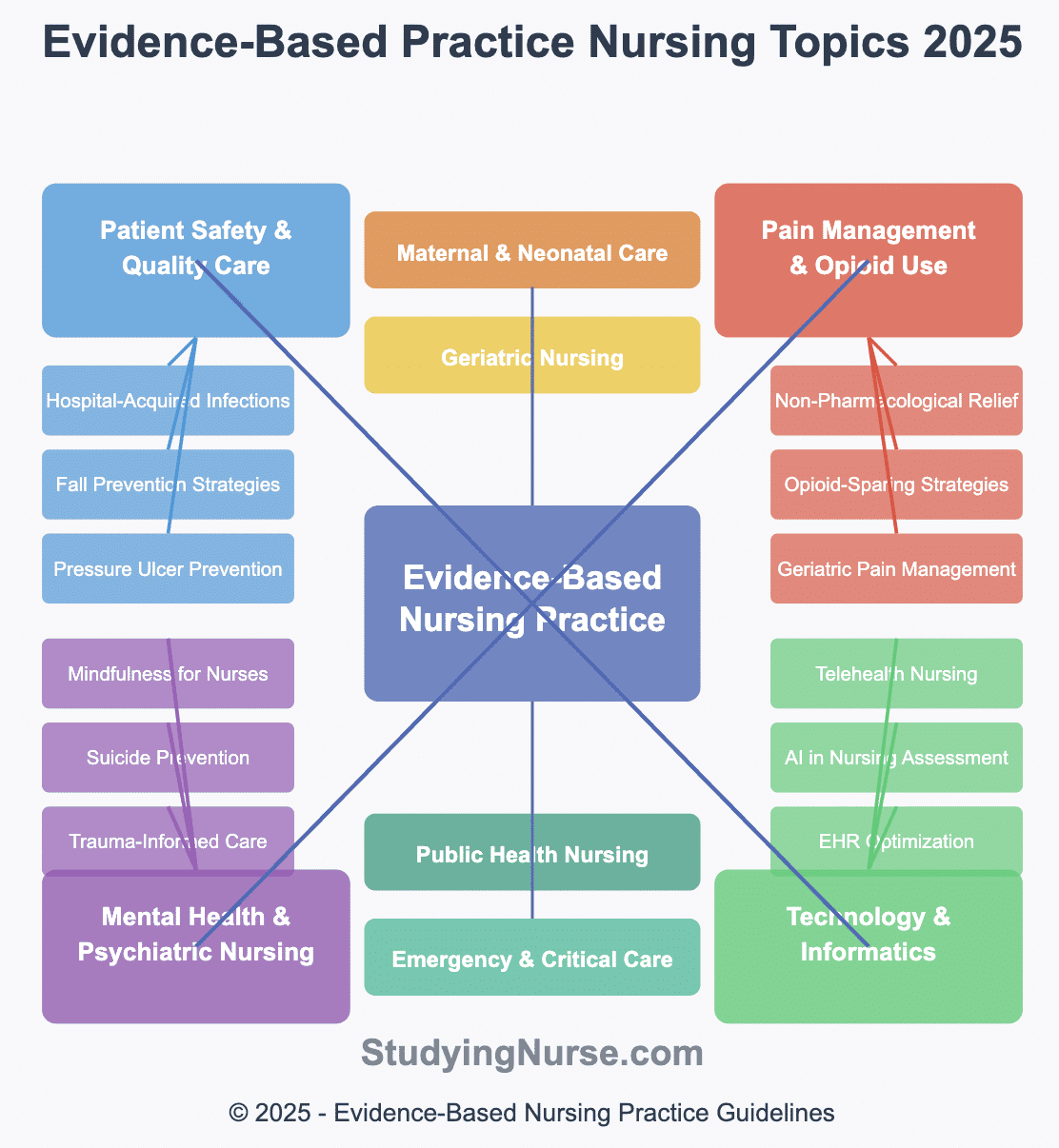
    As nursing students and professionals alike strive to improve healthcare outcomes, understanding and implementing EBP projects is crucial. This comprehensive guide explores various aspects of evidence-based practice in nursing, from choosing relevant topics to implementing projects and measuring their impact on patient care.

    What Are Evidence-Based Practice Project Ideas for Nurses?

    Evidence-based practice project ideas for nurses are research-driven initiatives that aim to improve patient care by integrating the best available evidence with clinical expertise and patient preferences. These projects typically focus on addressing specific healthcare challenges or exploring innovative approaches to nursing interventions.

    Understanding the Concept of Evidence-Based Practice in Nursing

    Evidence-based practice in nursing involves the conscientious use of current best evidence in making decisions about patient care. It combines research findings, clinical expertise, and patient values to guide nursing practice. EBP is essential for improving patient outcomes, reducing healthcare costs, and enhancing the overall quality of care.

    How to Choose a Relevant EBP Project Idea

    Selecting an appropriate EBP project idea requires careful consideration of several factors:

    1. Identify current issues in your clinical practice area
    2. Assess the potential impact on patient outcomes
    3. Consider the feasibility of implementation
    4. Evaluate available resources and support
    5. Align with organizational goals and priorities

    When choosing a topic, nurses should focus on areas where they can make a significant difference in patient care or address pressing challenges in their healthcare setting.

    Examples of Evidence-Based Practice in Nursing

    Some examples of evidence-based practice in nursing include:

    1. Implementing a nurse-led protocol for early mobilization of ICU patients to reduce the risk of complications
    2. Developing a standardized handoff process to improve communication during shift changes
    3. Introducing a falls prevention program based on the latest research findings
    4. Implementing a pain management protocol that incorporates both pharmacological and non-pharmacological interventions

    These examples demonstrate how EBP can be applied to various aspects of nursing care to improve patient outcomes and enhance the quality of healthcare delivery.

    What Are the Latest Evidence-Based Practice Nursing Topics?

    Staying current with the latest evidence-based practice nursing topics is essential for advancing the profession and improving patient care. Here are some areas of focus in contemporary nursing research:

    Exploring Current Trends in Nursing Research

    1. Telehealth and remote patient monitoring
    2. Precision medicine and personalized care
    3. Artificial intelligence and machine learning in healthcare
    4. Nurse burnout prevention and well-being strategies
    5. Patient engagement and shared decision-making
    6. Integrating social determinants of health into nursing practice

    These trends reflect the evolving nature of healthcare and the increasing importance of technology and holistic approaches to patient care.

    Quality Improvement Projects in Nursing Practice

    Quality improvement (QI) projects are an integral part of evidence-based practice in nursing. Some examples include:

    1. Reducing hospital-acquired infections through improved hand hygiene protocols
    2. Enhancing medication safety by implementing barcode scanning technology
    3. Improving patient satisfaction scores through targeted interventions
    4. Reducing emergency department wait times through process optimization

    QI projects often involve interdisciplinary collaboration and focus on measurable outcomes to drive continuous improvement in healthcare delivery.

    Evidence-Based Practice Nursing Research Topics for Capstone Projects

    For nursing students working on capstone projects, here are some potential EBP research topics:

    1. The impact of nurse-to-patient ratios on patient outcomes in critical care settings
    2. Effectiveness of mindfulness-based interventions in managing chronic pain
    3. Implementation of family-centered care models in pediatric nursing
    4. The role of nurse navigators in improving cancer patient outcomes
    5. Evaluating the effectiveness of simulation-based training in nursing education

    These topics offer opportunities for in-depth exploration of evidence-based practices and their potential to improve patient care.

    How to Implement an Evidence-Based Practice Project?

    Implementing an evidence-based practice project requires a structured approach to ensure success and sustainability.

    Steps for Implementing Evidence-Based Changes in Clinical Practice

    1. Identify the clinical question or problem
    2. Conduct a comprehensive literature review
    3. Critically appraise the evidence
    4. Develop an implementation plan
    5. Engage stakeholders and secure support
    6. Implement the change
    7. Evaluate outcomes and adjust as needed
    8. Disseminate findings and integrate into practice

    Following these steps helps ensure that the EBP project is well-planned, evidence-driven, and effectively implemented in the clinical setting.

    How to Measure Patient Outcomes in EBP Projects

    Measuring patient outcomes is crucial for evaluating the success of EBP projects. Some strategies include:

    1. Establishing clear, measurable objectives
    2. Using validated assessment tools and scales
    3. Collecting both quantitative and qualitative data
    4. Implementing pre- and post-intervention assessments
    5. Utilizing electronic health records for data collection
    6. Conducting patient satisfaction surveys
    7. Monitoring key performance indicators relevant to the project

    By systematically measuring outcomes, nurses can demonstrate the impact of their EBP projects on patient care and justify continued support for evidence-based initiatives.

    Challenges in the Implementation of Evidence-Based Practice

    While implementing EBP projects, nurses may encounter several challenges:

    1. Resistance to change from colleagues or leadership
    2. Limited resources or time constraints
    3. Lack of access to current research or databases
    4. Difficulties in translating research findings into practice
    5. Organizational culture that may not prioritize EBP
    6. Insufficient training or support for EBP implementation

    Addressing these challenges requires persistence, effective communication, and ongoing education to foster a culture that values and supports evidence-based practice in nursing.

    What Are Some Examples of Evidence-Based Practice Nursing Research Topics?

    Evidence-based practice nursing research topics span a wide range of areas within healthcare. Here are some examples:

    Identifying Research Topics Related to Patient Care

    1. The effectiveness of patient education programs in managing chronic diseases
    2. Impact of nurse-led discharge planning on hospital readmission rates
    3. Comparison of different pain assessment tools in pediatric patients
    4. Evaluation of interventions to reduce medication errors in acute care settings
    5. The role of culturally competent care in improving health outcomes for diverse populations

    These topics focus on direct patient care interventions and their potential to improve health outcomes.

    Exploring Nursing Interventions Supported by Evidence

    1. Implementation of early warning systems to detect patient deterioration
    2. Effectiveness of music therapy in reducing anxiety in preoperative patients
    3. Impact of nurse-led smoking cessation programs on quit rates
    4. Comparison of different wound care protocols in promoting healing
    5. Evaluation of nurse-driven protocols for managing sepsis

    These research areas explore specific nursing interventions that have shown promise in improving patient care based on current evidence.

    EBP Topics Focused on Public Health and Community Care

    1. Effectiveness of community-based fall prevention programs for older adults
    2. Impact of school nurse interventions on childhood obesity rates
    3. Evaluation of home visiting programs for high-risk pregnant women
    4. Implementation of evidence-based strategies to increase vaccination rates
    5. Assessment of nurse-led interventions to reduce health disparities in underserved communities

    These topics highlight the important role of nursing in public health and community-based care initiatives.

    How Can Nursing Education Benefit from Evidence-Based Practice?

    Integrating evidence-based practice into nursing education is essential for preparing future nurses to deliver high-quality, patient-centered care.

    The Role of EBP in Nursing School Curriculum

    1. Incorporating EBP courses throughout the nursing program
    2. Teaching critical appraisal skills for evaluating research evidence
    3. Integrating EBP concepts into clinical simulation scenarios
    4. Encouraging student participation in EBP projects and research
    5. Fostering collaboration between nursing schools and healthcare institutions for EBP initiatives

    By emphasizing EBP in nursing education, schools can better prepare students for the realities of modern healthcare practice.

    Preparing Nursing Students for Evidence-Based Clinical Practice

    1. Providing hands-on experience with EBP implementation during clinical rotations
    2. Teaching strategies for accessing and utilizing current research findings
    3. Developing skills in formulating clinical questions and conducting literature searches
    4. Encouraging critical thinking and decision-making based on evidence
    5. Fostering a culture of inquiry and continuous learning

    These approaches help nursing students develop the skills and mindset necessary for evidence-based clinical practice.

    Enhancing Nursing Leadership Through EBP Education

    1. Developing courses focused on EBP implementation and change management
    2. Incorporating leadership skills in EBP project planning and execution
    3. Teaching strategies for promoting EBP adoption within healthcare organizations
    4. Encouraging participation in interdisciplinary EBP initiatives
    5. Fostering skills in disseminating EBP findings and influencing policy

    By emphasizing leadership in EBP education, nursing programs can prepare future nurse leaders to drive positive change in healthcare settings.

    What Are the Best Evidence-Based Practice Project Ideas for Nursing Students?

    Nursing students can benefit from engaging in EBP projects that are both challenging and relevant to current healthcare needs.

    Top EBP Project Ideas to Improve Patient Care

    1. Implementing a standardized bedside handoff protocol to enhance patient safety
    2. Developing a nurse-led intervention to reduce hospital-acquired pressure ulcers
    3. Evaluating the effectiveness of a multimodal approach to pain management in postoperative patients
    4. Implementing a protocol for early mobilization of mechanically ventilated patients
    5. Assessing the impact of a nurse-led heart failure education program on hospital readmission rates

    These project ideas offer opportunities for nursing students to make meaningful contributions to patient care improvement.

    Innovative Topics for Nursing Research Papers

    1. The role of artificial intelligence in supporting clinical decision-making for nurses
    2. Exploring the potential of virtual reality in pain management for pediatric patients
    3. Evaluating the effectiveness of mobile health applications in promoting medication adherence
    4. Investigating the impact of nurse-led telemedicine interventions on rural healthcare access
    5. Assessing the potential of blockchain technology in enhancing healthcare data security and interoperability

    These innovative topics reflect emerging trends in healthcare and offer exciting avenues for nursing research.

    Capstone Project Ideas Focused on EBP Implementation

    1. Developing and implementing an evidence-based protocol for preventing catheter-associated urinary tract infections
    2. Creating a nurse-led program to improve vaccination rates among healthcare workers
    3. Implementing an evidence-based delirium prevention protocol in the intensive care unit
    4. Designing and evaluating a culturally sensitive diabetes management program for minority populations
    5. Developing and implementing an evidence-based falls prevention program in a long-term care facility

    These capstone project ideas provide opportunities for nursing students to demonstrate their ability to implement evidence-based changes in clinical practice.

    Related Article; Appendix D EBP Project Topics

    FAQs on Nursing Evidence-based Practice

    What is the topic of Evidence-Based Practice in nursing?

    Evidence-Based Practice in nursing is an approach that integrates the best available research evidence with clinical expertise and patient preferences to guide clinical decision-making and improve patient outcomes.

    How to choose an EBP topic?

    To choose an EBP topic, consider current issues in your practice area, assess potential impact on patient outcomes, evaluate feasibility, and align with organizational priorities.

    Which topic is best for research in nursing?

    The best research topics in nursing are those that address current healthcare challenges, have potential for significant impact on patient care, and align with the nurse’s area of expertise and interest.

    What are the 4 major components of evidence based nursing?

    The four major components of evidence-based nursing are:

    1. Best research evidence
    2. Clinical expertise
    3. Patient preferences and values
    4. Available resources and context
  • Middle-range Theory of Self-care of Chronic Illness

    As the prevalence of chronic conditions continues to rise, healthcare professionals and researchers are focusing on developing effective strategies to help patients manage their health. One significant contribution to this field is the Middle-Range Theory of Self-Care of Chronic Illness.

    This theory provides a framework for understanding how individuals with chronic conditions can actively participate in their own care, leading to improved health outcomes and quality of life.

    Middle-range Theory

    What is the Middle-Range Theory of Self-Care?

    Defining the Theory of Self-Care

    The Middle-Range Theory of Self-Care of Chronic Illness is a conceptual framework that explains how individuals with chronic conditions engage in self-care behaviors to maintain their health and manage their illness. Developed by nursing researchers, this theory aims to bridge the gap between grand nursing theories and practical applications in patient care.

    Self-care, in the context of this theory, refers to the process by which individuals with chronic illnesses actively participate in health-promoting practices and managing illness-related symptoms. It encompasses a range of behaviors and decisions that people make on a daily basis to maintain their health and well-being.

    Key Components of the Middle-Range Theory

    The Middle-Range Theory of Self-Care comprises three key concepts:

    1. Self-care maintenance: This involves behaviors that individuals perform to maintain physical and emotional stability. Examples include adhering to medication regimens, following a healthy diet, and engaging in regular physical activity.
    2. Self-care monitoring: This refers to the process of observing oneself for changes in signs and symptoms. It involves being aware of physical and emotional changes and understanding their significance.
    3. Self-care management: This encompasses the evaluation of changes in physical and emotional signs and symptoms to determine if action is needed. It includes implementing treatment strategies and evaluating their effectiveness.

    These three components work together to form a comprehensive approach to self-care in chronic illness.

    Importance of Self-Care in Chronic Conditions

    Self-care is essential for individuals living with chronic conditions. By actively engaging in self-care behaviors, patients can:

    1. Improve their quality of life
    2. Reduce the frequency and severity of symptom exacerbations
    3. Decrease hospitalizations and healthcare costs
    4. Enhance their sense of control over their health
    5. Increase their ability to participate in daily activities

    Research has consistently shown that patients who effectively engage in self-care have better health outcomes and report higher satisfaction with their care.

    How does the Middle-Range Theory apply to Heart Failure?

    Heart failure is a chronic condition that significantly benefits from the application of the Middle-Range Theory of Self-Care. The theory has been extensively studied in the context of heart failure, leading to the development of a situation-specific theory of heart failure self-care.

    Understanding Heart Failure Self-Care Behaviour

    Heart failure self-care behavior encompasses a range of activities that patients must perform to maintain their health and manage their condition. These behaviors include:

    1. Adhering to medication regimens
    2. Following a low-sodium diet
    3. Monitoring daily weight
    4. Recognizing and responding to symptoms of fluid retention
    5. Engaging in regular physical activity
    6. Managing stress

    The European Heart Failure Self-Care Behaviour Scale and the Self-Care of Heart Failure Index are tools developed to assess and measure these behaviors in patients with heart failure.

    Integrating Symptoms into the Middle-Range Theory

    One of the unique aspects of applying the Middle-Range Theory to heart failure is the integration of symptoms into the self-care process. Patients with heart failure must be vigilant in monitoring for signs and symptoms of worsening condition, such as:

    1. Shortness of breath
    2. Fatigue
    3. Swelling in the legs or ankles
    4. Rapid weight gain

    The manner in which self-care monitoring and self-care management are associated with these symptoms is crucial for effective heart failure management. Patients must not only recognize these symptoms but also understand their significance and take appropriate action, such as adjusting diuretic doses or contacting their healthcare provider.

    Factors Influencing Self-Care in Heart Failure Patients

    Several factors can influence self-care in adults with heart failure:

    1. Knowledge and skills: Patients need to understand their condition and have the skills to perform self-care tasks.
    2. Self-efficacy: Confidence in one’s ability to perform self-care behaviors is a strong predictor of actual behavior.
    3. Social support: Family and social networks can provide emotional support and practical assistance in self-care activities.
    4. Depression: Depressive symptoms can negatively impact self-care behaviors in heart failure patients.
    5. Cognitive function: Impaired cognitive function, common in heart failure, can affect a patient’s ability to engage in complex self-care tasks.
    6. Comorbidities: The presence of multiple chronic conditions can complicate self-care efforts.

    Understanding these factors is crucial for healthcare providers to develop targeted interventions to improve self-care in patients with chronic heart failure.

    What are the Self-Care Interventions for Chronic Illness?

    Self-care interventions are strategies designed to enhance an individual’s ability to engage in effective self-care behaviors. These interventions are crucial in the management of chronic illnesses, including but not limited to heart failure, diabetes, and chronic obstructive pulmonary disease (COPD).

    Effective Self-Care Behaviour Strategies

    1. Education: Providing patients with comprehensive information about their condition, including causes, symptoms, and management strategies.
    2. Skill-building: Teaching patients specific skills, such as how to monitor symptoms or use medical devices.
    3. Goal-setting: Helping patients set realistic and achievable self-care goals.
    4. Motivational interviewing: Using communication techniques to enhance patients’ motivation to engage in self-care.
    5. Telemonitoring: Using technology to remotely monitor patients’ health status and provide timely feedback.
    6. Support groups: Facilitating peer support among patients with similar chronic conditions.
    7. Cognitive-behavioral therapy: Addressing psychological barriers to self-care, such as depression or anxiety.

    Monitoring and Maintenance in Chronic Conditions

    Effective monitoring and maintenance are crucial components of self-care in chronic conditions. This involves:

    1. Regular symptom tracking: Patients should be taught to recognize and record changes in their symptoms.
    2. Medication management: Adherence to prescribed medications and understanding their effects and side effects.
    3. Lifestyle modifications: Incorporating diet, exercise, and stress management techniques into daily routines.
    4. Regular health check-ups: Maintaining scheduled appointments with healthcare providers for ongoing monitoring and adjustment of treatment plans.

    Research Findings on Self-Care Management

    A systematic review of nursing science research has shown that self-care interventions can lead to improved outcomes in patients with chronic illnesses. Key findings include:

    1. Improved quality of life: Patients who engage in effective self-care report better overall quality of life.
    2. Reduced hospitalizations: Self-care interventions have been associated with fewer hospital admissions and emergency department visits.
    3. Better symptom control: Patients who actively monitor and manage their symptoms experience better symptom control.
    4. Increased self-efficacy: Self-care interventions can enhance patients’ confidence in their ability to manage their condition.
    5. Cost-effectiveness: Self-care interventions have been shown to be cost-effective in the long-term management of chronic conditions.

    These research findings underscore the importance of integrating self-care interventions into the management of chronic illnesses.

    What factors are related to Self-Care according to the Middle-Range Theory?

    The Middle-Range Theory of Self-Care identifies several factors that are related to an individual’s ability to engage in effective self-care. Understanding these factors is crucial for healthcare providers and researchers to develop targeted interventions and support strategies.

    Identifying Factors Related to Self-Care

    1. Personal factors:
      • Age
      • Gender
      • Education level
      • Health literacy
      • Cultural beliefs and practices
      • Cognitive function
    2. Problem-specific factors:
      • Severity of the chronic condition
      • Presence of comorbidities
      • Complexity of the treatment regimen
      • Duration of illness
    3. Environmental factors:
      • Access to healthcare resources
      • Social support systems
      • Economic resources
      • Living situation
    4. Psychological factors:
      • Self-efficacy
      • Motivation
      • Depression and anxiety
      • Coping styles
    5. Behavioral factors:
      • Previous experiences with self-care
      • Habits and routines
      • Adherence to treatment plans

    Impact of Depressive Symptoms on Self-Care

    One factor that has received significant attention in self-care research is the impact of depressive symptoms. Depression is common among individuals with chronic illnesses and can significantly affect their ability to engage in self-care behaviors.

    Studies have shown that depressive symptoms can:

    1. Reduce motivation to engage in self-care activities
    2. Impair cognitive function, making it difficult to remember and follow complex self-care regimens
    3. Lead to social isolation, reducing access to support for self-care
    4. Cause fatigue, which can interfere with physical aspects of self-care
    5. Negatively impact self-efficacy, reducing confidence in one’s ability to perform self-care tasks

    Healthcare providers must be aware of the potential impact of depressive symptoms on self-care and incorporate screening and treatment for depression into their care plans for patients with chronic illnesses.

    Systematic Review of Nursing Science Research

    A systematic review of nursing science research has provided valuable insights into the factors related to self-care in chronic illness. Key findings include:

    1. Self-efficacy is consistently identified as a strong predictor of self-care behavior across various chronic conditions.
    2. Social support, particularly from family members, plays a crucial role in facilitating self-care.
    3. Health literacy is positively associated with better self-care practices.
    4. The presence of multiple chronic conditions (multimorbidity) can complicate self-care efforts and requires tailored interventions.
    5. Cultural factors influence self-care practices and must be considered in developing interventions.
    6. Cognitive impairment, common in many chronic conditions, can significantly impact an individual’s ability to engage in complex self-care tasks.

    These findings highlight the multifaceted nature of self-care and emphasize the need for comprehensive, individualized approaches to promoting self-care in patients with chronic illnesses.

    How can we Integrate the Middle-Range Theory into Nursing Research?

    The Middle-Range Theory of Self-Care of Chronic Illness provides a valuable framework for nursing research, offering a structured approach to understanding and improving self-care behaviors in patients with chronic conditions.

    Application of the Concept of Self-Care

    Integrating the concept of self-care into nursing research involves:

    1. Operationalizing self-care concepts: Developing clear, measurable definitions of self-care maintenance, monitoring, and management.
    2. Creating and validating assessment tools: Developing instruments to measure self-care behaviors specific to different chronic conditions.
    3. Designing intervention studies: Using the theory to inform the development and testing of self-care interventions.
    4. Exploring relationships: Investigating how different factors influence self-care behaviors and outcomes.
    5. Cross-cultural research: Examining how the theory applies across different cultural contexts.

    Research in Nursing and Chronic Disease

    The Middle-Range Theory has been extensively used in nursing research on chronic diseases. Some areas of focus include:

    1. Heart failure: Numerous studies have applied the theory to understand and improve self-care in heart failure patients.
    2. Diabetes: Research has explored how the theory can guide interventions to enhance diabetes self-management.
    3. Chronic obstructive pulmonary disease (COPD): Studies have investigated how the theory can inform strategies to improve self-care in COPD patients.
    4. Multiple chronic conditions: Research is increasingly focusing on how the theory applies to patients with varied or multiple chronic conditions.

    Future Directions for Theory Development

    As research in self-care of chronic illness continues to evolve, several areas for future theory development have been identified:

    1. Technology integration: Exploring how digital health technologies can be incorporated into the self-care process.
    2. Personalized medicine: Investigating how genetic and individual factors influence self-care behaviors and outcomes.
    3. Health equity: Examining how social determinants of health impact self-care and developing interventions to address disparities.
    4. Caregiver involvement: Expanding the theory to include the role of caregivers in supporting self-care.
    5. Resilience and self-care: Investigating how resilience factors interact with self-care behaviors.
    6. Symptom clusters: Exploring how the theory applies to managing multiple, interrelated symptoms in complex chronic conditions.

    By continuing to refine and expand the Middle-Range Theory of Self-Care of Chronic Illness, researchers and healthcare professionals can develop more effective strategies to support patients in managing their chronic conditions, ultimately improving health outcomes and quality of life.

    Related Article; Integrating Symptoms Into the Middle-Range Theory of Self-Care of Chronic Illness

    FAQs

    Q: What is the theory of self management in chronic illness?

    A: The theory of self-management in chronic illness focuses on how individuals actively participate in managing their health condition, including tasks like medication adherence, symptom monitoring, and lifestyle modifications.

    Q: What is the middle-range theory of public health?

    A: While there isn’t a specific “middle-range theory of public health,” middle-range theories in public health are those that bridge the gap between grand theories and practical applications, often focusing on specific health behaviors or interventions.

    Q: What is the concept of middle-range theory?

    A: Middle-range theory is a concept in nursing and social science that refers to theories that are more focused and specific than grand theories but more abstract than practice-level theories, providing a bridge between theoretical concepts and practical applications.

    Q: What is an example of a midrange theory?

    A: An example of a midrange theory is the Theory of Self-Care of Chronic Illness, which explains how individuals with chronic conditions engage in self-care behaviors to maintain their health and manage their illness.

  • Case Report: Acute Myocardial Infarction in a 45-Year-Old Male Patient

    Acute myocardial infarction (MI), commonly known as a heart attack, is a life-threatening cardiovascular event that occurs when blood flow to the heart muscle is severely reduced or blocked. This blockage is typically caused by a buildup of plaque in the coronary arteries, leading to the formation of a blood clot that obstructs blood flow. The result is damage or death of heart muscle cells due to lack of oxygen, a process known as myocardial necrosis.

    Myocardial infarction falls under the broader category of acute coronary syndrome (ACS), which encompasses a range of conditions related to sudden, reduced blood flow to the heart. The severity and extent of damage can vary, but all cases of MI require immediate medical attention to prevent further complications and improve patient outcomes.

    Acute Myocardial Infarction

    Clinical Presentation of the Patient

    In this case report, we present a 45-year-old male patient who arrived at the emergency department complaining of severe chest pain and shortness of breath. The patient, Mr. John Doe (name changed for privacy), had no prior history of cardiovascular disease but did have several risk factors that contributed to his condition.

    Upon arrival, the patient’s vital signs were as follows:

    • Blood Pressure: 160/95 mmHg
    • Heart Rate: 110 beats per minute
    • Respiratory Rate: 24 breaths per minute
    • Oxygen Saturation: 94% on room air
    • Temperature: 37.2°C (98.9°F)

    Physical examination revealed a distressed patient with diaphoresis and pallor. Chest auscultation was clear, with no abnormal heart sounds or murmurs detected.

    Initial Symptoms and Risks

    Mr. Doe reported experiencing intense, crushing chest pain that radiated to his left arm and jaw. The pain began approximately two hours before his arrival at the hospital and was accompanied by nausea, sweating, and a sense of impending doom. These symptoms are classic presentations of acute myocardial infarction and raised immediate concern for the treating physicians.

    The patient’s medical history revealed several risk factors for cardiovascular disease:

    • Hypertension (poorly controlled)
    • Type 2 diabetes mellitus (diagnosed 3 years ago)
    • Obesity (BMI of 32)
    • Sedentary lifestyle
    • Family history of early-onset coronary artery disease

    Additionally, Mr. Doe reported being a smoker (1 pack per day for 20 years) and having a high-stress job as a corporate executive. These factors collectively contributed to his increased risk of developing acute myocardial infarction at a relatively young age.

    How is Acute Myocardial Infarction Defined?

    Definition of Myocardial Infarction

    The universal definition of myocardial infarction, as established by the European Society of Cardiology (ESC), the American College of Cardiology Foundation (ACCF), the American Heart Association (AHA), and the World Heart Federation (WHF), states that myocardial infarction is diagnosed when there is evidence of myocardial injury or necrosis in a clinical setting consistent with acute myocardial ischemia.

    Specifically, the diagnosis of acute MI is made when there is a rise and/or fall of cardiac biomarker values (preferably cardiac troponin) with at least one value above the 99th percentile upper reference limit and at least one of the following:

    1. Symptoms of myocardial ischemia
    2. New ischemic ECG changes
    3. Development of pathological Q waves
    4. Imaging evidence of new loss of viable myocardium or new regional wall motion abnormality
    5. Identification of an intracoronary thrombus by angiography or autopsy

    Types of Myocardial Infarction

    Myocardial infarction is classified into several types based on the underlying mechanism and clinical circumstances:

    1. Type 1 MI: Spontaneous MI related to atherosclerotic plaque rupture, ulceration, fissuring, erosion, or dissection with resulting intraluminal thrombus.
    2. Type 2 MI: MI secondary to an ischemic imbalance, such as coronary artery spasm, coronary embolism, anemia, arrhythmias, hypertension, or hypotension.
    3. Type 3 MI: MI resulting in death when biomarker values are unavailable or before they can rise.
    4. Type 4a MI: MI related to percutaneous coronary intervention (PCI).
    5. Type 4b MI: MI related to stent thrombosis.
    6. Type 5 MI: MI related to coronary artery bypass grafting (CABG).

    In Mr. Doe’s case, based on his clinical presentation and subsequent investigations, he was diagnosed with a Type 1 MI, specifically an ST-elevation myocardial infarction (STEMI).

    Importance of Early Detection

    Early detection of acute myocardial infarction is crucial for improving patient outcomes and reducing mortality rates. The “time is muscle” concept emphasizes that the longer the delay in treatment, the more extensive the myocardial damage. Prompt recognition of symptoms and rapid initiation of appropriate interventions can significantly limit infarct size, preserve left ventricular function, and reduce the risk of life-threatening complications.

    In Mr. Doe’s case, despite the two-hour delay between symptom onset and hospital arrival, his prompt seeking of medical attention allowed for timely diagnosis and treatment. This underscores the importance of public education about the signs and symptoms of MI and the need for immediate medical care when these symptoms occur.

    What are the Causes and Risk Factors for Myocardial Infarction?

    Coronary Artery Disease and Atherosclerosis

    The primary cause of acute myocardial infarction is coronary artery disease (CAD), which is characterized by the buildup of atherosclerotic plaques in the coronary arteries. Atherosclerosis is a chronic, progressive process that begins with the accumulation of lipids, inflammatory cells, and fibrous tissue in the arterial wall. Over time, these plaques can narrow the lumen of the coronary arteries, reducing blood flow to the heart muscle.

    In the case of acute MI, the sudden rupture or erosion of an atherosclerotic plaque triggers the formation of a blood clot (thrombus) that can partially or completely occlude the coronary artery. This sudden blockage leads to acute ischemia and, if prolonged, results in myocardial necrosis.

    For Mr. Doe, although he had no prior history of diagnosed CAD, his risk factors likely contributed to the development of atherosclerosis over time. The acute event was probably triggered by the rupture of a vulnerable plaque in one of his coronary arteries.

    Common Risk Factors for MI

    Several well-established risk factors contribute to the development of coronary artery disease and increase the likelihood of experiencing an acute myocardial infarction. These risk factors can be categorized as modifiable and non-modifiable:

    Modifiable Risk Factors:

    1. Hypertension: High blood pressure damages the arterial walls and accelerates atherosclerosis.
    2. Dyslipidemia: Elevated levels of LDL cholesterol and low levels of HDL cholesterol promote plaque formation.
    3. Diabetes mellitus: Chronic hyperglycemia contributes to endothelial dysfunction and accelerated atherosclerosis.
    4. Smoking: Tobacco use damages blood vessels, increases inflammation, and promotes thrombosis.
    5. Obesity: Excess body weight is associated with multiple cardiovascular risk factors.
    6. Sedentary lifestyle: Lack of physical activity is linked to increased cardiovascular risk.
    7. Poor diet: High intake of saturated fats, trans fats, and refined carbohydrates contributes to atherosclerosis.
    8. Stress: Chronic stress can lead to hypertension and unhealthy behaviors.

    Non-modifiable Risk Factors:

    1. Age: The risk of MI increases with age, particularly after 45 for men and 55 for women.
    2. Gender: Men are at higher risk than premenopausal women, but the risk equalizes after menopause.
    3. Family history: A genetic predisposition to CAD increases risk.
    4. Ethnicity: Certain ethnic groups have higher rates of cardiovascular disease.

    In Mr. Doe’s case, he presented with multiple modifiable risk factors (hypertension, diabetes, obesity, smoking, sedentary lifestyle) as well as the non-modifiable risk factors of age and family history. This combination of risk factors significantly increased his likelihood of experiencing an acute MI.

    Impact of Lifestyle on Cardiac Health

    Lifestyle factors play a crucial role in cardiovascular health and can significantly influence the risk of myocardial infarction. Unhealthy lifestyle choices can exacerbate existing risk factors and contribute to the development of new ones. Conversely, positive lifestyle changes can help prevent or manage cardiovascular disease.

    Key lifestyle factors that impact cardiac health include:

    1. Diet: A heart-healthy diet rich in fruits, vegetables, whole grains, lean proteins, and healthy fats can help control blood pressure, cholesterol levels, and weight.
    2. Physical activity: Regular exercise improves cardiovascular fitness, helps maintain a healthy weight, and reduces the risk of hypertension, diabetes, and dyslipidemia.
    3. Stress management: Chronic stress can lead to unhealthy behaviors and physiological changes that increase cardiovascular risk. Effective stress management techniques can mitigate these effects.
    4. Sleep: Adequate, quality sleep is essential for cardiovascular health. Sleep disorders, such as sleep apnea, are associated with increased risk of MI.
    5. Alcohol consumption: Moderate alcohol intake may have some protective effects, but excessive consumption increases cardiovascular risk.
    6. Smoking cessation: Quitting smoking can dramatically reduce the risk of MI and improve overall cardiovascular health.

    In Mr. Doe’s case, his lifestyle choices, including smoking, sedentary behavior, and potentially poor dietary habits, likely contributed significantly to his early-onset acute myocardial infarction. This highlights the importance of addressing lifestyle factors in both the prevention and management of cardiovascular disease.

    How is Acute Myocardial Infarction Diagnosed?

    Role of ECG in Diagnosis

    The electrocardiogram (ECG or EKG) plays a crucial role in the rapid diagnosis of acute myocardial infarction, particularly in identifying ST-elevation myocardial infarction (STEMI). In Mr. Doe’s case, a 12-lead ECG was performed immediately upon his arrival at the emergency department.

    The ECG revealed:

    • ST-segment elevation of 3 mm in leads V2-V4
    • Reciprocal ST-segment depression in leads II, III, and aVF
    • Q waves beginning to form in leads V2-V4

    These ECG findings were consistent with an acute anterior wall STEMI, likely due to occlusion of the left anterior descending coronary artery. The presence of ST-segment elevation in contiguous leads is a hallmark of STEMI and indicates ongoing transmural myocardial ischemia.

    It’s important to note that while ECG is highly sensitive for STEMI, it may not always show characteristic changes in non-ST-elevation myocardial infarction (NSTEMI) or in the very early stages of MI. Therefore, serial ECGs and correlation with clinical symptoms and cardiac biomarkers are essential for accurate diagnosis.

    Troponin Levels and Their Significance

    Cardiac troponins (troponin I and T) are highly sensitive and specific biomarkers for myocardial injury. Elevated troponin levels in the setting of acute coronary syndrome are diagnostic of myocardial infarction. In Mr. Doe’s case, blood samples were drawn for troponin analysis upon admission and at regular intervals thereafter.

    The initial troponin I level was 0.5 ng/mL (normal range <0.04 ng/mL), indicating myocardial injury. Subsequent measurements showed a characteristic rise and fall pattern:

    • 2 hours post-admission: 2.3 ng/mL
    • 6 hours post-admission: 15.7 ng/mL
    • 12 hours post-admission: 24.5 ng/mL
    • 24 hours post-admission: 18.2 ng/mL

    This pattern of troponin elevation, along with the clinical presentation and ECG changes, confirmed the diagnosis of acute myocardial infarction. The magnitude and time course of troponin elevation can also provide information about the extent of myocardial damage and prognosis.

    Coronary Angiography Insights

    Given the diagnosis of STEMI, Mr. Doe was immediately taken to the cardiac catheterization laboratory for coronary angiography. This procedure provides detailed imaging of the coronary arteries and is essential for identifying the culprit lesion and guiding revascularization strategies.

    The coronary angiography revealed:

    • 100% occlusion of the proximal left anterior descending (LAD) artery
    • 70% stenosis in the mid-right coronary artery (RCA)
    • 50% stenosis in the left circumflex artery (LCX)

    These findings confirmed that the acute STEMI was caused by complete thrombotic occlusion of the LAD, consistent with the ECG changes observed. The presence of significant stenosis in other coronary arteries indicated more extensive coronary artery disease, which would need to be addressed in the patient’s long-term management plan.

    The coronary angiography not only provided diagnostic information but also allowed for immediate therapeutic intervention through percutaneous coronary intervention (PCI).

    What are the Treatment Options for Acute Myocardial Infarction?

    Percutaneous Coronary Intervention (PCI)

    Percutaneous coronary intervention, also known as coronary angioplasty, is the preferred reperfusion strategy for patients with STEMI when it can be performed in a timely manner by experienced operators. In Mr. Doe’s case, given the diagnosis of anterior STEMI and the angiographic findings, immediate PCI was performed.

    The procedure involved:

    1. Advancing a guidewire through the occluded LAD
    2. Balloon angioplasty to reopen the artery
    3. Aspiration thrombectomy to remove residual thrombus
    4. Stent placement to maintain vessel patency

    Post-PCI angiography showed successful restoration of TIMI 3 flow (normal flow) in the LAD. The door-to-balloon time (time from hospital arrival to balloon inflation) was 62 minutes, well within the recommended 90-minute window for primary PCI in STEMI.

    Use of Stents in Treatment

    After successful recanalization of the LAD, a drug-eluting stent (DES) was deployed to maintain long-term patency of the vessel. Drug-eluting stents are coated with medications that are slowly released to prevent restenosis (re-narrowing) of the artery.

    In Mr. Doe’s case, a 3.0 x 28 mm everolimus-eluting stent was implanted in the proximal LAD. The use of DES has significantly improved outcomes in PCI by reducing the rates of in-stent restenosis and the need for repeat revascularization compared to bare-metal stents.

    Post-stenting angiography confirmed optimal stent expansion and positioning, with no residual stenosis or dissection. The patient tolerated the procedure well, and there were no immediate complications.

    Medications and Management Strategies

    In addition to the interventional treatment, Mr. Doe received a comprehensive medication regimen as part of his acute management and for secondary prevention:

    1. Antiplatelet therapy:
      • Aspirin 325 mg loading dose, followed by 81 mg daily indefinitely
      • Ticagrelor 180 mg loading dose, followed by 90 mg twice daily for at least 12 months
    2. Anticoagulation:
      • Unfractionated heparin during PCI, discontinued post-procedure
    3. Beta-blocker:
      • Metoprolol 25 mg twice daily, titrated to heart rate and blood pressure
    4. ACE inhibitor:
      • Lisinopril 5 mg daily, titrated as tolerated
    5. Statin:
      • Atorvastatin 80 mg daily
    6. Other medications:
      • Pantoprazole 40 mg daily for gastric protection
      • Sublingual nitroglycerin as needed for chest pain

    The patient was closely monitored in the coronary care unit for the first 24 hours post-PCI. Serial ECGs showed resolution of ST-segment elevation, and the patient reported significant improvement in symptoms.

    Management strategies also included:

    • Continuous cardiac monitoring
    • Oxygen therapy to maintain saturation >94%
    • Pain management with intravenous morphine as needed
    • Careful fluid management and daily weight monitoring
    • Early mobilization as tolerated
    • Initiation of cardiac rehabilitation education

    These comprehensive treatment approaches aim to limit infarct size, prevent complications,and promote optimal recovery. The combination of timely reperfusion therapy, appropriate medications, and close monitoring forms the cornerstone of modern acute myocardial infarction management.

    What are the Potential Complications of Myocardial Infarction?

    Myocardial Injury and Heart Failure

    Acute myocardial infarction can lead to various complications, with the extent of myocardial injury being a key determinant. In Mr. Doe’s case, despite timely intervention, he experienced some degree of myocardial damage, which put him at risk for certain complications.

    One of the most significant potential complications is heart failure. The loss of functioning myocardium can impair the heart’s ability to pump effectively, leading to symptoms such as dyspnea, fatigue, and fluid retention. To assess Mr. Doe’s cardiac function, an echocardiogram was performed on day 3 post-MI, revealing:

    • Left ventricular ejection fraction (LVEF) of 40% (normal range: 50-70%)
    • Hypokinesis of the anterior and apical segments
    • Mild mitral regurgitation

    These findings indicated moderate left ventricular systolic dysfunction, placing Mr. Doe at risk for developing heart failure. As a result, his management plan included careful titration of ACE inhibitors and beta-blockers, along with close monitoring of fluid status and symptoms.

    Long-term Effects on Cardiac Function

    The long-term effects of myocardial infarction on cardiac function can be significant and may include:

    1. Ventricular remodeling: The infarcted area may thin and expand over time, leading to changes in the size, shape, and function of the left ventricle. This process can contribute to the development of chronic heart failure.
    2. Arrhythmias: Scarred myocardial tissue can serve as a substrate for various arrhythmias, including ventricular tachycardia and atrial fibrillation.
    3. Diastolic dysfunction: Impaired relaxation and filling of the ventricles can occur, even in areas not directly affected by the infarction.
    4. Valvular dysfunction: Changes in ventricular geometry can lead to functional mitral regurgitation, as seen in Mr. Doe’s case.
    5. Reduced exercise capacity: Due to impaired cardiac function and potential deconditioning during recovery.

    To monitor these potential long-term effects, Mr. Doe was scheduled for regular follow-up appointments, including repeat echocardiograms and stress tests to assess for improvement or deterioration in cardiac function over time.

    Importance of Follow-up Care

    Given the potential for both immediate and long-term complications, comprehensive follow-up care is crucial for patients who have experienced an acute myocardial infarction. For Mr. Doe, this included:

    1. Outpatient cardiology appointments: Initially at 2 weeks post-discharge, then at 1, 3, and 6 months, and annually thereafter.
    2. Cardiac rehabilitation: A structured program of exercise, education, and counseling to improve cardiovascular health and reduce the risk of future events.
    3. Regular monitoring of cardiac function: Through echocardiograms, stress tests, and other imaging modalities as needed.
    4. Medication management: Ongoing assessment and adjustment of medications to optimize heart function and prevent secondary events.
    5. Risk factor modification: Continued efforts to address modifiable risk factors, including smoking cessation, weight management, and blood pressure control.
    6. Psychosocial support: Addressing potential issues of depression, anxiety, and adjustment to lifestyle changes post-MI.
    7. Ongoing patient education: Reinforcing the importance of medication adherence, recognizing warning signs, and maintaining a heart-healthy lifestyle.

    This comprehensive follow-up care is designed to detect and manage any complications early, optimize recovery, and prevent recurrent cardiovascular events.

    What is the Prognosis for Patients with Acute Myocardial Infarction?

    Factors Influencing Recovery

    The prognosis for patients with acute myocardial infarction can vary widely and is influenced by numerous factors. In Mr. Doe’s case, several elements played a role in his recovery and long-term outlook:

    1. Time to treatment: The relatively short time from symptom onset to reperfusion (approximately 4 hours) likely limited the extent of myocardial damage.
    2. Infarct location and size: The anterior wall MI, while significant, was treated promptly, potentially preserving some myocardial function.
    3. Residual left ventricular function: His post-MI LVEF of 40%, while reduced, suggests a moderate impairment rather than severe dysfunction.
    4. Extent of coronary artery disease: The presence of multi-vessel disease (LAD, RCA, LCX involvement) may impact long-term prognosis and the need for further interventions.
    5. Adherence to treatment: Mr. Doe’s commitment to medication compliance, lifestyle changes, and cardiac rehabilitation will significantly influence his recovery.
    6. Management of risk factors: His ability to control hypertension, diabetes, and successfully quit smoking will be crucial for preventing future events.
    7. Age and overall health: At 45, Mr. Doe is relatively young, which may contribute to a more favorable recovery potential.

    Long-term Management and Lifestyle Changes

    Long-term management of Mr. Doe’s condition focused on secondary prevention strategies and lifestyle modifications:

    1. Medication adherence: Continuing dual antiplatelet therapy, statins, beta-blockers, and ACE inhibitors as prescribed.
    2. Smoking cessation: Mr. Doe was enrolled in a structured smoking cessation program and provided with pharmacological support (nicotine replacement therapy).
    3. Diet modification: Consultation with a dietitian to implement a heart-healthy, Mediterranean-style diet.
    4. Physical activity: Gradual increase in exercise through a supervised cardiac rehabilitation program, aiming for at least 150 minutes of moderate-intensity aerobic activity per week.
    5. Weight management: Setting a goal to achieve a BMI <25 through diet and exercise.
    6. Stress reduction: Participation in stress management techniques, including mindfulness and cognitive-behavioral therapy.
    7. Blood pressure control: Home blood pressure monitoring and medication adjustments to maintain a target of <130/80 mmHg.
    8. Diabetes management: Close collaboration with an endocrinologist to optimize glycemic control (target HbA1c <7%).
    9. Regular follow-up: Adhering to scheduled cardiology appointments and recommended diagnostic tests.

    Statistical Outcomes and Survival Rates

    While individual prognoses can vary, statistical data provide insight into overall outcomes for patients with acute myocardial infarction. According to recent studies:

    • Short-term mortality (30-day) for STEMI patients treated with primary PCI is approximately 2.5-5%.
    • One-year mortality rates for MI patients range from 7-18%, depending on various factors including age, comorbidities, and treatment strategies.
    • Five-year survival rates for MI patients have improved significantly over the past decades, with current estimates around 70-85%.
    • Patients who experience an MI at a younger age (like Mr. Doe) generally have better long-term survival rates compared to older patients, provided they adhere to secondary prevention strategies.

    It’s important to note that these statistics represent population-level data and may not directly apply to individual cases. Mr. Doe’s relatively young age, prompt treatment, and commitment to lifestyle changes may contribute to a more favorable prognosis.

    In Mr. Doe’s case, his cardiologist provided a cautiously optimistic outlook, emphasizing that with strict adherence to his treatment plan and lifestyle modifications, he could significantly reduce his risk of recurrent events and maintain a good quality of life.

    Related Article; Heart Attack

    FAQs

    What are four signs of myocardial infarction?

    1. Chest pain or discomfort: Often described as pressure, squeezing, or fullness in the chest.
    2. Pain radiating to other areas: Typically to the left arm, but can also affect the jaw, neck, back, or stomach.
    3. Shortness of breath: Difficulty breathing or feeling winded, often accompanying chest discomfort.
    4. Other associated symptoms: These may include nausea, cold sweats, lightheadedness, or fatigue.

    Is myocardial infarction curable?

    While myocardial infarction itself is not “curable” in the traditional sense, it is treatable, and its effects can be managed. The damaged heart muscle cannot be reversed, but with proper treatment and lifestyle changes, patients can recover and reduce the risk of future events. The focus is on treating the acute event, preventing further damage, and implementing secondary prevention strategies.

    How do you treat acute myocardial infarction?

    Treatment for acute myocardial infarction typically involves:

    1. Immediate reperfusion therapy: Either through primary PCI (preferred) or fibrinolytic therapy.
    2. Antiplatelet and anticoagulant medications: To prevent further clot formation.
    3. Pain management and supportive care: Including oxygen therapy if needed.
    4. Medications to support heart function: Such as beta-blockers and ACE inhibitors.
    5. Management of complications: Such as arrhythmias or heart failure.
    6. Implementation of secondary prevention strategies: Including medication and lifestyle modifications.

    What is the life expectancy of a person with myocardial infarction?

    Life expectancy after myocardial infarction varies widely depending on factors such as age at the time of MI, extent of heart damage, adherence to treatment, and management of risk factors. With modern treatments and secondary prevention strategies, many patients can expect to live for many years after an MI. Some studies suggest that life expectancy can be reduced by an average of 1-2 years compared to the general population, but this can be significantly improved with optimal management and lifestyle changes. It’s important to note that individual outcomes can vary greatly, and many patients who follow their treatment plans diligently can have a normal or near-normal life expectancy.

  • Larry Purnell Model for Cultural Competence Explained with 4 Examples

    The Larry Purnell Model for Cultural Competence is a model for teaching and learning about intercultural competence, which is a range of cognitive, affective, and behavioral skills that allow for effective and appropriate communication between people of different cultures. For nursing students preparing to enter the field, understanding frameworks like the Purnell model for cultural competence can significantly enhance their ability to deliver patient-centered care. This comprehensive guide explores how the Larry Purnell Model for Cultural Competence can transform your nursing practice and help you address cultural diversity with confidence and sensitivity.

    What is the Purnell Model for Cultural Competence?

    Developed by Dr. Larry Purnell in the 1990s, the Purnell model offers a structured approach to assessing cultural factors that influence healthcare outcomes. Unlike other cultural competence models in transcultural nursing, the Purnell model provides a holistic framework that examines 12 domains of culture, making it particularly valuable for nursing students and practicing nurses alike.

    What is the Purnell Model for Cultural Competence
    What is the Purnell Model for Cultural Competence

    Overview of the Purnell Model for Cultural Competence

    The Purnell Model for Cultural Competence, developed by Dr. Larry Purnell, is a comprehensive, systematic approach to understanding and addressing cultural diversity in healthcare settings. This model is based on the premise that healthcare providers must develop cultural awareness, knowledge, and skills to provide effective care to patients from diverse cultural backgrounds.

    Key Components of the Purnell Model

    The Purnell Model consists of several key components that form its organizing framework:

    1. The Metaparadigm: This includes person, family, community, and global society.
    2. The Primary and Secondary Characteristics of Culture: These encompass factors such as nationality, race, gender, age, and educational background.
    3. The 12 Domains: These form the core of the model and provide a structured approach to assessing cultural factors.
    4. The Unconsciously Incompetent to Consciously Competent Care Continuum: This represents the process of developing cultural competence.
     infographic on the Key Components of the Purnell Model for Cultural Competence! The infographic visually represents the four main components of the model:

The Metaparadigm - Illustrates the four levels of focus in cultural competence:

Person
Family
Community
Global Society


Characteristics of Culture - Shows both primary and secondary characteristics:

Primary: Nationality, race, gender, age
Secondary: Education, occupation, religion, residence


The 12 Domains - Displays all twelve domains that form the core of the model:

Overview/Heritage
Communication
Family Roles & Organization
Workforce Issues
Biocultural Ecology
High-Risk Behaviors
Nutrition
Pregnancy & Childbearing Practices
Death Rituals
Spirituality
Healthcare Practices
Healthcare Practitioners


Cultural Competence Continuum - Represents the four stages of developing cultural competence:

Unconsciously Incompetent ("I don't know that I don't know")
Consciously Incompetent ("I know that I don't know")
Consciously Competent ("I know that I know")
Unconsciously Competent ("I don't know that I know")
    Key Components of the Purnell Model for Cultural Competence

    Importance of Cultural Competence in Healthcare

    Cultural competence in healthcare is crucial for several reasons:

    1. Improved patient outcomes: Culturally competent care leads to better health outcomes by addressing cultural factors that may impact treatment adherence and effectiveness.
    2. Enhanced patient satisfaction: Patients who feel their cultural beliefs and practices are respected are more likely to be satisfied with their care.
    3. Reduced healthcare disparities: Cultural competence helps bridge gaps in care that may arise due to cultural differences.
    4. Increased trust in the healthcare system: When patients feel understood and respected, they are more likely to trust their healthcare providers and the system as a whole.

    Cultural Diversity in Nursing Practice

    The Purnell Model recognizes that cultural diversity extends beyond race and ethnicity. It encompasses a wide range of factors, including religion, sexual orientation, socioeconomic status, and educational background. By acknowledging this complexity, the model helps nurses develop a more nuanced understanding of their patients’ cultural backgrounds.

    12 Domains of the Purnell Model

    The 12 domains comprising the organizing framework of the Purnell Model provide a structured approach to assessing and addressing cultural factors in patient care. These domains include:

    1. Overview/Heritage
    2. Communication
    3. Family Roles and Organization
    4. Workforce Issues
    5. Biocultural Ecology
    6. High-Risk Behaviors
    7. Nutrition
    8. Pregnancy and Childbearing Practices
    9. Death Rituals
    10. Spirituality
    11. Healthcare Practices
    12. Healthcare Practitioners

    Larry purnell model for cultural competence 12 domains Infographic

    a detailed infographic that visualizes the 12 domains of the Purnell Model for Cultural Competence.
The infographic features:

A central "Cultural Competence" hub surrounded by the 12 interconnected domains
Each domain represented by a colorful circle with its name
Detailed descriptions for the first 10 domains that include:

Domain 1: Overview/Heritage

Country of origin and current residence
Historical events and migration patterns
Cultural identity and values
Political factors influencing health beliefs

Domain 2: Communication

Dominant language and dialects
Verbal and non-verbal communication patterns
Temporal relationships and context of interactions
Touch, personal space, and greetings

Domain 3: Family Roles and Organization

Head of household and gender roles
Family goals, priorities, and developmental tasks
Social status and alternative lifestyles
Child-rearing practices and extended family roles

Domain 4: Workforce Issues

Autonomy, acculturation, and assimilation
Language barriers in the workplace
Healthcare work styles and cultural conflicts
Patterns of ethnic communication in workplace

Domain 5: Biocultural Ecology

Genetic variations and disease susceptibility
Endemic and topographic diseases
Biological variations (skin color, body structure)
Drug metabolism differences by ethnicity

Domain 6: High-Risk Behaviors

Tobacco, alcohol, and recreational drug use
Physical activity and exercise patterns
Safety practices (seat belts, helmets)
Cultural views on risky behaviors

Domain 7: Nutrition

Meaning of food and common foods
Food rituals and dietary restrictions
Use of food for health promotion/illness prevention
How food choices impact treatment plans

Domain 8: Pregnancy & Childbearing Practices

Cultural views on fertility and pregnancy
Birthing practices and postpartum care
Gender preferences and taboos
Prescriptive, restrictive, and taboo practices

Domain 9: Death Rituals

Cultural views on death and grief
Burial practices and bereavement
Preparation of the body and funeral rites
Views on organ donation and autopsy

Domain 10: Spirituality

Religious practices and use of prayer
Meaning of life and individual sources of strength
Spiritual beliefs related to health
Religious healing practices and restrictions
Domain 11: Healthcare Practices - Focus on acute or preventive care, traditional/biomedical beliefs, individual responsibility for health, self-medicating practices
Domain 12: Healthcare Practitioners - Perceptions of providers, folk practitioners, status of providers in the culture, traditional vs. modern approaches
    Larry purnell model for cultural competence 12 domains

    Each domain offers a specific lens through which nurses can examine cultural influences on health beliefs and behaviors. For example, when assessing the “Nutrition” domain, a nurse might consider how a patient’s cultural background influences their dietary preferences and restrictions, which could impact their treatment plan or medication regimen.

    Impact on Nursing Students and Healthcare Providers

    The Purnell Model has a significant impact on nursing education and practice. It provides a framework for nursing students to develop cultural competence throughout their education and career. By integrating the model into nursing curricula, educators can help future healthcare professionals build the skills necessary to provide culturally sensitive care.

    For practicing nurses and other healthcare providers, the model offers a tool for continuous improvement in cultural competence. It encourages ongoing self-reflection and learning about diverse cultural practices and beliefs, which can enhance the quality of care provided to patients from various cultural backgrounds.

    Why is Cultural Competence Essential for Nurses?

    Benefits of Culturally Competent Care

    Culturally competent care offers numerous benefits for both patients and healthcare providers:

    1. Improved communication: Understanding cultural nuances in communication can help prevent misunderstandings and ensure that patients fully comprehend their care plans.
    2. Increased patient engagement: When patients feel their cultural beliefs are respected, they are more likely to actively participate in their care.
    3. Enhanced trust: Cultural competence fosters trust between patients and healthcare providers, leading to more open and honest interactions.
    4. Better health outcomes: By addressing cultural factors that may impact health behaviors, culturally competent care can lead to improved health outcomes.

    Challenges in Achieving Culturally Sensitive Healthcare

    Despite its importance, achieving cultural competence in healthcare faces several challenges:

    1. Lack of awareness: Some healthcare providers may not fully recognize the impact of cultural factors on health and healthcare delivery.
    2. Limited resources: Healthcare organizations may lack the resources needed to provide comprehensive cultural competence training.
    3. Unconscious bias: Healthcare providers may have unconscious biases that affect their interactions with patients from different cultural backgrounds.
    4. Rapidly changing demographics: As patient populations become increasingly diverse, healthcare providers must continually update their cultural knowledge and skills.

    Training and Education for Culturally Competent Nurses

    To address these challenges and develop cultural competence, nursing education and ongoing professional development should focus on:

    1. Cultural awareness: Helping nurses recognize their own cultural biases and assumptions.
    2. Cultural knowledge: Providing information about various cultural practices, beliefs, and health behaviors.
    3. Cultural skills: Teaching practical skills for cross-cultural communication and assessment.
    4. Cultural encounters: Offering opportunities for nurses to interact with individuals from diverse cultural backgrounds.

    What are the Applications of the Purnell Model in Nursing Care?

    Using the Purnell Model in Patient Assessment

    The Purnell Model can be applied as a cultural assessment tool in nursing practice. By systematically addressing each of the 12 domains, nurses can gather comprehensive cultural information about their patients. This assessment helps identify potential cultural barriers to care and informs the development of culturally appropriate interventions.

    For example, when assessing a patient using the “Spirituality” domain, a nurse might inquire about religious practices that could impact treatment schedules or dietary restrictions. This information can then be used to tailor the care plan to accommodate the patient’s spiritual needs.

    Interventions Based on Cultural Needs

    Once cultural factors have been assessed, nurses can develop interventions that are culturally sensitive and appropriate. These interventions might include:

    1. Adapting communication styles to match cultural preferences
    2. Incorporating traditional healing practices into the care plan when appropriate
    3. Accommodating dietary restrictions or preferences
    4. Respecting cultural beliefs about modesty or gender roles in care delivery

    By basing interventions on cultural needs, nurses can improve patient compliance and satisfaction with care.

    Evaluating Health Outcomes through Cultural Competence

    The Purnell Model also provides a framework for evaluating the effectiveness of culturally competent care. By considering cultural factors in outcome measures, healthcare providers can assess whether their interventions are truly meeting the needs of diverse patient populations. This evaluation process can lead to continuous improvement in the delivery of culturally competent care.

    How Does the Purnell Model Compare to Other Cultural Competence Models?

    FeaturePurnell ModelLeininger’s Sunrise ModelCampinha-Bacote’s ProcessGiger & Davidhizar’s Transcultural Model
    DeveloperLarry PurnellMadeleine LeiningerJosepha Campinha-BacoteJoyce Newman Giger & Ruth Elaine Davidhizar
    Year Developed19951950s19911988
    Core Structure12 domains within a circle surrounded by global society, community, family, and personSunrise imagery with cultural care worldview at top, gradually moving to nursing care decisions and actionsFive intersecting constructs (awareness, knowledge, skill, encounters, desire)Six cultural phenomena assessed through nursing process
    Organizing Framework• Overview/Heritage• Communication• Family Roles and Organization
    • Workforce Issues
    • Biocultural Ecology<br>• High-Risk Behaviors<br>• Nutrition<br>• Pregnancy and Childbearing Practices<br>• Death Rituals<br>• Spirituality<br>• Healthcare Practices<br>• Healthcare Practitioners
    • Technological factors<br>• Religious & philosophical factors<br>• Kinship & social factors<br>• Cultural values & lifeways<br>• Political & legal factors<br>• Economic factors<br>• Educational factors• Cultural awareness<br>• Cultural knowledge<br>• Cultural skill<br>• Cultural encounters<br>• Cultural desire• Communication<br>• Space<br>• Social organization<br>• Time<br>• Environmental control<br>• Biological variations
    Primary FocusComprehensive assessment across multiple settings and disciplinesTheory of transcultural nursing and culturally congruent careProcess-oriented approach to developing cultural competenceAssessment of cultural variables through nursing process
    Scope of ApplicationAll healthcare disciplines and settingsPrimarily nursingHealthcare providers with direct patient contactPrimarily nursing
    Theoretical ApproachPractical and clinically orientedHighly theoretical with anthropological basisProcess-focused and developmentalAssessment-focused clinical tool
    View of CultureComplex, multifaceted phenomenon with primary and secondary characteristicsUniversal and diverse care patterns influenced by social structureProcess requiring awareness, knowledge, skill, encounters and desireVariables that differ among cultural groups
    Development ProcessLinear continuum from unconsciously incompetent to unconsciously competentIntegration of cultural care into nursing decisions and actionsContinuous process with five interdependent constructsApplication of nursing process to six cultural phenomena
    Educational UseStructured framework for assessing diverse cultural factorsTeaching transcultural nursing conceptsTeaching the process of becoming culturally competentTeaching cultural assessment in clinical practice
    Research ApplicationsIdentifying variations in health practices and beliefsEthnonursing research methodMeasuring cultural competence developmentIdentifying cultural variables in health and illness
    Key StrengthComprehensive and systematic approach with practical applicationsStrong theoretical foundation for nursing practiceFocus on ongoing process and motivation (desire)Straightforward assessment framework
    Key LimitationMay be overwhelming with 12 domains to assessComplex theoretical framework that can be difficult to applyFocuses more on provider development than patient assessmentMay oversimplify complex cultural phenomena
    Distinguishing FeatureOrganizes assessment into 12 concrete domains with developmental continuumEmphasizes discovering culturally congruent care practicesIncludes “desire” as motivational componentFocuses on six specific cultural phenomena

    Key Differences Between Models

    Purnell vs. Leininger

    • Structure: Purnell uses 12 domains vs. Leininger’s 7 cultural and social dimensions
    • Focus: Purnell emphasizes practical application while Leininger is more theoretical
    • Scope: Purnell designed for all healthcare disciplines while Leininger focuses on nursing specifically
    • Approach: Purnell uses a developmental continuum while Leininger emphasizes decisions and actions

    Purnell vs. Campinha-Bacote

    • Framework: Purnell organizes by domains while Campinha-Bacote focuses on process components
    • Emphasis: Purnell emphasizes comprehensive assessment while Campinha-Bacote emphasizes provider development
    • Structure: Purnell has a linear developmental continuum while Campinha-Bacote has interdependent constructs
    • Unique element: Campinha-Bacote includes “cultural desire” as a motivational component

    Purnell vs. Giger & Davidhizar

    • Complexity: Purnell has 12 domains vs. 6 cultural phenomena in Giger & Davidhizar
    • Application: Purnell is broader in scope while Giger & Davidhizar is more focused on assessment
    • Integration: Purnell integrates multiple levels (person to global society) while Giger & Davidhizar focuses on individual assessment
    • Approach: Purnell has developmental continuum while Giger & Davidhizar applies nursing process

    Integration in Nursing Education

    Many nursing education programs integrate multiple cultural competence models to provide comprehensive understanding:

    1. Theoretical Foundation: Often begins with Leininger’s theoretical perspectives
    2. Process Understanding: Incorporates Campinha-Bacote’s process of developing competence
    3. Assessment Framework: Uses Purnell or Giger & Davidhizar for structured assessment
    4. Practical Application: Combines elements from multiple models based on clinical context

    This integrated approach helps nursing students develop a nuanced understanding of cultural competence that can be applied across diverse healthcare settings.

    What Role Do Healthcare Providers Play in Cultural Competence?

    Responsibilities of Nurses in Culturally Competent Care

    Nurses play a crucial role in delivering culturally competent care. Their responsibilities include:

    1. Conducting cultural assessments
    2. Developing and implementing culturally appropriate care plans
    3. Advocating for patients’ cultural needs within the healthcare system
    4. Continuously improving their own cultural competence through education and reflection

    Collaboration with Diverse Cultural Groups

    To enhance cultural competence, healthcare providers should actively collaborate with diverse cultural groups in their communities. This collaboration can involve:

    1. Partnering with community organizations to understand local cultural needs
    2. Involving cultural leaders in healthcare planning and decision-making
    3. Seeking feedback from patients and families about their cultural experiences in healthcare settings

    Workforce Issues Related to Cultural Competence

    Achieving cultural competence also involves addressing workforce issues, such as:

    1. Recruiting and retaining a diverse healthcare workforce
    2. Providing ongoing cultural competence training for all staff members
    3. Creating a workplace culture that values and promotes cultural diversity
    4. Developing policies and procedures that support culturally competent care

    Related Article:The Purnell Model for Cultural Competence

    Larry Purnell Model for Cultural Competence Example

    Cultural sensitivity of health care is a concept that emphasizes health practitioners’ and hospitals’ ability to effectively respond to various attitudes, beliefs, and feelings of individuals from common and distinctive races, religions, and cultural heritage (Sekerci & Bicer, 2019). Culturally sensitive care aims to create a caring environment that accommodates every patient’s needs and expectations. It includes maintaining equitability and efficiency and improving the quality of care against detrimental factors like social constructs, norms, and cultural prejudices. Generally, Sekerci and Bicer (2019) observe that cultural sensitivity applies to various aspects of health care to ensure efficiency and equitability. Health care providers who understand and embrace cultural sensitivity facilitate the development of personalized relationships between their patients and themselves by being compassionate and dignified in providing health care. Moreover, cultural sensitivity is ideal for promoting and ensuring the effectiveness of health promotion interventions (Purnell & Fenkl, 2019). It makes it easy for health providers to understand patients, build trust, and reduce cultural complexities across hospitals.

    Purnell Model and Transactional Healthcare

    Larry Purnell developed the Purnell model framework by incorporating observations made by undergraduate students during their interaction with patients from diverse backgrounds. Marilyn (2016) observes that Purnell bases the model’s concepts on meta-paradigm like micro and macro characteristics and assumptions, such as all cultures are equally important and share fundamental similarities. Health providers require the same cultural understanding to ensure cultural sensitivity. Moreover, Purnell and Fenkl (2019) illustrate that it incorporates ideas from fields like ecology, economics, and anthropology to conceptualize the significance of communication, family, and social support. Consequently, the model’s organizational framework is circular in structure, with the outer rim indicating the global society, followed by the worldwide community on the second rim, the family on their rim, and the inner rim representing a person (Purnell & Fenkl, 2019). The inner rim consists of 12 structures describing cultural domains and their aspects. It evaluates culture by dividing it into primary and secondary features, whereby the primary components consist of races, country of origin, and religion. On the other hand, the secondary features include gender, residence, and immigration status.

    Notably, the model is essential to transcultural health care since it provides the basis through which health care providers can understand the significance of culture in care provision (Marilyn, 2016). Such knowledge determines the type of care provided due to the differences in health care provision attributed mainly to factors like individual’s attitudes, beliefs, and feelings.

    Purnell’s 12 Domains of Healthcare

    There are 12 domains in the Purnell model (Purnell & Fenkl, 2019). First, the communication domain incorporates verbal aspects like language and non-verbal aspects like eye contact. It makes it easy to accommodate the needs and feelings of patients speaking different languages. Second, family roles and organization entail household factors like social status and facilitate diversity by determining how families interact when caring for their sick in hospitals. Third, workforce issues include factors like language barriers that promote diversity. Health care providers familiar with the model can effectively understand patient needs by incorporating many elements like non-verbal cues to identify patient’s needs. Fourth, Purnell and Fenkl (2019) observe that biocultural ecology consists of differences in racial and ethnic origins like heredity and enables health care providers to understand and appreciate the biological variation of a patient. Fifth, high-risk behaviors comprise the consumption of harmful substances like tobacco and facilitate diversity by enabling nurses to understand its degree of use and fluctuation across different cultures. Sixth, Nutrition consists of factors like food choices and promotes nurses’ understanding of the food intake levels and value of food types across different cultures.

    Seventh, pregnancy and childbearing practices comprise perceptions about pregnancy and facilitate understanding of the beliefs and practices about pregnancy that must be respected when caring for pregnant patients. Eighth, death rituals comprise perceptions about death and enable health care providers to understand an individual’s customs and traditions about death, including burial ceremonies that must be performed across different cultures (Purnell & Fenkl, 2019). Ninth, spirituality comprises religious practices and facilitates nurses’ assessment of patients from different cultures, such as their prayer habits which hospitals should honor by giving those patients time to pray. Tenth, health care practices comprise patients’ responses to pain or surgery procedures and facilitate diversity by enabling nurses to comprehend the patient’s culture and condition before channeling treatment. Eleventh, health care practitioner’s factors comprise views about traditional and western medical care, which must be considered during healthcare provision since the practitioners have different cultural perspectives. Lastly, heritage comprises an individual’s origins and education which are significant during a patient’s assessment, like determining the need to introduce translators due to language barriers between the patient and provider.

    Application of the Purnell Model in Different Cultures

    The model increases nurses’ awareness of patients’ cultures and cultural environments, which is vital in identifying suitable delivery models for patients from different cultural backgrounds (Purnell & Fenkl, 2019). Additionally, health providers can apply the model to explain circumstances affecting patients’ perspectives. This involves personalizing health care interventions based on patients’ needs, such as family or cultural orientations. Moreover, the model links central domains within a culture (Brottman et al., 2020). This facilitates the interrelation of various cultural features in promoting congruency and facilitating the delivery of conscious and competent health care.

    Also, it enables nurses to overcome language barriers by utilizing verbal and non-verbal cues. Improved communication increases patients’ willingness to share their problems or concerns about the type of care provided, enabling the providers to make necessary adjustments. Lastly, Brottman et al. (2020) explain that it improves health care providers’ competencies by increasing collaboration during care provision, such as medical practices requiring informed consent like heart surgery. In such as case, the providers will incorporate aspects of the model, such as health care practitioner’s aspects and heritage, to appropriately channel the type of care provided, including blending new care practices with cultural traditions to aid maintenance of the patient’s health.

    References

    Brottman, M. R., Char, D. M., Hattori, R. A., Heeb, R., & Taff, S. D. (2020). Toward cultural competency in health care: a scoping review of the diversity and inclusion education literature. Academic Medicine, 95(5), 803-813. https://doi.org/10.1097/ACM.0000000000002995

    Marilyn, A. R. (2016). Transcultural caring dynamics in nursing and health care (2nd ed.). Philadelphia, PA: F.A. Davis Company. ISBN-13: 9780803677548

    Purnell, L. D., & Fenkl, E. A. (2019). Handbook for culturally competent care. Springer International Publishing. https://link.springer.com/book/10.1007/978-3-030-21946-8?noAccess=true

    Sekerci, Y. G., & Bicer, E. K. (2019). Cultural Sensitivity in Immigrant Patients’ Healthcare: How is it Perceived by Interning Medical and Nursing Students? International Journal of Caring Sciences, 12(1). https://www.internationaljournalofcaringsciences.org/docs/6_gumus_12_1.pdf

    How to Apply the Purnell Model in Clinical Practice

    How to Apply the Purnell Model in Clinical Practice

    Understanding the theory behind the Purnell model is important, but knowing how to apply the model in real-world settings is what truly matters. Here’s a step-by-step approach:

    Step 1: Self-Assessment

    Before you can effectively address cultural diversity in your patients, you must examine your own cultural beliefs and biases. The Purnell model emphasizes that cultural competence begins with self-awareness.

    A social worker might use an ecomap to understand their own cultural positioning, and similarly, a nursing student can use the Purnell model to reflect on personal cultural influences. This self-assessment helps identify areas where you might unintentionally impose your values on patients.

    Step 2: Patient Assessment

    When working with a patient, systematically explore the 12 domains of the Purnell model. Remember that not all domains will be equally relevant for every patient—it’s helpful to prioritize based on the clinical situation.

    Some questions you might ask include:

    • “Can you tell me about traditional health practices in your culture?”
    • “How does your family typically make healthcare decisions?”
    • “Are there any religious or spiritual practices that might affect your care?”

    Like genograms provide insight into family structure, the Purnell model offers a framework to understand the cultural factors shaping your patient’s health beliefs.

    Step 3: Intervention Development

    Based on your assessment, develop interventions that respect and incorporate the patient’s cultural beliefs and practices. This might involve:

    • Modifying communication strategies
    • Including family members in care planning
    • Incorporating traditional healing practices when safe and appropriate
    • Adjusting nutritional recommendations to align with cultural preferences

    A therapist might use various tools to address internal dynamics; similarly, nurses can use the Purnell model to develop culturally appropriate interventions.

    Step 4: Evaluation and Adjustment

    Cultural competence is an ongoing process. Regularly evaluate the effectiveness of your interventions and be willing to adjust your approach. The Purnell model emphasizes that developing cultural competence is a journey, not a destination.

    The Purnell Model’s Domains Applications: Case Studies

    To illustrate how the Purnell model can be applied, let’s consider some examples:

    Mrs. Patel’s Nutritional Challenge

    Aanya, a second-year nursing student, was assigned to care for Mrs. Patel, a 67-year-old woman recovering from gallbladder surgery. Despite being three days post-op, Mrs. Patel had barely touched her meals, causing her primary nurse to worry about delayed healing.

    During morning care, Aanya noticed Mrs. Patel pushing food around her plate rather than eating. Instead of immediately documenting “poor appetite” or requesting a nutrition consult, Aanya remembered the nutrition domain of the Purnell model.

    “Mrs. Patel, I’ve noticed you haven’t been eating much. Is there something about the food that doesn’t appeal to you?” she asked gently.

    After some hesitation, Mrs. Patel explained that as a devout Hindu, she was vegetarian and couldn’t eat the meat-based protein options provided. Additionally, certain spices integral to her daily diet were missing, making the hospital food taste bland and unappetizing.

    Aanya took action. She consulted with the dietary department, arranged for vegetarian meals with appropriate spices, and even spoke with Mrs. Patel’s daughter about bringing some homemade dal and roti that complied with post-surgical dietary restrictions.

    Within two days, Mrs. Patel’s intake improved dramatically. By applying the nutrition domain of the Purnell model, Aanya addressed not just the physical need for calories but respected the deep cultural and spiritual significance food held for her patient.

    The Rodriguez Family and End-of-Life Care

    Miguel Rodriguez, 78, was admitted to the ICU with end-stage heart failure. His prognosis was poor, and the medical team recommended transitioning to comfort care. But when nurse Jamal tried to discuss end-of-life decisions with the family, he encountered unexpected resistance.

    Drawing on the death rituals and family roles domains of the Purnell model, Jamal took a step back to understand the family dynamics at play. He learned that in the Rodriguez family’s Mexican Catholic tradition, discussing death was considered disrespectful and potentially harmful to the patient’s spirit. Additionally, major healthcare decisions weren’t made individually but required family consensus, with particular deference to the eldest son.

    Rather than pushing the hospital’s standard approach to end-of-life discussions, Jamal adapted his strategy. He arranged for a family meeting that included extended family members, provided a private space where they could discuss among themselves, and brought in a Spanish-speaking chaplain familiar with Catholic traditions.

    Jamal also recognized that the family’s desire to have someone at the bedside constantly wasn’t “excessive family presence” but an expression of cultural values around not leaving a loved one alone during illness. He arranged for flexible visitation hours and a larger room that could accommodate family members.

    By applying multiple domains of the Purnell model, Jamal helped facilitate a culturally appropriate transition to comfort care that honored both the patient’s medical needs and the family’s cultural practices around death and dying.

    Sarah’s Pregnancy Journey

    Midwifery student Taylor was assigned to work with Sarah, a 22-year-old Indigenous woman expecting her first child. During prenatal visits, Taylor noticed Sarah seemed reluctant to commit to the standard hospital birth plan and hesitated when discussing pain management options.

    Remembering the pregnancy and childbearing practices domain of the Purnell model, Taylor created space for Sarah to share her cultural perspectives on childbirth.

    “I’m curious about how women in your family or community traditionally experience pregnancy and birth,” Taylor offered. “Would you be comfortable sharing any practices that are important to you?”

    Sarah explained that in her tribal tradition, birth was a sacred ceremony led by women, typically occurring at home with specific rituals to welcome the baby to the community. She feared these important cultural elements would be lost in a hospital setting but was equally concerned about safety.

    Taylor didn’t dismiss Sarah’s cultural practices as superstitions or impractical traditions. Instead, she worked with Sarah to create a birth plan that incorporated cultural elements while maintaining medical safety. This included:

    • Arranging for female providers when possible
    • Creating space for a tribal elder to perform a blessing ceremony in the hospital room
    • Preserving the placenta for a traditional burial ceremony
    • Using a birthing position from her cultural tradition rather than the standard lithotomy position
    • Incorporating traditional songs and prayers during labor

    When Sarah delivered a healthy baby girl three months later, the birth honored both her cultural traditions and modern medical safety practices. Taylor’s application of the Purnell model created a birth experience that respected Sarah’s cultural identity while providing excellent clinical care.

    Mr. Chen and Pain Management

    Fifth-year nursing student Devon was completing a clinical rotation on a surgical floor when he was assigned to Mr. Chen, a 56-year-old Chinese man recovering from spinal surgery. The night nurse reported that Mr. Chen rarely requested pain medication despite wincing when moving, leading to concerns about inadequate pain control affecting his recovery.

    Rather than immediately encouraging Mr. Chen to “speak up” about his pain, Devon applied the healthcare practices domain of the Purnell model. Through thoughtful conversation, Devon learned that in Mr. Chen’s cultural background, stoicism during physical suffering was highly valued. Additionally, Mr. Chen harbored concerns about becoming addicted to pain medications and believed that pain was necessary for proper healing.

    Devon adjusted his approach. He explained how controlled pain actually promotes faster healing by allowing deeper breathing and earlier mobility. Rather than waiting for Mr. Chen to request pain medication, Devon implemented scheduled dosing and framed it as “medicine to help with healing” rather than simply “pain relief.”

    Devon also incorporated aspects of traditional Chinese medicine that Mr. Chen valued, working with the healthcare team to allow acupressure from Mr. Chen’s wife and adjusting the room’s feng shui as much as hospital constraints permitted.

    By the third day, Mr. Chen was participating more actively in physical therapy, sleeping better, and healing more quickly—all because Devon used the Purnell model to understand and address cultural influences on pain perception and management.

    Integrating the Purnell Model with Other Nursing Frameworks

    The Purnell model doesn’t exist in isolation—it can be integrated with other nursing theories and frameworks. For example:

    • Nursing Process: The Purnell model can enhance each step of the nursing process, from assessment to evaluation
    • Patient-Centered Care: Cultural competence supports the broader goal of patient-centered care
    • Evidence-Based Practice: Cultural considerations should inform the application of evidence-based interventions

    Like how a counselor might combine different therapeutic approaches, nurses can integrate the Purnell model with other frameworks to provide comprehensive care.

    FAQs on Larry Purnell Model for Cultural Competence

    How does the Purnell model differ from other cultural competence frameworks?

    The Purnell model stands out with its comprehensive 12-domain structure that systematically addresses all aspects of cultural influence on healthcare. Unlike models that focus primarily on communication or beliefs, Purnell’s framework examines everything from biocultural ecology to workforce issues, providing nurses with a complete roadmap for cultural assessment.

    Can the Purnell model be used for cultures not specifically mentioned in Purnell’s original research?

    Absolutely! While Purnell initially developed the model studying specific cultural groups, the 12 domains are universally applicable across all cultures and ethnic backgrounds. The framework’s strength lies in its flexibility as a structured approach to cultural assessment rather than a collection of culture-specific information.

    Can the Purnell model help address healthcare disparities in underserved communities?

    The Purnell model is an excellent tool for addressing healthcare disparities as it helps nurses identify cultural barriers that may prevent patients from accessing or adhering to care. By systematically exploring domains like healthcare practices and communication, nurses can develop interventions that bridge cultural gaps contributing to disparities in health outcomes.

    What is the Purnell Model for Cultural Competence in nursing?

    The Purnell Model is a comprehensive framework that helps nurses understand and address cultural factors in patient care. It consists of 12 domains that cover various aspects of culture and provides a systematic approach to developing cultural competence.

    Which four components are included in the culturally competent model of care?

    The four main components of a culturally competent model of care are:

    1. Cultural awareness
    2. Cultural knowledge
    3. Cultural skill
    4. Cultural encounters

    What are the 4 steps of the cultural competency model?

     The four steps of the cultural competency model are:

    1. Cultural awareness
    2. Cultural knowledge
    3. Cultural sensitivity
    4. Cultural competence

    What are the six stages of cultural competence nursing?

    The six stages of cultural competence in nursing are:

    1. Cultural destructiveness
    2. Cultural incapacity
    3. Cultural blindness
    4. Cultural pre-competence
    5. Cultural competence
    6. Cultural proficiency
  • Hypothyroidism Soap Note Guide with Examples

    A hypothyroidism SOAP Note is a structured method of documentation used by healthcare providers to record patient information, assessment, and treatment plans specifically for individuals with thyroid hormone deficiency.

    SOAP is an acronym that stands for Subjective, Objective, Assessment, and Plan. This format allows for a comprehensive and organized approach to patient care, ensuring that all relevant information is captured and easily accessible for future reference.

    Hypothyroidism SOAP Note Example on Template

    Hypothyroidism Soap Note Guide with Examples
    Data NeededData for this patient
    Patient InitialsKS
    Identifying Data2/22/1959
    Source and ReliabilityPatient and reliable.
    Age63
    GenderMale
    OccupationRetired air force housing specialist.
    Marital StatusWidowed
    Subjective
    Chief complaint or appropriate health screening visit: The one or more symptoms or concerns causing the patient to seek care. Need not be the patient’s complete statement – it may be a brief summary of the reason the patient wanted to be seen for this visit“I cannot stop gaining weight although I am active. I have had swelling in hand and feet, feeling cold, muscle cramps, and constipation in the past two months.”
    History of Present Illness: Allergies: medications, food, environmental or seasonalChildhood Illnesses: chicken pox, rheumatic fever, rubella, measles, and mumpsAdult Illnesses Injuries Surgeries Hospitalizations Obstetric/Gynecologic Psychiatric Health Maintenance Immunization status: DPT, MMR, influenza, hepatitis, polio, Pneumovax, herpes zoster Dental exams (frequency and treatment) Last eye exam (include results) SBE/Pap/GYN (include results) Testicular/rectal exam (include results)KS is a 63-year-old African American male. This is his first time coming for a clinical examination in one year. He reports having a reasonably healthy life until the last two months when he started gaining weight uncontrollably. He reports remaining active and practicing yoga in vain. He also reports having constipation and fatigue most of the days. “At first, I thought constipation and fatigue would end, but they don’t.” The client also reports that I eat well. I am worried about my health.” The patient reports experiencing aggravating joint pains, usually around the knees and elbows, usually at night, but also affecting his movement. He relieves the pain by taking acetaminophen1300 mg PO q8hr PRN. However, the pain keeps coming back over and over again.
    Past Medical History: Allergies: medications, food, environmental or seasonalChildhood Illnesses: Adult Illnesses Injuries Surgeries Hospitalizations Obstetric/Gynecologic Psychiatric   Health Maintenance Immunization status: DPT, MMR, influenza, hepatitis, polio, Pneumovax, herpes zoster Dental exams (frequency and treatment) Last eye exam (include results) SBE/Pap/GYN (include results) Testicular/rectal exam (include results)  No known medication, environmental or food allergies Reports chicken pox – resolved on its own. Hypertension – Diagnosed in 2017. Well-controlled with medication. Type 2 Diabetes – Diagnosed in 2017. Well-controlled with medication. Last hemoglobin A1c was 6.9% 3 months ago. No history of injuries, surgeries, or hospitalization. Last dental exam – Every six months. Received all immunizations Eye exam – 2 weeks ago. MRD1 6mm. Exophthalmometer reading, 24. Current medication: Hydrochlorothiazide – 20 mg PO QD hypertension. No previous testicular/rectal exam. Lisinopril – 40 mg PO QD hypertension. Metformin – 1000 mg PO BID for diabetes.  
    Family History: Include the presence or absence of specific illnesses in the family such as hypertension, diabetes, or cancerParents deceased. Paternal and maternal grandparents deceased. Father died at age 80 from Covid-19 complications and had type 2 diabetes. Mother died at age 65 in a road accident. Mother had type 2 diabetes and hypertension. Has a living sister aged 45, diagnosed with hypothyroidism and hypertension. Paternal grandfather died aged 88 from old age. Paternal grandmother died aged 85 from a myocardial infarction. Maternal grandfather died aged 87 from diabetes complications. Maternal grandmother died, aged 65, from breast cancer.
    Personal and Social History: Educational levelPersonal interestsLifestyle: exercise and dietOlder Adults: ADLs and iADLs  Bachelor’s Degree Democratic politics Practices yoga. Healthy diet. None – Care for by the house help.
    Review of Systems:  General   EyesEars/Nose/Throat       EndocrineCardiovascularRespiratoryGastrointestinal   Genitourinary     Hematology/Lymph       IntegumentaryNeckNeurological   MusculoskeletalPsychological  15lbs weight gain. Reports fatigue and weakness. Denies fever. Reports eye pain. Wears reading glasses.  Ears: No hearing loss or discharge. Nose: No epistaxis or nasal congestion. Throat: Dental exam six months ago. No throat pain. As per HPI and PMH. No chest discomfort or palpitations. No wheeze, cough, or sputum. No pain with breath. Report constipation, abdominal pain, and diarrhea. Urinary frequency and nocturia in the past three months, four times per night. No urination pain. No erection in the past year. No easy bruising or bleeding. No history of blood clots. Coarse, scale, and dry skin. Neck stiffness and pain. No swollen glands. No headaches or vertigo. Reports focal weakness and gait instability. As per HPI. Reports anxiety. No depression or suicide ideation.
    Objective
    Vital Signs and Measurements Blood pressureTemperaturePulseRespirationsHeightWeightBMI includes normal, overweight, obese, morbidly obese  116/100 mmHg 98.7F 79 bpm 15 breaths /min 5’7’’ 180 lbs. 28.2 kg/m2, overweight.
    Physical Examination GeneralEyesEars/Nose/Throat                         Neck       Endocrine   Cardiovascular       Respiratory     Gastrointestinal   Genitourinary     Hematology/Lymph     IntegumentaryNeurological   Musculoskeletal   Psychological  Well-developed African American male of the stated age. Alert and oriented in all spheres. Vital signs as per the measurements. The Head is normocephalic. No scalp. Facial tenderness and pink conjunctivae. Present bilateral arcus senilis. Eyes: Eyelid appears retracted, pupils equal in size. Sharp disc margins. Present venous/arteriole nicking. No eye exudates or hemorrhages were seen. Ears: Hearing is grossly intact. Moderate cerumen. Intact tympanic membrane. No erythema. Nose: Minimal septal deviation. Throat: No lesions or exudates. Palpable thyroid. Midline trachea. Distention of the jugular venous present, 8.5cm. No meningismus. Strong carotid upstrokes. No bruits. Cold intolerance, polyuria, and polydipsia are observable. Intercostal space, 4.3cm laterally from the midclavicular line. Symmetric thoracic expansion, dullness of both assess and bases.   Regular rhythm and rate. S1 and S2 are normal physiologically. S3 is present, S4 absent.   There is no observable respiratory distress. Remarkable breath sounds. No, wheezes or stridor. No tactile fremitus or bronchophony. Abdomen is non distended. No tenderness. hyopactive bowel sounds. No palpable masses. No lesions in the genital area. No inguinal hernia. Moderately enlarged rectum, symmetric, no nodule, and nontender. Cervical or axillary lymph nodes absent. Palpable lymph nodes. Present inguinal nodes, small and mobile, about 4.5mm in size. Coarse, scaly, and dry skin. Focal weakness and gait instability.   Joint pain. No hand or bilateral knee deformities. Normal figure curls and movement. Strong muscles. Reduced range of motion. Appears anxious and lethargic.
    Assessment and Plan: based on current literature/guidelines. This should be organized and succinct.Assessment Based on subjective and objective data, including constipation, lid extraction, lethargy, weight gain, coarse, scaly, dry skin, cold intolerance, and palpable goiter, the patient is likely to suffer from hypothyroidism.   Also known as Hashimoto, autoimmune thyroid disease is coded as E06.3. Autoimmune thyroid disease is characterized by cold sensitivity, constipation, skin dryness and roughness, weight gain, fatigue, sexual dysfunction, and lid extraction (Arcangelo et al., 2017). The patient presents all these symptoms. The condition is caused by increased thyroid-stimulating hormone (TSH), free thyroxine (FT4), and reduced circulating free triiodothyronine (FT3) (Calsolaro et al., 2019). As a result, the fibrosis increases, and thyroid function decreases.   Diagnostic Tests TSH (Thyroid-stimulating hormone) Test – Obtain a blood sample using a needle from the arm into a test tube. Normal TSH values are from 0.4 to 4.0 mIU/   Treatment Plan Start a partial replacement Levothyroxine Therapy with 0.8 mcg/kg of L-T4 with gradual increment using serum thyrotropin Levothyroxine is a standard therapy for hypothyroidism and is effective in resolving hypothyroidism symptoms (Jonklaas et al., 2014). Levothyroxine therapy is easily administered, has favourable side effects, long-term benefits, it is easily absorbed in the intestine, and has a long half-life.   2.    Cardiac – Perform complete blood count and metabolic panel. Obtain chest radiograph. Start diuresis – Use furosemide, 40 mg IV at 12 hrs interval. Monitor weight. Liquid intake/urine output. 3.    Ophthalmology: Begin eye drops to prevent glaucoma. 4.    Maintain insulin for diabetes control and acetaminophen joint pain. 5.    Health maintenance: Cancer screening up to date. Discuss appropriate dieting.    
    Differential diagnoses, including ICD – 10 and Rationale: List the other diagnoses that should be considered in light of the history and physical findings; articulate a rationale for the most likely diagnosis and each differential diagnosis. In this discussion, include pertinent positives and negatives, which help rule out or rule in each diagnosis.Hypothyroidism – Hypothyroidism is characterized by cold sensitivity, constipation, skin dryness and roughness, weight gain, fatigue, sexual dysfunction, and lid extraction as presented by the patient (Arcangelo et al., 2017). This is the primary diagnosis.Congestive Heart Failure (CHF), ICD-10 Code 150.22. The essential diagnostic features of congestive heart failure presented by the patient include jugular venous distention, weight gain, and a history of hypertension (Ball et al., 2021). However, the client does not present other significant CHF diagnostic features including peripheral edema, pitting edema, ascites, or hepatomegaly. Therefore, this diagnosis is refuted. Unspecified Kidney Failure, ICD-10 Code N19. Kidney failure is a condition in which both kidneys fails to function temporarily and sometime can be chronic. The essential features of kidney failure presented by the patient include fatigue, polyuria, and dry/itchy skill (Chen et al., 2019). However, the client does not present swollen necks or ankles, muscle spasms, or poor appetite from considering the subjective and objective data obtained. Therefore, this diagnosis is refuted.
    Most likely diagnosis: (if more than one diagnosis, number each in order of priority) Include: Pathophysiology of the problemExplanation of the diagnosisDiagnostic TestingLab testingRadiology testingCardiac or Neurologic testingEvaluations – Physical Therapy, Occupational Therapy, Speech Therapy, or Mental Health EvaluationsMedications and Treatments – pharmacological and non-pharmacological treatments. Should include at least two evidence-based referencesMotivational InterviewingHypothyroidism The probable etiology of the patient’s condition is autoimmune thyroid disease/disorder. Autoimmune disorders attack body tissues (Calsolaro et al., 2019).   Lab testing – Obtain blood sample using a needle from the arm into a test tube. Normal TSH normal values are from 0.4 to 4.0 mIU/L. TSH values above the normal range justify the diagnosis.     Ultrasound – I recommend thyroid ultrasound to observe nodules usually present among patients diagnosed with hypothyroidism.   Refer to an endocrinologist – For monitoring and management of hypothyroidism.  
    References (APA 7th format)Arcangelo, V. P., Peterson, A. M., Wilbur, V., Reinhold, J. A.  (2016). Pharmacotherapeutics for Advanced Practice, 4th Edition, Wolters Kluwer Health. Ball, J. W., Dains, J. E., Flynn, J. A., Solomon, B. S., & Stewart, R. W. (2021). Seidel’s Guide to Physical Examination-E-Book: An Interprofessional Approach. Elsevier Health Sciences. Calsolaro, V., Niccolai, F., Pasqualetti, G., Tognini, S., Magno, S., Riccioni, T., … & Monzani, F. (2019). Hypothyroidism is the elderly: who should be treated and how?. Journal of the Endocrine Society3(1), 146-158. https://doi.org/10.1210/js.2018-00207 Mathew, P., & Rawla, P. (2022). Hyperthyroidism. StatPearls [Internet]. https://pubmed.ncbi.nlm.nih.gov/30725738/  
    Hypothyroidism soap note example

    Hypothyroidism SOAP Note Structure

    The SOAP note structure consists of four main sections:

    1. Subjective: This section includes the patient’s reported symptoms, concerns, and any relevant information from their medical history. For hypothyroidism, this might include complaints of fatigue, weight gain, or cold intolerance.
    2. Objective: Here, the healthcare provider records measurable and observable data, such as vital signs, physical examination findings, and laboratory results. In hypothyroidism, this would typically include TSH levels, thyroid hormone levels, and any visible signs of thyroid enlargement or goiter.
    3. Assessment: This section contains the healthcare provider’s analysis of the patient’s condition based on the subjective and objective information. It includes the diagnosis, potential differential diagnoses, and any other relevant clinical impressions.
    4. Plan: The final section outlines the treatment strategy, including medications, lifestyle modifications, follow-up appointments, and any additional tests or referrals needed.

    Key Components of a Hypothyroidism SOAP Note

    When creating a SOAP note for hypothyroidism, several key components should be included:

    1. Detailed symptom description
    2. Thyroid function test results (TSH, T3, T4)
    3. Physical examination findings, including thyroid gland assessment
    4. Medication history and current thyroid hormone replacement therapy
    5. Comorbidities and their potential impact on thyroid function
    6. Patient’s response to treatment and any side effects
    7. Plan for dose adjustments and follow-up monitoring

    How to Document Hypothyroidism in a SOAP Note?

    Collecting Relevant Medical History

    When documenting hypothyroidism in a SOAP note, it’s essential to gather a comprehensive medical history. This includes:

    1. Duration and onset of symptoms
    2. Family history of thyroid disorders
    3. Previous thyroid function tests and treatments
    4. Presence of autoimmune conditions (e.g., Hashimoto’s thyroiditis)
    5. Medications that may affect thyroid function
    6. Recent life changes or stressors that could impact thyroid health

    Writing the Subjective and Objective Sections

    Subjective Section: In this section, document the patient’s reported symptoms and concerns. For hypothyroidism, common complaints may include:

    • Fatigue and weakness
    • Weight gain or difficulty losing weight
    • Cold intolerance
    • Dry skin and hair
    • Constipation
    • Menstrual irregularities (in women)
    • Mood changes or depression

    Example: “52-year-old white female presents with complaints of persistent fatigue, gradual weight gain (10 lbs over the past 6 months), and increased sensitivity to cold. Patient reports feeling tired throughout the day despite adequate sleep. She also notes dry skin and occasional constipation. Last menstrual period was 3 weeks ago, with cycles becoming irregular over the past year.”

    Objective Section: Record measurable data and physical examination findings:

    • Vital signs (BP, heart rate, temperature)
    • Weight and BMI
    • Thyroid gland examination (size, consistency, presence of nodules)
    • Skin assessment (texture, moisture)
    • Reflexes (particularly deep tendon reflexes)
    • Recent laboratory results (TSH, free T4, T3)

    Example: “Vital Signs: BP 128/82, HR 62, Temp 97.8°F Weight: 165 lbs, BMI 27.5 Physical Exam: Mild goiter with right side of thyroid gland slightly larger than the left. No palpable nodules. Skin appears dry. Deep tendon reflexes slightly delayed. Labs (drawn 2 days ago): TSH 8.5 mIU/L (elevated), Free T4 0.7 ng/dL (low normal)”

    Assessing Signs and Symptoms of Hypothyroidism

    When assessing signs and symptoms of hypothyroidism, it’s important to consider both the common and less frequent manifestations of the condition. This comprehensive approach helps in accurate diagnosis and appropriate management.

    Common signs and symptoms to assess include:

    1. Fatigue and decreased energy levels
    2. Weight gain or difficulty losing weight
    3. Cold intolerance
    4. Dry, coarse skin
    5. Hair thinning or loss
    6. Constipation
    7. Muscle weakness or cramps
    8. Joint pain or stiffness
    9. Depression or mood changes
    10. Menstrual irregularities in women
    11. Decreased libido
    12. Slow heart rate (bradycardia)
    13. Mild cognitive impairment or “brain fog”

    Less common but significant signs to consider:

    1. Goiter (enlarged thyroid gland)
    2. Hoarseness of voice
    3. Periorbital edema (puffy eyes)
    4. Carpal tunnel syndrome
    5. Sleep apnea
    6. Myxedema (severe form of hypothyroidism)

    What Should Be Included in the Assessment Section?

    The assessment section of a SOAP note for hypothyroidism should provide a comprehensive analysis of the patient’s condition based on the subjective and objective information gathered. It should include:

    Evaluating TSH Levels and Their Significance

    TSH (Thyroid Stimulating Hormone) is the primary screening test for thyroid dysfunction. In the assessment section, interpret the TSH levels and their significance:

    • Normal TSH range: Generally between 0.4 to 4.0 mIU/L (may vary slightly by laboratory)
    • Elevated TSH (>4.0 mIU/L): Suggests primary hypothyroidism
    • Highly elevated TSH (>10 mIU/L): Strong indication of overt hypothyroidism
    • Mildly elevated TSH (4.0-10 mIU/L): May indicate subclinical hypothyroidism

    Example: “TSH level of 8.5 mIU/L indicates primary hypothyroidism. This, combined with the low-normal free T4 level and the patient’s symptoms, supports the diagnosis of overt hypothyroidism.”

    Identifying Differential Diagnoses

    While the clinical picture may strongly suggest hypothyroidism, it’s important to consider other conditions that may present with similar symptoms:

    1. Anemia
    2. Depression
    3. Chronic fatigue syndrome
    4. Fibromyalgia
    5. Sleep disorders
    6. Vitamin D deficiency
    7. Adrenal insufficiency

    Example: “While the clinical presentation and laboratory findings are consistent with primary hypothyroidism, other conditions such as anemia and depression have been considered and will be ruled out through additional testing if symptoms persist despite thyroid hormone replacement.”

    Documenting Patient’s Vital Signs (e.g., BP)

    Include an interpretation of the patient’s vital signs, particularly blood pressure, as hypothyroidism can affect cardiovascular function:

    • Normal or slightly elevated blood pressure is common in hypothyroidism
    • Bradycardia (slow heart rate) may be present
    • Body temperature may be slightly lower than normal

    Example: “Patient’s BP of 128/82 is within normal range. Heart rate of 62 bpm is on the lower end of normal, which is consistent with hypothyroidism. Slightly low body temperature (97.8°F) also aligns with thyroid hormone deficiency.”

    How to Create an Effective Plan Section?

    The plan section of a SOAP note for hypothyroidism should outline a comprehensive strategy for managing the patient’s condition. It should include:

    Strategies for Patient Care in Hypothyroidism

    1. Thyroid Hormone Replacement Therapy:
      • Specify the type of medication (e.g., levothyroxine)
      • Indicate the starting dose and schedule for dose adjustments
      • Provide instructions for medication administration (e.g., take on an empty stomach)
    2. Additional Testing:
      • Order follow-up thyroid function tests (TSH, free T4) to monitor treatment response
      • Consider testing for thyroid antibodies to determine if Hashimoto’s thyroiditis is the underlying cause
      • Recommend lipid panel and other relevant tests to assess comorbidities
    3. Lifestyle Modifications:
      • Dietary recommendations (e.g., adequate iodine intake, balanced nutrition)
      • Exercise guidelines to support weight management and overall health
      • Stress reduction techniques

    Example: “1. Initiate levothyroxine 50 mcg daily, to be taken on an empty stomach 30-60 minutes before breakfast. 2. Repeat TSH and free T4 in 6-8 weeks to assess response to treatment. 3. Order thyroid peroxidase (TPO) antibodies to evaluate for Hashimoto’s thyroiditis. 4. Recommend a balanced diet rich in fruits, vegetables, and lean proteins. Encourage moderate exercise for 30 minutes, 5 days a week.”

    Setting Goals for Weight Management and Relaxation

    Incorporate specific, achievable goals related to weight management and stress reduction:

    1. Weight Management:
      • Set a realistic weight loss target (e.g., 1-2 lbs per month)
      • Recommend keeping a food diary
      • Consider referral to a nutritionist if needed
    2. Relaxation Techniques:
      • Suggest practicing mindfulness or meditation for 10-15 minutes daily
      • Recommend yoga or gentle stretching exercises
      • Encourage adequate sleep hygiene

    Example: “Goals:

    1. Aim for gradual weight loss of 1-2 lbs per month through diet and exercise.
    2. Practice a relaxation technique of choice (e.g., deep breathing, meditation) for 10 minutes daily to manage stress.
    3. Establish a consistent sleep schedule, aiming for 7-8 hours of sleep per night.”

    Follow-Up and Monitoring Recommendations

    Outline a clear follow-up plan to ensure proper monitoring of the patient’s condition:

    1. Schedule a follow-up appointment in 6-8 weeks to review thyroid function tests and assess symptom improvement
    2. Plan for regular TSH monitoring every 6-12 months once stable on replacement therapy
    3. Recommend annual physical examinations to assess overall health and screen for potential complications

    Example: “Follow-up:

    1. Schedule appointment in 8 weeks with repeat TSH and free T4 tests 1 week prior.
    2. If stable on current dose, plan for TSH monitoring every 6 months for the first year, then annually.
    3. Encourage patient to report any new or worsening symptoms promptly.
    4. Schedule annual physical examination to assess overall health status.”

    What Are the Common Signs and Symptoms of Hypothyroidism?

    Hypothyroidism can affect multiple body systems, leading to a wide range of signs and symptoms. Understanding these manifestations is crucial for accurate diagnosis and effective management.

    Recognizing Physical Symptoms: Goiter and Weight Gain

    Goiter: A goiter is an enlargement of the thyroid gland that can occur in hypothyroidism, often due to the body’s attempt to produce more thyroid hormone. Key points about goiter in hypothyroidism include:

    • May be visible or palpable in the neck
    • Can be diffuse or nodular
    • May cause discomfort or difficulty swallowing in some cases
    • Not always present in hypothyroidism, especially in iodine-sufficient areas

    Weight Gain: Weight gain is a common and often distressing symptom of hypothyroidism. Important aspects include:

    • Typically gradual and persistent
    • Often resistant to diet and exercise efforts
    • May be accompanied by fluid retention and bloating
    • Can contribute to decreased self-esteem and body image issues

    Other Physical Symptoms:

    • Dry, coarse skin
    • Hair thinning or loss
    • Brittle nails
    • Constipation
    • Muscle weakness and joint pain
    • Puffy face, especially around the eyes
    • Hoarseness of voice
    • Slow heart rate (bradycardia)
    • Elevated blood pressure (in some cases)

    Understanding Mental Health Impacts

    Hypothyroidism can significantly affect mental health and cognitive function. Common psychological and cognitive symptoms include:

    1. Depression:
      • Persistent low mood
      • Loss of interest in activities
      • Feelings of worthlessness or guilt
    2. Anxiety:
      • Increased worry or nervousness
      • Difficulty relaxing
      • Physical symptoms such as rapid heartbeat or sweating
    3. Cognitive Issues:
      • Difficulty concentrating or “brain fog”
      • Memory problems
      • Slowed thinking and processing speed
    4. Fatigue and Lethargy:
      • Persistent tiredness
      • Lack of energy
      • Increased need for sleep
    5. Mood Swings:
      • Irritability
      • Emotional lability

    It’s important to note that these mental health impacts can significantly affect a patient’s quality of life and may persist even after thyroid hormone levels are normalized with treatment.

    Patient Demographics: Old White Female Considerations

    When addressing hypothyroidism in older white female patients, several demographic-specific considerations should be taken into account:

    1. Increased Prevalence:
      • Hypothyroidism is more common in women, especially those over 60 years old
      • The risk increases with age
    2. Menopausal Symptoms:
      • Hypothyroidism symptoms may overlap with menopausal symptoms, complicating diagnosis
      • Important to differentiate between thyroid dysfunction and normal menopausal changes
    3. Osteoporosis Risk:
      • Both age and hypothyroidism can increase the risk of osteoporosis
      • Careful monitoring of bone density may be necessary, especially if thyroid hormone replacement is required
    4. Cardiovascular Considerations:
      • Older patients may have pre-existing cardiovascular conditions
      • Hypothyroidism can exacerbate cardiovascular risks
    5. Medication Interactions:
      • Older patients are more likely to be on multiple medications
      • Careful consideration of potential drug interactions with thyroid hormone replacement is crucial
    6. Cognitive Function:
      • Hypothyroidism can exacerbate age-related cognitive decline
      • Prompt treatment may help maintain cognitive function
    7. Atypical Presentation:
      • Older patients may present with fewer classical symptoms of hypothyroidism
      • “Apathetic hyperthyroidism” may occur, where patients exhibit mainly fatigue and depression

    Example: “72-year-old white female presenting with fatigue, mild weight gain, and cognitive complaints. Given her age and demographic, consider thyroid function testing to differentiate between normal aging, menopausal symptoms, and potential hypothyroidism. Assess cardiovascular risk factors and current medications for potential interactions with thyroid management.”

    Case Studies and Examples

    Case Study 1: Newly Diagnosed Hypothyroidism

    Patient: 45-year-old white female presenting with fatigue, weight gain, and cold intolerance.

    SOAP Note incorporating CIM:

    S (Subjective):

    • Chief Complaint: Fatigue (SNOMED CT: 84229001)
    • Associated Symptoms:
      • Weight gain (SNOMED CT: 8943002)
      • Cold intolerance (SNOMED CT: 13791008)
    • Symptom Duration: 6 months
    • Review of Systems: Negative for palpitations, heat intolerance, or tremors

    O (Objective):

    • Vital Signs:
      • BP: 128/82 mmHg
      • HR: 62 bpm
      • Temp: 97.8°F
      • Weight: 165 lbs (BMI: 27.5)
    • Physical Examination:
      • Thyroid: Mild diffuse enlargement (SNOMED CT: 271427001)
      • Skin: Dry (SNOMED CT: 39857003)
      • Reflexes: Delayed relaxation phase (SNOMED CT: 271602006)
    • Laboratory Results:
      • TSH: 8.5 mIU/L (Reference: 0.4-4.0)
      • Free T4: 0.7 ng/dL (Reference: 0.8-1.8)

    A (Assessment):

    • Primary Diagnosis: Primary hypothyroidism (ICD-10: E03.9)
    • Severity: Moderate (based on TSH level and symptoms)
    • Differential Diagnoses:
      1. Hashimoto’s thyroiditis (ICD-10: E06.3)
      2. Subclinical hypothyroidism (ICD-10: E02)

    P (Plan):

    1. Treatment:
      • Initiate levothyroxine 50 mcg daily (RxNorm: 966222)
    2. Monitoring:
      • Repeat TSH and Free T4 in 6-8 weeks (LOINC: 3016-3, 3024-7)
    3. Diagnostics:
      • Order thyroid peroxidase (TPO) antibodies (LOINC: 8480-6)
    4. Patient Education:
      • Provide information on hypothyroidism (SNOMED CT: 722447001)
      • Discuss medication administration and potential side effects
    5. Follow-up:
      • Schedule appointment in 8 weeks

    Case Study 2: Long-term Management of Hypothyroidism

    Patient: 62-year-old white female with well-controlled hypothyroidism on levothyroxine for 5 years.

    SOAP Note incorporating CIM:

    S (Subjective):

    • Current Status: Reports feeling well, no new symptoms
    • Medication Adherence: Takes levothyroxine 100 mcg daily as prescribed
    • Review of Systems: Negative for fatigue, weight changes, or mood disturbances

    O (Objective):

    • Vital Signs:
      • BP: 122/76 mmHg
      • HR: 68 bpm
      • Temp: 98.2°F
      • Weight: 150 lbs (BMI: 25.1)
    • Physical Examination:
      • Thyroid: No palpable enlargement (SNOMED CT: 248528008)
      • Skin: Normal texture and moisture
      • Reflexes: Normal (SNOMED CT: 162737005)
    • Laboratory Results:
      • TSH: 2.1 mIU/L (Reference: 0.4-4.0)
      • Free T4: 1.2 ng/dL (Reference: 0.8-1.8)

    A (Assessment):

    • Primary Diagnosis: Hypothyroidism, well-controlled on treatment (ICD-10: E03.9)
    • Thyroid Function: Stable and within target range
    • Overall Health Status: Good

    P (Plan):

    1. Continue current treatment:
      • Levothyroxine 100 mcg daily (RxNorm: 966227)
    2. Monitoring:
      • Annual TSH and Free T4 testing (LOINC: 3016-3, 3024-7)
    3. Preventive Care:
      • Recommend age-appropriate cancer screenings
      • Assess bone health and consider DEXA scan
    4. Patient Education:
      • Review signs of over- or under-treatment
      • Discuss importance of medication adherence
    5. Follow-up:
      • Schedule annual follow-up appointment

    Related Article

    https://www.ncbi.nlm.nih.gov/books/NBK482263

    FAQs

    1. What is the clinical approach to hypothyroidism?
    • Thorough history taking and physical examination
    • Thyroid function tests (TSH, free T4)
    • Initiation of thyroid hormone replacement therapy (usually levothyroxine)
    • Regular monitoring and dose adjustments
    • Patient education on medication adherence and symptom management
    • Long-term follow-up to ensure optimal thyroid function
    1. What is the clinical evaluation of hypothyroidism?
    • Assessing symptoms (fatigue, weight gain, cold intolerance, etc.)
    • Physical examination (thyroid gland palpation, skin texture, reflexes)
    • Laboratory tests (TSH, free T4, sometimes T3)
    • Evaluation of potential complications (cardiovascular, metabolic)
    • Consideration of underlying causes (e.g., Hashimoto’s thyroiditis)
    1. How do you write soap format?

    SOAP format is written as follows: S – Subjective: Patient’s symptoms, concerns, and history O – Objective: Physical examination findings and test results A – Assessment: Diagnosis, differential diagnoses, and clinical reasoning P – Plan: Treatment strategy, follow-up, and patient education

    1. Which part of the SOAP note contains clinical evidence?

    The Objective (O) section of the SOAP note primarily contains clinical evidence, including:

    • Vital signs
    • Physical examination findings
    • Laboratory and imaging results
    • Other measurable data relevant to the patient’s condition

    However, clinical evidence can also be found in other sections:

    • Subjective (S): Patient-reported symptoms and history
    • Assessment (A): Interpretation of clinical findings
    • Plan (P): Evidence-based treatment decisions
  • Focused Exam on COPD and Ellipta A Shadow Health Transcript Summary

    Chronic Obstructive Pulmonary Disease (COPD) is a progressive respiratory condition that affects millions of people worldwide. As one of the leading causes of morbidity and mortality, understanding COPD and its management is crucial for healthcare providers and patients alike.

    This article 0n “Focused Exam on COPD and Ellipta A Shadow Health Transcript Summary” will delve into the various aspects of COPD, including diagnosis, treatment options, and the role of medications like Ellipta in managing this chronic lung disease.

    Focused Exam on COPD and Ellipta A Shadow Health Transcript Summary

    What is COPD and How is it Diagnosed?

    COPD, or Chronic Obstructive Pulmonary Disease, is a group of lung diseases characterized by airflow limitation and breathing difficulties. The two main forms of COPD are chronic bronchitis and emphysema. These conditions often coexist and can significantly impact a person’s quality of life.

    What are the common signs of COPD?

    The primary symptoms of COPD include:

    1. Persistent cough (often referred to as “smoker’s cough”)
    2. Increased mucus production
    3. Shortness of breath, especially during physical activities
    4. Wheezing
    5. Chest tightness
    6. Frequent respiratory infections

    As the disease progresses, patients may experience more severe symptoms, including:

    1. Fatigue
    2. Weight loss
    3. Swelling in the ankles, feet, or legs
    4. Cyanosis (bluish discoloration of the lips or fingernail beds)

    How is the diagnosis of COPD confirmed?

    Diagnosing COPD involves a comprehensive approach that includes:

    1. Medical history: Healthcare providers will inquire about smoking history, exposure to lung irritants, and family history of COPD.
    2. Physical examination: A thorough examination of the chest and lungs is performed to detect any abnormalities in breathing patterns or lung sounds.
    3. Pulmonary function tests: These tests, particularly spirometry, are crucial in diagnosing COPD. The most important measurements include:
      • Forced Expiratory Volume in 1 second (FEV1)
      • Forced Vital Capacity (FVC)
      • FEV1/FVC ratio
    4. Imaging studies: Chest X-rays and CT scans can help identify lung damage and rule out other conditions.
    5. Arterial blood gas analysis: This test measures oxygen and carbon dioxide levels in the blood, providing information about lung function.

    What role does a chest radiograph play in COPD diagnosis?

    A chest radiograph, or chest X-ray, plays a supportive role in COPD diagnosis. While it cannot definitively diagnose COPD, it can:

    1. Rule out other lung conditions that may mimic COPD symptoms
    2. Identify lung hyperinflation, a common feature in advanced COPD
    3. Detect complications such as pneumonia or lung cancer
    4. Evaluate the size and shape of the heart, which may be affected in severe COPD

    It’s important to note that chest radiographs may appear normal in early stages of COPD, and therefore, should not be used as the sole diagnostic tool.

    What are the Treatment Options for Patients with COPD?

    Managing COPD requires a multifaceted approach that combines pharmacological and non-pharmacological interventions. The goal of treatment is to relieve symptoms, prevent exacerbations, and slow disease progression.

    How does pulmonary rehabilitation assist COPD patients?

    Pulmonary rehabilitation is a comprehensive program that helps COPD patients improve their overall health and quality of life. It typically includes:

    1. Exercise training: To improve cardiovascular fitness and muscle strength
    2. Breathing techniques: To help manage breathlessness
    3. Nutritional counseling: To address weight issues common in COPD
    4. Education: To help patients better understand and manage their condition
    5. Psychological support: To address anxiety and depression often associated with COPD

    Studies have shown that pulmonary rehabilitation can significantly improve exercise capacity, reduce hospitalization rates, and enhance quality of life for COPD patients.

    What medications are commonly prescribed for COPD treatment?

    Several classes of medications are used to manage COPD:

    1. Bronchodilators: These medications relax airway muscles and improve airflow. They include:
      • Short-acting beta-2 agonists (e.g., albuterol)
      • Long-acting beta-2 agonists (e.g., salmeterol, formoterol)
      • Short-acting anticholinergics (e.g., ipratropium)
      • Long-acting anticholinergics (e.g., tiotropium, umeclidinium)
    2. Inhaled corticosteroids: These reduce airway inflammation and are often combined with long-acting bronchodilators for patients with frequent exacerbations.
    3. Phosphodiesterase-4 inhibitors: Medications like roflumilast can help reduce inflammation and exacerbations in severe COPD.
    4. Antibiotics: Used to treat respiratory infections that can trigger COPD exacerbations.
    5. Oxygen therapy: Supplemental oxygen is prescribed for patients with severe COPD and low blood oxygen levels.

    How does the Ellipta inhaler work for COPD management?

    The Ellipta inhaler is a dry powder inhaler developed by GSK (GlaxoSmithKline) for the management of COPD and asthma. It delivers various medications, including:

    1. Fluticasone furoate/vilanterol (Breo Ellipta): A combination of an inhaled corticosteroid and a long-acting beta-2 agonist
    2. Umeclidinium/vilanterol (Anoro Ellipta): A combination of a long-acting anticholinergic and a long-acting beta-2 agonist

    The Ellipta inhaler works by delivering a precise dose of medication directly to the lungs. Its design makes it easy to use, requiring fewer steps compared to some other inhalers. This can improve medication adherence, which is crucial for effective COPD management.

    Clinical trials have shown that medications delivered via the Ellipta inhaler can significantly improve lung function, reduce exacerbations, and enhance quality of life for COPD patients.

    Understanding COPD Exacerbations

    COPD exacerbations are acute worsening of respiratory symptoms that require additional therapy. They can significantly impact a patient’s quality of life and accelerate disease progression.

    What triggers a COPD exacerbation?

    Common triggers for COPD exacerbations include:

    1. Respiratory infections (viral or bacterial)
    2. Air pollution
    3. Exposure to irritants (e.g., smoke, dust)
    4. Changes in weather
    5. Discontinuation of COPD medications
    6. Comorbid conditions (e.g., heart failure, pulmonary embolism)

    What are the symptoms of a COPD exacerbation?

    Symptoms of a COPD exacerbation typically include:

    1. Increased breathlessness
    2. Increased cough frequency and severity
    3. Changes in sputum color or volume
    4. Chest tightness
    5. Fatigue
    6. Fever (in case of infection)
    7. Confusion or drowsiness (in severe cases)

    How can patients with COPD prevent exacerbations?

    Preventing COPD exacerbations is crucial for maintaining lung function and quality of life. Strategies include:

    1. Adherence to prescribed medications
    2. Smoking cessation
    3. Regular vaccinations (influenza and pneumococcal)
    4. Avoiding triggers and air pollutants
    5. Proper inhaler technique
    6. Pulmonary rehabilitation
    7. Regular follow-ups with healthcare providers
    8. Early recognition and treatment of symptoms

    What is the Role of Subjective Data in COPD Management?

    Subjective data, or information provided by the patient about their symptoms and experiences, plays a crucial role in COPD management.

    How do healthcare providers use patient data in treatment planning?

    Healthcare providers use patient data to:

    1. Assess symptom severity and impact on daily life
    2. Identify triggers for exacerbations
    3. Evaluate treatment efficacy
    4. Adjust medication dosages or types
    5. Determine the need for additional interventions (e.g., oxygen therapy, pulmonary rehabilitation)
    6. Monitor disease progression over time

    What subjective data should be collected during a focused exam?

    During a focused exam for COPD, healthcare providers should collect the following subjective data:

    1. Severity and frequency of breathlessness
    2. Cough characteristics (frequency, productivity, color of sputum)
    3. Impact of symptoms on daily activities and quality of life
    4. Frequency and severity of exacerbations
    5. Smoking history and current status
    6. Occupational exposure to lung irritants
    7. Medication adherence and side effects
    8. Sleep quality and presence of nocturnal symptoms
    9. Exercise tolerance and limitations

    How does subjective data influence COPD treatment decisions?

    Subjective data significantly influences COPD treatment decisions by:

    1. Guiding medication adjustments based on symptom control
    2. Determining the need for additional therapies (e.g., pulmonary rehabilitation, oxygen therapy)
    3. Identifying barriers to treatment adherence
    4. Assessing the effectiveness of current management strategies
    5. Informing decisions about lifestyle modifications
    6. Helping to recognize and prevent exacerbations early

    Evaluating COPD Results and Lung Function

    Assessing lung function is crucial for diagnosing COPD, monitoring disease progression, and evaluating treatment effectiveness.

    What pulmonary function tests are used in COPD assessment?

    Key pulmonary function tests used in COPD assessment include:

    1. Spirometry: Measures FEV1, FVC, and FEV1/FVC ratio
    2. Lung volume measurements: Assess total lung capacity and residual volume
    3. Diffusing capacity: Evaluates gas exchange efficiency
    4. Six-minute walk test: Assesses exercise capacity and oxygen requirements
    5. Arterial blood gas analysis: Measures oxygen and carbon dioxide levels in the blood

    How are COPD results interpreted by healthcare providers?

    Healthcare providers interpret COPD results by:

    1. Comparing measured values to predicted values based on age, height, sex, and ethnicity
    2. Assessing the degree of airflow limitation using FEV1 % predicted
    3. Evaluating the FEV1/FVC ratio to confirm obstructive lung disease
    4. Considering the presence of reversibility after bronchodilator administration
    5. Assessing lung volumes to detect hyperinflation
    6. Interpreting diffusing capacity to evaluate the presence of emphysema
    7. Analyzing arterial blood gases to assess oxygenation and ventilation

    What is the significance of airflow limitation in COPD?

    Airflow limitation is the hallmark of COPD and has several important implications:

    1. Diagnosis: An FEV1/FVC ratio < 0.7 post-bronchodilator confirms airflow obstruction
    2. Disease severity: The degree of airflow limitation (based on FEV1 % predicted) helps classify COPD severity
    3. Prognosis: Lower FEV1 values are associated with increased mortality and exacerbation risk
    4. Treatment decisions: The severity of airflow limitation guides therapeutic choices
    5. Monitoring: Changes in FEV1 over time reflect disease progression or treatment efficacy

    What Lifestyle Changes Can Help Manage COPD?

    Lifestyle modifications play a crucial role in COPD management, complementing medical treatments and improving overall health outcomes.

    How important is smoking cessation for COPD patients?

    Smoking cessation is the single most important intervention for COPD patients who smoke. It can:

    1. Slow the rate of lung function decline
    2. Reduce exacerbation frequency
    3. Improve response to medications
    4. Enhance overall quality of life
    5. Decrease mortality risk

    Healthcare providers should offer support, counseling, and pharmacological interventions to help patients quit smoking.

    What role does oxygen therapy play in COPD treatment?

    Oxygen therapy is a vital component of treatment for patients with severe COPD and chronic hypoxemia. It can:

    1. Improve survival in patients with severe resting hypoxemia
    2. Reduce pulmonary hypertension
    3. Improve exercise capacity and quality of life
    4. Reduce hospitalizations and exacerbations

    Oxygen therapy may be prescribed for use during sleep, exercise, or continuously, depending on the patient’s needs.

    How can patients with COPD improve their overall lung health?

    Patients with COPD can improve their lung health through various strategies:

    1. Regular exercise: Improves cardiovascular fitness and muscle strength
    2. Proper nutrition: Maintains a healthy weight and supports immune function
    3. Avoiding triggers: Minimizes exposure to air pollutants and irritants
    4. Stress management: Reduces anxiety and improves overall well-being
    5. Vaccination: Prevents respiratory infections that can exacerbate COPD
    6. Proper inhaler technique: Ensures effective medication delivery
    7. Breathing exercises: Improves lung efficiency and reduces breathlessness
    8. Adequate sleep: Supports overall health and immune function
    9. Staying hydrated: Helps maintain proper mucus consistency

    Related Article

    Shadow Health Focused Exam, COPD- Subjective Data Collection

    FAQs (Focused Exam on COPD and Ellipta A Shadow Health Transcript Summary)

    1. What are the primary symptoms of COPD? The primary symptoms of COPD include persistent cough, increased mucus production, shortness of breath (especially during physical activities), wheezing, and chest tightness.
    2. Describe the pathophysiology of COPD. COPD is characterized by chronic inflammation of the airways, leading to structural changes, narrowing of the airways, and destruction of lung tissue. This results in airflow limitation, air trapping, and reduced gas exchange capacity.
    3. What are the common risk factors for developing COPD? Common risk factors for COPD include smoking, long-term exposure to air pollutants or occupational dust, genetic factors (alpha-1 antitrypsin deficiency), history of childhood respiratory infections, and advanced age.
    4. How is COPD diagnosed? COPD is diagnosed through a combination of clinical evaluation, spirometry (which confirms airflow obstruction), and other pulmonary function tests. Additional tests like chest X-rays and CT scans may be used to assess lung damage and rule out other conditions.
  • 152 Best Ideas for Capstone Project in Nursing 2025

    Best Ideas for Capstone Project in Nursing

    Trying to find the best Ideas for capstone project in nursing for your 2024/2025 nursing school year. The studying nurse team has compiled the most successful ideas for capstone projects from current, trending, and hot topics in nursing research for you to choose. Happy studying!

     Ideas for Capstone Project in Nursing
    Figure 1: Nursing Capstone Implementation Framework

    Patient Safety and Quality Improvement Ideas for Capstone Project in Nursing

    1. Implementing a falls prevention program in a long-term care facility
    2. Reducing medication errors through barcode scanning technology
    3. Improving hand hygiene compliance among healthcare workers
    4. Developing a pressure ulcer prevention protocol
    5. Implementing a safe patient handling and mobility program
    6. Reducing hospital-acquired infections through enhanced cleaning protocols
    7. Improving patient identification processes to prevent errors
    8. Implementing a rapid response team to reduce code blues
    9. Developing a program to reduce central line-associated bloodstream infections
    10. Creating a protocol for safe medication reconciliation during care transitions

    Evidence-Based Practice Implementation Ideas for Capstone Project

    1. Implementing CLABSI prevention bundle in ICU
    2. Introducing bedside shift reporting to improve patient satisfaction
    3. Implementing early mobilization protocols for post-operative patients
    4. Developing an evidence-based protocol for managing sepsis
    5. Implementing a nurse-led protocol for catheter removal to reduce UTIs
    6. Introducing kangaroo care in the NICU based on current evidence
    7. Implementing an evidence-based delirium prevention program
    8. Developing a standardized pain assessment and management protocol
    9. Implementing a nurse-driven protocol for glycemic control in critically ill patients
    10. Introducing an evidence-based fall risk assessment tool

    Healthcare Technology and Informatics Ideas for Capstone Project in Nursing

    1. Implementing a mobile app for patient education and engagement
    2. Evaluating the impact of electronic health records on nursing workflow
    3. Developing a telehealth program for rural patient monitoring
    4. Implementing smart pumps for improved medication administration safety
    5. Creating a clinical decision support system for sepsis recognition
    6. Evaluating the effectiveness of wearable technology in patient monitoring
    7. Implementing a virtual reality training program for nursing skills
    8. Developing a mobile app for nurse scheduling and shift management
    9. Implementing RFID technology for equipment tracking and management
    10. Creating a data analytics dashboard for real-time patient care quality metrics

    Geriatric Care and Aging Population Health Ideas for Capstone Project in Nursing

    1. Developing a comprehensive falls prevention program for community-dwelling older adults
    2. Implementing a reminiscence therapy program for dementia patients
    3. Creating a nurse-led program to reduce polypharmacy in older adults
    4. Developing an exercise program to improve balance and strength in the elderly
    5. Implementing a nutrition intervention program for malnourished older adults
    6. Creating a home safety assessment and modification program for older adults
    7. Developing a caregiver support and education program
    8. Implementing a continence promotion program in long-term care facilities
    9. Creating a cognitive stimulation program for older adults with mild cognitive impairment
    10. Developing a program to reduce social isolation among older adults

    Mental Health and Psychiatric Nursing Ideas for Capstone Project in Nursing

    1. Implementing a suicide prevention program in an inpatient psychiatric unit
    2. Developing a mindfulness-based stress reduction program for healthcare workers
    3. Creating a trauma-informed care approach in a mental health setting
    4. Implementing a cognitive behavioral therapy program for anxiety disorders
    5. Developing a peer support program for individuals with severe mental illness
    6. Creating a mental health first aid training program for community members
    7. Implementing an art therapy program in an adolescent psychiatric unit
    8. Developing a substance abuse prevention program for at-risk youth
    9. Creating a mental health screening program in primary care settings
    10. Implementing a dialectical behavior therapy program for borderline personality disorder

    Pediatric Nursing and Child Health Ideas for Capstone Project in Nursing

    1. Developing a pediatric pain assessment and management protocol
    2. Implementing a program to reduce childhood obesity through school-based interventions
    3. Creating a support program for parents of children with chronic illnesses
    4. Developing a pediatric asthma education and management program
    5. Implementing a vaccine education program for parents
    6. Creating a pediatric palliative care program
    7. Developing a program to reduce anxiety in children undergoing medical procedures
    8. Implementing a school-based mental health screening and intervention program
    9. Creating a support program for siblings of children with special needs
    10. Developing a pediatric sleep hygiene education program

    Critical Care and Emergency Nursing Ideas for Capstone Project in Nursing

    1. Implementing an early warning scoring system to identify deteriorating patients
    2. Developing a protocol for targeted temperature management post-cardiac arrest
    3. Creating a nurse-driven protocol for mechanical ventilation weaning
    4. Implementing a rapid sequence intubation protocol in the emergency department
    5. Developing a protocol for managing massive transfusion in trauma patients
    6. Creating a simulation-based training program for code blue responses
    7. Implementing a nurse-led protocol for acute stroke management
    8. Developing a protocol for early goal-directed therapy in sepsis
    9. Creating a program to reduce alarm fatigue in the ICU
    10. Implementing a protocol for family presence during resuscitation

    Community Health and Public Health Nursing Capstone Ideas

    1. Developing a community-based chronic disease management program
    2. Implementing a mobile health clinic for underserved populations
    3. Creating a school-based health education program
    4. Developing a community health worker program for immigrant populations
    5. Implementing a home visitation program for high-risk pregnant women
    6. Creating a community-based fall prevention program for older adults
    7. Developing a nutrition education program for low-income families
    8. Implementing a smoking cessation program in public housing communities
    9. Creating a community-based disaster preparedness program
    10. Developing a health literacy program for ESL learners

    Oncology Nursing and Cancer Care Ideas for Capstone Project in Nursing

    1. Implementing a chemotherapy-induced nausea and vomiting management protocol
    2. Developing a survivorship care planning program
    3. Creating a nurse-led program for managing cancer-related fatigue
    4. Implementing a palliative care integration program in oncology settings
    5. Developing a program to improve oral care in patients receiving radiation therapy
    6. Creating a support program for caregivers of cancer patients
    7. Implementing a nurse navigation program for newly diagnosed cancer patients
    8. Developing a program to manage lymphedema in breast cancer survivors
    9. Creating an exercise program for cancer patients undergoing treatment
    10. Implementing a program to improve adherence to oral chemotherapy regimens

    Chronic Disease Management

    1. Developing a self-management program for patients with heart failure
    2. Implementing a nurse-led diabetes education and management program
    3. Creating a comprehensive COPD management program
    4. Developing a program to improve medication adherence in hypertensive patients
    5. Implementing a lifestyle modification program for patients with metabolic syndrome
    6. Creating a support program for patients with chronic pain
    7. Developing a self-management program for patients with inflammatory bowel disease
    8. Implementing a nurse-led clinic for patients with multiple chronic conditions
    9. Creating a program to improve quality of life in patients with fibromyalgia
    10. Developing a telehealth program for remote monitoring of chronic disease patients

    Women’s Health and Obstetric Nursing Ideas for Capstone Project in Nursing

    1. Implementing a program to reduce cesarean section rates
    2. Developing a comprehensive postpartum depression screening and intervention program
    3. Creating a nurse-led prenatal education program for high-risk pregnancies
    4. Implementing a program to promote breastfeeding in the NICU
    5. Developing a program to improve care for women with gestational diabetes
    6. Creating a support program for women experiencing menopause
    7. Implementing a cervical cancer screening program in underserved communities
    8. Developing a program to reduce maternal mortality rates
    9. Creating a support program for women with polycystic ovary syndrome
    10. Implementing a program to improve care for survivors of intimate partner violence

    Nursing Education and Staff Development

    1. Developing a simulation-based training program for new graduate nurses
    2. Implementing a mentorship program for nurse retention
    3. Creating a continuing education program on cultural competence in healthcare
    4. Developing an interprofessional education program for healthcare students
    5. Implementing a program to improve critical thinking skills in nursing students
    6. Creating a leadership development program for charge nurses
    7. Developing a program to improve clinical reasoning skills in novice nurses
    8. Implementing a peer-to-peer teaching program in nursing education
    9. Creating a program to improve communication skills in nursing students
    10. Developing an evidence-based practice education program for staff nurses

    Leadership and Healthcare Management

    1. Implementing a shared governance model in a nursing department
    2. Developing a program to improve nurse engagement and job satisfaction
    3. Creating a nurse residency program to improve new graduate retention
    4. Implementing a program to reduce nurse burnout and compassion fatigue
    5. Developing a succession planning program for nursing leadership
    6. Creating a program to improve interdisciplinary collaboration in healthcare teams
    7. Implementing a program to improve patient satisfaction through nurse rounding
    8. Developing a program to improve nursing documentation quality
    9. Creating a program to enhance nurse-physician communication
    10. Implementing a program to improve nurse staffing and workload management

    Palliative Care and End-of-Life Support

    1. Developing a palliative care consultation program in the ICU
    2. Implementing an advance care planning program in primary care settings
    3. Creating a program to improve pain management in palliative care patients
    4. Developing a bereavement support program for families
    5. Implementing a program to improve communication skills for end-of-life discussions
    6. Creating a program to integrate palliative care in long-term care facilities
    7. Developing a program to improve spiritual care in palliative settings
    8. Implementing a program to reduce hospital readmissions for palliative care patients
    9. Creating a program to improve symptom management in home hospice care
    10. Developing a program to support nurses caring for dying patients

    Global Health and Transcultural Nursing

    1. Developing a cultural competence training program for healthcare providers
    2. Implementing a program to improve healthcare access for refugee populations
    3. Creating a global health education program for nursing students
    4. Developing a program to address health disparities in minority populations
    5. Implementing a program to improve maternal health in developing countries
    6. Creating a program to address language barriers in healthcare settings
    7. Developing a program to improve vaccination rates in underserved global communities
    8. Implementing a program to address social determinants of health in diverse populations
    9. Creating a program to improve culturally sensitive end-of-life care
    10. Developing a program to address health literacy in multicultural communities
    11. Implementing a program to improve cross-cultural communication in healthcare settings
    12. Creating a program to address cultural barriers to mental health treatment

    Read more For CRNA DNP project Ideas

    FAQs

    1. What is a good capstone project for nursing?

    A good nursing capstone project:

    • Addresses relevant healthcare issues
    • Demonstrates evidence-based practice
    • Has potential for real-world impact

    Examples:

    • Falls prevention program
    • Nurse-led diabetes management clinic
    • Medication error reduction initiative
    • Patient satisfaction improvement project

    2. What is a good topic for capstone?

    Characteristics of a good topic:

    • Relevant to current nursing practice
    • Aligns with your interests and goals
    • Feasible within your timeframe
    • Addresses a gap in practice/knowledge
    • Has measurable outcomes

    Suggested areas:

    • Telemedicine implementation
    • Cultural competence in healthcare
    • Addressing nurse burnout
    • Health technology integration

    3. Example of a healthcare capstone project

    “Implementing a Nurse-Led Transitional Care Program to Reduce Hospital Readmissions for Heart Failure Patients”

    Key components:

    1. Literature review
    2. Intervention design
    3. Implementation in hospital setting
    4. Outcome measurement
    5. Results analysis and recommendations

    4. How to find a capstone project topic

    1. Reflect on clinical experiences
    2. Review recent nursing journals
    3. Consult advisors and mentors
    4. Consider local healthcare priorities
    5. Align with career goals
    6. Examine previous capstone projects
    7. Attend nursing conferences/webinars
  • Best Evidence-based practice project examples and Examples of evidence-based practice nursing topics

    Best Evidence-based practice project examples and Examples of evidence-based practice nursing topics

    Evidence-based practice (EBP) is about using the best research, clinical skills, and patient input to improve care. For nursing students or professionals—whether you’re working on a BSN, MSN, DNP, or just staying updated—choosing the right EBP project ideas can feel overwhelming. But it doesn’t have to! This list of Examples of Evidence-Based Practice in Nursing with Research keywords, EBP nursing ideas, EBP examples, EBP nursing research topics, and best evidence-based practice examples helps you choose the right EBP project topic.

    Evidence-based practice project examples
    evidence-based practice project examples

    You’ll find practical evidence-based research topics across every specialty: pediatric nursing, mental health, geriatrics, nursing education, informatics, and more. Want to explore how to reduce hospital infections? Or improve pain management for cancer patients? Maybe you’re interested in using apps to teach new nurses? These EBP examples are grounded in real-world problems and designed to sharpen your research skills while improving nursing care.

    Best Evidence-based practice project examples for 2025

    1. Central Line-Associated Bloodstream Infection (CLABSI) Prevention: Evidence-based CLABSI prevention involves implementing care bundles that include proper hand hygiene, maximal barrier precautions during insertion, chlorhexidine skin antisepsis, optimal catheter site selection, and daily review of line necessity. The Centers for Disease Control and Prevention and The Joint Commission have established guidelines that have transformed central line care. Implementation requires comprehensive staff education, standardized insertion kits, and continuous monitoring of compliance. Keywords: CLABSI bundle, catheter-related infections, insertion protocol, chlorhexidine, maintenance bundle

    2. Hourly Rounding: Hourly rounding involves nurses proactively checking on patients following a structured format, addressing the “4 Ps”: pain, positioning, personal needs, and proximity of personal items. This practice originated from patient safety research and has been widely adopted by Magnet hospitals. Implementation requires consistent documentation, leadership support, and incorporation into workflow patterns. Keywords: purposeful rounding, patient satisfaction, fall prevention, call light reduction, patient-centered care

    3. Early Mobility Protocols: Early mobility protocols involve progressive activity from passive range-of-motion exercises to ambulation as soon as clinically appropriate, particularly for critically ill patients. The American Association of Critical-Care Nurses and the Society of Critical Care Medicine support early mobility as a standard of care. Implementation requires interdisciplinary collaboration between nursing, physical therapy, and respiratory therapy. Keywords: progressive mobility, ICU rehabilitation, ambulation protocol, delirium prevention, ventilator weaning

    4. Chlorhexidine Bathing for ICU Patients: Daily bathing with chlorhexidine gluconate cloths for ICU patients has been adopted by many healthcare systems following research demonstrating infection reduction. The practice is supported by guidelines from the Society for Healthcare Epidemiology of America. Implementation involves standardized protocols, staff education on proper technique, and monitoring for skin sensitivity. Keywords: daily CHG bathing, antiseptic bathing, healthcare-associated infections, MRSA reduction, skin colonization

    5. Nurse-Led Diabetes Self-Management Education: Nurse-led diabetes education programs follow standards established by the American Diabetes Association and the Association of Diabetes Care & Education Specialists. These programs incorporate individualized goal setting, problem-solving strategies, and ongoing support. Certified diabetes educators deliver a curriculum addressing medication management, monitoring, nutrition, and complication prevention. Keywords: DSME, diabetes educator, self-care behaviors, glycemic control, patient empowerment

    6. Surgical Site Infection Prevention Bundles: Evidence-based surgical site infection prevention includes interventions supported by organizations like the Association of PeriOperative Registered Nurses: appropriate antibiotic prophylaxis, proper hair removal, maintenance of normothermia, glycemic control, and adequate oxygenation. Implementation requires perioperative checklists, standardized protocols, and continuous quality monitoring. Keywords: perioperative care bundle, SSI prevention, surgical prophylaxis, normothermia, glycemic control

    7. Ventilator-Associated Pneumonia Prevention: VAP prevention bundles include elevation of the head of the bed, daily sedation interruption, oral care with chlorhexidine, and assessment of extubation readiness. These practices are endorsed by the Institute for Healthcare Improvement and the American Association of Critical-Care Nurses. Implementation requires interdisciplinary protocols and regular compliance audits. Keywords: VAP bundle, oral care protocol, head-of-bed elevation, sedation vacation, aspiration prevention

    8. Targeted Temperature Management Post-Cardiac Arrest: Evidence supports maintaining body temperature between specific ranges after cardiac arrest to improve neurological outcomes. The American Heart Association includes temperature management in post-cardiac arrest care guidelines. Implementation requires specialized cooling equipment, continuous temperature monitoring, and management of physiological changes associated with temperature control. Keywords: therapeutic hypothermia, cardiac arrest recovery, neurological protection, shivering prevention, post-resuscitation care

    9. Nurse-Driven Catheter Removal Protocols: Nurse-driven protocols empower nurses to assess and remove urinary catheters based on specific criteria without physician orders. These protocols are supported by the Centers for Disease Control and Prevention and the American Nurses Association as part of CAUTI prevention strategies. Implementation requires staff education, assessment tools, and electronic health record reminders. Keywords: CAUTI prevention, appropriate indications, catheter discontinuation, bladder scanning, nurse protocol

    10. Delirium Prevention and Management: Evidence-based delirium protocols include regular screening using validated tools, multicomponent interventions addressing risk factors, and non-pharmacological approaches. Organizations like the American Geriatrics Society and the Society of Critical Care Medicine have established guidelines for delirium management. Implementation requires interdisciplinary collaboration and environmental modifications. Keywords: CAM-ICU, ICDSC, cognitive assessment, non-pharmacological interventions, sleep promotion

    11. Standardized Handoff Communication: Structured handoff tools like SBAR (Situation, Background, Assessment, Recommendation) or I-PASS improve communication during care transitions. The Joint Commission identifies handoff communication as a National Patient Safety Goal. Implementation requires staff training, customized tools integrated into documentation systems, and monitoring of communication-related events. Keywords: care transitions, communication framework, SBAR, I-PASS, patient safety

    12. Nurse-Led Heart Failure Education and Management: Comprehensive heart failure management programs led by specialized nurses follow guidelines from the American Heart Association and the Heart Failure Society of America. These programs include patient education on self-monitoring, medication management, dietary guidance, and early recognition of symptoms. Implementation requires heart failure nurse specialists and structured follow-up systems. Keywords: heart failure readmissions, self-care management, fluid restriction, symptom monitoring, medication adherence

    13. Sepsis Early Recognition and Treatment Protocols: Evidence-based sepsis protocols follow the Surviving Sepsis Campaign guidelines and include early screening tools, rapid laboratory testing, and bundles of care. Many healthcare systems have implemented nurse-driven sepsis screening and response protocols. Implementation requires electronic health record alerts, interdisciplinary response teams, and continuous quality monitoring. Keywords: sepsis bundle, QSOFA, lactate monitoring, fluid resuscitation, antibiotic stewardship

    14. Family Presence During Resuscitation: Evidence supports offering families the option to be present during resuscitation efforts with appropriate support from designated staff. Organizations like the Emergency Nurses Association and the American Association of Critical-Care Nurses have position statements supporting this practice. Implementation requires the development of clear policies and the designation of personnel to support family members. Keywords: family-centered care, resuscitation witness, family support facilitator, grief processing, patient rights

    15. Kangaroo Care for Premature Infants: Kangaroo care involves skin-to-skin contact between parents and premature infants. This practice is endorsed by the World Health Organization and the American Academy of Pediatrics for its benefits in neonatal care. Implementation requires NICU protocols, parent education, and adaptations to the care environment to facilitate early and frequent skin-to-skin contact. Keywords: skin-to-skin contact, thermoregulation, neurodevelopment, parent-infant bonding, breastfeeding promotion

    Best Evidence-based practice project examples | EBP Nursing Ideas 2025

    Examples of Evidence-Based Practice in Nursing with Research keywords

    16. Non-Pharmacological Pain Management: Evidence-based non-drug approaches to pain management include guided imagery, music therapy, positioning, and distraction techniques. These approaches align with guidelines from organizations like the American Society for Pain Management Nursing. Implementation requires staff education on techniques, documentation of interventions, and integration into pain management algorithms. Keywords: complementary therapies, alternative pain control, multimodal analgesia, opioid-sparing, comfort measures

    17. Medication Reconciliation Process: Structured medication reconciliation at transitions of care is endorsed by The Joint Commission and the Institute for Safe Medication Practices. The process involves a comprehensive comparison of medication lists and resolution of discrepancies. Implementation requires standardized forms, electronic health record support, pharmacy involvement, and staff education. Keywords: medication safety, transitions of care, adverse drug events, discrepancy resolution, home medication verification

    18. Peripheral IV Care and Maintenance Bundles: Evidence-based peripheral IV management follows guidelines from the Infusion Nurses Society and includes standardized insertion techniques, dressing protocols, regular site assessment, and timely removal. Implementation requires standardized protocols, regular audits, and competency validation for all staff inserting and maintaining IVs. Keywords: phlebitis prevention, catheter dwell time, site rotation, flushing protocol, infiltration assessment

    19. Oral Care Protocols for Ventilated Patients: Comprehensive oral care protocols for ventilated patients have been developed based on research showing a reduction in ventilator-associated pneumonia. These protocols are endorsed by the American Association of Critical-Care Nurses and include regular oral assessment, brushing, and oral moisturizing. Implementation requires standardized kits and regular competency assessment. Keywords: oral hygiene, chlorhexidine, dental plaque, ventilator bundle, subglottic suctioning

    20. Nurse-Led Smoking Cessation Interventions: Evidence-based smoking cessation interventions incorporate the framework recommended by the U.S. Public Health Service: Ask, Advise, Assess, Assist, and Arrange. The American Nurses Association supports nurse involvement in tobacco cessation counseling. Implementation requires screening tools, referral protocols, and pharmacotherapy guidance. Keywords: tobacco dependence, nicotine replacement, motivational interviewing, relapse prevention, quitline referral

    21. Pressure Injury Risk Assessment and Prevention: Comprehensive pressure injury prevention follows guidelines from the National Pressure Injury Advisory Panel and includes validated risk assessment tools, repositioning schedules, support surfaces, and nutritional support. Implementation requires standardized documentation, turning schedules, skin assessment protocols, and appropriate equipment availability. Keywords: Braden Scale, offloading, microclimate management, support surfaces, nutritional assessment

    22. Reducing Alarm Fatigue: Evidence-based approaches to alarm management follow recommendations from The Joint Commission’s National Patient Safety Goal on alarm management. Strategies include customizing alarm parameters, regular assessment of alarm necessity, and tiered response systems. Implementation requires interdisciplinary committees, equipment standardization, and staff education. Keywords: alarm fatigue, clinical alarm safety, customized parameters, critical alarm identification, response prioritization

    23. Evidence-Based Blood Transfusion Practices: Blood conservation strategies and restrictive transfusion protocols follow guidelines from organizations like the AABB (formerly American Association of Blood Banks) and the Society of Critical Care Medicine. These practices include single-unit transfusions and specific hemoglobin triggers. Implementation requires transfusion committees, electronic ordering systems with decision support, and staff education. Keywords: restrictive transfusion strategy, blood conservation, hemoglobin trigger, single-unit transfusion, transfusion reactions

    24. Structured Discharge Planning: Comprehensive discharge planning follows recommendations from organizations like the Agency for Healthcare Research and Quality. The process begins at admission and includes assessment of post-discharge needs, medication education, and follow-up communication. Implementation requires discharge planning tools, interdisciplinary collaboration, and post-discharge follow-up protocols. Keywords: transitions of care, readmission prevention, medication reconciliation, teach-back method, follow-up appointment

    25. Evidence-Based Wound Care Protocols: Wound care protocols based on wound etiology and characteristics follow guidelines from organizations like the Wound, Ostomy and Continence Nurses Society. These protocols include appropriate assessment tools, cleansing methods, dressing selection, and infection management. Implementation requires wound care specialists and staff education on wound classification. Keywords: wound assessment tools, moisture balance, debridement methods, biofilm management, wound healing markers

    26. Nurse-Led Transitional Care Models: Transitional care models involve specialized nurses following patients from hospital to home with structured visits and support. These models were pioneered by nurse researchers like Mary Naylor and Eric Coleman. Implementation requires advanced practice nurses, structured visit protocols, and collaboration with community resources. Keywords: care transitions, home visits, post-discharge follow-up, medication management, self-care coaching

    27. Music Therapy for Symptom Management: Evidence supports using music therapy during procedures and for symptom management, as recognized by the American Music Therapy Association. Research has demonstrated effects on anxiety, pain, and physiological parameters. Implementation requires the development of music libraries and guidelines for appropriate implementation based on patient preferences. Keywords: anxiety reduction, procedural support, pain distraction, patient-selected music, headphone delivery

    28. Early Warning Scoring Systems: Early warning systems use objective parameters to identify deteriorating patients before critical events. These systems are endorsed by organizations like the Institute for Healthcare Improvement and the National Institute for Health and Care Excellence. Implementation requires standardized assessment tools, response protocols, and rapid response team activation criteria. Keywords: NEWS score, MEWS, deterioration recognition, rapid response activation, vital sign trends

    29. Bereavement Support Programs: Evidence-based bereavement support follows guidelines from organizations like the National Hospice and Palliative Care Organization. Support includes structured follow-up with families after patient death, memory-making activities, and referral to resources. Implementation requires bereavement coordinators and staff education on supporting grieving families. Keywords: grief support, family follow-up, legacy building, compassionate care, memory creation

    30. Nurse-Led Antibiotic Stewardship: Nursing involvement in antibiotic stewardship aligns with recommendations from the Centers for Disease Control and Prevention and the American Nurses Association. Nurse responsibilities include accurate allergy documentation, timely specimen collection, monitoring for adverse effects, and promotion of appropriate therapy duration. Implementation requires education on antimicrobial resistance and collaboration with pharmacy. Keywords: antimicrobial stewardship, appropriate prescribing, culture collection, IV-to-oral conversion, resistance prevention

    Easy EBP Project Ideas Nursing

    • Effectiveness of nurse-led transitional care models in reducing 30-day readmissions for patients with chronic heart failure
    • Explores how structured nurse interventions during the transition from hospital to home can improve outcomes
    • Impact of mandatory nurse-patient ratios on patient safety outcomes and nurse satisfaction
    • Investigate the relationship between staffing levels and measurable quality improvement indicators.
    • Comparison of various pain assessment tools for accuracy in pediatric populations with developmental disabilities
    • Evaluates which instruments provide the most reliable pain measurements in challenging assessment situations
    • Evidence-based interventions to reduce workplace violence against emergency department nurses
    • Examine the effectiveness of safety protocols, environmental modifications, and training programs
    • Effectiveness of simulation-based education versus traditional clinical teaching methods for new graduate nurses
    • Measures competency development and confidence between different educational approaches
    • Implementation science approach to improving compliance with sepsis bundles in emergency departments
    • Investigate barriers and facilitators to adherence to evidence-based sepsis protocols.
    • Nurse-led protocols for early mobilization of post-surgical patients: impact on recovery timelines and complications
    • Examines how structured mobility interventions affect key recovery metrics
    • Effectiveness of various delirium prevention strategies in hospitalized elderly patients
    • Compares multicomponent interventions for reducing delirium incidence and severity
    • Cultural adaptation of diabetes self-management education for specific ethnic populations
    • Explores how culturally tailored approaches improve adherence and outcomes
    • Impact of dedicated education units on nursing student clinical competency development
    • Evaluates partnership models between academic and healthcare institutions
    • Evidence-based approaches to reducing maternal mortality in rural healthcare settings
    • Examines interventions that can be implemented in resource-limited environments
    • Effectiveness of telehealth monitoring for patients with multiple chronic conditions: nursing implications
    • Investigate remote care models and the nursing role in virtual health management
    • Nurse-led motivational interviewing techniques for improving medication adherence in psychiatric patients
    • Examines communication approaches that enhance treatment compliance
    • Comparison of wound care protocols for pressure injury prevention in high-risk populations
    • Evaluates the effectiveness of different evidence-based prevention bundles
    • Implementation of trauma-informed care principles in emergency nursing practice
    • Explores how this approach affects patient experience and outcomes
    • Effectiveness of various hand hygiene promotion strategies on healthcare worker compliance
    • Compare interventions for sustaining hand hygiene behavior change
    • Nurse navigator programs for improving cancer patient outcomes and experience
    • Examines the impact of dedicated nurse coordination on the cancer care journey
    • Evidence-based interventions for addressing compassion fatigue and moral distress in critical care nurses
    • Evaluates programs designed to support nurse wellbeing and retention
    • Impact of standardized communication tools on reducing medication errors during transitions of care
    • Explores how structured information exchange affects medication safety
    • Cost-effectiveness analysis of nurse-led chronic disease management programs in primary care settings
    • Examines the economic and clinical value of expanding nursing roles in disease management

    Examples of evidence-based practice nursing topics 2025 | EBP Nursing Topics

    evidence-based practice project examples and Evidence-Based Practice Nursing Topics 2025
    Evidence-Based Practice Nursing Topics 2025

    In 2025, Evidence-Based Practice (EBP) in nursing continues to evolve, incorporating advancements in technology, patient-centered care, and new research findings. Below are key EBP nursing topics that are relevant for current practice:

    1. Patient Safety and Quality Care

    • Reducing Hospital-Acquired Infections (HAIs) – Best practices for preventing central line-associated bloodstream infections (CLABSIs), catheter-associated urinary tract infections (CAUTIs), and ventilator-associated pneumonia (VAP).
    • Fall Prevention Strategies – Use of predictive tools, fall prevention bundles, and environmental modifications.
    • Pressure Ulcer Prevention – Skin assessment protocols, repositioning techniques, and early intervention technologies.

    2. Pain Management and Opioid Use

    • Non-Pharmacological Pain Management – Use of music therapy, guided imagery, aromatherapy, and virtual reality in pain control.
    • Opioid-Sparing Strategies – Role of multimodal analgesia and alternative pain relief methods to reduce opioid dependence.
    • Chronic Pain Management in Elderly Patients – Effective and safe pain management options for older adults with multiple comorbidities.

    3. Mental Health and Psychiatric Nursing

    • Suicide Prevention in Hospital Settings – Identifying high-risk patients and implementing evidence-based interventions.
    • Mindfulness and Stress Reduction for Nurses – Preventing burnout and improving mental well-being among healthcare providers.
    • Trauma-Informed Care in Nursing – Enhancing patient outcomes through a trauma-sensitive approach.

    4. Maternal and Neonatal Care

    • Skin-to-Skin Contact and Breastfeeding Support – Benefits of early bonding and breast milk for neonatal health.
    • Postpartum Depression Screening – Early identification and intervention strategies for new mothers.
    • Delayed Cord Clamping in Newborns – Updated guidelines and benefits for neonatal health.

    5. Emergency and Critical Care Nursing

    • Sepsis Early Recognition and Treatment – Implementation of the latest sepsis care bundles.
    • Rapid Response Teams (RRTs) in Hospitals – Reducing patient deterioration through early intervention.
    • Point-of-Care Ultrasound (POCUS) in Nursing – Enhancing bedside diagnostics in emergency settings.

    6. Geriatric Nursing and Long-Term Care

    • Polypharmacy Management in Older Adults – Reducing medication overload and adverse drug reactions.
    • Dementia and Alzheimer’s Disease Care – Effective strategies for managing agitation, confusion, and behavioral issues.
    • End-of-Life Care and Palliative Nursing – Improving comfort and dignity in hospice settings.

    7. Technology and Informatics in Nursing

    • Artificial Intelligence in Nursing Assessment – Use of AI to predict patient deterioration and improve workflow.
    • Telehealth Nursing and Remote Patient Monitoring – Expanding access to care through digital health solutions.
    • Electronic Health Records (EHR) Optimization – Reducing documentation burden and enhancing patient data security.

    8. Public Health and Community Nursing

    • Vaccine Hesitancy and Public Education – Strategies to Improve Immunization Rates.
    • Social Determinants of Health (SDOH) in Nursing Care – Addressing disparities in healthcare access.
    • Community-Based Interventions for Chronic Disease Prevention – Lifestyle modifications to reduce diabetes and hypertension prevalence.

    9. Ethical and Legal Issues in Nursing

    • Nursing and Patient Autonomy – Balancing ethical decision-making and patient rights.
    • Workplace Violence Prevention in Healthcare – Strategies to protect nurses from aggression and abuse.
    • Cultural Competency in Nursing Practice – Providing equitable care for diverse populations.

    10. Nursing Education and Professional Development

    • Simulation-Based Training for Nursing Students – Enhancing clinical skills through virtual and mannequin simulations.
    • Mentorship Programs for New Nurses – Improving retention and transition to practice.
    • Continuing Education in Nursing Leadership – Developing strong nurse leaders through advanced training.

    How do you choose the best EBP nursing topics?

    How to Choose the Best EBP Nursing Topics
    How to Choose the Best EBP Nursing Topics

    When choosing an Evidence-based practice (EBP) nursing topic, think about a clinical topic, problem, or question that interests you and/or from your personal, professional, or clinical experience.

    As we look towards 2025, your nursing research problem/question should be related to contemporary nursing practice in some way. In other words, there needs to be nursing implications to addressing your question in the specific EBP project topic area that you select.

    So, do you need ideas for a paper on evidence-based practice? This article provides a list of EBP Nursing Research Topics for 2025 that will help you address specific nursing practice problems.

    Selecting an appropriate research topic is crucial for conducting meaningful, evidence-based practice in nursing. When choosing a topic, consider the following:

    1. Relevance to current nursing practice
    2. Potential to improve patient outcomes
    3. Alignment with your areas of interest or expertise
    4. Availability of research evidence
    5. Feasibility of implementing findings in clinical settings

    Remember, the goal is to find a topic that not only interests you but also has the potential to enhance nursing care and patient experiences.

    Evidence-based projects in Nursing Topics

    Qualitative Nursing EBP Project Ideas

    Qualitative research in nursing focuses on exploring the experiences, perceptions, and behaviors of patients and healthcare providers. This approach is valuable for understanding complex phenomena in healthcare settings. Here are 10 qualitative nursing research topics:

    1. Exploring nurses’ experiences with implementing evidence-based practice guidelines
    2. Patient perceptions of nurse-led interventions in chronic disease management
    3. The impact of cultural competence training on nursing care delivery
    4. Nurses’ experiences with ethical decision-making in end-of-life care
    5. Exploring the lived experiences of new graduate nurses transitioning to practice
    6. Patient experiences with mindfulness-based interventions for pain management
    7. Nurses’ perspectives on barriers to EBP implementation in clinical settings
    8. The role of nurse leaders in promoting a culture of evidence-based practice
    9. Exploring family experiences with pediatric palliative care services
    10. Nurses’ experiences with using telehealth technologies in rural healthcare settings

    Quantitative Nursing EBP Project Ideas

    Quantitative research in nursing involves collecting and analyzing numerical data to test hypotheses and establish relationships between variables. Here are 10 quantitative research topics:

    1. Effectiveness of nurse-led education programs on medication adherence among patients with chronic conditions
    2. Impact of evidence-based fall prevention protocols on reducing fall rates in acute care settings
    3. Evaluation of early mobilization interventions on length of stay for surgical patients
    4. Comparison of different nursing handoff methods on reducing medical errors
    5. Effects of implementing evidence-based pressure ulcer prevention strategies on incidence rates
    6. Assessing the impact of nurse-to-patient ratios on patient outcomes and nurse burnout
    7. Evaluating the effectiveness of evidence-based delirium prevention protocols in ICU settings
    8. Measuring the impact of EBP implementation on hospital-acquired infection rates
    9. Analyzing the relationship between nurses’ EBP competencies and patient satisfaction scores
    10. Assessing the effectiveness of nurse-led smoking cessation interventions on quit rates

    Good Nursing Research Topics for Evidence-based Practice

    Choosing good research topics is essential for advancing nursing science and improving patient care. Working on an Evidence-based Practice project, here are good ebp project ideas areas consider:

    1. Implementing a nurse-driven protocol for early sepsis recognition and management
    2. Developing and evaluating a mindfulness-based stress reduction program for oncology nurses
    3. Creating an evidence-based toolkit for managing behavioral symptoms in dementia patients
    4. Implementing a nurse-led transitional care program to reduce hospital readmissions
    5. Evaluating the effectiveness of a peer mentoring program for new graduate nurses
    6. Exploring the use of artificial intelligence in nursing decision support systems
    7. Evaluating the impact of virtual reality training on nursing skills acquisition
    8. Investigating the role of genomics in personalized nursing care
    9. Assessing the effectiveness of mobile health apps in promoting patient self-management
    10. Examining the impact of climate change on population health and nursing practice
    11. Implementing an evidence-based hand hygiene protocol to reduce healthcare-associated infections
    12. Evaluating the effectiveness of nurse-led diabetes education programs on patient outcomes
    13. Implementing a standardized pain assessment tool in pediatric units
    14. Assessing the impact of bedside shift reports on patient satisfaction and safety
    15. Evaluating the effectiveness of evidence-based interventions for preventing catheter-associated urinary tract infections
    16. Evaluating the effectiveness of nurse residency programs on retention rates
    17. Assessing the impact of flexible scheduling on nurse job satisfaction and burnout
    18. Investigating the role of leadership styles in reducing nurse turnover
    19. Evaluating the effectiveness of international nurse recruitment strategies
    20. Assessing the impact of workplace violence prevention programs on nurse retention
    21. Implementing shared decision-making models in clinical practice
    22. Evaluating the effectiveness of nurse-led clinics in managing chronic conditions
    23. Assessing the impact of evidence-based preoperative fasting guidelines on patient outcomes
    24. Implementing evidence-based strategies for preventing central line-associated bloodstream infections
    25. Evaluating the effectiveness of multicomponent interventions for preventing hospital-acquired pressure injuries
    26. Exploring the use of telenursing in providing care to rural and underserved populations
    27. Evaluating the effectiveness of nurse-led interventions in addressing social determinants of health
    28. Assessing the impact of nurse practitioner-led primary care on patient outcomes and healthcare costs
    29. Investigating the role of nurses in promoting vaccine acceptance and addressing vaccine hesitancy
    30. Evaluating the effectiveness of evidence-based interventions for managing post-COVID-19 symptoms 

    NICU EBP Project Ideas – 15 NICU Evidence-Based Practice Project Ideas

    NICU stands for Neonatal Intensive Care Unit, a specialized hospital department that provides intensive medical care for newborns who require advanced support. These units care for:

    • Premature infants (born before 37 weeks of gestation)
    • Low birth weight babies
    • Infants with congenital abnormalities
    • Newborns with respiratory distress, infections, or other medical conditions
    • Babies requiring surgery or specialized medical interventions

    NICU teams include neonatologists, specialized nurses, respiratory therapists, nutritionists, pharmacists, and other professionals with specific training in neonatal care. The environment features sophisticated medical equipment adapted for tiny patients, including incubators, ventilators, and advanced monitoring systems.

    NICU EBP project topics and A clear definition of what a NICU is
An explanation of how evidence-based practice works in neonatal care
The key benefits of implementing EBP in the NICU setting
    1. Kangaroo Care Implementation Protocol: Develop standardized guidelines for skin-to-skin contact between parents and premature infants, including assessment criteria, duration recommendations, and monitoring parameters to improve thermoregulation, weight gain, and parent-infant bonding. Keywords: skin-to-skin contact, thermoregulation, parental involvement, attachment, physiological stability
    2. Noise Reduction Strategy: Design and implement a comprehensive noise reduction program, including sound monitoring, staff education, equipment modification, and a designated quiet period, to reduce stress responses and improve sleep quality in premature infants. Keywords: developmental care, environmental stimuli, acoustic monitoring, sleep protection, stress reduction
    3. Non-Pharmacological Pain Management Bundle: Create an evidence-based protocol for procedural pain management incorporating sucrose solutions, facilitated tucking, swaddling, and non-nutritive sucking to minimize physiological stress during routine painful procedures. Keywords: neonatal pain assessment, sucrose analgesia, containment, comfort measures, PIPP score
    4. Necrotizing Enterocolitis Prevention Protocol: Implement a standardized feeding advancement protocol with human milk prioritization, probiotic administration, and standardized fortification practices to reduce NEC incidence in very low birth weight infants. Keywords: human milk feeding, gut microbiome, trophic feeding, feeding intolerance, probiotic supplementation
    5. NICU-Specific Infection Prevention Bundle: Develop a comprehensive infection prevention program including central line care, hand hygiene compliance monitoring, antibiotic stewardship, and skin care practices tailored specifically for the neonatal population. Keywords: CLABSI prevention, skin integrity, antimicrobial stewardship, healthcare-associated infections, bundle compliance
    6. Family-Integrated Care Model: Implement a structured program to engage parents as primary caregivers in the NICU, including education, mentorship, participation in medical rounds, and gradual assumption of care responsibilities. Keywords: parental empowerment, family-centered care, discharge readiness, caregiver confidence, parental presence
    7. Standardized Neonatal Positioning Protocol: Develop evidence-based guidelines for developmental positioning using commercially available positioning aids and standardized assessment tools to promote optimal neurodevelopment and prevent positional deformities. Keywords: developmental positioning, postural support, physiological flexion, midline orientation, motor development
    8. Breastfeeding Support for NICU Mothers: Create a comprehensive lactation support program including early pumping protocols, skin-to-skin care, non-nutritive sucking at the breast, and transition to direct breastfeeding with specialized support from trained staff. Keywords: human milk provision, milk expression, breastfeeding readiness, cue-based feeding, lactation support
    9. Standardized Discharge Planning Process: Implement a structured discharge preparation pathway beginning at admission, with family education checkpoints, home care simulation, interdisciplinary coordination, and post-discharge follow-up protocol. Keywords: transition to home, discharge readiness, caregiver education, home equipment management, follow-up coordination
    10. NICU Early Mobility Protocol: Design an age-appropriate developmental stimulation and positioning program to optimize neuromotor development in premature infants, including appropriate sensory stimulation and graded activity progression. Keywords: neurodevelopmental therapy, sensory integration, motor development, positional therapy, range of motion
    11. Neonatal Abstinence Syndrome Non-Pharmacological Management: Implement a comprehensive approach to managing infants with prenatal substance exposure, emphasizing environment modification, consoling techniques, feeding strategies, and parental involvement to reduce pharmacological intervention. Keywords: NAS scoring, environmental modification, rooming-in, consoling techniques, eat-sleep-console method
    12. Developmentally Supportive Care Bundle: Create a comprehensive developmental care program including protected sleep periods, cycled lighting, individualized handling, sensory input regulation, and family involvement to support neurodevelopment. Keywords: NIDCAP principles, cue-based care, state regulation, environmental adaptation, neurodevelopmental outcomes
    13. Neonatal Palliative Care Protocol: Develop a structured approach to palliative and end-of-life care in the NICU, including family support, comfort care practices, memory-making activities, and bereavement follow-up. Keywords: perinatal palliative care, family support, symptom management, ethical decision-making, bereavement care
    14. Extrauterine Growth Restriction Prevention: Implement a nutrition optimization program including standardized TPN formulations, human milk fortification protocols, growth monitoring parameters, and feeding advancement guidelines to improve growth outcomes. Keywords: nutritional assessment, growth velocity, protein supplementation, fortification strategies, anthropometric monitoring
    15. NICU-Specific Delirium Recognition and Management: Develop and implement a screening and intervention protocol for neonatal delirium, including assessment tools, environmental modification, and pharmaceutical management when appropriate. Keywords: neonatal delirium assessment, sleep-wake cycle regulation, neurobehavioral assessment, environmental modification, iatrogenic withdrawal

    Interesting nursing research topics for nursing research papers

    1. Exploring the role of nurse navigators in improving cancer care coordination and patient outcomes
      2. Evaluating the effectiveness of mindfulness-based interventions for reducing compassion fatigue in oncology nurses
      3. Assessing the impact of nurse-led health coaching on self-management behaviors in patients with chronic conditions
      4. Investigating the role of nurses in promoting advanced care planning in primary care settings
      5. Evaluating the effectiveness of evidence-based interventions for preventing nurse burnout and promoting resilience

    Popular nursing research topics for nursing papers

    1. Assessing the impact of nurse-led interventions on reducing hospital-acquired infections
      2. Evaluating the effectiveness of evidence-based pain management protocols in postoperative patients
      3. Investigating the role of nurses in promoting breastfeeding and supporting new mothers
      4. Assessing the impact of nurse-led care coordination on patient outcomes in complex chronic conditions
      5. Evaluating the effectiveness of evidence-based interventions for managing behavioral symptoms in dementia patients

    Topics that support evidence-based nursing practice

    1. Implementing evidence-based protocols for early recognition and management of sepsis
      2. Evaluating the effectiveness of nurse-led interventions for promoting physical activity in patients with chronic conditions
      3. Assessing the impact of evidence-based skin care protocols on preventing pressure ulcers in high-risk patients
      4. Implementing evidence-based strategies for reducing alarm fatigue in critical care settings
      5. Evaluating the effectiveness of nurse-led interventions for managing depression in patients with chronic illnesses

    Nursing Informatics Topics for EBP in nursing

    1. Evaluating the impact of electronic health records on nursing workflow and patient outcomes
      2. Assessing the effectiveness of clinical decision support systems in promoting evidence-based practice
      3. Implementing and evaluating the use of mobile devices for point-of-care access to evidence-based resources
      4. Investigating the role of big data analytics in improving nursing care quality and patient outcomes
      5. Evaluating the effectiveness of telehealth interventions in providing nursing care to rural populations

    Research articles that support evidence-based practice

    1. Systematic reviews on the effectiveness of nurse-led interventions in chronic disease management
      2. Meta-analyses of evidence-based strategies for preventing hospital-acquired infections
      3. Randomized controlled trials evaluating the impact of evidence-based protocols on patient outcomes
      4. Qualitative studies exploring nurses’ experiences with implementing evidence-based practice
      5. Implementation science research on strategies for promoting EBP adoption in healthcare settings

    Evidence-based practice nursing topics in critical care

    1. Implementing early mobilization protocols to improve outcomes in mechanically ventilated patients
      2. Evaluating the effectiveness of evidence-based interventions for preventing ventilator-associated pneumonia
      3. Assessing the impact of nurse-led protocols for managing sedation and delirium in ICU patients
      4. Implementing evidence-based strategies for preventing central line-associated bloodstream infections in critical care
      5. Evaluating the effectiveness of nurse-led interventions for promoting family engagement in ICU care

    Evidence-based practice nursing topics in medical-surgical

    1. Implementing evidence-based protocols for postoperative pain management
      2. Evaluating the effectiveness of nurse-led interventions for promoting early ambulation after surgery
      3. Assessing the impact of evidence-based discharge planning on reducing hospital readmissions
      4. Implementing standardized communication tools to improve handoffs and patient safety
      5. Evaluating the effectiveness of nurse-led interventions for managing chronic wounds in medical-surgical patients

    Evidence based practice nursing topics in oncology

    1. Implementing evidence-based protocols for managing chemotherapy-induced nausea and vomiting
      2. Evaluating the effectiveness of nurse-led interventions for managing cancer-related fatigue
      3. Assessing the impact of evidence-based strategies for preventing and managing oral mucositis in cancer patients
      4. Implementing nurse-led survivorship care programs for cancer patients in remission
      5. Evaluating the effectiveness of evidence-based interventions for managing cancer-related pain

    Easy EBP Nursing Topics

    Evidence-based practice nursing topics pediatric

    1. Implementing evidence-based protocols for managing pediatric asthma exacerbations
      2. Evaluating the effectiveness of nurse-led interventions for promoting healthy weight in children and adolescents
      3. Assessing the impact of family-centered care models on outcomes in pediatric intensive care units
      4. Implementing evidence-based strategies for managing procedural pain in pediatric patients
      5. Evaluating the effectiveness of nurse-led interventions for promoting medication adherence in children with chronic conditions

    Evidence based practice nursing topics in obstetrics

    1. Implementing evidence-based protocols for preventing postpartum hemorrhage
      2. Evaluating the effectiveness of nurse-led interventions for promoting breastfeeding initiation and duration
      3. Assessing the impact of evidence-based strategies for reducing cesarean section rates
      4. Implementing skin-to-skin contact protocols to improve newborn outcomes
      5. Evaluating the effectiveness of nurse-led interventions for managing gestational diabetes

    EBP project ideas for Emergency Department

    • Implementing evidence-based triage protocols to improve patient flow and outcomes
    • Evaluating the effectiveness of nurse-led interventions for managing acute pain in the emergency department
    • Assessing the impact of evidence-based strategies for reducing door-to-balloon time in acute myocardial infarction
    • Implementing nurse-initiated protocols for early sepsis recognition and management
    • Evaluating the effectiveness of evidence-based interventions for preventing workplace violence in emergency departments

    EBP Quality Improvement Ideas on Acute Care/Critical Care

    • Implementation of evidence-based delirium prevention bundles to reduce ICU delirium incidence and duration
    • Nurse-driven protocols for ventilator liberation to reduce mechanical ventilation days
    • Standardized fluid resuscitation guidelines based on the latest evidence for septic shock patients
    • Implementation of evidence-based feeding protocols to improve nutritional outcomes in critically ill patients
    • Nurse-led early warning scoring systems to identify clinical deterioration before adverse events
    • Development of evidence-based family presence protocols during invasive procedures and resuscitation
    • Implementation of up-to-date bundle approaches to prevent ventilator-associated pneumonia

    Evidence-Based Practice Topics in Pediatric Nursing

    • Evidence-based pain assessment and management protocols for children with developmental disabilities
    • Implementation of distraction techniques based on research findings to reduce procedural anxiety in children
    • Development of evidence-based protocols for managing pediatric asthma exacerbations in school settings
    • Nurse-driven programs for evidence-based screening of adverse childhood experiences (ACEs)
    • Implementation of research-supported strategies to improve medication adherence in adolescents with chronic conditions
    • Evidence-based interventions to reduce needle phobia in children and adolescents
    • Development of standardized discharge education protocols for pediatric post-surgical patients based on current research

    Nursing Capstone Research Questions and Topics on Mental Health Nursing

    • Implementation of evidence-based crisis de-escalation techniques to reduce restraint use
    • Nurse-led screening protocols for suicide risk using validated assessment tools
    • Evidence-based interventions to address medication non-adherence in patients with serious mental illness
    • Implementation of trauma-informed care principles based on current research in acute psychiatric settings
    • Development of evidence-based therapeutic communication guidelines for patients experiencing psychosis
    • Integration of evidence-based physical activity interventions to manage depression symptoms
    • Implementation of research-supported sleep hygiene protocols for inpatient psychiatric units

    Ideas for EBP Nursing Projects in Geriatric Nursing

    • Evidence-based multicomponent interventions to prevent falls in community-dwelling older adults
    • Implementation of validated screening tools to identify elder abuse in primary care settings
    • Development of evidence-based protocols for managing behavioral symptoms of dementia without pharmacological restraints
    • Nurse-led medication reconciliation processes to reduce polypharmacy in elderly patients
    • Implementation of evidence-based exercise programs to improve mobility in long-term care residents
    • Development of standardized protocols for assessing and addressing frailty based on the latest research
    • Implementation of evidence-based reminiscence therapy for improving quality of life in dementia care

    Latest Evidence-Based Practice in Women’s Health/Obstetric Nursing

    • Implementation of evidence-based delayed cord clamping protocols to improve neonatal outcomes
    • Development of nurse-driven postpartum hemorrhage prevention bundles based on current guidelines
    • Evidence-based interventions to reduce cesarean section rates in low-risk pregnancies
    • Implementation of research-supported breastfeeding promotion strategies to improve initiation and duration rates
    • Nurse-led evidence-based screening protocols for postpartum depression and anxiety
    • Development of standardized evidence-based preconception counseling programs in primary care
    • Implementation of up-to-date protocols for managing hyperemesis gravidarum based on the latest research

    Topics for Nursing Education and Professional Development EBP projects

    • Evidence-based simulation strategies to develop clinical judgment in nursing students
    • Implementation of validated debriefing methodologies to maximize learning in simulation experiences
    • Development of evidence-based preceptor training programs to improve new graduate nurses
    • Implementation of research-supported strategies to address moral distress among nurses
    • Evidence-based approaches to cultivate resilience and prevent burnout in nursing staff
    • Development of standardized competency assessment tools based on current best practices
    • Implementation of evidence-based mentorship programs to improve nurse retention

    EBP in Nursing Projects on Community/Public Health Nursing

    • Evidence-based community interventions to increase childhood vaccination rates
    • Implementation of research-supported home visiting programs for at-risk postpartum families
    • Development of evidence-based screening protocols for social determinants of health in primary care
    • Nurse-led interventions based on current research to reduce opioid overdose deaths in high-risk communities
    • Implementation of evidence-based diabetes prevention programs in underserved populations
    • Development of standardized protocols for community-based hypertension management based on the latest guidelines
    • Implementation of research-supported telehealth interventions to improve rural healthcare access
    • Evidence-based health literacy assessment and intervention strategies for vulnerable populations

    Evidence-Based Practice Nursing Research Topics

    • Implementing a standardized handoff protocol using the I-PASS method to reduce communication-related medical errors
    • Evaluating the effectiveness of hourly rounding in reducing patient falls in medical-surgical units.
    • Developing a nurse-led protocol for early identification and management of sepsis
    • Implementing a comprehensive pressure ulcer prevention program using AI-assisted risk assessment
    • Evaluating the impact of nurse-led medication reconciliation on reducing medication errors
    • Implementing virtual reality training for new nurse orientation and skills assessment
    • Evaluating the effectiveness of wearable technology in the early detection of patient deterioration
    • Developing a mobile app-based patient education program for chronic disease management
    • Implementing AI-powered predictive analytics for patient risk assessment
    • Evaluating the impact of telehealth nursing interventions on rural patient outcomes
    • Implementing trauma-informed care practices in emergency departments
    • Developing a nurse-led program for identifying and managing postpartum depression
    • Evaluating the effectiveness of mindfulness interventions for patients with anxiety disorders
    • Implementing a comprehensive suicide risk assessment and prevention protocol
    • Developing strategies for managing workplace violence in healthcare settings
    • Evaluating the efficacy of UV-C light disinfection in reducing healthcare-associated infections
    • Implementing automated hand hygiene monitoring systems
    • Developing protocols for managing multi-drug resistant organisms (MDRO) outbreaks
    • Evaluating the impact of probiotic therapy on C. difficile infection rates
    • Implementing evidence-based central line infection prevention bundles
    • Developing culturally competent care protocols for diverse patient populations
    • Implementing bedside shift reporting to improve patient engagement
    • Evaluating the impact of noise reduction protocols on patient satisfaction and recovery
    • Developing patient-centered discharge planning processes
    • Implementing shared decision-making tools in chronic disease management
    • Developing nurse-led protocols for managing diabetic ketoacidosis
    • Implementing remote monitoring programs for heart failure patients
    • Evaluating the effectiveness of lifestyle modification programs in hypertension management
    • Developing comprehensive care protocols for patients with multiple chronic conditions
    • Implementing pharmacogenetic testing protocols for medication management
    • Implementing rapid response team protocols based on early warning scores
    • Developing nurse-led protocols for post-cardiac arrest care
    • Evaluating the effectiveness of simulation training in emergency response
    • Implementing standardized protocols for mechanical ventilation weaning
    • Developing evidence-based protocols for managing acute stroke patients
    • Implementing family-centered care protocols in pediatric units
    • Developing pain assessment and management protocols for non-verbal children
    • Evaluating the effectiveness of play therapy in reducing pediatric anxiety
    • Implementing evidence-based protocols for managing pediatric asthma
    • Developing nurse-led childhood obesity prevention programs
    • Implementing comprehensive fall prevention programs in long-term care facilities
    • Developing protocols for managing behavioral symptoms in dementia patients
    • Evaluating the effectiveness of music therapy in reducing agitation
    • Implementing evidence-based protocols for preventing functional decline
    • Developing nurse-led programs for medication management in elderly patients
    • Implementing mentorship programs for new graduate nurses
    • Developing evidence-based protocols for nurse retention and job satisfaction
    • Evaluating the effectiveness of simulation-based competency assessment
    • Implementing peer-review programs for nursing practice improvement
    • Developing protocols for measuring and improving nurse resilience

    Evidence-Based Practice in Nursing Project Ideas on Nursing Informatics

    • Implementing electronic health records (EHR) in small clinics
    • Evaluating the effectiveness of clinical decision support systems
    • Developing a mobile app for patient medication adherence
    • Assessing the impact of telenursing on rural healthcare access
    • Implementing barcode medication administration systems
    • Evaluating the use of wearable devices for patient monitoring
    • Developing a nursing-specific data analytics dashboard
    • Implementing virtual reality for nursing education
    • Assessing the impact of AI-assisted triage systems in emergency departments
    • Evaluating cybersecurity measures in nursing practice

    EBP Topics in Nursing Child Health

    • Implementing evidence-based strategies to reduce childhood obesity
    • Evaluating the effectiveness of school-based asthma management programs
    • Developing a pediatric pain assessment tool for non-verbal children
    • Implementing family-centered care in pediatric oncology units
    • Assessing the impact of play therapy on hospitalized children’s anxiety
    • Evaluating nutrition education programs for parents of picky eaters
    • Implementing skin-to-skin contact protocols in NICUs
    • Assessing the effectiveness of video game-based exercises for children with cerebral palsy
    • Evaluating strategies to improve vaccination rates in underserved communities
    • Implementing evidence-based interventions for pediatric sleep disorders

    EBP Nursing Project Ideas on Elderly Care

    • Implementing fall prevention programs in long-term care facilities
    • Evaluating the effectiveness of reminiscence therapy for dementia patients
    • Developing a comprehensive geriatric assessment tool
    • Implementing music therapy for pain management in elderly patients
    • Assessing the impact of exercise programs on cognitive function in older adults
    • Evaluating strategies to reduce polypharmacy in elderly patients
    • Implementing telehealth monitoring for elderly patients with chronic conditions
    • Assessing the effectiveness of intergenerational programs in nursing homes
    • Evaluating nutritional interventions to prevent sarcopenia in older adults
    • Implementing evidence-based protocols for preventing pressure ulcers

    EBP Nursing Project Ideas on Mental Health

    EBP Nursing Project Ideas on Mental Health
    EBP Nursing Project Ideas on Mental Health
    • Implementing trauma-informed care practices in psychiatric units
    • Evaluating the effectiveness of mindfulness-based interventions for anxiety disorders
    • Developing a suicide risk assessment tool for primary care settings
    • Implementing cognitive behavioral therapy protocols for depression in outpatient clinics
    • Assessing the impact of peer support programs for individuals with severe mental illness
    • Evaluating the effectiveness of art therapy in treating PTSD
    • Implementing strategies to reduce the use of physical restraints in psychiatric facilities
    • Assessing the impact of exercise programs on mood disorders

    EBP Nursing Project Ideas on ICU and Critical Care Nursing

    • Implementing early mobilization protocols in ICU patients
    • Evaluating the effectiveness of nurse-led weaning protocols for mechanical ventilation
    • Developing a delirium prevention program for ICU patients
    • Implementing evidence-based central line-associated bloodstream infection (CLABSI) prevention bundles
    • Assessing the impact of family presence during resuscitation
    • Evaluating the effectiveness of prone positioning in ARDS patients
    • Implementing noise reduction strategies in ICU environments
    • Assessing the impact of standardized handoff protocols on patient safety in ICUs

    EBP Nursing Project Ideas on Maternal and Newborn Health

    • Implementing skin-to-skin contact protocols immediately after cesarean births
    • Evaluating the effectiveness of centering pregnancy programs on maternal outcomes
    • Developing a postpartum depression screening and intervention program
    • Implementing evidence-based strategies to reduce cesarean section rates
    • Assessing the impact of prenatal yoga on maternal stress and birth outcomes
    • Evaluating the effectiveness of breastfeeding support interventions
    • Implementing delayed cord clamping protocols
    • Assessing the impact of culturally tailored prenatal education programs

    EBP Nursing Project Ideas on Public Health Nursing

    • Implementing a community-based diabetes prevention program
    • Evaluating the effectiveness of school-based mental health screening programs
    • Developing a home visitation program for high-risk postpartum mothers
    • Implementing evidence-based smoking cessation interventions in community settings
    • Assessing the impact of nurse-led health education programs on health literacy
    • Evaluating the effectiveness of community health worker programs in underserved areas
    • Implementing strategies to increase colorectal cancer screening rates
    • Assessing the impact of workplace wellness programs on employee health outcomes

    EBP Nursing Project Ideas on Oncology Nursing

    • Implementing evidence-based interventions for chemotherapy-induced nausea and vomiting
    • Evaluating the effectiveness of exercise programs on quality of life in cancer survivors
    • Developing a comprehensive sexual health assessment tool for cancer patients
    • Implementing strategies to improve oral mucositis management in oncology patients
    • Assessing the impact of nurse navigation programs on patient outcomes
    • Evaluating the effectiveness of mindfulness-based stress reduction for cancer-related fatigue
    • Implementing evidence-based protocols for managing immunotherapy side effects
    • Assessing the impact of palliative care integration in oncology settings

    EBP Nursing Project Ideas on Nursing Education and Professional Development

    • Implementing simulation-based training for new graduate nurses
    • Evaluating the effectiveness of interprofessional education programs
    • Developing a mentorship program for novice nurse researchers
    • Implementing evidence-based strategies to reduce nursing student attrition
    • Assessing the impact of reflective practice on critical thinking skills in nursing students
    • Evaluating the effectiveness of online continuing education programs for nurses
    • Implementing strategies to improve NCLEX pass rates
    • Assessing the impact of leadership development programs on nurse retention and job satisfaction

    Anatomy of a Good Evidence-Based Practice Nursing Project Topic

    Anatomy of a Good Evidence-Based Practice EBP Nursing Ideas

    A well-constructed EBP project topic has several key components that make it practical, impactful, and feasible to implement. Here’s a breakdown of what makes an effective EBP project topic:

    1. Clinical Problem Focus

    • Clearly defined problem: Identifies a specific clinical issue that needs improvement
    • Population-specific: Targets a particular patient population or healthcare setting
    • Measurable concern: Addresses an issue that can be quantified through metrics

    2. Intervention Clarity

    • Specific intervention: Clearly states what practice change is being proposed
    • Evidence-based foundation: Built on existing research and best practices
    • Implementation-ready: Describes an actionable approach, not just a concept

    3. Comparison Element

    • Current practice reference: Establishes what is being done now as a baseline.
    • Alternative approaches: May compare multiple evidence-based options
    • Benchmark consideration: References standards of care or institutional goals

    4. Outcome Focus

    • Clear desired results: Specifies what improvement is expected
    • Patient-centered: Emphasizes benefits to patient care or experience
    • System impact: May include organizational benefits like cost reduction

    5. Feasibility Factors

    • Resource consideration: Realistic about required staff, time, and materials
    • Implementation scope: Appropriate for the setting and available resources
    • Sustainability potential: Can be maintained beyond the initial project period

    Format Structure

    A well-structured EBP topic often follows the PICOT format:

    • P = Population/Problem
    • I = Intervention
    • C = Comparison
    • O = Outcome
    • T = Time frame

    For example: “In adult ICU patients (P), does the implementation of a nurse-led daily chlorhexidine bathing protocol (I) compared to standard bathing procedures (C) reduce the rate of central line-associated bloodstream infections (O) over 6 months (T)?”

    Frequently Asked Questions

    What is an example of an evidence-based practice (EBP) project?

    An example of an EBP project is “Implementing a Nurse-Led Protocol to Reduce Catheter-Associated Urinary Tract Infections (CAUTIs).” This project would involve:

    • Reviewing current literature on CAUTI prevention
    • Developing a protocol based on the best available evidence
    • Implementing the protocol in a clinical setting
    • Measuring outcomes (e.g., CAUTI rates) before and after implementation
    • Analyzing results and making recommendations for practice

    What is the evidence-based project for nursing?

    An evidence-based project in nursing is a systematic approach to improving patient care by integrating the best available research evidence with clinical expertise and patient preferences. It typically involves:

    • Identifying a clinical problem or question
    • Searching for and critically appraising relevant research
    • Implementing evidence-based interventions
    • Evaluating outcomes
    • Disseminating findings to improve nursing practice

    What is an example of an EBP question in nursing?

    An example of an EBP question in nursing, formatted using the PICO (Population, Intervention, Comparison, Outcome) framework, could be:

    “In adult patients with type 2 diabetes (P), how does a nurse-led diabetes self-management education program (I), compared to standard care (C), affect HbA1c levels and quality of life (O) in 6 months?”

    How to choose an EBP topic?

    To choose an EBP topic:

    • Identify issues in your clinical practice or area of interest
    • Consider the significance of the problem and its impact on patient outcomes
    • Assess the feasibility of addressing the issue within your timeframe and resources
    • Ensure there’s sufficient literature available on the topic
    • Consider your passion for the subject – choose something you’re genuinely interested in
    • Align the topic with your academic level and program requirements
    • Consult with your faculty advisor or clinical mentor for guidance

    Which is the best example of evidence-based nursing practice?

    A strong example of evidence-based nursing practice is the implementation of early mobilization protocols for ICU patients. This practice:

    • It is based on robust research showing improved outcomes
    • Integrates clinical expertise in assessing patient readiness for mobilization
    • Considers patient preferences and tolerances
    • Involves interdisciplinary collaboration
    • Has measurable outcomes (e.g., reduced length of stay, improved functional status)
    • Can be standardized yet tailored to individual patient needs