Search results for: “heart failure”

  • John Quimby iHuman Case Study 2025

    John Quimby iHuman Case Study 2025

    John Quimby is a 45-year-old male presenting with acute onset severe chest pain that began suddenly while lifting heavy boxes at work and radiates to his jaw and left arm. In this comprehensive guide, we’ll walk you through how to approach his case, from initial history-taking through physical examination to the final diagnosis of acute myocardial infarction. You’ll learn the key clinical reasoning steps, what the iHuman grading rubric expects, and a complete step-by-step solution to help you confidently navigate this acute cardiovascular emergency simulation.

    John Quimby iHuman

    John Quimby iHuman Case Overview (Doorway Information)

    Patient Overview: John Quimby is a 45-year-old African American male presenting with a chief complaint of “severe crushing chest pain” that began suddenly 2 hours ago while lifting heavy equipment at his construction job. He describes experiencing acute onset substernal chest pain with a “crushing, elephant sitting on my chest” sensation that radiates to his jaw and left arm. The pain is associated with diaphoresis, nausea, and shortness of breath and has not improved with rest.

    Key Background Information:

    • Age/Gender: 45-year-old male
    • Chief Complaint: Severe crushing chest pain
    • Duration: 2 hours since onset
    • Pain Characteristics: Sudden onset, substernal, crushing, radiates to jaw and left arm, no relief with rest
    • Associated Symptoms: Diaphoresis, nausea, shortness of breath
    • Significant History: Type 2 diabetes mellitus, smoking (1 pack per day for 25 years), family history of early coronary artery disease
    • Current Medications: Metformin 1000mg twice daily
    • Occupation: Construction worker with physically demanding job
    • Lifestyle: Sedentary outside of work, poor diet, high stress levels, active smoker

    The patient appears pale and diaphoretic, in obvious distress, with elevated vital signs. His presentation is classic for acute coronary syndrome, making this an excellent case for learning emergency cardiovascular assessment and acute MI management skills.

    John Quimby (45 y/o male) – Acute Chest Pain Assessment

    Chief Complaint: Severe crushing chest pain

    Most Significant Active Problem (MSAP): Acute onset “crushing” substernal chest pain radiating to jaw and left arm, unrelieved by rest

    • Sudden onset while lifting heavy equipment
    • Associated diaphoresis, nausea, and dyspnea
    • History: T2DM, smoking history, family hx of early CAD
    • High-stress occupation

    History Questions:

    Essential questions to ask during the iHuman case:

    Basic Assessment:

    • How can I help you today?
    • Any other symptoms we should discuss?
    • Do you have any allergies?
    • Are you taking any OTC or herbal medications?
    • Any new or recent changes in medications?

    Chest Pain Specific Questions:

    • What does the pain/discomfort in your chest feel like? (squeezing, pressure, crushing, burning, stabbing, aching, tingling)
    • How severe (scale 1-10) is the pain in your chest?
    • Does anything make the pain in your chest better or worse?
    • What are the events surrounding the start of your chest pain?
    • Does the pain in your chest radiate someplace else? Where?
    • Do you have unusual heartbeats (palpitations)?
    • Does the pain get worse with breathing?
    • Does your pain awaken you from your sleep?
    • Have you had chest pain like this before?

    Associated Symptoms:

    • Do you experience: SOB, wheezing, difficulty catching breath?
    • Do you have any of the following: nausea, vomiting, sweating, dizziness?
    • Do you have any of the following: fatigue, weakness, fainting?

    Risk Factor Assessment:

    • Do you drink alcohol? If so, what do you drink and how many drinks per day?
    • Do you smoke cigarettes? How many packs per day and for how long?
    • Tell me about your work and daily stress levels
    • Tell me about daily exercise or physical activity
    • How is your overall health?
    • Any family history of heart problems or early heart attacks?

    Physical Examination:

    Vital Signs: pulse, BP, respirations, temperature, oxygen saturation

    Focused Physical Exam Components:

    • General Appearance: Overall distress level, skin color, diaphoresis
    • Skin: Examine for pallor, diaphoresis, cyanosis
    • Neck:
      • Measure JVP (jugular venous pressure)
      • Auscultate carotid arteries for bruits
    • Chest wall & lungs:
      • Visual inspection of anterior & posterior chest
      • Palpate anterior & posterior chest
      • Auscultate lungs for crackles, wheezes
    • Heart:
      • Palpate for PMI (Point of Maximal Impact)
      • Auscultate heart for murmurs, gallops, rubs
    • Abdomen:
      • Auscultate abdominal arteries
      • Palpate abdomen for tenderness
    • Extremities: Visual inspection for edema, cyanosis, clubbing

    Assessment Note:

    J.Q. is a 45 y/o African American male presenting with 2-hour h/o acute onset, severe substernal chest pain which radiates to the jaw and L arm, occurs with SOB, nausea, and diaphoresis, began suddenly with exertion, and is unrelieved by rest. On physical exam he appears pale and diaphoretic with elevated vital signs. PMH significant risk factors include: active smoking (25 pack-years), T2DM, and strong family history of early coronary artery disease.

    ECG: Acute ST elevation in leads II, III, aVF indicating inferior STEMI Troponin I: Markedly elevated at 15.2 ng/mL (normal <0.04) CK-MB: Elevated at 45 ng/mL

    Diagnosis: Acute ST-elevation myocardial infarction (STEMI) – inferior wall

    Plan:

    Immediate Management:

    • Activate STEMI protocol and prepare for emergency cardiac catheterization
    • Administer dual antiplatelet therapy: ASA 325mg chewed + clopidogrel 600mg loading dose
    • Initiate anticoagulation with heparin per protocol
    • Administer atorvastatin 80mg daily
    • Start metoprolol 25mg BID (once hemodynamically stable)
    • Continue metformin for diabetes management
    • Oxygen therapy if SpO2 <90%

    Emergency Interventions:

    • Emergency percutaneous coronary intervention (PCI) within 90 minutes
    • Continuous cardiac monitoring for arrhythmias
    • Serial troponin levels and ECGs

    Lifestyle Modifications:

    • Mandatory smoking cessation program
    • Cardiac rehabilitation enrollment
    • Diabetic diet counseling
    • Stress management counseling
    • f/u in 1 week post-discharge, then cardiology in 2-4 weeks

    John Quimby SOAP Note

    Patient: John Quimby

    Subjective Data

    CC: 45-year-old male presents with “severe crushing chest pain”

    HPI: 45-year-old male presents today with complaints of acute onset, severe substernal chest pain that began suddenly 2 hours ago while lifting heavy equipment at his construction job. The patient describes the pain as “crushing, like an elephant sitting on my chest” that radiates to his jaw and left arm. The patient states that the pain has not improved with rest and is accompanied by profuse sweating, nausea, and shortness of breath. The patient reports the chest pain to be severe and rates it 9/10 on a pain scale. The patient reports a history of type 2 diabetes mellitus and is an active smoker. He reports a strong family history of heart disease with his father having a heart attack at age 48. Upon physical examination, the patient appears pale, diaphoretic, and in acute distress.

    Medications: Metformin 1000mg twice daily

    Allergies: NKDA – The patient denies any medication, environmental or food allergies

    PMH: Type 2 diabetes mellitus diagnosed 5 years ago, well-controlled with metformin. Denies other chronic medical conditions.

    PSH: Appendectomy at age 16. Denies other surgical procedures.

    Hospitalizations: None except for appendectomy.

    Health Maintenance: Reports seeing primary care provider annually for diabetes management. Last HbA1c was 6.8%.

    Immunizations: Immunizations are up to date. Completed all childhood vaccines. Received COVID-19 vaccination.

    Family History: Paternal history of myocardial infarction at age 48. Maternal history of hypertension and stroke at age 65. Brother has diabetes. No known family history of cancer.

    Substances: The patient smokes 1 pack of cigarettes per day for 25 years (25 pack-year history). Reports moderate alcohol intake with 2-3 beers on weekends. Denies illicit drug use. Moderate caffeine intake.

    Home Environment: The patient lives with his wife and two teenage children in a two-story home. Reports a safe home environment.

    Employment: Construction worker for 20 years. Reports work is physically demanding with heavy lifting and high stress due to deadlines.

    Diet: Admits to poor dietary habits with frequent fast food meals due to work schedule. High sodium and saturated fat intake.

    Sleep: Sleeps 6-7 hours per night. Denies chest pain or dyspnea during sleep. No sleep apnea.

    Exercise: Sedentary lifestyle outside of work. No regular exercise routine.

    Safety: Reports feeling safe at home and work. Uses appropriate safety equipment at construction sites.

    Objective Data

    ROS: Performed appropriate ROS based on acute chest pain presentation

    General: Reports severe acute chest pain. Appears pale, diaphoretic, and in acute distress. Denies fever, chills, recent weight changes. Eye contact appropriate but patient appears anxious and uncomfortable.

    Skin, Hair and Nails: Pale and diaphoretic. No rashes, lesions, or changes in moles noted.

    HEENT: Denies headaches, vision changes, or jaw pain separate from current chest pain radiation. Denies ear problems, sinus issues, or sore throat.

    NECK: Denies neck pain or stiffness unrelated to current chest pain radiation. No swollen glands.

    Thorax and Lungs: Reports mild shortness of breath associated with chest pain. Denies history of lung disease, asthma, or chronic cough. No wheezing reported.

    Cardiovascular: Reports severe substernal chest pain with radiation to jaw and left arm. Pain described as crushing, 9/10 severity, unrelieved by rest. Associated with diaphoresis, nausea, and dyspnea. Denies previous episodes of similar chest pain. Denies palpitations or syncope.

    Peripheral Vascular: Denies extremity edema, coldness, or claudication symptoms.

    Abdomen: Reports mild nausea associated with chest pain. Denies vomiting, abdominal pain, or changes in bowel movements.

    Genitourinary: No complaints. Normal urination patterns.

    Metabolic/Hematologic: Known diabetes, well-controlled. Denies heat/cold intolerance or excessive thirst.

    Psychiatric: Appears anxious secondary to acute symptoms. Denies depression, mood changes, or suicidal ideation.

    Musculoskeletal: Denies chest wall tenderness or recent trauma. Reports radiation of chest pain to left arm.

    Neurologic: Alert and oriented. Denies syncope, seizures, or neurologic symptoms.

    Vital Signs: Temperature: 98.8°F, Pulse: 102, BP: 158/94, Respirations: 22, SpO2: 96% on room air

    Assessment

    General: Middle-aged male in acute distress, appears pale and diaphoretic. Alert and oriented but anxious. No fever noted.

    Skin, Hair and Nails: Skin is pale and diaphoretic consistent with acute cardiovascular event. No lesions or rashes noted.

    HEENT: Head normocephalic and atraumatic. Pupils equal, round, reactive to light. Oral mucosa pink and moist.

    NECK: No JVD noted. Carotid pulses 2+ bilaterally without bruits. No lymphadenopathy.

    Thorax and Lungs: Respirations mildly labored. Chest symmetric with no obvious deformity. Lung fields clear to auscultation bilaterally. No wheezes, crackles, or rubs noted.

    Cardiovascular: Tachycardic with regular rhythm. PMI palpable at 5th intercostal space, midclavicular line. S1 and S2 present, no murmurs, gallops, or rubs appreciated on initial examination.

    Peripheral Vascular: Extremities warm. Radial pulses 2+ bilaterally. No peripheral edema noted.

    Abdomen: Soft, non-tender. Bowel sounds present. No masses or organomegaly noted.

    Psychiatric: Anxious affect appropriate to clinical situation. Speech clear and coherent.

    Musculoskeletal: No chest wall tenderness to palpation. Full range of motion in extremities.

    Neurologic: Alert and oriented x4. Cranial nerves II-XII grossly intact. Motor strength 5/5 in all extremities.

    Differential Diagnoses

    Acute Myocardial Infarction: The patient presents with classic symptoms of acute MI including severe substernal chest pain with radiation to jaw and left arm, associated with diaphoresis, nausea, and dyspnea. Risk factors include male gender, age 45, smoking history, diabetes, and family history of early CAD. The acute onset during physical exertion is highly suggestive of plaque rupture and coronary occlusion.

    Unstable Angina: While possible, the severity and duration of symptoms (2 hours) along with the acute presentation make acute MI more likely. Unstable angina typically presents with chest pain at rest or with minimal exertion but may not have the same severity or associated symptoms.

    Aortic Dissection: Should be considered given the acute onset and severity of pain. However, the patient’s pain is substernal rather than tearing back pain, and he lacks the typical risk factors such as uncontrolled hypertension or connective tissue disorders.

    Pulmonary Embolism: Acute onset chest pain with dyspnea could suggest PE, but the patient lacks typical risk factors such as recent immobilization, surgery, or travel. The pain character is more consistent with cardiac ischemia.

    Most Likely Diagnosis: Acute ST-elevation myocardial infarction (STEMI) evidenced by acute onset severe substernal chest pain with classic radiation pattern, associated symptoms of diaphoresis and nausea, multiple cardiac risk factors, and ECG findings showing ST elevation in inferior leads. Elevated cardiac biomarkers confirm myocardial injury.

    Plan

    Health Promotion:

    Immediate Priority – Acute Management:

    • Emergency cardiac catheterization with primary PCI
    • Dual antiplatelet therapy and anticoagulation
    • Intensive monitoring for complications

    Secondary Prevention:

    • Aggressive risk factor modification
    • Cardiac rehabilitation program enrollment
    • Intensive diabetes management
    • Smoking cessation program (mandatory)

    Screening:

    Post-MI Monitoring:

    • Echocardiogram to assess left ventricular function
    • Lipid panel to guide statin therapy
    • HbA1c monitoring for diabetes management
    • Depression screening (common post-MI)

    Immunizations:

    • Annual influenza vaccine
    • COVID-19 vaccination (up to date)
    • Pneumococcal vaccination if indicated
    John Quimby iHuman

    Complete Step-by-Step Guide to Writing the John Quimby iHuman Case Study

    Completing the John Quimby iHuman case requires recognition of an acute cardiovascular emergency and rapid, systematic response. This comprehensive guide will walk you through each section of the simulation, providing specific strategies and key points to ensure you achieve the required 70% score.

    Step 1: Pre-Case Preparation and Initial Approach

    Before diving into the case, immediately recognize this as a potential cardiac emergency.

    Key Information to Note:

    • 45-year-old male with acute onset severe chest pain
    • Pain began with physical exertion (lifting heavy equipment)
    • Classic radiation pattern (jaw and left arm)
    • Associated symptoms (diaphoresis, nausea, dyspnea)

    Initial Clinical Mindset: Approach this case as a suspected acute coronary syndrome requiring emergency management. Time is muscle – rapid assessment and intervention are critical.

    Step 2: Conducting the History of Present Illness (HPI)

    For acute chest pain, use OLDCARTS method rapidly but thoroughly:

    Onset: Sudden onset 2 hours ago during heavy lifting

    • Key detail: Physical exertion as trigger suggests plaque rupture

    Location: Substernal with radiation to jaw and left arm

    • Critical finding: Classic MI radiation pattern

    Duration: Continuous for 2 hours, no relief

    • Important: Prolonged duration suggests ongoing occlusion

    Character: “Crushing, elephant on chest”

    • Classic descriptor: Typical for acute MI

    Aggravating factors: No relief with rest (unlike stable angina)

    • Red flag: Suggests complete coronary occlusion

    Relieving factors: Nothing provides relief

    • Concerning sign: Indicates acute coronary syndrome

    Timing: Acute onset, persistent

    • Critical pattern: Continuous pain suggests ongoing ischemia

    Severity: 9/10 pain scale

    • High severity: Consistent with acute MI

    Associated Symptoms: Diaphoresis, nausea, dyspnea

    • Classic triad: Highly suggestive of acute MI

    Step 3: Review of Systems (ROS)

    Focus on cardiovascular and related systems while considering MI complications:

    Cardiovascular:

    • Chest pain characteristics (covered in HPI)
    • Palpitations, irregular heartbeats
    • Previous cardiac events
    • Exercise tolerance

    Respiratory:

    • Acute dyspnea (pulmonary edema risk)
    • Previous lung disease

    Neurologic:

    • Syncope, dizziness (cardiogenic shock risk)

    Gastrointestinal:

    • Nausea, vomiting (vagal stimulation in inferior MI)

    Step 4: Past Medical History, Social History, and Family History

    Past Medical History:

    • Type 2 diabetes mellitus (major cardiac risk factor)
    • Previous cardiovascular events
    • Hypertension, hyperlipidemia

    Family History:

    • Critical finding: Father had MI at age 48 (early CAD)
    • Strong family history of cardiovascular disease

    Social History:

    • Smoking: 25 pack-year history (major modifiable risk factor)
    • Occupation: Construction work (physically demanding)
    • Diet: Poor eating habits
    • Exercise: Sedentary lifestyle
    • Alcohol: Moderate use

    Step 5: Physical Examination Strategy

    Perform rapid but focused assessment for acute MI:

    Vital Signs:

    • Expected findings: Tachycardia (102), hypertension (158/94) due to pain and sympathetic response
    • Monitor for hypotension (cardiogenic shock risk)

    Cardiovascular Examination:

    • General appearance: Pale, diaphoretic, distressed
    • Heart sounds: May be normal initially or show signs of heart failure
    • Look for complications: JVD, S3 gallop, new murmurs

    Additional Key Exams:

    • Lung examination: Assess for pulmonary edema (crackles)
    • Peripheral circulation: Check for adequate perfusion
    • Neurologic: Assess for signs of hypoperfusion

    Step 6: Developing Differential Diagnoses

    Primary Consideration: Acute STEMI

    • Supporting evidence: Classic presentation, risk factors, acute onset with exertion
    • ECG: ST elevation in inferior leads (II, III, aVF)
    • Biomarkers: Elevated troponin I and CK-MB

    Secondary Considerations:

    • Unstable Angina/NSTEMI
      • Less likely: Severity and duration favor STEMI
    • Aortic Dissection
      • Consider: Acute severe pain
      • Less likely: Pain character and location not typical
    • Pulmonary Embolism
      • Consider: Acute dyspnea
      • Less likely: Pain character and risk factors favor MI

    Step 7: Diagnostic Test Interpretation

    Critical Findings:

    • ECG: ST elevation in leads II, III, aVF (inferior STEMI)
    • Troponin I: Markedly elevated (15.2 ng/mL, normal <0.04)
    • CK-MB: Elevated (45 ng/mL)
    • Complete metabolic panel: May show hyperglycemia due to stress response

    Clinical Correlation: Test results confirm acute STEMI requiring emergency intervention.

    Step 8: Final Diagnosis and Most Significant Active Problem (MSAP)

    Primary Diagnosis: Acute ST-elevation myocardial infarction (STEMI) – inferior wall

    Justification:

    • Classic acute onset chest pain with exertion
    • Typical radiation pattern to jaw and left arm
    • Associated autonomic symptoms (diaphoresis, nausea)
    • Multiple cardiac risk factors (smoking, diabetes, family history)
    • ECG evidence of ST elevation
    • Elevated cardiac biomarkers

    MSAP Selection: Choose “Acute STEMI” as this represents a life-threatening emergency requiring immediate intervention.

    Step 9: Comprehensive Management Plan

    Immediate Emergency Management:

    • STEMI Protocol Activation: Door-to-balloon time <90 minutes
    • Dual Antiplatelet Therapy: ASA 325mg chewed + clopidogrel 600mg loading dose
    • Anticoagulation: Heparin per protocol
    • Emergency PCI: Primary percutaneous coronary intervention

    Acute Pharmacological Interventions:

    • Beta-blocker: Metoprolol 25mg BID (once hemodynamically stable)
    • Statin: Atorvastatin 80mg daily (high-intensity statin)
    • ACE inhibitor: Lisinopril 5mg daily (start 24-48 hours post-MI if stable)
    • Continue metformin for diabetes management

    Monitoring and Complications:

    • Continuous cardiac monitoring for arrhythmias
    • Monitor for mechanical complications (papillary muscle rupture, VSD)
    • Assess for signs of heart failure or cardiogenic shock

    Step 10: Documentation and Submission Tips

    Key Documentation Elements:

    • Emergency presentation: Emphasize acute nature and need for immediate intervention
    • Risk stratification: Document high-risk features requiring aggressive management
    • Time-sensitive management: Highlight door-to-balloon time importance

    John Quimby iHuman Case Summary

    Grading Criteria:

    (1) History Taking (Major Points): You must rapidly assess chest pain characteristics while recognizing the emergency nature. Essential questions include: onset timing and triggers, pain quality and radiation, associated symptoms (diaphoresis, nausea, dyspnea), and cardiac risk factors. The rubric specifically rewards students who quickly identify high-risk features and ask about smoking history, diabetes management, and family history of early CAD.

    (2) Physical Examination (High Weight): Focus on rapid cardiovascular assessment. Must-do components: vital signs noting tachycardia and hypertension, general appearance (pallor, diaphoresis), cardiac auscultation, lung examination for pulmonary edema, and peripheral circulation assessment. Pro tip: The rubric awards points for recognizing signs of acute distress and complications of MI.

    (3) Differential Diagnosis (Critical for Scoring): You need to propose appropriate differentials for acute chest pain. Expected differentials include: acute STEMI, NSTEMI/unstable angina, aortic dissection, and pulmonary embolism. Scoring secret: The rubric rewards students who can distinguish between STEMI and other acute coronary syndromes based on presentation and ECG findings.

    (4) Final Diagnosis & MSAP: You must correctly identify acute STEMI as your Most Significant Active Problem. Justification is key – cite the acute presentation, classic symptoms, risk factors, and diagnostic findings.

    (5) Management Plan (Heavily Weighted): The rubric expects emergency management including: immediate STEMI protocol activation, dual antiplatelet therapy, emergency PCI, and appropriate monitoring. High-scoring responses mention: door-to-balloon time goals and post-MI secondary prevention strategies.

    (6) Patient Communication: Demonstrate urgency while providing reassurance. Bonus points for: explaining the seriousness of the condition, importance of immediate treatment, and post-MI lifestyle modifications including mandatory smoking cessation.

    John Quimby iHuman

    Example of a High-Scoring Clinical Summary

    Patient Summary – John Quimby

    Situation: 45-year-old male presenting with acute onset severe substernal chest pain with classic STEMI presentation requiring emergency intervention.

    Background: Significant cardiac risk factors including active smoking (25 pack-years), type 2 diabetes mellitus, and strong family history of early coronary disease. Pain began suddenly during heavy lifting with classic radiation to jaw and left arm.

    Assessment: Physical examination notable for acute distress with diaphoresis, tachycardia, and hypertension. ECG demonstrates ST elevation in inferior leads consistent with acute STEMI. Markedly elevated cardiac biomarkers confirm acute myocardial infarction.

    Recommendation:

    • Immediate STEMI protocol activation with emergency cardiac catheterization
    • Dual antiplatelet therapy (ASA + clopidogrel) and anticoagulation
    • Primary PCI within 90 minutes of presentation
    • Intensive post-MI management with beta-blocker, high-intensity statin, and ACE inhibitor
    • Mandatory smoking cessation and cardiac rehabilitation enrollment
    • Close follow-up for secondary prevention and complication monitoring

    Patient Education Provided: Explained acute heart attack diagnosis, critical importance of immediate treatment, and comprehensive secondary prevention strategies including smoking cessation, medication adherence, and lifestyle modifications.

    Conclusion

    By following this comprehensive approach to the John Quimby case, you’ll demonstrate the emergency management skills that iHuman evaluates for acute cardiovascular presentations. Remember, success in acute MI cases requires rapid recognition, systematic assessment, and immediate appropriate intervention. The key is treating this as a true medical emergency while maintaining thorough clinical reasoning. Time-sensitive decision-making and evidence-based acute management are essential for optimal patient outcomes. With this guide, you’re well-prepared to excel in this challenging but critical case simulation.

    Frequently Asked Questions

    Q1: What is the correct diagnosis for John Quimby’s chest pain?

    John Quimby’s primary diagnosis is acute ST-elevation myocardial infarction (STEMI) affecting the inferior wall. The key distinguishing features include acute onset severe substernal chest pain during exertion, classic radiation to jaw and left arm, associated diaphoresis and nausea, multiple cardiac risk factors, and ECG showing ST elevation in leads II, III, and aVF. Students often struggle between STEMI and NSTEMI, but remember that STEMI shows ST elevation on ECG and requires emergency PCI, whereas NSTEMI may not show ST elevation and can be managed with a more conservative approach initially.

    Q2: What are the critical physical exam components I need to perform to score well?

    Essential physical exam elements include rapid vital sign assessment (noting tachycardia and hypertension), evaluating general appearance for distress and diaphoresis, comprehensive cardiovascular examination including heart sounds and signs of heart failure, lung examination to assess for pulmonary edema, and peripheral circulation assessment. Many students miss points by not recognizing the signs of acute distress or failing to assess for MI complications such as new murmurs or signs of cardiogenic shock.

    Q3: How do I pass the John Quimby case and meet the 70% requirement?

    Success requires recognizing this as an acute cardiovascular emergency and responding appropriately. Focus on rapid but thorough history-taking emphasizing timing and triggers, comprehensive assessment for high-risk features, appropriate differential diagnosis including acute coronary syndromes, and immediate emergency management including STEMI protocol activation. The key is demonstrating urgency while maintaining systematic clinical reasoning and evidence-based intervention.

    Q4: What management interventions should I include in my treatment plan?

    The comprehensive management plan must address both immediate emergency care and long-term secondary prevention. Include emergency STEMI protocol activation with goal door-to-balloon time <90 minutes, dual antiplatelet therapy (aspirin plus clopidogrel), anticoagulation, emergency cardiac catheterization with primary PCI, and continuous monitoring for complications. Post-MI management should include high-intensity statin therapy, beta-blocker, ACE inhibitor when stable, mandatory smoking cessation program, cardiac rehabilitation enrollment, and intensive risk factor modification. Students often forget to address the psychosocial aspects including anxiety management and return-to-work counseling, which are important components for comprehensive post-MI care.

  • Florence Blackman iHuman Case Study

    Florence Blackman is a 66-year-old female presenting with intermittent squeezing chest pain that occurs with exertion and radiates to her left arm.

    In this comprehensive guide, we’ll walk you through how to approach her case, from initial history-taking through physical examination to the final diagnosis of stable angina and coronary artery disease. You’ll learn the key clinical reasoning steps, what the iHuman grading rubric expects, and a complete step-by-step solution to help you confidently navigate this cardiovascular case simulation.

    Florence Blackman Ihuman

    Florence Blackman Ihuman Case Overview (Doorway Information)

    Patient Overview: Florence Blackman is a 66-year-old Caucasian female presenting with a chief complaint of “intermittent squeezing chest pain” that has been occurring over the past 2 weeks. She describes experiencing exertional mid-chest pain with a “squeezing feeling” that radiates to her left arm, particularly when skiing cross-country in cold weather. The pain is accompanied by dyspnea on exertion and is consistently relieved by rest.

    Key Background Information:

    • Age/Gender: 66-year-old female
    • Chief Complaint: Intermittent squeezing chest pain
    • Duration: 2 weeks of symptoms
    • Pain Characteristics: Exertional, radiates to left arm, relieved by rest, worse in cold
    • Associated Symptoms: Dyspnea on exertion
    • Significant History: Hypertension, hyperlipidemia, former smoker (quit 15 years ago), family history of heart disease
    • Current Medications: Hydrochlorothiazide (HCTZ) 12.5mg daily
    • Occupation: Marketing executive with demanding work schedule
    • Lifestyle: Active with regular aerobic exercise, but reports high stress levels

    The patient appears alert and oriented, currently pain-free at presentation, with stable vital signs. Her presentation is classic for cardiac-related chest pain, making this an excellent case for learning systematic cardiovascular assessment and differential diagnosis skills.

    Florence Blackman (66 y/o female) – Chest Pain Assessment

    • CC: Intermittent squeezing chest pain
      • MSAP: Exertional “squeezing” mid-chest pain radiating to left arm, relieved by
      rest, worse with cold
      • Associated dyspnea on exertion
      • History: HLD, HTN, previous smoker, family hx of heart disease
      • Stressful work
    • History Questions:
      − How can I help you today?
      − Any other symptoms we should discuss?
      − Do you have any allergies?
      − Are you taking any OTC or herbal medications?
      − Any new or recent changes in medications?
      − What does the pain / discomfort in your chest feel like? (squeezing, pressure,
      crushing, burning, stabbing, aching, tingling, suffocating)
      − How severe (scale 1−10) is the pain in your chest?
      − Does anything make the pain in your chest better or worse?
      − What are the events surrounding the start of your chest pain?
      − Is there a pattern to your chest pain?
      − Have you had any trauma to your chest?
      − Does the pain in your chest radiate someplace else? Where?
      − Do you have unusual heartbeats (palpitations)?
      − Does the pain get worse with breathing?
      − Does your pain awaken you from your sleep?
      − Is your pain affected by what, when, or how much you eat?
      − Do you presently have heartburn, a food or acid taste in your mouth?
      − Do you drink alcohol? If so, what do you drink and how many drinks per day?
      − Do you have any of the following problems: fatigue, difficulty sleeping,
      unintentional weight loss or gain, fevers, night sweats?
      − Do you experience: SOB, wheezing, difÏculty catching breath, chronic cough,
      sputum production?
      − Does anything make your shortness of breath better or worse?
      − How long does your SOB last?
      − Do you have any of the following: heat or cold intolerance, increased thirst,
      increased sweating, frequent urination, change in appetite?
      − Do you have any of the following: dizziness, fainting, spinning room, seizures,
      weakness, numbness, tingling, tremor?
      − Do you have problems with: N/V, constipation, diarrhea, coffee grounds in your
      vomit, dark tarry stool, bright red blood in your BM, early satiety, bloating?
      − How is your overall health?
      − Tell me about your work.
      − Tell me about daily exercise or sports that you play.

    Physical Exam:

    • − Vitals: pulse, BP, respirations
    • − Examine skin
    • − Neck: measure JVP (jugular venous pressure)
    • − Neck: auscultate carotid arteries
    • − Chest wall & lungs:
    • o Visual inspection of anterior & posterior chest
    • o Palpate anterior & posterior chest
    • o Auscultate lungs
    • − Heart:
    • o Palpate for PMI (Point of Maximal Impact)
    • o Auscultate heart
    • − Abdomen:
    • o Auscultate abdominal/femoral arteries
    • o Palpate abdomen
    • − Extremities: Visual inspection of extremities


    Assessment note:

    F.B. is a 66 y/o Caucasian female presenting with 2−week h/o new onset, intermittent, stable chest pain which radiates to the L arm, occurs with SOB, is worse with cold temperatures and exertion, and improved by rest. On physical exam she is pain free with stable vital signs. PMH risk factors include: distant history of smoking (5 pack/years), a history of HTN, high cholesterol, and a family history of coronaryvascular disease

    Stress test: 2−mm ST segment depression in inferior leads, 2, 3, and aVF and V3−6

    Diagnosis: Coronary artery disease: stable angina

    Plan:

    • − Determine need for coronary angiography based on stress test results and ECHO.Her Duke score of 10.5 is slightly above moderate risk, and arguments could be both a trial at medication intervention since the pt needs improvement on both HTN and HLD
    • Augment management of preexisting HTN and HLD with a BB (metoprolol 25 mg XR daily); a statin (atorvastatin 40 mg daily); and ASA 81 mg daily
    • Continue use of HCTZ 25 mg daily
    • Encourage lifestyle modification:
    • Decrease the intensity of aerobic workouts for the next 3 months
    • D/c alcohol for the next 2 months as I start a statin
    • f/u in 3−4 weeks

    Florence Blackman SOAP Note

    Patient: Florence Blackman Subjective Data

    CC: 66-year-old female presents with “intermittent squeezing chest pain”
    HPI: 66-year-old female presents today with complaints of exertional mid-chest pain that has been occurring for the past 2 weeks. The patient describes the pain as a “squeezing feeling” that radiates to her left arm while she was cross country skiing in extreme cold weather. The patient states that the pain worsens in cold weather and is accompanied by dyspnea that is only alleviated with rest. The patient reports the chest pain to be moderate and reports a 6/10 on a pain scale when episodes occur. The patient reports a history of hypertension and hypercholesterolemia and reports a family history of heart disease. Upon physical examination, the patient is slightly overweight with a BMI of 25.5 but has a normal physical examination.
    Medications: Hydrochlorothiazide (HCTZ) 12.5mg daily
    Allergies: (medication, environmental, food) The patient denies any medication, environmental or food allergies
    PMH: Hypertension and hypercholesterolemia. Denies other chronic
    medical conditions.
    LNMP/OB History (if indicated): The patient has no living children.
    PSH: Denies any surgical or dental procedures.
    Sexual History (if indicated): Deferred for this exam.
    1/14/21 dws
    Hospitalizations: None.
    Health Maintenance: Reports going to primary care provider every 4 months to monitor her cholesterol and blood pressure.
    Immunizations: Immunizations are up to date. Completed all childhood vaccines.
    Family History: Paternal history of stroke. Maternal history of heart disease. Her sister had open heart surgery at age 58.

    Substances (Tobacco, alcohol, illicit drugs, caffeine):The patient denies illicit drug use. The patient was a history smoking cigarettes (5 pack a year) and quit 15 years ago. Reports mild caffeine intake and reports
    drinking 1-2 glasses of wine a day. Denies history of alcohol abuse or excessive alcohol consumption.
    Home environment: The patient lives alone in a loft and reports a safe home environment.
    Employment type: Currently a marketing executive with her own firm. Reports work hours and “long and demanding.”
    Diet: Eats fast food and goes out to eat at restaurants regularly.
    Sleep: Sleeps adequately and denies chest pain or dyspnea during sleep
    Exercise: Active lifestyle. Performs aerobic exercises three times a week
    Safety: Reports feeling safe at home. Denies history of physical or verbal abuse.

    Objective Data

    ROS: (Perform an appropriate ROS based on the C/C and HPI; documented in i-Human assignment; performed in final focused exam
    General: Reports usual state of good health in addition to hypertension which is controlled with medication and exercise. Denies fever, chills, recent weight gain or loss, weakness, or fatigue. Eye contact is appropriate with clear speech. Reports the need to lose weight due to being slightly overweight, evidenced by a BMI of 25.5. Reports her weight has stated consistent.
    Skin, Hair and Nails: Denies any recent lesions, rashes, changes in texture, or moles.
    HEENT: Denies headaches, blurry vision, or vision changes. Denies ear problems or ear pain. Denies sinus problems or pain. Denies nasal congestion, cough, runny nose, sore throat, or sputum production. Denies
    difficulty swallowing, pain in the jaw or neck.
    NECK: Denies pain or stiffness of the neck. Denies swollen glands/lumps in neck.
    Thorax and Lungs: Reports dyspnea with chest pain that is alleviated with rest. Reports worsening dyspnea and chest pain with exertion. Denies history of lung disease, allergies, or asthma. Denies wheezing, trouble catching her breath. Denies orthopnea, or paroxysmal nocturnal dyspnea.
    Cardiovascular: Reports a history of mild hypertension that is managedwith medication (HCTZ 12.5mg daily) and hypercholesterolemia. Reports “squeezing” chest pain with dyspnea during exertion that is alleviated with rest. Reports the chest pain lasts a few minutes and has been occurring intermittently for the past two weeks, specifically during cross-country skiing. Reports pain is moderate and rates it a 6/10 on a pain scale. Reports chest pain is sometimes precipitated by exercise. The patient denies decreased exercise tolerance. Denies syncope, palpitations, dizziness, or pressure with or without exertion or with getting angry.
    Peripheral Vascular: Denies upper and lower extremity edema, coldness,
    leg cramps, skin ulcers or varicose veins.
    Abdomen: Denies nausea, vomiting, constipation, diarrhea, coffee grounds in vomit, dark tarry stools, bright red blood in bowel movements, bloating or early satiety.
    Genitourinary: This exam was deferred.
    Metabolic/Hematologic: Denies thyroid disease, heat/cold intolerance, excessive hunger, thirst, or history of diabetes. Denies history of anemia.
    Psychiatric: Denies history of nervousness, depression, lack of interest, sadness, memory loss, mood changes, or hearing voices that are not there. Denies difficulty falling or staying asleep. Denies ideas or self-harm or suicidal ideation.
    Musculoskeletal: Reports chest pain that radiates to left arm during exertion. Reports full range of motion in upper and lower extremities. Denies pain in other extremities. Denies any weakness or muscle wasting
    of the upper or lower extremities. Denies difficulty walking or performing ADLs without assistance.
    Neurologic: Denies history of stroke, syncope, seizures, or frequent/incapacitating headaches. Denies tremors, decreased alertness, or loss of sensation.
    Vital Signs:
    Temperature: 98.5 F, Pulse: 74, BP: 132/90, Respirations: 18
    SpO2: 96%

    Assessment

    General: Slightly overweight middle-aged female, appears stated age, alert, and oriented x 4. No grimacing, respiratory or emotional distress noted. Skin, Hair and Nails: Skin is warm and dry with no lesions noted. Thickness and distribution pattern is typical for the patients’ gender and age. Capillary refill is less than 3 seconds in fingers and toes.
    HEENT: The head is normocephalic and atraumatic. The scalp is nontender and has no visible scaliness, edema, masses, lumps, deformities, scars, rashes, nevi, or other lesions. There is no eyelid ptosis, erythema or swelling noted. Conjunctiva is pink with no discharge. Sclerae is anicteric. There is no edema, redness or tenderness noted on the orbital area. Both pupils are brisk and reactive to light. Normal appearing external ears. No deformities, or edema noted. No discharge noted. Normal appearing external auditory canals. Tympanic membrane translucent, non-injected, and pinkish gray in color. No scarring or discharge noted. Oropharynx not injected. Clear mucosa. Tonsils without exudate. Tongue pink in color and symmetrical. No swelling or ulcerations. Intact Gag reflex. No hoarseness noted. No unusual or foul swelling odor of the breath.
    NECK: No lesions, or edema noted. No stiffness or pain noted. Full range of motion of the neck noted. Thyroid moves with swallowing. No pathologically enlarged lymph nodes noted in the cervical, supraclavicular, or axillary chains.
    Thorax and Lungs: Anterior and posterior chest: Thorax is atraumatic, without deformity. Normal symmetrical respiratory effort with excursion. No costochondral point tenderness noted. No evident rib fractures. No vertebral tenderness. The anterior lung fields are resonant. The rest of the lung fields are resonant. All lungs fields are clear to auscultation. No wheezing, crackles or stridor noted. Symmetrical expansion and unlabored breathing are also noted.
    Cardiovascular: Chest is symmetric, with no scars noted. No cardiac heaves or lifts. No edema noted. PMI is nondisplaced and noted at the midclavicular line, in fifth intercostal space. Normal Jugular venous
    pressure. Normal heart rate and rhythm, normal S1 and S2 without murmur, click, gallop, or rub. No splitting of the heart sounds heard.
    Peripheral Vascular: Extremities are warm and dry. Carotid pulses 2+ bilaterally. Radial pulses 2+ bilaterally. No peripheral edema, varicosities, or ulcerations noted.
    Abdomen: Abdomen is soft to palpation. Nontender to upper quadrant and epigastric palpation. The patient’s symptoms cannot be produced with applied epigastric pressure. Bowel sounds normoactive in all 4 quadrants. No masses or bruits noted. Rectal examination was deferred.
    Genitourinary: Deferred for this exam.
    Psychiatric: Affect and speech is clear and appropriate. Calm emotional state. Concentration, activity level and attention are appropriate. No increased activity or agitation noted during examination.
    Musculoskeletal: No asymmetry or deformity of the back noted. No tenderness or spasm noted of the paraspinal muscles. Steady gait with a normal posture noted. Test strength is 5/5 bilaterally. Full range of motion of the upper and lower extremities. No pain noted during ROM.
    Neurologic: Alert, oriented to person, place, time, and situation. Pupils equal to light and accommodation. Facial movements are symmetrical. Head turning and shoulder shrug are intact to resistance. Tongue is midline with normal movements and no atrophy. Speech is fluent and clear. Deep tendon reflexes of the triceps, biceps, brachioradialis, and patella have a brisk response (2+).

    Differential Diagnoses


    Myocardial infarction: The patient reports with intermittent chest pain with exertion and dyspnea that radiates to the left arm for the past two weeks. The patient reports that when the chest pain occurs, the pain is moderate and reports a 6/10 on a pain scale. The recurrent chest pain may imply it is not an MI, since most MI’s present with constant chest pain but the possibility of an MI may still need to be ruled out.
    Stable Angina: The patient reports with intermittent chest pain with exertion and dyspnea that radiates to the left arm for the past two weeks. The patient reports the chest pain lasts a few minutes and is alleviated with rest. Chest pain with exertion is a common finding with stable angina, especially when episodes last a few minutes.
    Unstable Angina: The patient reports with intermittent chest pain with exertion and dyspnea that radiates to the left arm for the past two weeks. The patient reports the chest pain lasts a few minutes and is alleviated with rest. Unstable angina occurs without exertion, and during sleeping or resting. Since the patient reports alleviation with rest, it may not be unstable angina, but still needs to be ruled out.
    Anxiety attack: The patient reports with intermittent chest pain with exertion and dyspnea that radiates to the left arm for the past two weeks. The patient reports the chest pain lasts a few minutes and is alleviated with rest. The patient states she has a high-stress career and enjoys cross country skiing to alleviate the stress of her job. However, anxiety attacks can occur during exertion, along with dyspnea and chest pain. It is unlikely that the patient has anxiety attacks that causes intermittent chest pain and dyspnea,
    but it may also be ruled out.
    Most Likely Diagnosis: Stable Angina evidenced by intermittent chest pain with exertion and dyspnea that radiates to the left arm that lasts a few minutes and is alleviated with rest. ECG was normal sinus rhythm. Troponin levels were within normal limits. Chest Xray was normal. The patient was also diagnosed with Coronary artery disease. Cholesterol was high, at 245mg/dl. LDL was moderately elevated at 140mg/dl and Triglycerides were also elevated at 175 mg/dl.

    Plan

    Health Promotion: (appropriate screening, disease prevention, and health promotion according to the patient’s age, gender, and identified risk factors…not diagnosis specific)
    ✓ Wellness Check- Continue to get lipid panel screening every 4 months to maintain and lower Cholesterol, Triglycerides, and LDL.
    ✓ Lose weight to lower cholesterol and blood pressure.
    ✓ Refrain or reduce intake of salty, fast foods, or restaurant meals. Try to cook or prepare healthy meals to lose weight and reduce sodium intake.
    Screening
    ✓ Diabetes screening (women with HTN, CAD, overweight and the over age of 45 have increased risk for DM)
    ✓ Cancer screening- Cervical cancer screening (Pap smears every 3 years) Breast cancer (yearly mammogram), Immunizations
    ✓ Seasonal Flu vaccine
    ✓ Covid-19 vaccine

    Florence Blackman Ihuman Soap Note
    Florence Blackman Ihuman Soap Note

    Complete Step-by-Step Guide to Writing the Florence Blackman iHuman Case Study

    Completing the Florence Blackman iHuman case requires a systematic approach that mirrors real clinical practice. This comprehensive guide will walk you through each section of the simulation, providing specific strategies and key points to ensure you achieve the required 70% score.

    Step 1: Pre-Case Preparation and Initial Approach

    Before diving into the case, take a moment to review the doorway information and formulate your initial clinical approach.

    Key Information to Note:

    • 66-year-old female with “intermittent squeezing chest pain”
    • 2-week duration of symptoms
    • Consider immediate cardiac risk factors: age, gender, symptom description

    Initial Clinical Mindset: Approach this case with cardiovascular conditions as your primary consideration. The age, gender, and symptom description immediately suggest potential coronary artery disease, making this a high-priority assessment requiring systematic evaluation.

    Step 2: Conducting the History of Present Illness (HPI)

    The HPI is crucial for establishing the foundation of your diagnosis. Use the OLDCARTS method systematically:

    Onset: Ask about when the chest pain started and what she was doing

    • Key points to elicit: Started 2 weeks ago during cross-country skiing in cold weather

    Location: Determine the exact location and radiation pattern

    • Target response: Mid-chest pain radiating to left arm

    Duration: How long do episodes last

    • Important detail: Episodes last 5-10 minutes, then resolve

    Character: Detailed description of pain quality

    • Critical descriptor: “Squeezing” sensation (classic for angina)

    Aggravating factors: What makes it worse

    • Essential findings: Cold weather, physical exertion/exercise

    Relieving factors: What provides relief

    • Key response: Rest consistently relieves symptoms

    Timing/Treatment: Pattern and current treatments

    • Important pattern: Predictable with exertion, initially helped by reducing activity intensity

    Severity: Pain scale rating

    • Typical response: 6-7/10 during episodes

    Associated Symptoms:

    • Ask specifically about: dyspnea on exertion, palpitations, nausea, diaphoresis
    • Key finding: Shortness of breath accompanying chest pain

    Step 3: Review of Systems (ROS)

    Conduct a thorough but focused ROS, paying special attention to cardiovascular and related systems:

    Cardiovascular:

    • Chest pain/pressure (already covered in HPI)
    • Palpitations, irregular heartbeats
    • Exercise tolerance changes
    • Syncope or near-syncope
    • Orthopnea, paroxysmal nocturnal dyspnea

    Respiratory:

    • Shortness of breath patterns
    • Cough, sputum production
    • Wheezing

    General:

    • Fatigue levels, weight changes
    • Night sweats, fevers

    Gastrointestinal:

    • Rule out GERD symptoms that could mimic cardiac pain
    • Nausea and vomiting during episodes

    Step 4: Past Medical History, Social History, and Family History

    Past Medical History:

    • Hypertension (currently managed with HCTZ)
    • Hyperlipidemia
    • Previous smoking history (5 pack-years, quit 15 years ago)
    • Previous hospitalizations, surgeries

    Family History:

    • Critical finding: Strong family history of heart disease
    • Maternal history of heart disease, sister with open heart surgery at age 58
    • Paternal history of stroke

    Social History:

    • Occupation: Marketing executive with a demanding schedule
    • Exercise habits: Regular aerobic exercise 3x/week
    • Alcohol: 1-2 glasses of wine daily
    • Tobacco: Former smoker (significant risk factor)
    • Diet: Reports frequent fast food and restaurant meals

    Step 5: Physical Examination Strategy

    Perform a comprehensive cardiovascular-focused physical exam:

    Vital Signs:

    • Expected findings: Mild hypertension (132/90), normal other vitals
    • Note: Patient should be pain-free at rest during exam

    Cardiovascular Examination:

    1. Inspection: Look for visible cardiac impulses, chest wall abnormalities
    2. Palpation:
      • Point of Maximal Impulse (PMI) – should be non-displaced
      • Check for heaves, lifts, thrills
    3. Auscultation:
      • All four cardiac areas
      • Listen for murmurs, gallops, rubs
      • Expected: Normal S1, S2 without abnormal sounds

    Additional Key Exams:

    • Jugular Venous Pressure (JVP): Assess for elevated pressure
    • Carotid Arteries: Auscultate for bruits
    • Lung Examination: Rule out heart failure signs
    • Peripheral Pulses: Check radial, dorsalis pedis pulses
    • Extremities: Look for edema, clubbing, cyanosis

    Step 6: Developing Differential Diagnoses

    Propose at least 3-4 appropriate differentials with rationales:

    Primary Consideration: Stable Angina

    • Supporting evidence: Predictable exertional pattern, relief with rest, classic radiation, risk factors

    Secondary Considerations:

    1. Unstable Angina
      • Rationale to exclude: Symptoms are predictable and consistently relieved by rest
    2. Myocardial Infarction
      • Rationale to consider: New onset chest pain with cardiac risk factors
      • Rationale to exclude: Intermittent nature, consistent relief with rest
    3. Atypical Chest Pain/Anxiety
      • Rationale: High-stress occupation could contribute
      • Less likely: Classic cardiac symptoms and significant risk factors

    Step 7: Diagnostic Test Interpretation

    Interpret provided test results to support your diagnosis:

    Expected Key Findings:

    • ECG: May show signs of ischemia during stress testing
    • Stress Test: 2-mm ST depression in inferior and lateral leads
    • Lipid Panel: Elevated cholesterol (245 mg/dl), LDL (140 mg/dl)
    • Troponins: Normal (rules out acute MI)
    • Chest X-ray: Normal cardiac silhouette

    Clinical Correlation: Use test results to support a stable angina diagnosis and rule out acute coronary syndrome.

    Step 8: Final Diagnosis and Most Significant Active Problem (MSAP)

    Primary Diagnosis: Stable Angina Pectoris secondary to Coronary Artery Disease

    Justification:

    • Classic exertional chest pain with a predictable pattern
    • Relief with rest
    • Radiation to left arm
    • Multiple cardiac risk factors
    • Stress test evidence of exercise-induced ischemia

    MSAP Selection: Choose “Stable Angina” or “Coronary Artery Disease” as your Most Significant Active Problem, as this represents the primary condition requiring immediate management.

    Step 9: Comprehensive Management Plan

    Develop a multi-faceted treatment approach:

    Immediate Management:

    1. Risk Stratification: Duke Treadmill Score calculation
    2. Consider cardiac catheterization based on stress test results

    Pharmacological Interventions:

    1. Antiplatelet Therapy: Aspirin 81mg daily
    2. Beta-blocker: Metoprolol XR 25mg daily for rate control and anti-ischemic effect
    3. Statin Therapy: Atorvastatin 40mg daily for cholesterol management
    4. Continue HCTZ for blood pressure control

    Lifestyle Modifications:

    1. Dietary counseling: Reduce sodium, saturated fats
    2. Exercise modification: Temporarily reduce intensity for 3 months
    3. Stress management: Address work-related stress
    4. Smoking cessation maintenance: Continue abstinence

    Follow-up Plan:

    • Return visit in 3-4 weeks to assess symptom improvement
    • Monitor medication tolerance and effectiveness
    • Consider a cardiology referral if symptoms persist

    Step 10: Documentation and Submission Tips

    Writing Your Summary:

    • Create a concise 350-word summary explaining your clinical reasoning
    • Include how you arrived at the problem list
    • Cite specific assessment findings and lab correlations
    • Use professional medical terminology

    Key Documentation Elements:

    1. Assessment Statement: Brief patient summary with key findings
    2. Clinical Reasoning: Explain diagnostic thought process
    3. Evidence Correlation: Link physical findings to test results
    4. Management Rationale: Justify treatment choices

    Final Submission Checklist:

    • ✓ Complete history with OLDCARTS method
    • ✓ Comprehensive cardiovascular physical exam
    • ✓ Appropriate differential diagnoses with rationales
    • ✓ Correct final diagnosis and MSAP
    • ✓ Evidence-based management plan
    • ✓ Professional documentation with proper citations

    Florence Blackman Human Case Summary

    Grading Criteria: The Florence Blackman iHuman case will evaluate you across several critical domains to ensure comprehensive cardiovascular assessment skills. Here’s what you need to focus on to maximize your score:

    (1) History Taking (Major Points): You must ask targeted questions about chest pain characteristics to get full credit. Essential questions include: pain quality (squeezing/pressure), radiation pattern, triggers (exertion/cold), alleviating factors (rest), associated symptoms (dyspnea), and timing/duration. Don’t miss asking about: cardiac risk factors (smoking history, family history, hypertension, hyperlipidemia), medication compliance, and lifestyle factors. The rubric specifically rewards students who ask about pain severity using a 1-10 scale and relationship to physical activity.

    (2) Physical Examination (High Weight): Focus your exam on cardiovascular and respiratory systems. Must-do components: vital signs (noting elevated BP), cardiac auscultation for murmurs/gallops, lung auscultation, jugular venous pressure assessment, and peripheral pulse examination. Pro tip: The rubric awards points for checking Point of Maximal Impulse (PMI) and examining carotid arteries – many students forget these key cardiac exam elements.

    (3) Differential Diagnosis (Critical for Scoring): You need to propose at least 3 appropriate differentials with brief rationales. Expected differentials include: stable angina, unstable angina, myocardial infarction, and potentially anxiety/panic disorder. Scoring secret: The rubric rewards students who can distinguish between stable and unstable angina based on symptom patterns and triggers.

    (4) Final Diagnosis & MSAP: You must correctly identify stable angina secondary to coronary artery disease as your Most Significant Active Problem (MSAP). Justification is key – cite the exertional nature, radiation pattern, and relief with rest as supporting evidence.

    (5) Management Plan (Heavily Weighted): The rubric expects comprehensive management including: cardiac stress testing, medication optimization (beta-blockers, statins, aspirin), lifestyle modifications, and appropriate follow-up timing. High-scoring responses mention: Duke Treadmill Score interpretation and the need for possible cardiac catheterization based on stress test results.

    (6) Patient Communication: Demonstrate empathy and clear explanation of the condition. Bonus points for: discussing lifestyle modifications specifically (diet changes, exercise modifications, stress management) and explaining warning signs that require immediate medical attention.

    Example of a High-Scoring Clinical Summary

    Florence Blackman Ihuman

    Here’s how a top-performing student might document this case:

    Patient Summary – Florence Blackman

    Situation: 66-year-old female presenting with 2-week history of exertional chest pain with classic anginal features.

    Background: Significant cardiac risk factors including hypertension, hyperlipidemia, former tobacco use (5 pack-years), and strong family history of coronary disease. Currently on suboptimal antihypertensive therapy (HCTZ monotherapy with BP 132/90).

    Assessment: Physical examination notable for stable vital signs with mild hypertension. Cardiac exam reveals normal heart sounds without murmurs. Stress testing demonstrated 2-mm ST depression in inferior and lateral leads, consistent with exercise-induced ischemia. Primary Diagnosis: Stable angina pectoris secondary to coronary artery disease.

    Recommendation:

    • Initiate dual antiplatelet therapy (ASA 81mg daily)
    • Add beta-blocker (metoprolol XR 25mg daily) for rate control and anti-ischemic effect
    • Optimize lipid management (atorvastatin 40mg daily)
    • Consider cardiac catheterization based on Duke Treadmill Score of 10.5 (moderate-high risk)
    • Lifestyle counseling: dietary modifications, temporary exercise limitation, smoking cessation maintenance
    • Follow-up in 3-4 weeks to assess symptom improvement and medication tolerance

    Patient Education Provided: Explained stable angina pathophysiology, importance of medication compliance, activity modification during treatment initiation, and clear instructions to seek immediate care for rest pain or prolonged symptoms exceeding 10 minutes.

    Conclusion

    By following this comprehensive approach to the Florence Blackman case, you’ll demonstrate the clinical reasoning skills that iHuman evaluates. Remember, success in cardiovascular cases requires systematic thinking: gather detailed history about pain characteristics, perform focused but thorough physical examination, consider appropriate differentials, and develop evidence-based management plans. The key is treating each iHuman simulation as you would a real patient encounter – be thorough, think critically, and always prioritize patient safety. With this guide, you’re well-prepared to excel in this challenging but rewarding case simulation.

    Frequently Asked Questions

    Q1: What is the correct diagnosis for Florence Blackman’s chest pain?

    A: Florence Blackman‘s primary diagnosis is stable angina secondary to coronary artery disease. The key distinguishing features that point to stable angina include the predictable pattern of exertional chest pain that consistently resolves with rest, the classic “squeezing” quality with radiation to the left arm, and the reproducible triggers (cold weather and physical activity). Students often struggle between stable and unstable angina, but remember that stable angina has a predictable pattern and is relieved by rest, whereas unstable angina occurs at rest or with minimal exertion and represents a medical emergency.

    Q2: What are the critical physical exam components I need to perform to score well?

    A: Essential physical exam elements include measuring vital signs (noting elevated BP), assessing jugular venous pressure (JVP), auscultating carotid arteries, performing comprehensive cardiac auscultation including palpating for Point of Maximal Impulse (PMI), and conducting thorough lung examination. Many students miss points by skipping the JVP assessment and carotid artery examination, which are crucial for evaluating cardiovascular status. Don’t forget to examine the extremities for peripheral circulation and check for any signs of heart failure such as edema.

    Q3: How do I pass the Florence Blackman case and meet the 70% requirement?

    A: You must score a cumulative 70% on the iHuman assessments to successfully complete the required lab component. To achieve this score, focus on thorough history-taking using the OLDCARTS method for symptom analysis, complete all recommended physical exam components, propose appropriate differential diagnoses (including stable angina, unstable angina, and myocardial infarction), and develop a comprehensive management plan that includes both pharmacological interventions and lifestyle modifications. The key is being systematic and not rushing through any section.

    Q4: What management interventions should I include in my treatment plan?

    A: The comprehensive management plan should address both immediate stabilization and long-term cardiovascular risk reduction. Include cardiac stress testing to evaluate ischemia, optimize existing medications (consider upgrading from HCTZ monotherapy to combination therapy), initiate cardioprotective medications (aspirin, beta-blockers like metoprolol, and statins for cholesterol management), and provide lifestyle counseling regarding diet, exercise modification during treatment initiation, and stress management. Students often forget to address the need for follow-up care and patient education about warning signs that require immediate medical attention, which are important components for comprehensive care and can impact your overall score.

  • How to Write a Nursing Case Study: Format and Nursing Case Study Examples

    Nursing Case Study Format and Nursing Case Study Examples

    A nursing case study is an in-depth analysis of a patient case, focusing on their health status, treatment plan, and overall nursing care, viewed through the lens of clinical and nursing practice. These case studies in nursing are fundamental to nursing education, offering valuable exposure to real-life clinical situations and enhancing critical thinking and problem-solving skills for both nursing students and practicing nurses.

    Each scenario typically includes the patient’s demographic data, such as age, gender, and medical history, which form the basis for nursing assessments, nursing diagnoses, and appropriate intervention clinical practice. These components help student nurses and nurse educators analyze complex cases and build nursing knowledge in real-world settings.

    What is the Format of a Nursing Case Study?

    A nursing case study is not just an assignment — it mirrors real-life nursing documentation and clinical judgment. For a student, it’s a structured way to demonstrate understanding of a patient’s condition, the nursing process, critical thinking, and application of evidence-based practice.

    Whether the case involves anemia, bipolar disorder, cardiac tamponade, ARDS (acute respiratory distress syndrome), or breast cancer, your ability to organize information coherently is what transforms a clinical observation into a professional document.

    This guide will walk you step-by-step through the standard format of a nursing case study, show you what to write in each section, and how to avoid common mistakes.

    Nursing Case Study Format

    A comprehensive nursing case study typically includes 8–10 sections. Here’s how to structure it and what to put under each heading:

    Nursing Case Study Format Example
    Nursing Case Study Format Example

    1. Title Page

    Think of the title page as the cover of a professional report.

    • Title: Specific and informative. Example: Nursing Management of Cardiogenic Shock Post-Myocardial Infarction.
    • Student Name: Your official name as per university records.
    • Institution: E.g., University of Maryland School of Nursing.
    • Course Name and Code: E.g., Adult Health Nursing II, NUR 302.
    • Instructor’s Name.
    • Date of submission.

    📝 Tip: Format according to your university’s style guide (APA, Harvard, etc.). Pay attention to spacing, font, and margins — formatting errors can cost easy marks.

    2. Abstract (Optional for Assignments, Mandatory for Publication)

    An abstract summarizes your entire case study in about 150–250 words.

    Include:

    • Brief patient introduction.
    • Key nursing issues (e.g., management of respiratory failure or burn care).
    • Interventions implemented.
    • Outcomes achieved.
    • Major conclusions or learning points.

    🧠 Why important: Abstracts help readers quickly decide if your study is relevant to their interests. It’s standard in research papers and professional publications.

    3. Introduction

    Set the stage by explaining:

    • Why this particular case is significant.
    • Relevance to nursing practice or public health (e.g., rising rates of breast cancer among women under 40).
    • Your aim: what will this case study demonstrate or solve?

    🔍 Example:

    “This case study examines the nursing care and management of a patient experiencing cardiogenic shock following a myocardial infarction, focusing on early detection, interventions, and outcomes improvement strategies.”

    📝 Tip: End with a thesis statement — a roadmap for the reader. Example: This paper discusses assessment, diagnosis, care planning, interventions, and evaluation in managing acute cardiac conditions.

    4. Patient Profile (Case Presentation)

    This is the foundation of your case.

    Include:

    • Demographics: Age, gender, race, marital status, occupation.
    • Chief Complaint: Why did the patient seek medical attention? E.g., Severe chest pain radiating to the left arm — suspected angina.
    • Medical History: Chronic diseases like diabetes, previous surgeries, allergies.
    • Family History: Any relevant illnesses — e.g., family history of bipolar disorder or breast cancer.
    • Social History: Smoking, alcohol, drug use, living conditions — all can impact care plans.
    • Current Medications: Important for drug interaction checks.
    • Vital Signs and Initial Assessment Findings.

    🧠 Example Data for Cardiogenic Shock:

    • BP: 82/60 mmHg
    • HR: 112 bpm
    • Oxygen saturation: 88% on room air
    • Mental status: Lethargic

    📝 Tip: Keep it factual, objective, and HIPAA compliant — no patient names or identifying information!

    5. Assessment and Diagnosis

    Here you apply the nursing process.

    • Assessment: Detailed and focused — physical exam findings, lab results (e.g., low hemoglobin for anemia, creatinine for AKI).
    • Nursing Diagnoses: Use NANDA-approved language.
      • Example for ARDS: Impaired Gas Exchange related to alveolar-capillary membrane changes as evidenced by low oxygen saturation levels.
      • Example for burn injury: Risk for Infection related to loss of skin barrier.

    📝 Tip: Prioritize diagnoses. Not every finding is critical. Focus on what poses the greatest threat to life or function first.

    6. Planning and Expected Outcomes

    Here’s where you show your clinical leadership in setting clear goals.

    • Develop SMART goals:
      • Specific: Targeted to the patient’s issue.
      • Measurable: Quantifiable outcomes.
      • Achievable: Realistic given patient status.
      • Relevant: Focused on patient priorities.
      • Time-bound: Clear timeframe for achievement.

    🧠 Example for Burn Patient:

    • Short-term goal: Patient’s wound sites will show no signs of infection during hospitalization.
    • Long-term goal: Patient will demonstrate proper wound care techniques prior to discharge.

    7. Nursing Interventions

    This is the heart of the case — what you, as the nurse, do.

    • Detail each nursing intervention:
      • Administer oxygen therapy to maintain saturation above 94%.
      • Educate patient on signs of infection for post-op care after breast surgery.
      • Perform hourly neuro checks in cardiac tamponade case.
    • Justify with evidence-based guidelines:
      • Cite latest clinical guidelines or peer-reviewed research — show you know the “why” behind actions.
    • Include delegation aspects where appropriate.
      • For example: Delegating blood sugar checks to LPNs under RN supervision.

    📝 Tip: Show leadership. Effective nurses delegate appropriately to manage complex patient loads.

    8. Evaluation

    Analyze outcomes — did your interventions work?

    • State if goals were met or not, and why.
    • Example:
      • Oxygen saturation improved to 96% within 6 hours of oxygen therapy initiation.
      • Joint pain reduced from 8/10 to 3/10 after NSAID therapy.

    If goals weren’t met, explain modifications:

    • Due to poor response to diuretics, the plan was adjusted to add vasopressors for cardiogenic shock.

    🧠 Reflection: What did you learn about nursing care, leadership, or patient management?

    9. Discussion

    Connect your case to current research and nursing theory:

    • How did your interventions align with best practices for conditions like bipolar disorder, anemia, or burns?
    • Reflect on ethical considerations: patient autonomy, beneficence, non-maleficence, justice.
    • Did you apply a specific nursing theory or model (e.g., Orem’s Self-Care Model)?
    • Discuss broader public health implications if applicable.

    📝 Tip: This is the academic part — cite scholarly sources, not just personal opinion.

    10. Conclusion

    • Summarize key points.
    • Reinforce the benefit of this case study to nursing education or public health.
    • Example: This case highlights the importance of early detection and aggressive management in cardiogenic shock to prevent multi-organ failure.

    11. References

    • List every source cited in the paper.
    • Follow your required format (APA, MLA, Harvard).
    • Include journals, books, and credible websites.

    Components of a Nursing Case Study Assignment

    Every case study assignment needs to:

    • Tell a story: Who is the patient? What happened?
    • Analyze critically: What did you (as the nurse) see, think, and do?
    • Connect to research: Ground your actions in evidence.
    • Reflect: What leadership or delegation skills were used?
    • Show growth: What did you learn? How does this shape your nursing philosophy?

    🧩 Important Components to Check:

    • Detailed patient data.
    • Accurate NANDA diagnoses.
    • SMART care planning.
    • Justified, evidence-based interventions.
    • Clear evaluation and discussion.
    • Strong referencing.

    Free Templates for Nursing Case Studies

    Templates can make the writing process much easier — giving you a clear roadmap of what to include and where. Many universities and nursing platforms offer free nursing case study templates in PDF format or as editable documents.

    📝 Common Sections in a Free Template:

    • Title Page
    • Abstract
    • Introduction
    • Patient History
    • Assessment and Diagnoses
    • Plan of Care
    • Interventions and Rationales
    • Evaluation
    • Discussion
    • Conclusion
    • References

    🧠 Where to Find Free Templates:

    • University resource centers (e.g., University of Maryland Library).
    • Open nursing educational sites.
    • Nursing education apps (HESI, Quizlet often link to resources).
    • Some academic book publishers provide template downloads with textbooks.

    Using Templates Wisely:

    • Use them to structure, not copy.
    • Customize based on patient details — a bipolar case won’t fit a shock management template without edits.
    • Templates help organize, but your clinical judgment brings the case to life.

    How to Write a Nursing Case Study for Students? Step-by-Step Guide for Nursing Students

    1. Select a Relevant Clinical Case

    Begin by choosing a patient case that offers a strong learning experience and demonstrates important aspects of nursing practice or clinical reasoning. The case should involve critical thinking, complex nursing interventions, or a notable clinical situation. Always protect patient confidentiality by removing or altering identifying details.

    2. Obtain Consent

    If your nursing case study is based on a real clinical setting, it is essential to obtain informed consent from the patient. Ethical nursing education practices require clear permission to use personal health data, even for academic purposes.

    3. Collect Comprehensive Data

    Gather all relevant patient information, including:

    • Chief complaint and presenting symptoms
    • Medical history, including chronic conditions or past treatments
    • Family history, social background, and living conditions
    • Demographic data such as age, gender, and occupation

    Include results from:

    • Physical assessments
    • Vital signs
    • Diagnostic tests
    • Daily nursing assessments and observations

    This step ensures your case study reflects a holistic view of nursing care and supports evidence-based decision-making.

    4. Structure the Case Study

    Organize the case using a professional format:

    • Title page: Include the title, your name, date, and college of nursing or institutional affiliation
    • Introduction: Briefly describe the clinical scenario and state the purpose of the study
    • Background: Present the patient’s demographic details, medical history, and primary concerns
    • Assessment: List findings from clinical assessments, lab results, and nursing evaluations
    • Nursing Diagnoses: Identify problems based on the data, using approved terminology
    • Nursing Interventions: Describe the steps taken, provide rationale, and explain how these support the plan of care
    • Outcomes: Detail the results of the interventions and any changes in the patient’s condition
    • Analysis: Use critical thinking skills to interpret the outcomes and link them to nursing theory and real-world practice
    • Conclusion: Summarize key points and offer recommendations for improving future nursing programs or research

    5. Write Professionally

    Maintain a clear, professional tone. Avoid unnecessary jargon, but use clinical and theoretical terms where appropriate. Focus on clarity to improve learning outcomes for readers, especially student nurses.

    6. Protect Patient Identity

    Replace names with pseudonyms and exclude any identifying information. Patient privacy must be respected in all case studies in nursing.

    7. Review and Edit

    Proofread your case study thoroughly. Look for grammar errors, formatting issues, or unclear explanations. Make sure all data is accurate, organized, and directly supports your learning objectives.

    8. Use Visual Aids (When Needed)

    If appropriate, add charts, graphs, or diagrams to show trends in vital signs, medication schedules, or assessment outcomes. These tools help highlight important elements of nursing care plans and simulation-based learning.

    What are the Different Types of Case Studies?

    Understanding the different types of nursing case studies is essential for every nursing student. Each type offers a unique learning experience and is designed to improve clinical reasoning, critical thinking, and problem-solving skills in a clinical setting. Below are the main types, along with simple examples to help clarify their purpose.

    TYPES OF NURSING CASE STUDY formats
    TYPES OF NURSING CASE STUDY FORMATS

    1. Descriptive Case Studies

    These case studies provide a detailed clinical scenario focusing on one patient case. The goal is to describe the nursing care, assessment, and nursing interventions without requiring a specific solution.

    Example: A nursing student reviews the case of a 70-year-old man admitted to the hospital with chronic obstructive pulmonary disease (COPD). The study outlines his vital signs, medical history, medications, and the care provided.

    2. Exploratory Case Studies

    These are used to explore clinical situations that are not well understood or have multiple possible outcomes. They often raise questions rather than provide solutions.

    Example: An unfolding case study on a patient with long COVID-19 symptoms, prompting student nurses to gather more data, evaluate nursing diagnoses, and identify knowledge gaps in primary care management.

    3. Explanatory Case Studies

    These are used to explain the “why” and “how” behind certain nursing interventions or outcomes. They focus on cause-and-effect relationships in clinical practice.

    Example: A clinical case examining why a patient with heart failure experienced worsening symptoms after being prescribed a new medication, requiring analysis and apply critical thinking to understand the outcome.

    4. Instrumental Case Studies

    This type uses one patient case to better understand a larger issue in nursing education or nursing programs. The case is a tool to examine broader themes.

    Example: A case on poor medication administration leading to adverse effects, used to highlight the importance of double-checking medication dosages in nursing practice across various settings.

    5. Collective (Multiple) Case Studies

    These involve studying several clinical cases to identify patterns or differences. This method supports systematic review and draws comparisons to improve learning outcomes.

    Example: Comparing care plans of three patients with diabetes across different college of nursing programs, analyzing how each team approached assessment, nursing care, and intervention clinical practice.

    6. Unfolding Case Studies

    These are dynamic and develop over time, revealing new information gradually. They are commonly used in simulation and active learning to mirror real-world nursing challenges.

    Example: A simulation of a postpartum patient who later shows signs of infection. Students must adapt their plan of care, monitor vital signs, and make decisions as the scenario progresses.

    How to Conduct Research for a Nursing Case Study?

    Conducting research for a nursing case study requires much more than a Google search. It demands a methodical approach anchored in evidence-based practice, ensuring that your patient care plans are not just informed but defensible and effective.

    A well-done nursing case study, whether it’s on a patient with joint pain, breast cancer, or ARDS (Acute Respiratory Distress Syndrome), begins with a strong foundation of clinical research.

    Here’s the strategy:

    1. Identify the Clinical Focus: Clarify whether your patient suffers from a surgical complication (like post-op infection), a chronic disorder (like anemia), or an acute emergency (like cardiac tamponade or cardiogenic shock). Each scenario demands a specific research lens.
    2. Frame Research Questions: For example:
      • What is the current best-practice management for burn injuries?
      • How do nurses recognize early signs of bipolar disorder during a psychiatric assessment?
      • What are the nursing priorities in BPH (Benign Prostatic Hyperplasia) post-surgical care?
    3. Follow the Nursing Process: Let the research mirror the steps of assessment, diagnosis, planning, intervention, and evaluation. Research should not just describe a condition but lead to actionable nursing interventions.
    4. Incorporate the Philosophy of Nursing: Nursing is both a science and an art. Remember the philosophy of nursing—holistic care, patient dignity, and ethical responsibility must underpin all your research and writing.

    By approaching research systematically, you ensure your nursing care plan will stand up to clinical and academic scrutiny.

    Sources of Information for Nursing Research Papers

    Quality of sources equals quality of case study.

    When you’re writing about sensitive, complex cases like respiratory failure, anemia, or breast cancer, reputable, peer-reviewed sources are non-negotiable.

    Primary Sources:

    • Peer-Reviewed Journals:
      • Journal of Clinical Nursing, American Journal of Nursing, Nursing Outlook—cover evidence-based practices for everything from managing shock to improving psychiatric care for bipolar disorder patients.
    • Medical Databases:
      • PubMed, CINAHL, and Medline offer access to high-level research on ARDS, AKI (Acute Kidney Injury), and complex surgical recovery protocols.

    Secondary Sources:

    • Clinical Guidelines:
      • The American Nurses Association and the Maryland Board of Nursing release updated guidelines on care strategies for disorders like angina or cancer-related fatigue.
    • Books and Nursing Textbooks:
      • Use textbooks that are widely respected, such as Brunner & Suddarth’s Textbook of Medical-Surgical Nursing or Essentials of Psychiatric Mental Health Nursing. These offer deeper insight into transfusion best practices and anesthesia management.

    Educational Tools:

    • Quizlet and HESI Practice Exams:
      • Sites like Quizlet provide flashcards and quizzes that help students master key terms like cardiac tamponade, anemia, and cardiogenic shock.
      • HESI practice tests often simulate NCLEX questions and case scenarios, reinforcing critical clinical decision-making skills.

    🧠 Pro Tip: Save articles in PDF format for easy offline review and annotation. Many libraries and free nursing case repositories online offer PDF downloads of case studies for students.

    Important: Always cross-verify free sources. Not every PDF or sample you find online will meet university standards for nursing research papers.

    Ethics in Nursing Case Study Research

    When working on a particular case, especially in psychiatric or surgical settings, ethics are critical.

    Core Ethical Principles:

    • Confidentiality: Replace real names and use de-identified data.
    • Informed Consent: If gathering firsthand patient data, ensure consent is properly documented, particularly for sensitive areas like psychiatric disorders or bipolar affective disorder cases.
    • Avoiding Malpractice: In your documentation, avoid presenting speculative diagnoses or treatments without referencing guidelines. Nursing case studies can be scrutinized in academic and professional settings — errors can equate to academic misconduct or a form of malpractice if disseminated.

    🧩 Example: Suppose you’re working on a case study involving anesthesia complications in elderly patients post-hip replacement surgery. Not only should you anonymize the patient, but you should also explicitly explain the steps taken to maintain ethical standards in the case study section.

    How to Analyze a Nursing Case Study Effectively?

    Now that you have the research, it’s time to analyze.

    Effective analysis is what separates an average paper from an outstanding one. It’s about making your case study come alive, demonstrating clinical reasoning and leadership in patient care.

    Think Like a Nurse Leader:

    Good case study analysis shows leadership—the ability to prioritize, delegate (important in cases involving delegation to LPNs or aides), and ensure safe patient outcomes.

    Key Analytical Steps:

    • Comprehensive Patient Review:
      • Assess full history: A 65-year-old female with joint pain post-surgical intervention requires different planning than a 23-year-old male with trauma-related burns.
    • Identify Patterns:
      • Is the chest pain cardiac in nature (e.g., angina) or musculoskeletal? Use clinical tools to differentiate.
    • Formulate Nursing Diagnoses:
      • Based on assessment, identify the main nursing problems. For instance, “Risk for unstable blood glucose levels related to diabetes mellitus” or “Impaired gas exchange related to ARDS.”

    Methods for Analyzing Patient Care Solutions

    Once you’ve identified the problems, you need to match them with effective solutions. But how do you evaluate if the solutions are good?

    Use the following framework:

    • Compare to Best Practices: Match the intervention to the latest guidelines.
      • Example: For shock management, are you following the Surviving Sepsis Campaign protocols?
    • Evaluate Outcomes: Were measurable improvements achieved?
      • For AKI, did kidney function (serum creatinine) stabilize?
      • In breast cancer postoperative care, was wound healing within expected limits?

    📝 Sample Evaluation:
    A case study on cardiac tamponade might evaluate if pericardiocentesis was performed timely and effective, leading to hemodynamic stabilization.

    The analysis must end by reflecting on what leadership and delegation skills were applied and whether the nursing interventions minimized risk and improved outcomes.

    Using Case Study Examples for Analysis

    Learning from others is powerful. Reviewing published nursing case study examples shows how experienced nurses tackle complex problems.

    What to Look for in Examples:

    • Detailed Patient Data: See how thoroughly the nurse documented the patient’s condition.
    • Critical Thinking: Notice how the nurse connects symptoms to pathophysiology.
    • Intervention Justifications: Look at why specific treatments (like blood transfusion in severe anemia) were selected.

    🧩 Example:
    A sample case study on a patient with cardiogenic shock post-MI may reveal key insights:

    • Early detection via monitoring vital signs and cardiac output.
    • Administration of vasopressors based on EBP (Evidence-Based Practice).
    • Delegation of tasks like IV fluid management to the nursing team appropriate.

    Seeing real-life cases sharpens your ability to think critically, avoid malpractice, and improve clinical judgment.

    Creating a Research Paper from Nursing Case Studies

    Transforming your case study into a polished research paper allows you to contribute to public health knowledge and nursing education.

    Steps to Write the Paper:

    1. Introduction:
      • Frame the clinical issue (e.g., high mortality of respiratory failure patients in ICUs).
    2. Literature Review:
      • Summarize what’s known—include the latest evidence on topics like burn injury recovery or management of bipolar disorder in hospitalized settings.
    3. Case Study Section:
      • Present detailed information about your patient, interventions used, and outcomes.
    4. Discussion:
      • Critically evaluate the interventions. Did you meet goals? Could delegation have improved efficiency? How did leadership influence outcomes?
    5. Conclusion:
      • Sum up key lessons. For example, in anemia management, early transfusion and nutrition education can shorten hospital stays.
    6. References:
      • Use proper citation style, compiling a list of journal articles, clinical guidelines, and books used.

    🧩 Example Paper:
    A PDF research paper on anesthesia complications in elderly patients may cover:

    • Risk assessment pre-op.
    • Intraoperative monitoring strategies.
    • Post-op care focuses on respiratory status to prevent respiratory failure.

    By structuring your paper correctly, you demonstrate not only clinical knowledge but the ability to communicate professionally — a vital skill for advancing your nursing career.

     Nursing Research Paper on a Nursing Case Study
    Nursing Research Paper on a Nursing Case Study

    Key Rules for Writing a Nursing Case Study

    1. Do Thorough Clinical Preparation

    Before writing, gather all essential documentation related to the patient case. This includes clinical notes, medical history, diagnostic test results, vital signs, and any relevant assessment findings. Organize these details to develop a clear, evidence-based narrative of the patient’s clinical situation. Ask yourself, “What stands out about this case?” and use that as a focus point throughout the writing process. This approach helps align your case study with real clinical reasoning and critical thinking skills.

    2. Present Objective, Fact-Based Information

    Your case study should reflect an accurate and unbiased account of actual nursing practice. Avoid making assumptions or discussing complex medical conditions beyond your current nursing knowledge. Instead, concentrate on what you observed, documented, and implemented during the patient’s care. Let the assessment data, nursing interventions, and patient outcomes speak for themselves, supporting a strong foundation in evidence-based practice.
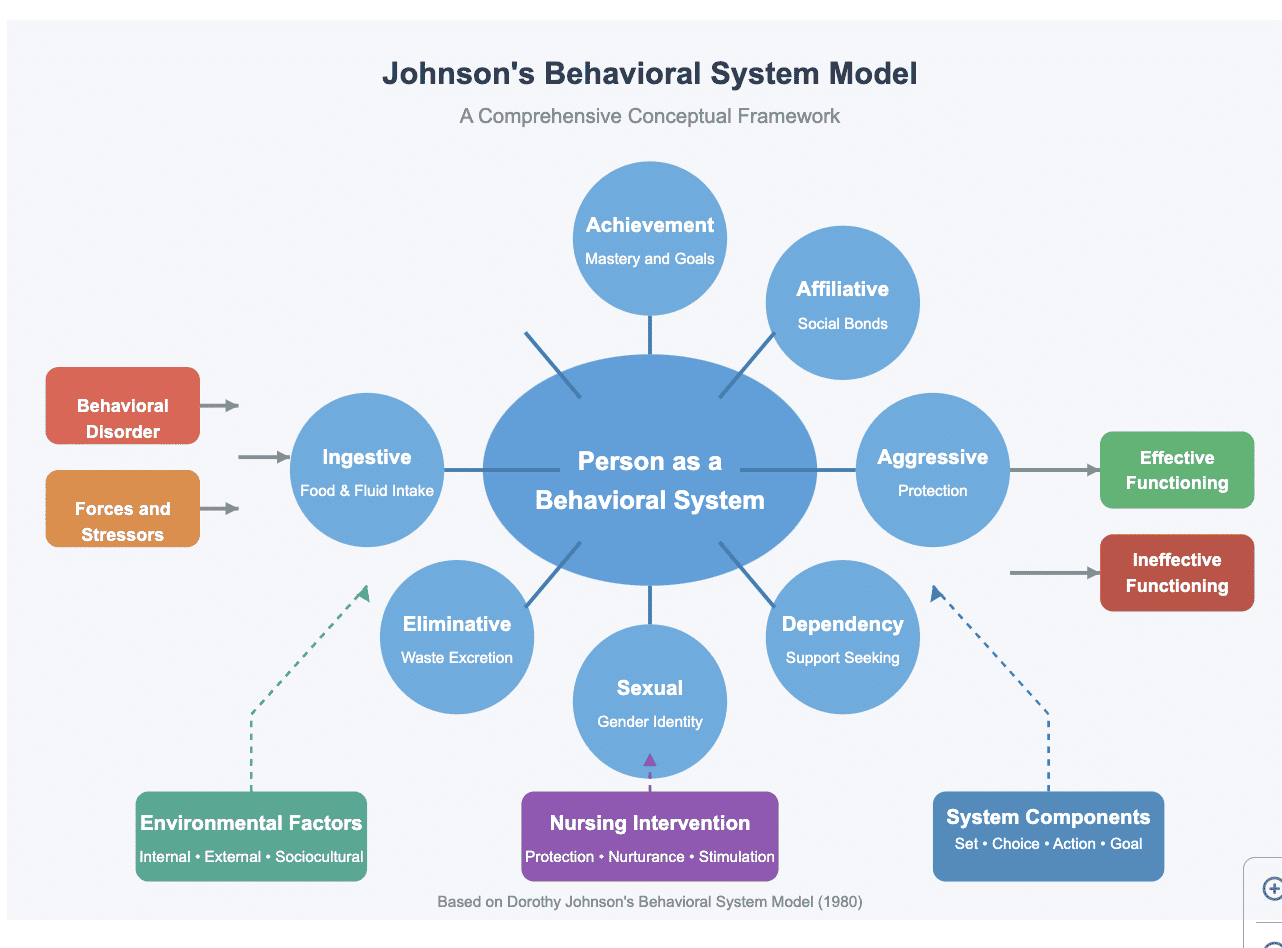
    3. Focus on the Patient’s Journey

    Remember, the core of every nursing case study is the patient care experience, not the actions of the nurse. Your role is to document the patient’s condition, progress, and the impact of the care plan. Keep the story centered on how the patient responded to nursing interventions and how their health status evolved throughout the clinical setting. Use a clear timeline to highlight outcomes and improvements, demonstrating holistic and patient-centered care.

    Steps to Write a Nursing Case Study

    How to Structure a Nursing Case Study?

    1. Title Page

    Include the following:

    • Descriptive case study title
    • Your name
    • Date of submission
    • Institution or college of nursing

    2. Introduction

    Set the stage by introducing the clinical case and explaining why it is significant. You may:

    • Mention challenges in nursing diagnoses, treatment, or decision-making
    • Reference similar case studies in nursing or systematic reviews
    • Briefly cite any evidence-based sources
    • State the learning objectives and relevance to nursing education

    The purpose of this section is to help the reader understand why this patient scenario is worth analyzing from a nursing student perspective.

    3. Case Presentation (Background Information)

    Present a clear picture of the patient case:

    • Patient demographics (age, sex, occupation, living situation)
    • Medical history and previous treatments
    • Presenting symptoms and reason for seeking care
    • Social and family history
    • Use a narrative style to build a story around the clinical situation

    4. Assessment

    Document the initial and ongoing nursing assessments, including:

    • Physical assessment findings (e.g., vital signs, pain level, skin integrity)
    • Diagnostic test results (lab work, imaging, etc.)
    • Behavioral or emotional observations
    • Assessment tools used in the clinical setting

    This section is crucial in forming accurate nursing diagnoses and planning nursing interventions.

    5. Nursing Diagnoses

    List the nursing diagnoses derived from the assessment data. For each:

    • Explain the rationale
    • Use standardized terminology (e.g., NANDA)
    • Link to clinical reasoning and critical thinking skills

    6. Interventions and Actions

    Detail the nursing interventions implemented or planned:

    • Include medication administration, patient education, wound care, etc.
    • Justify each intervention using evidence-based rationale
    • Mention any input from team members in a primary care or emergency department setting

    You may also include:

    • Duration of care
    • Outcomes from prior treatment
    • How patient feedback or condition influenced care decisions

    7. Outcomes

    Evaluate the results of the interventions:

    • What changes occurred in the patient’s condition?
    • Was the plan of care effective?
    • Include both clinical and holistic responses

    This section helps student nurses apply critical thinking to evaluate real-world outcomes.

    8. Discussion

    Analyze the clinical case:

    • Reflect on what the case teaches about nursing practice
    • Link observations to nursing theory and evidence-based care
    • Identify strengths, gaps, or errors in the care plan

    This is a space to demonstrate deep problem-solving skills and apply theoretical knowledge to real-world patient care.
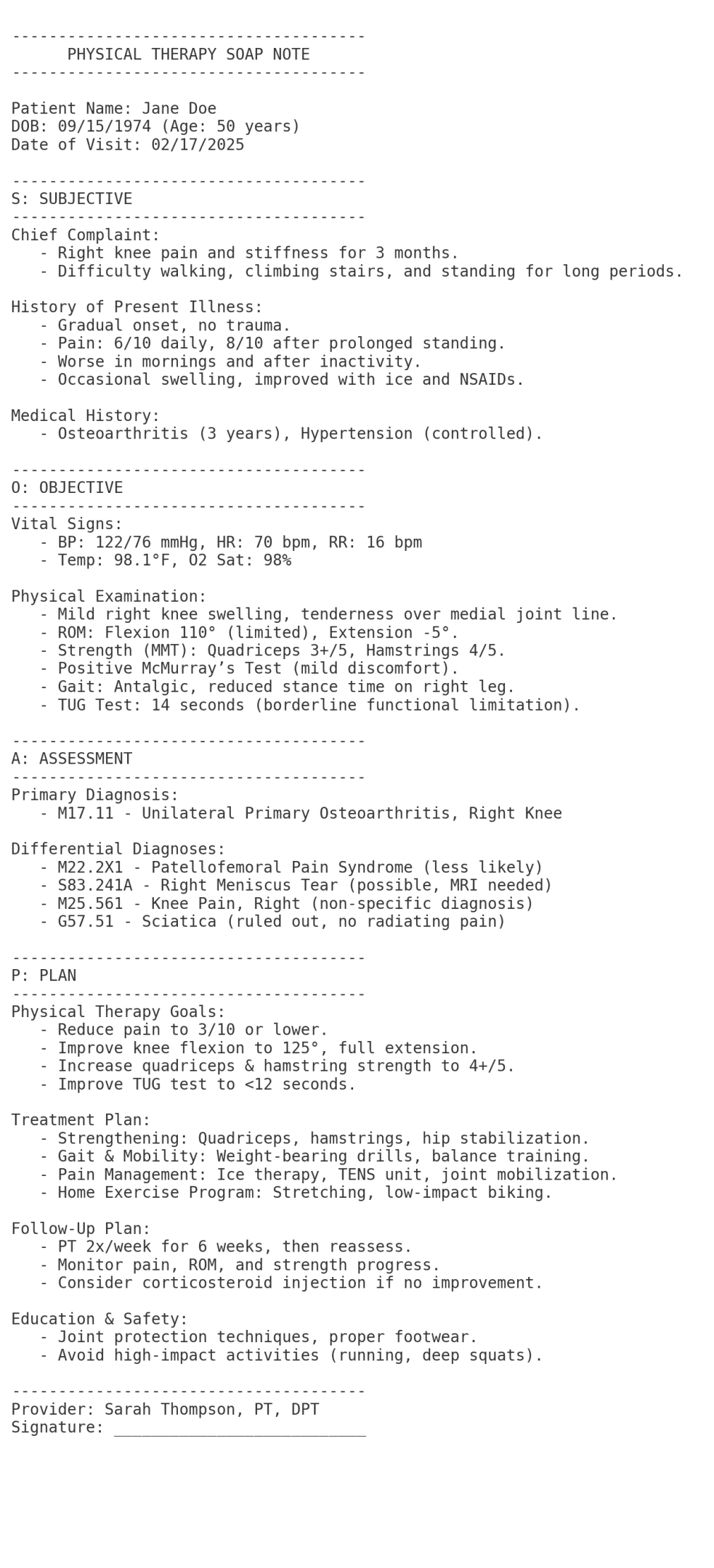
    9. Conclusion

    Summarize:

    • Key takeaways from the case
    • How the case contributes to nursing education, clinical reasoning, and decision-making
    • Limitations of the case and any unanswered questions
    • Lessons learned that can enhance student learning outcomes

    10. References

    List all cited sources, including textbooks, academic journals, and guidelines. Stick to up to 10 well-chosen references. Use the citation style required by your nursing program or instructor.

    11. Appendices (If Required)

    Include relevant materials:

    • Charts, vital signs records, diagnostic images, or medication logs
    • Label each clearly (Appendix A, B, etc.)
    • Ensure these support your analysis and align with your learning objectives

    30 Examples of Nursing Case Study Topics

    1. Managing Type 2 Diabetes in a Primary Care Setting
    2. Postoperative Care Plan for an Elderly Patient Following Hip Replacement
    3. Acute Asthma Attack in a Pediatric Patient: Assessment and Interventions
    4. COVID-19 Complications in Immunocompromised Patients: A Nursing Case Study
    5. Pressure Ulcer Management in Bedridden Patients: A Clinical Approach
    6. Nursing Interventions for Heart Failure in the Emergency Department
    7. Case Study on Pain Management in End-of-Life Care
    8. Assessment and Care of a Pregnant Teenager with Pre-Eclampsia
    9. Holistic Nursing Care for a Patient with Alzheimer’s Disease
    10. Ethical Dilemma in Medication Administration: A Simulation-Based Study
    11. Hypertension in African American Adults: A Patient-Centered Nursing Approach
    12. Mental Health and Suicide Risk in Adolescents: Case Analysis
    13. Obesity and Lifestyle Modification in a Middle-Aged Patient: A Nursing Perspective
    14. Stroke Rehabilitation and Multidisciplinary Team Interventions
    15. Managing Postpartum Depression: A Maternal and Child Health Case Study
    16. Unfolding Case Study on Chronic Kidney Disease
    17. Nursing Diagnoses and Interventions in Patients with Sepsis
    18. The Role of Nurse Practitioners in Managing COPD in Older Adults
    19. Sleep Deprivation and Stress in Nursing Students: A College of Nursing Case Study
    20. Simulation-Based Learning in Pediatric Emergency Scenarios
    21. A Mixed Methods Approach to Managing Delirium in Hospitalized Elderly Patients
    22. Case Study: Clinical Reasoning in Diagnosing Appendicitis
    23. Assessment and Care Plan for a Victim of Domestic Violence
    24. Post-Traumatic Stress Disorder in Veterans: A Nursing Education Case Study
    25. Managing Gestational Diabetes in Rural Primary Care Settings
    26. Vital Signs and Decision-Making in a Patient with Hypoglycemia
    27. Clinical Assessment of a Patient with Rheumatoid Arthritis
    28. Nursing Care for a Child with Autism Spectrum Disorder
    29. Case Study on Medication Errors and Patient Safety Protocols
    30. Evidence-Based Interventions for Preventing Hospital Readmission in CHF Patients

    Real-World Applications in Clinical Practice

    Case Study for nursing students 1: Case Study of Mr. Adams’s Type 2 Diabetes Mellitus

    Background of Mr. Adams’s Diabetes

    Mr. Adams is a 58-year-old male who was admitted to the hospital with complaints of excessive thirst, frequent urination, and fatigue. He has a past medical history of type 2 diabetes mellitus for the past 8 years and is currently prescribed oral hypoglycemic agents.

    He has a family history of diabetes and obesity; his father and older sister both had diabetes. Mr. Adams is self-employed as a taxi driver and lives alone. He reports a sedentary lifestyle, irregular meals, and frequent non-adherence to his medication regimen, often due to a busy work schedule and lack of understanding of his condition.

    Nurse Notes of Mr. Adams’s Diabetes

    Upon admission, Mr. Adams’s vital signs are as follows: blood pressure (BP) 150/95 mmHg, heart rate (HR) 92 beats per minute (BPM), respiratory rate (RR) 20 breaths per minute, and temperature 99.1°F.

    He is alert but appears fatigued. He reports dry mouth and blurred vision. On physical assessment, his skin is dry with delayed turgor, and there is evidence of peripheral neuropathy (numbness and tingling in his feet). His lung and heart sounds are normal. Laboratory results indicate a fasting blood glucose level of 210 mg/dL, HbA1c of 9.2%, cholesterol level of 265 mg/dL, and serum creatinine of 1.4 mg/dL. His BMI is 32, indicating obesity.

    Questions and Answers Guide of Case Study

    1. What are the risk factors for diabetes in this case study?

    • Family history of diabetes
    • Obesity and a sedentary lifestyle
    • Non-adherence to medications and irregular diet

    2. What are the signs and symptoms of diabetes in Mr. Adams?

    • Excessive thirst and frequent urination
    • Fatigue and blurred vision
    • Elevated blood glucose (210 mg/dL) and high HbA1c (9.2%)

    3. What other assessments should the nurse prioritize for Mr. Adams?

    • Monitoring of blood glucose and HbA1c levels
    • Assessment of medication adherence and lifestyle factors
    • Evaluation for neuropathy and other diabetes-related complications
    • Assessment of diet, physical activity, and support system

    4. What nursing interventions would be appropriate for Mr. Adams’s diabetes management?

    • Administer prescribed antidiabetic medications and monitor for side effects
    • Educate Mr. Adams on the importance of medication adherence and lifestyle changes
    • Encourage regular physical activity and a nutritious diet
    • Monitor vital signs, blood glucose, and cholesterol levels regularly
    • Collaborate with the healthcare provider to adjust the plan of care as needed
    • Incorporate clinical reasoning to tailor interventions based on patient care priorities

    5. What patient education should the nurse provide to Mr. Adams regarding diabetes management?

    • Importance of routine medication administration
    • Need for a consistent meal plan and healthy lifestyle
    • Regular blood sugar monitoring and understanding warning signs of complications
    • Stress management techniques and importance of follow-up visits
    • How to recognize and respond to symptoms of hypo- or hyperglycemia

    6. What referrals or consultations should the nurse consider for Mr. Adams?

    • Registered dietitian for individualized nutritional counselling
    • Diabetes educator for education on glucose monitoring and self-care
    • Pharmacist to review medication regimen and potential interactions
    • Social worker to explore barriers to care and support systems
    • Healthcare provider for evaluation of medication effectiveness and possible referral to an endocrinologist

    Case Study 2: Case Study of a Patient with Congestive Heart Failure (CHF)

    Author: Laura Simmons, RN
    Institution: Brookside University School of Nursing
    Date: October 2024

    Background Information

    Patient Profile

    Name: Mr. David Thompson
    Age: 74 years
    Gender: Male
    Medical History: Congestive heart failure, coronary artery disease, chronic kidney disease stage 3
    Current Medications: Furosemide, lisinopril, carvedilol, atorvastatin
    Presenting Problem: Mr. Thompson presented to the emergency department with complaints of increasing shortness of breath, fatigue, and swelling in both legs over the past week.

    Initial Assessment

    Vital Signs

    Blood Pressure: 160/95 mmHg
    Heart Rate: 98 bpm
    Respiratory Rate: 26 breaths per minute
    Oxygen Saturation: 90% on room air

    Physical Examination

    General Appearance: Tired, pale, with labored breathing
    Cardiovascular: Jugular venous distension, presence of S3 heart sound
    Respiratory: Bilateral crackles at lung bases
    Abdomen: Mild ascites
    Extremities: 2+ pitting edema in both legs

    Diagnosis

    Primary Diagnosis: Acute exacerbation of congestive heart failure
    Secondary Diagnoses: Hypertension, chronic kidney disease

    Plan of Care

    – Administer IV furosemide for fluid overload
    – Begin low-flow oxygen therapy to maintain oxygenation
    – Monitor intake and output strictly
    – Restrict fluid and sodium intake as per cardiology orders
    – Educate the patient on daily weight monitoring and dietary compliance
    – Collaborate with the dietitian and nephrologist for comprehensive care

    Nurse Notes

    Date: October 3, 2024
    Time: 8:30 AM
    Patient received 40 mg IV furosemide. Urine output has increased significantly. Lung sounds improved slightly; crackles are now diminished. Oxygen saturation improved to 93% with nasal cannula. Patient reports mild relief in breathing.

    Time: 11:00 AM
    Patient reassessed. Edema slightly reduced. Blood pressure still elevated at 158/90 mmHg. Educated patient on importance of sodium restriction and the need to monitor fluid intake. Discussed daily weight monitoring at home.

    Time: 2:00 PM
    Patient tolerated a low-sodium lunch. Collaborated with case management to plan follow-up with cardiology and nephrology. Provided written discharge instructions. Patient verbalized understanding of medication regimen and dietary restrictions.

    Questions and Answers Guide

    1. What are the key nursing interventions for managing acute CHF exacerbation?
    Answer: The primary interventions include administering diuretics to reduce fluid overload, providing supplemental oxygen, monitoring vital signs and fluid balance, restricting fluid/sodium intake, and offering patient education on lifestyle and medication compliance.

    2. What are the signs that the CHF is improving or worsening?
    Answer:
    Improving:

    • Decreased shortness of breath
    • Reduced edema
    • Improved oxygen saturation
    • Lower heart rate and respiratory rate

    Worsening:

    • Worsening edema
    • Persistent crackles or wheezing
    • Oxygen saturation dropping below 90%
    • Onset of confusion or fatigue

    3. How should the nurse manage fluid and dietary restrictions in CHF patients?
    Answer: Nurses should educate patients about limiting fluid intake to prescribed amounts (often <2L/day), avoiding salty foods, reading food labels, and adhering to a heart-healthy diet. Monitoring weight daily is also essential.

    4. What discharge instructions should be provided to Mr. Thompson?
    Answer: Instructions should include:

    • Taking medications as prescribed
    • Monitoring daily weight and reporting any sudden gains
    • Limiting fluid and salt intake
    • Attending follow-up appointments
    • Recognizing early signs of fluid overload such as swelling or fatigue

    5. Why is education essential in managing chronic conditions like CHF?
    Answer: Education empowers patients to manage their condition effectively, adhere to treatments, recognize warning signs early, and prevent hospital readmissions. Informed patients are more likely to make healthier lifestyle choices.

    Case Study 3: Case Study of a Patient with Community-Acquired Pneumonia

    Author: Olivia Bennett, RN
    Institution: Ridgefield Nursing College
    Date: January 2025

    Background Information

    Patient Profile

    Name: Mr. Samuel Ortega
    Age: 53 years
    Gender: Male
    Medical History: Smoking (30 pack-years), seasonal allergies, occasional alcohol use
    Current Medications: Loratadine PRN, multivitamins
    Presenting Problem: Mr. Ortega presented to the emergency department with complaints of high fever, chills, productive cough with greenish sputum, chest pain worsened by deep breaths, and shortness of breath for 3 days.

    Initial Assessment

    Vital Signs

    Blood Pressure: 130/78 mmHg
    Heart Rate: 102 bpm
    Respiratory Rate: 26 breaths per minute
    Oxygen Saturation: 89% on room air
    Temperature: 101.8°F

    Physical Examination

    General Appearance: Ill-looking, fatigued
    Respiratory: Crackles and decreased breath sounds in right lower lobe
    Cardiovascular: Tachycardia, regular rhythm
    Skin: Warm and flushed
    Neurologic: Alert and oriented

    Diagnosis

    Primary Diagnosis: Community-Acquired Pneumonia (CAP)
    Secondary Diagnoses: Hypoxemia, dehydration

    Plan of Care

    – Initiate IV antibiotics (ceftriaxone and azithromycin)
    – Administer IV fluids to address dehydration
    – Provide supplemental oxygen to maintain saturation >92%
    – Encourage deep breathing and use of incentive spirometry
    – Monitor respiratory status and temperature
    – Educate the patient on completing antibiotics and smoking cessation

    Nurse Notes

    Date: January 15, 2025
    Time: 8:30 AM
    Oxygen initiated at 2L via nasal cannula. Antibiotics (ceftriaxone and azithromycin) administered. Patient tolerated well. Vital signs stable but febrile (101.5°F).

    Time: 11:00 AM
    Patient coughed up thick sputum. Provided oral care and encouraged fluid intake. Used incentive spirometer successfully. O2 saturation improved to 93%.

    Time: 2:30 PM
    Reassessed patient. Temperature decreased to 100.4°F. Crackles still present in RLL but slightly diminished. Discussed smoking cessation programs. Patient receptive and requested more information.

    Questions and Answers Guide

    1. What are the core nursing interventions for pneumonia?
    Answer: Interventions include administering prescribed antibiotics and oxygen, promoting airway clearance with deep breathing and coughing, encouraging fluid intake, and monitoring vital signs and respiratory function.

    2. What are signs that the pneumonia is improving?
    Answer: Indicators include reduced fever, improved oxygen saturation, less productive coughing, improved breath sounds, increased energy levels, and stabilized respiratory rate.

    3. Why is incentive spirometry important in pneumonia care?
    Answer: It encourages deep breathing, prevents lung collapse (atelectasis), helps clear mucus, and promotes better oxygen exchange, crucial for recovery in pneumonia patients.

    4. What discharge instructions should Mr. Ortega receive?
    Answer: Instructions should cover completing the full course of antibiotics, monitoring symptoms, staying hydrated, smoking cessation resources, using incentive spirometry, and follow-up with his primary care provider.

    5. How can nurses support patients with pneumonia in preventing future occurrences?
    Answer: Educate on vaccinations (pneumococcal and flu), smoking cessation, good hygiene practices, hand washing, avoiding crowded places during flu season, and managing underlying conditions.

    Tips for Writing a High-Quality Nursing Case Study in Record Time

    3 Smart Ways to Kickstart Your Case Study

    1. Define Your Purpose Early
      Don’t get bogged down choosing between dozens of ideas. Determine your case study’s objective first: Are you aiming to highlight critical thinking? A specific disease process? Ethical considerations? Once the goal is clear, the patient scenario should follow naturally.
    2. Use Focused Skimming Techniques
      Instead of reading full journal articles upfront, scan abstracts, headings, and summaries. Prioritize credible sources (e.g., clinical guidelines, scholarly reviews) and highlight keywords or clinical patterns that match your topic.
    3. Create a Case Framework Before You Write
      Outline your sections (e.g., patient history, assessment findings, nursing diagnoses, interventions, and outcomes). This “skeleton” will guide your research, organize your thoughts, and help you avoid rewriting later.

    4 Strategies to Stay on Track Midway

    1. Stick to a Structured Format
      A strong case study follows a clear flow:
      • Introduction to the patient
      • Subjective and objective data
      • Nursing diagnosis and rationale
      • Interventions and patient responses
      • Evaluation and reflection
    2. Maintain Clinical Objectivity
      Avoid injecting personal opinions or assuming outcomes. Your job is to present observations and interventions grounded in evidence-based practice and nursing rationale.
    3. Be Specific and Data-Driven
      Use real values and observations: BP 160/100 mmHg, SpO₂ 88% on room air, patient reports 7/10 chest pain. These details show clinical reasoning and support your nursing judgment.
    4. Integrate the Nursing Process
      Frame your thinking around ADPIE (Assessment, Diagnosis, Planning, Implementation, Evaluation). Not only does this save time, it aligns with academic and clinical expectations.

    3 Finishing Touches to Polish Your Work

    1. Propose Feasible and Ethical Solutions
      Your recommendations should be realistic, safe, and in line with current clinical standards. Avoid “perfect-world” answers—focus on what’s actionable in a real nursing environment.
    2. Keep the Conclusion Concise
      Restate key takeaways without repetition. A brief summary of the patient’s progress, the effectiveness of interventions, and lessons learned is all you need.
    3. Visual Aids = Bonus Points
      If presenting your case study, use visuals to enhance clarity:
      • Timeline of interventions
      • Flowcharts of nursing decision-making
      • Vital sign trends
      • Images (e.g., medication schedules, wound progression)

    Extra Quick Tips

    • Use citation tools like Zotero or EndNote to format your references.
    • Keep a clinical terminology cheat sheet handy to improve vocabulary and accuracy.
    • Ask peers for a quick peer review—even 10 minutes of feedback can uncover errors or strengthen your rationale.
    • Set a time limit per section to avoid overthinking (e.g., 30 minutes on assessment, 20 minutes on care plan, etc.).

    Frequently Asked Questions

    1. Why are nursing case studies important?

    Nursing case studies serve as in-depth examinations of patient care scenarios. They are essential learning tools for nursing students and healthcare professionals because they:

    • Break down complex clinical conditions
    • Allow the application of theoretical knowledge in real-world settings
    • Strengthen clinical judgment and decision-making skills
    • Highlight evidence-based practices and care strategies

    They are also valuable for both educational and research purposes. Many examples are available online as free resources.

    2. How do you protect patient confidentiality in a nursing case study?

    To maintain patient privacy when writing a case study:

    • Replace real names with pseudonyms
    • Omit any personal details that could lead to identification
    • Secure written consent if the study is based on an actual patient
    • Follow institutional privacy protocols
    • Adhere to applicable legal and ethical standards (e.g., HIPAA or GDPR)

    3. How should the discussion section be structured?

    A strong discussion section should:

    • Interpret the Case: Explain the clinical reasoning behind care decisions
    • Connect to Theory: Link patient care to academic models or nursing concepts
    • Highlight Key Lessons: Identify what this case teaches about nursing practice
    • Discuss Implications: Explore the impact on current and future care approaches
    • Offer Recommendations: Suggest improvements or alternative interventions

    4. How do you choose a case for a nursing case study?

    Choose a case that is both clinically relevant and educationally valuable. The ideal case should:

    • Present a challenging or uncommon medical scenario
    • Offer learning opportunities across physical, psychological, or ethical aspects
    • Provide insight into patient-centered care and critical thinking
    • Be general enough to protect the patient’s identity while still providing depth

    Mental health cases, chronic illness management, or multi-morbidity scenarios are often great examples

  • Nursing Dissertation Topics: Best Nurse Dissertation Topic Ideas and Titles in 2025

    Nursing Dissertation Topics: Nurse Topic Ideas and Dissertation Titles

    Choosing the right nursing dissertation topic is a crucial step in the academic journey of every nursing student, especially those pursuing a master’s or PhD in nursing. Whether you’re interested in community health, pain management, critical care, or mental health nursing, this guide provides a comprehensive list of dissertation titles and ideas tailored to modern nursing challenges. Read on to explore engaging nursing dissertation topics, understand how to choose the best research idea, and gain insight into recent dissertation trends across the nursing profession.

    Why Is Selecting the Right Nursing Dissertation Topic So Important?

    A well-chosen nursing dissertation topic not only aligns with your interests but also contributes meaningfully to nursing practice and health care improvement. Selecting the right topic sets the stage for a successful dissertation journey, from literature review to final defense. It also ensures your work can impact real-world nurse-led practices, policy development, or clinical protocols.

    How to Choose a Nursing Dissertation Topic That Reflects Your Passion and Goals

    Choosing the right nursing dissertation topic is both a strategic and personal decision. It involves balancing academic expectations with your unique professional interests and career aspirations. A thoughtful topic not only showcases your understanding of nursing challenges but also sets the foundation for meaningful, evidence-based contributions to the field.

    How to Choose a Nursing Dissertation Topics
    How to Choose a Nursing Dissertation Topics

    Here’s how to approach selecting a topic:

    • Reflect on Your Clinical Practice: Consider the most impactful or challenging cases you’ve encountered during clinical rotations. Think about the patient populations, conditions, or interventions that intrigued you. These real-world experiences often highlight issues worth researching.
    • Review Nursing Literature and Trends: Stay current by reading peer-reviewed journals, nursing blogs, and professional publications. Identify gaps, emerging challenges, or controversial topics in nursing care, education, or policy.
    • Explore the StudyingNurse.com Topics Section: Use this platform to browse curated dissertation ideas across various specializations. It’s an excellent starting point to discover high-demand topics and get clarity on how to narrow your focus.
    • Consult Mentors and Supervisors: Experienced faculty or clinical mentors can help guide you toward a topic that aligns with your academic level and practical scope. Their feedback is especially helpful when narrowing from a broad interest to a focused, researchable question.
    • Balance Scope and Feasibility: Your topic should be narrow enough to be manageable within your program’s timeline, yet broad enough to provide substantial findings. Consider access to data, ethical constraints, and whether the project can be realistically completed with available resources.
    • Align With Your Career Path: Choose a dissertation topic that complements your long-term goals—whether that’s becoming a nurse educator, policy advocate, advanced practice nurse, or researcher. This alignment adds relevance and motivation throughout the research process.

    By following these steps, you’ll ensure your dissertation is not only academically rigorous but also meaningful to your personal growth and the advancement of the nursing profession.

    What Makes a Good Topic for Your Nursing Dissertation?

    Choosing a strong nursing dissertation topic means going beyond surface-level interest. It involves selecting a subject that is clear, relevant, researchable, and aligned with real-world healthcare priorities. A well-crafted dissertation topic showcases your understanding of nursing challenges and your ability to contribute to evidence-based practice.

    Here are the essential qualities of a good nursing dissertation topic:

    • Focused and Specific: A great topic should narrow in on a precise issue within the nursing field. For example, rather than broadly studying “critical care,” a better topic would be “nurse-led care for sepsis patients in intensive care units.” This helps ensure that your research is both manageable and impactful.
    • Addresses a Real Problem: Your dissertation should aim to solve an actual healthcare issue faced by nurses, patients, or health systems. Whether it’s improving communication in emergency rooms or enhancing pediatric pain assessment protocols, your topic should serve a clear purpose.
    • Actionable and Policy-Relevant: A strong topic should lead to findings that inform nursing practice, influence health policy, or suggest improvements in patient care. Ideally, it should result in recommendations that nurses, educators, or administrators can implement.
    • Evidence-Based and Research-Supported: Your topic should allow you to engage with existing literature and contribute new insights. This ensures academic rigor and real-world credibility, especially if you’re pursuing a doctoral or PhD-level nursing dissertation.
    What makes nursing dissertation topics good

    A good topic not only fulfills academic requirements but also reflects your passion and readiness to lead change in the nursing profession.

    What Are the Best Nursing Dissertation Topics in 2022 and 2020?

    Looking back at 2022 and 2020 offers valuable inspiration. These years brought global healthcare challenges that shaped the nursing profession, influencing the types of dissertation topics nursing students chose. Mental health, emergency response, health promotion, leadership, and primary care emerged as top research areas.

    Emerging Themes in Nursing Research from 2018 and 2022

    Nursing dissertation topics from these years addressed issues like pandemic preparedness, virtual care delivery, and gaps in nursing education and leadership. The aim was often health improvement, service innovation, or support for vulnerable populations such as those with disability or chronic illnesses.

    • Pandemic Preparedness and Emergency Response
      Topics explored how nurses adapted during the COVID-19 crisis, focusing on ICU surge protocols, PPE use, and triage practices in overwhelmed emergency departments.
    • Virtual and Tele-Nursing Innovations
      With the rise of remote care, many dissertations evaluated telehealth outcomes, nurse-patient communication in digital platforms, and care continuity during lockdowns.
    • Mental Health Nursing and Burnout
      There was a surge in interest around nurse mental health, PTSD, and coping strategies, especially for psychiatric and frontline staff.
    • Leadership in Crisis and Change Management
      Nurse leadership under stress, particularly during public health emergencies, became a strong theme, along with mentorship and crisis communication.
    • Primary Care and Chronic Disease Management
      Research addressed how nurse-led clinics and services improved care for diabetes, hypertension, and obesity during constrained healthcare access.
    • Support for Vulnerable Populations
      These include nursing services focused on disability inclusion, elderly care, and patients with chronic or complex needs during periods of restricted services.
    • Nursing Education Gaps and Digital Learning
      Dissertations reviewed the effectiveness of online simulation, flipped classrooms, and e-learning platforms in nursing schools amid closures.
    • Health Promotion and Preventive Nursing
      Emphasis was placed on nurse-led community education programs targeting maternal health, adolescent wellness, and school-based interventions.
    • Workforce Resilience and Policy Reform
      Studies evaluated strategies for supporting nursing staff well-being, influencing NHS/US policy updates, and workforce retention post-pandemic.
    • Infection Control and Patient Safety
      Topics here examined evidence-based protocols in hand hygiene, antibiotic stewardship, and prevention of hospital-acquired infections.

    List of Nursing Dissertation Topics in Emergency Nursing and COVID-19 Response

    1. Evaluating nurse-led triage protocols in emergency departments
    2. ICU nurse preparedness during COVID-19 surges
    3. Nurse-led community outreach during pandemic vaccine rollouts
    4. Infection prevention strategies adopted by emergency nurses
    5. Rapid-response protocols and leadership in high-pressure emergency settings

    Nursing Education and Student Well-being Topics

    1. Effectiveness of remote learning on nursing student performance
    2. Academic resilience among undergraduate nursing students during the pandemic
    3. Supporting mental health nurses through peer-led learning during lockdowns
    4. Simulation-based training in school of nursing programs during COVID-19
    5. Dissertation topic selection challenges in online nursing programs

    Public Health and Primary Care Research Topics

    1. Nursing interventions to reduce pediatric obesity in primary care
    2. The role of nurses in improving health promotion awareness in rural areas
    3. Addressing disability-related stigma through primary care nurse education
    4. Enhancing wound care management protocols in community clinics
    5. Nurse-led hypertension control programs in underserved regions

    Psychiatric and Mental Health Dissertation Ideas

    1. Strategies for improving mental health nurses’ communication in telehealth
    2. Evaluating psychiatric nurse response to post-COVID anxiety and trauma
    3. Managing burnout among mental health nurses during prolonged crises
    4. School nursing and early intervention in adolescent psychiatric symptoms
    5. Tele-psychiatry adoption by nurses in remote mental health services

    Leadership and Professional Development Topics

    1. The role of nurse leadership in maintaining morale during health crises
    2. Leadership competencies for managing surgical teams during emergency care
    3. Evaluating mentorship impact in postgraduate (MSc/doctoral) nursing programs
    4. Building leadership skills in undergraduate nursing through service-learning
    5. Selecting the right nursing dissertation topic: A decision-making framework

    Specialty-Specific Dissertation examples from 2016 –2022

    1. Nurse involvement in cardiac rehab programs post-myocardial infarction
    2. Enhancing sepsis recognition through nurse education in critical care
    3. Pediatric nursing education challenges during school closures
    4. Maternal health and obstetrics: The nurse’s role in improving delivery outcomes
    5. Comparing oncology nurse-led pain management strategies pre- and post-pandemic
    6. The impact of NHS policy reforms on nurse-led service delivery in the UK
    7. School-based health promotion programs led by nurses in the UK
    8. Gynaecology nursing service improvement initiatives within NHS Tru

    These sample dissertation topics from 2020 and 2022 reflect the evolving priorities in the nursing profession across the US and UK. Whether your interest lies in emergency care, nursing education, psychiatric support, or leadership, these themes help in selecting the right nursing dissertation topic that is both timely and impactful.

    These sample dissertation topics from 2020 and 2022 reflect the evolving priorities in the nursing profession. Whether your interest lies in emergency care, nursing education, psychiatric support, or leadership, these themes help in selecting the right nursing dissertation topic that is both timely and impactful.

    Critical Care Nursing Dissertation Topics

    These topics are ideal for nurses in ICUs, emergency departments, or surgical recovery wards:

    1. Early sepsis detection by nurses in ICU settings
    2. Managing multi-organ failure: The nurse’s perspective
    3. Protocol adherence for critical care nurses during emergencies
    4. The role of simulation training in preparing ICU nurses
    5. Cardiac arrest response times in nurse-led vs. team-based settings
    6. The psychological toll on critical care nurses
    7. Ventilator-associated pneumonia prevention: Nurse-led interventions
    8. Evaluating handover protocols in critical care units
    9. Stress management programs for surgical ICU nurses
    10. Critical thinking development in trauma nurses

    Community Health Nursing Dissertation Topics

    Explore how nurses contribute to health promotion at the community level:

    1. Nurse-led vaccination campaigns in underserved communities
    2. Improving maternal health through community midwifery programs
    3. Health promotion and behavior change in rural populations
    4. Nurse involvement in public health policy design
    5. Diabetes education effectiveness in community health settings
    6. Addressing malnutrition through community nursing initiatives
    7. Screening for hypertension in resource-poor settings
    8. Smoking cessation counseling by community nurses
    9. Enhancing prenatal care through mobile health clinics
    10. Evaluating school nurse impact on child wellness

    Mental Health Nursing Dissertation Ideas

    Perfect for students focusing on psychiatric and behavioral health:

    1. Psychiatric nurse-led CBT for depression in adolescents
    2. Reducing nurse burnout in mental health settings
    3. Suicide risk assessment protocols in psychiatric nursing
    4. Therapeutic communication techniques in psychiatric wards
    5. Stigma and self-perception among mental health nurses
    6. Evaluating group therapy models in community psychiatry
    7. Nurse education on trauma-informed care practices
    8. Implementing mindfulness in inpatient psychiatric units
    9. Workplace violence against mental health nurses
    10. Support systems for nurses working in forensic psychiatry

    Pain Management and Palliative Care Topics

    Ideal for students focusing on chronic illness or end-of-life care:

    1. Nurse-led pain assessment tools in cancer care
    2. Improving comfort care in advanced dementia patients
    3. Ethical dilemmas in palliative nursing care
    4. Palliative care delivery in home vs. hospital settings
    5. Family counseling in end-of-life situations
    6. Managing pediatric pain: A nurse’s approach
    7. Training gaps in pain management education
    8. Chronic pain interventions in elderly populations
    9. Interdisciplinary collaboration in hospice settings
    10. Exploring spirituality in palliative care nursing

    Pediatric Nursing Dissertation Topics

    Explore topics relevant to neonatal, school-age, and adolescent care:

    1. Neonatal nurse interventions in premature birth outcomes
    2. Evaluating asthma education by pediatric nurses
    3. Parental satisfaction with nurse-led pediatric care
    4. School nurses’ role in managing chronic illnesses
    5. Pediatric obesity prevention through nurse counseling
    6. Pain assessment strategies in non-verbal children
    7. Educating parents on safe infant care practices
    8. Immunization adherence: The pediatric nurse’s influence
    9. Managing pediatric diabetes in school settings
    10. Reducing anxiety in children during hospital stays

    Nursing Education and Leadership Dissertation Ideas

    Target nurse educators, academic researchers, or future nurse leaders:

    1. The effect of simulation-based education on skill acquisition
    2. Nurse leadership in promoting interprofessional teamwork
    3. Mentorship programs and their role in nurse retention
    4. Improving preceptorship experiences for student nurses
    5. Academic stress management among nursing students
    6. Integrating technology in nursing education programs
    7. Leadership styles and nurse job satisfaction
    8. Competency frameworks in nurse training curricula
    9. Evaluating flipped classroom models in nursing schools
    10. Impact of continuing education on nursing care quality

    List of Nursing Dissertation Topics

    If you’re still exploring ideas, here’s a broader list with AEO-friendly formatting:

    30 Dissertation Topics for Nursing Students

    1. The effectiveness of tele-nursing in chronic heart failure management
    2. Nurse-led obesity prevention programs in primary care
    3. How nurse communication reduces medication errors
    4. Health nurses and adolescent sexual health education
    5. Diabetic wound care: A nursing perspective
    6. COVID-19 and nurse burnout: Lessons learned
    7. Pre-op assessments: Nurse-led vs. physician-led outcomes
    8. Barriers in child abuse reporting by school nurses
    9. Ethical decision-making in palliative care nursing
    10. Managing hypertension with community health nurse interventions
    11. The role of school nurses in mental health early detection
    12. Patient satisfaction in nurse-led postnatal care
    13. Evaluating nurse involvement in emergency preparedness
    14. Improving infection control through nursing audits
    15. Use of wearable tech in nurse-monitored home care
    16. The nurse’s role in elder fall prevention
    17. Integrating AI tools in nursing diagnostics
    18. Exploring mobile apps for nursing education support
    19. Nurse strategies in promoting HPV vaccination
    20. Nurse resilience-building programs and their outcomes
    21. Preventing pressure ulcers in long-term care
    22. Antibiotic stewardship initiatives led by nurses
    23. Evaluating e-learning in postgraduate nursing training
    24. The influence of cultural competence in global nursing
    25. Addressing disability inclusion in nursing services
    26. Pediatric nurse interventions in developmental disorders
    27. Nurse attitudes toward end-of-life discussions
    28. Evaluating holistic care in nurse training programs
    29. Nursing informatics integration in clinical workflows
    30. Role of nurses in implementing trauma care protocols

    Tips for Nursing Students: Selecting the Right Dissertation Topic and Service

    Selecting the right nursing dissertation topic is a crucial step toward academic success and professional development. A well-defined topic not only reflects your area of interest but also opens the door to impactful, evidence-based research that contributes to nursing practice and policy.

    Here are strategic and practical tips to help you choose an effective dissertation topic:

    • Identify Gaps in Research: Start by conducting a thorough literature review using reliable academic databases. Focus on recent publications to uncover underexplored or emerging topics in nursing practice, education, or health policy.
    • Use StudyingNurse.com for Inspiration: Visit the StudyingNurse.com Topics Section to explore curated lists of trending dissertation topics, nursing education gaps, and hot issues in primary care, mental health, and patient safety. The platform helps students easily browse research themes relevant to both UK and US contexts.
    • Ensure Measurable Outcomes: Your topic should support measurable data collection, whether through surveys, patient outcomes, or policy evaluation. Avoid topics that are too abstract or lack real-world applications.
    • Test Feasibility Early: Consider your available time, resources, and access to research participants or institutional data. StudyingNurse.com’s Primary Research Finding Service can help you locate relevant sources, validated tools, and current datasets to support your topic.
    • Align with Your Specialization: Select a topic that aligns with your nursing track (e.g., pediatric, critical care, psychiatric, community health) and future career goals. This ensures your work remains relevant and meaningful.
    • Seek Academic Guidance: Talk to your dissertation advisor, nursing faculty, or peers who have completed similar projects. Their feedback can help you refine and validate your topic choice, ensuring academic rigor and originality.

    Remember: Selecting the right nursing dissertation topic is a crucial step toward producing valuable research that influences the future of nursing care and healthcare systems.

    How to Choose a Nursing Research Topic for your Dissertation

    Selecting the right nursing research topic is often the most challenging step in the dissertation process. The direction you choose will shape months of your academic journey, so it’s worth investing time in thoughtful consideration. Two proven frameworks can guide your decision-making process and help you identify a topic that’s both meaningful and manageable.

    The 3 Ps Approach: Mapping Your Research Landscape

    The 3 Ps framework—Populations, Problems, and Practices—provides a systematic method for generating potential research areas aligned with your interests:

    The 3 Ps Approach to Nursing Dissertation Topics
    The 3 Ps Approach to Nursing Dissertation Topics

    Patient Populations

    Consider which groups capture your professional interest or where you have valuable experience:

    Start by identifying specific patient populations you’re passionate about or have clinical experience with. These could include pediatric patients, older adults, marginalized communities, mental health service users, or patients with chronic illnesses like diabetes or heart failure.

    • Pediatric patients with chronic conditions
    • Geriatric populations in community settings
    • Underserved rural communities
    • Post-surgical recovery patients
    • Mental health populations
    • Maternal-child healthcare recipients

    Healthcare Problems

    Think about pressing healthcare problems or clinical challenges affecting those populations. These might include delayed wound healing, medication adherence, access to mental health care, high hospital readmission rates, or barriers to preventive care. Identify challenges that warrant further investigation:

    • Medication adherence barriers
    • Healthcare access disparities
    • Hospital readmission patterns
    • Care coordination breakdowns
    • Patient education effectiveness
    • Healthcare-associated infections
    • Nursing workflow inefficiencies

    Nursing Practices

    Practices: Finally, explore existing nursing practices or interventions related to these problems. Ask yourself which practices are effective, where the gaps lie, or how protocols vary across settings (e.g., nurse-led vs. multidisciplinary care). Explore interventions, approaches, or methodologies that could be evaluated or improved:

    • Evidence-based protocols for specific conditions
    • Nurse-led education initiatives
    • Interdisciplinary collaboration models
    • Technology integration in care delivery
    • Patient-centered communication techniques
    • Transitional care approaches
    • Clinical simulation in nursing education

    The intersection of your selected Population, Problem, and Practice often reveals fertile ground for research. For example, combining “geriatric patients” (population) with “medication adherence” (problem) and “nurse-led education initiatives” (practice) might lead to a focused study on how specialized nursing education affects medication compliance among older adults.

    The FINER Criteria: Evaluating Topic Viability

    Using the F.I.N.E.R. Criteria for Topic Selection

    The F.I.N.E.R. criteria—Feasible, Interesting, Novel, Ethical, and Relevant—is a widely recommended framework for evaluating whether a dissertation topic is worth pursuing, especially for nursing students involved in clinical or applied research. Here’s how you can apply each component of the F.I.N.E.R. criteria to ensure your nursing dissertation topic is academically sound and professionally meaningful:

    The FINER Criteria for Nursing Dissertation Topics
    The FINER Criteria for Nursing Dissertation Topics

    Feasible

    Can you realistically complete this research with available resources?

    • Consider time constraints, access to participants, and required approvals
    • Evaluate whether you have the necessary skills or can acquire them
    • Assess potential obstacles and how they might be addressed

    Interesting

    Will this topic sustain your intellectual engagement?

    • Choose something that genuinely excites your curiosity
    • Consider whether you’ll remain motivated through challenging phases
    • Reflect on whether the topic connects to your personal nursing experiences

    Novel

    Does your research add something new to the field?

    • Look for gaps in existing literature or practice
    • Consider new angles on previously studied topics
    • Identify opportunities to extend or challenge current understanding

    Ethical

    Can the research be conducted while respecting patient rights and wellbeing?

    • Consider potential risks to participants and how they’ll be minimized
    • Evaluate whether benefits outweigh any potential harms
    • Assess whether vulnerable populations are protected appropriately

    Relevant

    Will your findings matter to nursing practice or education?

    • Consider the potential impact on patient outcomes
    • Evaluate alignment with current healthcare priorities
    • Assess whether results could influence nursing procedures, education, or policy

    Additional Strategic Approaches

    Beyond these frameworks, consider these practical strategies for topic identification:

    • Review Clinical Journals: Note where authors suggest “future research is needed”
    • Analyze Healthcare Policy Reports: Identify priority areas emphasized by nursing organizations
    • Consult with Mentors: Discuss potential topics with experienced researchers
    • Examine Interdisciplinary Intersections: Consider how nursing connects with technology, psychology, or business
    • Reflect on Clinical Observations: Consider patient care challenges you’ve personally witnessed

    Remember that your dissertation isn’t just an academic exercise—it’s an opportunity to contribute meaningfully to nursing knowledge while developing expertise that can shape your career trajectory. By applying these structured approaches, you’ll identify a topic that balances scholarly merit with personal significance.

    Frequently Asked Questions on Nursing Dissertation Topics

    • How to choose a nursing dissertation topic? – Provides a balanced approach considering personal interests, academic requirements, and practical considerations.
    • What is the best topic for nursing research? – Identifies current high-impact areas in nursing research with specific examples that reflect contemporary healthcare challenges.
    • What is the best dissertation topic? – Outlines five key criteria that make a dissertation topic effective, emphasizing the subjective nature of “best” based on individual circumstances.
    • How do I choose a nursing research topic? – Offers structured approaches including the “3 Ps” framework (Populations, Problems, Practices) and the FINER criteria for evaluating potential topics.
    • How do I find a unique dissertation topic? – Provides seven specific strategies for identifying original research areas, including interdisciplinary approaches and understudied populations.
    • How long is a nursing dissertation? – Gives concrete word count and page ranges for different degree levels (BSN, MSN, DNP, PhD) while emphasizing quality over quantity.
  • DNP Project Ideas | Best Suggestions for DNP Projects 2025 

    DNP Project Ideas | Best Suggestions for DNP Projects 2025 

    Are you a DNP student searching for the perfect project idea? Whether you’re early in your DNP program or preparing your final DNP project, this list of DNP project ideas will guide you through every step. You’ll discover categories of impactful topics, practical examples, and answers to the most common questions. The right DNP project can help improve patient care, transform nursing practice, and show your readiness for advanced roles in healthcare leadership.

    DNP Student Projects

    For students pursuing a Doctor of Nursing Practice (DNP) degree, the DNP project is the capstone achievement—a culmination of advanced clinical training, research skills, and leadership in practice. But what exactly is a DNP project, and how can students choose a meaningful one that aligns with their passions while meeting academic rigor?

    This article outlines the purpose, planning, and challenges of DNP student projects, with guidance on selecting a project that contributes to quality care, improves population health, and addresses the real-world needs of today’s healthcare systems.

    What Are DNP Projects?

    A DNP project is a scholarly project that applies evidence-based practice to solve a real clinical problem or improve healthcare delivery. These projects often focus on implementing a practice change, conducting a quality improvement initiative, or developing an educational intervention that enhances outcomes in a specific setting.

    Unlike research-focused PhD dissertations, DNP projects are rooted in clinical practice and often involve implementation of an educational tool, care protocol, or health program that directly impacts patient education, care education, or staff performance.

    Common Areas of Focus:

    • Chronic disease management (e.g., implementing a diabetes self-management education program for patients with type 2 diabetes)
    • Reducing hospital readmission through discharge planning or survivorship care plans
    • Enhancing palliative care through early identification and referral processes
    • Addressing mental health needs in underserved populations
    • Standardizing care education programs for registered nurses in critical care or primary care provider settings

    What Should I Do for My DNP Project?

    The best DNP projects are those that align with your clinical interests and aim to improve outcomes for patients, staff, or systems. Ask yourself:

    • What issues do I repeatedly encounter in practice?
    • Is there a strategy to reduce complications, costs, or disparities?
    • Can I lead an implementation of an educational or clinical protocol that improves quality care?

    Example DNP Project Ideas:

    • Integration of palliative care in outpatient oncology clinics to improve quality of life and reduce emergency visits
    • Collaborative care models for managing depression and diabetes in underserved communities
    • A training program to improve nurse confidence in survivorship care planning after cancer treatment

    These examples show how students can create actionable solutions within their practice setting, projects that bridge the gap between theory and practice, ultimately working to improve health outcomes and system efficiency.

    How Do I Choose a Topic for a DNP Project?

    Choosing a DNP project can feel overwhelming, but it starts with observation and curiosity. You’re already working in healthcare—whether in a primary care, acute care, or community setting—so start where you are.

    Steps to Choose a DNP Project Topic:

    1. Identify a problem in your setting (e.g., frequent hospital readmission).
    2. Review current evidence and guidelines related to the issue.
    3. Define the scope of your project—can it be completed in one or two semesters?
    4. Select measurable outcomes (e.g., medication adherence, readmission rates, patient satisfaction).
    5. Think about sustainability—will your project make a lasting difference?
    DNP Project ideas; How to Choose a DNP Project Topic
    DNP Project Ideas; How to Choose a DNP Project Topic

    What Is a Quality Improvement DNP Project?

    A quality improvement (QI) DNP project focuses on using data to guide changes that enhance healthcare delivery, safety, and efficiency. QI projects don’t test a new theory—instead, they aim to translate existing evidence into routine practice.

    Characteristics of QI DNP Projects:

    • Often conducted using the Plan-Do-Study-Act (PDSA) cycle
    • Designed for rapid testing and real-world implementation
    • Outcomes include improved patient education, fewer hospital readmissions, and more effective collaborative care

    Examples:

    • Developing a training program to educate home health nurses on early identification of sepsis
    • Standardizing discharge instructions for cancer patients through survivorship care plans
    • Implementing a palliative care screening tool in critical care settings to identify eligible patients sooner

    In these types of projects, the goal is clear: improving quality of care through actionable, evidence-based interventions.

    What Are Two Challenges Related to Your DNP Project?

    Despite your best intentions, DNP projects often face obstacles. Two of the most common challenges include:

    1. Institutional Barriers

    Gaining buy-in from stakeholders can be difficult. Whether you’re trying to change a clinical workflow or launch a care education initiative, competing priorities and resistance to change are real issues. Successful projects often include strong stakeholder engagement, clearly defined metrics, and alignment with organizational goals.

    2. Data Collection and Evaluation

    You’ll need to evaluate your project’s effectiveness using measurable outcomes. This often requires accessing EMRs, coordinating with IT departments, and designing tools like surveys or checklists. If you’re implementing a diabetes self-management education program, for example, how will you measure knowledge retention or changes in HbA1c?

    Completing a DNP project is one of the most significant academic and clinical achievements in a Doctor of Nursing Practice program. Whether you’re looking for a final DNP project idea, trying to understand past successes, or seeking a jumping-off point to develop a project aligned with your goals, this curated list of over 200 real DNP scholarly projects will inspire and guide you.

    From quality improvement projects in the acute care setting to innovative education programs in the primary care clinic, these examples show how nursing practice, evidence-based practice, and clinical insight combine to make meaningful change.

    Ideas for DNP Projects

    These DNP project ideas span various specialties and show how DNP students are improving patient care, advancing nursing leadership, and innovating in education.

    Suggestions for Quality Improvement and Clinical Practice Change

    • Improving Medication Reconciliation in Tribal Health Settings: A Policy Project
    • Implementation of the SSKIN Bundle for Pressure Ulcer Prevention in Long-Term Care
    • Enhancing Anesthetic Management of Heart Failure Patients During ICD Implant Using Clinical Guidelines
    • Improving Hospice Care Through Hospice Nurse Communication: A Quality Improvement Initiative
    • Point-of-Care Lab Testing to Reduce Turnaround Times in Primary Care Clinics
    • Implementation of a Suicidal Ideation Treatment Algorithm in a Military Medicine Primary Care Clinic
    • Integration of Advance Care Planning in Rural Clinics Using Provider Education
    • Antibiotic Stewardship for Urinary Tract Infections in Primary Care
    • Development and Implementation of a Standardized Protocol for Developmental Screening in Early Childhood
    • Reducing Hospital-Acquired Anemia Using a Blood Conservation Workflow Innovation

    These titles demonstrate the value of translating evidence into practice, using data and literature to drive interventions that result in improved patient outcomes, staff education, and a more efficient care delivery system.

    Easy DNP Project Ideas For Students

    Looking for something feasible within a tight semester or resource limit? These are great project ideas for DNP students looking to implement change in a targeted, measurable way.

    • Text Message Reminders to Improve HPV Vaccination in Adolescent Males
    • Virtual Escape Rooms as a Teaching Strategy for Enhancing Nurse Educator Engagement
    • Patient Portal Utilization and Its Effect on Engagement in Bilingual Populations
    • Reducing Nurse Burnout Through Guided Mindfulness Interventions in Ambulatory Clinics
    • Sleep Coaching for Firefighters: Improving Sleep Hygiene Through Education
    • Implementation of the AHRQ Teach-Back Toolkit in a Same-Day Surgery Unit
    • Utilizing Spanish Interpreters for Diabetes Education in Community Health Settings
    • Addressing Maternal Outcomes in Rural Indiana Through Prenatal Education
    • Using Simulation to Improve Stroke Response Education for Emergency Department Nurses

    These small-scope projects still focus on improving quality, whether through education programs, clinical practice, or leveraging tech in outpatient and care clinic settings.

    Pediatric DNP Project Ideas

    Pediatric-focused DNP projects often address health outcomes through prevention, screening, and improved care coordination.

    • Improving Pediatric Resuscitation Team Performance Through In-Situ Simulation Intervention
    • Fluoride Varnish Application in School-Based Health Centers to Improve Pediatric Oral Health
    • Delirium Management in Pediatric Cardiovascular Intensive Care Units
    • Pediatric Feeding Tube Education for Caregivers in Outpatient Settings
    • Telehealth Asthma Management for Pediatric Patients in Underserved Areas
    • School-Based Mental Health Toolkits for Middle School Educators
    • Reducing Pediatric Readmissions Through Improved Discharge Coordination for Medically Complex Children
    • Culturally Tailored Obesity Prevention in Border Community Clinics in Mexico

    These DNP student projects showcase how nurse practitioners are improving care planning and health education in both school settings and primary care clinics.

    DNP Project Ideas for Anesthesia

    These DNP projects are ideal for students in advanced nursing practice within anesthesia-focused tracks.

    1. Anesthesia-Led Obstructive Sleep Apnea Screening and Referral Program
    2. Enhancing Anesthetic Management for Patients With Heart Failure During ICD Implantation
    3. Local Impact of Implementing Multimodal Anesthesia for Total Joint Arthroplasty
    4. Impact of Aromatherapy to Reduce Preoperative Anxiety Among Surgical Patients
    5. Improving Preoperative Assessment Efficiency Through Implementation of a Standardized Anesthesia Evaluation Tool
    6. Use of Video Laryngoscopy to Improve Intubation Success Rates Among Novice Nurse Anesthesia Providers
    7. Implementation of a Multimodal Pain Management Protocol to Reduce Opioid Use in Total Abdominal Hysterectomy Patients
    8. Anesthesia-Based Enhanced Recovery After Surgery (ERAS) Pathway for Colorectal Surgical Patients
    9. Integrating Preoperative Frailty Screening in Elderly Surgical Candidates to Improve Risk Stratification
    10. Reducing Postoperative Nausea and Vomiting Through Evidence-Based Antiemetic Bundles in Gynecologic Surgery
    11. Evaluation of a Target-Controlled Infusion Model to Improve Anesthetic Depth Monitoring in Ambulatory Surgery
    12. Incorporating Capnography Education Into PACU Nurse Training to Improve Respiratory Monitoring Post-Anesthesia
    13. Impact of a Preoperative Anxiety Reduction Protocol on Intraoperative Sedation Requirements
    14. Improving Temperature Regulation in Orthopedic Patients Through Active Warming Strategies in the OR
    15. Implementation of a Difficult Airway Algorithm in Community Hospital Settings: A Quality Improvement Initiative
    16. Improving Interdisciplinary Communication Between CRNAs and PACU Nurses Through a Standardized Handoff Tool
    17. Reducing Operating Room Delays With an Anesthesia-Led Preoperative Optimization Clinic for High-Risk Patients
    18. Standardizing Neuromuscular Blockade Reversal Practices to Reduce Residual Paralysis Post-Extubation
    19. Simulation-Based Training to Improve Crisis Resource Management in Anesthesia Emergencies
    20. Implementation of a Regional Anesthesia Protocol to Improve Pain Management in Total Knee Arthroplasty

    Such interventions illustrate perioperative education initiatives and the role of standardized clinical pathways in reducing complications and enhancing recovery.

    DNP Project Ideas for Primary Care

    DNP (Doctor of Nursing Practice) project ideas focused on primary care. Here are 20 strong project titles that address current challenges and opportunities in primary care settings:

    1. Implementing a Standardized Hypertension Self-Management Protocol in Rural Primary Care Settings
    2. Evaluating the Impact of Integrated Behavioral Health Services on Depression Outcomes in Primary Care
    3. Development of a Nurse-Led Chronic Pain Management Program to Reduce Opioid Dependence
    4. Telehealth Implementation to Improve Access for Underserved Populations in Primary Care
    5. Optimizing Preventive Care Delivery Through Risk Stratification and Team-Based Care Models
    6. Implementation of a Standardized Prediabetes Screening and Intervention Protocol
    7. Evaluating Cost-Effectiveness of Community Health Workers in Managing Chronic Conditions
    8. Improving Medication Adherence in Elderly Patients Through Technology-Based Interventions
    9. Development of an Evidence-Based Protocol for Managing Long COVID Symptoms in Primary Care
    10. Implementing Trauma-Informed Care Practices in Primary Care Settings
    11. Enhancing Preventive Care for LGBTQ+ Patients: A Provider Education Initiative
    12. Impact of Group Medical Visits on Diabetes Management Outcomes in Primary Care
    13. Implementing a Structured Physical Activity Prescription Program in Primary Care
    14. Reducing Hospital Readmissions Through Enhanced Primary Care Follow-Up Protocols
    15. Improving Cancer Screening Rates Through Patient Navigation and Electronic Reminder Systems
    16. Implementation of a Primary Care-Based Weight Management Program for Adults with Obesity
    17. Addressing Social Determinants of Health Through Community Partnership Models
    18. Evaluating the Effectiveness of Point-of-Care Ultrasound in Primary Care Diagnosis
    19. Development of an Evidence-Based Protocol for Post-COVID Vaccination Symptom Management
    20. Impact of Pharmacist Integration on Medication Management in Primary Care Settings
    suggestions for DNP project ideas for primary care
    DNP project ideas for primary care

    DNP Project Ideas for Emergency Department

    Emergency department (ED) settings are ripe for practice inquiry, especially in fast-paced environments needing workflow and communication improvements.

    • Improving Emergency Department Orientation With a Tiered Skills Acquisition Model
    • Implementation of Stroke Screening Protocols to Reduce Time to Intervention in EDs
    • Implementation of a Triage Redesign to Improve Ambulance Offload Times in Psychiatric Emergencies
    • Medication Overrides in Emergency Departments Defy Safety Culture: A Quality Improvement Analysis
    • Reducing Workplace Violence in the ED Through De-Escalation Training and Communication Planning

    These quality improvement projects often take place in acute care settings and involve interprofessional collaboration to address high-risk care units.

    DNP Project Proposal Examples

    When preparing a final DNP project proposal, it’s helpful to look at how others shaped theirs—especially those addressing gaps in care or implementing an educational or behavioral health intervention.

    • Evaluation of TeamSTEPPS to Improve Cardiac Step-Down Unit Communication
    • Provider Education to Improve Sexual Health History Taking Among Adolescents
    • Implementation of the PHQ-9 and Care Initiation Protocols in Primary Care
    • Implementation of an Evidence-Based Pressure Injury Protocol in Skilled Nursing Facilities
    • Staff Training to Improve Management of Vascular Occlusions in Aesthetic Practices
    • CHW-Led Hypertension Education Program to Improve Self-Management in Primary Care
    • Implementation of a Standardized Discharge Checklist to Reduce Hospital Readmissions in Heart Failure Patients
    • Educational Intervention to Improve Nurse Confidence in Managing Postpartum Depression Screening
    • Development of a Simulation-Based Training Program for Crisis Response in Pediatric Intensive Care
    • Implementation of a Clinical Decision Support Tool for Sexually Transmitted Infection Management
    • Incorporation of the GAD-7 Screening Tool in an Outpatient Behavioral Health Setting
    • Evaluation of a Resilience Training Program to Reduce Burnout Among Critical Care Nurses
    • Implementation of a Preoperative Optimization Protocol for High-Risk Surgical Patients
    • Standardized Education Module to Improve MAT Engagement in Substance Use Disorder Clinics
    • Integration of a Frailty Index in Preoperative Assessments for Older Adults
    • Developing a Diabetes Education Toolkit for Primary Care Providers
    • Implementation of a Mindfulness App to Reduce Anxiety in Oncology Patients
    • Enhancing Team Communication With Interdisciplinary Handoff Tools in PACU
    • Nurse-Led Educational Program on Advance Care Planning in Primary Care Clinics
    • Implementation of a Digital Patient Portal Education Video to Improve Portal Utilization

    These show how to construct a proposal with a clear care model, defined healthcare providers, and a method to evaluate results.

    DNP Project Ideas for Leadership

    These titles focus on leadership development, workforce retention, and organizational change—ideal for students in nurse executive, systems leadership, or education tracks.

    • Developing and Implementing a Peer Mentorship Model for Nurse Managers
    • Enhancing Nurse Manager Resilience Through a Mindfulness Toolkit
    • Leadership Education for Assistant Nurse Managers: Building Competence and Engagement
    • Cultivating Unit-Based Leaders Through Structured Mentorship Programs
    • Impact of Transformational Leadership on Finding Meaning and Joy in Work
    • Improving Retention Through Improved Nurse Orientation Programs

    These projects often emphasize staff education and competency, future practice, and research into practice frameworks.

    DNP Project Ideas for Nurse Educators

    For those pursuing roles in nurse education, these DNP scholarly projects emphasize pedagogical innovation and simulation.

    • Enhancing Simulation Debriefing Through Video Playback
    • Debriefing Orientation for Novice Simulation Faculty
    • Educating Faculty in Mindfulness to Improve Student Outcomes
    • Impact of Gamification in Online RN to BSN Programs
    • Virtual Escape Room Implementation as a Learning Tool
    • Implementation of Critical Thinking Simulations for Undergraduate Nursing Students
    • Addressing Incivility in Nursing Education Through Professionalism Training

    These align with College of nursing and school of nursing goals to advance clinical nursing education.

    DNP Project Ideas for Urgent Care

    Urgent care often faces challenges in triage, acute care setting workflows, and timely screening.

    • Hypertension Screening and Education for Urgent Care Nurses
    • Increasing Staff Competence in High-Alert Medications Using Simulation
    • Improving MAT Screening Rates in Walk-In Clinics Using GAD-7
    • Enhancing Preventive Care Protocols Through Nurse-Driven Interventions

    DNP Student Project Examples

    Each of these DNP student projects shows how a well-executed idea can be scaled into a scholarly success.

    • Diabetic Foot Screening in Assisted Living
    • Vaccine Hesitancy Reduction in Pediatric Clinics
    • Improving Documentation Timeliness With Nurse Training
    • CHW Programs to Improve Pediatric Asthma Outcomes
    • Early Intervention for Prediabetic Patients in Rural Health Clinics
    • Enhancing Telehealth for Home-Based Chronic Disease Management

    DNP Projects Examples 2025

    A few standout DNP examples from 2025 include:

    1. Enhancing Access to MAT for Incarcerated Minorities
    2. Fall TIPS Tool Implementation for Inpatient Safety
    3. GAD-7 Screening in Primary Care
    4. Educational Intervention for POTS Self-Advocacy
    5. Mobile App for CKD Electrolyte Management
    6. Educational Program to Improve 30-Day Readmission Risk Assessments
    7. Implementation of the Edmonton Symptom Assessment System for Standardized Symptom Monitoring
    8. Self-Guided Mindfulness Meditation App for Patients With Metastatic Uveal Melanoma
    9. Resiliency Program for Pediatric Cardiac Intensive Care Unit Nurses
    10. Nurse-Led Improvement of Emergency Department Orientation Using Tiered Skills Acquisition
    11. Implementation of Mental Health Screening in Primary Care Visits
    12. Financial and Business Education Program for Nurse Leaders in Healthcare Management
    13. Integration of Primary Care Services Into Behavioral Health Agencies: A Policy Analysis
    14. Fall Risk Reduction Using the SSKIN Care Bundle Protocol in Transitional Rehabilitation Centers
    15. Increasing Pediatric Respite Care Program Quality Through Value-Based Metrics
    16. Education Initiative to Improve Video Laryngoscopy Use in Prehospital Airway Management
    17. Labor and Delivery Nurse Preceptor Toolkit for Improved Preceptorship Outcomes
    18. Promoting Access to Medical Aid in Dying Through NP Inclusion in California
    19. Diabetes Self-Management Education for Primary Healthcare Teams
    20. Emergency Preparedness Simulation Training: Program Evaluation of Staff Response

    These reflect practice change initiatives in both outpatient and acute care settings, focusing on care planning, tech-enabled learning, and improving quality of care.

    DNP Projects Examples 2024

    These projects support translating evidence into practice across care settings and the role of community health workers in mental health, chronic disease, and preventive care.

    These are real-world DNP Projects Examples from 2024:

    1. Nurse-Led Telehealth for MS Management
    2. Disaster Preparedness Training in Nursing Curricula
    3. Provider Education on Hypertension Guidelines in Family Practice
    4. Mental Health Platform Utilization in University Students
    5. Suicide Prevention via Gatekeeper Education in Communities
    6. Endometriosis Toolkit for Supporting Clinician Decision-Making
    7. Culturally Competent Care in Indigenous Health Clinics for AUD
    8. Advance Care Planning Education in Oncology Outpatient Clinics
    9. aSSKINg Bundle Implementation for Pressure Injury Prevention in Home Hospice
    10. Interdisciplinary Model of Neurosurgical Care for Improved Collaboration
    11. Mental Health Access Expansion via Collaborative Care in Primary Settings
    12. Wellness Initiative Using Mindfulness for Unlicensed Assistive Personnel
    13. Impact of Policy on Trauma-Informed Education Requirements for Indiana Nurses
    14. Improving Provider Knowledge Through Hypertension Education Modules
    15. Oral Cancer Screening Protocol for Nurse Practitioners in Community Clinics
    16. Evaluating the Use of a Post-Aesthetic Procedure Discharge Protocol
    17. Educational Tool for End-of-Life Simulation in Family Nurse Practitioner Programs
    18. TAPS (Top Active Pre-Screening and Education) for Kidney Transplant Readiness
    19. Gamification Strategies to Improve Student Engagement in Online RN-BSN Programs
    20. Multimodal Mental Health Service Platform Impact on University Student Utilization

    2023 DNP Graduate Projects

    These highlight how DNP students are improving nursing through policy development, innovation, collaborative care, and equity-driven care models. DNP student project Examples from 2023:

    1. Reducing Heart Failure Readmissions Through Telehealth Education
    2. Enhancing Mental Health Assessments Post-Hysterectomy
    3. Improving Postpartum Depression Screening With Nurse Training
    4. Culturally Relevant Interventions to Reduce IPV in LGBTQ+ Communities
    5. Strengthening Stroke Care With Early Recognition Tools in EDs
    6. Health Policy Campaign to Reduce Barriers to Medical Aid in Dying in Rural Populations
    7. Diabetes Prevention Program Implementation at a Community Pharmacy
    8. Evaluation of a Revised Clinical Ladder Program to Support Nurse Competency
    9. Mentorship Program for Assistant Nurse Managers to Improve Retention
    10. Enhancing Nurse Communication Skills Using Standardized Tools in BSN Programs
    11. Cultivating Unit-Based Leadership Through Tiered Mentorship
    12. Simulation-Based Training to Improve Clinical Judgment in Prelicensure Nursing
    13. Evaluation of Emotional Intelligence Training for Nurse Leaders
    14. Peer Support Implementation to Improve Police Mental Health Outcomes
    15. Oncology Clinical Trial Nurse Training for Role Comprehension
    16. Depression Screening in Hematology-Oncology Outpatient Clinics
    17. Remote Video Monitoring Impact on Post-Surgical Patient Outcomes
    18. Addressing Verbal Aggression in Acute Care Units to Prevent Nurse Burnout
    19. Management of Labor Arrest Disorder to Reduce Cesarean Rates in African American Women
    20. Improving Clinical Staff Wellness Through Respite Room and Mindfulness Programs

    Suggestions for DNP Projects Ideas

    If you’re still choosing a topic, consider:

    • Behavioral health integration into primary care settings
    • Diabetes education using digital tools and CHWs
    • Advance care planning conversations initiated by nurses
    • Perioperative education for post-discharge care
    • Using nursing staff feedback to design quality improvement initiatives

    All of these reflect strong dnp project ideas rooted in evidence and real-world practice.

    DNP Scholarly Project Examples

    These DNP scholarly projects represent a wide range of specialties and clinical innovations. From simulation in nurse education to care model improvements in outpatient and inpatient settings, these examples reflect how students apply evidence into practice to improve health systems and outcomes.

    Scholarly Projects from 2025

    1. Improving Access to Early Intervention for Prediabetic Patients in Primary Care
    2. Point-of-Care Lab Testing to Reduce Turnaround Times and Treatment Delays
    3. Implementing a Standardized Preceptor Program to Improve Nurse Competency in Ambulatory Care
    4. Evaluation of a Holistic Interview Rubric to Enhance Faculty Confidence in Nursing Admissions
    5. Improving Tardive Dyskinesia Management Using AIMS Scale in Outpatient Psychiatry
    6. Reducing Ventilator Days Through a Nurse-Led Liberation Protocol in Critical Care Units
    7. Educational Intervention to Improve Contingency Management Knowledge in SUD Clinics
    8. Reducing Test Anxiety in Nursing Students Through Environmental Modifications
    9. Evaluating the Impact of Mentorship on Burnout in Novice Nurse Faculty
    10. Improving Nursing Faculty Confidence in Pre-Briefing for High-Fidelity Simulation
    11. Enhancing Medical Office Staff Self-Efficacy Through Automated Text Messaging Education
    12. Virtual Escape Rooms as an Innovative Teaching Strategy for Nurse Educators
    13. Increasing Student Retention Through a Mandatory Remediation Program
    14. Improving Nursing Faculty Perceptions of Advising Effectiveness
    15. Addressing Faculty Incivility Through a Quality Improvement Initiative
    16. Building Critical Thinking Confidence via Simulation Implementation in Faculty Practice
    17. Expanding Access to Mental Health Care Through Telehealth in Rural Clinics
    18. Improving Simulation Debriefing Quality in Nurse Education Programs
    19. Enhancing Surgical Trauma Unit Observation with Tele-Sitter Utilization
    20. Strengthening Simulation Education for Faculty Using Structured Debriefing Protocols

    Scholarly Projects from 2024

    1. Fall Prevention in Skilled Nursing Through Hourly Rounding and Staff Education
    2. Integrating Telemedicine to Reduce No-Shows in Primary Care
    3. Insulin Pump Management Education for Bedside Nurses
    4. Impact of Gamification in an Online RN to BSN Curriculum
    5. Standardized Prebriefing Tool for Novice Simulation Facilitators
    6. Improving Student Collaboration Perception via Interprofessional Education
    7. Microlearning Integration in Asynchronous Online BSN Programs
    8. Debriefing Orientation for Simulation Faculty Development
    9. Implementation of a Student Academic Success System in Nursing Programs
    10. Reducing Skill Evaluation Anxiety in First-Semester Nursing Students
    11. Faculty Support for Curriculum Change Using the 4Ms Framework
    12. Educating Faculty in Mindfulness to Reduce Student Simulation Anxiety
    13. Video-Based Simulation Debriefing to Improve Student Reflection
    14. JNC-8 Guideline Adherence Among Medical Assistants in Primary Care
    15. End-of-Life Simulation for Family Nurse Practitioner Training
    16. Staff Education to Enhance Hypertension Knowledge in Rural Urgent Care Settings
    17. Orientation Program Development for New Nursing Faculty
    18. Food Allergy Law Education as a Public Health Policy Initiative
    19. Simulation-Based Empathy Training for Nursing Students
    20. Exploring the Diabetes-Periodontal Disease Relationship Through Staff Education
    21. Hypertension Education for Clinical Staff in Family Practice Settings
    22. Diabetes Logbook Use to Improve Self-Care Among African American Patients
    23. Pressure Injury Prevention Through Education in Long-Term Care
    24. Deep Breathing Exercises for PTSD Symptom Reduction in Veterans
    25. Collegiality and Job Satisfaction Among Nursing Faculty
    26. Enhancing Clinical Judgment Using the NCSBN CJMM Model in Nursing Licensure Prep
    27. NAFLD Screening Education for Type 2 Diabetes Management
    28. Addressing Incivility in Nursing Education Through Professionalism Modules
    29. Supplemental Instruction to Address the Nursing Shortage Crisis
    30. Peer Mentoring to Support Baccalaureate Nursing Student Success
    31. Intrapreneurial Skills Training for Nurse Practitioners in Academic Medical Centers
    32. High-Alert Medication Simulation for Competency in Obstetric Nursing Students

    Scholarly Projects from 2023

    1. High-Fidelity Simulation to Elevate RN Student Clinical Performance
    2. Simulation and Its Effect on First-Semester Nursing Student Confidence
    3. Foot Screening Implementation for Diabetic Patients in Assisted Living
    4. Diabetic Foot Screening Tool Integration in Primary Care
    5. ERAS Protocol to Improve Outcomes in Post-Gynecologic Surgery Patients
    6. Outpatient Depression Relapse Management Following Psychiatric Discharge
    7. Family Planning Counseling in Patients With Preeclampsia Risk Factors
    8. Effects of Diet and Exercise on Menopausal Symptom Management
    9. Edinburgh Scale Use for Early Detection of Postpartum Depression
    10. Evaluation of Pediatric Clinical Course Effectiveness in RN Curriculum
    11. Improving EPT Confidence in Rural Healthcare Providers
    12. Sepsis Criteria Implementation Using SCOT Protocol in Triage
    13. Reducing Test Anxiety in Associate Degree Nursing Students
    14. Addressing Medication Overrides and Safety Culture in Emergency Departments
    15. Investigating Weight Loss and Its Relationship to Blood Pressure Control
    16. Communication Tool Integration in BSN Curriculum to Improve Patient Outcomes
    17. Chronic Pain Self-Management Education and Its Impact on Patient Efficacy
    18. Phlebotomy Training Program Evaluation to Reduce Clinical Lab Errors
    19. Conflict Resolution Education for Nurse Leader Development
    20. Improving Nursing Documentation Timeliness Through Targeted Training
    21. Diet and Lifestyle Impact on Wound Healing Recovery
    22. Empowering OB Nurses to Address Racial Disparities in Maternity Care
    23. Low-Fidelity Simulation With EHR for Clinical Judgment Development
    24. Predictive Validity of the HESI A2 in Nursing Student Success
    25. Rural Student Anxiety Management Through School-Based Interventions
    26. RN to BSN End-of-Program Curriculum Evaluation and Revision
    27. Comprehensive Foot Care Protocol Implementation in Primary Care
    28. Early Intervention Planning for Prediabetic Patients in Rural Clinics

    Scholarly Projects from 2022

    1. Reducing Preoperative Anxiety in Cataract Surgery Patients
    2. Depression Screening in Urgent Care Settings: Effect on Diagnosis Rates
    3. Mentorship Program Impact on New APRN Transition and Retention
    4. Evaluation of a Diabetic Self-Management Education Program

    Scholarly Projects from 2021

    1. Improving Medication Reconciliation During Long-Term Care Transitions
    2. COPD Screening Tool Implementation in Primary Care
    3. Local Implementation of Multimodal Anesthesia for Joint Arthroplasty
    4. Developing End-of-Life Protocols in Primary Care Clinics
    5. Clinical Mentorship Impact on Nurse Anesthetist Students
    6. Statin Therapy Decision Aid Use in Rural Health Settings
    7. Improving Emergency Department Quality Through Nurse-Led Interventions
    8. Penicillin Allergy Screening for Improved Primary Care Accuracy

    Scholarly Projects from 2020

    1. Policy Analysis of Fasting Guidelines in GI Surgical Patients
    2. Comparing Competency Levels of Novice and Expert Nurse Anesthetists
    3. DNP Translation Project: Youth Nicotine Use Prevention Education
    4. Cost-Benefit Analysis: Vancomycin vs. Ancef in Knee Arthroplasty
    5. Opioid Reduction Using TAP Blocks in Gynecologic Surgeries
    6. Policy Analysis on SUD Management in Nurse Anesthesia
    7. Adult Obesity Screening and Management in Primary Care
    8. Mentoring Program Outcomes in Nurse Anesthesia Practice
    9. HPV Immunization Intervention in Rural Arkansas

    FAQs on DNP Project Ideas

    What are some innovative DNP project ideas for nursing students?

    There are numerous innovative DNP project ideas that nursing students can explore. Some popular themes include improving patient outcomes in chronic disease management, implementing telehealth solutions to increase access to care, and developing educational programs for patients with specific health conditions. Additionally, projects focused on mental health, culturally competent care, and community health assessments are gaining traction. By addressing contemporary issues in healthcare, DNP students can create impactful final projects that not only contribute to the academic field but also improve patient care.

    How do I choose the right DNP project idea?

    Choosing the right DNP project idea requires careful consideration of several factors. First, assess your personal interests and passions within nursing. Next, consider the needs of your community and the population you serve. Reviewing current literature can help identify gaps in knowledge and practice that your project could address. Additionally, consult with your academic advisor or faculty mentors for guidance. They can provide insights into feasible project ideas that align with your skills and the requirements of your final project.

    What are some examples of DNP projects focused on patient education?

    Patient education is a crucial aspect of nursing practice, and many DNP projects can center around this theme. Examples include developing a comprehensive education program for patients with diabetes that covers lifestyle modifications, medication adherence, and self-monitoring techniques. Another project might involve creating educational materials about the importance of vaccinations for parents in a pediatric setting. Furthermore, implementing a multimedia approach to educate patients about chronic pain management can also serve as a valuable DNP project idea.

    Can I focus on a specific population for my DNP project?

    Absolutely! Focusing on a specific population can yield significant insights and improve targeted health outcomes. For example, a DNP student might choose to work on health disparities affecting the elderly, women’s health issues, or pediatric asthma management. Tailoring your DNP project idea to a specific demographic allows for a deeper understanding of their unique challenges and needs, ultimately leading to more effective interventions and enhanced patient care in your final project.

    What role does evidence-based practice play in DNP projects?

    Evidence-based practice (EBP) is fundamental to any DNP project. It involves integrating the best available research with clinical expertise and patient values to inform decision-making. In your final project, you should utilize current research to support your interventions and demonstrate how they can improve patient care. EBP not only enhances the credibility of your project but also ensures that your findings are grounded in scientifically validated practices, making

  • Nursing Homework Help

    Nursing Homework Help

    Nursing Homework Assignments Help

    Nursing Homework Help for the best Nursing Papers, with Expert Nursing Homework Writers for BSN, MSN, and DNP Nurse Homework

    ✅ 100% Confidential ✅ 24/7 Nursing Experts ✅ A+ Grades Guaranteed

    Join the 10K+ Nursing Students who have trusted our Certified Nursing Writers to write their nursing papers

    Nursing Homework Assignments

    Balancing clinical rotations, lectures, and nursing homework can feel impossible. That’s where our Nursing Homework help steps in. This platform offers nursing homework help tailored to your needs, connecting you with professional nursing writers who deliver accurate, timely, and customized solutions. Whether you’re stuck on a nursing research paper or need to order nursing assignments quickly,  Nursing Homework Help is the best nursing assignment help service online. Keep reading to learn how it works, what makes it unique, and how it can help you succeed.

    Why do clients trust us?

    Over the years, we have assembled a team of professionals with a high level of expertise in writing research papers.

    Original, AI-free work

    All papers completed on our website are 100% unique. Our writers compose each paper from scratch and ensure it can pass any software.

    Specializing in nursing

    Unlike other writing services, we cover all subjects related to nursing. You can entrust our experts with any work for CNA, LVN/LPN, ADN, BSN, MSN, DNP, PhD degrees.

    A-level quality & all instructions met

    Once an expert finishes work, we carefully check the written paper several times to ensure it’s free of mistakes & follows 100% of your instructions.

    We can accept last-minute orders

    Your order can be completed within 3 hours due to our extensive pool of writers. Our statistics say that 40% of orders are finished long before their deadlines.

    Need Expert Help With Your Nursing Homework? We’re Ready to Help!

    Struggling with nursing assignments? You’re not alone. Many nursing students find themselves overwhelmed with complex nursing homework, tight deadlines, and demanding coursework. That’s where our nursing homework help comes in! We help professional nursing assignment tailored to your academic needs. Whether you need help with a nursing paper, nursing essay, or nursing research, our expert nursing writers are ready to help.

    Nursing Homework Help

    Our Nursing Homework Help isn’t just another help service—it’s a specialized platform designed for nursing students, by nursing experts. Here’s why it stands out:

    1. Qualified Writers: Every nursing assignment writer on the team holds advanced degrees (BSN, MSN, or DNP) and has real-world clinical experience. Whether you need a mental health nursing case study or a community health nursing project, they’ve got the expertise.

    2. 100% Original Work: All assignments are crafted from scratch and include free plagiarism reports.

    3. 24/7 Support: Need help with your nursing homework at 2 AM? Their support team is always ready to assist.

    For example, a nursing student overwhelmed by a nursing dissertation on pediatric oncology can partner with a nursing assignment expert to structure research, analyze data, and meet strict formatting guidelines.

    How Does Nursing Homework Assignments Ensure High-Quality Nursing Homework Help

    Quality is non-negotiable in nursing assignments, and Nursing Homework Help guarantees it through a rigorous process:

    1. Topic Matching: Your task is assigned to a writer with expertise in that specific nursing field. A pediatric nursing essay goes to a nurse with pediatric ICU experience.

    2. Research-Backed Writing: Writers use peer-reviewed journals, clinical guidelines, and textbooks like Nursing: A Concept-Based Approach to ensure accuracy.

    3. Multi-Step Editing: Every nursing paper undergoes checks for medical accuracy, grammar, and formatting (APA, AMA, or Harvard).

    This meticulous approach ensures that even complex tasks, like nursing research proposals or nursing care plans, meet academic standards and reflect current best practices

    What Types of Nursing Assignments Can You Order from our nursing homework help?

    From essays to clinical logs, this platform covers every nursing homework task:

    • Case Studies: E.g., analyzing a diabetes management scenario in adult health nursing.

    • Care Plans: Personalized interventions for patients with COPD, heart failure, or sepsis.

    • Research Papers: Topics like “Ethical Dilemmas in Palliative Care” or “Impact of Nurse-Patient Ratios on Outcomes.”

    • NCLEX Prep Guides: Custom quizzes and study materials tailored to your weak areas.

    • Reflective Journals: Documenting clinical experiences in mental health nursing rotations.

    • Nursing Essays – Need help structuring your nursing essay? Our experts craft compelling, well-researched papers.
    • Nursing Research Papers – Get professional nursing research assistance with credible sources and proper citations.
    • Case Studies – Our writers analyze real-world cases to provide detailed, insightful case study reports.
    • Nursing Thesis & Dissertations – Struggling with your nursing thesis or nursing dissertation? We offer expert-level support.
    • Mental Health Nursing Assignments – Specialized help for assignments in mental health nursing and community health nursing.
    • Nursing Coursework – Get help with your entire nursing coursework, from assignments to projects and reports

    They even handle niche tasks like nursing thesis writing, poster presentations, and literature reviews. If you’re unsure whether they can help with your nursing assignment, just ask—their team likely has a specialist for it

    What Makes Our Nursing Assignment Help Service the Best?

    If you’re looking for quality help with nursing assignments, you need a reliable service that guarantees top-notch work. Here’s why students choose our Nursing Homework Help service;

    • Experienced Nursing Writers – Our team consists of professional nursing assignment writers with years of experience in the field of nursing.
    • Plagiarism-Free Work – We provide 100% original content, ensuring that your assignments meet academic integrity standards.
    • Timely Delivery – Never miss a deadline! Our assignment experts work efficiently to deliver your work on time.
    • Affordable Prices – We offer budget-friendly pricing to help you get the assistance you need without breaking the bank.
    • 24/7 Customer Support – Our team is available around the clock to answer your questions and provide assistance for nursing assignments.

    Nursing Homework Assignments Affordable, Expert Help for Nursing Students

    Struggling to balance clinical, lectures, and nursing homework? Our service delivers budget-friendly nursing homework help without compromising quality. Specializing in nursing assignments, this platform connects nursing students with licensed nursing writers for essays, care plans, research papers, and more—all at transparent prices. Discover how their nursing assignment writers make academic success accessible and stress-free.

    Why Choose Nursing Homework Assignments for Nursing Homework Help?

    Nursing Homework Assignments stands out as a dedicated partner for nursing students, offering:

    1. Affordable Pricing: Transparent rates starting at $15/page for nursing assignments, with discounts for repeat clients.

    2. Qualified Nursing Writers: Every nursing assignment writer holds a BSN, MSN, or DNP and has clinical experience in fields like pediatrics or mental health nursing.

    3. Zero Plagiarism: All work is original, backed by free Turnitin reports.

    Whether you need a last-minute nursing case study or a complex nursing research paper, their experts ensure accuracy aligned with AACN standards.

    How Do Nursing Writers Ensure High-Quality Assignments?

    Quality is non-negotiable. Here’s how nursing assignment writers deliver excellence:

    • Specialized Expertise: A pediatric nurse handles your child health essay; an ICU veteran tackles critical care scenarios.

    • Evidence-Based Research: Sources from journals like AJN or Nursing Research ensure credibility.

    • Rigorous Editing: Papers are checked for medical accuracy, APA/AMA formatting, and clarity.

    For example, a nursing student needing a community health nursing project on vaccine education receives a tailored paper with CDC statistics and culturally competent strategies.

    Transparent Pricing for Every Nursing Student’s Budget

    Nursing Homework prioritizes affordability:

    • Clear Cost Breakdown: Prices depend on deadline, complexity, and length—no hidden fees.

    • Budget-Friendly Options: A 3-page nursing essay on ethics costs 45; a100−page nursing dissertation starts at $20 per page

    • Free Revisions: Request unlimited tweaks until your nursing assignment meets expectations.

    Fast, Simple Ordering: Get Nursing Homework Help in 3 Steps

    1. Submit Details: Share your nursing assignment requirements (topic, rubric, deadline) via their intuitive portal.

    2. Match with a Writer: Their AI system pairs you with a nursing assignment writer specializing in your subject—e.g., mental health nursing or pharmacology.

    3. Track & Receive: Communicate directly with your writer and download the finished paper on time.

    Urgent? Their 3-hour express service ensures even nursing homework due at midnight is completed promptly. 

    Nursing Homework Assignments

    Our Nursing Homework Help empowers nursing students to conquer their toughest nursing homework and nursing assignments with confidence. Our platform connects you with licensed nursing writers who combine clinical expertise with academic precision, ensuring every paper meets the highest standards. Here’s how we deliver unmatched value:

    Why Trust Our Nursing Homework Help Service?

    1. Expert Nursing Writers: Every nursing assignment writer on our team holds advanced degrees (BSN, MSN, DNP) and specializes in areas like:

      • Pediatric Nursing

      • Mental Health Nursing

      • Community Health Nursing

      • Critical Care & Pharmacology
        Profiles highlight their clinical experience, certifications, and sample work—so you choose the perfect expert for your task.

    2. 100% Nursing-Focused Assistance: We’re not a generic essay mill. Our services are tailored for nursing students, covering:

      • Care Plans & SOAP Notes

      • Evidence-Based Research Papers

      • NCLEX Prep Guides & Case Studies

      • Clinical Logs & Reflective Journals

    3. Guaranteed Originality: Every nursing assignment includes a free Turnitin report. Plagiarism? Never.

    Seamless Collaboration with Nursing Experts

    1. Match with Your Ideal Writer:

      • Share your nursing homework details (e.g., “Write a sepsis care plan using NANDA-I guidelines”).

      • Our team pairs you with a nursing assignment writer who has handled similar tasks.

      • Review profiles, chat directly, and request revisions in real time.

    2. Tools Built for Nursing Success:

      • Care Plan Templates: Save time with customizable frameworks.

      • Drug Interaction Checker: Cross-reference medications instantly.

      • APA/AMA Formatting Guides: Perfect citations for nursing journals.

    Flexible, Affordable Pricing for Every Nursing Student

    We prioritize transparency and affordability:

    • Clear Rates: From $15/pageto 2100-page dissertations and DNP projects .

    • Discounts: 10% off for first-time users, 15% for bulk orders.

    • Free Extras: Title pages, references, and unlimited revisions.

    Example: A 5-page community health nursing paper on vaccine hesitancy costs just $75, with peer-reviewed sources included.

    24/7 Support for Nursing Students on the Go

    Juggling clinicals and deadlines? We’ve got your back:

    • Instant Help: Chat live with nursing educators for urgent queries.

    • 3-Hour Turnaround: Emergency nursing homework help for last-minute tasks.

    • Mobile-Friendly Portal: Track progress from your phone during shifts.

    How to Order Nursing Homework Help in 3 Steps

    1. Submit Details: Upload your rubric, notes, or patient scenario.

    2. Choose Your Writer: Filter by specialty (e.g., mental health nursing).

    3. Download & Ace Your Class: Receive a polished, citation-ready paper.

    Key Benefits of Our Nursing Homework Help

    BenefitWhy It Matters
    Licensed NursesWriters with active RN licenses and clinical experience.
    Evidence-Based ContentSources from PubMed, CINAHL, and nursing textbooks.
    HIPAA-CompliantYour data and assignments are encrypted—always.
    Money-Back GuaranteeUnhappy? We’ll refund your payment—no questions asked.

    Specialized Nursing Services

    • NCLEX Prep: Custom quizzes with rationales mirroring the Next Gen NCLEX.

    • Dissertation Help: PhD-level writers guide your research from proposal to defense.

    • Clinical Reflection Papers: Connect theory to practice with expert feedback.

    How to Connect with the Best Nursing Assignment Writers

    Our Nursing Homework Help Service lets you collaborate directly with experts:

    1. Browse Profiles: View nursing writers’ credentials, ratings, and sample work.

    2. Request Preferred Writers: Favorite a writer who nailed your previous nursing essay? Prioritize them for future tasks.

    3. Direct Messaging: Discuss details or share feedback in real time.

    Their writers are vetted through strict exams and background checks—only 3% of applicants make the team.

    Key Benefits for Nursing Students

    • Stress Reduction: Focus on exams and clinicals while experts handle nursing homework.

    • Skill Improvement: Use model papers to master care plans, SOAP notes, and evidence-based writing.

    • Grade Boost: 98% of clients report a B+ or higher.

    Why Wait? Get Nursing Homework Help Today!

    Our Nursing Homework Help Service is your go-to for:
    ✅ Any Nursing Assignment: Essays, case studies, dissertations, NCLEX prep.

    ✅ Licensed Nursing Writers: Experts with real-world experience.
    ✅ Pocket-Friendly Rates: Quality help that fits a student’s budget.

    Don’t let nursing homework overwhelm you—visit studyingnurse.com, submit your task, and let their nursing assignment writers help you excel!

    Meet Deadlines with Reliable Nursing Assignment Help

    Juggling clinical rotations and nursing homework? Their writers deliver:

    • Swift Turnarounds: 93% of orders are completed ahead of schedule.

    • 24/7 Support: Chat live with their team to resolve questions or update requirements.

    • Real-Time Updates: Monitor progress via desktop or mobile.

    nursing student overwhelmed by a 48-hour patient care plan can delegate it confidently, freeing time for hands-on practice.


    How we work

    Want to order a paper? Follow the 3 easy steps

    Send us instructions & pay securely

    Complete the order form to provide us with your assignment details. Then, use our safe payment method.

    Track progress & chat with your expert

    Your personal Customer Area will be created after you place the order. There, you can track the order progress, talk to the writer, upload instructions, and more!

    Download the paper via Customer Area

    After your task is finished by an expert, you’ll get a notification via email or SMS. At that point, you can download the task from your Customer Area.

    Frequently Asked Questions

    Some Questions about Our Nursing Research Paper Writing Services Related

    Yes, seeking assistance with your nursing homework is ethical. Our services are designed to support your learning and help you improve your research and writing skills. We provide guidance and resources to help you understand the subject matter better and develop your own ideas

    Our writers are highly experienced, with advanced degrees in nursing and related fields. They have a deep understanding of the nursing discipline and the latest research techniques, ensuring that your paper is of the highest quality.

    We prioritize client confidentiality and have a proven track record of delivering high-quality nursing homeworks. Your personal information and the content of your paper remain strictly confidential.

    We offer free revisions to address your concerns and ensure your complete satisfaction. If you feel that the delivered paper does not meet your expectations, simply provide us with specific feedback, and we will make the necessary changes.

    We understand the importance of academic integrity and the consequences of plagiarism. That’s why we guarantee that every nursing homework we deliver is 100% original and plagiarism-free. Our writers create each paper from scratch, and we use advanced plagiarism detection tools to ensure the uniqueness of your work.

    Yes, we allow you to choose a preferred writer for your nursing homework. If you have worked with one of our writers before and were satisfied with their work, you can request the same writer for your future assignments, ensuring consistency and familiarity with your preferences.

    • Selecting highly qualified and experienced writers
    • Providing clear instructions and guidelines to our writers
    • Conducting thorough research and analysis
    • Editing and proofreading each paper to ensure clarity, coherence, and adherence to academic standards
    • Using advanced plagiarism detection tools to guarantee originality
    • Offering free revisions to address any concerns or feedback from our clients

    Yes, we understand that nursing students often face tight deadlines, and we are equipped to handle urgent assignments. Simply choose the appropriate deadline when placing your order, and our writers will work diligently to deliver your nursing research paper on time, without compromising on quality.

    We offer secure and convenient payment methods, including credit cards and online payment platforms. Our payment process is simple, and we ensure the safety and confidentiality of your financial information

    Our friendly and knowledgeable customer support team is available 24/7 to answer any questions or concerns you may have. You can reach out to us via email, phone, or live chat, and we will be happy to assist you.

  • 200 Health Psychology Topics for Nursing Students

    Intersection of Health and Psychology

    Health psychology represents a vital field that explores how psychological factors influence physical health, illness, and healthcare delivery. For nursing students, developing a strong foundation in health psychology topics is crucial for providing holistic patient care. This interdisciplinary area examines how biological, psychological, and social factors affect health outcomes and illness experiences.

    The relationship between mental and physical health forms the cornerstone of health psychology research. Nursing students who understand these connections can better support patients through both health challenges and psychological adjustments to medical conditions. This comprehensive guide explores essential health psychology topics that nursing students should explore to enhance their clinical practice.

    Key Health Psychology Topics for Nursing Research and Practice

    Key Health Psychology Topics for Nursing Research

    Stress and Its Impact on Physical Health

    The relationship between psychological stress and physical health represents one of the most significant health psychology topics. Research demonstrates that chronic stress affects various bodily systems, potentially increasing disease risk and exacerbating existing health conditions. Nursing students should understand the physiological mechanisms through which stress impacts health outcomes and explore evidence-based stress management interventions.

    For a research topic in this area, nursing students might investigate how different stress reduction techniques affect recovery rates among hospitalized patients. Alternatively, a psychology research paper could examine the effectiveness of nurse-led stress management programs for patients with chronic illnesses. Understanding these connections allows nurses to address a significant determinant of health that extends beyond traditional medical frameworks.

    Health Behavior Change and Interventions

    Changing health behaviors represents a challenging but essential component of improving health outcomes. Health psychology research focuses extensively on understanding the factors that influence health-related behaviors and developing effective interventions to promote positive change. For nursing students, this psychology topic offers numerous opportunities for practical application in clinical settings.

    A compelling health psychology research topic might examine how motivational interviewing techniques can improve medication adherence among patients with chronic conditions. Nursing students could also explore how different psychological models explain health behavior change and evaluate their applicability in primary care settings. These research topics can provide valuable insights for developing nursing interventions that effectively support positive health behaviors.

    Psychological Aspects of Chronic Illness Management

    Living with chronic conditions involves complex psychological adjustments that significantly impact quality of life and health outcomes. Health psychology examines how cognitive processes, emotional responses, and coping strategies influence patients’ ability to manage chronic illnesses. For nursing students, understanding these psychological dynamics is crucial for providing comprehensive care to patients with long-term health conditions.

    A research paper topic in this area might investigate how psychological factors affect self-management practices among patients with diabetes. Alternatively, nursing students could research the effectiveness of psychological interventions in improving quality of life for individuals with chronic pain. These health psychology topics highlight the important intersection between psychological well-being and physical health management.

    Patient-Provider Communication and Relationships

    Effective communication between healthcare providers and patients significantly influences treatment adherence, patient satisfaction, and health outcomes. Health psychology research examines the factors that enhance or impede productive healthcare interactions. For nursing students, this research topic offers valuable insights into developing therapeutic relationships that support optimal health.

    A psychology research topic in this domain might examine how communication styles affect patient understanding of health information and subsequent adherence to medical recommendations. Nursing students could also investigate how cultural factors influence patient-provider interactions and develop culturally sensitive communication approaches. These topics highlight the central role of psychology in effective healthcare delivery.

    Health Equity and Social Determinants

    Health psychology increasingly addresses how social and environmental factors create health disparities and influence access to care. This research area examines how psychological and social factors interact to affect health outcomes across different populations. For nursing students, understanding these dynamics is essential for providing equitable care and advocating for systemic changes that promote health for all.

    A compelling research topic might explore how psychological interventions can address health disparities in underserved communities. Nursing students could also investigate the psychological impact of healthcare discrimination and develop approaches for creating more inclusive care environments. These health psychology topics connect individual health experiences to broader social contexts and public health concerns.

    200 Health Psychology Research Topics for Nursing Students

    To help nursing students identify areas of interest, here is a comprehensive list of 200 health psychology topics suitable for research papers, presentations, or class projects:

    1. Psychological interventions for pain management in chronic illnesses
    2. The role of health beliefs in medication adherence
    3. Stress management techniques for patients with cardiovascular disease
    4. Psychological factors affecting treatment adherence in diabetes
    5. Mental health impacts of chronic pain conditions
    6. Health-related quality of life among cancer survivors
    7. Psychological aspects of weight management and obesity
    8. Patient psychology and adaptation to physical disability
    9. The psychology of smoking cessation interventions
    10. Mental health considerations in primary care settings
    11. Psychological support for caregivers of chronically ill patients
    12. Health anxiety and illness perceptions
    13. Mind-body interventions for improving health outcomes
    14. Psychological aspects of sleep disorders
    15. Cultural factors in health psychology research
    16. Psychological interventions for immune system functioning
    17. The role of social support in recovery from illness
    18. Health psychology approaches to promoting physical activity
    19. Psychological factors in dietary behavior change
    20. Stress and coping in healthcare professionals
    21. Health psychology in pediatric care settings
    22. Cognitive-behavioral approaches to chronic disease management
    23. Psychological aspects of pain assessment and management
    24. The impact of psychological stress on wound healing
    25. Health psychology perspectives on complementary and alternative medicine
    26. Psychological factors in cancer prevention behaviors
    27. Mindfulness-based interventions for chronic health conditions
    28. Psychological support during pregnancy and postpartum periods
    29. Health psychology approaches to addressing health disparities
    30. The role of psychology in public health campaigns
    31. Psychological factors in emergency room utilization
    32. Patient psychology during hospitalization and recovery
    33. Health behavior change interventions for adolescents
    34. Psychological aspects of genetic testing and counseling
    35. Measuring and improving health literacy: psychological approaches
    36. The psychology of health risk perception and communication
    37. Psychological factors in medication side effect reporting
    38. Coping strategies for patients with terminal illnesses
    39. Health psychology in palliative care settings
    40. Psychological interventions for improving treatment adherence
    41. Mental health screening in primary care settings
    42. Psychological aspects of living with invisible disabilities
    43. Health psychology approaches to substance use disorders
    44. The impact of psychological factors on surgical outcomes
    45. Biopsychosocial perspectives on chronic fatigue syndrome
    46. Psychoneuroimmunology research in clinical settings
    47. Health psychology approaches to diabetes self-management
    48. The psychology of patient-provider communication
    49. Psychological aspects of living with HIV/AIDS
    50. Mind-body connections in autoimmune disorders
    51. Psychological factors in cardiovascular disease prevention
    52. Health psychology and self-management of asthma
    53. Psychological interventions for managing chronic headaches
    54. The role of psychological stress in gastrointestinal disorders
    55. Health psychology approaches to reducing healthcare disparities
    56. Psychological aspects of organ transplantation
    57. Health psychology in rehabilitation settings
    58. Psychological factors affecting recovery from surgery
    59. The psychology of health behavior maintenance
    60. Psychological interventions for preventing caregiver burnout
    61. Health psychology approaches to promoting medication adherence
    62. Psychological aspects of living with multiple chronic conditions
    63. The role of psychological factors in symptom reporting
    64. Health psychology perspectives on end-of-life care
    65. Psychological barriers to seeking preventive healthcare
    66. The impact of psychological distress on physical symptoms
    67. Health psychology approaches to managing chronic respiratory conditions
    68. Psychological aspects of obesity treatment and prevention
    69. The role of psychological factors in pain perception
    70. Health psychology perspectives on patient activation
    71. Psychological interventions for improving sleep quality
    72. Mental health considerations in cardiac rehabilitation
    73. Psychological factors in treatment decision-making
    74. Health psychology approaches to smoking prevention
    75. The impact of psychological factors on immune function
    76. Health psychology in geriatric care settings
    77. Psychological aspects of living with rare diseases
    78. The role of psychological resilience in chronic illness management
    79. Health psychology approaches to addressing health-damaging behaviors
    80. Psychological aspects of cancer screening adherence
    81. The psychology of weight stigma and health outcomes
    82. Health psychology perspectives on motivational interviewing
    83. Psychological factors in emergency department utilization
    84. Health psychology approaches to preventing healthcare worker burnout
    85. The psychology of patient engagement in healthcare
    86. Psychological aspects of sexual health and behavior
    87. Health psychology perspectives on virtual care delivery
    88. Psychological factors in vaccination hesitancy
    89. The role of psychological assessment in health promotion
    90. Health psychology approaches to addressing food insecurity
    91. Psychological aspects of body image and health behaviors
    92. The impact of loneliness on physical health outcomes
    93. Health psychology perspectives on narrative medicine
    94. Psychological factors in hypertension management
    95. The role of health psychology in precision medicine
    96. Psychological interventions for promoting healthy aging
    97. Health psychology perspectives on social determinants of health
    98. Psychological aspects of living with sensory impairments
    99. The role of psychological factors in placebo effects
    100. Health psychology approaches to addressing medication non-adherence
    101. Psychological stress and disease risk in vulnerable populations
    102. The role of psychology in disaster health response
    103. Health psychology perspectives on telehealth interventions
    104. Psychological factors in post-hospital syndrome
    105. The impact of psychological distress on healthcare utilization
    106. Health psychology approaches to chronic pain management
    107. Psychological aspects of bariatric surgery outcomes
    108. The role of biobehavioral factors in cancer progression
    109. Health psychology perspectives on health coaching
    110. Psychological factors in diabetic self-care behaviors
    111. The impact of psychological interventions on inflammatory markers
    112. Health psychology approaches to reducing health disparities
    113. Psychological aspects of living with food allergies
    114. The role of psychological factors in medication adherence among the elderly
    115. Health psychology perspectives on patient navigation
    116. Psychological factors in reproductive health decisions
    117. The impact of social media on mental and physical health
    118. Health psychology approaches to addressing obesity stigma
    119. Psychological aspects of clinical trial participation
    120. The role of psychological factors in symptom reporting in primary care
    121. Health psychology perspectives on patient portals and engagement
    122. Psychological factors in cancer survivorship
    123. The impact of psychological interventions on biomarkers
    124. Health psychology approaches to promoting sun protection behaviors
    125. Psychological aspects of living with dementia
    126. The role of psychological factors in emergency care seeking
    127. Health psychology perspectives on wearable health technology
    128. Psychological factors in cardiac disease management
    129. The impact of emotional support on health outcomes
    130. Health psychology approaches to addressing COVID-19 anxiety
    131. Psychological aspects of living with physical disabilities
    132. The role of psychological factors in treatment side effect reporting
    133. Health psychology perspectives on peer support interventions
    134. Psychological factors in pediatric chronic illness management
    135. The impact of caregiver psychological well-being on patient outcomes
    136. Health psychology approaches to promoting oral health behaviors
    137. Psychological aspects of living with endometriosis
    138. The role of psychological factors in health screening participation
    139. Health psychology perspectives on health literacy interventions
    140. Psychological factors in adolescent health risk behaviors
    141. The impact of mindfulness practices on clinical outcomes
    142. Health psychology approaches to addressing needle fear
    143. Psychological aspects of living with incontinence
    144. The role of psychological factors in postoperative recovery
    145. Health psychology perspectives on environmental health concerns
    146. Psychological factors in hospital readmission rates
    147. The impact of psychological interventions on quality of life
    148. Health psychology approaches to addressing clinical anxiety
    149. Psychological aspects of living with traumatic brain injury
    150. The role of psychological factors in antibiotic adherence
    151. Health psychology perspectives on religious coping and health
    152. Psychological factors in childhood asthma management
    153. The impact of psychological acceptance on chronic pain management
    154. Health psychology approaches to addressing sleep disorders
    155. Psychological aspects of living with inflammatory bowel disease
    156. The role of psychological factors in physical therapy outcomes
    157. Health psychology perspectives on integrative medicine approaches
    158. Psychological factors in heart failure self-management
    159. The impact of psychological interventions on hospital length of stay
    160. Health psychology approaches to promoting hand hygiene
    161. Psychological aspects of living with lupus
    162. The role of psychological factors in post-stroke recovery
    163. Health psychology perspectives on mobile health interventions
    164. Psychological factors in chronic kidney disease management
    165. The impact of psychological distress on diabetes outcomes
    166. Health psychology approaches to addressing dental anxiety
    167. Psychological aspects of living with epilepsy
    168. The role of psychological factors in cancer pain management
    169. Health psychology perspectives on community-based interventions
    170. Psychological factors in pediatric pain management
    171. The impact of psychological stress on metabolic syndrome
    172. Health psychology approaches to addressing health anxiety
    173. Psychological aspects of living with Parkinson’s disease
    174. The role of psychological factors in transitional care
    175. Health psychology perspectives on rural healthcare access
    176. Psychological factors in managing respiratory conditions
    177. The impact of psychological interventions on inflammatory conditions
    178. Health psychology approaches to promoting breastfeeding
    179. Psychological aspects of living with sickle cell disease
    180. The role of psychological factors in medication adherence among college students
    181. Health psychology perspectives on disease risk communication
    182. Psychological factors in clinical decision-making
    183. The impact of psychological distress on cardiac outcomes
    184. Health psychology approaches to addressing vaccine hesitancy
    185. Psychological aspects of living with migraines
    186. The role of psychological factors in clinical research participation
    187. Health psychology perspectives on health equity interventions
    188. Psychological factors in long COVID management
    189. The impact of psychological resilience on chronic conditions
    190. Health psychology approaches to addressing chronic illnesses in adolescents
    191. Psychological aspects of living with fibromyalgia
    192. The role of psychological factors in preventive health behaviors
    193. Health psychology perspectives on patient-reported outcomes
    194. Psychological factors in systematic reviews of health interventions
    195. The impact of psychological support on coping with diagnosis
    196. Health psychology approaches to addressing health behaviors in colleges
    197. Psychological aspects of living with visible differences
    198. The role of psychological factors in medical decision-making
    199. Health psychology perspectives on biobehavioral research methods
    200. Psychological factors in conducting research with vulnerable populations

    FAQs About Health Psychology Topics

    What are some controversial topics in health psychology that doctoral students might explore for a dissertation?

    Controversial areas in health psychology dissertation topics include examining the effectiveness of mandatory behavioral health interventions, exploring cognitive processes in contested illness syndromes, and investigating biobehavioral approaches to conditions with unclear etiology. These topics often challenge existing paradigms and require careful consideration of ethical implications and methodological rigor.

    How can psychologists and health professionals collaborate to improve care delivery and health services?

    Psychologists and health professionals can partner through integrated care models, joint research initiatives, and shared educational programs. These collaborations enhance care delivery by combining psychological expertise with medical knowledge, resulting in comprehensive approaches that address both physical symptoms and psychological factors affecting health and illness experiences.

    What presentation topics related to emotional health would engage college students while addressing public health concerns?

    Presentations on stress management techniques, the psychological impact of social media on mental well-being, and resilience-building strategies effectively engage college students while addressing important public health issues. These topics connect personal experiences with broader health concerns, making the material relevant and applicable to students’ daily lives.

    What research questions should guide a case study on health-damaging behaviors and adherence to medical recommendations?

    Effective research questions might examine what psychological and social factors contribute to health-damaging behaviors, how personal beliefs about illness affect adherence to medical recommendations, and what interventions show the greatest acceptability among specific populations. These questions help structure case studies that provide meaningful insights into complex health behaviors.

  • Focused Exam Chest Pain Shadow Health: Assessment Guide with Example

    Introduction to the Focused Exam

    A thorough, objective, focused exam chest pain  Shadow Health involves a systematic assessment of vital signs, chest wall inspection, and palpation. When preparing for your clinical rotations, understanding how to properly assess a patient presenting with chest pain is a fundamental skill that could save lives. The focused exam chest pain Shadow Health assessment offers a realistic environment to hone these skills without the pressure of a real-life emergency. This comprehensive guide explores how to effectively approach, conduct, and document this essential assessment, using the virtual patient Brian Foster as your study subject.

    Shadow Health Brian Foster Case

    Brian Foster, the 58-year-old Caucasian male patient in this Shadow Health simulation, presents with troubling chest pain that requires careful assessment. This virtual patient interaction allows nursing students to practice their clinical reasoning and documentation skills in a controlled environment.

    The Shadow Health focused exam for chest pain allows you to interact with Brian, collect subjective and objective data, and develop a comprehensive report based on your findings. This article will guide you through the entire process, ensuring you understand how to maximize your learning from this digital clinical experience.

    Focused Exam Chest Pain Shadow Health flowchart

    Preparing for the Focused Exam: Chest Pain Assessment

    Before beginning your shadow health focused assignment, take time to review the relevant content in your health assessment textbook. Pay particular attention to:

    • Cardiac assessment techniques
    • Respiratory assessment methods
    • Pain assessment scales
    • Documentation requirements for chest pain

    Understanding these fundamentals will help you approach the exam with confidence and ensure you collect all necessary data to complete your assessment of Brian Foster successfully.

    Conducting the Focused Exam: Chest Pain Interview

    The interview portion of the chest pain focused exam is where you’ll gather subjective data from Brian about his experience. Here’s how to structure this important component:

    Investigating Onset and Duration of Chest Pain

    When you meet Brian, you’ll need to ask about onset and duration of his chest pain. Document carefully when the pain began and how long episodes typically last. This information is crucial for determining potential causes and urgency.

    Questions to consider:

    • “When did you first notice the chest pain?”
    • “Have you experienced this chest pain before?”
    • “What were you doing when the chest pain started?”
    • “Is there anything that seems to trigger the onset of chest pain?”

    Pain Assessment in the Shadow Health Chest Pain Scenario

    focused exam chest pain Shadow Health assessment scale

    During your focused exam, you’ll be asked to rate chest pain on a scale of 1-10. This standardized pain assessment helps quantify Brian’s subjective experience and track changes in his condition.

    Beyond intensity, document:

    • Pain quality (sharp, dull, burning, etc.)
    • Radiation (Does the pain extend to the neck, shoulder, or arm?)
    • Alleviating factors (What makes the pain better?)
    • Exacerbating factors (What makes the pain worse?)
    • Associated symptoms (shortness of breath, nausea, etc.)

    If Brian mentions arm pain or discomfort radiating to other areas, this could indicate cardiac involvement, so document these findings carefully in your report.

    Related Symptoms and Health History

    The chest pain focused exam should include questions about:

    • Heartburn or indigestion symptoms
    • Exercise tolerance and whether exertion worsens symptoms
    • Past cardiac history
    • Family history of heart disease
    • Risk factors such as smoking, diet, stress levels

    Brian may mention feeling uncomfortable during certain activities or experiencing distension in his abdomen. These details should be documented thoroughly as they contribute to a complete clinical picture.

    Physical Assessment Components

    After gathering subjective data, you’ll conduct the physical portion of the focused exam chest pain Shadow Health simulation. This objective data collection phase is crucial for developing an accurate clinical impression.

    Cardiovascular Assessment

    During the cardiac exam, you’ll need to:

    1. Auscultate heart sounds in all four cardiac areas
    2. Locate and document the PMI (Point of Maximum Impulse)
    3. Assess for any irregular heartbeats or abnormal sounds
    4. Check for signs of sinus rhythm or ST changes on the ECG if available
    5. Palpate peripheral pulses

    Respiratory Assessment

    The respiratory component of your focused exam includes:

    1. Observing respiratory rate, depth, and pattern
    2. Auscultating breath sounds in all lung fields
    3. Noting any abnormal breath sounds like crackles or wheezes
    4. Assessing for tenderness when you palpate the chest wall

    Additional Assessment Areas

    Don’t forget to:

    • Check for neck vein distension
    • Palpate for tenderness in the epigastric region
    • Assess skin color and temperature
    • Document vital signs thoroughly
    focused exam chest pain Shadow Health physical assessment

    Documenting Your Findings

    Creating a thorough report following your focused exam chest pain assessment is essential for clinical communication and your grade in the Shadow Health study module. Your document should include:

    1. All subjective data collected from Brian
    2. Complete objective findings from your physical exam
    3. Analysis of potential causes for Brian’s chest pain
    4. Recommended follow-up or further testing

    The Shadow Health platform evaluates your transcript based on thoroughness and accuracy, so be methodical in your documentation.

    Focused Exam Chest Pain Shadow Health Example

    Cardiovascular and Chest Pain Assessment Activity

                Nurses should comprehensively assess vital concerns to rule out life-threatening circumstances when dealing with patients like Brian who are presenting with chest pain. There are several priority questions and assessments that nurses should conduct on such patients. First, the nurse should patient’s onset of pain. The priority question is, ‘Mr. Brian, when did you start experiencing chest pain? Was the pain gradual or did it increase gradually?’ Enquiring about the onset of pain will help the nurses to establish whether the patient’s pain relates to a recent surgery or a new serious condition like a heart attack. Secondly, the nurse should assess the nature of the pain. The priority question is, ‘Mr. Brian, please tell me more about your pain. Is it dull, sharp, or burning? Is your pain constant or does it come and disappear?’ Comprehending the nature of the pain will inform the nurse about the potential causes (Wilson & Giddens, 2020). The third assessment should be about associated symptoms. The priority question will be, ‘Do you have any other symptoms such as shortness of breath, sweating, or dizziness?’ Asking about other symptoms helps to indicate symptoms such as conditions such as heart disease.

                The nurse should assess Brian’s vital signs such as heart rate, blood pressure, oxygen saturation, and respiratory rate. The nurse should also examine physical examination to identify distress signs such as difficulty in breathing, and sweating. An ECG assessment was also necessary to determine potential abnormal electrical abnormalities of the heart while blood tests will check for cardiac enzymes released when the heart muscles are damaged (Tejtel et al., 2022). 

                On the contrary, Tina presents with a family history of heart disease and high blood pressure. The nurse should focus on Tina’s blood pressure. The priority question is, ‘Tina, have you been monitoring your blood pressure at home? What are ranges about the reading?’ Monitoring the patient’s blood pressure is vital to evaluate the effectiveness of the new medication. The nurse should also assess Tina’s medication adherence. The priority question is, ‘Are you under any medication currently? Have you taken all doses as prescribed?’ Inquiring about medication adherence is vital to determine non-compliance. Lastly, the nurse should evaluate Tina’s lifestyle. The priority question is, ‘Do you have an exercise or diet routine? Assessing Tina’s physical activity levels is relevant since it affects cardiovascular health. Tina’s health assessments should include blood pressure measurements. Heart and lung auscultation is also necessary to reveal irregular heartbeats or abnormal heart sounds that imply heart disease or respiratory problems (Jarvis, 2018). Peripheral vascular assessment is also necessary to check edema and observe poor circulation or lower extremity pulses.

                The assessments for Tina and Brain are different. Tina’s assessment focused on the cardiovascular system, including edema and high blood pressure. Tina’s questioning entailed exercise habits, diet, and medication adherence. On the contrary, the Brain needed immediate attention to the elevated heart rate and chest pain. Brian’s questions included the severity, duration, and onset of the chest pain. Brian’s NANDA nursing diagnosis is acute pain linked to myocardial ischemia. The Nursing Interventions (NICs) include pain management through administration of analgesics and evaluating their effectiveness. Secondly, cardiac care through monitoring of vital signs and heart rhythm will be vital to detect abnormalities. The last intervention is patient education on lifestyle modification. The Nursing Outcomes (NOCs) is pain control where the patient reports the pain is manageable. The second outcome is cardiac stability where heart rhythm and vital signs are within normal ranges. The outcome is the patient demonstrating a high level of understanding of his health state and lifestyle modification.

    References

    Jarvis, C. (2018). Physical examination and health assessment (8th ed.).  St. Louis, MO: Saunders.

    Tejtel, S. K. S., Munoz, F. M., Al-Ammouri, I., Savorgnan, F., Guggilla, R. K., Khuri-Bulos, N., … & Engler, R. J. (2022). Myocarditis and pericarditis: case definition and guidelines for data collection, analysis, and presentation of immunization safety data. Vaccine40(10), 1499-1511. https://doi.org/10.1016/j.vaccine.2021.11.074

    Wilson, S. F., & Giddens, J. F. (2020). Health Assessment for Nursing Practice-E-Book. Elsevier Health Sciences. https://books.google.co.ke/books?hl=en&lr=&id=_foPEAAAQBAJ&oi=fnd&pg

    Common Challenges in the Shadow Health Brian Foster Case

    Many nursing students struggle with specific aspects of this simulation:

    • Remembering to ask about onset and duration of chest pain
    • Correctly documenting radiation patterns
    • Properly conducting and documenting the cardiac exam
    • Distinguishing between cardiac and non-cardiac causes

    To overcome these challenges, study with Quizlet and memorize flashcards containing terms like sinus rhythm, PMI assessment, and proper chest pain documentation language.

    Tips for Success in the Shadow Health Focused Exam

    To achieve the highest score on your chest pain focused exam in Shadow Health:

    1. Read the assignment instructions thoroughly before beginning
    2. Review cardiac assessment techniques in advance
    3. Take a systematic approach to both the interview and physical exam
    4. Document thoroughly, including negative findings
    5. Ask follow-up questions based on Brian’s responses
    6. Complete all components of the assessment
    7. Review your document before submission

    FAQs About the Focused Exam: Chest Pain Shadow Health Assessment

    What should I do if I’m unable to access the PDF of my Shadow Health transcript?

    If you encounter technical difficulties accessing the PDF of your Shadow Health transcript, first try clearing your browser cache and cookies, then restart your browser. If problems persist, contact Shadow Health technical support through your course portal and document your attempt to resolve the issue for your instructor.

    How can I improve my health assessment skills beyond the Shadow Health simulations?

    To enhance your health assessment proficiency, consider joining study groups that practice physical examination techniques, volunteer at community health screenings to gain real-world experience, and regularly review anatomy and physiology to better understand normal versus abnormal findings you might encounter during assessments.

    How should I interpret abnormal breath sounds during a chest pain assessment?

    When you detect abnormal breath sounds like crackles or wheezes during a chest pain assessment, correlate these findings with other clinical data such as oxygen saturation, respiratory rate, and the patient’s reported symptoms to determine possible underlying causes, which could range from heart failure to pneumonia depending on the overall clinical picture.

    What is the significance of ST changes in relation to chest pain assessment?

    ST changes on an ECG during a chest pain assessment may indicate myocardial ischemia or injury, requiring immediate medical attention; these electrocardiogram alterations are particularly concerning when they coincide with chest discomfort, shortness of breath, or other cardiac symptoms and should prompt urgent cardiology consultation.

  • Brian Foster Shadow Health Assessment: A Chest Pain Focused Exam | Example and Guide

    Brian Foster Shadow Health Assessment: Chest Pain Focused Exam

    Brian Foster is a 54-year-old male patient in Shadow Health who presents with chest pain. As a nursing student, your task involves conducting a thorough assessment, including gathering a health history and performing a focused physical examination. The Brian Foster case challenges students to differentiate between cardiac and non-cardiac causes of chest pain, a critical skill for any future healthcare provider.

    Cardiovascular Brian Foster shadow health Assessment Guide
    Cardiovascular Brian Foster Shadow Health Assessment Guide

    Brian Foster Chest Pain Focused Exam

    DOCUMENTATION OF HISTORY AND PHYSICAL EXAM

    Patient Name (Initials only): B.R DOB: March/10/1965 Gender:

    CHIEF COMPLAINT “My chest pains”
    HISTORY OF PRESENT ILLNESS
    Mr. B.R., a 58-year-old man, complained of chest pain in the middle of his chest when he arrived at the emergency room. It starts abruptly and does not radiate. Moving up the stairs and exertion exacerbate the tight, painful discomfort. Resting reduces the pain. The patient continues with everyday activities despite the pain, which is not severe. Mr. B.R. experiences periodic and intermittent chest pain. In one month, he has experienced three pain bouts. Three days ago was the most recent incident. According to the patient, the pain is related to leg cramps. He does not, however, admit to having heartburn, orthopnea, syncope, indigestion, nausea, vomiting, exhaustion, or shortness of breath.
    PAST MEDICAL HISTORY
    B.R. denies previous medical conditions.
    The patient denies previous hospitalization, surgery, or trauma.
    Medications None
    Allergies/Adverse Reactions None
    Immunizations:  Flu – 2019, Pneumonia – 2009 Tdap – Denied Zoster – Denied, Covid – 2021, June
    FAMILY HISTORY
    The patient is the youngest of three siblings in a family of five. The father suffered from hypertension and coronary heart disease and died at 60. The mother had developed diabetes mellitus and high blood pressure and died at 68. His siblings are all still alive and well.
    SOCIAL HISTORY The patient has a wife and kids. He is a call center manager and likes reading books and watching television. He does not smoke and occasionally drinks alcohol. Grilled meat, sandwiches, and vegetables are staples in his diet. Typically, he consumes grilled meat 4-5 times a week. On busy days, he eats fast food for lunch. Every day, he drinks 1-2 cups of coffee.
    REVIEW OF SYSTEMS
    Constitutional
    Patient denies fatigue, dizziness, weakness, fever, and weight loss.
    Eyes
    B.R. denies visual impairment or blurry vision
    Ears/Nose/Throat
    Immunizations:  Flu – 201,9, Pneumonia – 2009 Tdap – Denied Zoster – Denied, Covid – 2021, June
    Mouth / Dental
    Ears: denies hearing changes or ear pain. Nose: denies sneezing or change in the sense of smell, sinus pain, or pressure. Throat: denies difficulty swallowing- dry mouth, swollen lymph nodes
    Breast
    N/A
    Cardiovascular The patient reports chest pain at the mid-sternum of the chest, causing discomfort.
    Respiratory Denies cough or chest tightness, difficulty breathing except during asthma attacks, and dyspnea on exertion.
    Gastrointestinal
    Denies nausea or vomiting, abdominal pain, no changes in bowel or bladder pattern, or constipation; denies diarrhea.
    Genito-Urinary
    Denies change in urinary pattern; denies dysuria or incontinence. He is heterosexual. B.R. denies a history of STDs and reports being sexually active with his wife, who is under birth control.
    Male Reproductive
    Denies any erectile or urinary problems
    Female Reproductive N/A
     
    Denies tooth decay and gum disease; the last visit to the dentist was one year ago. B.R. denies speech problems, sinus drainage, taste, and snoring
    Neurological
    The patient denies syncopal episodes or dizziness, paresthesia, change in memory or thinking pattern, disturbances or problems with coordination, and seizure history.
    Skin
    Denies rashes, itching, or bruising. Denies changes in skin color.
          Endocrine
    B.R. denies polyurea, polyphagia, polydipsia, or fatigue. He denies heat or cold intolerance or shedding of hair.
    Hematologic/Lymphatic:
    B.R.  denies bruising, bleeding, and anemia. He has no history of blood transfusion or thrombolytic disorders.
    Psychiatric
    He denies a history of anxiety or depression, apart from when his father and mother died from an illness. He denies fatigue, sleep disturbances, delusions, or mental health history. B.R. denies suicidal and homicidal history or ideation.
    PHYSICAL EXAMINATION (Please describe your findings from inspection, palpation, percussion, & auscultation and use the term “deferred” if you did not examine that area.)
    Vital signsHt: 5’8 Wt 198 BMI 30.1 
     Temp: 98.2F Pulse 85 BP 110/68 
     R.R. 18 Pain 4/10   
    General Appearance
    The patient appears healthy, dressed appropriately for the season, clean and well-groomed, with well-kempt hair. BMI indicates obesity.
    Head Normocephalic and atraumatic. Patient denies headaches
    PHYSICAL EXAMINATION (Please describe your findings from inspection, palpation, percussion, & auscultation, and use the term “deferred” if you did not examine that area.)
    Ears/Nose/Throat
    Oropharynx red, moist mucous membranes
    Mouth / Dental
    Teeth appear healthy and aligned. No odor or teeth decay.
    Neck Supple. No JVD. Trachea midline. No pain, swelling, or palpable nodules.
    Eyes Sclera anicteric, no conjunctival erythema, PERRLA
    Cardiovascular
    Although the patient’s heartbeat and rhythm are regular, murmurs and other sounds are coming from her chest. The patient’s heart rate is constant, and capillaries refill in two seconds. S3 rub is noted at the mitral area. The JVP is 3cm above the sternal angle. A bruit was noted on the right carotid, which had a 3+ thrill.
    Gastrointestinal No nausea or vomiting, no abdominal pain or bowel changes
    Genitourinary/Gynecological No changes in urinary pattern, no dysuria or inconsistency, no STD, reports being sexually active with wife.
    Gastrointestinal: No nausea or vomiting, no abdominal pain or bowel changes
    Lymphatic: No axillary lymphadenopathy or swelling on palpation
    Back, Extremities, Musculoskeletal
    Skin: No rashes or bruising
    No arthralgia and myalgia, no arthritis gout, or limitations in range of motion, no trauma or fractures
    Psychiatric No anxiety or depressive report, fatigue, sleep disturbances, or suicidal or homicidal ideation.
    Neurological: No syncopal episodes or dizziness, no paresthesia, no change in memory or thinking pattern, denies disturbances or problems with coordination.
    List 3 Differential Diagnoses with Rationale (pertinent positive and negative)
    Coronary artery disease with stable angina
    Congestive heart failure
    Costochondritis Rationale The chest pain that characterizes B.R.’s typical angina is typically brought on by a buildup of plaque in the arteries that supply the heart with blood. B.R. is at risk for coronary artery disease due to his history of hypertension, hyperlipidemia, and familial myocardial infarction. He described the pressure in his mid-sternum as his chest pain. Angina can happen while the heart is working harder or at rest, and it can continue for five to thirty minutes. Usually eased with nitrate and rest. Right-sided carotid bruit and thrill are B.R.’s first signs of heart failure. Typically, more fluid causes an S3 gallop. Additionally, the bilateral posterior bases of his lungs displayed fine crackles. These signs and symptoms all point to Class II heart failure ( Inamdar & Inamdar, 2019). Physical activity is slightly restricted in patients with class II heart failure, who are comfortable at rest but experience heart failure symptoms during routine physical exercise( Shahjehan & Bhutta, 2022).  When the patient started pulling weeds, the first thing that came to mind was a musculoskeletal condition like costochondritis. When doing repetitive upper body movements, the strain on the upper chest costal cartilage can feel like angina in the upper to mid-sternum region.
    ASSESSMENT ICD-10 code I25 Coronary artery disease with stable angina (Confirmed Diagnosis) A mismatch in supply and demand is what causes stable angina. Symptoms frequently appear when the myocardial oxygen demand momentarily surpasses the myocardial oxygen supply. Stable angina is caused by several factors, with coronary artery stenosis being the most common cause (Gillen & Goyal, 2021). An imbalance between the myocardial oxygen supply and the myocardial oxygen demand typically causes angina to emerge. Myocardial ischemia is most frequently caused by coronary artery stenosis. The stenosis prevents a sufficient delivery of cardiac oxygen during periods of high myocardial oxygen demand. The primary parameters affecting oxygen demand are heart rate, systolic blood pressure, myocardial wall tension, and myocardial contractility (Gillen & Goyal, 2021). The chest pain that characterizes B.R.’s typical angina is typically brought on by a buildup of plaque in the arteries that supply the heart with blood ( Schumann, Sood, & Parente, 2023). Angina can happen while the heart is working harder or at rest, and it can continue for five to thirty minutes. Usually eased with nitrate and rest.
    REFERENCE (include at least one evidence-based guideline/peer-reviewed journal article to support the diagnosis and plan) Gillen, C., & Goyal, A. (2021). Stable Angina. In StatPearls [Internet]. StatPearls Publishing. Inamdar, A. A., & Inamdar, A. C. (2019). Heart Failure: Diagnosis, Management and Utilization. Journal of Clinical Medicine5(7), 62. https://doi.org/10.3390/jcm5070062 Schumann, J. A., Sood, T., & Parente J. J. (2023). Costochondritis. In: StatPearls [Internet]. StatPearls Publishing. https://www.ncbi.nlm.nih.gov/books/NBK532931/ Shahjehan, R. D., & Bhutta, B. S. (2022). Coronary artery disease. In StatPearls [Internet]. StatPearls Publishing. https://www.ncbi.nlm.nih.gov/books/NBK564304/
    REFERENCE (include at least one evidence-based guideline/peer-reviewed journal article to support the diagnosis and plan)
    Gillen, C., & Goyal, A. (2021). Stable Angina. In StatPearls [Internet]. StatPearls Publishing. Inamdar, A. A., & Inamdar, A. C. (2019). Heart Failure: Diagnosis, Management and Utilization. Journal of Clinical Medicine, 5(7), 62. https://doi.org/10.3390/jcm5070062
    Schumann, J. A., Sood, T., & Parente, J. J. (2023). Costochondritis. In: StatPearls [Internet]. StatPearls Publishing. https://www.ncbi.nlm.nih.gov/books/NBK532931/
    Shahjehan, R. D., & Bhutta, B. S. (2022). Coronary artery disease. In StatPearls [Internet]. StatPearls Publishing. https://www.ncbi.nlm.nih.gov/books/NBK564304/

    Conducting the Focused Exam with Brian Foster

    The focused exam for Brian Foster in Shadow Health concentrates on the cardiovascular system due to his presenting complaint of chest pain. During this exam, students should:

    Brian Foster Shadow Health

    Initial Assessment

    When you first meet Brian Foster in Shadow Health, begin by establishing rapport and identifying his chief complaint. Brian will describe his chest pain, which he might characterize as tight and uncomfortable. Students should ask Brian Foster to rate his chest pain on a scale of 1-10 and determine when his chest started hurting.

    Health History

    Collecting a comprehensive health history from Brian Foster is crucial. Key areas to explore include:

    1. Family History: Ask about any family history of heart conditions or high cholesterol.
    2. Personal Health History: Inquire about Brian’s history of angina, high blood pressure, or heart murmur.
    3. Medication Review: Document any cardiovascular medications like Lisinopril.
    4. Risk Factors: Assess for cardiovascular risk factors such as smoking, diet, and physical activity.

    Brian Foster may mention that he has high blood pressure and high cholesterol. He might also share his family history of heart disease, which is relevant health information that could contribute to his current condition.

    Physical Examination

    During the physical examination of Brian Foster in Shadow Health, you should:

    • Measure vital signs, including blood pressure
    • Observe for any signs of distension in the neck veins
    • Auscultate for heart murmurs or abnormal heart sounds
    • Palpate the chest to identify areas of tenderness
    • Assess for arm pain, back pain, or neck pain that might radiate from the chest

    The Shadow Health platform allows you to perform these assessments virtually, providing feedback on your technique and findings.

    Differential Considerations for Brian Foster’s Chest Pain

    When working with Brian Foster in Shadow Health, consider various potential causes for his chest pain:

    Cardiac Causes

    • Angina
    • Myocardial infarction
    • Pericarditis

    Non-Cardiac Causes

    • Heartburn (Brian might mention “it might just be heartburn”)
    • Pulmonary conditions (check for history of pulmonary embolism)
    • Musculoskeletal pain
    • Anxiety

    Through careful questioning and examination, you’ll gather data to help determine the likely cause of Brian Foster’s chest pain. Shadow Health experts emphasize the importance of not jumping to conclusions before completing a thorough assessment.

    Communication Strategies for the Brian Foster Case

    Effective communication with Brian Foster in Shadow Health requires a balanced approach. Shadow Health recommends using a combination of open and closed questions when interviewing patients like Brian Foster:

    • Open questions encourage Brian to share his experience in his own words
    • Closed questions will yield better patient data for specific details like pain intensity

    For example, you might start with an open question like “Can you tell me about your chest pain?” followed by more specific closed questions such as “Did your chest pain radiate to your arm?”

    As you ask about the onset and duration of chest pain, maintain a conversational tone while systematically gathering necessary information. Brian Foster’s responses in Shadow Health are programmed to react to different questioning approaches, providing valuable feedback on your communication techniques.

    Documenting the Brian Foster Encounter

    Proper documentation of your encounter with Brian Foster in Shadow Health is essential for success in this simulation. Your documentation should include:

    Subjective Data

    Record what Brian Foster tells you about his chest pain and health history, including:

    • Description of pain (tight and uncomfortable)
    • Onset and duration of chest pain
    • Associated symptoms
    • Relevant health history, such as high blood pressure or history of angina

    Objective Data

    Document your physical findings and measurements:

    • Vital signs, including blood pressure
    • Heart and lung sounds
    • Areas of tenderness upon palpation
    • Observable signs of distress

    Shadow Health provides a documentation system for recording your findings from the Brian Foster case, which then factors into your overall assessment grade.

    Common Challenges in the Brian Foster Shadow Health Simulation

    Many nursing students encounter similar challenges when working through the Brian Foster chest pain scenario in Shadow Health:

    1. Missing Key Questions: Failing to ask about critical aspects of chest pain, such as aggravating or alleviating factors
    2. Incomplete Physical Assessment: Not performing all necessary aspects of the cardiovascular examination
    3. Poor Documentation: Inadequately recording subjective and objective data
    4. Time Management: Spending too long on certain aspects of the assessment while neglecting others

    To overcome these challenges, review resources like the focused exam guide and Shadow Health experts’ recommendations before beginning the Brian Foster simulation.

    Preparing for the Brian Foster Shadow Health Assessment

    Successful completion of the Brian Foster chest pain Shadow Health assessment requires preparation. Consider these strategies:

    1. Review Cardiovascular Assessment: Understand the components of a focused cardiovascular exam
    2. Study Chest Pain Differentials: Know the various causes of chest pain and their distinguishing features
    3. Practice Documentation: Familiarize yourself with proper documentation of subjective and objective data
    4. Utilize Available Resources: Many students study with Quizlet and memorize flashcards containing terms like angina, myocardial infarction, and other cardiovascular concepts.

    Some students find it helpful to review peers’ experiences with the Brian Foster case through discussion boards or study groups, though they always maintain academic integrity by forming your assessment rather than copying others’ work.

    Interpreting Your Results from the Brian Foster Case

    After completing the Brian Foster chest pain Shadow Health assessment, you’ll receive feedback on your performance. This feedback evaluates:

    • Thoroughness of your health history
    • Accuracy of your physical examination techniques
    • Appropriateness of your communication approach
    • Completeness of your documentation

    Shadow Health experts design this feedback to be educational rather than merely evaluative. Use insights from your performance with Brian Foster to strengthen your clinical reasoning skills for future patient encounters.

    Applying Brian Foster Shadow Health Learning to Clinical Practice

    The skills practiced in the Brian Foster Shadow Health simulation translate directly to clinical practice. When encountering real patients with chest pain, you’ll need to:

    1. Quickly establish the nature of the chief complaint
    2. Perform a targeted assessment based on presenting symptoms
    3. Think critically about potential causes
    4. Communicate findings effectively to the healthcare team

    The experience of assessing Brian Foster in Shadow Health builds confidence for these real-world clinical situations. By mastering the virtual simulation, you develop muscle memory for the assessment process that will serve you well in actual patient care.

    Beyond Brian Foster: Advanced Shadow Health Scenarios

    After mastering the Brian Foster chest pain case in Shadow Health, students typically progress to more complex scenarios. These might include patients with multiple comorbidities or atypical presentations of common conditions.

    The foundational skills learned through assessing Brian Foster—thorough history taking, focused physical examination, critical thinking, and clear documentation—support success in these advanced cases as well.

    Conclusion

    The Brian Foster chest pain case in Shadow Health offers nursing students a valuable opportunity to develop clinical assessment skills in a safe, virtual environment. By approaching this simulation with preparation and attention to detail, students can maximize learning and build confidence for future clinical encounters.

    Remember that the goal of the Brian Foster Shadow Health experience extends beyond achieving a high grade—it’s about developing the clinical reasoning abilities that will make you an effective healthcare provider. Each interaction with Brian Foster and careful analysis of his chest pain contributes to your growth as a nursing professional.

    Frequently Asked Questions

    How can I improve my assessment of arm pain, back pain, and neck pain when evaluating Brian Foster’s chest pain in Shadow Health?

    When assessing Brian Foster, thoroughly investigate any radiation of pain to the arms, back, or neck, as these can be important indicators of cardiac origins. Ask specific questions about when these pains occur in the chest and have Brian Foster describe their quality and intensity. Remember that pain radiation patterns often help differentiate between cardiac and non-cardiac causes.

    What techniques should I use to palpate effectively during Brian Foster’s focused exam for chest pain?

    When palpating during Brian Foster’s focused exam, use the pads of your fingers with gentle but firm pressure, systematically covering the precordial area while observing for facial expressions indicating discomfort. Pay special attention to areas where Brian Foster reports pain, and note any tenderness, masses, or abnormal pulsations that might relate to his chief complaint of chest pain.

    How should I approach questions about heartburn versus angina when Brian Foster mentions “it might just be heartburn”?

    When Brian Foster suggests his chest pain “might just be heartburn,” explore distinguishing characteristics between heartburn and angina through targeted questions about pain relief methods, relation to meals, and associated symptoms like nausea or acid reflux. Use this opportunity to educate Brian about the importance of not dismissing chest pain and the necessity of proper medical evaluation, even when it feels similar to previous heartburn episodes.

    What is the significance of documenting a history of pulmonary embolism or a history of rheumatic fever when assessing Brian Foster in Shadow Health?

    Documenting a history of pulmonary embolism or rheumatic fever is crucial as both conditions significantly impact differential diagnosis for Brian Foster’s chest pain. Pulmonary embolism history increases risk for recurrence and requires immediate consideration when chest pain presents, while rheumatic fever history suggests possible valvular heart disease that could contribute to cardiac-origin pain or complications like heart murmur, making these historical elements essential components of your comprehensive health assessment.

  • Dorothy Johnson Behavioral System Model

    Dorothy Johnson Behavioral System Model

    Dorothy E. Johnson, a renowned nursing theorist, was born on August 21, 1919, in Savannah, Georgia. Her contributions to the field of nursing, particularly through Johnson Behavioral System Model, emphasize the intricate relationship between nursing care and the behavioral functions of individuals, promoting health and balance. Johnson’s innovative approach transformed nursing practice by advocating for the integration of scientific principles with the art of nursing. This model has become a cornerstone in understanding human behavior in healthcare settings, making it a pivotal component in contemporary nursing education and practice. Johnson’s legacy is underscored by her distinguished career, during which she introduced essential concepts such as nursing diagnosis and identified key subsystems integral to her behavioral system model.

    Introduction to Dorothy E. Johnson’s Model

    Dorothy E. Johnson, a prominent nursing theorist, is known for her influential contributions to the field of nursing, particularly through her development of the Behavioral System Model. Her biography reveals a strong foundation built upon her upbringing, education, and extensive nursing career.

    Background on Dorothy E. Johnson Biography

    Dorothy Johnson’s life and career exemplify her dedication to nursing. Born on August 21, 1919, in Savannah, Georgia, her early years were marked by an environment that shaped her understanding of health challenges faced by communities with limited healthcare access. This upbringing fueled her passion for enhancing nursing care and advocating for patients.

    Early Life

    Johnson’s early life experiences were pivotal in her development as a nursing theorist. Growing up amidst societal health disparities, she developed a keen awareness of the necessity for effective nursing practices. These formative years laid the groundwork for her future endeavors in nursing education and theory formulation.

    Education

    Her academic journey commenced with an Associate’s Degree from Armstrong Junior College, followed by a Bachelor of Science in Nursing from Vanderbilt University. This rigorous academic background was further enriched by her Master of Public Health degree earned at Harvard University in 1948. The comprehensive nursing education she received fostered significant insights that would later influence her theoretical contributions.

    Career & Appointments

    Dorothy Johnson’s nursing career began as a pediatric nursing instructor at Vanderbilt University, where she served for approximately five years. Subsequently, she accepted a faculty position at UCLA, dedicating nearly 29 years to nursing education, research, and administration. Her teaching appointments allowed her to shape future generations of nurses and empower them with her theoretical knowledge. Notably, Johnson made a lasting impact on global nursing education during her sabbatical in India, where she successfully initiated a baccalaureate nursing program.

    Key Concepts of the Johnson Behavioral System Model

    Core ConceptDefinitionCharacteristicsClinical Application
    Behavioral SystemA system of patterned, repetitive, and purposeful behaviors that function as an integrated whole• Dynamic • Organized • Interdependent parts • Goal-directed • Self-maintaining • AdaptiveFoundation for nursing assessment, viewing the person holistically as a complete behavioral system
    System Balance & StabilityState of equilibrium among subsystems where all are functioning efficiently• Flexibility within stability • Efficient energy use • Predictable patterns • Effective adaptationGoal of nursing interventions is to maintain or restore system balance
    System ImbalanceDisruption in function of one or more subsystems• Inefficient behavior • Unpredictable responses • Maladaptive patterns • Energy misuseTriggers nursing assessment and intervention

    The Seven Behavioral Subsystems

    SubsystemPurposeKey BehaviorsFunctional RequirementsImbalance IndicatorsNursing Interventions
    Attachment/AffiliativeSocial inclusion and bond formation• Forming relationships • Social interaction • Intimacy behaviors • Belonging• Security in relationships • Opportunities for meaningful connection • Social stimulation• Social isolation • Difficulty forming attachments • Excessive dependency • Social withdrawal• Facilitate social connections • Promote therapeutic relationships • Support family involvement
    DependencyObtaining nurturing and approval• Help-seeking • Approval-seeking • Care-receiving behavior• Reliable caregivers • Appropriate assistance • Validation• Excessive dependency • Inability to seek help • Rejection of assistance• Provide appropriate assistance • Encourage self-care when possible • Establish boundaries
    IngestiveFood and fluid intake• Eating • Drinking • Food selection • Appetite regulation• Nutritional adequacy • Eating satisfaction • Cultural appropriateness• Poor appetite • Malnutrition • Disordered eating • Inadequate fluid intake• Nutritional assessment • Meal planning • Feeding assistance • Hydration management
    EliminativeExcretion of waste products• Bowel elimination • Urination • Sweating • Expelling carbon dioxide• Regular patterns • Privacy • Comfort • Accessibility• Constipation • Incontinence • Retention • Irregular patterns• Bowel/bladder training • Elimination monitoring • Environmental adaptations
    SexualProcreation and gratification• Sexual identity expression • Intimacy • Reproductive behaviors • Sexual response• Gender identity support • Privacy • Sexual health education • Respect for values• Sexual dysfunction • Identity conflicts • Reproductive disorders• Sexual health education • Respect privacy • Address concerns sensitively
    Aggressive/ProtectiveSelf-protection and preservation• Self-defense • Boundary setting • Protection of values • Assertion of rights• Safety • Ability to protect self • Constructive expression• Excessive aggression • Inability to defend self • Self-harm • Risk-taking• Safety planning • Boundary education • Anger management • Protective environments
    AchievementEnvironmental mastery and competence• Skill development • Intellectual pursuits • Goal-directed activities • Creative expression• Challenges • Recognition • Opportunities to achieve • Skill development• Underachievement • Perfectionism • Lack of motivation • Skill deficits• Realistic goal setting • Skill development • Recognition of achievements • Adaptive equipment

    Functional Requirements for All Subsystems

    RequirementDefinitionExamplesNursing Implications
    ProtectionShielding from harmful influences• Safe environment • Health maintenance • Disease preventionNurses implement protective measures to prevent system damage
    NurturanceProviding input needed for growth• Educational support • Emotional nourishment • Resource provisionNurses support growth of each subsystem through targeted interventions
    StimulationPromoting appropriate behavioral responses• Sensory input • Challenges • Activity promotionNurses provide appropriate stimulation to activate subsystems

    Nursing Process in JBSM

    Process StepFocusActivitiesGoals
    AssessmentIdentify subsystem status and function• Observe behavioral patterns • Interview about subsystem function • Evaluate relationships between subsystemsComprehensive understanding of behavioral system status
    DiagnosisDetermine causes of system imbalance• Identify structural issues (insufficient, excessive, or restrictive environment) • Recognize functional problems (impaired use or development)Clear identification of behavioral system problems
    InterventionApply external regulatory mechanisms• Impose (restrict behaviors) • Teach (new behaviors) • Support (existing adaptive behaviors)Restoration of behavioral system balance
    EvaluationMeasure restoration of balance• Reassess subsystem functioning • Monitor stability over time • Evaluate integration of subsystemsDocument progress toward behavioral system equilibrium

    External Regulatory Mechanisms

    MechanismPurposeExamplesClinical Application
    ImpositionEstablish or reinforce behavioral limits• Activity restrictions • Dietary limitations • Safety protocolsUsed when patient cannot self-regulate behaviors
    TeachingProvide knowledge for new behaviors• Health education • Skill development • Decision-making guidanceUsed to develop new, more adaptive behaviors
    SupportMaintain existing adaptive behaviors• Positive reinforcement • Environmental modifications • Resource provisionUsed to strengthen functional behaviors

    The Behavioral System Model proposed by Dorothy E. Johnson represents an essential facet of modern nursing theory, focusing on the interplay between various behavioral systems and their impact on patient health. This model places a premium on understanding the organized and dynamic nature of behaviors that each individual exhibits. The following sections will elucidate the concept definition of behavioral systems and outline the critical behavioral system model components essential for nursing practice.

    Definition of Behavioral Systems

    Behavioral systems refer to structured patterns of behavior that coexist within individuals, influenced by biological, psychological, and social factors. Through the lens of nursing theory, these systems emphasize the interaction and interdependence of behaviors, asserting that health outcomes are significantly influenced by how these behaviors are organized. Johnson’s model articulates that understanding these systems is critical for effective nursing care, as they help healthcare professionals identify areas where patients may be experiencing imbalance and require support.

    Components of the Johnson Behavioral System Model

    Johnson Behavioral System Model
    Johnson Behavioral System Model

    Within the Johnson Behavioral System Model, several components emerge that serve to categorize human behavior into distinct subsystems. Johnson identified seven behavioral system model components:

    • Attachment
    • Achievement
    • Aggressive
    • Dependence
    • Sexual
    • Ingestive
    • Eliminative

    Each of these subsystems possesses three functional requirements necessary for maintaining balance: protection from harmful influences, nurturing through appropriate environmental input, and stimulation for growth. Johnson’s insights into the behavioral system model components illuminate how these subsystems can interact and influence each other, essential for restoring equilibrium when disruptions occur. This holistic understanding is pivotal in nursing practices, where diverse factors converge to shape patient h

    Within the Johnson Behavioral System Model, several components emerge that serve to categorize human behavior into distinct subsystems. Johnson identified seven behavioral system model components:

    • Attachment
    • Achievement
    • Aggressive
    • Dependence
    • Sexual
    • Ingestive
    • Eliminative

    Each of these subsystems possesses three functional requirements necessary for maintaining balance: protection from harmful influences, nurturing through appropriate environmental input, and stimulation for growth. Johnson’s insights into the behavioral system model components illuminate how these subsystems can interact and influence each other, essential for restoring equilibrium when disruptions occur. This holistic understanding is pivotal in nursing practices, where diverse factors converge to shape patient health and wellbeing.

    The Role of the Nurse in the Model

    Johnson’s Behavioral System Model positions nursing as a fundamental component of behavioral science, highlighting its critical role in understanding patient behavior and influencing health outcomes. The model suggests that to fulfill their nursing responsibilities effectively, nurses must engage with the various behavioral subsystems that govern patients’ actions. This requires a nuanced approach that balances scientific knowledge with compassionate care, enabling nurses to address both physical and emotional dimensions of health.

    Nursing as a Behavioral Science

    The integration of nursing with behavioral science enables practitioners to observe and respond to patient needs more effectively. Nurses analyze behaviors that may indicate underlying health issues, applying research-based knowledge to foster a supportive environment conducive to healing. In this context, the nursing role encompasses not only the assessment of patients but also the creation of individualized care plans that promote optimal functioning across the identified subsystems. By focusing on holistic assessments, nurses can pinpoint interconnected problems and facilitate improved health outcomes for their patients.

    Responsibilities of the Nurse Practitioner

    Nurse practitioners carry substantial responsibilities in executing the principles outlined in Johnson’s model. Primarily, they evaluate the balance within a patient’s behavioral system, identifying any disruptions that could stem from internal stressors such as anxiety or external factors like environmental influences. Continuous assessment is vital as it allows for flexibility in care plans, ensuring they evolve alongside the patient’s needs. Additionally, nurse practitioner roles include the collaboration with interdisciplinary teams, which enhances the effectiveness of interventions aimed at restoring stability and promoting holistic well-being. This commitment to addressing both medical and behavioral challenges underscores the critical nature of nursing practice in achieving healthy patient outcomes.

    Johnson Behavioral System Model: Seven Subsystems Explained

    Dorothy Johnson viewed each person as a behavioral system made up of seven interconnected subsystems. Think of these subsystems as seven essential parts of a person that work together to maintain balance and health. When one subsystem is affected, it impacts the others—much like how a mobile hanging above a baby’s crib will tilt completely if just one piece is moved.

    Before we dive into each subsystem, remember that:

    • Each subsystem has a purpose (what it aims to accomplish)
    • Each has functional requirements (what it needs to work properly)
    • Each displays behaviors (observable actions)
    • Each requires nursing care when imbalanced

    1. Attachment and Affiliative Subsystem: Building Meaningful Connections

    What It Is

    This subsystem governs how we form social bonds and maintain relationships with others. It’s about our need to belong and connect.

    Real-World Example

    Meet Mrs. Chen: An 82-year-old widow hospitalized for pneumonia. She rarely has visitors and appears withdrawn. Nurses notice she brightens significantly when they spend extra time talking with her during medication administration.

    Functional Assessment

    • Healthy Function: Mrs. Chen maintained close relationships with her church group before hospitalization
    • Dysfunction: Isolation in hospital has disrupted her attachment patterns

    Nursing Application

    1. Personalized Care: The nurse assigns the same staff to Mrs. Chen when possible
    2. Environmental Adjustment: Places Mrs. Chen in a semi-private room with a compatible roommate
    3. Family Involvement: Coordinates video calls with her church friends
    4. Therapeutic Communication: Schedules brief but meaningful daily conversations

    Result

    Mrs. Chen develops a trusting relationship with her care team, participates more actively in recovery, and experiences reduced anxiety—demonstrating how supporting the attachment subsystem promotes healing.

    2. Dependency Subsystem: Balancing Help and Self-Reliance

    What It Is

    This subsystem controls behaviors related to caretaking, assistance, and the balance between dependence and independence.

    Real-World Example

    Meet James: A 45-year-old man recovering from a stroke who is frustrated by his new limitations. He refuses help with activities he cannot safely perform alone, saying “I don’t need anyone’s help!”

    Functional Assessment

    • Healthy Function: Before his stroke, James appropriately sought help for complex tasks while maintaining independence
    • Dysfunction: Now alternates between refusing necessary assistance and becoming frustrated when tasks are difficult

    Nursing Application

    1. Gradual Independence: The nurse creates a schedule where James does more for himself each day
    2. Reframing Assistance: Explains how accepting help now leads to greater independence later
    3. Partnership Approach: “Let’s work on this together” instead of “Let me do this for you”
    4. Celebrating Milestones: Acknowledges each new skill James masters

    Result

    James begins to accept necessary help while working toward independence, showing how properly supporting the dependency subsystem creates a healthy balance between assistance and autonomy.

    3. Ingestive Subsystem: Nourishing the Body and Mind

    What It Is

    This subsystem manages behaviors related to eating, drinking, and taking in nourishment—both what and how we consume.

    Real-World Example

    Meet Sophia: A 16-year-old with newly diagnosed diabetes who is struggling with dietary restrictions. She secretly eats forbidden foods and then lies about her blood sugar readings.

    Functional Assessment

    • Healthy Function: Previously ate a varied diet with regular meal patterns
    • Dysfunction: Now exhibits disordered eating patterns and resistance to dietary guidelines

    Nursing Application

    1. Education Through Exploration: The nurse helps Sophia discover diabetes-friendly versions of favorite foods
    2. Psychological Support: Addresses the emotional aspects of dietary changes
    3. Practical Skills: Teaches carbohydrate counting instead of rigid “forbidden foods” rules
    4. Social Strategies: Role-plays how to handle food-centered social situations

    Result

    Sophia develops a healthier relationship with food while managing her diabetes appropriately, demonstrating how addressing both physical and psychological aspects of the ingestive subsystem leads to better outcomes.

    4. Eliminative Subsystem: Managing Waste Processes with Dignity

    What It Is

    This subsystem regulates behaviors related to bodily excretion—how we eliminate waste biologically, socially, and psychologically.

    Real-World Example

    Meet Mr. Rodriguez: A 70-year-old man hospitalized after prostate surgery who is now incontinent. He refuses to leave his room or see visitors due to embarrassment.

    Functional Assessment

    • Healthy Function: Previously had normal elimination patterns and no social limitations
    • Dysfunction: Now experiencing incontinence and social withdrawal due to shame

    Nursing Application

    1. Preserving Dignity: The nurse ensures privacy during care and uses discreet incontinence products
    2. Scheduled Voiding: Implements a timed toileting program
    3. Environmental Control: Places his room near the bathroom and creates clear access
    4. Normalization: Explains that temporary incontinence is common after his procedure

    Result

    Mr. Rodriguez regains confidence to participate in physical therapy and accept visitors, showing how addressing both physical and psychological aspects of the eliminative subsystem preserves dignity and promotes recovery.

    5. Sexual Subsystem: Acknowledging Identity and Intimacy Needs

    What It Is

    This subsystem encompasses behaviors related to gender identity, sexual expression, and reproduction.

    Real-World Example

    Meet Maria: A 35-year-old woman recovering from a mastectomy who expresses concerns about her relationship with her husband and her self-image.

    Functional Assessment

    • Healthy Function: Previously had positive body image and satisfying intimate relationship
    • Dysfunction: Now experiencing altered body image and anxiety about intimacy

    Nursing Application

    1. Open Communication: The nurse creates opportunities to discuss concerns about intimacy and relationship changes
    2. Body Image Support: Teaches Maria how to care for her surgical site while acknowledging emotional responses
    3. Resource Connection: Provides information about support groups and reconstruction options
    4. Partner Inclusion: With Maria’s permission, includes her husband in discussions about adjustment

    Result

    Maria begins to adapt to body changes and communicates more openly with her husband, demonstrating how supporting the sexual subsystem addresses both physical adjustments and relational aspects of health.

    6. Aggressive/Protective Subsystem: Safeguarding Self and Values

    What It Is

    This subsystem manages behaviors related to self-protection, setting boundaries, and responding to threats—both real and perceived.

    Real-World Example

    Meet Devon: A 19-year-old admitted after a car accident who becomes verbally aggressive when healthcare decisions are made without his input.

    Functional Assessment

    • Healthy Function: Previously used appropriate assertiveness to protect his interests
    • Dysfunction: Now displaying excessive aggression due to feeling threatened and powerless

    Nursing Application

    1. Control Restoration: The nurse involves Devon in care planning: “What time would you prefer to take your medication?”
    2. Boundary Education: Teaches the difference between assertiveness and aggression
    3. Predictability: Explains procedures before they happen to reduce threat perception
    4. Validation: Acknowledges his right to have opinions about his care

    Result

    Devon’s aggressive outbursts decrease as he gains appropriate control over his care, showing how supporting healthy protective behaviors while redirecting unhelpful aggression balances this subsystem.

    7. Achievement Subsystem: Mastering Skills and Environment

    What It Is

    This subsystem directs behaviors related to accomplishment, intellectual mastery, and skill development.

    Real-World Example

    Meet Aisha: A 50-year-old teacher who has had a stroke affecting her language abilities. She becomes depressed when unable to read or communicate effectively.

    Functional Assessment

    • Healthy Function: Previously derived significant satisfaction from intellectual accomplishments and teaching
    • Dysfunction: Now experiencing frustration and loss of identity due to communication difficulties

    Nursing Application

    1. Modified Goals: The nurse helps break rehabilitation into achievable milestones
    2. Alternative Achievements: Identifies non-verbal accomplishments Aisha can master
    3. Progress Visibility: Creates a visual chart showing improvement over time
    4. Strength Focus: Emphasizes abilities retained rather than only what was lost

    Result

    Aisha engages more actively in speech therapy and finds new ways to experience achievement, demonstrating how supporting this subsystem maintains motivation and identity during recovery.

    How These Subsystems Work Together: A Holistic View

    Interconnected Nature

    Consider how these subsystems overlap and influence each other:

    Case Study: Mr. Jackson Mr. Jackson, a 60-year-old with newly diagnosed heart failure, shows how disturbance in one subsystem affects others:

    • Ingestive subsystem is affected by sodium restrictions
    • This impacts his achievement subsystem as he can no longer cook favorite family recipes
    • His attachment subsystem is strained as social gatherings revolved around these meals
    • His aggressive/protective subsystem activates as he feels his identity threatened
    • His dependency subsystem struggles with new reliance on medications
    • His eliminative subsystem is affected by diuretics
    • His sexual subsystem faces challenges due to medication side effects and fatigue

    Nursing Application to Multiple Subsystems

    Effective nursing care addresses these connections:

    1. Holistic Assessment: Evaluate all subsystems, not just the most obvious one
    2. Prioritization: Address the most critical subsystem first while planning for others
    3. Ripple Effect Planning: Anticipate how interventions in one area will affect others
    4. Patient Perspective: Ask which subsystem disruption matters most to the patient

    Practical Application for Nursing Students

    Assessment Questions for Each Subsystem

    Attachment:

    • “Who are the important people in your life?”
    • “How has your illness affected your relationships?”

    Dependency:

    • “What activities do you need help with now?”
    • “How do you feel about asking for assistance?”

    Ingestive:

    • “Describe your typical eating patterns.”
    • “Have you noticed any changes in appetite or enjoyment of food?”

    Eliminative:

    • “Have you experienced any changes in your bowel or bladder habits?”
    • “Are you comfortable using the bathroom facilities here?”

    Sexual:

    • “Has your condition affected how you see yourself?”
    • “Do you have concerns about how this condition might affect intimate relationships?”

    Aggressive/Protective:

    • “What helps you feel safe and in control?”
    • “How do you typically respond when you feel threatened?”

    Achievement:

    • “What activities give you a sense of accomplishment?”
    • “How has your condition affected your ability to do things that matter to you?”

    Creating Nursing Care Plans Using Johnson’s Model

    • Step 1: Identify which subsystems are imbalanced
    • Step 2: Determine what each subsystem needs (protection, nurturance, stimulation)
    • Step 3: Plan interventions that specifically address those needs
    • Step 4: Evaluate effectiveness by observing behavioral changes

    Example: For Mr. Jackson (heart failure patient mentioned earlier):

    • Priority Subsystem: Ingestive
    • Need: Knowledge about heart-healthy eating while preserving enjoyment
    • Intervention: Work with dietitian to modify favorite recipes to be heart-healthy
    • Evaluation: Mr. Jackson demonstrates understanding by creating a meal plan that follows restrictions while maintaining satisfaction

    Dorothy Johnson’s Behavioral System Model offers a structured way to understand the whole person—not just their medical diagnosis. By recognizing how these seven subsystems interact, nurses can:

    1. Provide truly holistic care that addresses all aspects of human functioning
    2. Anticipate problems before they develop by noticing early subsystem imbalances
    3. Create interventions that promote balance rather than just treating symptoms
    4. Recognize that behavior has meaning and serves a purpose in maintaining balance

    Remember that each patient’s behavioral system is unique, shaped by their culture, experiences, and values. The art of nursing using Johnson’s model lies in understanding each patient’s individual patterns and supporting their return to their optimal balance.

    Furthermore, Johnson Behavioral System Model can be effectively juxtaposed against other nursing theories, including Orem’s Self-Care Deficit Theory. While Orem emphasizes the importance of individual self-care abilities, Johnson’s framework places a greater emphasis on the nurse’s role in achieving behavioral equilibrium for their patients. This Johnson model comparison allows for deeper insights into varying approaches to nursing care, reinforcing the necessity for adaptable strategies that meet diverse patient needs. The exploration of these nursing theories further solidifies the importance of acknowledging both self-care capabilities and the facilitative role of nursing in managing patient behaviors and health outcomes.

    FAQ

    What is Dorothy E. Johnson’s Behavioral System Model?

    The Behavioral System Model developed by Dorothy E. Johnson emphasizes the relationship between nursing care and individuals’ behavioral functions to promote health and equilibrium. It advocates a holistic approach to nursing that integrates both the science and art of care.

    How does Johnson’s model categorize human behavior?

    Johnson’s model categorizes human behavior into seven distinct subsystems, each addressing a specific function and goal. These subsystems facilitate the understanding of how behaviors interconnect and influence health outcomes.

    What role do nurses play in the Behavioral System Model?

    Nurses are tasked with assessing behavioral systems, implementing interventions, and evaluating patient outcomes. They are responsible for creating a therapeutic environment that empowers patients to modify their behaviors for better health.

    How does the Behavioral System Model relate to patient autonomy?

    Johnson’s model underscores the importance of encouraging patient autonomy while recognizing their needs for support. This balance is critical for recovery and self-management, making it essential for nurses to foster independence during care.

    What are the practical applications of Johnson’s Behavioral System Model?

    The model’s framework aids nurses in systematizing patient assessments and interventions, ensuring that care is patient-centered and responsive to behavioral needs, ultimately facilitating recovery in clinical settings.

    How does the Behavioral System Model integrate into nursing education?

    By incorporating Johnson’s model into nursing curricula, students are equipped to analyze patient behaviors better and design effective care plans that align with holistic health promotion.

    How does Johnson’s model compare to Orem’s Self-Care Deficit Theory?

    While Orem’s theory focuses on individuals’ self-care abilities, Johnson emphasizes the role of nurses in facilitating behavioral equilibrium. Both theories contribute to a more comprehensive approach to patient care.