Search results for: “mental health”

  • Faye Abdellah and the 21 Nursing Problems Theory Explained

    Faye Abdellah and the 21 Nursing Problems Theory Explained

    Faye Abdellah, a remarkable figure in the nursing field, was born on March 13, 1919, in New York City. Recognized as a pioneer in nursing theory, she shaped modern nursing practices with her groundbreaking 21 Nursing Problems Theory. This theory stands as a testament to healthcare innovation, transitioning the focus of nursing from traditional disease-centered approaches to a more holistic, patient-centered framework.

    Throughout her esteemed career, which spanned over 40 years in the U.S. Public Health Service, Abdellah made significant contributions to nursing literature, authoring more than 150 publications. Her dedication to advancing nursing practice was further evidenced by her achievements as the first female Deputy Surgeon General and the first nurse officer to attain the rank of a two-star rear admiral.

    This article will explore Abdellah’s life, the vital nursing theory she developed, and the profound implications for patient care in today’s healthcare systems. Understanding her impactful work is essential for healthcare professionals aiming to appreciate the evolution of nursing theory and its applicative significance in contemporary nursing practice.

    Introduction to Faye Abdellah

    Faye Abdellah’s contributions to nursing and healthcare have significantly shaped the profession. Born on March 13, 1919, in New York City, Abdellah’s diverse background and early experiences played a crucial role in her dedication to nursing education and healthcare leadership. Committed to innovation, she pursued a career aimed at transforming patient care and advancing nursing research.

    Early Life and Education

    Abdellah’s upbringing, influenced by her father’s Algerian heritage and mother’s Scottish roots, fostered her awareness of societal issues. Events like the Hindenburg disaster inspired her to enter a profession focused on caring for others. Her formal nursing education began at Fitkin Memorial Hospital’s School of Nursing, where she obtained her diploma. She continued her studies at Columbia University, earning a Bachelor of Science in Nursing, a Master of Arts in Physiology, and later a Doctorate in Education. Her achievements highlighted the importance of education in professional development, particularly during a time when women faced significant obstacles in the field.

    Through her academic prowess, Faye Abdellah demonstrated the vital link between nursing education and effective healthcare leadership. Her focus on evidence-based nursing research and practice has paved the way for future generations, emphasizing the need for comprehensive training that addresses both the physical and emotional needs of patients.

    Overview of the 21 Nursing Problems Theory

    The 21 Nursing Problems Theory, conceived by Faye Abdellah, serves as an essential framework designed to enhance nursing practice within the healthcare system. This theory focuses on identifying and addressing the multifaceted aspects of patient care, encompassing the physical, emotional, and sociological factors that influence health outcomes. It promotes a patient-centered approach, advocating for tailored care that responds to individual needs effectively.

    Definition of the Theory

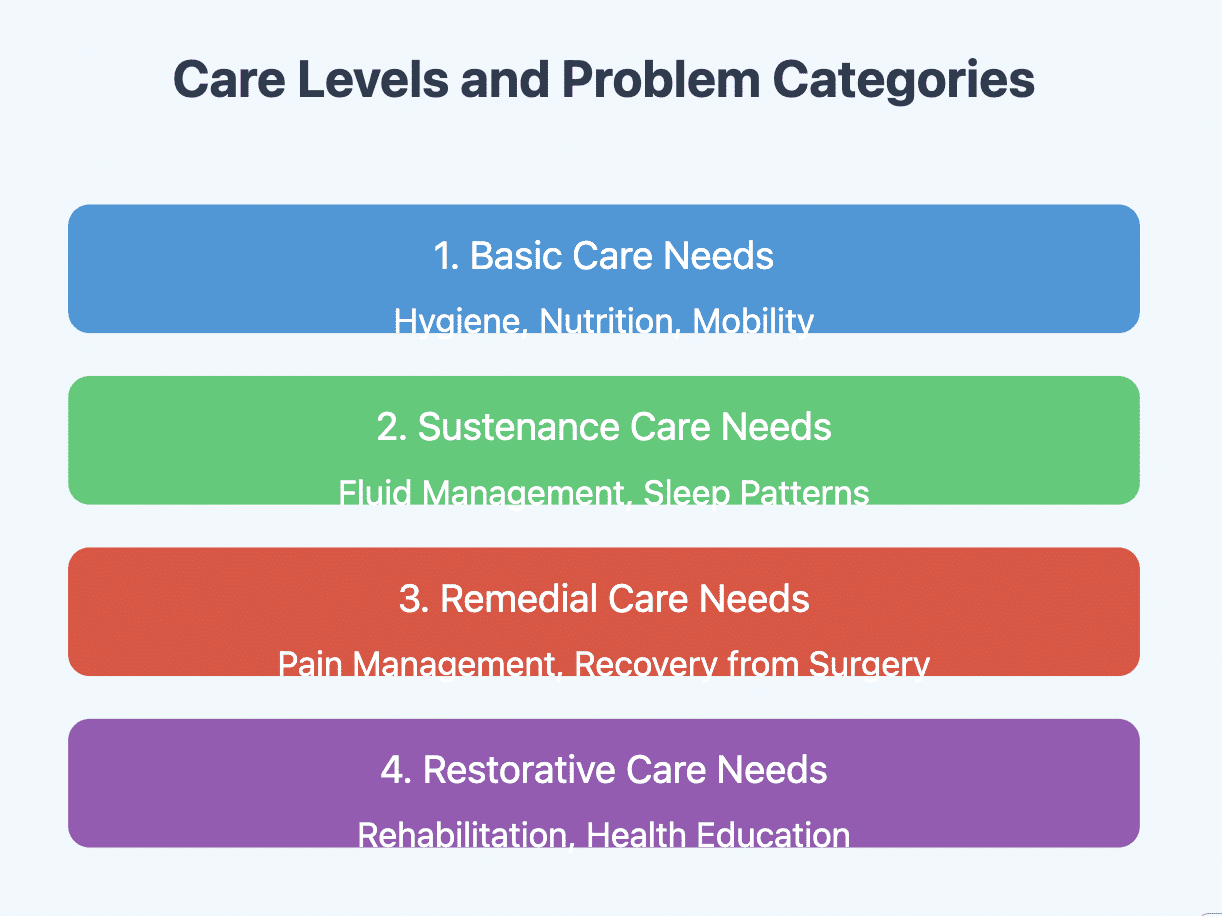
    Faye Abdellah’s 21 Nursing Problems Theory categorizes nursing challenges into a systematic structure that aids nurses in comprehensively assessing and addressing patient needs. The theory identifies four levels of nursing problems, ranging from basic care requirements to restorative care needs. This categorization supports healthcare professionals in prioritizing interventions based on the severity and complexity of patient issues.

    Historical Context and Development

    Emerging in the early 1970s, the creation of the 21 Nursing Problems Theory represented a significant transformation in nursing education and practice. At that time, nursing paradigms primarily emphasized routine tasks devoid of scientific backing. Abdellah’s research-driven approach challenged these traditional notions, laying the groundwork for advanced nursing roles and the incorporation of nursing diagnoses. The evolution of this theory coincided with the broader transformation of the healthcare system, highlighting the necessity for nurses to adopt evidence-based practices.

    Faye Abdellah and the 21 Nursing Problems Theory

    Abdellah’s work has laid a robust foundation for the ongoing evolution of nursing practice, reinforcing the necessity for continuous education and adaptation to effectively meet the changing demands of patient care. Her 21 Nursing Problems Theory has thus become a cornerstone in the pursuit of effective, individualized healthcare delivery.

    The Importance of Patient-Centered Care

    The concept of patient-centered care represents a transformative shift in nursing practice that prioritizes the holistic needs of individuals over merely addressing their medical conditions. Faye Glenn Abdellah’s nursing theory, established in 1957, serves as a foundation for this approach, emphasizing the necessity of understanding patients’ unique needs, which includes their cultural, spiritual, and economic backgrounds.

    Shift in Nursing Paradigms

    This paradigm shift moves away from a traditional, disease-centered model and fosters a more comprehensive view that recognizes the complex interplay of factors influencing a patient’s health. Patient-centered care advocates for high-quality and cost-effective practices through a focus on the overall patient experience. Research supports that a favorable patient environment has a significant impact on prognosis and recovery time, highlighting the role that healthcare innovation plays in enhancing care delivery.

    Role of Empathy and Understanding

    Furthermore, empathy and understanding remain central to this model, allowing nurses to build strong therapeutic relationships with their patients. Such relationships facilitate better communication and improve health outcomes. It is essential for nurses to create comfortable environments that reduce anxiety and promote healing. Regular health assessments are vital, as an outward appearance of health does not always correlate with true recovery, emphasizing Abdellah’s assertion that optimal health is rooted in prevention and patient-centered care. These elements reflect the evolving nature of nursing theory, reinforcing the profession’s commitment to nurturing well-rounded nursing practice.

    Faye Abdellah’s The 21 Nursing Problems Explained

    Faye Abdellah’s 21 Nursing Problems encompass a comprehensive framework that addresses the multifaceted needs of patients. These problems are categorized into three essential areas: physical, sociological, and emotional needs. Each category consists of specific issues that must be considered in patient care, highlighting the importance of a holistic approach to nursing practice.

    Categorization of Problems

    The 21 nursing problems identified by Faye Abdellah are as follows:

    • Basic care needs: 4 identified needs directly impacting patients’ physical health.
    • Sustenance care needs: 7 needs focusing on maintaining health and wellness.
    • Remedial care needs: 7 needs aimed at addressing specific health challenges encountered by patients.
    • Restorative care needs: 3 needs concentrating on rehabilitation and recovery.
    Care LevelProblemKey FocusCritical ConsiderationsNursing Interventions
    Basic Care Needs
    1. Nutrition ManagementEnsuring adequate nutritional intake and metabolic supportCaloric requirements, Nutritional balance, Dietary restrictionsNutritional assessments, Dietary planning, Nutritional supplement managementMalnutrition, Metabolic disorders, Impaired healing
    2. Hydration ManagementMaintaining optimal fluid balance and electrolyte equilibriumFluid intake tracking, Electrolyte balance, Dehydration preventionFluid intake monitoring, IV fluid management, Electrolyte replacementKidney dysfunction, Cardiovascular stress, Cellular metabolism disruption
    3. Respiratory FunctionSupporting optimal breathing and oxygen exchangeAirway patency, Lung capacity, Oxygen saturationRespiratory assessments, Oxygen therapy, Breathing techniquesRespiratory failure, Hypoxia, Pulmonary complications
    4. Mobility and MovementPromoting physical function and preventing immobility-related issuesRange of motion, Muscle strength, Joint flexibilityPhysical therapy, Mobility assistance, Positioning strategiesMuscle atrophy, Pressure ulcers, Circulatory problems
    Sustenance Care Needs
    5. Sleep Pattern RegulationManaging healthy sleep-wake cycles and rest patternsSleep quality, Circadian rhythm, Rest requirementsSleep assessments, Sleep hygiene education, Relaxation techniquesChronic fatigue, Cognitive impairment, Immune system suppression
    6. Temperature ControlMaintaining optimal body temperature and thermal homeostasisFever management, Hypothermia prevention, Thermal comfortTemperature monitoring, Cooling/warming interventions, Environmental controlMetabolic disruptions, Infection risks, Cardiovascular stress
    7. Personal SafetyPreventing patient injuries and minimizing health risksFall prevention, Risk assessment, Safety protocolsRisk screening, Safety education, Assistive device managementPhysical injuries, Psychological trauma, Reduced independence
    8. Infection PreventionImplementing comprehensive infection control strategiesPathogen transmission, Sterile techniques, Immune system supportHand hygiene, Isolation protocols, Vaccination managementNosocomial infections, Immunocompromised states, Treatment complications
    9. Environmental ManagementCreating healing-conducive and stress-minimizing environmentsSensory stimulation, Comfort optimization, Stress reductionEnvironmental assessment, Therapeutic environment design, Noise and light managementIncreased patient anxiety, Slower recovery, Psychological distress
    10. Stress ManagementDeveloping emotional resilience and coping mechanismsPsychological adaptation, Emotional regulation, Stress responsePsychological assessments, Coping strategy development, Supportive counselingMental health disorders, Chronic stress, Treatment adherence issues
    11. Health Risk ManagementProactively identifying and mitigating potential health threatsRisk prediction, Preventive interventions, Early detectionComprehensive health screenings, Predictive risk modeling, Preventive educationUndetected health conditions, Progression of chronic diseases, Reduced treatment effectiveness
    Remedial Care Needs
    12. Pain ManagementComprehensive pain assessment and targeted relief strategiesPain intensity, Pain type, Psychological impactPain scale assessments, Multimodal pain relief, Pharmacological interventionsChronic pain development, Reduced quality of life, Psychological distress
    13. Emotional SupportProviding psychological comfort and mental health assistanceEmotional resilience, Psychological adaptation, Trauma managementPsychological counseling, Emotional validation, Support group connectionsDepression, Anxiety disorders, Treatment non-compliance
    14. Communication SupportFacilitating effective patient-provider communicationInformation comprehension, Language barriers, Communication methodsActive listening, Communication aids, Interpreter servicesMisunderstandings, Treatment non-adherence, Patient isolation
    15. Psychological CopingDeveloping adaptive mental health strategiesStress response, Cognitive restructuring, Emotional regulationCognitive behavioral techniques, Stress management training, Resilience buildingMental health disorders, Maladaptive coping, Reduced treatment effectiveness
    16. Social InteractionPromoting interpersonal connections and social supportSocial network, Emotional connectivity, Support systemsSocial assessment, Group therapy, Family involvement strategiesSocial isolation, Reduced psychological well-being, Treatment motivation challenges
    17. Mental Health ManagementComprehensive psychological health supportPsychiatric assessment, Treatment adherence, Psychological stabilityMental health screenings, Psychiatric interventions, Medication managementUntreated mental health conditions, Reduced quality of life, Treatment complications
    18. Medical Intervention RecoverySupporting optimal healing and post-treatment managementRecovery trajectory, Side effect management, RehabilitationRecovery monitoring, Rehabilitation planning, Comprehensive follow-upProlonged recovery, Treatment complications, Reduced functional capacity
    Restorative Care Needs
    19. Health EducationEmpowering patients through comprehensive health literacySelf-management skills, Treatment understanding, Preventive knowledgeEducational resources, Interactive learning, Personalized health guidanceTreatment non-adherence, Reduced self-efficacy, Limited health awareness
    20. Personal DevelopmentSupporting holistic patient growth and self-improvementPersonal goals, Psychological growth, IndependenceGoal-setting assistance, Personal coaching, Skill development supportReduced motivation, Limited personal progress, Dependency
    21. RehabilitationFacilitating comprehensive functional restorationPhysical recovery, Functional independence, Adaptive strategiesIndividualized rehab plans, Multidisciplinary approach, Progressive skill buildingIncomplete recovery, Reduced mobility, Psychological barriers

    Maslow’s Hierarchy and 21 Nursing Problems

    I’ll break down how these care needs align with Maslow’s Hierarchy:

    1. Physiological Needs (Bottom Level)
      • Represented by Basic Care Needs (4 needs)
      • Directly impact patients’ physical health
      • Fundamental survival requirements
    2. Safety Needs (Second Level)
      • Represented by Sustenance Care Needs (7 needs)
      • Focuses on maintaining health and wellness
      • Provides stability and protection
    3. Love and Belonging (Third Level)
      • Partial representation of Remedial Care Needs
      • Addresses social and emotional aspects of patient care
      • Includes needs for social interaction and emotional support
    4. Esteem Needs (Fourth Level)
      • Another part of Remedial Care Needs
      • Focuses on psychological aspects of recovery
      • Includes pain management and coping mechanisms
    5. Self-Actualization (Top Level)
      • Represented by Restorative Care Needs (3 needs)
      • Concentrates on rehabilitation and recovery
      • Aims at personal growth and potential

    The visualization shows how these care needs progressively build upon each other, mirroring Maslow’s concept that lower-level needs must be substantially satisfied before individuals can attend to higher-level needs.

    This categorization ensures that all aspects of patient health are considered, ultimately guiding nursing education and enhancing skills within healthcare education settings.

    Impact on Nursing Practice

    Abdellah’s nursing theory has significantly impacted nursing practice by providing a systematic approach for assessing and addressing the total health needs of individuals. This approach emphasizes critical thinking, enabling nurses to implement effective patient-centered care strategies.

    The application of the 21 Nursing Problems Theory fosters a proactive stance in nursing practice, encouraging professionals to identify potential health risks. This methodology directly correlates with improved patient outcomes, as it encompasses education and prevention strategies.

    In modern healthcare environments, Abdellah’s framework remains relevant, shaping curricula in nursing education and guiding clinical practice across various settings. By prioritizing the holistic well-being of patients, nursing practice continues to evolve, informed by Abdellah’s foundational contributions to the field.

    Application of the Theory in Clinical Settings

    The practical application of Faye Abdellah’s nursing theory in various clinical settings provides valuable insights into effective patient care. Nurses can create personalized care plans tailored to individual circumstances by systematically identifying patient needs. The implementation of Abdellah’s 21 Nursing Problems Theory addresses an array of challenges and underscores the significance of a patient-centered approach.

    Case Studies and Real-world Examples

    For instance, in a surgical unit, a 34-year-old female patient with a Body Mass Index (BMI) of 26.3 kg/m² reported a pain level of 6 on the Visual Analog Scale (VAS) and experienced severe constipation three days post-surgery. Utilizing Abdellah’s framework, nurses recognized the urgency of addressing her gastrointestinal issues, ultimately facilitating her discharge.

    The patient, with a history of type 2 diabetes, expressed concerns about the potential long-term effects of her condition on future pregnancies. Abdellah’s nursing theory emphasizes not only physiological needs but also emotional and psychological aspects, indicating the importance of communicating family involvement in the care process. This recognition promotes a comprehensive approach to nursing interventions, focusing on support systems.

    Another pertinent application of Abdellah’s model is seen in mental health institutions, where hygiene maintenance is integral to patient comfort. Daily bathing routines, fostered through proper nursing care, help enhance patient well-being and foster a therapeutic environment. Furthermore, ensuring good body mechanics prevents complications such as bedsores, reflecting the efficacy of the framework in promoting optimal care.

    Evidence supports that the exhaustive identification of nursing problems leads to organized nursing care, enhancing patient outcomes significantly. In settings where infection control is paramount, isolating patients with communicable diseases plays a critical role in preventing infection spread. Overall, the structured approach to understanding and addressing patients’ multifaceted needs exemplifies the profound impact of Abdellah’s nursing theory on clinical practice and healthcare innovation.

    Patient Needs AddressedExample Interventions
    Physiologic NeedsAdministration of intravenous fluids for electrolyte balance
    Safety NeedsInfection control through isolation of contagious patients
    Emotional NeedsFacilitation of family involvement and therapeutic communication
    Self-Actualization NeedsEncouragement of daily exercise and self-management education

    Criticisms and Limitations of Abdellah’s Theory

    While Faye Abdellah’s 21 Nursing Problems Theory made remarkable strides in nursing theory and healthcare transformation, it is vital to acknowledge the criticisms of nursing practice that have emerged since its inception in 1960. The theory is praised for its innovative approach, yet some professionals contend that it lacks comprehensive guidelines capable of addressing the complexities and nuances associated with modern patient care, especially within diverse, interdisciplinary environments. As clinical contexts evolve alongside advancements in technology, gaps in the framework may become apparent.

    Summary of Key Contributions

    Despite its limitations, Abdellah’s contributions have had a lasting impact on the field of nursing. She published over 153 works, advocated for policy changes, and played a crucial role in enhancing nursing education, evidenced by her leadership at the Graduate School of Nursing. Her establishment of a tested coronary care unit not only showcased her commitment to patient safety but also paved the way for future care innovations. Abdellah’s legacy as the first nurse to achieve the rank of rear admiral in the Public Health Service and her induction into various halls of fame highlight her excellence in promoting patient-centered care.

    Ultimately, while Abdellah’s 21 Nursing Problems Theory may face scrutiny for not fully encompassing the challenges of contemporary nursing, its fundamental principles continue to influence current and future generations of nursing professionals. Her call for inclusiveness and empathy in nursing practice remains profoundly relevant, urging healthcare practitioners to refine and adapt their approaches to meet the increasingly complex needs of patients.

    Sources

    Faye Glenn Abdellah: Nurse, Officer, Educator

    Read more on Imogene king theory of goal attainment in Nursing Practice

    FAQ

    Who is Faye Glenn Abdellah?

    Faye Glenn Abdellah is a pioneering nurse theorist known for her development of the 21 Nursing Problems Theory, which significantly shaped contemporary nursing practices by promoting a holistic, patient-centered approach to care.

    What is the 21 Nursing Problems Theory?

    The 21 Nursing Problems Theory is a framework created by Abdellah that emphasizes a holistic methodology to patient care, addressing physical, emotional, and sociological factors by identifying 21 specific nursing problems that nurses must address in their practice.

    How did Abdellah’s background influence her work?

    Abdellah’s early life experiences, notably witnessing the Hindenburg disaster, motivated her to pursue a career in nursing. Her diverse heritage and education, including advanced degrees in nursing and physiology, provided her with a unique perspective that enriched her contributions to nursing theory.

    What are the implications of the 21 Nursing Problems in nursing education?

    Abdellah’s theory has transformed nursing education by advocating for research-driven practice, critical thinking, and the inclusion of nursing diagnoses, thus laying the groundwork for advanced practice roles within nursing.

    Why is patient-centered care important in nursing?

    Patient-centered care is crucial because it acknowledges the whole person, addressing not only physical symptoms but also emotional and social factors that influence a patient’s recovery process, leading to improved health outcomes and patient satisfaction.

    How are Abdellah’s 21 Nursing Problems categorized?

    The 21 Nursing Problems are categorized into three areas: basic needs, sustenal care needs, and remedial care needs. This classification helps nurses to systematically address the diverse requirements of patients for optimal health and well-being.

    Can you provide an example of applying the 21 Nursing Problems in practice?

    In clinical settings, nurses can use Abdellah’s framework to create personalized care plans. For instance, in acute care, a nurse may assess both overt and covert problems, facilitating effective recovery by addressing not only physical conditions but also related emotional needs.

    What criticisms exist regarding Abdellah’s theory?

    Some critics argue that the 21 Nursing Problems Theory may not provide comprehensive guidelines for addressing the complexities of modern patient care, especially in interdisciplinary settings where technology plays a significant role. Despite this, Abdellah’s influence on nursing remains significant.

  • Top Argumentative Nurse Essay Topics for 2025

    Argumentative Nurse Essay Topics serve as a cornerstone for academic discourse in nursing education. When nursing students engage with Argumentative Nurse Essay Topics, they develop critical thinking skills essential for evidence-based practice.

    These Argumentative Nurse Essay Topics bridge the gap between theoretical knowledge and practical application, helping future healthcare professionals understand complex medical ethics and patient-centered care approaches. Don’t worry if you’re searching for the perfect topic – this comprehensive guide to Argumentative Nurse Essay Topics will help you choose compelling subjects for your next paper in nursing.

    The purpose of this article is to explore various Argumentative Nurse Essay Topics while providing guidance on writing service techniques and preliminary research methods. As we delve into these Argumentative Nurse Essay Topics, we’ll examine how they contribute to nursing research and academic writing development, ensuring each essay is supported by evidence and credible sources.

    120 Relevant Argumentative Nurse Essay Topics for 2025

    Patient Safety and Quality Care

    1. Should nurses have the authority to refuse unsafe patient assignments?
    2. Impact of nurse-to-patient ratios on medical errors
    3. Mandatory overtime in nursing: Benefits vs. risks
    4. Role of nursing in preventing hospital-acquired infections
    5. Implementation of electronic health records: Challenges and benefits
    6. Standardization of nursing procedures: Necessity vs. flexibility
    7. Prevention strategies for medication errors in nursing
    8. Impact of fatigue on nursing performance and patient safety
    9. Role of nursing in reducing hospital readmission rates
    10. Effectiveness of safety checklists in nursing practice

    Ethics and Decision Making

    1. Right to die: The nurse’s role in end-of-life care
    2. Ethical considerations in organ donation and transplantation
    3. Nurses’ role in informed consent procedures
    4. Religious beliefs vs. medical treatment: Nursing perspectives
    5. Ethical implications of genetic testing and counseling
    6. Mandatory vaccination policies for healthcare workers
    7. Privacy rights in the age of electronic health records
    8. Ethical considerations in pediatric end-of-life care
    9. Nursing advocacy in patients’ rights protection
    10. Cultural competency in ethical decision-making

    Mental Health Nursing

    1. Integration of mental health services in primary care
    2. Role of nurses in suicide prevention
    3. Treatment approaches for patients with dual diagnosis
    4. Impact of social media on adolescent mental health
    5. Mental health screening in emergency departments
    6. Nurses’ role in addressing the opioid crisis
    7. Community-based mental health interventions
    8. Treatment of patients with severe mental illness
    9. Mental health care access in rural communities
    10. Trauma-informed care in mental health nursing

    Technology and Innovation

    1. Artificial intelligence in nursing practice
    2. Telenursing: Opportunities and challenges
    3. Wearable technology in patient monitoring
    4. Virtual reality in nursing education
    5. Robotics in nursing care delivery
    6. Impact of 5G technology on healthcare delivery
    7. Mobile health applications in patient care
    8. Blockchain technology in healthcare records
    9. Smart hospital systems and nursing practice
    10. Digital health literacy among nurses

    Global Health and Public Health

    1. Role of nurses in pandemic preparedness
    2. Climate change impacts on public health nursing
    3. Global nursing shortage solutions
    4. Cross-border nursing practice standards
    5. International nursing education harmonization
    6. Role of nurses in disaster management
    7. Global health inequities in nursing care
    8. Vaccination programs in developing countries
    9. International nursing collaboration frameworks
    10. Cultural competency in global health nursing

    Pediatric and Maternal Care

    1. Childhood obesity interventions in nursing
    2. Breastfeeding support programs effectiveness
    3. Pediatric pain management approaches
    4. School nursing programs importance
    5. Maternal mental health screening
    6. Neonatal intensive care advancements
    7. Child abuse recognition and reporting
    8. Adolescent health education programs
    9. Pediatric chronic disease management
    10. Family-centered care approaches

    Geriatric Care

    1. Fall prevention strategies in elderly care
    2. Dementia care best practices
    3. End-of-life care in nursing homes
    4. Polypharmacy management in elderly patients
    5. Elder abuse prevention and detection
    6. Aging in place support systems
    7. Palliative care in geriatric nursing
    8. Quality of life in long-term care facilities
    9. Technology adoption among elderly patients
    10. Social isolation impact on elderly health

    Professional Development

    1. Continuing education requirements effectiveness
    2. Nurse burnout prevention strategies
    3. Leadership development in nursing
    4. Career advancement pathways in nursing
    5. Work-life balance in nursing profession
    6. Mentorship programs effectiveness
    7. Professional certification impact
    8. Stress management for nurses
    9. Team building in nursing units
    10. Cultural diversity in nursing workforce

    Healthcare Policy

    1. Universal healthcare impact on nursing
    2. Nurse staffing legislation effectiveness
    3. Scope of practice regulations
    4. Healthcare cost containment strategies
    5. Insurance coverage impact on care
    6. Nursing role in policy development
    7. Healthcare access equity measures
    8. Quality metrics in nursing care
    9. Reimbursement models impact
    10. Healthcare reform implementation

    Evidence-Based Practice

    1. Research utilization in nursing practice
    2. Implementation of clinical guidelines
    3. Quality improvement methodologies
    4. Best practice adoption barriers
    5. Evidence-based protocol development
    6. Nursing research priorities
    7. Practice change implementation
    8. Outcome measurement methods
    9. Cost-effectiveness analysis
    10. Research translation strategies

    Specialty Areas

    1. Emergency nursing protocols effectiveness
    2. Critical care nursing innovations
    3. Oncology nursing best practices
    4. Wound care management approaches
    5. Pain management strategies
    6. Infection control protocols
    7. Rehabilitation nursing outcomes
    8. Community health nursing impact
    9. Home health nursing challenges
    10. Occupational health nursing role

    Future Trends

    Professional role expansion

    Nursing education evolution

    Future workforce planning

    Healthcare delivery models

    Technology integration challenges

    Patient engagement strategies

    Personalized medicine impact

    Environmental sustainability in healthcare

    Population health management

    Healthcare accessibility solutions

      Exploring Nursing Practice and Patient Care

      In the field of nursing, understanding the needs of patients is paramount to delivering quality care. When exploring Argumentative Nurse Essay Topics related to practice and patient care, consider how medications and treatments affect patient outcomes. The role of nursing in promoting health extends beyond basic care to include comprehensive patient monitoring and support strategies.

      Evidence-Based Practice in Nursing Education

      Promoting evidence-based practice remains central to nursing education and professional development. When writing an Argumentative Nurse Essay on this topic, use credible sources to support your arguments. The nursing paper should demonstrate how evidence-based approaches reduce errors and improve patient safety. Future healthcare professionals must understand how to integrate research findings into daily practice while maintaining specific nursing standards.

      Role of Nurses in Addressing Global Health

      When exploring Argumentative Nurse Essay Topics focused on global health, it’s crucial to understand the expanding role of nursing in addressing worldwide healthcare challenges. Nurses serve as frontline workers in promoting evidence-based practice across borders while tackling diverse health policies and cultural barriers. The field of nursing has evolved to encompass international healthcare initiatives, requiring professionals to adapt to varying patient needs and healthcare systems.

      Current trends in global health nursing include addressing infectious disease outbreaks, improving maternal and child health outcomes, and implementing sustainable healthcare practices in resource-limited settings. Don’t worry if these topics seem overwhelming – they present excellent opportunities for thought-provoking research papers that contribute to the advancement of nursing practice worldwide.

      How to Choose the Best Nursing Argumentative Essay Topics

      When it comes to choosing Argumentative Nurse Essay Topics, consider subjects that align with your interests and career goals as a future healthcare professional. Start with preliminary research to ensure sufficient credible sources are available to support your arguments. The best nursing paper topics often emerge from current challenges in patient care or technological advancements in nursing.

      Consider these factors:

      • Relevance to current nursing practice
      • Availability of recent research
      • Impact on patient outcomes
      • Connection to healthcare policies
      • Potential for innovative solutions

      Identifying Interesting Nursing Topics

      To find interesting nursing topics for your next paper, explore current trends in healthcare and specific nursing challenges. Use academic writing databases and professional nursing journals to identify emerging themes. Some thought-provoking areas include:

      • The role of nursing in promoting mental health awareness
      • Implementation of patient-centered care models
      • Integration of nursing informatics in daily practice
      • Strategies for addressing burnout among nursing professionals
      • Ethical decision-making in complex patient cases

      Considerations for Nursing Students

      For nursing students or professionals seeking essay topics for your next assignment, focus on areas that offer practical insights into the nursing field. Consider topics relevant to your studies that could enhance your understanding of:

      • Patient safety and quality improvement
      • Care of patients with chronic conditions
      • Community health initiatives
      • Medical ethics in nursing practice
      • Evidence-based interventions

      Impact of Cultural Competence on Patient Outcomes

      Cultural competence in nursing significantly influences patient outcomes and care quality. When writing about this topic, explore how nurses can effectively address the needs of patients from diverse backgrounds. Consider discussing:

      • Strategies for cultural sensitivity in patient care
      • Communication barriers and solutions
      • Integration of cultural practices in treatment plans
      • Impact on patient satisfaction and compliance
      • Training programs for cultural competence

      What are Some Thought-Provoking Nursing Essay Topics for 2025?

      For your next section in nursing argumentative essays, consider these emerging areas:

      1. Technology Integration:
      • Impact of AI on patient monitoring
      • Telehealth nursing practices
      • Digital health records management
      1. Healthcare Policy Reform:
      • Access to care initiatives
      • Insurance coverage impacts
      • Public health programming
      1. Patient Safety Innovations:
      • Error reduction strategies
      • Quality improvement measures
      • Risk management protocols
      1. Mental Health Care:
      • Treatment accessibility
      • Integration with primary care
      • Community-based interventions

      Nursing Leadership and Professional Development

      Leadership in nursing encompasses various aspects of practice nursing essay topics, including staff development, policy implementation, and quality improvement initiatives. Professional development focuses on:

      • Continuing education requirements
      • Leadership skill development
      • Evidence-based practice integration
      • Team management strategies
      • Quality care promotion

      Pediatric Nursing Essay Topics

      When exploring pediatric nursing essay topics, consider addressing:

      • Childhood vaccination programs
      • Family-centered care approaches
      • Developmental assessment techniques
      • Child abuse prevention
      • Chronic illness management in children

      Mental Health Nursing Essay Topics

      Mental health nursing essay topics should address current challenges in psychiatric care:

      • Treatment of patients with mental health disorders
      • Community mental health programs
      • Crisis intervention strategies
      • Medication management
      • Therapeutic communication techniques

      Community Health and Nursing Care

      Community health nursing involves promoting evidence-based practice at the population level. Key areas to explore include:

      Population health management

      Public health education programs

      Preventive care initiatives

      Community-based interventions

      Health screening programs

      Related Article : Top Nursing Argumentative Essay Topics: Engage in Thought-Provoking Debates

      FAQs

      What makes good nursing essay topics for argumentative papers?

      Effective Argumentative Nurse Essay Topics should be current, debatable, and relevant to your studies while having sufficient research available.

      How can I find credible sources for my nursing argumentative essay?

      Utilize academic databases, peer-reviewed journals, and professional nursingCommunity Health and Nursing Care organizations’ publications.

      What are the most challenging Argumentative Nurse Essay Topics for 2025?

      Topics involving ethical decision-making, technological advancements, and global health challenges are particularly complex.

      How do I narrow down broad Argumentative Nurse Essay Topics?

      Focus on specific aspects of broader topics and consider current trends in healthcare.

      Where can I find help with structuring my nursing argumentative essay?

      Consult your nursing school’s writing center, academic writing guides, and essay writing service resources.

    1. Ultimate Guide to Writing a Diagnostic Essay: Outline & Tips

      A diagnostic essay is a type of academic writing used to assess a student’s writing skills or aptitude. This form of essay is typically assigned at the beginning of a course or academic year to evaluate students’ strengths and weaknesses in writing. The diagnostic essay meaning extends beyond just a simple writing task; it’s a tool for educators to gauge students’ abilities and tailor their teaching accordingly.

      Guide to Writing a Diagnostic Essay

      Purpose of a diagnostic essay

      The purpose of a diagnostic essay is multifaceted. It serves as a way to:

      1. Assess students’ current writing abilities
      2. Identify areas that need improvement
      3. Provide a baseline for measuring progress throughout the course
      4. Help instructors plan their curriculum more effectively

      A well-crafted essay in this diagnostic format allows educators to understand students’ writing skills, including their ability to organize thoughts, construct arguments, and communicate effectively in written form.

      When are students asked to write a diagnostic?

      Students are typically asked to write a diagnostic essay at the beginning of:

      • A new semester or academic year
      • A writing-intensive course
      • An English composition class
      • A standardized testing situation

      In these scenarios, the diagnostic essay helps instructors or evaluators gauge the students’ initial writing abilities before diving into more complex writing assignments.

      How to write a diagnostic essay?

      Step-by-step guide to start a diagnostic essay

      1. Read the prompt carefully: Understand what the question or topic is asking.
      2. Brainstorm ideas: Quickly jot down relevant thoughts and examples.
      3. Create a basic outline: Organize your main points in a logical order.
      4. Write your introduction: Begin with a hook and end with your thesis statement.
      5. Develop body paragraphs: Each paragraph should focus on one main idea.
      6. Conclude your essay: Summarize your main points and restate your thesis.
      7. Proofread and edit: Check for grammar, spelling, and punctuation errors.

      Creating a strong thesis statement

      A strong thesis statement is crucial for a diagnostic essay. It should:

      • Clearly state your main argument or position
      • Be specific and focused
      • Appear at the end of your introduction
      • Guide the rest of your essay

      Example: “While social media has revolutionized communication, its negative impacts on mental health and privacy outweigh its benefits.”

      The importance of the writing process in diagnostics

      The writing process is vital in diagnostic essays as it demonstrates your ability to:

      1. Plan and organize your thoughts
      2. Develop and support your ideas
      3. Revise and improve your work

      Even with limited time, try to allocate a few minutes for each stage of the writing process: prewriting, drafting, revising, and proofreading.

      What is the format for a diagnostic essay?

      Common diagnostic essay format structures

      The best format for a diagnostic essay typically follows a standard five-paragraph structure:

      1. Introduction
      2. Body paragraph 1
      3. Body paragraph 2
      4. Body paragraph 3
      5. Conclusion

      However, depending on the assigned topic or question, you may need to adjust this structure. Some diagnostic essays may require more or fewer paragraphs based on the complexity of the prompt.

      Elements of each body paragraph

      Each body paragraph in your diagnostic essay should contain:

      1. A topic sentence that introduces the main idea
      2. Supporting evidence or examples
      3. An explanation of how the evidence relates to your thesis
      4. A transition to the next paragraph or idea

      Remember, in diagnostic essay writing, it’s crucial to focus on one idea per paragraph to maintain clarity and coherence.

      Using MLA and APA formats

      While diagnostic essays may not always require strict adherence to citation styles, it’s good practice to familiarize yourself with MLA and APA formats. These are commonly used in academic writing:

      MLA Format:

      • Double-spaced text
      • 1-inch margins on all sides
      • 12-point font (usually Times New Roman)
      • Header with your last name and page number in the top right corner

      APA Format:

      • Double-spaced text
      • 1-inch margins on all sides
      • 12-point font (usually Times New Roman)
      • Running head with the title of your paper on every page
      • Title page with the paper’s title, your name, and institutional affiliation

      How to create a diagnostic essay outline?

      Components of a diagnostic essay outline

      A typical diagnostic essay outline includes:

      I. Introduction A. Hook B. Background information C. Thesis statement

      II. Body Paragraph 1 A. Topic sentence B. Supporting evidence C. Explanation D. Transition

      III. Body Paragraph 2 A. Topic sentence B. Supporting evidence C. Explanation D. Transition

      IV. Body Paragraph 3 A. Topic sentence B. Supporting evidence C. Explanation D. Transition

      V. Conclusion A. Restate thesis B. Summarize main points C. Final thought or call to action

      Outline examples for various topics

      Topic: The Impact of Technology on Education

      I. Introduction A. Hook: Statistic on technology use in classrooms B. Background: Brief history of technology in education C. Thesis: Technology has revolutionized education by enhancing accessibility, engagement, and personalized learning experiences.

      II. Body Paragraph 1: Accessibility A. Topic sentence: Technology has made education more accessible B. Example: Online courses and distance learning C. Explanation: How this benefits non-traditional students

      III. Body Paragraph 2: Engagement A. Topic sentence: Interactive technology increases student engagement B. Example: Educational apps and gamification C. Explanation: How these tools make learning more enjoyable

      IV. Body Paragraph 3: Personalized Learning A. Topic sentence: Technology enables personalized learning experiences B. Example: Adaptive learning software C. Explanation: How this caters to individual student needs

      V. Conclusion A. Restate thesis on technology’s impact B. Summarize accessibility, engagement, and personalization C. Final thought on the future of education with technology

      Tips for organizing your paragraphs

      1. Use clear topic sentences to introduce each main point
      2. Provide specific examples or evidence to support your ideas
      3. Explain how your evidence relates to your thesis
      4. Use transition words to connect ideas within and between paragraphs
      5. Ensure each paragraph focuses on one main idea

      What are some effective diagnostic essay topics?

      Choosing the right essay topic

      When selecting a diagnostic essay topic:

      1. Consider your interests and knowledge
      2. Choose a topic with enough depth for discussion
      3. Ensure the topic allows for analysis and argumentation
      4. Pick a subject relevant to the course or assignment

      50 popular diagnostic essay topics

      1. The impact of social media on mental health
      2. Climate change and its effects on future generations
      3. The role of artificial intelligence in everyday life
      4. The importance of financial literacy in schools
      5. The effects of video games on cognitive development
      6. The influence of celebrity culture on society
      7. The pros and cons of remote work
      8. The impact of fast fashion on the environment
      9. The role of exercise in maintaining mental health
      10. The effects of sleep deprivation on academic performance
      11. The importance of diversity in the workplace
      12. The impact of technology on childhood development
      13. The role of music in stress reduction
      14. The effects of social isolation on mental health
      15. The importance of critical thinking skills in the digital age
      16. The impact of diet on academic performance
      17. The role of renewable energy in combating climate change
      18. The effects of cyberbullying on teenagers
      19. The importance of arts education in schools
      20. The impact of advertising on consumer behavior
      21. The role of genetics in determining personality traits
      22. The effects of multitasking on productivity
      23. The importance of cultural preservation in a globalized world
      24. The impact of social media on political discourse
      25. The role of space exploration in scientific advancement
      26. The effects of helicopter parenting on child development
      27. The importance of vaccination in public health
      28. The impact of automation on the job market
      29. The role of mindfulness in stress management
      30. The effects of screen time on eye health
      31. The importance of biodiversity in ecosystems
      32. The impact of streaming services on the film industry
      33. The role of sports in character development
      34. The effects of plastic pollution on marine life
      35. The importance of foreign language learning in a global economy
      36. The impact of social media influencers on youth culture
      37. The role of artificial intelligence in healthcare
      38. The effects of urbanization on community relationships
      39. The importance of sustainable agriculture in food security
      40. The impact of online dating on modern relationships
      41. The role of virtual reality in education
      42. The effects of noise pollution on human health
      43. The importance of digital literacy in the 21st century
      44. The impact of fast food on public health
      45. The role of community service in character building
      46. The effects of gender stereotypes in media on child development
      47. The importance of work-life balance in employee productivity
      48. The impact of social media on traditional journalism
      49. The role of public transportation in reducing carbon emissions
      50. The effects of meditation on brain function and mental health

      How to formulate a diagnostic essay topic

      To create your own diagnostic essay topic:

      1. Start with a broad subject area (e.g., technology, health, education)
      2. Narrow down to a specific aspect or issue within that area
      3. Frame the topic as a question or statement that allows for analysis
      4. Ensure the topic is debatable or has multiple perspectives

      Example: Broad subject (Technology) → Specific aspect (Social media) → Topic: “How has social media affected interpersonal communication skills among teenagers?”

      How to improve your writing skills for diagnostic essays?

      Practicing diagnostic writing techniques

      1. Set timed writing exercises to simulate exam conditions
      2. Practice outlining and organizing your thoughts quickly
      3. Write on a variety of topics to broaden your knowledge base
      4. Focus on developing clear and concise thesis statements
      5. Work on transitioning smoothly between paragraphs
      6. Practice summarizing complex ideas in your own words

      Common mistakes to avoid in essay writing

      1. Straying from the main topic or prompt
      2. Writing a weak or unclear thesis statement
      3. Failing to provide sufficient evidence or examples
      4. Neglecting to proofread for grammar and spelling errors
      5. Using overly complex language or jargon
      6. Forgetting to include a conclusion
      7. Plagiarizing or failing to cite sources properly

      Using a writing service for feedback

      While it’s essential to develop your own writing skills, using a reputable writing service can provide valuable feedback on your diagnostic essays. These services can:

      1. Offer constructive criticism on your essay structure
      2. Highlight areas for improvement in your writing style
      3. Provide tips on how to better address the essay prompt
      4. Help you identify and correct common grammatical errors

      Remember, the goal is to learn from this feedback and apply it to improve your own writing, not to have others write your essays for you.

      What is a diagnostic essay example?

      Analyzing a diagnostic essay sample

      Let’s examine a brief diagnostic essay sample on the topic of “The Impact of Social Media on Personal Relationships”:

      (Introduction) Social media has revolutionized the way we communicate and interact with others. While platforms like Facebook, Instagram, and Twitter have made it easier to stay connected with friends and family, they have also significantly altered the nature of our personal relationships. This essay will argue that while social media has enhanced our ability to maintain long-distance connections, it has simultaneously degraded the quality of our face-to-face interactions and created unrealistic expectations in relationships.

      (Body Paragraph 1) One of the most significant impacts of social media on personal relationships is its ability to bridge geographical gaps. Platforms like Facebook and Instagram allow us to stay updated on the lives of friends and family members who live far away. We can share photos, send messages, and even have video calls with loved ones across the globe. This has undoubtedly strengthened long-distance relationships and helped people maintain connections that might otherwise have faded over time.

      (Body Paragraph 2) However, the convenience of social media communication has come at a cost to our face-to-face interactions. Many people now find themselves constantly checking their phones during social gatherings, leading to a phenomenon known as “phubbing” – snubbing someone in favor of your phone. This behavior can make others feel ignored and undervalued, potentially damaging real-life relationships. Moreover, the ease of digital communication has made some people less adept at reading non-verbal cues and engaging in meaningful in-person conversations.

      (Body Paragraph 3) Furthermore, social media has created unrealistic expectations in relationships. The carefully curated nature of social media posts often presents an idealized version of people’s lives and relationships. This can lead to feelings of inadequacy and dissatisfaction with one’s own relationships when compared to the seemingly perfect lives of others online. Additionally, the constant connectivity provided by social media can create pressure to be always available, potentially leading to burnout and strained relationships.

      (Conclusion) In conclusion, while social media has undoubtedly revolutionized personal relationships by enabling long-distance connections, it has also introduced new challenges. The degradation of face-to-face communication skills and the creation of unrealistic relationship expectations are significant drawbacks that need to be addressed. As we continue to navigate the digital age, it’s crucial to find a balance between leveraging the benefits of social media and maintaining the authenticity and depth of our personal relationships in the real world.

      Key features of a successful diagnostic essay

      1. Clear and concise thesis statement
      2. Logical organization of ideas
      3. Well-developed paragraphs with topic sentences
      4. Relevant examples and evidence to support arguments
      5. Smooth transitions between paragraphs
      6. Proper grammar, spelling, and punctuation
      7. Conclusion that reinforces the main points

      How to use diagnostic essay examples for guidance

      When using diagnostic essay examples:

      1. Analyze the structure and organization
      2. Study how the author develops and supports their arguments
      3. Note the use of transitions and topic sentences
      4. Observe how the conclusion ties back to the introduction
      5. Identify effective writing techniques you can apply to your own essays
      6. Use them as inspiration, but never plagiarize

      Remember, the goal is to learn from these examples and develop your own unique writing style.

      Related article; Diagnostic Essay Tips, Tricks, and Writing Guide

      FAQs on Guide to Writing a Diagnostic Essay

      How do you write a diagnostic essay?

      To write a diagnostic essay, start by carefully reading the prompt, then create a quick outline of your main points. Write a clear thesis statement, develop your ideas in body paragraphs, and conclude by summarizing your main arguments. Focus on demonstrating your writing skills within the given time limit.

      What does a diagnostic paper look like?

      A diagnostic paper typically follows a standard essay format with an introduction, body paragraphs, and a conclusion. It usually addresses a specific prompt or question and demonstrates the writer’s ability to organize thoughts, develop arguments, and communicate effectively in writing.

      What is the structure of diagnostic writing?

      The structure of diagnostic writing usually includes an introduction with a thesis statement, three body paragraphs each focusing on a main point, and a conclusion that restates the thesis and summarizes the key ideas. However, the exact structure may vary depending on the prompt and time constraints.

      What does diagnostic mean in writing?

      In writing, diagnostic means to assess or evaluate. A diagnostic essay is used to gauge a student’s writing abilities, including their skills in organizing ideas, constructing arguments, and using proper grammar and syntax. It helps instructors identify strengths and areas for improvement in a student’s writing.

    2. How to Write an Article Critique in APA Format: A Step-by-Step Guide

      An article critique is a comprehensive analysis and evaluation of a scholarly article or research paper. The primary purpose of writing an article critique is to assess the strengths and weaknesses of the research presented, evaluate the author’s arguments, and provide a critical perspective on the content. This process involves a careful examination of the research methods, findings, and conclusions drawn by the author.

      Writing an article critique in APA format allows you to:

      • Demonstrate your understanding of the subject matter
      • Develop critical thinking skills
      • Contribute to academic discourse in your field
      • Enhance your ability to analyze and evaluate research
      Article Critique in APA Format

      Key Components of a Journal Article Critique in APA format

      A well-structured journal article critique typically includes the following components:

      1. Introduction: Provides an overview of the article and your main thesis
      2. Summary: Concisely presents the main points and arguments of the article
      3. Critique: Offers a critical evaluation of the article’s strengths and weaknesses
      4. Conclusion: Summarizes your overall assessment and implications of the research

      1. Introduction Section (15-20% of critique)

      Purpose: Establish Context and Present Your Analytical Framework

      Essential Elements:

      • Article Identification: Complete bibliographic information in proper APA format
      • Background Context: Brief overview of the research topic’s significance in the field
      • Research Gap: Identify what knowledge gap the article addresses
      • Thesis Statement: Your overall assessment and main argument about the article’s value
      • Preview: Roadmap of your critique’s organization and focus areas

      Enhanced Structure:

      Opening Hook: Start with the broader significance of the research topic. For example: “With healthcare costs rising and patient safety concerns mounting, research on nurse staffing ratios has become increasingly critical for healthcare policy development.”

      Article Introduction: “In their 2023 study published in the Journal of Nursing Administration, Smith et al. investigate the relationship between nurse-to-patient ratios and patient outcomes in intensive care units across 15 hospitals.”

      Thesis Statement: “While Smith et al. provide valuable quantitative data supporting optimal staffing models, their study’s limited geographic scope and exclusion of patient acuity measures significantly restrict the generalizability of their findings to diverse healthcare settings.”

      Best Practices:

      • Avoid simply restating the article’s abstract
      • Demonstrate understanding of the research’s place within existing literature
      • Present a balanced but clear position on the article’s overall contribution
      • Use precise, academic language that reflects scholarly writing standards

      2. Summary Section (20-25% of critique)

      Purpose: Demonstrate Comprehensive Understanding Through Objective Analysis

      Comprehensive Content Areas:

      Research Foundation:

      • Literature Review Quality: Assess comprehensiveness and currency of sources
      • Theoretical Framework: Identify and evaluate the conceptual foundation
      • Research Questions/Hypotheses: Clarity and appropriateness of study aims
      • Significance Statement: How authors justify the study’s importance

      Methodology Analysis:

      • Study Design: Quantitative, qualitative, or mixed methods approach
      • Population and Sampling: Target population, sample size, and selection methods
      • Data Collection: Instruments, procedures, and timeline
      • Data Analysis: Statistical methods or analytical approaches used
      • Ethical Considerations: IRB approval and participant protection measures

      Key Findings Presentation:

      • Primary Results: Main findings related to research questions
      • Statistical Significance: P-values, confidence intervals, effect sizes
      • Secondary Findings: Unexpected or additional discoveries
      • Visual Data: Tables, figures, and their contribution to understanding

      Authors’ Conclusions:

      • Interpretation of Results: How authors explain their findings
      • Limitations Acknowledged: What constraints authors recognize
      • Implications Stated: Suggested applications for practice, policy, or future research

      Enhanced Example: “The authors employed a retrospective cohort design examining patient records from 15 hospitals over two years (2021-2023). Using a convenience sample of 2,847 ICU patients, they analyzed the correlation between nurse-to-patient ratios and three outcome measures: length of stay, infection rates, and patient satisfaction scores. Statistical analysis included multivariate regression controlling for hospital size and patient demographics, revealing significant associations (p<0.001) between lower nurse-to-patient ratios and improved outcomes across all measured variables.”

      Critical Summary Guidelines:

      • Maintain objectivity—save evaluation for the critique section
      • Use your own words rather than extensive quotes
      • Include sufficient detail for readers unfamiliar with the original article
      • Organize information logically, following the research process flow

      3. Critical Analysis Section (40-50% of critique)

      Purpose: Provide Scholarly Evaluation of Research Quality and Contribution

      This section represents the heart of your critique, where you demonstrate analytical thinking and scholarly judgment.

      Methodological Evaluation:

      Study Design Assessment:

      • Appropriateness: Does the design match the research questions?
      • Rigor: Are methodological standards met for the chosen approach?
      • Innovation: Does the study contribute new methodological insights?
      • Replicability: Could other researchers replicate this study?

      Sample and Population Analysis:

      • Representativeness: Does the sample reflect the target population?
      • Size Adequacy: Is the sample size sufficient for statistical power?
      • Selection Bias: Are there systematic biases in participant selection?
      • Generalizability: Can findings be applied to broader populations?

      Data Quality Examination:

      • Validity: Do measures actually assess what they claim to measure?
      • Reliability: Are measurements consistent and dependable?
      • Completeness: Are missing data issues addressed appropriately?
      • Bias Potential: What sources of bias might affect results?

      Statistical Analysis Critique:

      • Appropriateness: Are statistical tests suitable for the data type and research questions?
      • Assumptions: Are statistical assumptions met and verified?
      • Multiple Comparisons: Are corrections made for multiple testing?
      • Effect Size: Is practical significance considered alongside statistical significance?

      Content and Contribution Analysis:

      Literature Integration:

      • Comprehensiveness: Does the review include relevant recent research?
      • Critical Analysis: Do authors critically evaluate existing evidence?
      • Gap Identification: Is the research gap established?
      • Theoretical Foundation: Is the conceptual framework appropriate and well-developed?

      Results Interpretation:

      • Accuracy: Do conclusions align with presented data?
      • Objectivity: Are alternative explanations considered?
      • Limitations Recognition: Do authors acknowledge study constraints?
      • Overgeneralization: Are claims appropriately limited to the study scope?

      Practical Significance:

      • Real-world Application: Can findings be implemented in practice?
      • Cost-effectiveness: Are resource implications considered?
      • Stakeholder Impact: How do findings affect different groups?
      • Policy Implications: What broader systemic changes might result?

      Enhanced Critical Analysis Example: “While the study’s large sample size (n=2,847) provides adequate statistical power, the exclusive focus on urban teaching hospitals significantly limits generalizability to rural and community hospital settings where staffing challenges and patient populations differ substantially. Additionally, the authors’ failure to control for patient acuity—a critical variable in ICU outcomes—represents a significant methodological limitation that undermines the validity of their nurse staffing recommendations. The retrospective design, while practical, prevents the establishment of causal relationships and introduces potential confounding variables that could explain observed associations.”

      Strengths and Weaknesses Framework:

      Strengths Assessment:

      • Methodological innovations or particularly rigorous approaches
      • Significant contribution to existing knowledge
      • Strong theoretical foundation or conceptual framework
      • Practical implications for policy or practice
      • Clear, well-organized presentation of findings

      Weaknesses Identification:

      • Methodological limitations or design flaws
      • Inadequate sample size or sampling bias
      • Missing or inappropriate statistical analyses
      • Limited generalizability or narrow scope
      • Insufficient discussion of limitations or alternative explanations

      Balanced Evaluation Approach: Avoid purely positive or negative critiques. Acknowledge both strengths and limitations while maintaining scholarly objectivity. Use evidence-based reasoning to support your assessments.

      4. Conclusion Section (15-20% of critique)

      Purpose: Synthesize Your Analysis and Articulate Overall Assessment

      Comprehensive Conclusion Elements:

      Overall Assessment:

      • Primary Contribution: What does this research add to existing knowledge?
      • Quality Rating: How does this study compare to standards in the field?
      • Significance Level: Is this a major, moderate, or minor contribution?
      • Recommendation: Would you recommend this article to others in the field?

      Implications for Practice:

      • Clinical Applications: How might practitioners use these findings?
      • Policy Considerations: What institutional or regulatory changes might result?
      • Educational Impact: How might these findings influence training or curricula?
      • Quality Improvement: What opportunities for healthcare enhancement exist?

      Future Research Directions:

      • Unanswered Questions: What important questions remain unaddressed?
      • Methodological Improvements: How could future studies address current limitations?
      • Population Extensions: What groups or settings need further investigation?
      • Longitudinal Considerations: What long-term studies might be valuable?

      Personal Learning and Professional Development:

      • Knowledge Gained: What new insights did you acquire?
      • Skill Development: How did this critique enhance your analytical abilities?
      • Professional Relevance: How does this research relate to your career goals?
      • Critical Thinking Growth: What analytical skills did you strengthen?

      Enhanced Conclusion Example: “Smith et al.’s study makes a valuable contribution to the growing body of evidence supporting optimal nurse staffing ratios in intensive care settings. Despite methodological limitations regarding geographic scope and patient acuity controls, the study’s large sample size and rigorous statistical approach provide compelling evidence for healthcare administrators considering staffing policy changes. The findings particularly support investment in nursing resources as a cost-effective strategy for improving patient outcomes, though future research should address rural hospital settings and incorporate patient complexity measures to strengthen generalizability. This critique has enhanced my understanding of healthcare research methodology and reinforced the importance of critically evaluating evidence before implementing practice changes.”

      APA Article Critique Format, ARTICLE CRITIQUE APA FORMAT
      APA Article Critique Format

      Common Mistakes to Avoid in Critique Writing

      When writing an article critique, be mindful of these common pitfalls:

      1. Focusing solely on the summary without providing critical analysis
      2. Being overly negative or positive without substantiating your claims
      3. Failing to support your critique with evidence from the article
      4. Misunderstanding or misrepresenting the author’s main arguments
      5. Neglecting to consider the broader context of the research

      How to Format Your Article Critique in APA Style: A Detailed Guide

      When tasked with a journal critique or an article critique assignment, the content of your in-depth analysis is crucial, but so is the way you format it. Proper adherence to APA format not only demonstrates professionalism but also ensures your work meets academic standards.

      This guide will walk you through the exact APA format guidelines you need for a polished research article critique or essay writing assignment. Whether you’re a student or a professional, these instructions will help you learn how to present your work correctly and confidently.

      APA Format Guidelines for an Article Critique

      The American Psychological Association (APA) style is one of the most commonly used formats in the social sciences. Following APA formatting meticulously is important — not only for aesthetics but also for scholarly credibility.

      Here’s how to structure your APA format article critique:

      1. Standard Font and Size

      • Font: Use a readable, standard font. Times New Roman (12-point) remains the classic choice for APA formatting. However, APA 7th edition also permits Arial 11-point, Calibri 11-point, Georgia 11-point, and Lucida Sans Unicode 10-point as acceptable alternatives. Tip: Stick to Times New Roman font unless your instructor advises otherwise for consistency and traditional academic appearance.

      2. Margins and Spacing

      • Margins: Set 1-inch margins on all sides — top, bottom, left, and right.
      • Line Spacing: The entire document, including the title page, abstract (if needed), body, and reference page, must be double-spaced.
      • Paragraph Indentation: Each new paragraph should start with a half-inch indent — typically achieved by pressing the Tab key once. Example:
        When you begin your critique of an article on psychological resilience, start your paragraphs like this (with an indent), not flush against the margin.

      3. Running Head and Page Numbers

      For student papers (which most article critique assignments are), APA 7th edition simplifies things:

      • Running Head:
        • No longer needed for student papers unless specifically requested.
        • If required, it’s a shortened version of your full title (up to 50 characters), aligned left.
      • Page Numbers:
        • Place in the top-right corner on every page.
        Example:
        On the top-right of each page:
        Page 2
        (No words like “Page” — just the number.)

      Creating a Title Page in APA Format

      Your APA title page is the first impression of your journal critique. Here’s how to structure it properly:

      1. Elements of the Title Page

      • Page Number: Top right corner (Page 1).
      • Full Title of Your Critique:
        • Centered, bolded, and in Title Case (capitalize major words).
        • Position it 3–4 lines from the top of the page.
        Example:
        An Evaluation of Leadership Theories in Nursing Practice
      • Your Name: Centered, double-spaced beneath the title.
      • Institutional Affiliation: Your university or college name.
      • Course Name and Number: For example: PSY 300: Research Methods in Psychology.
      • Instructor’s Name: Dr. Smith.
      • Due Date: Written as Month Day, Year — e.g., June 3, 2025.

      Full Example of APA Title Page Layout (centered and double-spaced):

      (Top right)                      1

      (About 3-4 lines down)

      An Evaluation of Leadership Theories in Nursing Practice

      John Doe

      University of Learning

      PSY 300: Research Methods in Psychology

      Dr. Smith

      June 3, 2025

      2. Font Consistency

      • Using Times New Roman and Other Fonts:
        APA permits Times New Roman (12 pt) as the default. However, you may also use Arial or Calibri (11 pt) — particularly for more modern, digital-friendly documents.
      • Consistency is key:
        Use the same font style and size throughout the entire document — from title page to body paragraphs to the reference page. 📝 Pro Tip: Mixing fonts, even subtly (e.g., Times New Roman for the title, Calibri for the body), can cost you points on a critique assignment.

      Body of the Article Critique in APA Style

      Once the title page is done, structure the body paragraphs properly:

      • Introduction:
        Start with the author’s name, the title of the article, and its date of publication. Briefly introduce the topic and state the purpose of your evaluation of the article.
      • Summary Section:
        Summarize the key main ideas and findings presented in the article — What was the research question? Was it qualitative or quantitative? What were the conclusions?
      • Critique Section:
        This is your in-depth analysis. Discuss strengths, weaknesses, methodology, bias, and significance. Use evidence to back up your critiques — and clearly state whether you agree or disagree with the author’s conclusions.
      • Conclusion:
        Offer a concise summary of your overall evaluation and the study’s contribution to the field.
      • Citations:
        Use APA in-text citation style: Example:
        (Smith, 2023) — for paraphrasing
        (Smith, 2023, p. 12) — for direct quotes

      Reference Page in APA Style

      At the end of your article critique assignment, you must include a Reference page:

      • Start on a new page titled References (centered and bold).
      • Entries must be in alphabetical order by the author’s last name.
      • Use a hanging indent (first line flush left, subsequent lines indented).
      • Format for a journal article: Example of Article Critique Reference:
        Smith, J. (2023). Nursing leadership strategies for managing patient care. Journal of Advanced Nursing, 79(5), 1234–1245. https://doi.org/xxxxx

      Additional Tips for APA Formatting Excellence

      Templates: Use APA templates provided by your institution or reputable online sources to ensure compliance.

      Avoid First-Person (I, We): Keep your tone formal and academic unless the assignment allows personal reflection.

      Proofread: Minor errors in citation style or formatting can undermine an otherwise strong critique.

      APA Manual: If in doubt, refer to the official Publication Manual of the American Psychological Association (7th Edition).

      Step-by-Step Process to Write an APA Style Peer Reviewed Critique

      APA style peer reviewed critique
      This is a flowchart-style visual guide that shows the progressive structure of writing an APA style peer reviewed critique

      Step 1: Reading to Understand Strategy

      Effective critique writing begins with thorough comprehension. A single reading is never sufficient for the in-depth analysis required in academic critique assignments. Each reading should have a specific focus to maximize your understanding and analytical preparation.

      First Reading – Global Understanding: Begin by reading an article completely without stopping to take detailed notes. This initial reading helps you understand the overall structure, main ideas, and the author’s primary arguments. Focus on getting a general sense of what the research accomplishes and how it’s organized.

      • Read the abstract carefully to understand the study’s scope
      • Identify the research question or hypothesis
      • Note the general methodology (qualitative vs. quantitative)
      • Understand the main conclusions
      • Get familiar with the article’s overall flow and organization

      Second Reading – Detailed Analysis: During your second reading, focus on taking comprehensive notes on methodology, findings, and author’s interpretations. This reading should help you understand not just what the authors found, but how they conducted their research.

      • Document the specific research design and methodology
      • Note sample characteristics and selection methods
      • Record key statistical findings or qualitative themes
      • Identify strengths in the research approach
      • Mark areas where you have questions or concerns
      • Please pay attention to how authors interpret their results

      Third Reading – Critical Evaluation: Your final reading should focus on critical assessment. Ask yourself whether you agree or disagree with various aspects of the study, and begin formulating the evidence you’ll use to support your points in the critique.

      • Evaluate the appropriateness of the methodology
      • Assess the validity of conclusions drawn from the data
      • Identify potential biases or limitations
      • Consider alternative explanations for findings
      • Note connections to broader literature and practice implications

      Taking Effective Notes: Organize your notes to support the writing process later. Create sections for methodology critique, findings summary, strengths identification, and weakness analysis. This organization will streamline your writing process and ensure you don’t miss important points.

      • Use consistent formatting for easy reference
      • Include page numbers for specific quotes or data points
      • Develop a system for marking strengths vs. weaknesses
      • Note questions that arise during reading
      • Record your initial reactions and hypotheses

      Step 2: Detailed Summary and Content Analysis

      Summarizing isn’t simply restating what the authors wrote—it’s demonstrating your comprehensive understanding while maintaining objectivity. A well-crafted summary shows readers that you thoroughly understand the research before offering your critical evaluation.

      Article Overview and Context:

      Begin your summary by establishing the research context. Introduce the title of the article, author’s name, and date of publication within the first few sentences. Explain why this research matters and what gap it addresses in existing knowledge.

      • Provide complete article identification in APA format
      • Explain the research problem or question being addressed
      • Describe the significance of this research to the field
      • Note any unique aspects or innovative approaches
      • Connect the study to broader theoretical frameworks

      Example: “In ‘The Impact of Nurse Staffing Ratios on Patient Outcomes’ (Johnson & Martinez, 2023), the researchers address a critical gap in healthcare policy research by examining the relationship between mandated staffing levels and patient mortality rates across diverse hospital settings.”

      Methodology Summary:

      Describe the research approach clearly and concisely. Whether the study is qualitative, quantitative, or mixed-methods, readers should understand how the research was conducted without getting lost in technical details.

      • Identify the overall research design (experimental, correlational, descriptive)
      • Describe the study population and sampling method
      • Explain data collection procedures and instruments
      • Note the data analysis approach used
      • Mention ethical considerations and approvals

      The discussion section often reveals how authors interpret their methodology’s strengths and limitations. Pay attention to whether they acknowledge potential problems with their approach or overstate their findings.

      Key Findings and Results:

      Present the major findings objectively, using the authors’ own interpretations while avoiding personal commentary at this stage. Include both statistically significant results and null findings when reported.

      • Summarize primary outcomes related to research questions
      • Include relevant statistical information (p-values, effect sizes)
      • Note any unexpected or contradictory findings
      • Describe major themes if qualitative research
      • Mention secondary findings that add value to the primary results

      Authors’ Conclusions and Implications:

      Conclude your summary by presenting how the authors interpret their findings and what they suggest for future research or practice. This sets up your critique section by establishing what claims you’ll be evaluating.

      • State the authors’ main conclusions clearly
      • Note their suggestions for practical applications
      • Include their recommendations for future research
      • Mention any limitations the authors acknowledge
      • Describe the broader implications they propose

      Step 3: Critical Analysis and Evaluation Framework

      This step represents the heart of your critique assignment, where you demonstrate analytical thinking and scholarly judgment. Move beyond summary to provide thoughtful evaluation using established criteria for research quality.

      Methodological Evaluation:

      Assess whether the research design appropriately addresses the stated research questions. Strong studies align their methodology with their objectives, while weaker studies may have mismatches that limit their validity.

      • Study Design Appropriateness: Does the design match the research questions?
      • Sample Quality: Is the sample representative and adequately sized?
      • Data Collection Rigor: Are the instruments valid and reliable?
      • Analysis Appropriateness: Are statistical or analytical methods suitable?
      • Ethical Standards: Are participant protections adequate?
      • Replicability: Could other researchers replicate this study?

      Example Critique: “While the authors claim their correlational design demonstrates causal relationships between staffing and outcomes, the cross-sectional nature of their data collection prevents establishment of temporal precedence necessary for causal inference. A longitudinal design tracking the same hospitals before and after staffing changes would provide stronger evidence for their claims.”

      Content Quality Assessment

      Evaluate how well the authors present and interpret their findings. Look for logical consistency, appropriate conclusions, and acknowledgment of limitations.

      • Literature Integration: Is the background comprehensive and current?
      • Results Interpretation: Do conclusions follow logically from data?
      • Limitation Recognition: Do authors acknowledge study constraints?
      • Significance Claims: Are practical implications appropriately stated?
      • Alternative Explanations: Do authors consider other possible interpretations?
      • Generalizability: Are claims about broader applicability justified?

      Balanced Strengths and Weaknesses Analysis: Effective critiques acknowledge both positive and negative aspects of research. Avoid purely critical or overly praising evaluations in favor of nuanced assessment.

      Common Strengths to Identify:

      • Innovative methodology or novel research questions
      • Large, representative samples providing good statistical power
      • Use of validated instruments with established reliability
      • Comprehensive literature reviews demonstrating thorough scholarship
      • Clear presentation of results with appropriate statistical reporting
      • Honest acknowledgment of limitations and potential biases

      Common Weaknesses to Address:

      • Methodological limitations affecting validity or reliability
      • Sample bias or inadequate sample sizes
      • Inappropriate statistical analyses or violation of assumptions
      • Overgeneralization beyond what data supports
      • Insufficient discussion of alternative explanations
      • Missing consideration of practical implementation challenges

      Using Evidence to Support Your Analysis: Every critical point you make should be supported by specific evidence from the article. Avoid vague generalizations in favor of concrete examples that readers can verify.

      • Quote specific passages that illustrate your points
      • Reference particular data points or statistical results
      • Cite methodological details that support your evaluation
      • Use evidence from the article’s own limitations section
      • Compare claims to what the data actually shows

      Step 4: Professional Article Critique Format and Structure

      Proper structure ensures your critique meets academic standards while effectively communicating your analysis. Follow APA format article critique guidelines throughout, paying attention to both content organization and technical formatting.

      Title Page and Introduction: Create a professional title page following APA style guidelines. Your introduction should efficiently establish the article’s significance and your evaluative approach.

      • Include a descriptive title that reflects your critique’s focus
      • Follow APA formatting for title page elements
      • Begin with engaging opening that establishes importance
      • Present the article clearly with full citation
      • State your thesis or overall evaluation
      • Preview your critique’s organization

      Summary Section Organization: Structure your summary to flow logically from research context through methodology to findings. Use clear transitions between subsections to guide readers through the content.

      • Background and Objectives: Why was this research conducted?
      • Methodology: How did the researchers approach their questions?
      • Results: What did they find?
      • Conclusions: How do they interpret their findings?

      Body Paragraphs for Critical Analysis: Organize your critique into focused body paragraphs, each addressing a specific aspect of the research. Strong paragraphs begin with clear topic sentences and provide thorough analysis supported by evidence.

      • Start each paragraph with a clear evaluative statement
      • Provide specific evidence from the article
      • Explain the significance of your observations
      • Connect your analysis to broader research quality standards
      • Use transitions to link paragraphs logically

      Conclusion and Assessment: Your conclusion should synthesize your analysis and provide a balanced overall assessment. Address whether the research makes a meaningful contribution to knowledge and practice.

      • Summarize your key evaluative points
      • State your overall assessment of the research quality
      • Discuss implications for practice or future research
      • Note any personal learning or professional insights gained
      • End with a strong statement about the article’s value

      Technical Formatting Requirements: Ensure your critique meets professional standards for academic writing. Attention to formatting details demonstrates scholarly competence and respect for academic conventions.

      • Font: Times New Roman font, size 12, throughout document
      • Spacing: Double-spaced text with no extra spacing between paragraphs
      • Margins: 1-inch margins on all sides
      • Citations: Proper APA in-text citations for all references to the article
      • Reference Page: Complete APA-formatted reference list
      • Headers: Include running head and page numbers as required

      Step 5: Advanced Writing Techniques and Quality Enhancement

      Effective critique writing goes beyond basic evaluation to demonstrate sophisticated analytical thinking. These advanced techniques will elevate your writing and strengthen your arguments.

      Developing Strong Analytical Voice: Your critique should demonstrate confidence in evaluation while maintaining appropriate academic humility. Balance critical assessment with respectful acknowledgment of the challenges inherent in research.

      • Use assertive but measured language in your evaluations
      • Acknowledge complexity and nuance in research interpretation
      • Demonstrate awareness of broader research contexts
      • Show understanding of methodological trade-offs
      • Maintain objectivity while expressing informed opinions

      Integration of Multiple Perspectives: Strong critiques consider research from multiple angles, demonstrating breadth of understanding and analytical sophistication.

      • Consider methodological alternatives and their implications
      • Acknowledge different interpretational frameworks
      • Discuss both theoretical and practical significance
      • Address multiple stakeholder perspectives (practitioners, researchers, patients)
      • Connect findings to broader social or policy contexts

      Effective Use of Examples and Evidence: Support your analysis with specific, relevant examples that illustrate broader points. Well-chosen examples make abstract concepts concrete and persuasive.

      • Select examples that clearly illustrate your analytical points
      • Use direct quotes strategically to support critical observations
      • Reference specific data points to ground your evaluation
      • Compare findings to established benchmarks or standards
      • Draw connections between different sections of the article

      Addressing Counterarguments: Acknowledge potential alternative interpretations of your critique, demonstrating intellectual honesty and analytical depth.

      • Consider how authors might respond to your criticisms
      • Acknowledge areas where reasonable people might disagree
      • Address potential limitations in your own analytical approach
      • Show awareness of the complexity inherent in research evaluation
      • Demonstrate intellectual humility alongside confident analysis

      Step 6: Review, Revision, and Quality Assurance

      Thorough review processes distinguish excellent critiques from adequate ones. Multiple revision cycles allow you to refine both content and presentation for maximum impact.

      Content Review and Enhancement: Systematically evaluate whether your critique achieves its analytical and communicative goals. Strong critiques demonstrate both thorough understanding and sophisticated evaluation.

      • Completeness Check: Have you addressed all major aspects of the research?
      • Balance Assessment: Does your critique acknowledge both strengths and weaknesses?
      • Evidence Verification: Is every critical point supported by specific evidence?
      • Logic Review: Do your conclusions follow logically from your analysis?
      • Significance Evaluation: Does your critique contribute meaningful insights?

      Technical and Stylistic Revision: Polish your writing to meet professional standards for clarity, correctness, and academic style. Technical excellence supports your analytical credibility.

      • APA Compliance: Verify all formatting meets current APA standards
      • Citation Accuracy: Check that all in-text citations match reference entries
      • Grammar and Mechanics: Proofread carefully for errors that distract from content
      • Clarity Enhancement: Revise unclear or awkward sentences
      • Flow Improvement: Strengthen transitions and logical connections
      • Concision: Eliminate unnecessary words while maintaining thoroughness

      Peer Review and Feedback Integration: When possible, seek feedback from classmates, writing center tutors, or colleagues. External perspectives can identify blind spots and suggest improvements.

      • Share drafts with knowledgeable peers for content feedback
      • Visit writing center for assistance with organization and clarity
      • Ask specific questions about areas where you’re uncertain
      • Be open to constructive criticism and revision suggestions
      • Consider multiple perspectives on your analytical approach

      Final Quality Checklist: Before submission, complete a comprehensive final review to ensure your critique meets all requirements and represents your best work.

      • Assignment Requirements: Does your critique fulfill all specified criteria?
      • Length Appropriateness: Is your critique within required word/page limits?
      • Academic Tone: Is your writing appropriately scholarly and professional?
      • Analytical Depth: Does your critique demonstrate sophisticated thinking?
      • Professional Presentation: Is your document formatted and polished properly?

      APA Style Peer Reviewed Critique Checklist

      APA Style Peer Reviewed Critique Checklist
      APA Style Peer Reviewed Critique Checklist

      Examples of an Article Critique

      Article Critique Example: Analyzing a Research Article

      Here’s a brief example of how you might begin an article critique:

      Title: A Critique of “The Impact of Social Media on Mental Health Among Adolescents”

      In their article “The Impact of Social Media on Mental Health Among Adolescents,” Smith and Jones (2023) explore the relationship between social media usage and mental health outcomes in teenagers. This critique will evaluate the strengths and weaknesses of the study, examining its methodology, findings, and implications for future research.

      Summary: The authors conducted a mixed-methods study involving 500 adolescents aged 13-18. They employed surveys, interviews, and data analysis of social media usage patterns to investigate the correlation between time spent on social media platforms and various mental health indicators…

      Adolescents" In their article "The Impact of Social Media on Mental Health Among Adolescents," Smith and Jones (2023) explore the relationship between social media usage and mental health outcomes in teenagers. This critique will evaluate the strengths and weaknesses of the study, examining its methodology, findings, and implications for future research. Summary: The authors conducted a mixed-methods study involving 500 adolescents aged 13-18. They employed surveys, interviews, and data analysis of social media usage patterns to investigate the correlation between time spent on social media platforms and various mental health indicators...

      Sample Article Critique Template

      Introduction:

      • Article title, author(s), and publication information
      • Brief summary of the article’s main points
      • Your thesis statement or overall assessment

      Summary:

      • Research question or hypothesis
      • Methodology
      • Key findings and conclusions

      Critique:

      • Strengths of the article
      • Weaknesses or limitations
      • Evaluation of the author’s arguments and evidence

      Conclusion:

      • Restate your overall assessment
      • Discuss implications and suggestions for future research

      Article

      Comparing Different Types of Review Articles

      When writing an article critique, it’s essential to understand the different types of review articles you might encounter:

      1. Systematic Review: Comprehensive analysis of all available research on a specific topic
      2. Meta-Analysis: Statistical analysis combining results from multiple studies
      3. Literature Review: Broad overview of existing research in a particular field
      4. Scoping Review: Preliminary assessment of the potential size and scope of available research

      Each type of review article requires a slightly different approach to critique, focusing on the specific methodologies and goals of the review process.

      Common Challenges in Writing an Article Critique

      Overcoming Writer’s Block in Critique Writing

      Writer’s block can be a significant obstacle when crafting an article critique. To overcome this challenge:

      1. Start with a rough outline of your main points
      2. Break the writing process into smaller, manageable tasks
      3. Use freewriting techniques to generate ideas
      4. Discuss the article with peers to gain new perspectives
      5. Take short breaks to refresh your mind

      Dealing with Complex Research Methods

      When faced with articles that use advanced or unfamiliar research methods:

      1. Research and familiarize yourself with the methodology
      2. Consult textbooks or online resources for explanations
      3. Seek guidance from your instructor or peers
      4. Focus on evaluating the appropriateness and execution of the method rather than the technical details

      Finding Reliable Writing Services for Assistance

      If you need additional support in writing your article critique:

      1. Utilize your institution’s writing center or tutoring services
      2. Join study groups or writing workshops
      3. Consider reputable online writing services, but use them for guidance rather than plagiarism
      4. Be cautious of services that offer to write the entire critique for you, as this may violate academic integrity policies

      Tips for Improving Your Article Critique Writing Skills

      Enhancing Your APA Style Proficiency

      To improve your APA formatting skills:

      1. Regularly consult the latest APA Publication Manual
      2. Use online APA formatting tools and resources
      3. Practice formatting different types of sources
      4. Pay attention to details like in-text citations and reference list entries

      Practicing Effective Literature Review Techniques

      Enhance your ability to conduct literature reviews:

      1. Develop a systematic approach to searching for relevant articles
      2. Use academic databases and search engines effectively
      3. Learn to quickly identify key information in research papers
      4. Practice summarizing and synthesizing information from multiple sources

      Developing a Clear and Concise Writing Process

      To improve your overall writing process:

      1. Create a detailed outline before starting your critique
      2. Write a rough draft without worrying about perfection
      3. Revise and edit your work multiple times
      4. Seek feedback from peers or instructors
      5. Read your critique aloud to catch awkward phrasing or errors

      FAQs on Article Critique in APA Format

      How do you critique an article in APA format?

      To critique an article in APA format, start with a title page, provide a brief summary of the article, then offer a critical evaluation of its strengths and weaknesses. Use APA formatting for in-text citations and references, and maintain a formal, academic tone throughout.

      How do you structure an article critique?

      Structure your article critique with an introduction (including the article’s details and your thesis), a summary of the article’s main points, your critique (discussing strengths and weaknesses), and a conclusion summarizing your overall assessment.

      What are the 5 parts of a critique paper?

      The five main parts of a critique paper are:

      1. Introduction
      2. Summary
      3. Critique (analysis of strengths)
      4. Critique (analysis of weaknesses)
      5. Conclusion

      What is APA format for article review?

      APA format for an article review includes a title page, abstract (optional), introduction, summary, critique, and conclusion. Use Times New Roman 12-point font, double-spacing, 1-inch margins, and include a reference list at the end.

    3. Top Exploratory Essay Topics and Guide for Nursing Students

      An exploratory essay is a unique form of academic writing that encourages students to investigate a topic without necessarily arguing for a particular viewpoint. Unlike argumentative essays, exploratory essays don’t aim to convince readers of a specific perspective. Instead, they present a balanced exploration of a subject, considering multiple angles and potential solutions.

      For nursing students, exploratory essays offer an excellent opportunity to delve into complex healthcare issues, emerging medical technologies, or ethical dilemmas in the field. This type of essay allows future healthcare professionals to develop critical thinking skills and gain a deeper understanding of multifaceted topics in their chosen career path.

      Exploratory Essay

      Understanding the exploratory essay format

      The exploratory essay format differs from other types of essays in several key ways. While it maintains a standard structure with an introduction, body paragraphs, and conclusion, the content within these sections is organized differently.

      1. Introduction: This section introduces the topic and explains why it’s worth exploring. It often includes a thesis statement that outlines the purpose of the exploration rather than arguing a specific point.
      2. Body paragraphs: These paragraphs examine various aspects of the topic, presenting different viewpoints, theories, or potential solutions. Each paragraph typically focuses on a single perspective or subtopic.
      3. Conclusion: Instead of restating arguments, the conclusion in an exploratory essay often reflects on the exploration process and what was learned. It may also suggest areas for further research or investigation.

      Key components of an exploratory essay

      1. Problem or question: Clearly state the issue or question you’re exploring.
      2. Background information: Provide context for the topic to help readers understand its significance.
      3. Multiple perspectives: Present various viewpoints on the issue without favoring one over others.
      4. Analysis: Examine the strengths and weaknesses of each perspective.
      5. Personal reflection: Share your thoughts on the exploration process and what you’ve learned.

      Why choose an exploratory essay over other types?

      Exploratory essays offer several advantages for nursing students:

      1. Develop critical thinking: By examining multiple perspectives, students learn to think critically about complex issues.
      2. Enhance research skills: The exploratory nature encourages thorough research and evaluation of various sources.
      3. Improve objectivity: Students learn to approach topics without bias, an essential skill in healthcare.
      4. Foster open-mindedness: Exploring different viewpoints helps students become more receptive to new ideas.
      5. Prepare for real-world scenarios: Healthcare often involves navigating complex issues without clear-cut solutions, mirroring the exploratory essay process.

      How to choose a topic for your exploratory essay?

      Selecting the right topic is crucial for writing a successful exploratory essay. Here are some steps to help you choose:

      Factors to consider when choosing a topic

      1. Relevance to nursing: Ensure the topic relates to healthcare or nursing practice.
      2. Personal interest: Choose a subject that genuinely intrigues you.
      3. Complexity: Select a topic with multiple perspectives to explore.
      4. Availability of information: Ensure there are sufficient reliable sources available.
      5. Current significance: Consider topics that are currently relevant in the healthcare field.

      Brainstorming topic ideas for your exploratory essay

      1. Mind mapping: Create a visual representation of potential topics and their connections.
      2. Free writing: Set a timer and write continuously about potential topics without stopping.
      3. Group discussion: Collaborate with peers to generate and refine ideas.
      4. Review current healthcare news: Identify trending topics in the medical field.
      5. Consult with professors: Seek guidance from instructors on potential areas of exploration.

      Evaluating the relevance of your topic

      Once you have a list of potential topics, evaluate them based on the following criteria:

      1. Alignment with course objectives: Ensure the topic fits within your academic requirements.
      2. Depth of exploration: Consider whether the topic allows for substantial exploration.
      3. Potential for learning: Choose a topic that will enhance your understanding of nursing practice.
      4. Feasibility: Assess whether you can adequately explore the topic within the given time frame and word limit.
      5. Originality: Aim for a unique angle or perspective on the chosen subject.

      What are some good exploratory essay topics for nursing students?

      Top exploratory essay topics related to healthcare

      1. The impact of artificial intelligence on nursing practice
      2. Ethical considerations in organ transplantation
      3. The role of telemedicine in improving healthcare access
      4. Addressing the global nursing shortage: Causes and potential solutions
      5. The effectiveness of alternative medicine in complementing traditional healthcare

      Current world problems as exploratory essay topics

      1. The long-term effects of the COVID-19 pandemic on mental health
      2. Climate change and its impact on global health outcomes
      3. The opioid crisis: Exploring prevention and treatment strategies
      4. Healthcare disparities in underserved communities: Causes and solutions
      5. The rise of antibiotic-resistant bacteria: Challenges and potential solutions

      Unique exploratory essay topic ideas in nursing

      1. The potential of virtual reality in pain management
      2. Exploring the use of gene therapy in treating genetic disorders
      3. The role of nutrition in preventing chronic diseases
      4. Ethical dilemmas in end-of-life care decisions
      5. The impact of social media on public health education and awareness

      How to write an exploratory essay effectively?

      Steps to start an exploratory essay

      1. Choose your topic: Select a subject that interests you and aligns with your assignment requirements.
      2. Conduct preliminary research: Gather background information to understand the topic better.
      3. Formulate a research question: Develop a clear, focused question to guide your exploration.
      4. Create an outline: Organize your thoughts and structure your essay before writing.
      5. Write a strong introduction: Engage your readers and clearly state the purpose of your exploration.

      Tips for organizing your exploratory essay

      1. Use a logical structure: Present information in a clear, coherent manner.
      2. Balance different perspectives: Give equal weight to various viewpoints.
      3. Use transitional phrases: Connect ideas smoothly between paragraphs and sections.
      4. Incorporate evidence: Support your exploration with credible sources and examples.
      5. Maintain objectivity: Avoid bias and present information neutrally.

      Common mistakes to avoid in exploratory essay writing

      1. Taking a stance too early: Remember, the goal is to explore, not argue.
      2. Neglecting opposing viewpoints: Present all sides of the issue fairly.
      3. Lack of personal reflection: Include your thoughts on the exploration process.
      4. Insufficient research: Ensure you have enough information to explore the topic thoroughly.
      5. Overcomplicating the topic: Keep your focus narrow enough to explore effectively within the word limit.

      Where can I find a list of exploratory essay topics?

      Resources for generating topic ideas

      1. Academic journals: Browse recent publications in nursing and healthcare fields.
      2. Professional nursing organizations: Check their websites for current issues and trends.
      3. Healthcare news outlets: Stay updated on the latest developments in medicine and nursing.
      4. University libraries: Utilize their databases and research guides.
      5. Online forums for nursing students: Engage in discussions to discover interesting topics.

      Online platforms and writers for essay help

      1. Academic writing services: Some platforms offer topic suggestions and writing assistance.
      2. Essay writing websites: Many provide lists of sample topics across various subjects.
      3. Educational blogs: Look for nursing-focused blogs that discuss current issues.
      4. Social media groups for nursing students: Join communities to share and discover ideas.
      5. Online tutoring services: Seek guidance from experienced tutors in choosing topics.

      Creating your own list of exploratory essay topics

      1. Reflect on your clinical experiences: Consider issues you’ve encountered in practice.
      2. Identify gaps in your knowledge: Explore topics you’d like to understand better.
      3. Consider future trends in nursing: Think about how healthcare might evolve.
      4. Examine interdisciplinary connections: Look at how nursing intersects with other fields.
      5. Analyze local healthcare issues: Explore problems specific to your community or region.

      What makes a perfect topic for an exploratory essay?

      Characteristics of a good exploratory essay topic

      1. Complexity: The topic should have multiple facets to explore.
      2. Relevance: It should be current and significant in the field of nursing.
      3. Debatable: There should be various perspectives or potential solutions to consider.
      4. Researchable: Sufficient credible sources should be available on the topic.
      5. Engaging: The topic should captivate both the writer and the reader.

      Examples of good topics for nursing students

      1. The ethical implications of genetic screening in pregnancy
      2. Exploring the effectiveness of various pain management techniques in palliative care
      3. The impact of nurse-to-patient ratios on healthcare outcomes
      4. Cultural competence in nursing: Challenges and strategies for improvement
      5. The role of nurse practitioners in addressing primary care shortages

      How to refine your topic for an exploratory essay

      1. Narrow the focus: If your topic is too broad, choose a specific aspect to explore.
      2. Consider your audience: Tailor the topic to your readers’ interests and knowledge level.
      3. Check for originality: Ensure your angle on the topic is unique and interesting.
      4. Align with course objectives: Make sure the topic fits within your academic requirements.
      5. Test for exploration potential: Ensure there are multiple perspectives or solutions to explore.

      Related article; Organizing an Exploratory Essay

      FAQs

      How do you write an exploratory essay?

      To write an exploratory essay, start by choosing a complex topic with multiple perspectives. Conduct thorough research, present various viewpoints objectively, and reflect on what you’ve learned through the exploration process. Structure your essay with an introduction that outlines the topic, body paragraphs that examine different aspects, and a conclusion that summarizes your findings and reflections.

      What is an explanatory essay?

      An explanatory essay, also known as an expository essay, aims to inform or explain a topic to the reader. Unlike an exploratory essay, which examines multiple perspectives without taking a stance, an explanatory essay presents facts and information to help the reader understand a specific subject or concept.

      What are the key features of an exploratory essay?

      Key features of an exploratory essay include:

      1. A clear research question or problem
      2. Presentation of multiple perspectives
      3. Objective analysis of different viewpoints
      4. Personal reflection on the exploration process
      5. Open-ended conclusion that may suggest areas for further research

      What is the difference between descriptive and exploratory essay?

      A descriptive essay focuses on providing a detailed, vivid description of a person, place, object, or event, appealing to the reader’s senses. An exploratory essay, on the other hand, investigates a problem or question from multiple angles, presenting various perspectives and potential solutions without necessarily arguing for a particular viewpoint.

    4. Comprehensive Analysis of Nursing as a Profession

      Becoming a nurse is more than just choosing a career path; it’s embracing a calling to serve others and make a significant impact on people’s lives. Nursing is a noble profession that combines scientific knowledge, technical skills, and compassionate care. When you become a nurse, you commit to being a caregiver, advocate, educator, and lifelong learner.

      Nursing as a Profession

      Understanding the Nursing Profession

      The nursing profession is multifaceted and dynamic. Nurses play a crucial role in the healthcare system, working alongside doctors and other healthcare professionals to provide comprehensive patient care. The American Nurses Association defines nursing as “the protection, promotion, and optimization of health and abilities, prevention of illness and injury, alleviation of suffering through the diagnosis and treatment of human response, and advocacy in the care of individuals, families, communities, and populations.”

      Steps to Choose Nursing as a Career

      1. Self-assessment: Evaluate your interests, strengths, and values.
      2. Research: Learn about the various nursing roles and specialties.
      3. Education planning: Determine the level of education you want to pursue.
      4. Gain experience: Volunteer or work in healthcare settings.
      5. Network: Connect with nursing professionals and join nursing organizations.
      6. Reflect: Consider your long-term career goals in nursing.

      What a Nurse Must Know

      A nurse must possess a wide range of knowledge and skills:

      1. Medical knowledge: Anatomy, physiology, pharmacology, and disease processes.
      2. Technical skills: Administering medications, wound care, and operating medical equipment.
      3. Communication skills: Effective interaction with patients, families, and healthcare team members.
      4. Critical thinking: Ability to assess situations and make quick, informed decisions.
      5. Empathy and compassion: Understanding and addressing patients’ emotional needs.
      6. Cultural competence: Providing care that respects diverse backgrounds and beliefs.
      7. Ethics and professionalism: Upholding the values and standards of the nursing profession.

      What Are the Different Nursing Careers Available?

      The nursing field offers a wide array of career opportunities, allowing nurses to specialize in various areas of healthcare.

      Exploring Registered Nurse Roles

      Registered Nurses (RNs) form the backbone of the healthcare system. They can work in various settings, including:

      1. Hospitals
      2. Clinics
      3. Schools
      4. Home health agencies
      5. Nursing homes
      6. Community health centers

      RNs can specialize in areas such as:

      • Critical care
      • Emergency
      • Oncology
      • Pediatrics
      • Geriatrics
      • Mental health

      What is a Nurse Practitioner?

      A Nurse Practitioner (NP) is an advanced practice registered nurse who has additional responsibilities for administering patient care than RNs. NPs can:

      • Diagnose and treat common health conditions
      • Prescribe medications
      • Order and interpret diagnostic tests
      • Provide patient education and counseling

      NPs often work in primary care settings but can also specialize in areas like family practice, pediatrics, or geriatrics.

      Specialties in the Nursing Field

      The nursing field offers numerous specialties, allowing nurses to focus on specific areas of interest:

      1. Pediatric Nurse: Specializes in caring for children and adolescents.
      2. Oncology Nurse: Focuses on caring for cancer patients.
      3. Psychiatric Mental Health Nurse: Works with patients with mental health disorders.
      4. Nurse Anesthetist: Administers anesthesia and monitors patients during surgical procedures.
      5. Clinical Nurse Specialist: Provides expert care in specialized areas and often takes on leadership roles.
      6. Nurse Educator: Teaches and trains future nurses in academic or clinical settings.
      7. Nurse Researcher: Conducts studies to improve nursing practice and patient outcomes.

      What Are the Educational Requirements for Nursing?

      The educational requirements for nursing vary depending on the level of practice and specialization.

      Degree in Nursing: What You Need to Know

      1. Licensed Practical Nurse (LPN): Requires completion of a state-approved practical nursing program, typically lasting 12-18 months.
      2. Associate Degree in Nursing (ADN): A two-year program that prepares students for entry-level nursing positions.
      3. Bachelor of Science in Nursing (BSN): A four-year degree that provides a more comprehensive education in nursing theory and practice.
      4. Master of Science in Nursing (MSN): Required for advanced practice roles like Nurse Practitioner or Clinical Nurse Specialist.
      5. Doctor of Nursing Practice (DNP) or Ph.D. in Nursing: Highest level of nursing education, focused on advanced clinical practice or research.

      Choosing the Right Nursing School

      When selecting a nursing school, consider:

      1. Accreditation status
      2. NCLEX pass rates
      3. Clinical experience opportunities
      4. Faculty qualifications
      5. Program flexibility (online vs. on-campus options)
      6. Career support services
      7. Cost and financial aid options

      Understanding Nursing Programs

      Nursing programs combine classroom instruction, laboratory practice, and clinical experiences. Key components include:

      1. Foundational courses in anatomy, physiology, and microbiology
      2. Nursing theory and practice courses
      3. Clinical rotations in various healthcare settings
      4. Simulation labs for hands-on skill development
      5. Courses in ethics, communication, and professional development

      How Does Nursing Contribute to Patient Care?

      Nursing plays a vital role in patient care, serving as the primary link between patients and the healthcare system.

      The Role of Nursing in the Healthcare System

      Nurses are integral to the healthcare team, contributing to:

      1. Patient assessment and monitoring
      2. Medication administration and management
      3. Wound care and infection prevention
      4. Patient education and health promotion
      5. Care coordination and discharge planning
      6. Emotional support for patients and families

      Providing Care: Responsibilities of a Nurse

      A nurse’s responsibilities include:

      1. Conducting physical assessments
      2. Administering medications and treatments
      3. Monitoring vital signs and patient progress
      4. Educating patients about their health conditions and self-care
      5. Collaborating with other healthcare professionals
      6. Maintaining accurate patient records
      7. Advocating for patients’ rights and needs

      Importance of Nursing Care in Pediatric Settings

      Pediatric nursing is a specialty that focuses on caring for children from infancy through adolescence. Pediatric nurses play a crucial role in:

      1. Providing age-appropriate care and communication
      2. Administering vaccinations and monitoring growth and development
      3. Educating parents on child health and safety
      4. Supporting children and families during illness or hospitalization
      5. Collaborating with pediatricians and other specialists
      6. Advocating for children’s health and well-being

      What Challenges Does the Nursing Profession Face?

      While nursing is a rewarding career, it also comes with its share of challenges.

      Understanding the Nursing Shortage

      The nursing shortage is a global issue affecting healthcare systems worldwide. Factors contributing to this shortage include:

      1. Aging nursing workforce
      2. Increased demand for healthcare services
      3. Limited capacity in nursing education programs
      4. High turnover rates due to burnout and job dissatisfaction
      5. Uneven distribution of nurses across geographic areas

      Addressing Stress and Burnout in Nursing

      Nurses often face high levels of stress and burnout due to:

      1. Heavy workloads and long hours
      2. Emotional demands of patient care
      3. Exposure to trauma and suffering
      4. Work-life balance challenges
      5. Workplace violence and harassment

      Strategies to address burnout include:

      1. Promoting self-care and work-life balance
      2. Improving staffing ratios and workload management
      3. Providing mental health support and counseling services
      4. Encouraging professional development and career advancement opportunities
      5. Fostering a positive work environment and organizational culture

      Impact of Technology on Nursing Practice

      Technology has significantly influenced nursing practice, bringing both benefits and challenges:

      Benefits:

      1. Electronic health records for improved documentation and communication
      2. Telemedicine for remote patient monitoring and care
      3. Advanced medical devices for better patient outcomes
      4. Mobile apps for medication management and patient education

      Challenges:

      1. Need for continuous learning and adaptation to new technologies
      2. Potential for technology-related errors and safety concerns
      3. Balancing technology use with human touch in patient care
      4. Privacy and security concerns with digital health information

      Why Choose a Career in Nursing?

      Choosing a career in nursing offers numerous personal and professional rewards.

      Personal Statements and Motivations

      Many nurses cite the following reasons for choosing the profession:

      1. Desire to help others and make a difference in people’s lives
      2. Interest in healthcare and science
      3. Opportunity for personal growth and lifelong learning
      4. Ability to work in diverse settings and specialties
      5. Sense of purpose and fulfillment in their work

      Benefits of a Career in Nursing

      A career in nursing offers several advantages:

      1. Job security and stability
      2. Competitive salaries and benefits
      3. Flexibility in work schedules and settings
      4. Opportunities for career advancement and specialization
      5. Personal satisfaction from making a positive impact on patients’ lives
      6. Continuous learning and professional development
      7. Global career opportunities

      Long-term Career Paths in Nursing

      Nursing offers diverse long-term career paths, including:

      1. Clinical advancement (e.g., becoming a Nurse Practitioner or Clinical Nurse Specialist)
      2. Leadership and management roles (e.g., Nurse Manager, Director of Nursing)
      3. Education (e.g., Nurse Educator, Faculty member)
      4. Research and innovation
      5. Healthcare policy and advocacy
      6. Entrepreneurship and consulting

      How to Write a Compelling Nursing Essay?

      Writing a strong nursing essay is crucial for nursing school applications and academic success.

      Crafting a Personal Statement for Nursing

      A personal statement should:

      1. Clearly articulate your motivation for pursuing nursing
      2. Highlight relevant experiences and skills
      3. Demonstrate understanding of the nursing profession
      4. Showcase your unique qualities and perspectives
      5. Align your goals with the program or institution you’re applying to

      Elements of a Strong Nursing Profession Essay

      Key components of a nursing essay include:

      1. Clear and concise writing
      2. Well-organized structure with introduction, body, and conclusion
      3. Evidence-based arguments supported by credible sources
      4. Proper citation and referencing
      5. Reflection on personal experiences and insights
      6. Demonstration of critical thinking and analysis
      7. Adherence to academic writing conventions and guidelines

      Examples and Samples for Nursing Essays

      While it’s important to write your own original essay, studying examples can help you understand the structure and content expectations. Here are some topics for nursing essays:

      1. “Why I Want to Become a Nurse”
      2. “The Evolution of Nursing Practice”
      3. “Ethical Challenges in Modern Nursing”
      4. “The Impact of Technology on Patient Care”
      5. “Cultural Competence in Nursing”

      Remember to always customize your essay to reflect your personal experiences and perspectives.

      Related article; Nursing as a Profession and Career Essay

      FAQs

      How do I write an essay on why I want to be a nurse?

      Focus on your personal motivations, relevant experiences, and understanding of the nursing profession. Highlight specific aspects of nursing that appeal to you and how your skills align with the demands of the job.

      What are the 6 criteria of nursing profession?

      The six criteria are: 1) Specialized body of knowledge, 2) Professional autonomy, 3) Code of ethics, 4) Commitment to lifelong learning, 5) Professional organization, and 6) Service to society.

      What is the definition of nursing in an essay?

      Nursing can be defined as a profession focused on providing compassionate, evidence-based care to individuals, families, and communities to promote health, prevent illness, and alleviate suffering.

      Why do you dream of becoming a nurse?

      Common reasons include a desire to help others, interest in healthcare, opportunity for personal growth, job stability, and the ability to make a positive impact on people’s lives.

    5. Student Nurse Reflection Guide and Examples

      A student nurse reflection is a thoughtful process where nursing students analyze their clinical experiences, personal growth, and professional development throughout their nursing education. This practice involves critically examining one’s actions, thoughts, and emotions during patient care encounters, clinical placements, and other nursing-related activities. By engaging in reflection, nursing students can gain valuable insights into their strengths, areas for improvement, and overall progress in becoming competent registered nurses.

      Reflections typically take the form of written essays, journal entries, or structured discussions with peers and instructors. These exercises encourage nursing students to connect theoretical knowledge with practical experiences, fostering a deeper understanding of the nursing profession and their role within it.

      Student Nurse Reflection

      Understanding Nurse Reflection in Nursing School

      In nursing school, reflection is an integral part of the learning process. It serves as a bridge between classroom theory and clinical practice, allowing students to make sense of their experiences and apply their knowledge in real-world situations. Nursing students are often required to engage in reflective activities throughout their education, which may include:

      1. Writing reflective essays after clinical rotations
      2. Maintaining a reflection journal throughout the nursing program
      3. Participating in group reflections with peers and instructors
      4. Completing self-assessment exercises to track personal and professional growth

      These reflective practices help nursing students develop critical thinking skills, enhance their clinical judgment, and cultivate a patient-centered approach to care. By regularly reflecting on their experiences, students can identify patterns in their behavior, recognize areas where they excel, and pinpoint aspects of their practice that need improvement.

      The Importance of Reflection on Clinical Experience

      Reflection on clinical experience is crucial for nursing students as it allows them to:

      1. Process complex emotions: Clinical settings can be emotionally challenging, and reflection provides a safe space for students to explore and understand their feelings.
      2. Identify knowledge gaps: By analyzing their actions during patient care, students can recognize areas where they need to expand their knowledge or skills.
      3. Develop cultural competence: Reflecting on interactions with diverse patient populations helps students become more culturally sensitive and aware.
      4. Enhance critical thinking: Analyzing clinical situations from multiple perspectives sharpens students’ ability to make sound decisions in future encounters.
      5. Improve patient care: By reflecting on past experiences, students can develop strategies to provide better care in similar situations.

      Example: A nursing student reflects on a challenging patient interaction during their mental health nursing rotation:

      “During my clinical placement in the psychiatric unit, I encountered a patient experiencing acute psychosis. Initially, I felt overwhelmed and unsure of how to approach the situation. Reflecting on this experience, I realize that my discomfort stemmed from a lack of confidence in my communication skills with patients in crisis. Moving forward, I plan to seek additional training in therapeutic communication techniques and practice role-playing scenarios with my peers to better prepare for similar situations in the future.”

      How to Approach Your Reflection Journal as a Nursing Student

      Approaching your reflection journal as a nursing student requires consistency, honesty, and a willingness to explore your thoughts and feelings deeply. Here are some tips to help you make the most of your reflection journal:

      1. Set a regular schedule: Dedicate time each day or week to write in your journal, ensuring that reflection becomes a habit.
      2. Use a structured format: Consider using a reflection model like Gibbs’ Reflective Cycle to guide your entries and ensure comprehensive analysis.
      3. Be specific: Focus on particular events or experiences rather than general observations.
      4. Include both positive and negative experiences: Reflect on successes as well as challenges to gain a balanced perspective.
      5. Connect theory to practice: Relate your experiences to nursing concepts and theories learned in class.
      6. Ask yourself probing questions: Use prompts like “What could I have done differently?” or “How did this experience change my perspective on nursing?”
      7. Document your growth: Periodically review past entries to track your progress and identify recurring themes.
      8. Be honest and vulnerable: Don’t shy away from acknowledging mistakes or areas where you struggle.
      9. Maintain patient confidentiality: Use pseudonyms or general descriptions when discussing patient care experiences.
      10. Seek feedback: Share selected entries with instructors or peers to gain additional insights and perspectives.

      Why is Reflective Practice Important for Student Nurses?

      Reflective practice is essential for student nurses as it contributes significantly to their personal and professional development. Here are several key reasons why reflective practice is crucial:

      Enhancing Clinical Skills Through Self-Reflection

      Self-reflection allows nursing students to critically analyze their clinical skills and identify areas for improvement. By examining their performance in various clinical situations, students can:

      1. Recognize patterns in their decision-making processes
      2. Identify strengths and weaknesses in their technical skills
      3. Develop strategies to enhance their clinical competence
      4. Learn from both successes and mistakes

      Example: A nursing student reflects on their experience taking vital signs:

      “During today’s clinical rotation, I realized that I was consistently recording blood pressure readings higher than those obtained by my clinical instructor. Through reflection, I identified that my technique for positioning the patient’s arm was incorrect. I plan to practice proper positioning and technique to improve the accuracy of my vital sign measurements.”

      Developing Communication Skills in Clinical Settings

      Effective communication is paramount in nursing, and reflective practice provides an opportunity for students to hone these skills. By reflecting on their interactions with patients, families, and healthcare team members, nursing students can:

      1. Analyze the effectiveness of their communication strategies
      2. Identify barriers to clear and compassionate communication
      3. Develop empathy and cultural sensitivity
      4. Improve their ability to convey complex medical information to patients

      Reflection as a Tool for Personal and Professional Growth

      Reflective practice serves as a catalyst for ongoing personal and professional development. It encourages nursing students to:

      1. Cultivate self-awareness and emotional intelligence
      2. Align their actions with professional values and ethics
      3. Develop resilience and coping strategies for challenging situations
      4. Set meaningful goals for their nursing career

      By engaging in regular reflection, nursing students can cultivate a growth mindset and become lifelong learners in their profession.

      How to Write a Reflective Essay as a Nursing Student?

      Writing a reflective essay as a nursing student requires a structured approach that combines personal experience with academic analysis. Follow these steps to create a compelling reflective essay:

      Key Components of a Nursing Student Reflection Essay

      1. Introduction: Briefly describe the experience or event you’re reflecting on and its significance to your nursing education.
      2. Description: Provide a detailed account of the situation, including relevant context and your role in the event.
      3. Feelings and Thoughts: Explore your emotional and cognitive responses to the experience.
      4. Evaluation: Analyze what went well and what could have been improved in the situation.
      5. Analysis: Connect your experience to nursing theories, concepts, or best practices learned in your coursework.
      6. Conclusion: Summarize the key insights gained from the reflection and how they will inform your future nursing practice.
      7. Action Plan: Outline specific steps you’ll take to apply what you’ve learned in future clinical situations.

      Examples of Reflection on Clinical Experiences

      Here’s a brief example of a reflection on a clinical experience:

      “During my second clinical placement in the pediatric ward, I encountered a challenging situation while administering medication to a 5-year-old patient. The child was visibly anxious and refused to take the oral medication. Initially, I felt frustrated and unsure of how to proceed. Reflecting on this experience, I realize that I could have better prepared for potential resistance by discussing age-appropriate strategies with my clinical instructor beforehand.

      In analyzing the situation, I recognize that my approach lacked creativity and sensitivity to the child’s fears. Moving forward, I plan to expand my knowledge of pediatric care techniques and practice using distraction methods to make medication administration less stressful for young patients. This experience has highlighted the importance of adaptability and patient-centered care in nursing practice.”

      Tips for Effective Writing in Nursing Education

      1. Use clear, concise language
      2. Incorporate relevant nursing terminology
      3. Support your reflections with specific examples
      4. Maintain a professional tone while expressing personal insights
      5. Use proper citation methods when referencing nursing literature or theories
      6. Proofread carefully to ensure accuracy and clarity

      What Are the Best Practices for Reflection During Clinical Placements?

      Reflection during clinical placements is a valuable tool for nursing students to maximize their learning experiences. Here are some best practices to consider:

      Integrating Patient Care Experiences into Reflection

      1. Focus on significant events: Choose experiences that had a strong impact on your learning or emotions.
      2. Consider the patient’s perspective: Reflect on how your actions affected the patient’s care and well-being.
      3. Analyze your decision-making process: Examine the rationale behind your choices in patient care situations.
      4. Explore ethical considerations: Reflect on any ethical dilemmas or challenges you encountered during patient care.

      Using Clinical Observation for Deeper Insights

      1. Observe experienced nurses: Reflect on the techniques and approaches used by registered nurses and clinical instructors.
      2. Analyze team dynamics: Consider how different healthcare team members collaborate to provide patient care.
      3. Reflect on the healthcare environment: Consider how the clinical setting influences patient care and nursing practice.
      4. Observe patient-nurse interactions: Analyze communication styles and their impact on patient outcomes.

      Creating a Reflection Journal for Nursing Practice

      1. Use a consistent format: Develop a template or structure for your journal entries to ensure comprehensive reflection.
      2. Set reflection goals: Identify specific aspects of your nursing practice you want to focus on during each clinical placement.
      3. Include both objective and subjective information: Record factual details as well as your personal thoughts and feelings.
      4. Maintain confidentiality: Use pseudonyms or general descriptions to protect patient privacy.
      5. Review and analyze: Regularly review your journal entries to identify patterns and track your progress over time.

      How to Use Reflections to Improve Nursing Skills?

      Reflections can be a powerful tool for enhancing nursing skills when used strategically. Here are some ways to leverage your reflections for skill improvement:

      Identifying Areas for Improvement in Nursing Practice

      1. Conduct a self-assessment: Use your reflections to honestly evaluate your strengths and weaknesses in various nursing competencies.
      2. Seek feedback: Compare your self-assessment with feedback from clinical instructors and peers to gain a well-rounded perspective.
      3. Set SMART goals: Based on your reflections, establish Specific, Measurable, Achievable, Relevant, and Time-bound goals for skill improvement.
      4. Create a skill development plan: Outline specific actions you’ll take to address identified areas for improvement.

      Applying Reflective Insights to Future Clinical Rotations

      1. Review past reflections: Before each new clinical rotation, review relevant reflections from previous experiences to inform your approach.
      2. Implement learned strategies: Apply insights and techniques developed through reflection to similar situations in new clinical settings.
      3. Monitor progress: Continuously reflect on your performance to track improvements and identify ongoing challenges.
      4. Adjust your approach: Use reflective insights to adapt your nursing practice as you gain more experience and encounter diverse patient populations.

      Building a Strong Nursing Career Through Reflection

      1. Develop a reflective mindset: Cultivate the habit of regularly reflecting on your nursing practice throughout your career.
      2. Engage in peer reflection: Participate in reflective discussions with colleagues to gain new perspectives and share insights.
      3. Use reflection for professional development: Identify areas for further education or specialization based on your reflective insights.
      4. Contribute to nursing knowledge: Consider sharing your reflective experiences through nursing publications or presentations to benefit the wider nursing community.

      What Challenges Do Nursing Students Face in Reflection?

      While reflection is a valuable tool for nursing students, it can also present several challenges:

      Overcoming Barriers to Effective Self-Reflection

      1. Time constraints: Balancing reflection with academic and clinical responsibilities can be challenging. Set aside dedicated time for reflection and integrate it into your daily routine.
      2. Discomfort with self-criticism: Some students may find it difficult to critically analyze their own performance. Focus on the learning opportunity rather than dwelling on perceived failures.
      3. Lack of structure: Without guidance, reflections may lack depth or focus. Use reflective models or prompts to guide your thinking and ensure comprehensive analysis.
      4. Fear of judgment: Students may worry about sharing personal thoughts or mistakes. Remember that reflection is a tool for growth, not evaluation.
      5. Difficulty connecting theory to practice: Bridging the gap between classroom learning and clinical experiences can be challenging. Actively seek connections and ask for guidance from instructors when needed.

      How to Stay Motivated in Your Reflection Journey

      1. Set reflection goals: Establish clear objectives for your reflective practice to maintain focus and purpose.
      2. Celebrate progress: Acknowledge improvements and insights gained through reflection to stay motivated.
      3. Join a reflection group: Engage with peers in reflective discussions to share experiences and gain new perspectives.
      4. Vary your reflection methods: Experiment with different reflection techniques (e.g., journaling, mind mapping, audio recordings) to keep the process engaging.
      5. Connect reflection to career aspirations: Understand how reflective practice contributes to your long-term goals as a nurse.

      Seeking Support from Peers and Instructors

      1. Participate in group reflections: Engage in structured reflection sessions with classmates to gain diverse perspectives.
      2. Schedule meetings with clinical instructors: Discuss your reflections and seek guidance on areas for improvement.
      3. Utilize academic support services: Take advantage of writing centers or tutoring services to enhance your reflective writing skills.
      4. Join nursing student associations: Connect with peers who can offer support and share their own reflective experiences.
      5. Seek mentorship: Develop relationships with experienced nurses who can provide insights and guidance based on their own reflective practices.

      Related article; Reflections on my Nursing Journey

      FAQs on Student Nurse Reflection

      How to write a reflection for a nursing student?

      To write a reflection as a nursing student, start by describing a specific clinical experience or event. Analyze your thoughts, feelings, and actions during the situation. Evaluate what went well and what could be improved. Connect your experience to nursing theories or concepts learned in class. Conclude by outlining how this reflection will inform your future nursing practice.

      What is an example of reflection in nursing?

      An example of reflection in nursing could be: “During my clinical rotation in the emergency department, I observed a nurse skillfully de-escalate a situation with an agitated patient. Reflecting on this experience, I realized the importance of maintaining a calm demeanor and using therapeutic communication techniques in high-stress situations. I plan to practice these skills to improve my ability to handle similar scenarios in the future.”

      What I learned as a student nurse?

      As a student nurse, you might learn various skills and insights, such as:

      • The importance of effective communication with patients and healthcare team members
      • How to perform basic nursing procedures and assessments
      • The value of evidence-based practice in providing quality patient care
      • The significance of cultural competence in healthcare
      • Time management and prioritization skills in a clinical setting
      • The emotional aspects of nursing and the importance of self-care

      What are some examples of student feedback for nursing students?

      Examples of student feedback for nursing students might include:

      • “Your patient assessment skills have improved significantly since your last clinical rotation.”
      • “Consider practicing your IV insertion technique to increase your confidence and accuracy.”
      • “Your communication with patients is excellent, but try to be more assertive when collaborating with other healthcare team members.”
      • “Your documentation is thorough, but work on being more concise while maintaining important details.”
      • “You showed great empathy when dealing with the distressed family member. Keep developing this important skill.”
    6. Exploring Major Competency Nursing Domains

      Nursing competency domains are the fundamental areas of knowledge, skills, and attitudes that define the nursing profession. These domains serve as the foundation for nursing practice, education, and research. Understanding these key domains is crucial for nurses at all levels, from novice to expert, as they navigate the complex healthcare landscape.

      Nursing Domains

      Understanding the Core Competencies in Nursing

      Core competencies in nursing encompass a wide range of skills and knowledge that are essential for providing high-quality patient care. These competencies are typically categorized into several domains, which may vary slightly depending on the specific framework used. However, some common domains include:

      1. Patient-Centered Care: This domain focuses on the ability to provide compassionate, individualized care that respects patients’ values, preferences, and needs.
      2. Teamwork and Collaboration: Nurses must be able to effectively work with other healthcare professionals to ensure optimal patient outcomes.
      3. Evidence-Based Practice: This competency involves the integration of best available evidence, clinical expertise, and patient preferences in decision-making.
      4. Quality Improvement: Nurses should be able to use data to monitor outcomes and implement changes to improve the quality of care.
      5. Safety: This domain emphasizes the importance of minimizing risk of harm to patients and providers through system effectiveness and individual performance.
      6. Informatics: With the increasing use of technology in healthcare, nurses must be proficient in using information and technology to communicate, manage knowledge, and support decision-making.

      The Role of Nursing Domains in Professional Practice

      Nursing domains play a crucial role in shaping professional practice by providing a structured framework for competency development and evaluation. These domains guide nurses in their daily practice, helping them to:

      1. Prioritize patient care activities
      2. Make informed clinical decisions
      3. Collaborate effectively with other healthcare providers
      4. Continually improve their skills and knowledge
      5. Adhere to ethical and legal standards of practice

      For example, in the domain of patient-centered care, a nurse might use their communication skills to explain a complex treatment plan to a patient in a way that is easily understandable. This demonstrates how competency in a specific domain translates directly into improved patient care.

      How Nursing Theory Influences Competency Development

      Nursing theory plays a significant role in shaping the competency domains and guiding their development. Theories provide a conceptual framework for understanding nursing practice and help to define the scope and standards of the profession. For instance, Jean Watson’s Theory of Human Caring emphasizes the importance of compassionate care, which directly influences the patient-centered care domain.

      As nursing theory evolves, so do the competency domains. For example, the increasing focus on holistic care in nursing theory has led to a greater emphasis on cultural competence and spiritual care within the competency frameworks. This evolution ensures that nursing practice remains relevant and responsive to changing healthcare needs and societal expectations.

      How Does Nursing Practice Adapt to Public Health Emergencies?

      Public health emergencies, such as the COVID-19 pandemic, have highlighted the need for nurses to be adaptable and responsive to rapidly changing healthcare landscapes. The ability to quickly adjust practice in the face of new challenges has become a critical competency in itself.

      Examining the Impact of Public Health Emergencies on Nursing Competency

      Public health emergencies often require nurses to expand their skill set and take on new roles. For example, during the COVID-19 pandemic, many nurses had to:

      1. Quickly learn new infection control protocols
      2. Adapt to working in high-pressure, high-risk environments
      3. Develop skills in crisis communication and public health education
      4. Learn to use new technologies for telemedicine and remote patient monitoring

      These experiences have led to a reevaluation of nursing competency domains, with increased emphasis on areas such as disaster preparedness, crisis management, and resilience.

      Strategies for Nursing Care During Critical Care Situations

      Critical care situations, whether in the context of public health emergencies or not, require specific competencies from nurses. Some strategies that have proven effective include:

      1. Rapid assessment and triage skills
      2. Advanced life support competencies
      3. Effective communication in high-stress environments
      4. Proficiency in using specialized equipment
      5. Emotional resilience and self-care practices

      For instance, during a mass casualty event, nurses might need to quickly assess and prioritize patients based on the severity of their conditions. This requires a combination of clinical knowledge, critical thinking skills, and the ability to remain calm under pressure.

      Evaluating Nursing Responses in Emergencies: A Literature Review

      A review of recent literature on nursing responses to emergencies reveals several key findings:

      1. The importance of ongoing training and simulation exercises to maintain emergency preparedness
      2. The need for flexible competency frameworks that can adapt to different types of emergencies
      3. The value of interprofessional collaboration in emergency response
      4. The impact of leadership and organizational culture on nurses’ ability to respond effectively to emergencies

      For example, a 2023 study published in the Journal of Nursing Management found that hospitals with robust emergency preparedness programs and regular disaster drills had nursing staff who felt more confident and competent in responding to public health emergencies.

      What Are the Common Domains of Nursing Education?

      Nursing education plays a crucial role in developing the competencies required for professional practice. The common domains of nursing education align closely with the competency domains of nursing practice, ensuring that graduates are well-prepared to enter the workforce.

      Core Competencies Taught in Nursing Programs

      Nursing programs typically focus on developing competencies in the following areas:

      1. Health Assessment: This includes physical examination skills, health history taking, and diagnostic reasoning.
      2. Nursing Interventions: Students learn various nursing procedures and interventions, from basic care to complex treatments.
      3. Pharmacology: Understanding medication administration, effects, and potential interactions is crucial.
      4. Pathophysiology: Knowledge of disease processes and their impact on the body is fundamental.
      5. Ethics and Professional Practice: This includes understanding legal and ethical issues in nursing.
      6. Communication and Interpersonal Skills: Essential for patient care and interprofessional collaboration.
      7. Evidence-Based Practice: Students learn to integrate research findings into clinical decision-making.
      8. Leadership and Management: Preparing nurses for potential leadership roles in healthcare settings.

      These core competencies are typically integrated throughout the curriculum, with increasing complexity as students progress through their program.

      Inclusion and Exclusion Criteria in Nursing Education Research

      When conducting research on nursing education, it’s important to establish clear inclusion and exclusion criteria. These criteria help to ensure that the research is focused and relevant. Common inclusion criteria might include:

      1. Studies published in peer-reviewed journals
      2. Research focused on undergraduate or graduate nursing education
      3. Studies examining specific competency domains or educational interventions

      Exclusion criteria might include:

      1. Studies not published in English
      2. Research focused solely on continuing education for practicing nurses
      3. Studies with poor methodological quality

      For example, a scoping review of nursing education research might include studies from databases such as CINAHL, PubMed, and Scopus, published within the last five years, that specifically address the development of critical thinking skills in nursing students.

      The Importance of Evidence-Based Practice in Nursing Domains

      Evidence-based practice (EBP) is a cornerstone of modern nursing, intersecting with all other competency domains. It involves integrating the best available research evidence with clinical expertise and patient preferences to make informed decisions about patient care.

      The importance of EBP in nursing domains cannot be overstated. It:

      1. Improves patient outcomes by ensuring that care is based on the most current and effective practices
      2. Enhances the quality and safety of healthcare delivery
      3. Promotes cost-effectiveness in healthcare
      4. Empowers nurses to question traditional practices and seek innovative solutions
      5. Contributes to the advancement of nursing science and practice

      For instance, a nurse using EBP might consult recent research when deciding on the most effective method for preventing pressure ulcers in bedridden patients. This demonstrates how EBP competency directly translates into improved patient care.

      How Do Advanced Practice Roles Shape Nursing Competency Domains?

      Advanced practice nursing roles, such as Nurse Practitioners, Clinical Nurse Specialists, and Nurse Anesthetists, require an expanded set of competencies beyond those of registered nurses. These roles shape nursing competency domains by pushing the boundaries of nursing practice and expanding the scope of nursing responsibilities.

      Defining Advanced Practice within Nursing Professions

      Advanced practice nursing is characterized by a higher level of autonomy and responsibility in patient care. The International Council of Nurses defines advanced practice nursing as a level of practice that involves:

      1. Advanced clinical skills
      2. The ability to make complex decisions
      3. Clinical competence for an expanded scope of practice
      4. The characteristics of a consultant for other healthcare providers
      5. Recognized advanced clinical competencies
      6. The ability to case manage and provide care in a variety of settings

      These characteristics shape the competency domains for advanced practice nurses, requiring a more in-depth and specialized skill set.

      Skills and Knowledge Required for Advanced Nursing Practice

      Advanced practice nurses must demonstrate competency in several additional domains, including:

      1. Advanced Health Assessment: This includes the ability to perform comprehensive physical examinations and interpret diagnostic tests.
      2. Advanced Pharmacology: Understanding complex pharmacological interactions and the ability to prescribe medications in many jurisdictions.
      3. Advanced Pathophysiology: In-depth knowledge of disease processes across multiple body systems.
      4. Diagnostic Reasoning: The ability to formulate differential diagnoses and develop treatment plans.
      5. Research and Quality Improvement: Skills in conducting and interpreting research, and implementing quality improvement initiatives.
      6. Leadership and Systems Thinking: Understanding healthcare systems and the ability to lead change initiatives.

      For example, a Nurse Practitioner working in primary care must be competent in diagnosing and treating a wide range of common health conditions, prescribing medications, and coordinating care with other healthcare providers.

      Evaluating the Competency Framework for Advanced Practice Nurses

      The competency framework for advanced practice nurses is continually evolving to meet the changing needs of healthcare systems and patient populations. Evaluation of these frameworks typically involves:

      1. Regular review and updating of competency standards by professional nursing organizations
      2. Feedback from practicing advanced practice nurses and their employers
      3. Analysis of patient outcomes and satisfaction in settings where advanced practice nurses work
      4. Consideration of emerging healthcare trends and technologies

      For instance, the American Association of Nurse Practitioners regularly updates its core competency areas for nurse practitioners, ensuring that they remain relevant and comprehensive.

      What Is the Future of Nursing Domains in Clinical Practice?

      The future of nursing domains in clinical practice is likely to be shaped by several factors, including technological advancements, changing patient demographics, and evolving healthcare delivery models.

      Emerging Trends in Nursing Domains and Competency Evaluation

      Several emerging trends are likely to influence nursing domains and competency evaluation in the coming years:

      1. Increased focus on population health and preventive care
      2. Greater emphasis on cultural competence and health equity
      3. Integration of genomics and personalized medicine into nursing practice
      4. Expanded use of artificial intelligence and big data in healthcare decision-making
      5. Growing importance of environmental health and sustainability in healthcare

      For example, as genomic testing becomes more common, nurses may need to develop competencies in interpreting genetic test results and providing appropriate patient education.

      The Integration of Nursing Science into Practice Domains

      The continued integration of nursing science into practice domains is crucial for the advancement of the profession. This integration involves:

      1. Translating research findings into practical clinical guidelines
      2. Developing evidence-based interventions that can be implemented in various healthcare settings
      3. Using nursing theories to guide practice and research
      4. Encouraging nurses to engage in research and quality improvement initiatives

      For instance, the use of pressure ulcer risk assessment tools in clinical practice is a direct result of nursing research being integrated into the patient safety domain.

      Exploring the Healthcare System’s Role in Nursing Competency Development

      The healthcare system plays a vital role in supporting and promoting nursing competency development. This includes:

      1. Providing continuing education opportunities
      2. Supporting professional development initiatives
      3. Implementing competency-based performance evaluations
      4. Fostering a culture of lifelong learning and evidence-based practice

      For example, many healthcare organizations have implemented clinical ladder programs that recognize and reward nurses for advancing their competencies and taking on additional responsibilities.

      How Is Nursing Research Influencing Professional Nursing Practice?

      Nursing research is a driving force behind the evolution of professional nursing practice. It provides the evidence base for clinical decision-making, shapes policy, and informs nursing education.

      The Role of Nursing Research in Shaping Competency Standards

      Nursing research plays a crucial role in shaping competency standards by:

      1. Identifying best practices in patient care
      2. Evaluating the effectiveness of nursing interventions
      3. Exploring new areas of nursing practice
      4. Informing the development of nursing theories
      5. Assessing the impact of various factors on patient outcomes

      For example, research on the effectiveness of different hand hygiene protocols has directly influenced competency standards related to infection control.

      Qualitative Insights from Nursing Research on Competency Domains

      Qualitative nursing research provides valuable insights into the lived experiences of nurses and patients, helping to refine and expand competency domains. For instance:

      1. Studies on nurses’ experiences during public health emergencies have led to increased emphasis on resilience and crisis management competencies.
      2. Research on patient experiences of care has highlighted the importance of communication and empathy skills.
      3. Qualitative studies on interprofessional collaboration have informed competency standards related to teamwork and leadership.

      These qualitative insights help to ensure that competency domains reflect the real-world challenges and complexities of nursing practice.

      Translating Nursing Research into Practical Competency Frameworks

      The translation of nursing research into practical competency frameworks is a critical step in advancing nursing practice. This process involves:

      1. Synthesizing research findings from multiple studies
      2. Collaborating with practicing nurses and nurse educators to ensure relevance and applicability
      3. Pilot testing new competency frameworks in various healthcare settings
      4. Continuously evaluating and refining competency standards based on new evidence

      For example, research on the effectiveness of different debriefing techniques following critical incidents has been translated into competency frameworks for emergency and critical care nurses.

      Related article; Nursing Professional Practice Model, Domain I – Knowledge Structure

      FAQs

      What are the 5 domains of nursing?

       The 5 domains of nursing often include: 1) Patient-Centered Care, 2) Teamwork and Collaboration, 3) Evidence-Based Practice, 4) Quality Improvement, and 5) Safety.

      What are the 4 domains of nursing?

      The 4 domains of nursing typically refer to: 1) Professional Values, 2) Communication and Interpersonal Skills, 3) Nursing Practice and Decision Making, and 4) Leadership, Management, and Team Working.

      What are the 8 domains of nursing?

      The 8 domains of nursing can include: 1) Patient-Centered Care, 2) Teamwork and Collaboration, 3) Evidence-Based Practice, 4) Quality Improvement, 5) Safety, 6) Informatics, 7) Professionalism, and 8) Leadership.

      What are the 7 domains of nursing?

      The 7 domains of nursing often encompass: 1) Health Promotion, 2) Assessment, 3) Planning, 4) Implementation, 5) Evaluation, 6) Professional Development, and 7) Leadership and Management.

    7. 100+ Persuasive Speech Topics in Pediatric Nursing

      In the dynamic field of pediatric nursing, the ability to communicate effectively and persuasively is crucial. Whether you’re a nursing student preparing for a class presentation or a seasoned professional addressing colleagues, choosing the right persuasive speech topic can make all the difference.

      This comprehensive guide will explore over 100 engaging persuasive speech topics in pediatric nursing, provide tips on selecting and developing your topic, and offer insights into creating impactful presentations.

      Persuasive Speech Topics in Pediatric Nursing

      What are the Best Medical Persuasive Speech Topics for Nurses?

      When it comes to medical persuasive speech topics for nurses, especially those specializing in pediatric care, the options are vast and varied. The best topics are those that not only spark interest but also have the potential to drive change or improve patient care. Here are some compelling areas to consider:

      1. The importance of early intervention in childhood obesity
      2. Advocating for better mental health resources in schools
      3. The role of nurses in promoting childhood vaccination
      4. Addressing the shortage of pediatric specialists in rural areas
      5. Implementing family-centered care models in pediatric units
      6. The impact of screen time on child development
      7. Improving pain management techniques for pediatric patients
      8. Promoting breastfeeding support in hospitals and communities
      9. The need for specialized training in pediatric emergency care
      10. Addressing health disparities in pediatric care

      These topics touch on crucial aspects of pediatric nursing and have the potential to engage your audience while addressing important issues in the field.

      How to Choose the Right Medical Speech Topic?

      Selecting the right medical speech topic is a critical step in creating a successful persuasive presentation. Here are some key factors to consider:

      1. Relevance: Choose a topic that is current and applicable to your audience’s interests and needs.
      2. Passion: Select a subject you’re passionate about; your enthusiasm will shine through in your delivery.
      3. Expertise: Consider topics where you have personal experience or in-depth knowledge.
      4. Impact: Opt for issues where your persuasive argument could lead to meaningful change.
      5. Audience: Take into account your audience’s background, knowledge level, and potential biases.
      6. Time constraints: Ensure your topic can be adequately covered within the allotted time.
      7. Available evidence: Select a topic with sufficient research and data to support your arguments.

      Remember, the right topic should strike a balance between your interests, your audience’s needs, and the potential for impactful discussion.

      Examples of Successful Persuasive Speech Topics in Nursing

      To inspire your topic selection, here are some examples of successful persuasive speech topics in nursing that have resonated with audiences:

      1. The critical role of nurse-to-patient ratios in improving outcomes
      2. Implementing trauma-informed care in pediatric settings
      3. The importance of cultural competence in pediatric nursing
      4. Advocating for extended parental leave policies for better child health
      5. The need for specialized pediatric palliative care programs
      6. Addressing burnout among pediatric nurses
      7. Promoting STEM education to inspire future pediatric nurses
      8. The impact of adverse childhood experiences (ACEs) on long-term health
      9. Improving transition care for adolescents with chronic conditions
      10. The role of pediatric nurses in child abuse prevention and intervention

      These topics demonstrate how persuasive speeches can address critical issues in nursing while engaging the audience and promoting positive change.

      Why Universal Healthcare is Important for Patient Care

      One particularly impactful persuasive speech topic in nursing is the importance of universal healthcare for patient care, especially in pediatrics. This topic allows speakers to address:

      • The impact of healthcare access on childhood health outcomes
      • Reduction of health disparities among different socioeconomic groups
      • Improved preventive care and early intervention in childhood diseases
      • The economic benefits of a healthier population from childhood onwards
      • Reduced stress on families dealing with childhood illnesses
      • Better continuity of care for children with chronic conditions

      Discussing universal healthcare can lead to engaging debates about policy, ethics, and the fundamental right to health care, making it a powerful topic for persuasive speeches.

      How to Create an Effective Persuasive Speech in Pediatric Nursing?

      Creating an effective persuasive speech in pediatric nursing requires careful planning, thorough research, and skillful delivery. Here are some key steps to follow:

      Key Elements of a Successful Persuasive Speech

      1. Clear thesis: Start with a strong, clear statement of your main argument.
      2. Logical structure: Organize your points in a logical, easy-to-follow manner.
      3. Credible evidence: Use reputable sources and current research to support your claims.
      4. Emotional appeal: Incorporate stories or examples that resonate emotionally with your audience.
      5. Counter-arguments: Address potential objections to strengthen your position.
      6. Call to action: Conclude with a specific, actionable step your audience can take.

      Understanding Your Audience’s Interest in Nursing Topics

      To create a compelling speech, it’s crucial to understand your audience’s interests and concerns:

      • For nursing students: Focus on topics relevant to their studies and future careers.
      • For experienced nurses: Address current challenges and innovations in pediatric care.
      • For hospital management: Emphasize cost-effective solutions and improved patient outcomes.
      • For the general public: Use simple language and explain medical terms clearly.

      Tailoring your content to your audience’s interests and level of expertise will significantly increase your speech’s impact.

      Tips for Engaging Your Audience During Your Speech

      Keeping your audience engaged is crucial for a successful persuasive speech. Here are some tips:

      1. Use visuals: Incorporate charts, graphs, or images to illustrate your points.
      2. Tell stories: Share real-life examples or case studies to make your arguments more relatable.
      3. Ask rhetorical questions: Encourage your audience to think critically about the topic.
      4. Use analogies: Simplify complex ideas by comparing them to familiar concepts.
      5. Incorporate interactive elements: Consider polls or brief discussions to involve your audience.
      6. Vary your tone and pace: Use vocal variety to maintain interest and emphasize key points.
      7. Make eye contact: Connect with your audience by maintaining appropriate eye contact.

      Remember, an engaged audience is more likely to be persuaded by your arguments.

      What are Some Interesting Persuasive Speech Topics in Pediatric Nursing?

      Pediatric nursing offers a wealth of interesting and impactful persuasive speech topics. Here are some thought-provoking ideas:

      1. The importance of play therapy in pediatric hospitals
      2. Addressing the rise of childhood diabetes through nursing interventions
      3. The role of pediatric nurses in promoting healthy sleep habits
      4. Implementing telemedicine in pediatric care: benefits and challenges
      5. The impact of nurse-led education programs on childhood asthma management
      6. Promoting resilience in children with chronic illnesses
      7. The need for specialized training in pediatric pain assessment
      8. Addressing food insecurity’s impact on childhood health
      9. The role of pediatric nurses in promoting positive parenting practices
      10. Implementing trauma-informed care in pediatric emergency departments

      These topics not only address important issues in pediatric nursing but also offer opportunities for nurses to advocate for positive changes in their field.

      Exploring Fun Persuasive Speech Topics for Nursing Students

      For nursing students, choosing a fun and engaging topic can make the speech-writing process more enjoyable. Here are some ideas:

      1. Why superhero nurses are the real MVPs of healthcare
      2. The secret life of germs: What every pediatric nurse should know
      3. Bandages, bubbles, and beyond: Unconventional tools in pediatric nursing
      4. Why every pediatric nurse needs a degree in magic (and medicine)
      5. From Legos to lab coats: The unexpected skills pediatric nurses need
      6. The power of a smile: How positivity impacts pediatric patient care
      7. Decoding baby talk: The essential skill every pediatric nurse must master
      8. Why pediatric nurses deserve their own comic book series
      9. The art of distraction: Turning shots into storytelling sessions
      10. From finger paints to vital signs: The colorful world of pediatric nursing

      These lighthearted topics can help students engage their audience while still addressing important aspects of pediatric nursing.

      Impact of Cognitive Development on Pediatric Care

      Understanding cognitive development is crucial in pediatric nursing. A persuasive speech on this topic could cover:

      • How cognitive development stages influence patient communication strategies
      • The importance of age-appropriate explanations for medical procedures
      • Designing child-friendly hospital environments based on cognitive needs
      • The role of play in cognitive development and healing
      • Adapting pain assessment tools for different cognitive stages
      • The impact of hospitalization on cognitive development in young children

      This topic allows speakers to emphasize the unique aspects of pediatric nursing and the specialized knowledge required in this field.

      Innovative Approaches to Pediatric Patient Care

      Innovation is key to advancing pediatric nursing. Some persuasive speech topics in this area include:

      1. The use of virtual reality for pain management in pediatric patients
      2. Implementing robot-assisted therapy in pediatric rehabilitation
      3. The potential of 3D printing in pediatric surgery preparation
      4. Gamification of health education for children with chronic conditions
      5. The role of artificial intelligence in pediatric diagnosis and treatment planning
      6. Using wearable technology to monitor pediatric patients remotely
      7. Implementing music therapy programs in neonatal intensive care units
      8. The potential of gene therapy in treating childhood genetic disorders
      9. Developing child-friendly medical devices: challenges and opportunities
      10. The use of augmented reality in pediatric patient education

      These topics showcase the exciting developments in pediatric care and can inspire audiences to embrace innovation in their practice.

      How to Write a Compelling Nursing Informative Speech?

      While persuasive speeches aim to convince the audience, informative speeches focus on educating them. In nursing, both types of speeches are valuable. Here’s how to create a compelling nursing informative speech:

      Structuring Your Informative Speech Topics Effectively

      1. Introduction: Start with a hook that grabs attention and clearly state your topic.
      2. Background: Provide necessary context for your audience to understand the topic.
      3. Main points: Organize your information into 3-5 main points.
      4. Supporting evidence: Use statistics, research findings, and expert opinions to back up your points.
      5. Visual aids: Incorporate diagrams, charts, or images to illustrate complex information.
      6. Conclusion: Summarize your main points and emphasize the importance of the information.

      Best Practices for Delivering a Nursing Informative Speech

      1. Know your audience: Tailor your content and language to your audience’s knowledge level.
      2. Use clear, concise language: Avoid jargon and explain technical terms when necessary.
      3. Incorporate real-life examples: Use case studies or anecdotes to make information more relatable.
      4. Engage the audience: Use rhetorical questions or brief activities to maintain interest.
      5. Practice your delivery: Rehearse to ensure smooth delivery and proper timing.
      6. Be prepared for questions: Anticipate potential questions and prepare clear answers.

      Connecting Informative and Persuasive Speech Elements

      While informative and persuasive speeches have different primary goals, they often overlap. In nursing speeches, you can:

      1. Use information to build a persuasive argument
      2. Incorporate persuasive elements to emphasize the importance of the information
      3. Use an informative approach to address misconceptions before making a persuasive point
      4. Combine both styles to educate about a problem and then persuade the audience to take action

      By skillfully blending informative and persuasive elements, you can create powerful speeches that both educate and motivate your audience.

      What are the Most Engaging Nursing Persuasive Speech Topics?

      Engaging nursing persuasive speech topics often address current issues, challenge existing practices, or propose innovative solutions. Here are some ideas:

      Identifying Good Persuasive Speech Topics for Nurses

      1. The case for mandatory nurse-to-patient ratios in all healthcare settings
      2. Why every hospital should have a dedicated pediatric emergency department
      3. The importance of cultural competence training for all nursing staff
      4. Advocating for better mental health support for nurses
      5. Why pediatric nurses should play a larger role in public health initiatives
      6. The need for specialized geriatric training in pediatric nursing
      7. Implementing a “No Pass Zone” policy to improve patient satisfaction
      8. The case for integrating alternative therapies in pediatric care
      9. Why every pediatric unit should have a Child Life Specialist
      10. The importance of nurse-led research in improving pediatric care

      These topics address important issues in nursing and have the potential to spark meaningful discussions and drive change.

      How to Make Your Speech Relevant to Current Healthcare Issues?

      To ensure your speech is relevant and timely:

      1. Stay informed: Regularly read nursing journals and healthcare news.
      2. Identify trends: Look for recurring themes or emerging issues in pediatric care.
      3. Consider local context: Address issues specific to your hospital or community.
      4. Reflect on personal experiences: Draw from your own challenges and observations.
      5. Consult colleagues: Discuss current concerns with other pediatric nurses.
      6. Review policy changes: Consider how recent healthcare policies affect pediatric nursing.
      7. Analyze technological advancements: Discuss how new technologies impact patient care.

      By connecting your topic to current healthcare issues, you’ll create a more engaging and impactful speech.

      Discussion on Healthcare Policies and Their Impact on Nursing

      Healthcare policies significantly influence nursing practice. Some persuasive speech topics in this area include:

      1. The impact of the Affordable Care Act on pediatric care access
      2. How HIPAA regulations affect communication in pediatric units
      3. The need for policy changes to address the pediatric nursing shortage
      4. How reimbursement policies influence pediatric care quality
      5. The role of nurses in shaping healthcare policy
      6. The impact of vaccination policies on public health and pediatric nursing
      7. How telehealth policies are changing pediatric care delivery
      8. The need for standardized pediatric pain management policies
      9. How family leave policies affect childhood health outcomes
      10. The impact of school health policies on pediatric nursing practice

      Discussing healthcare policies allows nurses to demonstrate their understanding of the broader healthcare system and advocate for positive changes.

      How Can Nurses Use Persuasive Essays in Their Profession?

      Persuasive essays are valuable tools for nurses to advocate for change, share research findings, and influence healthcare practices. Here’s how nurses can effectively use persuasive essays:

      Writing Effective Persuasive Essays on Nursing Topics

      1. Choose a relevant topic: Select an issue that’s important to your field and audience.
      2. Develop a clear thesis: State your main argument concisely and clearly.
      3. Use credible sources: Support your arguments with peer-reviewed research and expert opinions.
      4. Address counterarguments: Acknowledge and refute potential objections to strengthen your position.
      5. Use a logical structure: Organize your essay with a clear introduction, body paragraphs, and conclusion.
      6. Incorporate real-world examples: Use case studies or personal experiences to illustrate your points.
      7. Edit and revise: Ensure your essay is well-written, error-free, and persuasive.

      Using Persuasive Essays to Advocate for Patient Care

      Nurses can use persuasive essays to:

      1. Propose changes to hospital policies or procedures
      2. Advocate for the adoption of new technologies or treatments
      3. Argue for increased funding or resources for specific healthcare areas
      4. Promote the importance of certain nursing practices or specialties
      5. Address ethical issues in healthcare
      6. Encourage the implementation of evidence-based practices
      7. Raise awareness about health disparities or underserved populations

      By effectively using persuasive essays, nurses can contribute to improving patient care and advancing the nursing profession.

      Integrating Research into Persuasive Essay Topics

      Integrating research into your persuasive essay strengthens your arguments and adds credibility. Here’s how:

      1. Conduct a thorough literature review on your topic
      2. Use recent, peer-reviewed studies to support your points
      3. Incorporate statistics and data to quantify the issue
      4. Cite expert opinions and professional guidelines
      5. Discuss relevant case studies or clinical trials
      6. Address any conflicting research and explain why your position is stronger
      7. Use research to demonstrate the potential impact of your proposed changes

      Remember to properly cite all sources and interpret the research accurately to maintain the integrity of your essay.

      Related article; Pediatric Nursing and Health Care

      FAQs

      What is the topic in pediatric nursing?

      Pediatric nursing focuses on the medical care of children from infancy through adolescence. It encompasses a wide range of topics including child development, preventive care, acute and chronic illness management, and family-centered care.

      What is the study of pediatric nursing?

      The study of pediatric nursing involves learning about child health, growth and development, common childhood diseases, pediatric pharmacology, family dynamics, and specialized care techniques for infants, children, and adolescents.

      What ages are pediatric nursing?

      Pediatric nursing typically covers patients from birth to 18 years old, although some pediatric specialties may extend to young adults with chronic conditions that began in childhood.

    8. Nursing-Sensitive Indicators and Nurse Staffing: Quality Measures for 2025

      As we approach 2025, the healthcare landscape continues to evolve, with an increased focus on patient safety and quality of care. Nursing-sensitive indicators and nurse staffing play crucial roles in shaping the future of healthcare delivery.

      This comprehensive article explores the importance of these factors and their impact on patient outcomes, as well as the challenges and opportunities that lie ahead for the nursing profession.

      Nursing-Sensitive Indicators and Nurse Staffing

      What Are Nursing-Sensitive Indicators and Why Are They Important?

      Understanding Nursing-Sensitive Quality Indicators

      Nursing-sensitive indicators are specific measures that reflect the structure, process, and outcomes of nursing care. These indicators are designed to evaluate the quality and effectiveness of nursing interventions and their impact on patient outcomes. They provide valuable insights into the direct contribution of nursing care to patient safety and overall healthcare quality.

      Some examples of nursing-sensitive indicators include:

      1. Patient falls
      2. Pressure ulcers
      3. Central line-associated bloodstream infections (CLABSI)
      4. Catheter-associated urinary tract infections (CAUTI)
      5. Nurse staffing levels
      6. Patient satisfaction with nursing care

      The Role of Quality Indicators in Patient Safety

      Quality indicators play a crucial role in enhancing patient safety by providing a standardized way to measure and monitor the effectiveness of nursing interventions. By tracking these indicators, healthcare organizations can identify areas for improvement, implement evidence-based practices, and reduce the risk of adverse events.

      For instance, monitoring the incidence of patient falls can help hospitals implement targeted fall prevention strategies, such as regular risk assessments, environmental modifications, and patient education programs. This proactive approach contributes to improved patient safety and reduced healthcare costs associated with fall-related injuries.

      Impact on Nursing Care Quality

      Nursing-sensitive quality indicators serve as a benchmark for evaluating the quality of nursing care provided in various healthcare settings. By measuring and analyzing these indicators, healthcare organizations can:

      1. Identify best practices and areas for improvement
      2. Implement targeted quality improvement initiatives
      3. Enhance nursing education and training programs
      4. Optimize resource allocation and staffing decisions
      5. Improve overall patient outcomes and satisfaction

      As we move towards 2025, the focus on nursing-sensitive indicators is expected to intensify, with healthcare systems placing greater emphasis on data-driven decision-making and continuous quality improvement.

      How Does Nurse Staffing Affect Patient Outcomes?

      Nurse Staffing Levels and Patient Safety

      Adequate nurse staffing is a critical factor in ensuring patient safety and high-quality care. Research has consistently shown a strong correlation between nurse staffing levels and patient outcomes. Higher nurse-to-patient ratios are associated with:

      1. Lower mortality rates
      2. Reduced hospital-acquired infections
      3. Fewer medication errors
      4. Shorter lengths of stay
      5. Improved patient satisfaction

      For example, a study published in the Journal of the American Medical Association (JAMA) in 2021 found that each additional patient per nurse was associated with a 7% increase in the likelihood of patient mortality within 30 days of admission.

      Evidence-Based Practices in Nurse Staffing

      Evidence-based nurse staffing practices involve using empirical data and research findings to determine optimal staffing levels and skill mix. These practices take into account factors such as:

      1. Patient acuity
      2. Nurse experience and expertise
      3. Unit-specific needs
      4. Time of day and shift patterns
      5. Available technology and support systems

      By implementing evidence-based staffing models, healthcare organizations can improve patient outcomes, enhance nurse satisfaction, and optimize resource utilization.

      Consequences of Inadequate Staffing in Acute Care Settings

      Inadequate nurse staffing in acute care settings can have severe consequences for both patients and healthcare providers. Some of the potential impacts include:

      1. Increased risk of medical errors and adverse events
      2. Higher rates of hospital-acquired infections
      3. Longer wait times and delayed care
      4. Nurse burnout and job dissatisfaction
      5. Higher healthcare costs due to complications and readmissions

      As we approach 2025, addressing nurse staffing challenges will be crucial for maintaining high-quality patient care and ensuring the well-being of the nursing workforce.

      What Changes Are Proposed for Medicare and Medicaid Services in 2025?

      Proposed Changes to Quality Measurement Standards

      The Centers for Medicare and Medicaid Services (CMS) continually updates its quality measurement standards to improve healthcare quality and patient outcomes. While specific changes for 2025 are not yet finalized, some potential areas of focus include:

      1. Expanded use of electronic clinical quality measures (eCQMs)
      2. Greater emphasis on patient-reported outcome measures (PROMs)
      3. Integration of social determinants of health into quality measures
      4. Enhanced focus on health equity and disparities reduction
      5. Increased attention to care coordination and transitions of care

      Impact on Nursing Practice and Patient Care

      These proposed changes are likely to have significant implications for nursing practice and patient care. Nurses will need to adapt to new reporting requirements, integrate technology into their workflows, and focus on holistic patient care that addresses both clinical and social factors affecting health outcomes.

      Understanding the Role of CMS in Healthcare Quality

      CMS plays a crucial role in shaping healthcare quality standards through its quality reporting programs and value-based purchasing initiatives. These programs incentivize healthcare providers to focus on quality improvement and patient-centered care. As we move towards 2025, the influence of CMS on healthcare quality is expected to grow, with an increased emphasis on transparency, accountability, and value-based care delivery.

      How Can Healthcare Systems Improve Nursing Quality Indicators?

      Implementing Quality Improvement Strategies

      To enhance nursing quality indicators, healthcare systems can implement various quality improvement strategies, such as:

      1. Lean Six Sigma methodologies
      2. Plan-Do-Study-Act (PDSA) cycles
      3. Root cause analysis for adverse events
      4. Continuous performance monitoring and feedback
      5. Interdisciplinary collaboration and teamwork

      These strategies can help identify areas for improvement, streamline processes, and drive sustainable changes in nursing care quality.

      Using the National Database of Nursing Quality Indicators (NDNQI)

      The National Database of Nursing Quality Indicators (NDNQI) is a valuable resource for healthcare organizations seeking to improve nursing quality. This database provides:

      1. Benchmarking data for nursing-sensitive indicators
      2. Tools for data collection and analysis
      3. Best practice guidelines and resources
      4. Opportunities for peer comparison and learning

      By participating in the NDNQI, healthcare systems can gain insights into their performance relative to national benchmarks and identify opportunities for improvement.

      Measuring and Reporting Patient Safety Indicators

      Effective measurement and reporting of patient safety indicators are essential for improving nursing quality. Healthcare systems can enhance their approach by:

      1. Implementing robust data collection systems
      2. Providing regular training on indicator definitions and measurement techniques
      3. Ensuring timely and accurate reporting of safety events
      4. Conducting regular audits to verify data integrity
      5. Using data visualization tools to communicate results effectively

      By focusing on accurate measurement and reporting, healthcare organizations can make informed decisions and drive meaningful improvements in patient safety and care quality.

      What Are the Key Challenges Facing Nurse Staffing in 2025?

      Addressing Staffing Shortages in the Healthcare System

      As we approach 2025, nurse staffing shortages continue to be a significant challenge for the healthcare system. Factors contributing to this issue include:

      1. An aging nursing workforce with many approaching retirement
      2. Increased demand for healthcare services due to an aging population
      3. Limited capacity in nursing education programs
      4. High turnover rates in certain healthcare settings

      To address these challenges, healthcare organizations and policymakers will need to implement innovative strategies to attract, retain, and develop nursing talent.

      Impact of COVID-19 on Nurse Staffing Levels

      The COVID-19 pandemic has had a profound impact on nurse staffing levels, with ongoing repercussions expected to continue into 2025. Some of the effects include:

      1. Increased burnout and mental health concerns among nurses
      2. Accelerated retirement of experienced nurses
      3. Disruptions in nursing education and training programs
      4. Shifts in care delivery models, including increased use of telehealth

      Healthcare systems will need to adapt their staffing strategies to address these challenges and ensure adequate nurse staffing levels in the post-pandemic era.

      Strategies for Enhancing Staff Retention and Satisfaction

      To improve nurse retention and job satisfaction, healthcare organizations can implement various strategies, such as:

      1. Offering competitive compensation and benefits packages
      2. Providing opportunities for professional development and career advancement
      3. Implementing flexible scheduling options and work-life balance initiatives
      4. Fostering a positive work environment and supportive organizational culture
      5. Investing in technology and tools to reduce administrative burden

      By focusing on these areas, healthcare systems can create a more attractive and sustainable work environment for nurses, ultimately improving patient care quality and outcomes.

      How Can Nursing Practices Adapt to Meet Future Quality Measures?

      Incorporating Evidence-Based Practices in Nursing

      To meet future quality measures, nursing practices must continually evolve based on the latest evidence and research findings. This involves:

      1. Staying updated on current literature and best practice guidelines
      2. Participating in professional development and continuing education programs
      3. Engaging in research and quality improvement initiatives
      4. Collaborating with interdisciplinary teams to implement evidence-based interventions
      5. Utilizing clinical decision support tools and technology to guide practice

      By embracing evidence-based practices, nurses can enhance the quality of care they provide and contribute to improved patient outcomes.

      Training for Improved Patient Care Outcomes

      Ongoing training and education are essential for nurses to adapt to changing quality measures and improve patient care outcomes. Key areas of focus may include:

      1. Advanced clinical skills and competencies
      2. Quality improvement methodologies
      3. Health informatics and technology utilization
      4. Patient-centered communication and care coordination
      5. Cultural competence and health equity

      Healthcare organizations should invest in comprehensive training programs that equip nurses with the skills and knowledge needed to meet evolving quality standards.

      Monitoring and Evaluating Nursing Care Quality

      Continuous monitoring and evaluation of nursing care quality are crucial for identifying areas for improvement and tracking progress towards quality goals. This can be achieved through:

      1. Regular performance reviews and feedback sessions
      2. Peer review processes and clinical audits
      3. Patient satisfaction surveys and feedback mechanisms
      4. Analysis of quality indicator data and benchmarking
      5. Participation in national quality improvement initiatives

      By implementing robust monitoring and evaluation processes, nursing practices can adapt more effectively to meet future quality measures and improve overall patient care.

      Related Article; Establishing Standardized Nursing Quality Sensitive Indicators

      FAQs on Nursing-Sensitive Indicators and Nurse Staffing

      What are nurse sensitive indicators for nursing care?

      Nurse-sensitive indicators are measures that reflect the structure, process, and outcomes of nursing care. They include factors such as patient falls, pressure ulcers, and nurse staffing levels, which are directly influenced by nursing interventions and care quality.

      What are the measurable indicators of quality nursing care?

      Measurable indicators of quality nursing care include patient satisfaction scores, hospital-acquired infection rates, medication error rates, patient falls, pressure ulcer incidence, and nurse-to-patient ratios.

      Which nursing sensitive indicator can be used to evaluate the process of nursing care?

      Pain assessment and management is a nursing-sensitive indicator that can be used to evaluate the process of nursing care. It reflects how well nurses assess, document, and manage patients’ pain levels throughout their hospital stay.

      What indicators give evidence of the quality of nursing practice?

      Indicators that provide evidence of nursing practice quality include patient satisfaction with nursing care, nurse communication effectiveness, timely administration of medications, proper documentation of assessments and interventions, and adherence to evidence-based protocols and guidelines.