Search results for: “mental health”

  • Nursing Research Paper Help

    Nursing Research Paper Help

    Nursing Research Paper Help

    Get nursing research paper writing services from expert nursing writers. 

    ADN-DNP, ZERO AI, ZERO Plagiarism, and 💯 Timely Delivery. 

    perfect nursing research paper help

    What Customers say about our Nursing Research Paper Help

    4.9
    Rated 5 out of 5
    4.8
    Rated 5 out of 5

    Sitejabber

    4.9
    Rated 5 out of 5
    Helped Students
    1 K+
    Total Papers Completed
    0 K+
    Active Writers
    0 +
    Subject Areas
    2 +

    Our Guarantees

    Our nursing research paper writing services cater to students at all levels, from undergraduate to doctoral.
    • 100% original, plagiarism-free content
    • No use of AI-generated content
    • On-time delivery, always meeting your deadlines
    • Strict confidentiality and privacy protection
    • Free revisions until you are completely satisfied
    • 24/7 customer support to address your concerns
    • Affordable prices without compromising quality
    • Secure payment methods to protect your financial information

    Buy Online Research Paper

    NURSING RESEARCH PAPER Help

    NURSING RESEARCH PAPER WRITERS

    We take pride in our team of highly skilled and experienced nursing research paper writers. Each writer is carefully selected based on their academic qualifications, nursing background, and writing expertise. They possess advanced degrees in nursing and related fields, ensuring that your paper is written by someone who understands the intricacies of the nursing discipline.

    Our rigorous selection process includes:

    • Verifying academic credentials and nursing experience
    • Conducting writing tests to assess their skills and knowledge
    • Providing ongoing training to keep them updated with the latest research techniques and academic writing standards

    When you entrust your nursing research paper to our writers, you can be confident that they will:

    • Conduct thorough research using reliable sources
    • Analyze data and synthesize information effectively
    • Follow your specific instructions and requirements
    • Create a well-structured, coherent, and engaging paper
    • Cite sources accurately and format your paper according to the specified style guide
     
    NURSING RESEARCH PAPER WRITERS

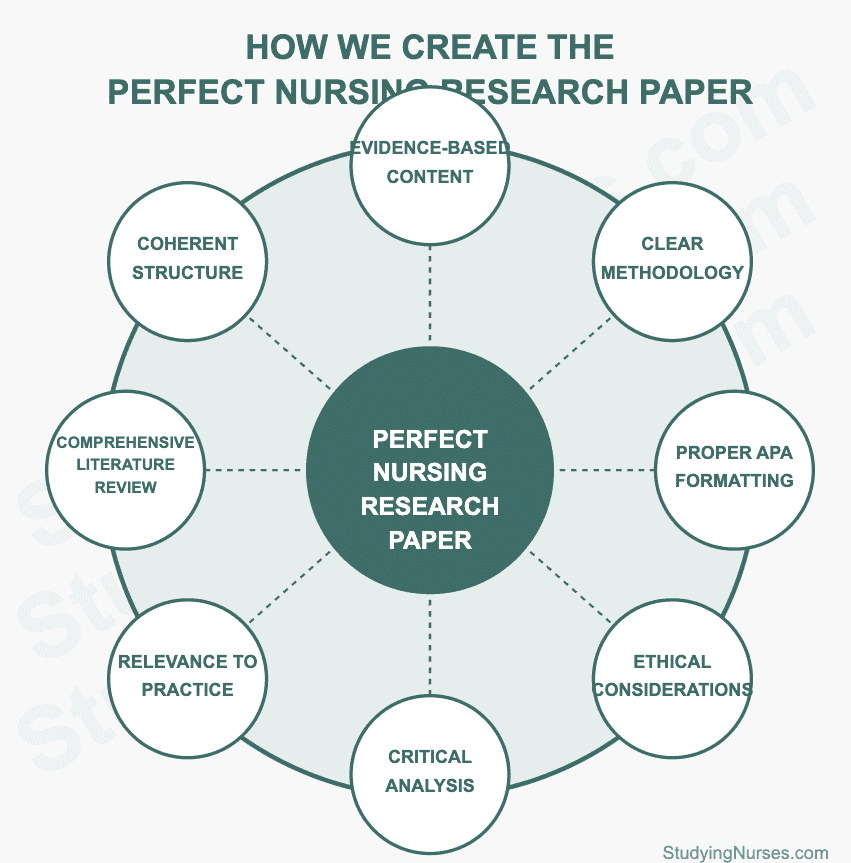
    Nursing Research Paper Structure Example

    NURSING RESEARCH PAPER STRUCTURE EXAMPLE

    NURSING RESEARCH PAPER HELP PROCESS

    1. Place your order: Fill out our online form, providing details about your nursing research paper, such as topic, length, deadline, and any specific requirements.
    2. Writer assignment: We assign your project to a qualified writer with expertise in your nursing research topic, ensuring the best possible match for your needs.
    3. Research and writing: Your writer conducts thorough research, analyzes data, and crafts your nursing research paper according to your specifications.
    4. Editing and proofreading: Our editing team reviews your paper for grammar, punctuation, formatting, and plagiarism, ensuring a polished and error-free final product.
    5. Delivery: We deliver your completed nursing research paper to you via email or your customer account, ready for you to review and submit.
    We understand the unique challenges nursing students face and offer tailored assistance to help you succeed. 
    We work closely with you to ensure your paper meets your specific requirements and adheres to the highest academic standards. 
    Whether you need help with a specific section or a complete paper from scratch, we are here to support you throughout the writing process.

    Nursing Research Paper Help: Professional Nursing Writing Service for Nursing Papers, Essays, and Research Assignments – Help with nursing research papers

    If you’re a nursing student in need of expert academic support, our nursing research paper writing service is here to help. From topic development to final editing, we assist with every phase of the research and writing process. Whether you’re working on a nursing essay, tackling a complex research proposal, or preparing a nursing dissertation, we offer reliable, plagiarism-free, and APA-compliant writing support tailored to your needs.

    Nursing Papers: Nursing Writing Service by the Nursing Writers

    Our service is designed to accommodate nursing students across all levels—associate, bachelor’s, master’s, and doctoral programs. We understand that nursing coursework often involves a variety of written assignments, including care plans, case studies, reflection papers, and evidence-based practice reports. Our writers are trained to address both theoretical content and clinical applications, using peer-reviewed literature, current guidelines, and ethical considerations relevant to nursing practice.

    We produce fully customized nursing papers that align with course objectives and assignment criteria. Whether you’re studying community health nursing, gerontology, psychiatric nursing, or critical care, our writers adapt their approach to reflect discipline-specific expectations. In addition, we integrate recent research and follow appropriate formatting styles such as APA 7th edition.

    You’ll also receive detailed reference lists and well-organized content that reflects current trends and debates in the nursing field, helping you demonstrate subject mastery and academic professionalism.

    Nursing Essay Writing Service: Nursing Essay Writers that provide Clear, Concise, and Critical writing Assistance

    Nursing essays often require students to reflect critically on nursing theory, practice, and policy. Unlike general academic essays, nursing essays must integrate clinical experience, evidence-based research, and ethical reasoning. Our nursing essay writing service provides expertly written, structured content that effectively addresses the assignment prompt while aligning with nursing frameworks such as the Nursing Process, Gibbs’ Reflective Cycle, or Orem’s Self-Care Theory.

    We support all types of essays, including analytical essays, persuasive essays, and reflective essays. Writers pay close attention to the nuances of clinical reasoning, patient safety, communication, and interdisciplinary collaboration, crafting arguments that are not only well-supported but contextually relevant to professional practice.

    Additionally, we ensure correct terminology, accurate citations, and coherent paragraph structures. Our nursing essay help service is especially useful for non-native English speakers, returning students, or those unfamiliar with academic conventions in the healthcare context.

    Nursing Research Paper Writing: Nursing Research: Methodology, Analysis, and Application

    Nursing research is critical for advancing healthcare outcomes, informing clinical protocols, and improving patient care. Our nursing writing team assists with all types of nursing research papers, including qualitative studies, quantitative research, mixed methods designs, and systematic reviews. Whether you need help with designing a research question, selecting sampling methods, or interpreting statistical results, we guide you through the entire process.

    Writers and editors with academic backgrounds in epidemiology, biostatistics, and nursing informatics ensure methodological rigor and proper application of frameworks like PICOT or PRISMA. We also assist in the critical appraisal of sources and alignment with practice guidelines from bodies such as AACN, ANA, or WHO.

    Our goal is not only to produce a high-quality research paper but also to help you understand the research process, build evidence-based thinking skills, and contribute meaningfully to the field of professional nursing.

    How Nursing Research Paper Writers Can Help with Each Section: Professional Nursing Essay Writers

    1. Title and Abstract
    Professional nursing research paper writers craft a concise, informative title that reflects your paper’s scope and focus. They also write a compelling abstract summarizing the research question, methodology, key findings, and conclusions, ensuring it meets academic standards and word limits.

    2. Introduction
    Writers help you frame your problem statement, define your research objectives, and provide a rationale grounded in relevant nursing literature. They establish the significance of your study and link it to clinical practice or policy.

    3. Literature Review
    Experienced writers conduct thorough literature searches, synthesize findings from peer-reviewed sources, and identify research gaps. They ensure the review is coherent, critical, and well-organized, following APA or other style guidelines.

    4. Methodology
    Writers assist in detailing your research design, population, sampling methods, data collection tools, and ethical considerations. They articulate your approach using appropriate scientific language and justify methodological choices.

    5. Results
    They help organize and present findings clearly, using tables, figures, or narrative summaries. For quantitative studies, writers ensure accurate statistical reporting; for qualitative work, they present themes and participant responses systematically.

    6. Discussion
    Writers interpret the results in the context of existing literature, discuss implications for nursing practice, and address limitations. They also suggest areas for future research and ensure your conclusions are evidence-based.

    7. References
    Nursing paper writers format all sources according to the latest APA guidelines, ensuring accuracy and consistency in in-text citations and the reference list.

    8. Appendices and Supplementary Materials
    If needed, writers assist in compiling tools like survey instruments, consent forms, or additional data for appendices, ensuring completeness and clarity.


    Nursing Research Paper Topics

    Choosing the right topic is the foundation of any strong nursing research paper. Our nursing research paper topics service helps students generate, refine, and validate research questions that are relevant, researchable, and impactful. Whether you’re interested in maternal healthgeriatric nursingmental health care, or evidence-based practice, we help you align your topic with current trends and scholarly debates.

    Our writers help you avoid vague or overused topics and guide you toward focused questions suitable for your course level, whether for a term paper or a graduate thesis. Let us help you write a nursing research paper that starts strong with the title. 

    How Nursing Research Paper Writers Assist with Topic Selection and Literature Search

    1. Selecting a Research Paper Topic

    Choosing an appropriate research topic is a foundational step in writing a strong nursing research paper. Professional nursing paper writers guide students through this process by:

    • Understanding academic level and interests: Writers consider your nursing education level (e.g., ADN, BSN, MSN, DNP) and areas of interest, such as pediatrics, mental health, geriatrics, or critical care.

    • Identifying feasible and relevant topics: They help generate topics that are both practically significant and researchable within available time and resource constraints.

    • Aligning with current nursing trends: Writers suggest topics that align with evidence-based practice, healthcare policy changes, and emerging challenges in nursing (e.g., COVID-19 response, telehealth, nurse burnout).

    • Narrowing broad ideas into research questions: They refine general interests into specific, focused research questions that can drive systematic investigation.

    • Ensuring institutional alignment: Writers consider your school’s academic expectations and course requirements to propose topics that meet grading rubrics and learning outcomes.

    2. Conducting a Literature Search

    Once a topic is selected, nursing writers help conduct a comprehensive literature search to establish a strong research foundation:

    • Database expertise: Writers use academic databases like CINAHL, PubMed, ProQuest, and Cochrane Library to find relevant peer-reviewed sources.

    • Keyword and MeSH term development: They identify effective search terms and Medical Subject Headings (MeSH) to retrieve high-quality results.

    • Boolean logic application: Skilled writers employ advanced search techniques (e.g., AND, OR, NOT operators) to broaden or narrow search queries appropriately.

    3. Evaluating and Categorizing Sources

    Nursing writers are trained to distinguish between various types of sources and critically evaluate their quality and relevance:

    • Primary sources: These include original research studies (e.g., clinical trials, cohort studies, qualitative interviews). Writers assess their methodology, sample size, and validity.

    • Secondary sources: These include narrative reviews or meta-summaries. Writers use them to contextualize findings or identify recurring themes across multiple studies.

    • Systematic reviews and meta-analyses: Considered high-level evidence, writers evaluate these sources for methodological rigor and synthesis accuracy.

    • Grey literature: When appropriate, writers may also explore policy documents, dissertations, or practice guidelines, especially in applied nursing topics.

    Writers also assess:

    • Recency and relevance: Most nursing programs require recent literature (typically within the last 5 years); writers ensure all sources meet this standard unless older, seminal works are justified.

    • Credibility: Writers evaluate journal impact factors, author qualifications, and research funding sources to avoid bias or low-quality studies.

    Online Nursing Research Paper Writing Help

    Our online nursing research paper writing help offers students around-the-clock access to qualified writing professionals, no matter their location. Through our secure digital platform, you can submit your instructions, upload course materials, and directly communicate with a nursing paper writer. We designed our system with user convenience and academic integrity in mind, making it easy for nursing students to get real-time updates, request revisions, and track the progress of their assignments.

    Whether you’re enrolled in an ADN, BSN, MSN, or DNP program, our online nursing paper help ensures that you receive personalized, structured, and academically sound work. We support a wide range of nursing topics, including community health, mental health nursing, pharmacology, pediatrics, and evidence-based practice. Every paper is developed with scholarly sources and formatted in accordance with APA or your institution’s preferred style guide. For students juggling shifts, clinical hours, and assignments, this service offers a reliable, time-saving solution that upholds the highest academic standards.

    Cheap Nursing Research Paper Writing Services

    We believe that academic paper help should be accessible to all students, including those managing tight budgets. Our cheap nursing research paper writing services are designed to provide high-quality writing at affordable rates, without sacrificing the academic standards expected at top nursing schools. We understand that many nursing students are also working professionals, single parents, or full-time caregivers, and we strive to make our services both valuable and budget-friendly.

    Despite our competitive pricing, we never compromise on quality. Each nursing writer on our team holds relevant qualifications and has experience in writing a nursing research paper that meets institutional requirements. We also offer discounted rates for first-time users, loyalty programs for returning clients, and seasonal promotions. When you choose our affordable nursing research paper help, you receive a well-written, properly cited, and thoroughly researched document. Our goal is to help students thrive academically while staying financially secure, making us the best choice for cheap but reliable nursing paper help

    What is a Nursing Research Paper Writing Service?

    nursing research paper writing service is a professional service designed to assist nursing students in writing high-quality research papers. These services provide expert guidance and support in crafting well-researched, original papers that meet academic standards. Whether you need nursing help due to time constraints, lack of understanding of the subject, or other commitments, these services can help you achieve your academic goals.

    Why should I consider using a Nursing Research Paper Writing Service?

    Using a nursing research paper writing service can significantly lighten your workload. If you’re juggling classes, clinical rotations, and personal commitments, finding time to conduct thorough research and write a comprehensive paper can be challenging. By choosing to buy nursing research paper services, you gain access to expert writers who are knowledgeable in the field and can produce high-quality work that adheres to your institution’s guidelines.

    How do I choose the right Nursing Research Paper Writing Service?

    Choosing the right nursing report writing services involves considering several factors. First, look for services with positive reviews and testimonials from previous clients. Ensure that the writers have relevant qualifications and experience in nursing research. Additionally, check if they offer plagiarism-free guarantees and revisions. A reputable service should also provide clear communication channels for you to discuss your requirements.

    Can I buy nursing essays online?

    Yes, you can buy nursing essays online from various writing services. These services specialize in providing custom-written essays tailored to your specific needs and academic level. When you buy nursing essay, it’s crucial to ensure that the service you choose produces original content and has a solid reputation for quality and reliability.

    What types of papers can I get help with in nursing research?

    Nursing research paper writing services can assist with a wide range of academic papers, including but not limited to research papers, case studies, literature reviews, and dissertations. Whether you need nursing help for an urgent assignment or long-term projects, these services can provide the necessary support to ensure your work meets academic standards.

    How does the process of using a Nursing Research Paper Writing Service work?

    The process typically involves a few simple steps. First, you submit your requirements, including the topic, guidelines, and deadline. Then, the writing service assigns a qualified writer who specializes in nursing research. After the paper is completed, you will receive it for review. If necessary, you can request revisions to ensure it meets your expectations. This streamlined process allows you to write a paper without the stress of starting from scratch

    Research Paper Writing Services

    Write My Nursing Research Paper UK

    Our “Write My Nursing Research Paper UK” service is designed specifically for nursing students in the United Kingdom.

    We understand the unique requirements and expectations of UK nursing programs and have a team of writers who are familiar with the UK academic system. Our writers are experienced in the research and writing conventions commonly used in UK nursing schools and can ensure that your paper meets the necessary standards.

    Whether you are an undergraduate or graduate nursing student in the UK, we can provide the assistance you need to succeed in your research paper.

    With our help, you can submit a well-written, properly formatted paper that demonstrates your knowledge and skills.

    Nursing Assignment Help: Structured Support for Complex Tasks

    From weekly discussion posts to capstone projects, nursing assignments require clear articulation of complex ideas, clinical accuracy, and structured academic writing. Our nursing assignment help service provides targeted support for tasks such as patient case analyses, community assessments, ethical evaluations, and pathophysiology write-ups.

    Writers follow detailed rubrics and respond to specific instructor guidelines, ensuring that each section of your assignment—introduction, body, conclusion, and references—is aligned with expectations. We emphasize critical thinking, application of clinical reasoning, and evidence integration. Where applicable, assignments are supported with recent studies from PubMed, CINAHL, and Cochrane Library.

    We also help students struggling with integrating nursing frameworks into practical applications, offering explanatory notes alongside the content so that the learning process is enhanced. This ensures you not only submit quality work but also improve your subject comprehension.

    Nursing Paper Writing Service and Nursing Essay Writing Help: Precision and Professionalism

    Our nursing paper writing service is built around precision, professionalism, and personalization. Each paper is written by a qualified academic with a nursing or health science background. We conduct in-depth research, maintain discipline-specific tone, and adhere to formatting guidelines such as APA, Harvard, or MLA.

    Whether you’re working on an undergraduate paper or a doctoral-level analysis, we match you with a writer who understands the level of depth and scholarly rigor required. Our team is skilled in qualitative coding and quantitative statistical analysis using SPSS, NVivo, or Excel for papers involving data.

    We ensure your paper includes a logical flow, accurate terminology, and a clear argument supported by up-to-date peer-reviewed sources. Every paper is passed through plagiarism detection software and is proofread by an academic editor before delivery. We aim to deliver a paper that not only meets but exceeds your professor’s expectations.

    Research Paper Writing Service: Evidence-Based, Peer-Reviewed, and Original

    We specialize in research paper writing services for nursing students who need help transforming ideas into scholarly research. Our writers are familiar with the nuances of academic nursing writing, including evidence hierarchy, conceptual frameworks, and theoretical integration. All research papers include robust literature reviews, accurate in-text citations, and a reference list featuring recent and reputable sources.

    We incorporate nursing models such as Roy’s Adaptation Model, Leininger’s Transcultural Nursing Theory, or Neuman’s Systems Model when applicable, making your paper academically competitive and clinically relevant. Data interpretation, policy analysis, and ethical considerations are also handled with precision.

    Each research paper is customized to the client’s topic and course requirements, offering a unique academic product free from generic content. We work collaboratively to revise the work based on your feedback, making our service both high-quality and flexible to your learning style. 

    Nursing Report Writing Services

    Our nursing report writing services are designed to support nursing students and professionals who need to produce high-quality, structured, and clinically relevant reports. Nursing reports differ from typical academic essays—they require concise presentation of patient data, critical thinking, and evidence-based recommendations. Our expert nursing writers have both clinical experience and academic training, enabling them to craft reports that meet professional and educational standards.

    We assist with a wide range of nursing report types, including clinical placement reports, reflective practice reports, patient case studies, incident reports, and evidence-based care plans. Each report is carefully written to align with the required format, such as SBAR (Situation, Background, Assessment, Recommendation), SOAP notes, or institution-specific guidelines. Our writers apply current best practices in nursing documentation, ensuring that your report demonstrates analytical reasoning, adherence to nursing protocols, and ethical standards.

    Whether you’re preparing a report for nursing school assessment, clinical evaluation, or professional development, we offer reliable nursing report writing help that combines academic integrity with real-world nursing insight. You can also request reports in line with UK NMC, U.S. NCLEX, or Australian NMBA guidelines, depending on your region of study or practice.

    Nursing Research Paper Writing Service 

    Our nursing research paper writing service provides comprehensive support for students at all stages of their academic journey, from associate-level coursework to doctoral dissertations. Whether you’re writing a nursing essay, developing a research proposal, or completing a full-length academic paper, we offer specialized writing help tailored to the rigorous demands of nursing school.

    With a team of professional nursing essay writers and researchers, we assist you in writing a nursing research paper that reflects current best practices, evidence-based methodology, and scholarly rigor. From topic selection to final formatting, we provide personalized guidance to ensure your paper meets academic standards and aligns with your specific program requirements. Whether you need custom nursing research, editing, or complete writing assistance, our goal is to help you succeed.

    Online Nursing Research Paper Writing Help 

    With our online nursing paper writing help, students can connect with nursing paper writers from anywhere in the world. Our secure platform allows you to submit your requirements, communicate with a nursing writer, and receive your completed paper without delays or complications. We provide nursing research paper help online for all types of assignments, including nursing term papers, essays, care plans, and case studies.

    Our platform is designed to be user-friendly and confidential, so you can seek help confidently. Every academic paper is customized to your instructions, and our writing service ensures timely delivery, proper formatting (APA, MLA, or Harvard), and zero plagiarism. Whether you’re managing clinical hours, work responsibilities, or family life, our help with nursing research papers allows you to maintain academic excellence.

    Cheap Nursing Research Paper Writing Services with the best Online Nursing Paper Help

    We understand the financial constraints many nursing students face, which is why we offer affordable nursing paper help without compromising on quality. Our cheap nursing research paper writing services are designed to be accessible, reliable, and results-driven. Even at a lower cost, we provide high-quality content written by skilled nursing writers who understand the unique requirements of writing nursing research papers.

    By offering cost-effective packages, discounts for recurring clients, and clear pricing structures, we ensure you can buy a nursing research paper that fits your budget. Despite being budget-friendly, our work maintains academic rigor and is tailored to your assignment rubric and institutional guidelines.

    Custom Nursing Research Paper Writing Services for professional writing and high-quality papers

    Every nursing student has unique goals, challenges, and academic expectations. Our custom nursing research paper writing services provide personalized writing assistance tailored to your exact needs. Whether you’re tackling a nursing capstone project, developing a literature review, or preparing for admission to a nursing school, we craft content that reflects your perspective and clinical experience.

    We work closely with you through every step—brainstorming topics, developing thesis statements, conducting evidence-based research, and polishing the final manuscript. Our goal is to write nursing papers that not only meet academic criteria but also showcase your critical thinking, reflective practice, and professional insight.

    Nursing Term Papers – order nursing writing service and get someone to write nursing papers for you

    Writing a nursing term paper is a crucial component of academic success in nursing school. These assignments often require students to demonstrate a deep understanding of complex healthcare concepts, apply evidence-based practice, and critically evaluate patient care models, healthcare policies, or ethical issues. Our nursing term paper writing service is designed to support students in crafting high-quality academic papers that meet the expectations of nursing faculty and reflect strong analytical and writing skills.

    Our experienced nursing paper writers can assist at every stage of the writing process—selecting a relevant topic, conducting scholarly research, developing a structured outline, and composing a well-organized final paper. We use peer-reviewed journals, clinical guidelines, and systematic reviews to support your arguments, ensuring academic credibility and currency of information. Whether you’re tackling a complex concept in pathophysiology or analyzing a nursing leadership theory, our team is equipped to deliver high-quality papers that align with APA or other specified formatting standards.

    We also provide custom nursing term papers tailored to your course requirements, academic level (undergraduate, graduate, or doctoral), and institutional guidelines. With our support, you can submit a professional nursing term paper that not only meets academic expectations but also enhances your confidence in nursing research and scholarly writing.

    Nursing Research Paper in APA

    Correct formatting is a crucial aspect of writing a nursing research paper, especially when adhering to APA style, the standard for most nursing school assignments. Our Nursing Research Paper in APA service ensures that your paper aligns with the latest guidelines for citation, structure, references, and academic tone.

    Our expert nursing writers are proficient in applying APA formatting to everything from title pages and abstracts to in-text citations and reference lists. We ensure every detail—from running headers to page numbers—is properly formatted so that your work meets institutional requirements and demonstrates professional polish.

    Nursing Research Paper Assignment Help

    Balancing clinical placements, lectures, and personal commitments can make writing a nursing assignment especially challenging. That’s where our nursing research paper assignment help comes in. We assist with any component of the assignment, whether it’s writing a research problem, developing a conceptual framework, or crafting a comprehensive discussion section.

    You can rely on our nursing essay writing help to produce accurate, relevant, and reflective work. With a deep understanding of patient care, pathophysiology, and public health, our writers deliver high-quality papers tailored to your nursing specialization. Get nursing paper help you can trust—on time and formatted to your academic standards.

    Nursing Research Paper Rewrite Services

    Already written a draft, but not satisfied with the result? Our nursing research paper rewrite services help elevate your paper to meet scholarly expectations. We revise your content for clarity, coherence, logical flow, and academic tone. Whether your argument needs refining or your citations need correction, our editors provide the professional writing help you need.

    Our rewrite services ensure your revised draft is free from grammatical errors, logical inconsistencies, and formatting issues. We respect your original content while strengthening your message, research backing, and structural integrity.

    Nursing Research Paper Writers

    Our team of nursing research paper writers includes qualified professionals with advanced degrees in nursing, healthcare, and related fields. Each paper writer has experience in nursing education, clinical practice, and academic writing. Whether you’re struggling with research design, literature synthesis, or data interpretation, our professional nursing writers have the skills to guide you.

    We assign your paper based on subject specialization to ensure content accuracy and relevance. You’ll receive a paper that’s not only well-written but also grounded in real-world clinical and academic knowledge.

    Write My Nursing Research Paper

    If you’re overwhelmed with clinical hours, exams, and deadlines, our “write my nursing research paper” service provides a stress-free solution. You can order nursing research help and get a fully original, thoroughly researched paper crafted to your specifications.

    Our write my nursing paper service is ideal for students facing time constraints or seeking support to improve their writing skills. Let a professional nursing paper writer help you complete your assignment with confidence.

    Write My Nursing Research Paper UK

    UK nursing students face unique academic and regulatory requirements. Our write my nursing research paper UK service is designed specifically for students studying in British institutions. Our writers are familiar with NMC standards, NHS frameworks, and university marking schemes.

    We tailor your paper to include UK-specific references, policies, and health system context, ensuring your submission aligns with academic expectations in the UK. Whether you’re pursuing a BSc in Adult Nursing or an MSc in Mental Health Nursing, we offer the best nursing paper writing service for UK students.

    Nursing Research Paper Writing Service

    Our nursing research paper writing service is tailored to meet the academic demands of students enrolled in diploma, undergraduate, and graduate-level nursing programs. Writing a nursing research paper requires not only subject matter knowledge but also a strong command of academic writing, evidence-based reasoning, and formal citation standards such as APA. Our service is designed to provide full-spectrum support to students seeking help with nursing research papers, whether you’re just starting your outline or need an entire paper written from scratch.

    We employ experienced nursing essay writers who have educational backgrounds in nursing, public health, and health sciences. Each nursing writer is trained in research methodologies and skilled in crafting high-quality, plagiarism-free content tailored to your academic level and topic. From topic selection, data gathering, and literature reviews to methodology, analysis, and conclusion, we guide you through each component with precision. With our professional writing service, you can confidently submit papers that reflect clinical insight, academic rigor, and polished presentation.

    .

    Frequently Asked Questions for our nursing Research Paper Writing Services

    Yes, seeking assistance with your nursing research paper is ethical. Our services are designed to support your learning and help you improve your research and writing skills. We provide guidance and resources to help you understand the subject matter better and develop your own ideas

    Our writers are highly experienced, with advanced degrees in nursing and related fields. They have a deep understanding of the nursing discipline and the latest research techniques, ensuring that your paper is of the highest quality.

    We prioritize client confidentiality and have a proven track record of delivering high-quality nursing research papers. Your personal information and the content of your paper remain strictly confidential.

    We offer free revisions to address your concerns and ensure your complete satisfaction. If you feel that the delivered paper does not meet your expectations, simply provide us with specific feedback, and we will make the necessary changes.

    We understand the importance of academic integrity and the consequences of plagiarism. That’s why we guarantee that every nursing research paper we deliver is 100% original and plagiarism-free. Our writers create each paper from scratch, and we use advanced plagiarism detection tools to ensure the uniqueness of your work.

    Yes, we allow you to choose a preferred writer for your nursing research paper. If you have worked with one of our writers before and were satisfied with their work, you can request the same writer for your future assignments, ensuring consistency and familiarity with your preferences.

    • Selecting highly qualified and experienced writers
    • Providing clear instructions and guidelines to our writers
    • Conducting thorough research and analysis
    • Editing and proofreading each paper to ensure clarity, coherence, and adherence to academic standards
    • Using advanced plagiarism detection tools to guarantee originality
    • Offering free revisions to address any concerns or feedback from our clients

    Yes, we understand that nursing students often face tight deadlines, and we are equipped to handle urgent assignments. Simply choose the appropriate deadline when placing your order, and our writers will work diligently to deliver your nursing research paper on time, without compromising on quality.

    We offer secure and convenient payment methods, including credit cards and online payment platforms. Our payment process is simple, and we ensure the safety and confidentiality of your financial information

    Our friendly and knowledgeable customer support team is available 24/7 to answer any questions or concerns you may have. You can reach out to us via email, phone, or live chat, and we will be happy to assist you.

  • Nursing Homework Help

    Nursing Homework Help

    Nursing Homework Assignments Help

    Nursing Homework Help for the best Nursing Papers, with Expert Nursing Homework Writers for BSN, MSN, and DNP Nurse Homework

    ✅ 100% Confidential ✅ 24/7 Nursing Experts ✅ A+ Grades Guaranteed

    Join the 10K+ Nursing Students who have trusted our Certified Nursing Writers to write their nursing papers

    Nursing Homework Assignments

    Balancing clinical rotations, lectures, and nursing homework can feel impossible. That’s where our Nursing Homework help steps in. This platform offers nursing homework help tailored to your needs, connecting you with professional nursing writers who deliver accurate, timely, and customized solutions. Whether you’re stuck on a nursing research paper or need to order nursing assignments quickly,  Nursing Homework Help is the best nursing assignment help service online. Keep reading to learn how it works, what makes it unique, and how it can help you succeed.

    Why do clients trust us?

    Over the years, we have assembled a team of professionals with a high level of expertise in writing research papers.

    Original, AI-free work

    All papers completed on our website are 100% unique. Our writers compose each paper from scratch and ensure it can pass any software.

    Specializing in nursing

    Unlike other writing services, we cover all subjects related to nursing. You can entrust our experts with any work for CNA, LVN/LPN, ADN, BSN, MSN, DNP, PhD degrees.

    A-level quality & all instructions met

    Once an expert finishes work, we carefully check the written paper several times to ensure it’s free of mistakes & follows 100% of your instructions.

    We can accept last-minute orders

    Your order can be completed within 3 hours due to our extensive pool of writers. Our statistics say that 40% of orders are finished long before their deadlines.

    Need Expert Help With Your Nursing Homework? We’re Ready to Help!

    Struggling with nursing assignments? You’re not alone. Many nursing students find themselves overwhelmed with complex nursing homework, tight deadlines, and demanding coursework. That’s where our nursing homework help comes in! We help professional nursing assignment tailored to your academic needs. Whether you need help with a nursing paper, nursing essay, or nursing research, our expert nursing writers are ready to help.

    Nursing Homework Help

    Our Nursing Homework Help isn’t just another help service—it’s a specialized platform designed for nursing students, by nursing experts. Here’s why it stands out:

    1. Qualified Writers: Every nursing assignment writer on the team holds advanced degrees (BSN, MSN, or DNP) and has real-world clinical experience. Whether you need a mental health nursing case study or a community health nursing project, they’ve got the expertise.

    2. 100% Original Work: All assignments are crafted from scratch and include free plagiarism reports.

    3. 24/7 Support: Need help with your nursing homework at 2 AM? Their support team is always ready to assist.

    For example, a nursing student overwhelmed by a nursing dissertation on pediatric oncology can partner with a nursing assignment expert to structure research, analyze data, and meet strict formatting guidelines.

    How Does Nursing Homework Assignments Ensure High-Quality Nursing Homework Help

    Quality is non-negotiable in nursing assignments, and Nursing Homework Help guarantees it through a rigorous process:

    1. Topic Matching: Your task is assigned to a writer with expertise in that specific nursing field. A pediatric nursing essay goes to a nurse with pediatric ICU experience.

    2. Research-Backed Writing: Writers use peer-reviewed journals, clinical guidelines, and textbooks like Nursing: A Concept-Based Approach to ensure accuracy.

    3. Multi-Step Editing: Every nursing paper undergoes checks for medical accuracy, grammar, and formatting (APA, AMA, or Harvard).

    This meticulous approach ensures that even complex tasks, like nursing research proposals or nursing care plans, meet academic standards and reflect current best practices

    What Types of Nursing Assignments Can You Order from our nursing homework help?

    From essays to clinical logs, this platform covers every nursing homework task:

    • Case Studies: E.g., analyzing a diabetes management scenario in adult health nursing.

    • Care Plans: Personalized interventions for patients with COPD, heart failure, or sepsis.

    • Research Papers: Topics like “Ethical Dilemmas in Palliative Care” or “Impact of Nurse-Patient Ratios on Outcomes.”

    • NCLEX Prep Guides: Custom quizzes and study materials tailored to your weak areas.

    • Reflective Journals: Documenting clinical experiences in mental health nursing rotations.

    • Nursing Essays – Need help structuring your nursing essay? Our experts craft compelling, well-researched papers.
    • Nursing Research Papers – Get professional nursing research assistance with credible sources and proper citations.
    • Case Studies – Our writers analyze real-world cases to provide detailed, insightful case study reports.
    • Nursing Thesis & Dissertations – Struggling with your nursing thesis or nursing dissertation? We offer expert-level support.
    • Mental Health Nursing Assignments – Specialized help for assignments in mental health nursing and community health nursing.
    • Nursing Coursework – Get help with your entire nursing coursework, from assignments to projects and reports

    They even handle niche tasks like nursing thesis writing, poster presentations, and literature reviews. If you’re unsure whether they can help with your nursing assignment, just ask—their team likely has a specialist for it

    What Makes Our Nursing Assignment Help Service the Best?

    If you’re looking for quality help with nursing assignments, you need a reliable service that guarantees top-notch work. Here’s why students choose our Nursing Homework Help service;

    • Experienced Nursing Writers – Our team consists of professional nursing assignment writers with years of experience in the field of nursing.
    • Plagiarism-Free Work – We provide 100% original content, ensuring that your assignments meet academic integrity standards.
    • Timely Delivery – Never miss a deadline! Our assignment experts work efficiently to deliver your work on time.
    • Affordable Prices – We offer budget-friendly pricing to help you get the assistance you need without breaking the bank.
    • 24/7 Customer Support – Our team is available around the clock to answer your questions and provide assistance for nursing assignments.

    Nursing Homework Assignments Affordable, Expert Help for Nursing Students

    Struggling to balance clinical, lectures, and nursing homework? Our service delivers budget-friendly nursing homework help without compromising quality. Specializing in nursing assignments, this platform connects nursing students with licensed nursing writers for essays, care plans, research papers, and more—all at transparent prices. Discover how their nursing assignment writers make academic success accessible and stress-free.

    Why Choose Nursing Homework Assignments for Nursing Homework Help?

    Nursing Homework Assignments stands out as a dedicated partner for nursing students, offering:

    1. Affordable Pricing: Transparent rates starting at $15/page for nursing assignments, with discounts for repeat clients.

    2. Qualified Nursing Writers: Every nursing assignment writer holds a BSN, MSN, or DNP and has clinical experience in fields like pediatrics or mental health nursing.

    3. Zero Plagiarism: All work is original, backed by free Turnitin reports.

    Whether you need a last-minute nursing case study or a complex nursing research paper, their experts ensure accuracy aligned with AACN standards.

    How Do Nursing Writers Ensure High-Quality Assignments?

    Quality is non-negotiable. Here’s how nursing assignment writers deliver excellence:

    • Specialized Expertise: A pediatric nurse handles your child health essay; an ICU veteran tackles critical care scenarios.

    • Evidence-Based Research: Sources from journals like AJN or Nursing Research ensure credibility.

    • Rigorous Editing: Papers are checked for medical accuracy, APA/AMA formatting, and clarity.

    For example, a nursing student needing a community health nursing project on vaccine education receives a tailored paper with CDC statistics and culturally competent strategies.

    Transparent Pricing for Every Nursing Student’s Budget

    Nursing Homework prioritizes affordability:

    • Clear Cost Breakdown: Prices depend on deadline, complexity, and length—no hidden fees.

    • Budget-Friendly Options: A 3-page nursing essay on ethics costs 45; a100−page nursing dissertation starts at $20 per page

    • Free Revisions: Request unlimited tweaks until your nursing assignment meets expectations.

    Fast, Simple Ordering: Get Nursing Homework Help in 3 Steps

    1. Submit Details: Share your nursing assignment requirements (topic, rubric, deadline) via their intuitive portal.

    2. Match with a Writer: Their AI system pairs you with a nursing assignment writer specializing in your subject—e.g., mental health nursing or pharmacology.

    3. Track & Receive: Communicate directly with your writer and download the finished paper on time.

    Urgent? Their 3-hour express service ensures even nursing homework due at midnight is completed promptly. 

    Nursing Homework Assignments

    Our Nursing Homework Help empowers nursing students to conquer their toughest nursing homework and nursing assignments with confidence. Our platform connects you with licensed nursing writers who combine clinical expertise with academic precision, ensuring every paper meets the highest standards. Here’s how we deliver unmatched value:

    Why Trust Our Nursing Homework Help Service?

    1. Expert Nursing Writers: Every nursing assignment writer on our team holds advanced degrees (BSN, MSN, DNP) and specializes in areas like:

      • Pediatric Nursing

      • Mental Health Nursing

      • Community Health Nursing

      • Critical Care & Pharmacology
        Profiles highlight their clinical experience, certifications, and sample work—so you choose the perfect expert for your task.

    2. 100% Nursing-Focused Assistance: We’re not a generic essay mill. Our services are tailored for nursing students, covering:

      • Care Plans & SOAP Notes

      • Evidence-Based Research Papers

      • NCLEX Prep Guides & Case Studies

      • Clinical Logs & Reflective Journals

    3. Guaranteed Originality: Every nursing assignment includes a free Turnitin report. Plagiarism? Never.

    Seamless Collaboration with Nursing Experts

    1. Match with Your Ideal Writer:

      • Share your nursing homework details (e.g., “Write a sepsis care plan using NANDA-I guidelines”).

      • Our team pairs you with a nursing assignment writer who has handled similar tasks.

      • Review profiles, chat directly, and request revisions in real time.

    2. Tools Built for Nursing Success:

      • Care Plan Templates: Save time with customizable frameworks.

      • Drug Interaction Checker: Cross-reference medications instantly.

      • APA/AMA Formatting Guides: Perfect citations for nursing journals.

    Flexible, Affordable Pricing for Every Nursing Student

    We prioritize transparency and affordability:

    • Clear Rates: From $15/pageto 2100-page dissertations and DNP projects .

    • Discounts: 10% off for first-time users, 15% for bulk orders.

    • Free Extras: Title pages, references, and unlimited revisions.

    Example: A 5-page community health nursing paper on vaccine hesitancy costs just $75, with peer-reviewed sources included.

    24/7 Support for Nursing Students on the Go

    Juggling clinicals and deadlines? We’ve got your back:

    • Instant Help: Chat live with nursing educators for urgent queries.

    • 3-Hour Turnaround: Emergency nursing homework help for last-minute tasks.

    • Mobile-Friendly Portal: Track progress from your phone during shifts.

    How to Order Nursing Homework Help in 3 Steps

    1. Submit Details: Upload your rubric, notes, or patient scenario.

    2. Choose Your Writer: Filter by specialty (e.g., mental health nursing).

    3. Download & Ace Your Class: Receive a polished, citation-ready paper.

    Key Benefits of Our Nursing Homework Help

    BenefitWhy It Matters
    Licensed NursesWriters with active RN licenses and clinical experience.
    Evidence-Based ContentSources from PubMed, CINAHL, and nursing textbooks.
    HIPAA-CompliantYour data and assignments are encrypted—always.
    Money-Back GuaranteeUnhappy? We’ll refund your payment—no questions asked.

    Specialized Nursing Services

    • NCLEX Prep: Custom quizzes with rationales mirroring the Next Gen NCLEX.

    • Dissertation Help: PhD-level writers guide your research from proposal to defense.

    • Clinical Reflection Papers: Connect theory to practice with expert feedback.

    How to Connect with the Best Nursing Assignment Writers

    Our Nursing Homework Help Service lets you collaborate directly with experts:

    1. Browse Profiles: View nursing writers’ credentials, ratings, and sample work.

    2. Request Preferred Writers: Favorite a writer who nailed your previous nursing essay? Prioritize them for future tasks.

    3. Direct Messaging: Discuss details or share feedback in real time.

    Their writers are vetted through strict exams and background checks—only 3% of applicants make the team.

    Key Benefits for Nursing Students

    • Stress Reduction: Focus on exams and clinicals while experts handle nursing homework.

    • Skill Improvement: Use model papers to master care plans, SOAP notes, and evidence-based writing.

    • Grade Boost: 98% of clients report a B+ or higher.

    Why Wait? Get Nursing Homework Help Today!

    Our Nursing Homework Help Service is your go-to for:
    ✅ Any Nursing Assignment: Essays, case studies, dissertations, NCLEX prep.

    ✅ Licensed Nursing Writers: Experts with real-world experience.
    ✅ Pocket-Friendly Rates: Quality help that fits a student’s budget.

    Don’t let nursing homework overwhelm you—visit studyingnurse.com, submit your task, and let their nursing assignment writers help you excel!

    Meet Deadlines with Reliable Nursing Assignment Help

    Juggling clinical rotations and nursing homework? Their writers deliver:

    • Swift Turnarounds: 93% of orders are completed ahead of schedule.

    • 24/7 Support: Chat live with their team to resolve questions or update requirements.

    • Real-Time Updates: Monitor progress via desktop or mobile.

    nursing student overwhelmed by a 48-hour patient care plan can delegate it confidently, freeing time for hands-on practice.


    How we work

    Want to order a paper? Follow the 3 easy steps

    Send us instructions & pay securely

    Complete the order form to provide us with your assignment details. Then, use our safe payment method.

    Track progress & chat with your expert

    Your personal Customer Area will be created after you place the order. There, you can track the order progress, talk to the writer, upload instructions, and more!

    Download the paper via Customer Area

    After your task is finished by an expert, you’ll get a notification via email or SMS. At that point, you can download the task from your Customer Area.

    Frequently Asked Questions

    Some Questions about Our Nursing Research Paper Writing Services Related

    Yes, seeking assistance with your nursing homework is ethical. Our services are designed to support your learning and help you improve your research and writing skills. We provide guidance and resources to help you understand the subject matter better and develop your own ideas

    Our writers are highly experienced, with advanced degrees in nursing and related fields. They have a deep understanding of the nursing discipline and the latest research techniques, ensuring that your paper is of the highest quality.

    We prioritize client confidentiality and have a proven track record of delivering high-quality nursing homeworks. Your personal information and the content of your paper remain strictly confidential.

    We offer free revisions to address your concerns and ensure your complete satisfaction. If you feel that the delivered paper does not meet your expectations, simply provide us with specific feedback, and we will make the necessary changes.

    We understand the importance of academic integrity and the consequences of plagiarism. That’s why we guarantee that every nursing homework we deliver is 100% original and plagiarism-free. Our writers create each paper from scratch, and we use advanced plagiarism detection tools to ensure the uniqueness of your work.

    Yes, we allow you to choose a preferred writer for your nursing homework. If you have worked with one of our writers before and were satisfied with their work, you can request the same writer for your future assignments, ensuring consistency and familiarity with your preferences.

    • Selecting highly qualified and experienced writers
    • Providing clear instructions and guidelines to our writers
    • Conducting thorough research and analysis
    • Editing and proofreading each paper to ensure clarity, coherence, and adherence to academic standards
    • Using advanced plagiarism detection tools to guarantee originality
    • Offering free revisions to address any concerns or feedback from our clients

    Yes, we understand that nursing students often face tight deadlines, and we are equipped to handle urgent assignments. Simply choose the appropriate deadline when placing your order, and our writers will work diligently to deliver your nursing research paper on time, without compromising on quality.

    We offer secure and convenient payment methods, including credit cards and online payment platforms. Our payment process is simple, and we ensure the safety and confidentiality of your financial information

    Our friendly and knowledgeable customer support team is available 24/7 to answer any questions or concerns you may have. You can reach out to us via email, phone, or live chat, and we will be happy to assist you.

  • Philosophy of Nursing Paper Examples: A Comprehensive Guide for Nursing Students

    Understanding the Essence of Nursing Philosophy

    Every nurse brings a unique perspective to the profession. Creating your personal philosophy of nursing is more than just an academic exercise—it’s a foundational element that will guide your entire nursing career. For nursing students, developing this philosophy early helps establish the values that will inform your practice for years to come. This article explores various philosophy of nursing paper examples to help you craft your own meaningful statement.

    The journey to becoming a nurse involves more than mastering clinical skills; it requires deep reflection on what nursing means to you personally. A well-articulated nursing philosophy paper serves as your professional compass, aligning your daily actions with your core beliefs about patient care.

    Philosophy of Nursing Paper Examples

    What Makes a Strong Personal Philosophy of Nursing?

    Before diving into specific nursing philosophy examples, let’s examine what elements contribute to a compelling philosophy statement. A strong personal philosophy of nursing typically includes:

    1. Your definition of what nursing means to you
    2. Core values that drive your nursing practice
    3. Theoretical frameworks that influence your approach to nursing
    4. How you view the nurse-patient relationship
    5. Your commitment to ethics and evidence-based practice
    6. Long-term goals within the nursing profession

    When writing a personal philosophy, authenticity matters most. Your statement should reflect your genuine beliefs about nursing, not what you think others want to hear.

    Sample Philosophy of Nursing Paper Examples

    Example 1: Holistic Care Focused Philosophy

    “My philosophy is that nurses serve as holistic healers, addressing not just physical ailments but the emotional, spiritual, and social dimensions of health. I believe every patient deserves compassionate care tailored to their unique needs. As Florence Nightingale observed, nursing is both an art and a science—requiring both technical expertise and deep human connection.

    In my nursing practice, I strive to uphold the highest standards of evidence-based practice while maintaining the human touch that makes our profession special. I believe quality nursing care emerges when we combine scientific knowledge with genuine compassion. Throughout my nursing career, I will continue developing both my clinical skills and my capacity for empathy, recognizing that both are essential to exceptional nursing.”

    This nursing philosophy example demonstrates a commitment to holistic patient care while acknowledging both the scientific and interpersonal aspects of the nursing profession.

    Example 2: Patient Advocacy Philosophy

    “The core of my personal nursing philosophy centers on being an advocate for my patients, especially those who cannot speak for themselves. I believe the nursing role extends beyond clinical procedures to include education, emotional support, and coordination of care across healthcare teams.

    My approach to nursing is guided by the belief that each patient brings their own values and beliefs, health practices, and life experiences to the healthcare encounter. As a nurse, I will strive to understand these personal factors and incorporate them into individualized care plans. Ethics and respect for patient autonomy remain central to how I practice, and I commit to upholding these principles throughout my nursing career.”

    This philosophy paper example emphasizes patient advocacy and individualized care, highlighting the nurse’s responsibility to respect patient autonomy.

    Professional Frameworks for Developing a Nursing Philosophy

    Many nursing theories can help shape your philosophy. Consider how these established frameworks align with your personal beliefs about what nursing is based on:

    • Jean Watson’s Theory of Human Caring
    • Dorothea Orem’s Self-Care Theory
    • Virginia Henderson’s Need Theory
    • Patricia Benner’s Novice to Expert Model

    Your nursing philosophy statement doesn’t need to explicitly reference these theories, but they can provide structure for articulating your own beliefs about nursing.

    Writing Your Personal Philosophy of Nursing: Step-by-Step Guide

    Creating a philosophy of nursing paper requires thoughtful reflection. Here’s a way to write yours effectively:

    1. Reflect on your motivation: What drew you to choose nursing as a profession? Was there a defining moment that led you to pursue nursing?
    2. Identify core values: What values do you consider most important in nursing? Compassion, integrity, excellence, and respect are common, but your personal values may differ.
    3. Consider your view of patients: How do you see the people in your care? What do you believe about the nurse-patient relationship?
    4. Examine your beliefs about health: Do you take a holistic approach? How do you define wellness within the context of nursing practice?
    5. Draft your statement: Begin writing your personal nursing philosophies, focusing on clarity and authenticity.
    6. Revise and refine: A strong philosophy evolves over time. As you progress through nursing school and gain clinical practice experience, your philosophy may develop further.

    For nursing students, this process often begins with a nursing philosophy paper assignment, but it should continue throughout your education and career.

    Elements of a Nursing Philosophy That Stands Out

    When reviewing nursing philosophy paper examples, certain qualities make some stand out:

    Authenticity

    The most compelling philosophy statements reflect genuine personal beliefs rather than generic platitudes about nursing. Your nursing philosophy serves as your professional fingerprint—it should be uniquely yours.

    Clarity

    Express your beliefs clearly and concisely. Avoid jargon or overly academic language that obscures your meaning.

    Connection to Practice

    Show how your philosophy translates into actual patient care. Abstract values mean little without practical application.

    Growth Mindset

    Acknowledge that your philosophy may evolve as you gain experience. The best nurses remain open to personal growth and continuous learning.

    How Philosophy Shapes Different Nursing Roles

    Your personal philosophy of nursing will influence your path in the profession, whether you pursue:

    • Direct patient care
    • Nursing education
    • Advanced practice roles
    • Leadership positions
    • Doctor of nursing practice
    • Research

    For example, a nurse with a philosophy centered on education might excel in patient teaching or eventually move into academic roles. Someone whose philosophy emphasizes innovation might strive toward advanced nursing positions focused on improving healthcare systems.

    Personal Nursing Philosophy Examples Across Specialties

    Different nursing specialties may emphasize different aspects of nursing philosophy:

    Emergency Nursing

    “I believe competent nursing in crisis situations combines rapid clinical assessment with maintaining human dignity. My philosophy emphasizes both technical expertise and compassionate presence, even in high-pressure environments.”

    Pediatric Nursing

    “My nursing philosophy centers on family-integrated care, recognizing that children exist within family systems. I strive to address the needs of each patient while supporting their broader family unit.”

    Mental Health Nursing

    “Within the nursing profession, mental health care requires special attention to therapeutic relationships. My personal philosophy emphasizes creating safe spaces where patients can heal and discover their own strength.”

    Philosophy of Nursing in Academic Settings

    For nursing students working on a philosophy paper example for class, remember:

    1. Be honest about your beliefs
    2. Connect your philosophy to nursing theories when relevant
    3. Discuss how your values will translate to practice
    4. Consider how your philosophy might evolve
    5. Keep your statement concise but meaningful

    Academic settings provide an ideal environment to explore your developing philosophy before entering professional practice.

    The Impact of Personal Beliefs on Nursing Care

    Your personal beliefs inevitably influence your nursing practice. A thoughtful nursing philosophy helps you identify potential biases and ensures you provide equitable, patient-centered care regardless of differences in values between you and those you serve.

    Quality care emerges when nurses consciously align their practice with their highest ideals while respecting patient autonomy. Your nursing philosophy serves as a touchstone during difficult ethical decisions that arise in practice.

    Nursing Philosophy and Professional Interviews

    Your nursing philosophy statement can also serve you well during nursing interviews. Employers often ask questions about your approach to nursing to determine if you’ll fit their organizational culture.

    Having a well-developed philosophy allows you to articulate your professional identity confidently. Many healthcare organizations seek nurses whose personal philosophy aligns with their institutional mission.

    Evolving Your Philosophy Throughout Your Nursing Career

    As you progress from nursing student to experienced professional, your philosophy will likely evolve. Each clinical experience, challenging patient encounter, and professional milestone will shape your philosophy in meaningful ways.

    The sample philosophies presented here are starting points. The most authentic nursing philosophies grow and deepen with experience. Regular reflection on your beliefs about nursing helps ensure your practice remains aligned with your values.

    Using Philosophy to Guide Ethical Decisions

    Within clinical practice, ethical dilemmas arise frequently. Your personal philosophy of nursing provides a framework for navigating these complex situations. When faced with competing priorities or unclear guidelines, returning to your core beliefs about what constitutes good nursing can illuminate the path forward.

    Nursing education at all levels of education should emphasize ethics and the development of a personal moral compass. This foundation becomes especially important as nurses advance to roles with greater autonomy and responsibility.

    Incorporating Evidence-Based Practice Into Your Philosophy

    Modern nursing demands integration of best evidence with clinical expertise and patient preferences. Your personal philosophy should address how you value and implement evidence-based practice while maintaining compassionate care.

    The best nursing approaches combine rigorous scientific knowledge with the art of human connection. Your philosophy can acknowledge both dimensions of quality nursing care.

    Connecting Philosophy to Daily Nursing Practice

    A nursing philosophy isn’t merely an academic exercise—it should inform your daily interactions with patients, families, and colleagues. Consider how your beliefs influence:

    • How you communicate with patients
    • Your approach to patient education
    • How you collaborate with the healthcare team
    • Your commitment to patient advocacy
    • Your methods for maintaining self-care

    The gap between philosophical ideals and practical reality can be challenging. Exceptional nursing requires ongoing efforts to align your practice with your highest aspirations.

    Writing a Philosophy That Evolves With Your Nursing Journey

    As you move through different stages of your career—from nursing school through advanced practice roles—allow your philosophy to grow with you. What matters most is that your statement authentically reflects your current understanding of what nursing means to you.

    Many nurses find it valuable to revisit and revise their philosophy periodically, especially after significant professional experiences or further education. Your nursing philosophy serves as both a reflection of who you are as a nurse and an aspiration for who you hope to become.

    Conclusion

    Developing a personal philosophy of nursing is an essential step for every nursing student and practicing nurse. These philosophy of nursing paper examples provide templates to help you articulate your own beliefs, but the most meaningful statement will be one that authentically reflects your unique perspective on the nursing profession.

    As you write your nursing philosophy, remember that it should serve as a living document that evolves throughout your career. Let your philosophy guide your practice while remaining open to the wisdom that comes with experience. By thoughtfully articulating what nursing means to you, you establish a foundation for a fulfilling and purposeful career devoted to compassionate patient care.

    FAQs About Nursing Philosophy Papers

    What is a nursing philosophy statement and why is it important?

    A nursing philosophy statement is a personal expression of your beliefs and values about nursing as a profession. It’s important because it clarifies your professional identity, guides your clinical decisions, and helps align your daily practice with your core values. During nursing interviews, it also helps employers understand your approach to patient care.

    How can I develop a personal teaching philosophy that relates to nursing education?

    To develop a personal teaching philosophy for nursing education, reflect on your beliefs about how people learn, what teaching methods you find most effective, and your goals for student development. Consider incorporating both theoretical knowledge and practical skills while emphasizing the compassionate aspects of nursing care. Your teaching philosophy essay should connect educational strategies to real-world nursing challenges.

    What role do nursing theories play in forming a philosophy of nursing?

    Nursing theories provide conceptual frameworks that can help structure your personal philosophy. Theories from pioneers like Florence Nightingale, Jean Watson, or Patricia Benner offer different perspectives on nursing practice. While your philosophy stems from personal beliefs, incorporating elements from established nursing theories can add depth and theoretical foundation to your thinking about the profession.

    How should my nursing philosophy address advanced practice roles?

    When addressing advanced practice in your nursing philosophy, emphasize your commitment to expanded clinical knowledge, leadership abilities, and patient advocacy at a systems level. Discuss how your core nursing values translate to advanced responsibilities, and articulate your vision for how advanced nursing practice contributes to healthcare improvement and patient outcomes.

  • The Ultimate Guide to NP Collaborative Agreement

    For nursing students aspiring to become nurse practitioners, understanding the nuances of NP collaborative agreements is essential to your future career success. These agreements form the foundation of how NPs interact with physicians and other healthcare providers, ultimately shaping the extent to which you’ll be able to practice independently after graduation. This comprehensive guide will walk you through everything you need to know about NP collaborative agreement – from their basic structure to state-specific requirements and practical implementation strategies.

    What Exactly Is an Nurse Practictioner (NP) Collaborative Agreement?

    An NP collaborative agreement is a formal, legally binding document that establishes the professional relationship between a nurse practitioner and a collaborating physician. This agreement outlines the scope of practice for the NP, delineating their clinical responsibilities and establishing parameters for physician consultation, supervision, and support.

    For nursing students considering the advanced practice route, these agreements represent more than just paperwork – they define how you’ll function within the healthcare system and the degree of autonomy you’ll have in providing patient care. The collaborative agreement serves as both a regulatory requirement in many states and a blueprint for effective interprofessional collaboration.

    Many NPs find that the quality and structure of their collaborative agreement significantly impacts their daily practice, career satisfaction, and ability to deliver comprehensive care to their patients. Understanding the ins and outs of these agreements will help you navigate your career path more effectively.

    NP Collaborative Agreement

    The Essential Components of Collaborative Practice Agreements

    A collaborative practice agreement between an NP and a physician must address several key elements to be both legally compliant and practically functional. While requirements vary by state, most effective agreements include the following:

    Defined Scope of Practice

    The agreement should clearly articulate what the NP is authorized to do, including their ability to:

    • Evaluate and diagnose patients independently
    • Order and interpret diagnostic tests appropriate to their specialty
    • Develop comprehensive treatment plans
    • Prescribe medication, including controlled substances when permitted
    • Refer patients to specialists when necessary

    For example, the agreement might specify that the NP can independently manage patients with common chronic conditions like hypertension but should consult with the physician for complex cases or rare diagnoses.

    Protocols for Physician Consultation

    A well-crafted collaborative agreement outlines specific circumstances requiring physician input:

    • Clinical scenarios that necessitate immediate consultation
    • Conditions beyond the NP’s scope that require physician involvement
    • Clear communication channels for urgent and non-urgent consultation
    • Documentation standards for collaborative discussions

    This section ensures that both the NP and the collaborating physician understand when and how collaboration should occur, preventing confusion in time-sensitive situations.

    Supervision Requirements and Structure

    In states with supervisory requirements, the agreement must detail the oversight process:

    • Frequency of required face-to-face meetings between the NP and physician
    • Protocols for regular chart review and clinical case discussions
    • Parameters for on-site availability of the collaborating physician
    • Distance limitations between practice locations, if applicable
    • Provisions for backup physician coverage when the primary collaborator is unavailable

    Prescription Authority Guidelines

    The collaborative agreement typically addresses medication management in detail:

    • Categories of medications the NP may prescribe independently
    • Specific protocols for prescribing controlled substances
    • Any limitations on prescribing certain high-risk or specialty medications
    • Requirements for periodic review of prescribing patterns
    • Protocols for medication reconciliation and management

    Quality Assurance and Professional Development

    Many agreements include provisions for ongoing quality assessment:

    • Schedule for regular chart reviews to ensure appropriate care
    • Format for case discussions and clinical decision-making review
    • Continuing education requirements specific to the practice area
    • Process for addressing clinical disagreements or concerns
    • Metrics for evaluating patient outcomes and practice performance

    State-Specific Requirements for NP Collaborative Agreements

    State-Specific Requirements for NP Collaborative Agreements

    The regulatory landscape governing NP practice varies dramatically across the United States, creating a complex patchwork of requirements for collaborative agreements. As a nursing student, understanding these variations is crucial for making informed decisions about where to practice.

    Full Practice Authority States

    In full practice states, NPs have the legal authority to evaluate patients, diagnose conditions, order diagnostic tests, interpret results, and prescribe medication without a collaborative agreement with a physician. The state board of nursing has exclusive licensure authority over NPs in these jurisdictions. According to the American Association of Nurse Practitioners (AANP), approximately 25 states and the District of Columbia now grant full practice authority to NPs.

    In these states, while no formal collaborative agreement is required, many NPs voluntarily maintain collaborative relationships with physicians in their specialty areas, recognizing the value of interprofessional consultation.

    Reduced Practice States

    Reduced practice states limit the ability of NPs to engage in at least one element of practice without a collaborative agreement with a physician. These limitations vary widely but often include:

    • Requirements for collaboration to prescribe certain medications
    • Restrictions on diagnosing and treating specific conditions
    • Limitations on the practice environment or settings where NPs can work independently
    • Mandated periods of supervised practice before gaining greater autonomy

    In these states, the NP’s practice is jointly regulated by the nursing board and other entities, such as the board of medicine. The collaborative agreement serves as a bridge between these regulatory frameworks.

    Restrictive Practice States

    The most restrictive environments require NPs to practice under direct physician supervision, with extensive collaborative agreements that may:

    • Limit the NP’s ability to prescribe medication without physician countersignature
    • Require regular, frequent chart review by the collaborating physician
    • Mandate on-site physician presence for specific percentages of NP practice time
    • Restrict the geographic distance between the NP and supervising physician
    • Limit the number of NPs a single physician can supervise

    In these states, the collaborative agreement with a physician is a detailed document that directly influences daily practice decisions and professional autonomy.

    Establishing an Effective Collaborative Relationship with a Physician

    For nursing students preparing to enter NP practice, finding and building a productive collaborative relationship requires strategy and professionalism. Here are steps to establish a strong foundation:

    Finding a Compatible Collaborating Physician

    Identifying the right physician partner involves more than convenience – it requires finding someone who respects the NP role and shares similar practice philosophy:

    • Network within your clinical placements during NP education
    • Consider physicians who have previously worked successfully with NPs
    • Explore connections through professional associations and alumni networks
    • Look for physicians in your specialty with complementary rather than competing practices
    • Consider formal recruiting services that specialize in matching NPs with collaborating physicians

    Negotiating a Balanced Agreement

    The collaborative agreement should protect both providers while prioritizing quality patient care:

    • Be clear about expectations from both the NP and physician perspectives
    • Ensure the physician’s specialty aligns appropriately with your practice focus
    • Address compensation for the physician’s time if applicable in your state
    • Specify communication methods and expected response times
    • Include provisions for regular review and revision of the agreement

    Maintaining a Healthy Collaborative Relationship

    Once established, nurturing the collaborative relationship requires ongoing attention:

    • Schedule regular meetings to discuss challenging cases and practice issues
    • Maintain open, respectful communication channels
    • Document all consultations thoroughly as required by the agreement
    • Review and update the agreement periodically to reflect practice changes
    • Fulfill all requirements for chart review and other verification processes
    • Express appreciation for the physician’s expertise and support

    How Collaborative Agreements Impact Daily NP Practice

    The structure and requirements of an NP’s collaborative agreement profoundly influence their professional experience. Understanding these effects helps nursing students prepare for future practice realities.

    Autonomy and Clinical Decision-Making

    The degree of independence an NP experiences correlates directly with both state regulations and the specific terms of their collaborative agreement. Some agreements may be more restrictive than state law requires, potentially limiting the NP’s ability to practice to the full extent of their education and training.

    For example, while state law may permit an NP to prescribe certain controlled substances, a particular collaborative agreement might require physician consultation before such prescriptions can be written, adding an extra step to the process.

    Practice Logistics and Workflow

    Collaborative requirements can impact daily operations and patient flow:

    • Requirements for physician countersignature may delay treatment implementation
    • Mandatory chart reviews create additional administrative burden
    • Requirements for in-person meetings affect scheduling for both providers
    • Documentation of consultation adds to charting time
    • Geographic restrictions may limit practice locations and expansion opportunities

    Financial Implications

    The collaborative agreement structure can have significant economic impacts on NP practice:

    • In some practice environments, NPs must compensate physicians for collaborative agreements
    • Fees for collaboration may range from nominal amounts to substantial percentages of revenue
    • Restrictive agreements may limit the NP’s ability to develop certain revenue streams
    • Additional administrative requirements increase overhead costs
    • Geographic restrictions may limit practice in high-need (and potentially high-reimbursement) areas

    Professional Liability Considerations

    The collaborative relationship establishes a legal connection that has liability implications for both the NP and physician:

    • The agreement may create shared liability for patient outcomes
    • Unclear delineation of responsibilities can increase liability exposure
    • Detailed documentation requirements serve as risk management strategies
    • Insurance carriers may have specific requirements related to collaborative agreements
    • Both parties should have appropriate professional liability coverage that acknowledges the collaborative relationship

    Collaborative Agreements in Specialized Practice Areas

    Different specialty areas may have unique considerations for NP collaborative agreements. Understanding these nuances helps nursing students prepare for their chosen specialty:

    Primary Care Considerations

    For NPs in family practice, internal medicine, or pediatrics, collaborative agreements often focus on:

    • Protocols for managing chronic disease and preventive care
    • Clear referral pathways for specialty care
    • Processes for handling urgent or emergent situations
    • Defined relationships with local emergency departments and hospitals

    Acute Care and Hospital Practice

    NPs practicing in hospital settings may need agreements that address:

    • Admitting and discharge privileges
    • Order-writing authority within the institution
    • Participation in team-based care models
    • Integration with hospitalist programs
    • Emergency response roles and responsibilities

    Psychiatric Mental Health Practice

    For psychiatric mental health NPs, collaborative agreements often emphasize:

    • Protocols for managing psychiatric emergencies
    • Guidelines for prescribing psychotropic medications
    • Processes for involuntary commitment when necessary
    • Integration with community mental health resources
    • Supervision requirements for therapy modalities

    Women’s Health and Midwifery

    NPs specializing in women’s health may need agreements that specify:

    • Parameters for managing normal pregnancy and gynecological care
    • Clear criteria for consultation during high-risk pregnancies
    • Hospital privileges and birth attendance policies
    • Guidelines for contraceptive management
    • Protocols for reproductive health procedures

    The Evolution of NP Collaborative Agreements in Modern Healthcare

    The landscape of NP practice continues to evolve, with collaborative agreements changing in response to healthcare system needs and emerging evidence.

    Responses to Physician Shortage

    The ongoing physician shortage, particularly in primary care and rural areas, has led many states to reconsider restrictive practice requirements for NPs. In response to access challenges, some states have:

    • Relaxed supervision requirements in underserved areas
    • Created special provisions for NPs practicing in designated shortage areas
    • Developed alternative collaboration models that require less direct physician involvement
    • Implemented transition-to-practice programs that lead to greater autonomy

    Pandemic-Driven Changes

    The COVID-19 pandemic prompted unprecedented changes to NP practice regulations:

    • Many states temporarily waived or modified collaborative agreement requirements
    • Telehealth expansion created new questions about geographic requirements for collaboration
    • Some temporary waivers have since been made permanent, recognizing NPs’ contributions to healthcare delivery during the crisis
    • The pandemic highlighted the need for flexible regulatory frameworks that can adapt to public health emergencies

    Evidence-Based Regulatory Reform

    A growing body of research supports the safety and effectiveness of NP-provided care:

    • Multiple studies show comparable or better outcomes for patients treated by NPs
    • Cost-effectiveness research supports expanded roles for NPs in many settings
    • Patient satisfaction ratings for NP care remain consistently high
    • This evidence base is driving advocacy efforts to align regulatory frameworks with actual practice capabilities

    Telehealth and Geographic Considerations

    The expansion of telehealth has complicated the geographic aspects of collaborative agreements:

    • Questions about cross-state collaboration when providing virtual care
    • Development of interstate compacts for NP licensure similar to nursing’s multistate licensure
    • Reconsideration of requirements for physical proximity between NPs and collaborating physicians
    • New models for virtual collaboration and consultation

    Preparing for Collaborative Practice as a Nursing Student

    For nursing students considering the NP path, several strategies can help prepare for future collaborative practice:

    Master Your State’s Regulatory Framework

    Research the specific requirements for NP practice in your state or in states where you plan to practice:

    • Review the state nursing practice act and related regulations
    • Understand the differences between statutory requirements and regulatory interpretations
    • Connect with your state nurses association and AANP state representative
    • Follow legislative developments that may affect NP practice in your region

    Build Strong Interprofessional Collaboration Skills

    Cultivate the ability to work effectively with physicians and other healthcare providers:

    • Seek out interprofessional education opportunities during your program
    • Practice clear, concise clinical communication
    • Develop confidence in presenting patient cases and treatment recommendations
    • Learn to give and receive constructive feedback in clinical settings
    • Understand the unique contributions of various healthcare professionals to patient care

    Develop Your Professional Network

    Begin building relationships that may support your future collaborative practice:

    • Connect with physicians during clinical rotations
    • Participate in professional organizations that include both NPs and physicians
    • Attend interprofessional conferences and continuing education events
    • Engage with alumni from your program who have established successful collaborative practices
    • Consider mentorship opportunities with experienced NPs who navigate collaboration effectively

    Become an Effective Advocate

    Prepare to advocate for appropriate collaborative relationships:

    • Understand the evidence supporting NP practice outcomes
    • Be able to articulate the education and competencies NPs bring to healthcare
    • Familiarize yourself with position statements from organizations like AANP
    • Learn about successful collaborative models that could inform your future practice
    • Develop skills in professional negotiation and conflict resolution

    Looking Toward the Future of NP Collaborative Agreements

    The trend in recent years has been toward greater practice authority for NPs, with more states moving to full practice models. However, the pace and nature of change varies significantly across regions. Nursing students entering advanced practice should stay informed about:

    Emerging Legislative Trends

    States continue to revise their approaches to NP regulation:

    • Several states have implemented “transition to practice” models requiring collaboration for new NPs before granting greater autonomy
    • Some states are considering incremental approaches to expanding practice authority
    • Advocacy efforts increasingly focus on standardizing practice authority across state lines
    • Federal initiatives may eventually impact state-level regulations

    New Models of Collaboration

    Even as regulatory requirements evolve, innovative collaborative models are emerging:

    • Team-based care approaches that emphasize each provider’s unique contributions
    • Collaborative practice agreements that focus on quality improvement rather than supervision
    • Technology-enabled consultation models that facilitate efficient collaboration
    • Mentorship-focused agreements that emphasize professional development

    Quality Assurance Innovations

    As practice authority expands, new approaches to ensuring quality care are developing:

    • Peer review processes specific to advanced practice nursing
    • Data-driven approaches to evaluating outcomes across provider types
    • Advanced certification and specialty recognition programs
    • Practice-based research networks that generate evidence on NP practice

    Educational Preparation for Collaborative Practice

    Nursing education continues to evolve to better prepare NPs for effective collaboration:

    • Increased emphasis on interprofessional education in NP programs
    • Dedicated coursework on practice management and regulatory considerations
    • Simulation experiences focused on collaborative decision-making
    • Mentored experiences in negotiating and implementing collaborative agreements

    Frequently Asked Questions

    What specific documentation is needed for a completed form when establishing a collaborative agreement with another health provider?

    For a collaborative agreement to be considered complete, most states require documentation that includes provider identification information, practice location details, scope of practice specifications, consultation protocols, and signatures from both the NP and the collaborating physician. Some states also require verification of the physician’s active license status, evidence of specialty certification, and specific language about controlled substances prescribing. Check with your state board of nursing for a template or specific requirements.

    How does an NP’s ability to diagnose and interpret diagnostic tests differ based on collaborative agreement requirements?

    The authority to diagnose conditions and interpret diagnostic tests can vary significantly based on collaborative agreement terms. In full practice states, NPs may order for the NP to provide these services independently, while in restrictive states, the physician to supervise these activities may be required. Even within reduced practice environments, the collaborative agreement might specify certain conditions or tests that require physician review, while others can be managed autonomously by the NP.

    What impact does the physician shortage have on regulatory landscape changes for NPs?

    The ongoing physician shortage has accelerated regulatory changes favorable to NP practice in many regions. States experiencing critical access issues, particularly in primary care and rural areas, have been more likely to expand NP practice authority or create special provisions to allow NPs to meet community needs. The shortage has strengthened advocacy arguments for removing barriers to NP practice, highlighting how NPs can help address workforce gaps while maintaining quality of care.

    How did the pandemic affect multi-state licensure and collaboration requirements for NPs?

    The COVID-19 pandemic catalyzed unprecedented changes to NP practice regulations, with many states temporarily waiving or modifying collaborative agreement requirements to expand healthcare capacity. Some states implemented emergency provisions allowing out-of-state NPs to practice without obtaining additional licensure, effectively creating temporary multi-state practice opportunities. These emergency measures demonstrated the potential benefits of more flexible regulatory approaches and have informed ongoing discussions about permanent changes to licensure and collaboration requirements in a post-pandemic healthcare system.

  • How to Write an Exemplar in Nursing with a Nursing Exemplar Example

    How to Write an Exemplar in Nursing with a Nursing Exemplar Example

    What Is a Nursing Exemplar?

    A nursing exemplar is a detailed narrative written in the first person on a real patient to illustrate an RN’s practice/experience. The exemplar showcases clinical experience from a nurse’s perspective. This reflective document highlights how a nurse applied critical thinking, clinical expertise, and compassionate care in a specific patient scenario. For nursing students, understanding how to craft a compelling nursing exemplar example is essential for professional development and academic success.

    As you progress through your nursing education, you’ll encounter various opportunities to write a nursing exemplar that demonstrates your growth in the nursing field. These reflective pieces serve as powerful tools for self-assessment and professional advancement.

    Nursing Exemplars in nursing practice provide concrete examples of how theoretical knowledge translates into real-world patient care. Every nurse encounters pivotal moments in their career that shape their approach to the profession. By documenting these experiences through a nursing exemplar, you create a valuable record of your clinical reasoning and professional growth.

    The process of writing an exemplar encourages nurses to analyze their actions, consider alternative approaches, and identify areas for improvement. This reflective practice is central to developing proficiency in nursing care and advancing your capabilities as a healthcare provider.

    Essential Elements of a Nursing Exemplar

    Elements of a Nursing Exemplar
    Elements of a Nursing Exemplar

    Patient Context and Assessment

    A strong nursing exemplar begins with a clear description of the patient’s situation. Consider this example: “Lynda was newly diagnosed with laryngeal cancer and admitted for initial treatment and care plan development.” This concise introduction immediately establishes the clinical context.

    When writing your nursing exemplar, include relevant assessment findings such as vital signs, physical examination results, and psychosocial factors that influenced your nursing interventions. Remember to maintain patient confidentiality by using pseudonyms and removing identifying information.

    Nursing Process Application

    The heart of any nursing exemplar is the detailed explanation of how you applied the nursing process to address patient needs. This section should demonstrate your systematic approach to:

    1. Assessment: Document how you gathered and interpreted patient data
    2. Diagnosis: Identify the nursing diagnoses that guided your care
    3. Planning: Outline the goals and expected outcomes
    4. Implementation: Detail the specific nursing interventions you performed
    5. Evaluation: Explain how you determined the effectiveness of your care

    For example, in a respiratory case, you might describe: “After noting decreased oxygen saturation and audible wheezing, I implemented nursing interventions including positioning, oxygen therapy, and suctioning to improve airway clearance. This patient-centered approach addressed the immediate respiratory distress while maintaining the patient’s comfort.”

    Critical Reflection Component

    The reflection section of your nursing exemplar transforms a simple clinical narrative into a powerful learning tool. This is where you demonstrate critical thinking by analyzing:

    • What went well in the patient encounter
    • What challenges did you face
    • How you adapted your nursing care to overcome obstacles
    • What would you do differently in a future similar situation
    • How does this experience contribute to your development as a nurse

    How to write an exemplar in Nursing: Step-by-Step Guide

    How to write an exemplar in Nursing: Step-by-Step Guide

1. Select a Meaningful Clinical Situation:

Choose a patient encounter that had a significant impact on your nursing practice. The best nursing exemplar example often comes from challenging situations where you grew professionally. Consider instances where:

You faced an unexpected change in patient status

You implemented a complex nursing intervention

You collaborated effectively with an interdisciplinary team

You advocated for a patient's needs

You applied evidence-based practice to improve patient outcomes

2. Gather Relevant Information

Before writing, collect the key details about the patient encounter, including:

Chief complaint and medical diagnosis

Relevant assessment findings

Nursing interventions performed

Patient responses to care

Communication with healthcare team members

Resources utilized

For example, if your nursing exemplar focuses on caring for a patient with a newly diagnosed chronic condition, document how you provided initial education and emotional support during this critical period.

3. Write a Detailed account in First-person perspective

Structure your nursing exemplar in a logical flow that guides the reader through the experience. A common organizational approach includes:

Introduction to the patient and clinical situation

Detailed description of your nursing assessment findings

Explanation of your clinical reasoning and decision-making process

Account of the nursing interventions implemented

Discussion of patient outcomes and response to care

Reflection on the experience and lessons learned

4. Incorporate Nursing Theory and Evidence

Strengthen your nursing exemplar by connecting your actions to nursing theories, evidence-based guidelines, or best practices. This demonstrates your ability to integrate theoretical knowledge with clinical practice.

Example:
"My approach to pain management in this case was informed by McCaffery's definition of pain as 'whatever the experiencing person says it is.' This patient-centered perspective guided my assessment and nursing interventions, leading to more effective pain control and improved patient satisfaction."

5. Reflect Deeply on the Experience

The reflective component elevates a simple case study to a true nursing exemplar. Consider questions such as:

What emotions did you experience during this patient encounter?

What went well? What could have been improved?

How did this experience change your approach to nursing care?

What did you learn about yourself as a nurse?

How will this experience inform your future nursing practice?

    1. Select a Meaningful Clinical Situation:

    Choose a patient encounter that had a significant impact on your nursing practice. The best nursing exemplar example often comes from challenging situations where you grew professionally. Consider instances where:

    • You faced an unexpected change in patient status
    • You implemented a complex nursing intervention
    • You collaborated effectively with an interdisciplinary team
    • You advocated for a patient’s needs
    • You applied evidence-based practice to improve patient outcomes

    2. Gather Relevant Information

    Before writing, collect the key details about the patient encounter, including:

    • Chief complaint and medical diagnosis
    • Relevant assessment findings
    • Nursing interventions performed
    • Patient responses to care
    • Communication with healthcare team members
    • Resources utilized

    For example, if your nursing exemplar focuses on caring for a patient with a newly diagnosed chronic condition, document how you provided initial education and emotional support during this critical period.

    3. Write a Detailed account in First-person perspective

    Structure your nursing exemplar in a logical flow that guides the reader through the experience. A common organizational approach includes:

    • Introduction to the patient and clinical situation
    • Detailed description of your nursing assessment findings
    • Explanation of your clinical reasoning and decision-making process
    • Account of the nursing interventions implemented
    • Discussion of patient outcomes and response to care
    • Reflection on the experience and lessons learned

    4. Incorporate Nursing Theory and Evidence

    Strengthen your nursing exemplar by connecting your actions to nursing theories, evidence-based guidelines, or best practices. This demonstrates your ability to integrate theoretical knowledge with clinical practice.

    Example:
    “My approach to pain management in this case was informed by McCaffery’s definition of pain as ‘whatever the experiencing person says it is.’ This patient-centered perspective guided my assessment and nursing interventions, leading to more effective pain control and improved patient satisfaction.”

    5. Reflect Deeply on the Experience

    The reflective component elevates a simple case study to a true nursing exemplar. Consider questions such as:

    • What emotions did you experience during this patient encounter?
    • What went well? What could have been improved?
    • How did this experience change your approach to nursing care?
    • What did you learn about yourself as a nurse?
    • How will this experience inform your future nursing practice?

    Sample Nursing Exemplar with Examples

    CC (chief complaint): A brief statement identifying why the patient is here. This statement is verbatim of the patient’s own words about why presenting for assessment. For a patient with dementia or other cognitive deficits, this statement can be obtained from a family member.

    HPI: Begin this section with patient’s initials, age, race, gender, purpose of evaluation, current medication and referral reason. For example:

    N.M. is a 34-year-old Asian male presents for psychiatric evaluation for anxiety. He is currently prescribed sertraline which he finds ineffective. His PCP referred him for evaluation and treatment.

    Or

    P.H., a 16-year-old Hispanic female, presents for psychiatric evaluation for concentration difficulty. She is not currently prescribed psychotropic medications. She is referred by her therapist for medication evaluation and treatment.

    Then, this section continues with the symptom analysis for your note. Thorough documentation in this section is essential for patient care, coding, and billing analysis.

    Paint a picture of what is wrong with the patient. First what is bringing the patient to your evaluation.  Then, include a PSYCHIATRIC REVIEW OF SYMPTOMS.  The symptoms onset, duration, frequency, severity, and impact. Your description here will guide your differential diagnoses. You are seeking symptoms that may align with many DSM-5 diagnoses, narrowing to what aligns with diagnostic criteria for mental health and substance use disorders.

    Past Psychiatric History: This section documents the patient’s past treatments. Use the mnemonic Go Cha MP. 

    General Statement: Typically, this is a statement of the patients first treatment experience. For example: The patient entered treatment at the age of 10 with counseling for depression during her parents’ divorce. OR The patient entered treatment for detox at age 26 after abusing alcohol since age 13.

    Caregivers are listed if applicable.

    Hospitalizations: How many hospitalizations? When and where was last hospitalization? How many detox? How many residential treatments? When and where was last detox/residential treatment? Any history of suicidal or homicidal behaviors? Any history of self-harm behaviors?

    Medication trials: What are the previous psychotropic medications the patient has tried and what was their reaction? Effective, Not Effective, Adverse Reaction? Some examples: Haloperidol (dystonic reaction), risperidone (hyperprolactinemia), olanzapine (effective, insurance wouldn’t pay for it)

    Psychotherapy or Previous Psychiatric Diagnosis: This section can be completed one of two ways depending on what you want to capture to support the evaluation. First, does the patient know what type? Did they find psychotherapy helpful or not? Why? Second, what are the previous diagnosis for the client noted from previous treatments and other providers. Thirdly, you could document both.

    Substance Use History: This section contains any history or current use of caffeine, nicotine, illicit substance (including marijuana), and alcohol. Include the daily amount of use and last known use. Include type of use such as inhales, snorts, IV, etc. Include any histories of withdrawal complications from tremors, Delirium Tremens, or seizures.

    Family Psychiatric/Substance Use History: This section contains any family history of psychiatric illness, substance use illnesses, and family suicides. You may choose to use a genogram to depict this information. Be sure to include a reader’s key to your genogram or write up in narrative form.

    Social History: This section may be lengthy if completing an evaluation for psychotherapy or shorter if completing an evaluation for psychopharmacology.  However, at a minimum, please include:

    Where patient was born, who raised the patient

    Number of brothers/sisters (what order is the patient within siblings)

    Who the patient currently lives with in a home? Are they single, married, divorced, widowed? How many children?

    Educational Level

    Hobbies:

    Work History: currently working/profession, disabled, unemployed, retired?

    Legal history: past hx, any current issues?

    Trauma history: Any childhood or adult history of trauma?

    Violence Hx:Concern or issues about safety (personal, home, community, sexual (current & historical)

    Medical History: This section contains any illnesses, surgeries, include any hx of seizures, head injuries.

    Current Medications: Include dosage, frequency, length of time used, and reason for use. Also include OTC or homeopathic products.

    Allergies:Include medication, food, and environmental allergies separately. Provide a description of what the allergy is (e.g., angioedema, anaphylaxis). This will help determine a true reaction vs. intolerance.

    Reproductive Hx:Menstrual history (date of LMP), Pregnant (yes or no), Nursing/lactating (yes or no), contraceptive use (method used), types of intercourse:  oral, anal, vaginal, other, any sexual concerns

    ROS: Cover all body systems that may help you include or rule out a differential diagnosis.  Please note: THIS IS DIFFERENT from a physical examination!

    You should list each system as follows: General: Head: EENT: etc. You should list these in bullet format and document the systems in order from head to toe.

    Example of Complete ROS:

    nursing exemplar example - ros example

    GENERAL: No weight loss, fever, chills, weakness, or fatigue.

    HEENT: Eyes: No visual loss, blurred vision, double vision, or yellow sclerae. Ears, Nose, Throat: No hearing loss, sneezing, congestion, runny nose, or sore throat.

    SKIN: No rash or itching.

    CARDIOVASCULAR: No chest pain, chest pressure, or chest discomfort. No palpitations or edema.

    RESPIRATORY: No shortness of breath, cough, or sputum.

    GASTROINTESTINAL: No anorexia, nausea, vomiting, or diarrhea. No abdominal pain or blood.

    GENITOURINARY: Burning on urination, urgency, hesitancy, odor, odd color

    NEUROLOGICAL: No headache, dizziness, syncope, paralysis, ataxia, numbness, or tingling in the extremities. No change in bowel or bladder control.

    MUSCULOSKELETAL: No muscle, back pain, joint pain, or stiffness.

    HEMATOLOGIC: No anemia, bleeding, or bruising.

    LYMPHATICS: No enlarged nodes. No history of splenectomy.

    ENDOCRINOLOGIC: No reports of sweating, cold, or heat intolerance. No polyuria or polydipsia.

    Physical exam (If applicable and if you have opportunity to perform—document if exam is completed by PCP): From head to toe, include what you see, hear, and feel when doing your physical exam. You only need to examine the systems that are pertinent to the CC, HPI, and History. Do not use “WNL” or “normal.” You must describe what you see. Always document in head-to-toe format i.e., General: Head: EENT: etc.

    Diagnostic results: Include any labs, X-rays, or other diagnostics that are needed to develop the differential diagnoses (support with evidenced and guidelines).

    Assessment

    Mental Status Examination: For the purposes of your courses, this section must be presented in paragraph form and not use of a checklist! This section you will describe the patient’s appearance, attitude, behavior, mood and affect, speech, thought processes, thought content, perceptions (hallucinations, pseudohallucinations, illusions, etc.)., cognition, insight, judgment, and SI/HI. See an example below. You will modify to include the specifics for your patient on the above elements—DO NOT just copy the example. You may use a preceptor’s way of organizing the information if the MSE is in paragraph form.  

    He is an 8-year-old African American male who looks his stated age. He is cooperative with examiner. He is neatly groomed and clean, dressed appropriately. There is no evidence of any abnormal motor activity. His speech is clear, coherent, normal in volume and tone. His thought process is goal directed and logical. There is no evidence of looseness of association or flight of ideas. His mood is euthymic, and his affect appropriate to his mood. He was smiling at times in an appropriate manner. He denies any auditory or visual hallucinations. There is no evidence of any delusional thinking.   He denies any current suicidal or homicidal ideation. Cognitively, he is alert and oriented. His recent and remote memory is intact. His concentration is good. His insight is good. 

    Differential Diagnoses: You must have at least three differentials with supporting evidence. Explain what rules each differential in or out and justify your primary diagnosis selection. You will use supporting evidence from the literature to support your rationale. Include pertinent positives and pertinent negatives for the specific patient case.

    Also included in this section is the reflection. Reflect on this case and discuss whether or not you agree with your preceptor’s assessment and diagnostic impression of the patient and why or why not. What did you learn from this case? What would you do differently?

    Also include in your reflection a discussion related to legal/ethical considerations (demonstrating critical thinking beyond confidentiality and consent for treatment!), health promotion and disease prevention taking into consideration patient factors (such as age, ethnic group, etc.), PMH, and other risk factors (e.g., socioeconomic, cultural background, etc.).

    References (move to begin on next page) You are required to include at least three evidence-based, peer-reviewed journal articles or evidenced-based guidelines which relate to this case to support your diagnostics and differentials diagnoses. Be sure to use correct APA 7th edition formatting

    Nursing Exemplar Template

    When crafting your first nursing exemplar, a template can provide helpful structure. Here’s a basic nursing exemplar template to guide your writing:

    Title: Brief description of the clinical focus (e.g., “Nursing Care for a Patient Following Stroke”)

    Patient Introduction: Age, gender, relevant medical history, and presenting condition

    Setting: Hospital unit, clinic, or community setting where care was provided

    Initial Assessment: Key findings from your nursing assessment

    Nursing Diagnoses: Primary nursing concerns identified

    Goals and Expected Outcomes: What you aimed to achieve through your care

    Interventions: Specific nursing actions implemented

    Evaluation: Patient responses and outcomes of care

    Reflection: Personal insights and professional growth from the experience

    References: Any sources cited in your exemplar

    Examples of Nursing Exemplar Clinical Situations

    The range of potential clinical situation topics for a nursing exemplar is as diverse as nursing practice itself. Some common examples include:

    • Managing care for a patient experiencing an acute crisis
    • Providing end-of-life care and family support
    • Implementing a complex wound care regimen
    • Coordinating care for a patient with multiple comorbidities
    • Advocating for a vulnerable patient’s needs
    • Educating a patient newly diagnosed with a chronic condition
    • Implementing fall prevention strategies for an at-risk patient
    • Managing pain for a post-surgical patient
    • Providing culturally sensitive care to diverse populations
    • Supporting a patient through a difficult diagnostic process

    Frequently Asked Questions

    What is the difference between a nursing care plan and a nursing exemplar?

    A nursing care plan is a structured document outlining specific interventions for a patient’s identified problems, while a nursing exemplar is a reflective narrative describing a significant clinical experience from the nurse’s perspective. Care plans focus on planning patient care, whereas exemplars emphasize reflection, critical thinking, and professional growth through clinical experiences.

    How can I effectively incorporate suctioning procedures into my nursing exemplar?

    When including suctioning in your nursing exemplar, describe your assessment findings that indicated the need for this intervention, detail your preparation and technique, and discuss how you maintained patient comfort and dignity throughout the procedure. Explain how you evaluated the effectiveness of suctioning and any adjustments you made based on the patient’s response.

    What are some strategies for showcasing my clinical expertise in a nursing exemplar?

    To highlight clinical expertise in your exemplar, include detailed descriptions of your assessment techniques, explain your clinical reasoning behind intervention choices, describe how you adapted standard procedures to meet individual patient needs, and reflect on how your specialized knowledge influenced patient outcomes. Use specific examples that demonstrate advanced skills rather than general statements about your abilities.

    How should I address case management involved in complex patient situations?

    When discussing case management in your nursing exemplar, describe the coordination of services across disciplines, explain your role in facilitating communication between team members, detail how you advocated for appropriate resources, and reflect on how effective case management impacted the patient’s overall care experience and outcomes. Include specific examples of collaboration with social workers, discharge planners, and other case management professionals.

  • 90+ Lucrative Nurse Business Ideas to Transform Your Career in 2025

    Are you looking for business ideas that leverage your unique skills as a nurse? Look no further than this 90+ list of lucrative nurse business ideas, all carefully curated with the nurse entrepreneur in mind. As healthcare continues to evolve, nurses are discovering unprecedented opportunities to leverage their expertise beyond traditional clinical settings. Whether you’re a seasoned registered nurse seeking a career pivot or a nursing student contemplating future possibilities, the landscape for nurse entrepreneurs has never been more promising.

    Top Business Ideas for Nurses in 2025

    Nurse Business Ideas

    Health Coaching and Wellness Consulting

    One of the most accessible business idea for nurses is health coaching. As a nurse health coach, you can guide clients toward better lifestyle choices, chronic disease management, and preventive care strategies. This nurse business allows you to apply your clinical expertise in a more flexible, personalized setting.

    Many nurses who want to explore this path begin by obtaining additional certifications in health coaching or specific wellness niches. From there, you can develop programs for individuals or groups, focusing on areas like:

    • Weight management
    • Stress reduction
    • Chronic illness support
    • Nutritional guidance
    • Lifestyle modifications

    A holistic nurse approach to coaching can differentiate your services in this growing market, as clients increasingly seek providers who understand both medical science and complementary therapies.

    Legal Nurse Consulting

    For the analytical nurse with an interest in law, legal nurse consulting represents a profitable business opportunity. A legal nurse consultant bridges the gap between healthcare and legal systems, reviewing medical records, identifying standards of care, and serving as an expert witness in medical-related cases.

    To establish yourself in legal nurse consulting, consider:

    • Obtaining Legal Nurse Consultant Certification (LNCC)
    • Networking with law firms that handle medical cases
    • Developing clear service packages and fee structures
    • Creating educational materials that demonstrate your expertise

    Legal nurse consulting can be particularly rewarding for nurses with backgrounds in high-acuity or specialized areas of practice, as these cases often require detailed analysis and expert testimony.

    Medical Spa Services

    The aesthetic medicine industry continues to flourish, creating excellent business opportunities for nurses with clinical skills and an eye for beauty. A medical spa business combines therapeutic treatments with cosmetic procedures, all under proper medical supervision.

    As a nurse practitioner or RN with appropriate training, you might offer:

    • Injectable treatments (with proper certification)
    • Laser therapies
    • Chemical peels
    • Medical-grade facials
    • Weight management programs

    Starting a medical spa requires careful attention to regulatory requirements, which vary by state. Some nurse entrepreneurs partner with physicians to meet supervision requirements while maintaining significant ownership in the business.

    Home Health Care Agency

    The aging population and preference for receiving care at home have created substantial demand for quality home health services. Starting a home health business allows nurses to address this need while building a scalable business model.

    A home healthcare business typically provides:

    • Skilled nursing visits
    • Medication management
    • Wound care
    • Post-surgical support
    • Chronic disease monitoring

    While launching a home health care agency requires navigating licensing, accreditation, and insurance hurdles, it represents one of the best business ideas for nurses looking to create a substantial enterprise with growth potential.

    Nurse Staffing Agency

    Healthcare facilities consistently struggle with staffing challenges, creating an opportunity for nurse entrepreneurs to develop nurse staffing solutions. A nurse staffing agency connects qualified nurses with facilities needing temporary or permanent staff.

    This type of business leverages your understanding of both nursing skills and healthcare environments to make successful placements. As the business owner, you’ll:

    • Recruit and screen nursing professionals
    • Develop relationships with healthcare facilities
    • Handle scheduling and administrative details
    • Ensure compliance with regulatory requirements
    • Manage payroll and billing processes

    Though starting a staffing agency requires significant organizational skills and initial investment, it offers excellent scaling potential as a successful business venture.

    Educational Ventures for Nurse Entrepreneurs

    Nursing Continuing Education Provider

    Nurses require ongoing education to maintain licensure and stay current with evolving practices. Creating and delivering continuing education represents a promising business idea for nurses with teaching aptitude and specialized knowledge.

    You might develop:

    • Online courses for license renewal
    • Skill-specific workshops (IV therapy, wound care, etc.)
    • Certification preparation programs
    • Specialized training for specific nursing populations

    This business model benefits from relatively low startup costs, especially if you begin with virtual offerings. Many nurse entrepreneurs start by creating a single online course and gradually expand their educational catalog.

    Nursing School Tutoring and NCLEX Preparation

    Supporting nursing students through their educational journey offers another avenue for entrepreneurial nurses. Tutoring services specifically designed for nursing school challenges or NCLEX preparation can become a profitable business with minimal overhead.

    As a former nursing student yourself, you understand the unique pressures and learning requirements of nursing education. This insight allows you to create targeted resources that address common struggles and knowledge gaps.

    Consulting Opportunities for the Nurse Entrepreneur

    Healthcare Facility Consulting

    Healthcare organizations frequently seek external expertise to improve operations, clinical outcomes, and patient satisfaction. A nurse consultant with specialized knowledge can provide valuable insights in areas such as:

    • Infection control protocols
    • Patient safety initiatives
    • Quality improvement processes
    • Staff education and development
    • Regulatory compliance and accreditation preparation

    This business idea for nurses works particularly well for those with management experience or specialized certifications who can position themselves as subject matter experts.

    Medical Equipment Consulting

    Nurses who understand the practical application of medical devices and equipment can build a business advising on procurement, utilization, and staff training. Healthcare facilities and even medical equipment manufacturers value input from clinicians who can evaluate products from a user perspective.

    As a consultant in this space, you might:

    • Evaluate new medical equipment before purchase decisions
    • Develop training programs for equipment users
    • Advise on inventory management and equipment lifecycle planning
    • Help facilities optimize equipment utilization
    • Assist manufacturers in product development and improvement

    This niche allows you to sell medical expertise rather than products, positioning you as an unbiased advisor.

    Digital and Telehealth Nurse Business Ideas

    Telehealth Services

    The expansion of telehealth presents numerous business opportunities for nurse practitioners with entrepreneurial ambitions. Depending on your state’s scope of practice regulations, you might establish:

    • A virtual primary care practice
    • Specialized telehealth services (mental health, dermatology, etc.)
    • Remote monitoring programs for chronic conditions
    • Medication management services
    • Virtual second opinion consultations

    While regulatory considerations vary by location, telehealth continues to gain acceptance among patients, providers, and insurers, making it one of the innovative business ideas for nurses with an interest in technology.

    Health Content Creation

    Healthcare information remains one of the most searched topics online, creating demand for accurate, understandable content from qualified professionals. Nurses with communication skills can build businesses around:

    • Health-focused blogs and websites
    • Medical writing services for publications
    • Social media health education channels
    • Podcasts addressing health topics
    • Video content explaining medical concepts

    This business model can begin as a side hustle and gradually grow into a full-time venture as you build an audience and attract sponsorships or clients.

    Product-Based Nurse Business Ideas

    Medical Product Development

    Nurses regularly identify problems that could be solved with better products. If you’ve thought, “There should be a better way to do this,” product development might be your path to entrepreneurship.

    Examples of successful nurse-developed products include:

    • Specialized wound care supplies
    • Improved IV securement devices
    • Innovative patient transfer equipment
    • Better personal protective equipment
    • Patient education tools

    While product development involves more initial investment than service-based businesses, it can also offer greater scalability and potential return.

    Subscription Boxes for Healthcare Professionals

    Curated subscription services continue to grow in popularity, and healthcare-focused options represent an underserved market. A nurse entrepreneur could create subscription boxes featuring:

    • Self-care items for healthcare workers
    • Professional development resources
    • Trending medical gadgets and tools
    • Specially formulated skincare for those wearing masks all day
    • Healthy snacks for long shifts

    This business model combines product curation with recurring revenue, creating predictable cash flow once established.

    Building Your Nurse Business: Essential Considerations

    Building Your Nurse Business Ideas

    Developing a Solid Business Plan

    Every successful business venture begins with thorough planning. Your business plan should outline:

    • Your unique value proposition
    • Target market analysis
    • Competitive landscape
    • Marketing strategy
    • Financial projections
    • Operational considerations
    • Growth milestones

    A well-crafted business plan not only guides your decisions but also proves essential when seeking funding or partners for your nurse business.

    Legal and Regulatory Considerations

    Healthcare businesses face specific regulatory requirements that vary by business type and location. Depending on your chosen path, you may need to address:

    • Professional licensing requirements
    • Business structure decisions (LLC, corporation, etc.)
    • Insurance considerations (professional liability, business insurance)
    • HIPAA compliance for patient data
    • Employment laws if hiring staff
    • Contractual relationships with clients or facilities

    Consulting with an attorney familiar with healthcare businesses can help navigate these complex considerations.

    Marketing Your Nurse Business

    Even the best business ideas for nurses require effective marketing to succeed. Consider these strategies to grow your business:

    • Develop a professional website highlighting your nursing background
    • Create content that demonstrates your expertise
    • Network with healthcare professionals who might refer clients
    • Join professional associations related to your specialty
    • Consider targeted digital advertising to reach ideal clients
    • Collect and showcase testimonials from satisfied customers

    Marketing approaches should emphasize your unique combination of nursing knowledge and business solutions, differentiating you from non-clinical competitors.

    Getting Started: From Nurse to Business Owner

    Assessing Your Entrepreneurial Fit

    Before launching any business, honestly evaluate your:

    • Risk tolerance
    • Financial resources
    • Support systems
    • Time availability
    • Passion for your business concept

    Starting your own business requires significant commitment, especially while transitioning from traditional nursing roles.

    Testing Your Concept

    Many nurse entrepreneurs begin exploring business ideas as a side hustle while maintaining clinical positions. This approach allows you to:

    • Test market demand
    • Refine your offerings
    • Build a client base
    • Develop business acumen
    • Create financial stability before full transition

    Starting small helps minimize risk while confirming that your chosen type of business aligns with both market needs and your personal goals.

    Finding Support for Your Journey

    No entrepreneur succeeds entirely alone. Consider seeking:

    • Mentorship from established nurse entrepreneurs
    • Business education through courses or programs
    • Networking with other healthcare business owners
    • Professional associations specific to your business niche
    • Online communities of healthcare entrepreneurs

    These resources can provide guidance, encouragement, and practical advice as you build your business.

    Frequently Asked Questions

    What are the most profitable business ideas for aesthetics nurses who want to go beyond traditional medical spas?

    Beyond traditional medical spa services, aesthetics nurses can explore mobile beauty services, specialized training programs for other providers, product development partnerships with skincare companies, and concierge aesthetic services for high-net-worth clients. Each of these extensions leverages clinical expertise while potentially increasing profit margins and creating multiple revenue streams.

    How can nursing students begin developing entrepreneurial skills while still in nursing school?

    Nursing students can start building entrepreneurial mindsets by joining healthcare innovation clubs, participating in business plan competitions, seeking mentorship from nurse entrepreneurs, developing side projects addressing challenges they observe during clinical rotations, and taking business electives or minors if their program allows. These activities build foundational skills that will prove valuable after graduation.

    What franchise business opportunities are particularly suitable for nurses looking to minimize the risks of starting from scratch?

    Several franchise opportunities align well with nursing backgrounds, including home healthcare franchises, medical staffing agencies, senior care services, medical transportation companies, and wellness-focused businesses. These franchises provide established systems and support while allowing nurses to apply their healthcare knowledge in a business context with reduced startup uncertainty.

    How are nurses using emerging technologies like artificial intelligence and virtual reality to create innovative business opportunities?

    Forward-thinking nurse entrepreneurs are incorporating AI for predictive health analytics, developing VR-based patient education tools, creating augmented reality applications for healthcare training, designing remote monitoring platforms enhanced by machine learning, and launching digital therapeutics backed by clinical expertise. These technology-focused ventures often attract investment interest and offer significant scaling potential.

  • Write My Nursing Paper – Nursing Paper Writing Service: Expert Nursing Writing Assistance

    Are you struggling to write your nursing paper with a looming deadline? Many nursing students find themselves overwhelmed by the demands of academic writing, which they must balance with clinical rotations and nursing classes. Our comprehensive guide explores how to excel in your nursing papers and when to seek professional assistance from a writing expert.

    Nursing Paper Writing Service

    Finding the right nursing paper writing service can make all the difference in your academic journey. As the #1 nursing paper writing service, we understand the unique challenges nursing students face in writing research papers and provide tailored solutions that meet academic standards while helping you develop as a healthcare professional. Our writing service at your fingertips ensures you never have to struggle alone with complex assignments.

    Write My Nursing Paper

    Write My Nursing Paper, nursing paper, nursing paper writing service
    How to Write a Nursing Paper

    When professors assign a nursing paper, they’re looking for specific elements that demonstrate your understanding of nursing concepts and your ability to apply critical thinking to healthcare scenarios. A professional writer for your paper can help you structure your work to meet these expectations, ensuring every paper you submit is an excellent paper worthy of top marks.

    Professional Nursing Essay Writer | Nursing Writer

    Finding a professional nursing essay writer can make all the difference when deadlines are tight and expectations are high. Our experienced nursing writing service understands the complexity of every nursing paper, whether it’s community health nursing, mental health, or patient care. We write nursing papers that reflect a deep understanding of the nursing field and academic precision. Each nursing writer in our team is trained to meet university standards and deliver papers on time without compromising quality.

    When you need someone to write your essay, you deserve a writing company that’s reliable and experienced. Our writing service is here to help every nursing student who needs expert writing assistance. With free revisions and a dedicated support team, we ensure you get exactly what you need. Whether you want to buy nursing papers online or request nursing paper help, our service offers a stress-free process. We’re ready to help you achieve excellence in your nursing studies with the best nursing paper writing service available today.

    Write My Nursing Essay | Write My Essay

    When you ask, “write my nursing essay” or “write my nursing paper,” you want results you can trust. Our professional nursing writing service handles every type of paper, from short reflections to complex case studies. We write a paper tailored to your specific topic, ensuring it meets the highest academic standards in the nursing field.

    Our writing company is built on reliability, confidentiality, and excellence. Whether you need nursing research paper help, a term project, or a final dissertation, we’re ready to help. You can get nursing essay writing help that ensures your project is delivered accurately and on time.

    We know how stressful it can be to manage multiple writing assignments, so our service offers flexible options — from buy nursing essay packages to free revisions. Every nursing paper we deliver is original and customized, ensuring you meet your instructor’s expectations. So next time you think, “I need someone to write my nursing essay,” remember that our service is here to help you succeed in every aspect of your nursing education.

    Nursing Paper Writers

    Our expert nursing paper writers bring years of experience in the nursing profession and academic writing. We don’t just write — we provide nursing expertise through evidence-based arguments, critical analysis, and structured presentation. Every nursing paper is handled by a professional nursing writing specialist who understands what your professor expects.

    Whether you need help with community health nursing or want to buy nursing papers online, we’ve got you covered. Our writing company is known for reliability and the ability to deliver papers on time. Students come to us when they need nursing paper help that truly makes an impact.

    We’re proud to be among the best nursing paper writing service providers in the industry. Every nursing essay or report we create is designed to enhance your understanding while earning top grades. And with our free revisions policy, we make sure you’re completely satisfied. If you ever find yourself saying, “I need someone to write my paper,” our professional nursing writing service is ready to help — ensuring your writing tasks are handled with care and precision.

    Nursing Research Paper Writing Service

    Our nursing research paper writing service specializes in creating detailed, evidence-based research tailored to your curriculum. When you say, “write my nursing research paper,” we assign expert writers with deep experience in the nursing field. Each paper includes proper formatting, accurate sources, and a clear connection to nursing theory and practice.

    We know that every nursing paper requires focus, accuracy, and analysis. That’s why our writing company ensures each writer understands how to develop and interpret clinical data effectively. You can get nursing essay writing help or nursing research paper help anytime, and we’ll provide nursing research that meets top academic standards.

    Our service offers affordable pricing, free revisions, and 24/7 support. We deliver papers on time, making it easy for students to meet submission deadlines. Whether it’s a literature review or experimental study, our professional nursing writing experts are ready to help. Choose our best nursing paper writing service today and order nursing papers online that showcase true academic excellence in nursing.

    Online Nursing Paper

    Finding nursing papers online that meet your standards can be challenging, but our platform makes it easy. We offer a secure, user-friendly way to order nursing papers online with full control over deadlines, writers, and revisions. Whether you’re working on community health nursing or a specialized clinical topic, our professional nursing writing service ensures you receive a paper that reflects your academic goals.

    When you buy nursing papers online, you benefit from our writing assistance, which includes editing, proofreading, and free revisions. Each type of paper is customized to your specific instructions, ensuring every requirement is met.

    Our writing company has built its reputation on trust and quality, delivering nursing papers on time every time. We’re ready to help you achieve excellence with online nursing essays that reflect critical thinking and practical application. From nursing term projects to reports and essays, we make it simple to get help and succeed in your studies.

    Nursing Report Writing Services

    Our nursing report writing services are designed to help students handle clinical reports, case studies, and reflective journals with confidence. We know every nursing report requires accuracy, clarity, and proper structure. That’s why our professional nursing writing service ensures that your report is tailored to meet your school’s standards and reflects real-world nursing practice.

    You can get nursing essay writing help or nursing paper help for any type of paper — from patient care reports to community health nursing assessments. Our writing company assigns a qualified nursing writer to each task, ensuring subject expertise.

    We write nursing papers that are 100% original and supported by current references. Students who order nursing papers online from us enjoy free revisions and guaranteed delivery on time. Whether you’re preparing for a practical assessment or research presentation, our service offers everything you need. The benefits of our nursing writing services include affordability, reliability, and complete confidentiality.

    Nursing Essay Help

    Getting nursing essay help from professionals can save time and stress. Our service offers custom nursing papers online for students at all levels — from undergraduates to advanced practice nurses. We write a paper that fits your topic, ensuring your ideas are clearly expressed and well-supported with evidence.

    Our professional nursing writing experts are familiar with APA, MLA, and other academic formats. Whether it’s a nursing term project or a critical analysis, you can rely on us to provide nursing papers that impress your instructors. We also include free revisions to ensure your satisfaction.

    When you say, “I need someone to write my essay,” our service is here to help. You can buy nursing papers online safely and receive them on time. With years of experience in the nursing field, we know how to craft high-quality essays that meet academic and clinical expectations. Get nursing paper help now and work with the best nursing paper writing service trusted by thousands of students.

    Nursing Dissertation Writing Service

    Our nursing dissertation writing service is ideal for graduate and doctoral students who need in-depth research and structured writing. We understand that every nursing paper must demonstrate original thought and advanced understanding of the nursing field.

    When you buy nursing essay or dissertation support from us, you receive assistance from experts with experience in the nursing profession. Whether you need a literature review, data analysis, or discussion chapter, we’re ready to help.

    Our writing company provides nursing research paper help and dissertation editing at affordable rates. Plus, we offer free revisions to guarantee satisfaction. You can order nursing papers online or request nursing paper help for any section of your dissertation.

    Our service offers personalized support to make complex writing tasks manageable. With our professional nursing writing service, you’ll receive guidance every step of the way — from proposal to final submission. Choose the best nursing paper writing service today and achieve your academic goals with ease.

    Nursing Essay Writing Help

    Looking for nursing essay writing help you can count on? Our professional nursing writing service delivers custom essays, research papers, and term projects with precision and speed. We understand every nursing student faces multiple deadlines, and that’s why our service is here to help with reliable writing assistance.

    You can get nursing essay writing help from our team of experts who have experience in the nursing field. Whether you need a short essay or an analytical paper, we’ll write nursing papers that meet your exact needs.

    With free revisions, plagiarism checks, and guaranteed delivery on time, our writing company ensures peace of mind. You can easily buy nursing papers online or hire someone to write your assignments. We provide nursing support for any type of paper, including community health nursing projects.

    Join hundreds of satisfied students who trust our best nursing paper writing service for excellence and affordability. When you need nursing paper help, we’re always ready to help you succeed.

    Buy Nursing Papers

    When you buy nursing papers, you invest in quality, reliability, and professionalism. Our writing company makes it easy to order nursing papers online safely and quickly. We write nursing papers that demonstrate critical thinking, evidence-based reasoning, and practical application in the nursing field.

    Our service offers comprehensive writing assistance, including research, editing, and free revisions. Whether you need to buy nursing essay or get nursing research paper help, our experts are ready to help.

    We specialize in professional nursing writing across all specialties — including community health nursing, pediatrics, and leadership. Students trust our best nursing paper writing service because we deliver papers on time and ensure confidentiality.

    With our professional nursing writing service, you’ll always receive original, well-structured content. So, if you’re wondering where to find reliable nursing essay writing, look no further. You can get nursing essay writing help and buy nursing papers online today — and experience the benefits of our nursing writing team firsthand.

    Nursing Paper Writing Service
    Nursing Paper Writing Service

    Common Types of Nursing Assignment Papers

    Throughout your nursing course experience, you’ll face various types of assignments, each with unique requirements:

    • Nursing research papers that require in-depth investigation
    • Case studies applying theory to patient scenarios
    • Nursing dissertation projects for advanced degrees
    • Literature reviews synthesizing current research
    • Term papers demonstrating comprehensive knowledge

    Students can order nursing papers for any of these assignment types and receive customized, professional writing support.

    Nursing Assignment Help

    Many students in nursing classes seek paper help when faced with complex topics or tight deadlines. Whether you need help writing nursing research papers or assistance with a nursing dissertation, having the right resources can significantly improve your nursing paper quality. Studyingnurse.com offers comprehensive support for all your academic writing needs.

    Nursing Writing Service: What to Look for in Quality Providers

    A reputable nursing writing service employs writers who understand nursing practices, current research methodologies, and academic standards. They should provide original papers tailored to your specific nursing assignment while maintaining open communication throughout the writing process. Every paper is polished through rigorous quality control before delivery.

    Different academic levels require different approaches to nursing papers:

    • Undergraduate nursing students often need help with basic research and structure
    • Graduate nursing students might require assistance with advanced theoretical frameworks
    • Doctoral candidates may seek support with nursing dissertation development

    Our nursing assignment services cater to all these levels with specialized expertise.

    Best Nursing Paper Writing Service/ Top Features
    Best Nursing Paper Writing Service/ Top Features

    The best nursing essay writing service will offer:

    • Original, plagiarism-free content
    • Direct communication with your assigned writer
    • Multiple revisions if needed
    • On-time delivery
    • Confidentiality guarantees
    • Affordable pricing options

    These features contribute to a good service experience for nursing students.

    Nursing Essays: Developing Critical Thinking Through Writing

    Writing nursing essays develops essential critical thinking skills that translate directly to clinical practice, including:

    • Evaluating evidence quality
    • Considering multiple perspectives
    • Applying theoretical knowledge to practical situations
    • Developing logical arguments

    Our nursing essay writing help supports the development of these crucial skills.

    Professional Nursing Paper Standards and Expectations

    Writing Process: Steps to Creating Outstanding Nursing Papers

    nursing papers

    The writing process for a quality nursingpaper includes:

    1. Understanding assignment requirements
    2. Researching relevant nursing literature
    3. Organizing information logically
    4. Drafting with clear, precise language
    5. Revising for content and clarity
    6. Ensuring every paper is polished before submission

    Nursing Paper Example

    Developmental Assessment and the School-Aged Child

    Child development assessment entails the determination of the functioning of a child based on various aspects like cognitive, behavioral, motor, sensory, and communication abilities. Bildiren (2018) explains that it helps identify potential developmental problems and appropriate interventions. The paper explores the developmental needs of children aged 5-12, focusing on the typical developmental stages of 6-year-old children based on Piaget’s Theory of development. 

    Physical Characteristics of School-Aged Children between 5-12

    Children between 5-12 years exhibit various physical characteristics as they transition from preschool to puberty (Bildiren, 2018). For instance, a 6-year-old can handle tools skillfully, such as riding bikes. Besides, they grow slowly but steadily, based on height and body weight. Additionally, they experience challenges controlling smaller muscles than larger ones (Lobelo et al., 2020). They can also snap their fingers and whistle successfully. Therefore, when assessing such a child, the pediatrician can modify the assessment technique by reading the standardized test questions to the child and writing down answers on their behalf. They can also utilize observation-based assessment methods to construct an assessment of the individual child sensitively. It enables the pediatrician to collect child-specific characteristics which may not be captured in standard testing techniques.

    Typical Developmental Stages of Children Aged 6

     Alex is a 6-year-old child who is physically active and social. He prefers playing with other children, though he is choosy in selecting playmates and gets frustrated when they don’t want to play with him. Alex is also talkative, can count from 1-10, and can accurately identify what day it is. Notably, children the same age as Alex should be physically active, show skillful motor coordination like jumping a rope and perform most activities like repeatedly riding a bike until they master it (Martínez, Camacho & Madrona, 2018). Also, they should exhibit curiosity, understand themselves and be sensitive to other people’s emotions. Moreover, they should have tricky emotions, like getting moody easily when upset. They should also be able to form friendships and interact well with others, especially around their families.

    Developmental Assessment of the Child using Piaget’s Developmental Theory

    Piaget’s Theory of development posits that children’s behavior changes based on the development of their thinking from one stage to the next. The theorist explains that children construct knowledge continuously as they encounter new ideas, leading to long-term changes. According to Carpendale, Lewis, and Müller (2019), Piaget suggested four stages of development: sensorimotor, preoperational, concrete operational, and formal operational. Alex falls under the preoperational stage (2-7 years), where children are expected to utilize mental abstractions, recognize viewpoints and perspectives, and should perform dramatic play reflecting real-life experiences. In this case, when assessing the child, the pediatrician should request the input of the child’s parent based on aspects like the child’s social interaction and physical activity. Besides, the pediatrician can create imaginative scenarios matching the assessment criteria to determine the child’s metacognition, such as narrating a story and asking the child to recount it (Carpendale, Lewis & Müller, 2019). Additionally, the child can be given at least a series of three commands to follow to determine their cognitive ability.

    Notably, the pediatrician can explain the assessments using simple and plain language, providing diagrammatic illustrations, and asking the child questions. In addition, they can attract the child’s attention and cooperation by asking open-ended questions and allowing the child to assume control of the process (Lobelo et al., 2020). This can instill confidence in them, making it easy to display their true character and skills. Praising them for cooperating and offering suggestions for the questions is also essential. Finally, potential assessment results can include the excellent memory to accurately recount a narrated story, social skills like the ability to interact and make friends, and good motor coordination.

    The potential findings show that the child’s cognitive, physical, and behavioral development reflect those of peers of the same age. For example, Alex exhibits proficient motor skills, curiosity, can form friendships, and is active. The pediatrician can apply Piaget’s Theory to assess the child’s development by creating imaginative stories and asking the child to recount them. It is also necessary to use simple-to-understand language when explaining the assessment. Henceforth, children should be subjected to regular developmental assessments to identify their problems and devise strategies to help them improve.

    References

    Bildiren, A. (2018). Developmental characteristics of gifted children aged 0–6 years: parental observations. Early Child Development and Care188(8), 997–1011. https://doi.org/10.1080/03004430.2017.1389919

    Carpendale, J. I., Lewis, C., & Müller, U. (2019). Piaget’s Theory. The Encyclopedia of Child and Adolescent Development, 1-11. https://doi.org/10.1002/9781119171492.wecad100

    Lobelo, F., Muth, N. D., Hanson, S., Nemeth, B. A., LaBella, C. R., Brooks, M. A., … & Walsh, S. M. (2020). Physical activity assessment and counseling in pediatric clinical settings. Pediatrics145(3). https://doi.org/10.1542/peds.2019-3992

    Martínez, S. J., Camacho, X. G., & Madrona, P. G. (2018). Development of the checklist of psychomotor activities for 5-to 6-year-old children. Perceptual and motor skills125(6), 1070-1092. https://doi.org/10.1177/0031512518804359

    Looking for a Reliable Nursing Paper Writing Service? Contact Us Today!

    Are you balancing nursing school demands while struggling to meet paper deadlines? At Studyingnurse.com, we understand the challenges nursing students face when writing complex assignments. Our team of professional nursing writers provides the support you need to excel academically while developing essential writing skills for your nursing career.

    Why Nursing Students Choose Our Paper Help Services:

    • Expert nursing writers with clinical and academic experience
    • On-time delivery to meet your most urgent deadlines
    • Original, plagiarism-free content tailored to your specific assignment
    • Affordable rates designed for student budgets
    • 24/7 support throughout the writing process
    • Confidential service that protects your privacy

    Don’t let writing challenges prevent you from reaching your full potential in nursing education. Whether you need help with nursing research papers, term papers, or essays, our writers can provide the guidance you need.

    Take action now! Visit Studyingnurse.com today to discuss your nursingpaper requirements. Let us help you transform your academic performance and reduce stress while you focus on developing clinical skills. Your success in nursing school is our priority!

    Frequently Asked Questions

    What makes Studyingnurse.com the #1 nursing paper writing service for students?

    Studyingnurse.com specializes in nursing dissertation and research paper writing with a team of writers who understand the unique demands of nursing education. Our platform offers comprehensive support for every paper, from simple assignments to complex nursing dissertations, and we’ve helped thousands of nursing students achieve academic excellence.

    How can your writing expert help you write nursing research papers effectively?

    Our team can help you write nursing research papers by assisting with topic selection, literature reviews, methodology development, data analysis, and proper formatting. Each writer for your paper provides guidance throughout the research process while ensuring you develop the skills to write independently in the future.

    What makes your professional writing service better than other nursing paper services?

    Our professional writing team adheres to APA formatting, uses evidence-based sources, maintains academic integrity, and ensures every paper is polished before delivery. We also offer unlimited revisions, direct writer communication, and specialized expertise in all nursing specialties, making us a good service for academic excellence.

    How do I order nursing papers through your writing service at your fingertips?

    To order nursing papers, simply complete our online form detailing your requirements, select your deadline and academic level, review the quote, and proceed with payment. After submitting your order, you’ll be matched with a qualified nursing writer who will begin working immediately on your excellent paper.

    What nursing course assignments do you provide help with?

    We offer best nursing assignment support for all nursing classes requirements, including care plans, case studies, reflections, and research projects. Our nursing essay writing help extends to all specialties including medical-surgical, pediatrics, mental health, community health, and leadership.

    How does your best nursing essay writing service ensure quality?

    As the best nursing essay writing service, we ensure quality by employing only experienced nursing professionals, implementing a rigorous quality control process, checking every paper for plagiarism, and making sure each assignment meets academic standards. Looking for nursing excellence is our primary goal.

    What should I do after I get your nursing paper from your service?

    After you get your nursing paper, we recommend reviewing it thoroughly to understand the content and structure, using it as a reference for future assignments, reaching out if you need clarification on any points, and providing feedback on your experience. Remember that every paper we provide is meant to be a learning tool to enhance your own writing skills.

  • Ramona Mercer Maternal Role Attainment Theory

    Ramona Mercer Maternal Role Attainment Theory

    Ramona Mercer, a distinguished nursing theorist, has significantly shaped the understanding of maternal transition through her development of the maternal role attainment theory. Ramona Mercer Maternal Role Attainment Theory emerged as a vital framework for guiding healthcare professionals in supporting women as they navigate the complexities of motherhood. With nearly 140 million births worldwide each year, the relevance of Mercer’s maternal role attainment theory becomes increasingly important, especially for nontraditional mothers and those facing unique challenges in their maternal roles.

    She further advanced the theory by categorizing findings from numerous research articles and emphasizing the essential role of healthcare providers in facilitating the mother-infant bonding process. The maternal role attainment theory continues to provide an evidence-based understanding, aiding healthcare professionals in delivering effective support to new mothers throughout their transformational journeys.

    Ramona Mercer and Her Contributions

    Dr. Ramona Mercer stands as a pivotal figure in the realm of maternal nursing, recognized for her profound contributions to maternal nursing, particularly through her development of the Maternal Role Attainment Theory. Born on October 4, 1929, Mercer began her journey in nursing by receiving a diploma from St. Margaret School of Nursing in Alabama in 1951. Her extensive clinical experience spans over three decades, focusing on pediatrics and maternal health, where she gained valuable insights into the challenges faced by women navigating motherhood.

    Overview of Ramona Mercer’s Background

    Dr. Mercer’s academic journey includes a Bachelor of Science in Nursing from the University of New Mexico, attained in 1960, and a Master’s Degree in Maternal and Child Nursing from Emory University in 1964.

    She served as a lecturer at Emory for five years and later pursued a doctorate in maternity nursing at the University of Pittsburgh. In 1987, she concluded her exemplary career as a professor of maternity nursing at the University of California, San Francisco.

    Throughout her career, Mercer received numerous accolades, such as the Maternal Child Health Nurse of the Year Award in 1982 and the Distinguished Research Lectureship Award in 1988. She has authored multiple influential works, enriching literature on maternal identity and the significance in nursing.

    Importance of Maternal Role Attainment

    The theory of Maternal Role Attainment underscores the importance of maternal role attainment in shaping a mother’s identity during pregnancy and the postpartum period.

    This concept provides essential frameworks for healthcare professionals, enabling them to appreciate the emotional and psychological evolution of mothers. It highlights that maternal competence, along with an emotional connection to the infant, lays the foundation for nurturing mother-child relationships.

    This understanding advocates for a comprehensive approach to support in maternal health, addressing the nuanced needs of mothers across various stages of parenthood.

    YearEvent
    1929Born on October 4
    1951Received nursing diploma from St. Margaret School of Nursing
    1960Enrolled at University of New Mexico for B.S. in Nursing
    1964Obtained Master’s in Maternal and Child Nursing from Emory University
    1987Retired as professor at University of California, San Francisco
    2004Awarded Distinguished Alumni Award from University of New Mexico

    Understanding Maternal Role Attainment Theory

    The definition of maternal role attainment theory describes a dynamic process in which a mother develops caregiving competencies and nurtures an emotional connection with her infant.

    This theory’s framework is rooted in the notion of maternal identity development, emphasizing how mothers transition into their roles through various stages.

    Key concepts in Mercer theory highlight the transition process influenced by social and personal factors that shape a mother’s self-concept. The emotional and physical well-being of both mother and infant is often enhanced through effective bonding practices.

    The cornerstone of maternal role attainment lies in understanding how a mother interacts with her infant and navigates the complexities of becoming a parent.

    This includes several key concepts: the significance of bonding, the enhancement of maternal identity, and the stages of transition.

    When mothers engage in anticipatory behaviors that underline their forthcoming role, they lay the groundwork for effective maternal role attainment.

    Enhanced emotional health in infants, often a consequence of robust maternal bonding, correlates with improved outcomes such as longer breastfeeding duration and reduced instances of postpartum depression or anxiety.

    Historical Context

    The historical context of maternal role attainment theory originates from the foundational research conducted by Reva Rubin in 1967. Rubin’s insights laid the groundwork for understanding maternal identity, which Mercer later expanded upon. The evolution of maternal role concepts reflects broader societal changes in maternity care practices, recognizing diverse experiences as women transition into motherhood.

    In 2004, Mercer proposed a shift in terminology from maternal role attainment to “becoming a mother,” further cementing the relevance of this theory in modern nursing practice. Through its continuous development, the theory remains significant in shaping healthcare approaches that support mothers during their transition, reinforcing the idea that maternal satisfaction is essential for both family dynamics and child health.

    The Four Stages of Maternal Role Attainment Theory

    Ramona Mercer developed her Maternal Role Attainment (MRA) theory between 1960 and 1990 based on extensive research with more than 1,000 mothers. Her theory was published in her seminal work “Becoming a Mother: Research on Maternal Identity from Rubin to the Present” (1995). Mercer later renamed her theory to “Becoming a Mother” (BAM) in 2004 to better reflect the dynamic and transformative nature of the maternal journey.

    The Four Stages of Maternal Role Attainment Theory
    The Four Stages of Maternal Role Attainment Theory

    Stage 1: Anticipatory Stage

    The anticipatory stage of maternal role attainment begins during pregnancy and involves psychological preparation for motherhood. During this period, women:

    • Seek information about pregnancy, childbirth, and childcare
    • Engage in fantasy exploration of the maternal role
    • Develop relationships with their unborn children through activities like talking to the fetus and choosing names
    • Experience physical and psychological changes that influence their self-concept
    • Begin adapting their relationships with partners and family members

    Research indicates that preparation during this stage is influenced by factors such as maternal age, socioeconomic status, and previous experience with children.

    Stage 2: Formal Stage

    The formal stage of maternal role attainment begins at childbirth and extends through the early postpartum period. This stage is characterized by:

    • Role learning through professional guidance and social expectations
    • Developing practical skills in infant care (feeding, bathing, diapering)
    • Physical recovery from childbirth
    • Navigating sleep deprivation and establishing new routines
    • High dependence on healthcare providers and experienced mothers for validation and instruction

    Studies show that adequate support during this stage significantly reduces postpartum depression risk and increases breastfeeding success rates.

    Stage 3: Informal Stage

    The informal stage of maternal role attainment typically begins several weeks postpartum and continues for several months. During this phase:

    • Mothers develop personalized approaches to childcare that may diverge from professional advice
    • Decision-making becomes more autonomous as mothers respond to their infant’s unique needs
    • Mother-infant synchrony begins to develop through consistent interaction patterns
    • Maternal confidence increases as mothers successfully interpret their infant’s cues
    • The relationship between mother and infant becomes more reciprocal

    Research by Mercer showed that mothers who successfully navigate this stage report higher levels of maternal satisfaction and self-efficacy.

    Stage 4: Personal Stage

    The personal stage of maternal role attainment represents the achievement of maternal identity and typically occurs around 4-6 months postpartum, though timing varies considerably. This stage involves:

    • Integration of the maternal role into the woman’s overall identity
    • Internalization of confidence and competence in mothering abilities
    • Development of a coherent maternal philosophy and parenting style
    • Establishment of a synchronized relationship with the infant
    • Ability to balance maternal responsibilities with other life roles

    Mercer’s longitudinal studies demonstrated that achievement of this stage correlates with positive child development outcomes and enhanced maternal well-being.

    The Role of Support Systems in Maternal Role Attainment

    Support systems significantly contribute to family support in maternal role attainment. The presence of strong familial support enhances new mothers’ adjustment to their roles, addressing emotional, practical, and social needs. This emotional backing fosters a sense of security while reinforcing a mother’s self-efficacy in fulfilling maternal responsibilities. Reliable family networks assist in transitioning into motherhood, thereby promoting well-being and reducing feelings of isolation.

    Family Support

    The importance of familial support cannot be overstated. Family dynamics play an essential role in shaping a mother’s experience as she adapts to new responsibilities.

    Studies highlight that maternal self-confidence improves significantly, corroborating the critical influence family members have on a mother’s adaptation to her role.

    Emotional connections and practical assistance provided by family members are instrumental in navigating the complexities of motherhood during transitional periods.

    Community Involvement

    Community involvement in maternal support encompasses a broad array of resources that enrich a mother’s experience. Organized programs, educational workshops, and local parenting groups provide avenues for new mothers to connect with peers who share similar experiences.

    These community resources enhance the societal role in maternal role attainment by fostering a collective understanding of motherhood’s challenges.

    Sharing knowledge and experiences within these groups alleviates feelings of isolation and reinforces self-confidence, making the adjustment to motherhood a shared journey.

    Factors Influencing Maternal Role Attainment

    Maternal role attainment is a complex process influenced by various factors. Understanding these influences is vital for enhancing the experiences of mothers as they transition into their new roles. This section elaborates on the psychological and social factors affecting maternal role attainment.

    Psychological Factors

    Several psychological factors in maternal role attainment significantly impact a mother’s experience and adaptation. Emotional well-being plays a critical role, where anxiety, depression, and stress can hinder the bonding process between a mother and her infant.

    These psychological challenges can create barriers, affecting mental health and motherhood. Addressing these factors allows healthcare professionals to provide the necessary support and interventions for mothers struggling with emotional difficulties during their transition.

    Social Factors

    Social factors influencing maternal role attainment encompass cultural expectations, socioeconomic status, and social support networks. These elements shape the resources available to mothers, which directly affects their ability to adapt to motherhood.

    For instance, the impact of social circumstances can determine the level of assistance mothers receive, enhancing or impeding their maternal experiences. Recognizing and addressing these social determinants is essential for achieving equitable healthcare outcomes in maternal care.

    Critiques of Maternal Role Attainment Theory

    The Maternal Role Attainment Theory, while instrumental in understanding maternal identity, faces various critiques that highlight its limitations and the necessity for broader perspectives.

    Critics emphasize that the limitations of maternal role attainment theory may stem from its inability to encapsulate the diverse realities of motherhood.

    For instance, the experiences of adoptive and foster mothers are often overlooked, contributing to an incomplete understanding of maternal roles. This oversight can lead to critiques of Mercer’s theory regarding its applicability across different family structures.

    Limitations of the Theory

    The structure of the Maternal Role Attainment Theory may imply a linear progression in maternal experiences, which often does not account for the complexities and variations in individual journeys.

    Factors such as maternal age, marital status, and self-concept, highlighted in Mercer’s studies, may not address the full spectrum of influences on maternal identity.

    Ongoing evaluations of the limitations of maternal role attainment theory are crucial to ensure its relevance in an evolving societal context.

    Alternative Theoretical Perspectives

    Alternative perspectives on maternal role attainment offer additional insights that may complement or challenge Mercer’s theories.

    For example, Meleis’s transitions theory provides a framework for understanding the dynamic changes that women undergo during motherhood.

    Bronfenbrenner’s ecological systems theory presents a multi-dimensional view of the influences on maternal identity, emphasizing the importance of social and environmental contexts.

    Exploring these other maternal theories encourages broader discussions and research into the multifaceted nature of motherhood, aiding in the understanding of maternal role attainment

    FAQ

    What is Maternal Role Attainment Theory?

    Maternal Role Attainment Theory, developed by Ramona Mercer, is a dynamic framework that explores how mothers develop competencies in caregiving and establish an emotional bond with their infants throughout the transition into motherhood.

    What are the four stages of Maternal Role Attainment Theory?

    The four stages of Maternal Role Attainment Theory include:
    1. Anticipatory Stage – where mothers psychologically prepare for motherhood,
    2. Formal Stage – where they officially assume their role at childbirth,
    3. Informal Stage – where they start establishing their unique parenting style, and
    4. Personal Stage – where they achieve confidence and joy in their maternal role.

    How does Family Support influence Maternal Role Attainment?

    Family support plays a critical role in aiding new mothers by providing emotional, practical, and social resources, which can significantly enhance their ability to adapt to their maternal role.

    What psychological factors influence Maternal Role Attainment?

    Psychological factors such as emotional well-being, self-esteem, anxiety, and mental health directly impact a mother’s capacity to bond with her infant and navigate her new responsibilities.

    How can healthcare professionals apply Maternal Role Attainment Theory in practice?

    Healthcare professionals can implement strategies such as educational programs, counseling services, and peer support groups to help mothers navigate the complexities of their new role, fostering confidence and emotional connection with their infants.

    What are some critiques of Maternal Role Attainment Theory?

    Critics argue that the theory may not fully encompass diverse motherhood experiences and that it suggests a linear progression, potentially overlooking the complexities and variations in individual maternal journeys.

    Why is community involvement important in Maternal Role Attainment?

    Community involvement provides broader social support for mothers through resources and programs that empower them with shared experiences, knowledge, and encouragement, making the transition to motherhood less isolating.

    What research supports Maternal Role Attainment Theory?

    Numerous studies, including longitudinal research by Ramona Mercer, validate the relevance of the theory in understanding various factors that impact maternal role attainment, emphasizing its significance in nursing education and practice.

  • Betty Neuman Systems Model

    Betty Neuman Systems Model

    Betty Neuman Systems Model (NSM), is a holistic framework designed to enhance patient-centered care through a rigorous understanding of wellness promotion and stress management.

    Born in 1924, Neuman dedicated her professional life to innovating nursing practices that embrace the intricate nature of human health. The Betty Neuman Systems Model NSM framework addresses the complexity inherent in wellness by exploring five interacting variables: physiological, psychological, sociocultural, developmental, and spiritual factors.

    Central to the Betty Neuman Systems Model is the concept of each individual possessing a normal line of defense, which helps maintain total wellness against the backdrop of various stressors. These stressors—classified as intrapersonal, interpersonal, or extrapersonal—have the potential to disrupt an individual’s equilibrium and impact their flexible line of defense.

    Notably, the Betty Neuman Systems Model categorizes interventions into three levels of prevention: primary, secondary, and tertiary, allowing for a systematic approach to stress management and recovery.

    Since its first publication in 1974, the Betty Neuman Systems Model has gained global recognition for its effectiveness in improving client outcomes and acknowledging individual differences in responses to stressors. Through its comprehensive approach, Betty Neuman Systems Model embodies the essence of nursing theory by focusing on the whole person and their unique circumstances, reinforcing the importance of holistic health in contemporary nursing practice.

    Introduction to Betty Neuman and Her Contributions

    Betty Neuman, born in 1924, has made significant contributions to nursing and healthcare over her nearly 100 years of life. As a pioneering figure, her work in developing the Betty Neuman Systems Model stands out as a transformative framework in nursing education and practice. This model encompasses a holistic approach to patient care, emphasizing the intricate relationship between patients and their environments. Neuman’s dedication to advancing nursing is reflected in her extensive academic qualifications and leadership in community mental health education.

    Overview of Betty Neuman Systems Model

    The Betty Neuman Systems Model was first introduced in draft form in 1972 and published as a book in 1982. This model categorizes stressors impacting health into three types: intrapersonal, interpersonal, and extra-personal. It emphasizes the importance of understanding the client as a dynamic system affected by various internal and external factors.

    Key concepts within the model include the normal line of defense, flexible line of defense, and resistance lines, which collectively illustrate how individuals maintain or regain wellness. This holistic care model facilitates a comprehensive understanding of patient needs, optimizing opportunities for effective nursing interventions.

    The relevance of the Neuman Systems Model in nursing practice cannot be underestimated. It offers a structured methodology for addressing complex patient scenarios, allowing for the integration of diverse nursing theories into a unified framework.

    By focusing on interventions across three prevention modalities—primary, secondary, and tertiary—the Neuman Systems Model promotes proactive and reactive strategies essential for patient care. This model not only enhances clinical practice but cultivates resilience among nurses by providing tools to manage stress and prevent burnout, ultimately fostering an environment of holistic care.

    Betty Neuman Systems Model Core Concepts

    Core ConceptDescriptionKey ComponentsApplication in Nursing
    Systems Theory FoundationViews the patient as an open system in constant interaction with both internal and external environments• Dynamic equilibrium
    • Input/output processes
    • Feedback loops • Open boundaries
    Guides assessment of how environmental factors impact the client’s health status
    Client/Client SystemThe central structure representing the patient as a complete system• Individual
    • Family
    • Community
    • Social issues
    Forms the basis for comprehensive patient assessment and care planning
    Basic StructureThe central core containing essential survival factors and energy resources• Genetic features
    • Response patterns
    • System strengths
    • Normal temperature range
    • Organ strength/weakness
    Helps identify fundamental patient strengths and vulnerabilities
    Lines of Defense and ResistanceProtective mechanisms that defend against stressors• Flexible line of defense (outermost)
    • Normal line of defense (middle)
    • Lines of resistance (innermost)
    Guides interventions to strengthen protective mechanisms
    Five Interacting VariablesInterdependent factors that affect client wellness• Physiological: bodily structure and functions
    • Psychological: mental processes and emotions
    • Sociocultural: relationships and cultural influences
    • Developmental: age-related processes
    • Spiritual: belief system and values
    Provides framework for holistic assessment and identifies areas needing intervention
    StressorsForces that have potential to disrupt system stability• Intrapersonal: within the individual
    • Interpersonal: between individuals
    • Extrapersonal: external environment
    Helps identify sources of stress requiring intervention
    Health/Wellness ContinuumDynamic state of balance along a wellness-illness spectrum• Optimal stability
    • Varying degrees of system stability
    • Energy conservation
    Guides determination of client’s current health status and goals
    Three Levels of PreventionFramework for nursing interventions• Primary: before stressor reaction
    • Secondary: after stressor reaction
    • Tertiary: after treatment
    Organizes nursing interventions at appropriate points in the illness-wellness continuum
    Holistic Nursing ApproachConsiders the whole person rather than isolated parts• Comprehensive assessment
    • Integrated care planning
    • Multi-dimensional interventions
    Promotes comprehensive care addressing all aspects of patient wellbeing
    Practice MethodologySystematic approach to applying the model• Assessment
    • Nursing diagnosis
    • Planning
    • Implementation
    • Evaluation
    Provides structure for nursing process within the theoretical framework

    The Neuman Systems Model, introduced in 1972, is rooted in systems theory and emphasizes the concept of holistic nursing.

    This model presents patients as open systems that interact with both internal and external environments. Each patient’s wellbeing is influenced by a variety of internal factors, such as physiological health, psychological state, sociocultural influences, development, and spirituality.

    Understanding these nuances allows healthcare professionals to adopt a comprehensive approach focused on patient care.

    Systems Theory and Holistic Care

    The application of systems theory in the Neuman Systems Model encourages a holistic perspective on patient care.

    In this model, six major concepts are identified: Client/Client System, Interacting Variables, Basic Structure, Health/Wellness/Optimal Client System Stability, Practice Methodology, and Theories Derived.

    By recognizing the intricate connections between these dimensions, nursing practice can be adapted to meet the diverse needs of patients. Such a holistic approach not only addresses health issues but also promotes overall wellness.

    This image illustrates the six major concepts of the Neuman Systems Model:

    This image illustrates the six major concepts of the Betty Neuman Systems Model
    1. Client/Client System (top): Represents the patient as an open system that interacts with both internal and external environments
    2. Interacting Variables (top right): The five variables (physiological, psychological, sociocultural, developmental, and spiritual) that interact to influence health
    3. Basic Structure (bottom right): The central core containing fundamental factors and resources essential to the client system
    4. Health/Wellness/Optimal Client System Stability (bottom): The dynamic state representing the best possible health condition for the client
    5. Practice Methodology (bottom left): The systematic approach to applying the model in nursing practice
    6. Theories Derived (top left): The theoretical frameworks that emerge from the model’s application

    At the center is “Holistic Nursing,” representing how these six concepts come together to form a comprehensive approach to patient care.

    The connecting lines show how these concepts are interrelated, with solid lines showing direct relationships and dashed lines indicating interdependence. The image emphasizes how this integrated approach ultimately promotes overall wellness, as noted at the bottom of the diagram.

    The Interrelatedness of Variables

    Neuman’s model outlines five interacting variables: physiological, psychological, sociocultural, developmental, and spiritual, each playing a critical role in determining a patient’s health status. The interplay among these variables is vital for maintaining optimal system stability and achieving health. With a focus on these interrelated factors, healthcare providers can develop targeted nursing interventions aimed at stabilizing the client system. This method underscores the importance of addressing not just symptoms but also the underlying causes of health disruptions, reinforcing the principles of holistic nursing in practice.

    Neuman’s Three Levels of Prevention

    The Neuman Systems Model categorizes the levels of prevention into primary, secondary, and tertiary prevention, providing a structured approach for nursing interventions. Each level aims to address different aspects of wellness and stress management in patients, reflecting the model’s holistic philosophy.

    Primary, Secondary, and Tertiary Prevention

    Neuman's Three Levels of Prevention in the Betty Neuman Systems Model
    Neuman’s Three Levels of Prevention in the Betty Neuman Systems Model

    Primary prevention focuses on preventing potential stressors from affecting the client system by enhancing resilience and promoting health before symptoms manifest. This level emphasizes proactive assessments and interventions, which are often implemented in inpatient settings. Factors such as physiological, psychological, and socio-cultural influences are addressed at this level to reduce possible risk factors.

    Secondary prevention comes into play once stressors compromise the client’s defense lines, aiming to manage any symptoms that emerge. This involves prioritizing appropriate nursing interventions tailored to stabilize the patient’s health and facilitate recovery from the immediate impacts of stressors.

    Tertiary prevention deals with the recovery process after stressors have affected the individual. It focuses on adjustment strategies and maintaining factors that assist patients in returning to optimal wellness, ultimately aligning with the principles of stress management. This level is essential in guiding nursing interventions to ensure ongoing health and well-being.

    Application in Clinical Settings

    Implementing the levels of prevention in clinical settings is crucial for developing effective protocols that enhance patient care. Nurses utilize a comprehensive assessment based on the Neuman Systems Model to evaluate intra, inter, and extra personal stressors impacting patients. By integrating these evaluations, healthcare professionals can create targeted nursing interventions that address specific needs, thereby improving patient outcomes and promoting overall health.

    Level of PreventionFocusNursing Interventions
    Primary PreventionPreventing stressors and promoting healthInpatient assessments, health education, resilience training
    Secondary PreventionManaging symptoms arising from stressorsPrioritizing treatments, symptom management, psychological support
    Tertiary PreventionFacilitating recovery and maintaining healthRehabilitation programs, support groups, ongoing evaluations

    Through a clear understanding of these levels of prevention, healthcare teams can effectively employ stress management strategies to support patients during their journey toward improved health, thus enhancing overall nursing practice within various clinical applications.

    The Neuman Systems Model in Nursing Education

    The integration of the Neuman Systems Model in nursing education plays a vital role in shaping the curriculum and preparing future nurses for the complexities inherent in patient care. By employing this holistic approach, educators can foster a comprehensive understanding of client systems, which is essential for effective nursing practice. The principles of the model not only enhance student learning but also bridge the gap between theory and practical application.

    Curriculum Development

    Incorporating the Neuman Systems Model in teaching provides a structured framework that guides curriculum development in nursing education. This model promotes the inclusion of various components essential for holistic care, including physiological, psychological, sociocultural, developmental, and spiritual variables. Educational institutions benefit from aligning their curricula with the tenets of the Neuman Systems Model, ensuring that future nurses are well-equipped with knowledge and skills for comprehensive client assessment and intervention. The model underscores the importance of resilience, emphasizing strategies for stress management and coping that are critical for nursing professionals.

    Preparing Future Nurses

    The emphasis on the Neuman Systems Model in nursing education prepares students to handle the diverse challenges of future nursing practice effectively. By understanding the mechanisms of stress responses and the interplay of various variables within client systems, students are trained to implement adaptive strategies that promote wellness. This preparatory phase cultivates a culture of resilience, enhancing the nurses’ ability to navigate stressful situations while delivering high-quality care. As future practitioners advance their education, they will be better positioned to collaborate with interdisciplinary teams and apply evidence-based practices, ultimately improving patient outcomes.

    Assessment in the Neuman Systems Model

    Assessment lies at the heart of the Neuman Systems Model, serving as a critical process for understanding client health and informing nursing interventions. By utilizing a range of assessment techniques, healthcare professionals can gather comprehensive data that reflects an individual’s needs and circumstances. This process encompasses various methods, such as health histories, physical examinations, and psycho-social assessments. Each tool contributes to a thorough understanding of the patient’s life, enabling nurses to tailor care effectively.

    Tools and Techniques for Assessment

    Effective tools for Neuman Systems Model assessment include structured questionnaires, interviews, and observational techniques. These assessment techniques not only provide vital information about the patient’s current health status but also illuminate potential stressors impacting their well-being. For instance, physical examinations reveal observable indicators of health, while health histories uncover past medical concerns and lifestyle choices. Engaging patients in a dialogue through interviews reveals valuable insights into their psycho-social environments, which could influence their health outcomes.

    Importance of a Comprehensive Assessment

    A holistic patient evaluation is essential when applying the Neuman Systems Model, as it ensures that all dimensions of a patient’s life are considered. Factors such as cultural background, personal beliefs, and social support systems play significant roles in shaping client health. By prioritizing a comprehensive assessment, nurses can identify both strengths and vulnerabilities within client systems. This knowledge empowers healthcare professionals to create more insightful, empathetic, and effective care strategies aimed at enhancing overall wellness.

    Application of the Model in Different Healthcare Settings

    The Neuman Systems Model is a versatile framework used across various healthcare settings, enhancing the quality of patient care. Its comprehensive nature supports the identification and management of stressors, leading to improved patient health outcomes and satisfaction in both inpatient and community health applications.

    Inpatient Care

    In inpatient care, the Neuman Systems Model integration proves essential in managing patient recovery. Nurses can effectively identify individual stressors impacting patients’ health, enabling targeted interventions to alleviate discomfort and facilitate smoother transitions from hospital settings. Significant research findings indicate that employing this model leads to reduced stress levels, enhancing overall patient comfort and satisfaction. Implementing structured assessments that consider physiological, psychological, sociocultural, developmental, and spiritual variables informs nursing diagnoses and interventions tailored to meet patients’ diverse needs.

    Community Health

    The utilization of the Neuman Systems Model in community health settings emphasizes prevention strategies that align with the specific needs of populations. This approach allows healthcare professionals to address relevant public health issues and enhance community resilience through tailored health initiatives. By focusing on primary, secondary, and tertiary prevention levels, nurses can implement interventions that improve health behaviors, ultimately leading to healthier communities. This model enables systematic evaluations of stressors within the community, ensuring holistic care through comprehensive health assessments and strategic health planning.

    Case Studies Utilizing the Neuman Systems Model

    Real-world case studies serve as pivotal tools to illustrate the Neuman Systems Model application in enhancing patient outcomes. These examples vary across diverse patient populations, demonstrating the model’s capability to address unique stressors and improve the effectiveness of nursing care. By employing the NSM framework, healthcare professionals can identify specific challenges that patients face, enabling tailored interventions and ultimately fostering recovery processes.

    Examples from Diverse Patient Populations

    One notable case study involved a group of 64 patients divided into intervention and control groups, each comprising 32 individuals. The age range in the intervention group was 48 to 70 years, whereas that of the control group was 33 to 69 years. Stressor scores recorded before the intervention showed a mean of 45.23 (SD = 21.64) in the intervention group compared to 49.05 (SD = 23.68) in the control group. After implementing the intervention, the post-intervention mean score of stressors fell to 25.84 (SD = 12.64) for the intervention group, while the control group remained at 48.90 (SD = 20.04).

    Outcomes and Effectiveness

    This intervention showcased marked statistical significance in the stressor scores post-treatment (P ≤ 0.001). Focusing on intrapersonal and interpersonal stressors revealed similar trends, where the mean score for intrapersonal stressors in the intervention group reduced significantly from 16.14 (SD = 8.84) prior to intervention to 7.78 (SD = 4.53) after intervention. Interpersonal stressors also showed improvement, with mean scores decreasing from 8 (SD = 3.81) to 6.12 (SD = 3.77). The effectiveness of nursing care was further emphasized by the reduction in extra personal stressors, from an initial mean score of 23.08 (SD = 9.50) to 13.84 (SD = 6.51) after the intervention.

    GroupPre-intervention Mean Stressor ScorePost-intervention Mean Stressor ScoreMean Stressor Score Before Discharge
    Intervention45.23 (SD = 21.64)25.84 (SD = 12.64)24.87 (SD = 12.86)
    Control49.05 (SD = 23.68)48.90 (SD = 20.04)52.49 (SD = 18.81)

    These case studies highlight the Neuman Systems Model’s adaptability in various healthcare environments, reinforcing its role in promoting effective nursing care and achieving improved patient outcomes. By addressing the multifaceted nature of health challenges, the NSM framework enables healthcare professionals to leverage resilience, ultimately transforming care delivery strategies.

    Critiques and Limitations of the Neuman Systems Model

    The Neuman Systems Model has played a significant role in shaping nursing practice and education. Despite its accolades, several critiques and Neuman Systems Model limitations have been noted within the academic community.

    Many practitioners point out that the model’s broad and generalized nature may lack specificity in addressing particular clinical scenarios. This issue raises questions regarding its applicability in diverse contexts and patient populations.

    Despite these critiques, the strengths and weaknesses of the Neuman Systems Model cannot be overlooked. Studies conducted across various healthcare settings, including hospital and community environments, reported notable improvements in patient well-being. This effectiveness is particularly relevant for elderly patients with conditions such as cancer and rheumatoid arthritis, demonstrating the model’s adaptability when managing stress and improving quality of life.

    While criticisms exist, ongoing evaluation of the model remains vital. Continuous exploration can illuminate aspects of its framework that require enhancement, ensuring its relevance in evolving healthcare settings. Future studies should focus on addressing the critiques while reinforcing the Neuman Systems Model’s foundational strengths.

    Conclusion: Betty Neuman System Model

    Betty Neuman’s legacy is indelibly marked in the nursing profession through the creation of the Neuman Systems Model, a framework that has revolutionized nursing philosophy and enriched educational practices globally. The model’s emphasis on the interconnection of the five variables—physiological, psychological, sociocultural, developmental, and spiritual—provides a comprehensive lens for understanding patient care. Neuman’s work has not only influenced how nursing is practiced but also how future generations of nurses are prepared to navigate the complexities of healthcare.

    As nursing philosophy continues to evolve, Neuman’s vision for future nursing practice urges professionals to embrace a holistic approach that prioritizes patient-centered care. This encourages nurses to engage collaboratively across disciplines, ensuring comprehensive assessments and promoting resilience in patients. The impact of Neuman’s model is evident in a variety of healthcare settings, fostering an environment where ongoing research and interdisciplinary collaboration enhance the quality of care.

    Betty Neuman’s contributions serve as a guiding principle, inspiring a future where nurses will advocate for patient wellness and deliver care that transcends traditional boundaries. As the Neuman Systems Model remains a cornerstone in nursing education and practice, its enduring influence will shape the next generations of healthcare professionals, equipping them to meet the evolving challenges of the healthcare landscape.

    FAQ

    What is the Neuman Systems Model?

    The Neuman Systems Model is a holistic framework developed by Betty Neuman, focusing on patient-centered care, stress management, and the promotion of wellness through an understanding of various stressors and internal factors that influence health.

    What are the main components of the Neuman Systems Model?

    Key components of the Neuman Systems Model include lines of defense, lines of resistance, and levels of prevention, which together form a comprehensive approach to address the complexities of patient care.

    How does the Neuman Systems Model apply to nursing education?

    The Neuman Systems Model is integral to nursing education as it equips students with the knowledge and skills to conduct holistic assessments and develop interventions that cater to the diverse needs of clients.

    What are the levels of prevention in the Neuman Systems Model?

    The levels of prevention categorized in the Neuman Systems Model include primary prevention, which aims to enhance resilience before symptoms arise; secondary prevention, which addresses existing symptoms; and tertiary prevention, which focuses on recovery post-stressor impact.

    How is patient assessment conducted within the Neuman Systems Model?

    Patient assessment within the Neuman Systems Model involves utilizing various tools and techniques such as health histories, physical examinations, and psycho-social assessments to gather comprehensive information about the patient’s life and potential stressors.

    In which healthcare settings is the Neuman Systems Model applicable?

    The Neuman Systems Model is applicable across various healthcare settings, including inpatient care and community health, focusing on the identification and management of stressors to promote patient recovery and enhance community resilience.

    What evidence supports the effectiveness of the Neuman Systems Model?

    Real-life case studies demonstrate the effectiveness of the Neuman Systems Model in enhancing patient outcomes by enabling nurses to identify and address unique stressors, resulting in improved interventions and overall health recovery.

    What are the critiques of the Neuman Systems Model?

    Some critiques of the Neuman Systems Model note that its broad nature may lack specificity in certain contexts, and more research is needed to clarify the interrelatedness of variables and stressors.

    How has Betty Neuman influenced nursing practice?

    Betty Neuman has significantly influenced nursing practice through her development of the Neuman Systems Model, fostering a holistic approach to patient care that emphasizes resilience, comprehensive assessment, and multidisciplinary collaboration.

  • Phil Barker Tidal Model

    The Phil Barker Tidal Model, first published in 1997, marks a transformative approach in the field of psychiatric nursing and mental health recovery. Developed by Phil Barker and Poppy Buchanan-Barker, this middle-range nursing theory has contributed significantly to patient engagement and empowerment, emphasizing the critical importance of the individual’s voice and experiences in their recovery journey. The model posits that patients are not merely recipients of care but active participants who set their own recovery goals.

    Characterized by its application across various clinical settings and disciplines beyond psychiatry, the Phil Barker Tidal Model advocates for a resourcefulness-oriented perspective, shifting the focus from problems and weaknesses to the potential for recovery. Its rich framework is underpinned by six core assumptions that foster a deeper understanding of patient experiences and interactions, enriching the practice of nursing. The metaphorical representation of recovery as a voyage through water not only reflects the fluidity of health and illness but also recognizes the diverse and cumulative nature of psychiatric crises.

    With a commitment to fostering health literacy, the Tidal Model equips patients with essential tools for self-repair amidst future mental health challenges, reinforcing the notion that change is an integral part of their journey. Through its core values expressed in ten commitments, the Tidal Model serves as a guide for healthcare professionals, positioning them as learners alongside their patients in a collaborative pursuit of mental well-being.

    Introduction to Phil Barker and His Contributions

    Phil Barker has made significant strides in the field of mental health nursing, contributing uniquely to the understanding and treatment of mental health issues. His journey has interconnected personal experiences, rigorous academic pursuits, and a deep commitment to patient empowerment. The influence of his work can be traced through his developments and philosophies that continue to shape mental healthcare today. Understanding Phil Barker’s biography, contributions, achievements, and impact not only offers insights into his professional journey but also sheds light on the broader implications for nursing practice.

    Biography

    Phil Barker was born on November 5, 1932. Over the years, he transitioned from a nursing assistant to a pioneer in mental health nursing. His endeavors include a focus on creating frameworks that empower healthcare professionals and patients alike. The innovation of the Tidal Model stands out as a central aspect of Phil Barker’s contributions to psychiatric care.

    Early Life

    Raised near Scotland, Phil Barker’s early life offered him exposure to the complexities of mental health. These formative years shaped his understanding and empathy towards individuals in mental distress, laying the foundation for his future achievements.

    Education

    Phil Barker’s educational background was instrumental in developing his theories and models. His academic journey culminated in receiving an honorary doctorate in 2001 from Oxford Brookes University, which validated his impactful work in nursing. As the first psychiatric nursing professor at Newcastle University, Barker advanced numerous educational initiatives tied to his foundational theories.

    Overview of Phil Barker’s Career

    Throughout his career, Phil Barker has played a pivotal role in advancing nursing theory. His most notable achievement is the formulation of the Tidal Model, which emphasizes patient narratives and recovery. This model reflects his work in promoting the patient’s voice within mental health settings, marking a significant impact on nursing practices worldwide. Through various publications and workshops, Barker has shared his insights with a global audience, fostering an understanding of patient-centered care that resonates across diverse healthcare environments.

    The Fundamentals of the Tidal Model

    The Tidal Model, a pioneering framework in mental health nursing, is built on fundamental principles that challenge traditional paradigms and enhance the recovery journey for individuals experiencing mental distress. Developed through Phil Barker innovations, the model prioritizes a collaborative engagement between caregivers and patients, initiating the recovery process during critical moments. This emphasis on personalized care reflects the dynamic and fluid nature of human experiences and recovery paths.

    Key Principles of the Tidal Model

    The Tidal Model represents a significant shift in mental health nursing approaches. Developed by Phil Barker, it emphasizes the fluid and dynamic nature of human experience and recovery – much like the constant ebb and flow of tides.

    At its core, the model prioritizes collaboration between caregivers and patients during critical moments in the recovery journey. Rather than imposing standardized treatments, it values the individual’s unique narrative and personal resources.

    Core principles of Phil Barker Tidal Model
    Core principles of Phil Barker Tidal Model

    The six key principles you mentioned guide practitioners to:

    • Approach each situation with genuine curiosity
    • Recognize the patient’s inherent resourcefulness
    • Respect the patient’s wishes and preferences
    • View crises as opportunities for growth
    • Ensure goals align with the patient’s actual needs
    • Strive for simple, effective solutions

    What makes the Tidal Model particularly distinctive in nursing model comparisons is its narrative-based approach. While many models emphasize evidence-based practices with structured interventions, the Tidal Model acknowledges the sometimes chaotic nature of human behavior and promotes flexibility in response.

    Central to the Tidal Model principles are six key assumptions that guide practice.

    These include valuing curiosity, recognizing resourcefulness, respecting patient wishes, viewing crises as opportunities, ensuring goals align with the patient’s needs, and striving for the simplest solutions to achieve these goals.

    By fostering a safe environment for sharing individual narratives, practitioners embody the person-centered ethos that defines the Phil Barker Tidal Model framework.

    Theoretical Framework Underpinning the Phil Barker Tidal Model

    The theoretical underpinnings of the Tidal Model are rooted in a narrative-based approach that diverges from traditional evidence-based practices. Recognizing the chaotic nature of human behavior, this model promotes continuous flexibility in responding to the unique needs of individuals in crisis. The Tidal Model asserts that effective care is not confined to a specific setting; it is applicable across various environments and tailored to diverse mental health populations. This adaptability makes it a significant player in nursing models comparison.

    Comparison with Other Nursing Models

    In contrast to rigid and deficit-oriented nursing frameworks, the Tidal Model presents a holistic view that honors the lived experiences of individuals. This model’s focus on initiating recovery journeys aligns closely with contemporary nursing practices that prioritize patient autonomy and narrative development. The use of ten key commitments within this model serves as a guide for practitioners, enhancing the overall quality of care and positioning the Tidal Model as a vital alternative in the landscape of nursing theories.

    The Tidal Model in Practice

    The practical application of the Tidal Model underscores several key assumptions rooted in holistic nursing practices. This model emphasizes the significance of interpersonal relationships within the nursing profession, aiming to empower individuals experiencing mental distress. By centering on the patient’s narrative as a fundamental aspect of care, the Tidal Model recognizes that each person’s experience is unique and integral to their recovery journey.

    Phil Barker Tidal Model: Core Assumptions and Key Concepts

    Phil Barker Tidal Model: Core Assumptions and Key Concepts
    Phil Barker Tidal Model: Core Assumptions and Key Concepts

    Holistic Approach

    The Tidal Model views each person as a complete individual rather than just a collection of symptoms. This holistic perspective recognizes that mental health experiences affect and are affected by all aspects of a person’s life.

    Individual Narrative

    People are the primary storytellers of their own experiences. The model emphasizes that individuals have unique insights into their situation that professionals cannot access without genuine collaboration. Nurses and other health professionals create spaces where patients can share their stories and feel truly heard.

    Recovery as Realistic

    Recovery is viewed as a genuine possibility for everyone, regardless of their diagnosis or circumstances. The model rejects the notion that mental health challenges are permanent or unchangeable states.

    Facilitative Role of Nurses

    Rather than being fixers or directors of care, nurses serve as facilitators who help patients rediscover their own strengths and capabilities. Their role is to support personal growth and re-empowerment through a collaborative therapeutic relationship.

    Patient as Active Participant

    Individuals are active participants in their healing journey, not passive recipients of treatment. The model encourages patients to take ownership of their recovery process with appropriate support..

    Resources for Continuing Education

    Healthcare professionals interested in enhancing their understanding of the Tidal Model and its applications can access various continuing education resources. Workshops and publications provide valuable insights into implementing holistic nursing principles effectively. Engaging with these resources not only deepens knowledge but also cultivates the necessary competencies for practicing Tidal Model approaches across diverse mental health settings. As the landscape of psychiatric nursing evolves, investment in ongoing education holds profound implications for improved patient outcomes and the overall significance of Phil Barker’s contributions to mental health care.

    Research and Evidence Supporting the Tidal Model

    The Tidal Model, a pioneering framework in mental health recovery, has attracted significant scrutiny from academic scholars and practitioners alike. Extensive Tidal Model research has emerged to analyze its efficacy in enhancing patient outcomes and fostering therapeutic relationships, aligning closely with the Phil Barker legacy of promoting recovery-oriented approaches in mental health care.

    Recent Studies and Findings

    Recent peer-reviewed studies provide valuable insights into the application and effectiveness of the Tidal Model. For instance, Brookes, Murata, and Tansey (2008) highlighted the model’s implementation in mental health recovery processes. Cook, Phillips, and Sadler (2005) focused on patient and nurse experiences within a forensic unit, exploring the model’s impact in specialized and high-stakes environments. Gordon, Morton, and Brooks (2005) further assessed the groundwork laid by the Tidal Model, illustrating its reception within the clinical community and its effectiveness in practical settings. Meanwhile, Lafferty and Davidson (2006) documented experiences in an adult acute admission ward, demonstrating the model’s commitment to person-centered care practices.

    Limitations of Current Research

    Despite its promising findings, several limitations persist within the scope of the current research. While many evaluations derive from clinical audits, the volume of standalone, dedicated studies remains limited. Inadequate empirical validation across diverse demographic groups hinders the comprehensive understanding of the Tidal Model’s applicability. Furthermore, the integration of the model into routine audits may dilute specific insights vital for further development. Future research should aim to address these gaps, contributing to the broader evidence-based practice landscape.
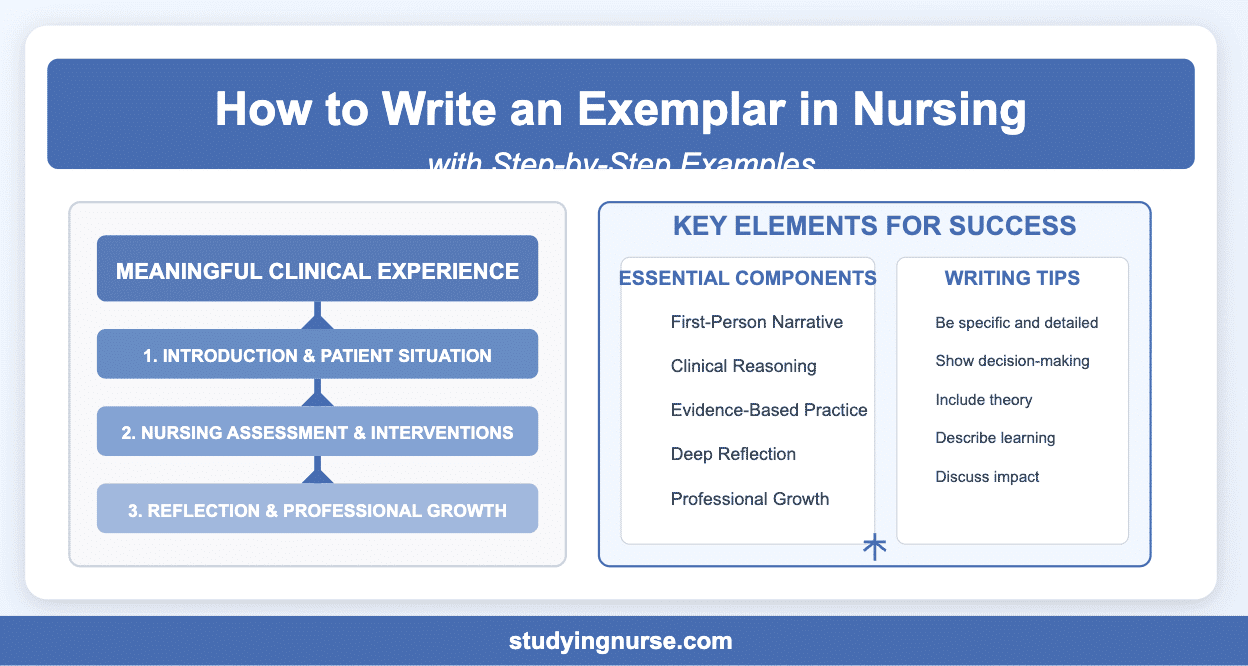
    Future Directions for Research

    Future research directions for the Tidal Model should emphasize the development of robust evaluation frameworks that incorporate interdisciplinary applications. Exploring the model within diverse mental health contexts may uncover additional benefits and highlight areas for improvement. Emphasizing the holistic approach inherent in the Tidal Model will enhance efforts towards self-management and recovery—a philosophy central to Barker’s legacy. Continued scholarly dialogue and publishing will reinforce the Tidal Model’s value in enhancing mental health practices and educational frameworks.

    Critiques of the Tidal Model

    Despite its innovative approach to mental health nursing, the Tidal Model has faced various critiques. Detractors often argue that its theoretical foundations might be excessively subjective, which poses challenges in standardizing its principles for clinical practice. Additionally, while the Tidal Model has been successfully implemented in over 100 projects across multiple countries, there remains a pressing need for empirical evidence to validate its efficacy in diverse clinical scenarios. Such discrepancies spark ongoing discussions regarding Phil Barker’s significance in the evolution of psychiatric care and the practical limitations within the model.

    It is essential to recognize the diversity of applications for the Tidal Model, including its role in caring for young individuals with acute psychiatric issues and elderly populations. However, the significant emphasis placed on narrative and individual experience could lead to difficulties in achieving a consistent application across varying settings. Nonetheless, the Tidal Model has been successfully adapted in unique contexts, such as the New Zealand mental health program with the Maori community, showcasing its potential for transcultural application.

    Recommended Resources

    For those interested in exploring the Tidal Model further amidst its critiques, a plethora of resources are available. Foundational texts by Phil Barker and his collaborators provide essential insights into the model’s principles. Current publications in psychiatric nursing journals continue to investigate new applications and developments within the Tidal framework. These Tidal Model resources are invaluable for healthcare professionals seeking to integrate its principles into their practice, ultimately enhancing their capacity to support patients amidst the challenges of mental health care.

    FAQ

    What is the Phil Barker Tidal Model?

    The Tidal Model, developed by Phil Barker and Poppy Buchanan-Barker, is an innovative framework in mental health recovery that emphasizes the importance of the individual’s voice and personal experiences, advocating for active patient participation in their recovery journey.

    What are the key principles of the Tidal Model?

    The Tidal Model is grounded in six key assumptions: valuing curiosity, recognizing resourcefulness, respecting patient wishes, viewing crises as opportunities, ensuring goals belong to the patient, and pursuing the simplest means to achieve those goals.

    How does the Tidal Model differ from traditional mental health models?

    Unlike traditional deficit-oriented models, the Tidal Model emphasizes the fluid, dynamic nature of recovery, allowing for a more personalized approach that respects patients’ narratives and autonomy, thereby promoting individualized care plans.

    What resources are available for professionals interested in the Tidal Model?

    Resources include foundational texts by Barker and Buchanan-Barker, workshops, and current publications in psychiatric nursing journals that explore practical applications and developments within the Tidal framework.

    What does recent research indicate about the effectiveness of the Tidal Model?

    Recent research has highlighted the Tidal Model’s potential to enhance patient empowerment and recovery outcomes, although there is a need for more extensive empirical validation across diverse clinical settings.

    What are some critiques of the Tidal Model?

    Some critiques point to the model’s theoretical foundations as potentially too subjective, raising challenges for standardized practice, as well as the necessity for further empirical evidence to substantiate its effectiveness in various clinical scenarios.

    How has Phil Barker impacted psychiatric nursing?

    Phil Barker’s contributions, through the development of the Tidal Model and his extensive publications, have significantly shaped contemporary nursing practices, emphasizing patient-centered care and the value of personal narratives in mental health recovery.

    What is the significance of Phil Barker’s legacy in nursing?

    Phil Barker’s legacy lies in his transformative approach to mental health nursing, advocating for an empathetic, narrative-driven understanding of patient experiences, which has influenced both nursing education and practice globally.