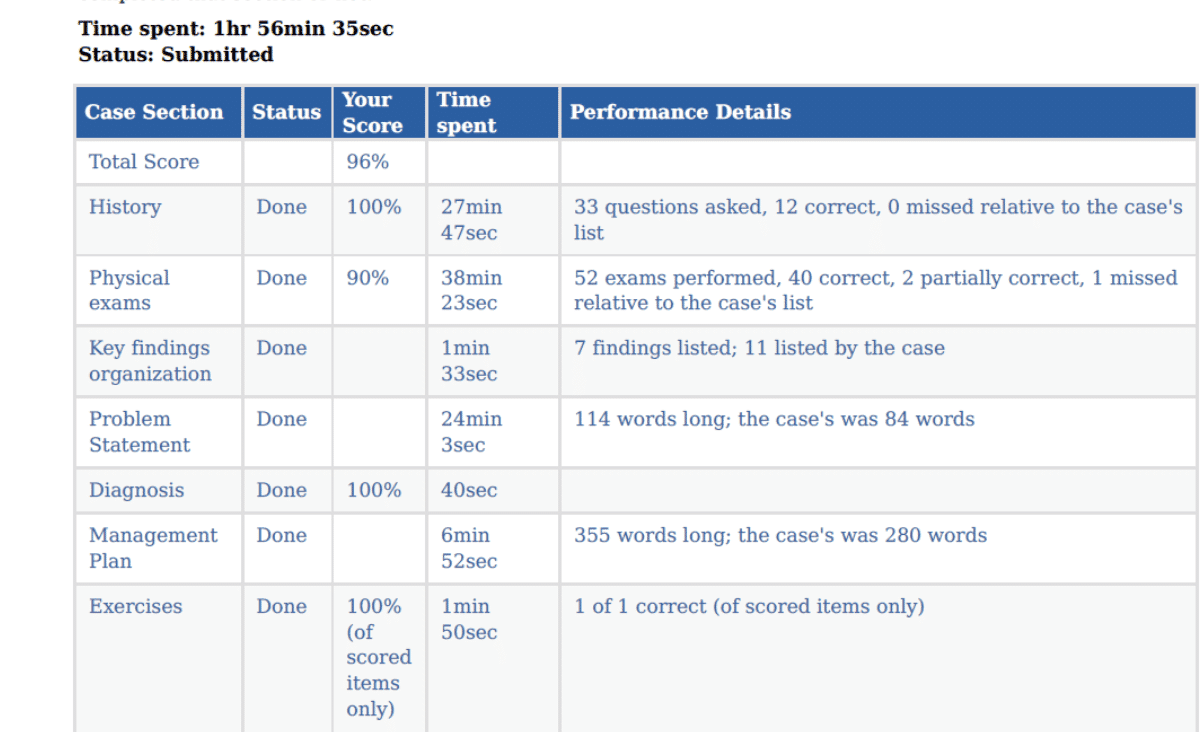
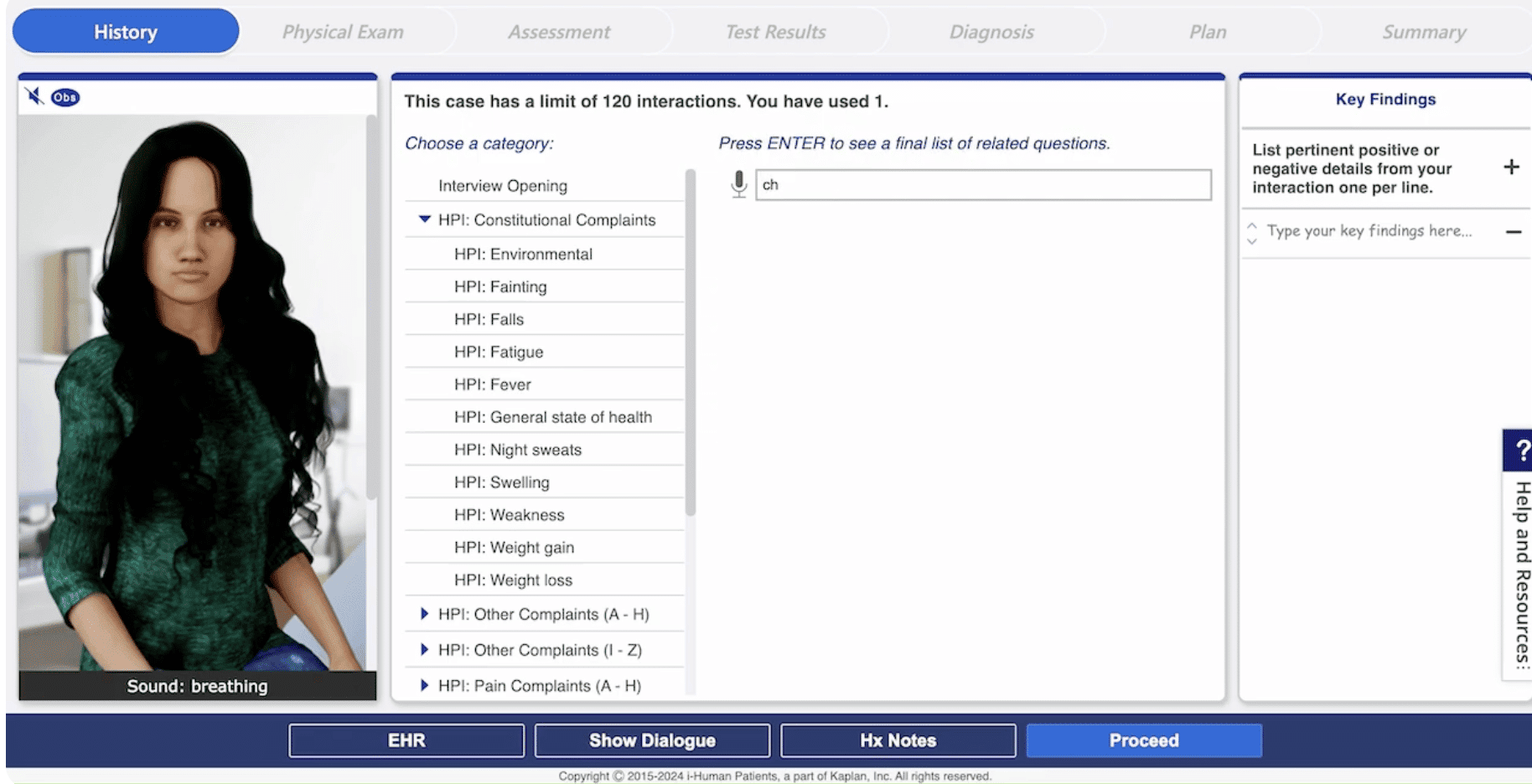
Search results for: “SOAP note”

  • David Douglas iHuman Case Study and Best Guide 2025

    David Douglas iHuman Case Study

    David Douglas is a 74-year-old male presenting on post-operative day five following an elective left total hip arthroplasty. His hospital course has been uncomplicated, and he is being transferred to rehabilitation due to a lack of home support. He reports a pain level of 4/10 to the left hip and requires assistance with transfers and ambulation due to left hip pain. Notably, physical and occupational therapy recommended further strengthening prior to discharge to home because he lives alone.

    In this comprehensive guide, we’ll walk you through how to approach his case, from initial post-operative assessment through systematic physical examination to the final nursing diagnoses of acute pain management and impaired mobility. You’ll learn the key clinical reasoning steps for post-operative hip replacement care, what the iHuman grading rubric expects, and a complete step-by-step solution to help you confidently navigate this essential post-operative nursing care simulation involving orthopedic recovery and rehabilitation planning.

    David Douglas iHuman
    David Douglas iHuman Case Study Guide

    David Douglas iHuman Case Overview (Doorway Information)

    Patient Overview: David Douglas, a fictional patient, presents as a 74-year-old male on day five post-elective left total hip arthroplasty. He describes ongoing left hip discomfort with a pain level of 4/10, requiring ongoing pain management and mobility assistance. David requires assistance with transfers and ambulation and uses a front-wheeled walker for safe mobility. Additionally, he lives alone, creating unique discharge planning challenges that necessitate rehabilitation placement.

    Key Background Information:

    • Age/Gender: 74-year-old male
    • Height/Weight: 6’0″ (183 cm), 165 lbs (75 kg)
    • Procedure: Post-operative day 5 following elective left total hip arthroplasty
    • Chief Concern: Post-operative pain management and mobility limitations
    • Presenting Situation: Stable post-operative patient requiring rehabilitation placement due to lack of home support
    • Associated Conditions: Lives alone, requires strengthening before home discharge
    • Significant History: Uncomplicated surgical course, elective procedure
    • Current Status: Stable vital signs, manageable pain levels, requires mobility assistance
    • Risk Factors: Advanced age, living alone, post-operative complications risk
    • Physical Findings: Stable post-operative condition, uses assistive devices for mobility

    The patient appears stable but requires ongoing post-operative care including pain management, mobility assistance, and rehabilitation planning. His presentation with typical post-operative hip replacement recovery needs suggests standard orthopedic nursing care requirements with focus on safe discharge planning and functional improvement.

    David Douglas (74 y/o male) – Adult Post-Operative Assessment

    • CC: Post-operative pain and mobility limitations following left total hip arthroplasty
    • MSAP: Acute Pain Related to Surgical Intervention – requiring ongoing pain management and mobility rehabilitation
    • Associated symptoms: Left hip pain (4/10), impaired mobility, requires assistance with transfers
    • History: Day 5 post-elective left total hip arthroplasty, uncomplicated course
    • High-risk factors: Advanced age, living alone, post-operative status, mobility limitations

    History Questions

    • How are you feeling today, Mr. Douglas?
    • Can you tell me about your pain level right now?
    • Where exactly do you feel the pain?
    • Can you rate your pain on a scale of 1 to 10?
    • What makes your pain better or worse?
    • How has your pain been since your surgery?
    • Are you taking any pain medications? How well are they working?
    • How are you managing to move around?
    • Tell me about your living situation at home
    • Do you have help at home when you’re discharged?
    • How confident do you feel about going home right now?
    • What concerns do you have about your recovery?
    • Are you able to use the bathroom independently?
    • How is your appetite and sleep?
    • Have you been doing your physical therapy exercises?
    • Do you feel safe when walking with your walker?
    • Any nausea, dizziness, or other concerns?
    • Do you have any questions about your medications?
    • What are your goals for rehabilitation?

    Physical Exam

    Vitals: Blood pressure, pulse rate, respiratory rate, and oxygen saturation levels within normal limits for post-operative status

    General appearance: Alert, oriented male appropriate for age, post-operative day 5, appears comfortable at rest

    Post-Operative Assessment:

    • Pain Assessment: Current pain level 4/10 to left hip, manageable with prescribed medications
    • Surgical Site: Assessment of incision site for signs of infection, healing progress
    • Mobility Assessment: Requires assistance with transfers and ambulation, uses front-wheeled walker safely
    • Safety Assessment: Uses urinal and bedside commode appropriately for toileting needs

    Cardiovascular Assessment:

    • Heart rate and rhythm evaluation post-operatively
    • Assessment for signs of DVT or other post-operative complications
    • Circulation checks to affected extremity

    Respiratory Assessment:

    • Post-operative respiratory status evaluation
    • Assessment for signs of pneumonia or other pulmonary complications
    • Deep breathing and coughing assessment

    Musculoskeletal Assessment:

    • Range of motion within post-operative limitations
    • Strength assessment of unaffected extremities
    • Gait assessment with assistive device
    • Transfer ability and safety

    Integumentary Assessment:

    • Surgical incision assessment
    • Skin integrity evaluation
    • Assessment for pressure areas from bed rest

    Assessment Note

    D.D. is a 74-year-old male on post-operative day 5 following elective left total hip arthroplasty with an uncomplicated hospital course. Physical examination notable for stable vital signs, manageable pain levels (4/10), and appropriate use of mobility aids. His presentation with typical post-operative recovery progress, combined with social factors requiring rehabilitation placement, indicates successful surgical outcome requiring comprehensive discharge planning and continued rehabilitation.

    Diagnostic Testing: Complete blood count, basic metabolic panel, ESR/CRP if infection suspected, X-ray of surgical site if complications arise

    Primary Nursing Diagnoses:

    1. Acute Pain Related to Surgical Intervention
    2. Impaired Physical Mobility Related to Hip Surgery
    3. Risk for Injury Related to Altered Mobility

    Plan:

    • Continue pain management with oxycodone/acetaminophen as prescribed
    • Physical and occupational therapy for strengthening and mobility training
    • Discharge planning for rehabilitation facility placement
    • Patient education on post-operative precautions and safety
    • Regular assessment of surgical site and overall recovery progress

    David Douglas SOAP Note

    Patient: David Douglas

    Subjective Data

    CC: Post-operative pain and mobility limitations following left total hip arthroplasty

    HPI: 74-year-old male on post-operative day 5 following elective left total hip arthroplasty who presents with ongoing but manageable post-operative pain rated 4/10 to the left hip. Patient reports the pain is controlled with prescribed oxycodone/acetaminophen and describes the pain as aching and intermittent, worsening with movement and improving with rest and medication. Patient requires assistance with transfers and ambulation, using a front-wheeled walker for mobility. He reports feeling ready for rehabilitation but acknowledges concerns about eventual discharge home due to living alone.

    Medications: Oxycodone/acetaminophen for pain management, prophylactic anticoagulation, other post-operative medications as prescribed

    Allergies: No known drug, food, or environmental allergies reported

    PMH: Elective left total hip arthroplasty 5 days ago, uncomplicated surgical course, no previous orthopedic surgeries

    Social History: Lives alone, which necessitates rehabilitation placement, retired, limited social support system for immediate post-operative period

    Review of Systems: Reports manageable pain levels, no signs of infection, appetite returning to normal, sleep somewhat interrupted by position limitations, no respiratory distress, bowel and bladder function intact with assistive toileting

    Objective Data

    General: Alert, oriented 74-year-old male in no acute distress, appears comfortable at rest, post-operative day 5

    Vital Signs: Pulse rate, respiratory rate, blood pressure, and oxygen saturation levels stable and within normal limits

    Physical Examination:

    • Appearance: Appropriate for age and post-operative status, cooperative with care
    • Surgical Site: Left hip incision healing appropriately, no signs of infection or complications
    • Mobility: Requires assistance with transfers and ambulation due to left hip pain, uses front-wheeled walker safely
    • Pain: Current pain level 4/10, well-controlled with current regimen
    • Safety: Uses urinal and bedside commode appropriately for toileting needs
    • Respiratory: Clear lung sounds, adequate respiratory effort
    • Cardiovascular: Regular rate and rhythm, no signs of complications

    Assessment

    Primary Nursing Diagnoses:

    1. Acute Pain Related to Surgical Intervention (Priority)
    2. Impaired Physical Mobility Related to Hip Surgery
    3. Risk for Injury Related to Altered Mobility

    Secondary Concerns:

    • Discharge planning needs due to lack of home support
    • Need for continued rehabilitation and strengthening
    • Risk for post-operative complications
    • Patient education needs for safe recovery

    Differential Considerations

    Acute Pain Related to Surgical Intervention: Most appropriate diagnosis given the patient’s current pain level of 4/10 related directly to the surgical procedure. The pain is manageable with current medications and is expected for post-operative day 5 following major orthopedic surgery.

    Impaired Physical Mobility Related to Hip Surgery: Highly relevant given the patient’s need for assistance with transfers and ambulation, use of assistive devices, and overall functional limitations expected after hip replacement surgery.

    Risk for Injury Related to Altered Mobility: Important consideration given the patient’s age, altered mobility status, and potential for falls or other injuries during the recovery period.

    Readiness for Enhanced Self-Care: Potential positive diagnosis as patient demonstrates willingness to participate in rehabilitation and self-care activities within current limitations.

    Primary Focus: Acute Pain Management and Mobility Enhancement with safe rehabilitation progression toward independent function.

    Plan

    Health Promotion:

    Post-Operative Education – Comprehensive instruction on hip precautions, activity limitations, and gradual progression of activities

    Safety Training – Proper use of assistive devices, fall prevention strategies, home safety assessment

    Rehabilitation Participation – Active engagement in physical and occupational therapy programs

    Pain Management Education – Understanding of medication regimen, non-pharmacological pain relief techniques

    Monitoring:

    Surgical Site Assessment – Daily evaluation for signs of infection, proper healing progression

    Pain Assessment – Regular monitoring of pain levels and medication effectiveness

    Mobility Progress – Assessment of functional improvement and safety with activities

    Vital Signs – Continued monitoring for post-operative complications

    Interventions:

    Pain Management – Administer prescribed oxycodone/acetaminophen for pain management, continuously monitor pain levels and assess medication effectiveness

    Mobility Assistance – Provide assistance for transfers and ambulation using front-wheeled walker, collaborate with interdisciplinary team including physical and occupational therapists

    Rehabilitation Support – Active participation in prescribed therapy sessions for strengthening and functional improvement

    Safety Measures – Ensure safe toileting with urinal and bedside commode, prevent falls and injuries during mobility

    Long-term Management:

    Discharge Planning – Coordination with social services and rehabilitation facility for safe transition

    Rehabilitation Goals – Progressive strengthening and functional improvement toward home discharge

    Follow-up Care – Scheduled orthopedic follow-up appointments and continued therapy

    Home Preparation – Assessment and modification of home environment for safe eventual discharge

    David Douglas iHuman
    David Douglas SOAP Note

    Complete Step-by-Step Guide to Writing the David Douglas iHuman Case Study

    Completing the David Douglas iHuman case requires a systematic approach focused on post-operative nursing care and rehabilitation planning. This comprehensive guide will walk you through each section of the simulation, providing specific strategies and key points to ensure you achieve the required 70% score.

    Step 1: Pre-Case Preparation and Initial Approach

    Before diving into the case, review the doorway information and formulate your initial clinical approach.

    Key Information to Note:

    • 74-year-old male, post-operative day 5
    • Elective left total hip arthroplasty with uncomplicated course
    • Lives alone, requiring rehabilitation placement
    • Current pain level 4/10, manageable with medications

    Initial Clinical Mindset: Approach this case focusing on post-operative orthopedic nursing care. The priority concerns include pain management, safe mobility, and appropriate discharge planning for an elderly patient living alone.

    Step 2: Conducting the History of Present Illness (HPI)

    The HPI is crucial for understanding the patient’s current post-operative status and recovery progress.

    Key Areas to Assess:

    • Pain Assessment: Current level, location, quality, what relieves/aggravates
    • Mobility Status: Current functional level, use of assistive devices, safety concerns
    • Recovery Progress: Comparison to expected post-operative milestones
    • Discharge Planning: Home situation, support systems, rehabilitation needs

    Critical Questions:

    • Pain level and management effectiveness
    • Mobility limitations and safety concerns
    • Understanding of post-operative precautions
    • Concerns about discharge and home management

    Step 3: Review of Systems (ROS)

    Conduct a focused ROS paying attention to post-operative complications:

    Musculoskeletal:

    • Joint mobility, strength, function
    • Pain patterns and relief measures

    Cardiovascular:

    • Signs of DVT, circulation to extremities
    • Activity tolerance

    Respiratory:

    • Post-operative pulmonary function
    • Risk for pneumonia or other complications

    Integumentary:

    • Surgical site healing, signs of infection
    • Skin integrity from bed rest/immobility

    Step 4: Social and Discharge Planning Assessment

    Living Situation:

    • Lives alone – assess safety and support needs
    • Home environment and accessibility
    • Available family/social support

    Functional Assessment:

    • Current ability to perform ADLs
    • Safety with mobility and transfers
    • Readiness for rehabilitation participation

    Step 5: Physical Examination Strategy

    Perform a comprehensive post-operative assessment:

    General Assessment:

    • Overall post-operative recovery status
    • Pain levels and comfort measures

    Surgical Site Examination:

    • Incision healing and integrity
    • Signs of infection or complications

    Mobility Assessment:

    • Transfer ability and safety
    • Gait assessment with assistive devices
    • Range of motion within restrictions

    Safety Assessment:

    • Fall risk evaluation
    • Cognitive status for following precautions

    Step 6: Developing Nursing Diagnoses

    Propose appropriate nursing diagnoses with rationales:

    Priority Diagnoses:

    1. Acute Pain Related to Surgical Intervention
    2. Impaired Physical Mobility Related to Hip Surgery
    3. Risk for Injury Related to Altered Mobility

    Supporting Evidence:

    • Current pain level 4/10
    • Requires assistance with mobility
    • Uses assistive devices for safety
    • Advanced age and post-operative status

    Step 7: Pain Management and Mobility Plan

    Pain Management:

    • Continue oxycodone/acetaminophen as prescribed
    • Non-pharmacological interventions
    • Regular pain assessment and medication effectiveness evaluation

    Mobility Enhancement:

    • Physical and occupational therapy for strengthening and mobility training
    • Progressive activity advancement
    • Safety measures and fall prevention

    Step 8: Discharge Planning and Rehabilitation

    Rehabilitation Placement:

    • Coordination for rehabilitation facility due to lack of home support
    • Goals for functional improvement
    • Timeline for potential home discharge

    Patient Education:

    • Post-operative precautions and restrictions
    • Safe use of assistive devices
    • Signs and symptoms to report

    Step 9: Interdisciplinary Collaboration

    Team Coordination:

    • Collaboration with physical and occupational therapists for rehabilitation planning
    • Social services for discharge planning
    • Orthopedic surgeon for medical management

    Step 10: Documentation and Submission Tips

    Writing Your Summary:

    • Create a concise summary explaining your nursing care priorities
    • Include clinical reasoning for nursing diagnosis selection
    • Cite specific assessment findings and interventions
    • Use professional orthopedic nursing terminology

    Key Documentation Elements:

    • Assessment of post-operative status and recovery progress
    • Pain management effectiveness and ongoing needs
    • Mobility assessment and safety considerations
    • Discharge planning requirements and rehabilitation goals

    Final Submission Checklist:

    • ✓ Complete post-operative assessment with systematic evaluation
    • ✓ Appropriate nursing diagnoses with clear rationales
    • ✓ Evidence-based pain management and mobility plan
    • ✓ Comprehensive discharge planning and rehabilitation coordination
    • ✓ Professional documentation with proper nursing terminology

    David Douglas iHuman Case Summary Grading Criteria

    The David Douglas iHuman case will evaluate you across several critical domains to ensure comprehensive post-operative nursing care skills. Here’s what you need to focus on to maximize your score:

    (1) Assessment Skills (Major Points): You must demonstrate thorough post-operative assessment including pain evaluation, mobility status, and surgical site examination. Essential components include: systematic pain assessment using appropriate scales, mobility and transfer evaluation, surgical site and healing assessment, vital signs and overall recovery status monitoring. The rubric specifically rewards students who conduct comprehensive post-operative evaluations.

    (2) Nursing Diagnosis (High Weight): Focus on appropriate nursing diagnoses for post-operative orthopedic patients. Must-include diagnoses: Acute Pain Related to Surgical Intervention, Impaired Physical Mobility Related to Hip Surgery, Risk for Injury Related to Altered Mobility. Pro tip: The rubric awards points for accurate problem identification and appropriate prioritization based on patient needs and safety.

    (3) Pain Management (Critical for Scoring): You need to demonstrate understanding of post-operative pain management principles. Expected interventions include: appropriate medication administration and monitoring, non-pharmacological pain relief measures, regular pain assessment and documentation, patient education about pain management strategies.

    (4) Mobility and Safety Planning: You must address mobility limitations and safety concerns appropriately. Key components include: safe transfer and ambulation techniques, proper use of assistive devices, fall prevention strategies, progressive mobility goals.

    (5) Discharge Planning (Heavily Weighted): The rubric expects comprehensive discharge planning including: assessment of home situation and support needs, coordination with rehabilitation services, patient education for safe recovery, interdisciplinary team collaboration for optimal outcomes.

    (6) Patient Education: Demonstrate appropriate education for post-operative orthopedic patients. Bonus points for: explaining post-operative precautions clearly, teaching safe mobility techniques, discussing pain management strategies, providing discharge instructions and follow-up care.

    David Douglas iHuman
    David Douglas iHuman Grading Criteria

    Example of a High-Scoring Clinical Summary

    Here’s how a top-performing student might document this case:

    Patient Summary – David Douglas

    Situation: 74-year-old male on post-operative day 5 following elective left total hip arthroplasty requiring ongoing pain management and mobility rehabilitation with discharge planning for rehabilitation facility placement.

    Background: Uncomplicated surgical course with stable recovery progress. Lives alone, creating unique discharge challenges requiring rehabilitation placement for strengthening before home discharge. Current pain level 4/10, well-controlled with prescribed medications.

    Assessment: Alert, oriented male demonstrating appropriate post-operative recovery with manageable pain levels and safe mobility using assistive devices. Requires assistance with transfers and ambulation, uses front-wheeled walker and bedside commode appropriately.

    Primary Nursing Diagnoses:

    1. Acute Pain Related to Surgical Intervention
    2. Impaired Physical Mobility Related to Hip Surgery
    3. Risk for Injury Related to Altered Mobility

    Recommendation:

    • Continue prescribed pain management with oxycodone/acetaminophen and regular pain assessment
    • Ongoing physical and occupational therapy for strengthening and functional improvement
    • Safe mobility practices with assistive devices and fall prevention measures
    • Coordination with rehabilitation facility for appropriate placement and continued recovery
    • Patient education on post-operative precautions and safe discharge planning

    Patient and Family Education Provided:

    Explained post-operative recovery expectations and timeline, discussed proper pain management and medication use, taught safe mobility techniques and assistive device use, reviewed rehabilitation goals and discharge planning process, provided instructions for recognizing and reporting complications.

    Conclusion

    By following this comprehensive approach to the David Douglas case, you’ll demonstrate the post-operative nursing care skills that iHuman evaluates. Remember, success in orthopedic nursing cases requires understanding post-operative care principles: conduct thorough post-operative assessments including pain and mobility evaluation, develop appropriate nursing diagnoses focused on patient safety and recovery, implement evidence-based pain management and mobility interventions, and coordinate comprehensive discharge planning with interdisciplinary teams. The key is treating each iHuman simulation as you would a real post-operative patient encounter – be thorough, prioritize safety and comfort, and always focus on patient-centered care planning. With this guide, you’re well-prepared to excel in this essential post-operative nursing care simulation.

    Frequently Asked Questions

    Q1: What are the priority nursing diagnoses for David Douglas?

    The primary nursing diagnoses for David Douglas include Acute Pain Related to Surgical Intervention (priority), Impaired Physical Mobility Related to Hip Surgery, and Risk for Injury Related to Altered Mobility. Students often struggle with prioritization, but remember that pain management is crucial for successful rehabilitation and recovery in post-operative orthopedic patients.

    Q2: What are the critical assessment components I need to perform?

    Essential assessment elements include comprehensive pain evaluation using appropriate scales, mobility and transfer assessment for safety, surgical site examination for healing progress, and vital signs monitoring for post-operative stability. Many students miss points by inadequately assessing discharge planning needs or failing to evaluate the patient’s understanding of post-operative precautions.

    Q3: How do I address the discharge planning requirements effectively?

    Focus on the patient’s living situation (lives alone), need for rehabilitation facility placement, and coordination with physical and occupational therapy for strengthening before home discharge. Include assessment of home safety, support systems, and functional improvement goals. The key is demonstrating understanding of safe discharge planning for elderly post-operative patients.

    Q4: What pain management interventions should I include?

    The comprehensive pain management plan should include prescribed oxycodone/acetaminophen administration with regular effectiveness monitoring, non-pharmacological interventions such as positioning and ice therapy, patient education about medication use and overuse prevention, and regular pain assessment using appropriate scales. Students often forget to address the importance of pain control for successful rehabilitation participation.
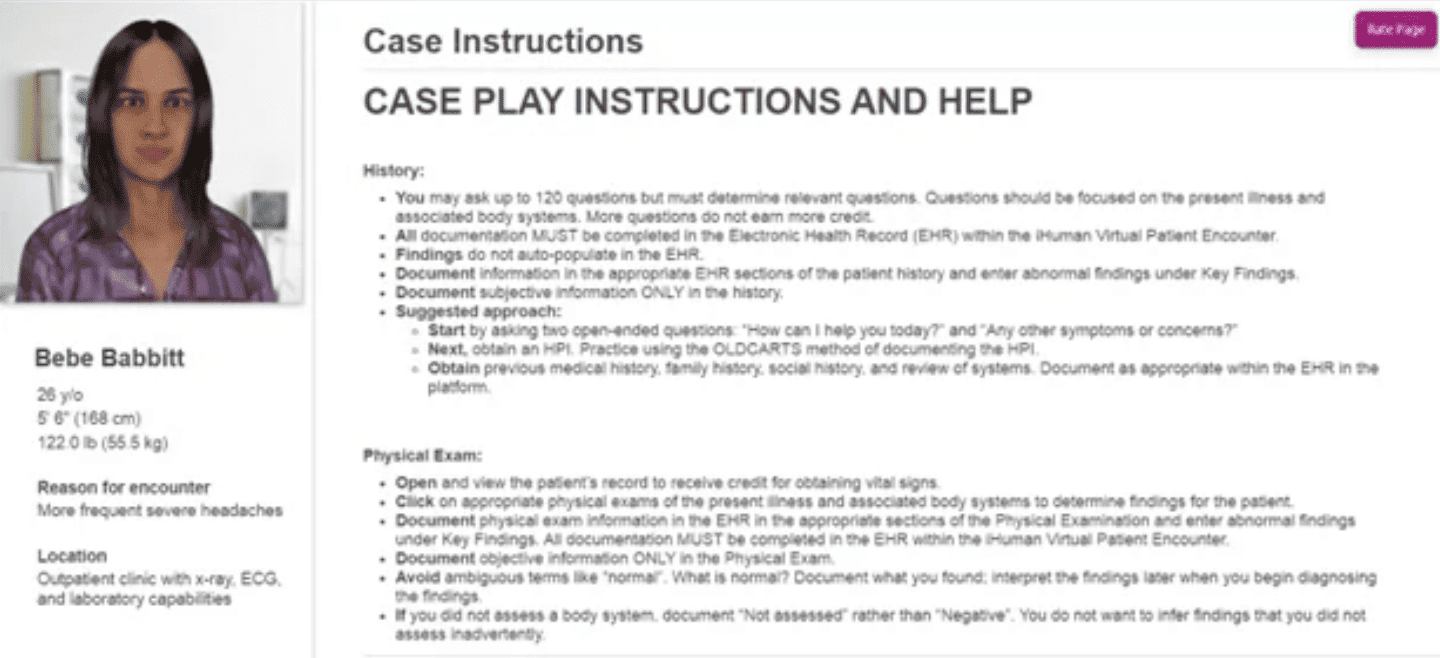
  • Bebe Babbitt iHuman Case Study and Best Guide 2025

    Bebe Babbitt iHuman Case Study and Best Guide 2025

    Bebe Babbitt iHuman Case Study

    Bebe Babbitt is a 27-year-old female presenting with a history of frequent headaches over the past several months. The headaches have progressively worsened in frequency and duration, often accompanied by nausea, vomiting, blurred vision, and sensitivity to light and sound. Notably, relief only comes with sleep. She reports seeing “flashing zig-zaggy lights” before headaches, denies orientation changes, and memory. Denies dizziness, weakness, numbness, tingling, seizures.

    In this comprehensive guide, we’ll walk you through how to approach her case, from initial neurological assessment through systematic physical examination to the final diagnosis of Migraine with Aura. You’ll learn the key clinical reasoning steps for headache disorders, what the iHuman grading rubric expects, and a complete step-by-step solution to help you confidently navigate this essential primary care case simulation involving migraine diagnosis and management.

    Bebe Babbitt iHuman
    Bebe Babbitt iHuman Case Study Guide

    Bebe Babbitt iHuman Case Overview (Doorway Information)

    Patient Overview: Bebe Babbitt, a fictional patient, presents with a chief complaint of recurrent severe headaches. She describes a pattern of episodic migraines, lasting several hours to days and significantly impacting her daily life. Bebe reports experiencing nausea, photophobia, and phonophobia during migraine attacks. Additionally, she mentions a family history of migraines, suggesting a potential genetic predisposition to the condition.

    Key Background Information:

    • Age/Gender: 22-27-year-old female (varies by version)
    • Height/Weight: 122 lbs, BMI 19
    • Occupation: Graduate student and waitress
    • Chief Complaint: Worsening episodic headaches with associated symptoms
    • Presenting Situation: Psychology grad student who presents with worsening episodic headaches, now occurring every 1-2 weeks over the past few months, compared to prior frequency of every 1-2 months for the past 10 years
    • Associated Conditions: Stress from graduate school and her job as a waitress
    • Significant History: Family history of migraines
    • Current Status: Previously undiagnosed migraine disorder requiring intervention
    • Risk Factors: Female gender, stress, family history, young adult age
    • Physical Findings: Normal neurological examination, no depression, anxiety or cognitive impairment noted

    The patient appears well but has been experiencing increasing frequency and severity of headaches that significantly impact her daily functioning. Her presentation with classic migraine symptoms including aura, photophobia, phonophobia, and associated gastrointestinal symptoms suggests primary migraine headache disorder requiring comprehensive evaluation and management.

    Bebe Babbitt (22-27 y/o female) – Adult Neurological Assessment

    • CC: Worsening episodic headaches with associated symptoms
    • MSAP: Migraine with Aura – requiring acute and preventive therapy
    • Associated symptoms: Nausea, vomiting, blurred vision, and sensitivity to light and sound
    • History: Seeing “flashing zig-zaggy lights” prior to headaches, stress-related triggers
    • High-risk factors: Female gender, family history, stress, young adult age

    History Questions

    • How can I help you today?
    • What brought you to the clinic today?
    • Tell me about these headaches you’ve been having?
    • When did you first start having headaches?
    • Have you noticed any patterns or triggers that seem to bring on the headaches? (e.g., stress, lack of sleep, specific foods)
    • How often do you get these headaches now compared to before?
    • How long do the headaches typically last?
    • Where exactly do you feel the pain in your head?
    • Can you describe what the headache feels like?
    • Do you have any warning signs before the headache starts?
    • Do you see any visual changes before or during the headaches?
    • Do you experience nausea or vomiting with the headaches?
    • Are you sensitive to light or sound during episodes?
    • What helps relieve your headaches?
    • Have you tried any medications for the headaches?
    • Do you have any family history of headaches or migraines?
    • What is your occupation? Does your job involve stress, heavy physical activity, or prolonged screen time?
    • How do these headaches affect your daily activities?
    • Do you have any other medical problems?
    • Are you taking any medications regularly?
    • Do you have any allergies?

    Physical Exam

    Vitals: Blood pressure, pulse, respirations, temperature, weight, height, BMI calculation

    General appearance: Appearance appropriate for age and setting. Mood stable and affect appropriate

    Neurological Assessment:

    • Mental Status: Thought process logical. No depression, anxiety or cognitive impairment noted
    • Cranial Nerves: Complete cranial nerve examination including visual fields, pupillary responses, extraocular movements
    • Motor Function: Rapid alternating movements smooth, quick and coordinated bilaterally
    • Sensory Function: Symmetric sensitivity bilaterally in all extremities, face, thorax and back
    • Reflexes: Reflexes intact
    • Coordination and Gait: Assessment of balance, coordination, and gait stability

    Head, Eyes, Ears, Nose, Throat (HEENT):

    • Detailed examination for signs of increased intracranial pressure
    • Fundoscopic examination to rule out papilledema
    • Temporal artery palpation and assessment
    • Neck examination for meningeal signs

    Cardiovascular Assessment:

    • Heart rate and rhythm evaluation
    • Blood pressure assessment
    • Assessment for signs of hypertensive emergency

    Additional Systems Review:

    • Respiratory: Basic assessment to rule out systemic illness
    • Lymphatic: Cervical, axillary, epitrochlear, and inguinal lymph node mobile, non-tender, pea-sized and soft bilaterally
    • Integumentary: Skin warm and dry with no lesion seen, good skin turgor

    Assessment Note

    B.B. is a 27-year-old female presenting with worsening episodic headaches with classic migraine features including visual aura, photophobia, phonophobia, and associated gastrointestinal symptoms. Physical examination notable for normal neurological findings without focal deficits or signs of increased intracranial pressure. Her presentation with typical migraine characteristics, family history, and stress-related triggers indicates primary migraine headache disorder requiring comprehensive acute and preventive management.

    Diagnostic Testing: Neuroimaging (MRI or CT) if indicated by red flags, complete metabolic panel, thyroid function tests, vitamin B12 and magnesium levels

    Diagnosis: Migraine with Aura

    Plan:

    • Initiate acute migraine therapy with triptans
    • Lifestyle modification counseling for trigger avoidance
    • Stress management strategies and behavioral therapy referral
    • Consider preventive therapy if frequency increases
    • Patient education about migraine management
    • Regular follow-up care and headache diary implementation

    Bebe Babbitt SOAP Note

    Patient: Bebe Babbitt

    Subjective Data

    CC: Frequent, worsening headaches over the past few months with associated nausea, vomiting, and sensitivity to light and sound

    HPI: 22-26 years old female psychology grad student who presents with worsening episodic headaches, now occurring every 1-2 weeks over the past few months, compared to prior frequency of every 1-2 months for the past 10 years. Patient reports severe, throbbing headaches that significantly impact her daily functioning and academic performance. Reports seeing “flashing zig-zaggy lights” prior to headaches, followed by unilateral or bilateral head pain accompanied by nausea, vomiting, photophobia, and phonophobia. Relief only comes with sleep. Patient identifies stress from graduate school and work as potential triggers.

    Medications: Over-the-counter pain relievers as needed (specific medications vary by case version)

    Allergies: No known drug, food, or environmental allergies reported

    PMH: Reports feeling stressed and mildly anxious with school and work. Stress triggers the headaches, no previous neurological diagnoses, no history of head trauma or significant medical conditions

    Family History: Family history of migraines, suggesting a potential genetic predisposition to the condition

    Social History: Graduate psychology student working part-time as waitress, high stress levels from academic and work demands, denies tobacco or illicit drug use, occasional social alcohol consumption

    Review of Systems: Reports seeing “flashing zig-zaggy lights” prior to headaches, denies changes in orientation, memory. Denies dizziness, weakness, numbness, tingling, seizures. Notable for stress-related triggers and significant functional impairment during episodes.

    Objective Data

    General: Alert, oriented female in no acute distress, appears stated age

    Vital Signs: Blood pressure, heart rate, respiratory rate, and temperature within normal limits; BMI 19 (normal weight)

    Physical Examination:

    • Appearance: Appearance appropriate for age and setting. Mood stable and affect appropriate
    • Neurological: Symmetric sensitivity bilaterally in all extremities, face, thorax and back. Rapid alternating movements smooth, quick and coordinated bilaterally. Reflexes intact
    • HEENT: Normal fundoscopic examination without papilledema, normal temporal artery examination
    • Neck: No nuchal rigidity, no lymphadenopathy
    • Cardiovascular: Regular rate and rhythm, no murmurs
    • Other Systems: Skin warm and dry with no lesion seen, good skin turgor, lymphatic: cervical, axillary, epitrochlear, and inguinal lymph node mobile, non-tender, pea-sized and soft bilaterally

    Assessment

    Primary Diagnosis: Migraine with Aura (G43.109)

    Secondary Concerns:

    • Stress-related headache triggers
    • Academic and occupational functional impairment
    • Need for lifestyle modification and stress management

    Differential Diagnoses

    Migraine with Aura: Most likely diagnosis given the patient’s presentation with visual aura (“flashing zig-zaggy lights”), unilateral or bilateral throbbing headache, photophobia, phonophobia, nausea, and vomiting. Family history of migraines, suggesting a potential genetic predisposition further supports this diagnosis. The episodic nature and stress-related triggers are characteristic of primary migraine.

    Tension-Type Headache: Tension headaches are less harmful as they do not necessarily interrupt the daily activities, does not affect vision, breathing or blood pressure. Less likely given the severity of symptoms, presence of visual aura, and associated gastrointestinal symptoms that are not typical of tension headaches.

    Cluster Headache: Less likely given the patient’s demographics (more common in males), duration of episodes (cluster headaches are typically shorter), and pattern of occurrence. The presence of visual aura also makes cluster headache less probable.

    Secondary Headache (Brain Tumor, Increased ICP): Important to rule out but less likely given the chronic episodic pattern, normal neurological examination, and absence of progressive neurological symptoms or signs of increased intracranial pressure.

    Medication Overuse Headache: Possible consideration if patient is frequently using over-the-counter medications, but the long-standing history and episodic pattern suggest primary migraine disorder.

    Most Likely Diagnosis: Migraine with Aura evidenced by characteristic visual aura, severe episodic headaches with classic associated symptoms, family history, and stress-related triggers in appropriate demographic population.

    Plan

    Health Promotion:Lifestyle Modifications – Comprehensive trigger identification and avoidance, stress management techniques, regular sleep schedule maintenance ✓ Dietary Counseling – Identification and avoidance of dietary triggers, regular meal patterns, adequate hydration ✓ Exercise Prescription – Regular moderate exercise program while avoiding exercise during acute episodes ✓ Patient Education – Understanding of migraine disorder, trigger recognition, appropriate medication use, headache diary maintenance

    Screening:Neurological Assessment – Consider neuroimaging if red flags present or atypical features develop ✓ Laboratory Studies – Basic metabolic panel, thyroid function tests, vitamin B12 and magnesium levels if indicated ✓ Headache Diary – Implementation of detailed headache tracking for pattern recognition and treatment monitoring

    Interventions:Acute Migraine Therapy – Sumatriptan as first-line treatment, use at first sign of migraine ✓ Antiemetic Therapy – Metoclopramide for associated nausea and vomiting ✓ Preventive Therapy – Consider if headache frequency increases or significantly impacts quality of life ✓ Behavioral Interventions – Behavioral health counseling referral for cognitive behavioral therapy to reduce stress and anxiety

    Long-term Management:Follow-up Plan – Return visit in 4-6 weeks to assess treatment response and medication tolerance ✓ Monitoring – Limit sumatriptan use to an average two headache days per week and 10 days per month ✓ Specialist Referral – Referral to neurologist or headache specialist not needed at this visit. Referral to specialist should be done if patient fails initial treatment

    Bebe Babbitt iHuman
    Bebe Babbitt SOAP Note

    Complete Step-by-Step Guide to Writing the Bebe Babbitt iHuman Case Study

    Completing the Bebe Babbitt iHuman case requires a systematic approach focused on adult neurological assessment and evidence-based migraine management. This comprehensive guide will walk you through each section of the simulation, providing specific strategies and key points to ensure you achieve the required 70% score.

    Step 1: Pre-Case Preparation and Initial Approach

    Before diving into the case, review the doorway information and formulate your initial clinical approach.

    Key Information to Note:

    • Young adult female with worsening episodic headaches
    • Classic migraine symptoms including visual aura
    • Stress-related triggers from academic and work demands
    • Family history of migraines

    Initial Clinical Mindset: Approach this case with primary migraine headache as your leading consideration. The combination of visual aura, episodic pattern, and family history strongly suggests migraine disorder, which affects approximately 12% of adults and is three times more common in women.

    Step 2: Conducting the History of Present Illness (HPI)

    The HPI is crucial for establishing the foundation of your headache diagnosis. Use the OLDCARTS mnemonic systematically:

    Onset: Ask about when headaches first began and recent changes in pattern

    • Key points to elicit: Long-standing history, recent worsening in frequency
    • Target response: Headaches for past 10 years, now occurring every 1-2 weeks versus previous 1-2 months

    Location: Determine specific areas of head pain

    • Important detail: Unilateral versus bilateral, specific regions affected
    • Critical descriptors: Throbbing, pulsating quality typical of migraine

    Duration: How long each episode lasts

    • Essential findings: Lasting several hours to days and significantly impacting her daily life

    Character: Detailed description of pain quality and associated symptoms

    • Critical descriptors: Visual aura with “flashing zig-zaggy lights,” nausea, vomiting, photophobia, phonophobia

    Aggravating factors: What makes headaches worse

    • Essential findings: Stress from graduate school and her job as a waitress

    Relieving factors: What provides relief

    • Key response: Relief only comes with sleep

    Timing: Pattern of headache occurrence

    • Important pattern: Episodic nature, increasing frequency, relationship to stress

    Severity: Impact on daily function and quality of life

    • Typical response: Significant functional impairment, inability to perform academic or work duties

    Step 3: Review of Systems (ROS)

    Conduct a thorough but focused ROS, paying special attention to neurological and related systems:

    Neurological:

    • Visual changes, aura phenomena, focal neurological symptoms
    • Cognitive changes, memory problems, mood changes
    • Seizure activity, loss of consciousness

    Constitutional:

    • Fever, weight changes, fatigue patterns
    • Sleep quality and patterns

    Gastrointestinal:

    • Nausea, vomiting, dietary triggers
    • Changes in appetite or eating patterns

    Psychiatric:

    • Stress levels, anxiety, depression
    • Coping mechanisms and support systems

    Step 4: Past Medical History, Social History, and Family History

    Past Medical History:

    • Previous headache diagnoses or treatments
    • Neurological conditions, head trauma
    • Hormonal factors (menstrual relationship)
    • Medication history and responses

    Social History:

    • Graduate student and waitress – assess stress levels
    • Lifestyle factors, sleep patterns, dietary habits
    • Substance use (alcohol, tobacco, caffeine)
    • Support systems and coping mechanisms

    Family History:

    • Family history of migraines, suggesting a potential genetic predisposition
    • Other neurological conditions in family
    • Cardiovascular disease, psychiatric conditions

    Step 5: Physical Examination Strategy

    Perform a comprehensive neurological physical examination:

    General Assessment:

    • Expected findings: Alert, oriented female in no acute distress
    • Critical component: Overall neurological and mental status assessment

    Vital Signs:

    • Look for: Normal vital signs, appropriate BMI

    Neurological Examination:

    • Mental Status: Thought process logical. No depression, anxiety or cognitive impairment noted
    • Motor Function: Rapid alternating movements smooth, quick and coordinated bilaterally
    • Sensory Function: Symmetric sensitivity bilaterally in all extremities, face, thorax and back
    • Reflexes: Reflexes intact

    Head and Neck Examination:

    • Detailed assessment for signs of increased intracranial pressure
    • Fundoscopic examination to rule out papilledema
    • Temporal artery and neck assessment

    Step 6: Developing Differential Diagnoses

    Propose at least 4-5 appropriate differentials with rationales:

    Primary Consideration: Migraine with Aura

    • Supporting evidence: Visual aura, episodic pattern, family history, stress triggers

    Secondary Considerations:

    • Tension-type headache: Less likely given severity and aura
    • Cluster headache: Demographics and pattern don’t fit
    • Secondary headache: Rule out with appropriate workup
    • Medication overuse headache: Consider if frequent analgesic use

    Step 7: Diagnostic Test Interpretation

    Interpret clinical findings to support your diagnosis:

    Expected Key Findings:

    • Normal neurological examination
    • Normal vital signs and general appearance
    • Absence of red flags for secondary headache
    • Classic migraine symptom pattern

    Step 8: Final Diagnosis and Most Significant Active Problem (MSAP)

    Primary Diagnosis: Migraine with Aura

    Justification:

    • Visual aura with “flashing zig-zaggy lights”
    • Classic associated symptoms (nausea, photophobia, phonophobia)
    • Family history of migraines
    • Episodic pattern with stress-related triggers

    MSAP Selection: Choose “Migraine with Aura” as your Most Significant Active Problem, as this represents the primary neurological condition requiring immediate and long-term management.

    Step 9: Comprehensive Management Plan

    Develop a multi-faceted treatment approach:

    Immediate Management:

    • Acute migraine therapy with sumatriptan
    • Antiemetic therapy with metoclopramide
    • Patient education about proper medication use

    Short-term Management:

    • Medication regimen: Sumatriptan at first sign of migraine, limit use to average two headache days per week
    • Lifestyle counseling: Stress management, trigger identification and avoidance
    • Behavioral interventions: Cognitive behavioral therapy referral

    Long-term Management:

    • Regular follow-up every 4-6 weeks initially
    • Consider preventive therapy if frequency increases
    • Headache diary implementation for pattern tracking
    • Specialist referral if initial treatment fails

    Patient Education:

    • Understanding migraine as chronic disorder that cannot be cured but is manageable
    • Proper sumatriptan use and avoiding overuse to prevent rebound headaches
    • Trigger avoidance strategies including dietary, stress, and sleep pattern management

    Step 10: Documentation and Submission Tips

    Writing Your Summary:

    • Create a concise 350-word summary explaining your clinical reasoning for migraine diagnosis
    • Include how you arrived at the problem list with consideration of neurological assessment
    • Cite specific examination findings and symptom patterns
    • Use professional neurological terminology

    Key Documentation Elements:

    • Assessment Statement: Brief patient summary with key neurological findings
    • Clinical Reasoning: Explain diagnostic thought process for migraine with aura
    • Evidence-Based Management: Link treatment choices to current headache guidelines
    • Risk Stratification: Address trigger management and prevention strategies

    Final Submission Checklist:

    • ✓ Complete neurological history with systematic headache assessment
    • ✓ Comprehensive physical examination including detailed neurological assessment
    • ✓ Appropriate differential diagnoses with headache considerations
    • ✓ Correct final diagnosis and MSAP
    • ✓ Evidence-based migraine management plan
    • ✓ Professional documentation with proper neurological terminology

    Bebe Babbitt iHuman Case Summary Grading Criteria

    The Bebe Babbitt iHuman case will evaluate you across several critical domains to ensure comprehensive neurological assessment skills. Here’s what you need to focus on to maximize your score:

    (1) History Taking (Major Points): You must ask targeted questions about headache characteristics, associated symptoms, and family history to get full credit. Essential questions include: headache pattern and frequency, visual aura and associated symptoms, family history of migraines, stress and trigger identification, functional impact assessment. Don’t miss asking about: medication use and effectiveness, sleep patterns, dietary factors, menstrual relationship (if applicable), previous treatments attempted. The rubric specifically rewards students who ask about migraine-specific symptoms and comprehensive trigger assessment.

    (2) Physical Examination (High Weight): Focus your exam on systematic neurological assessment and headache-related findings. Must-do components: complete neurological examination, mental status assessment, fundoscopic examination, assessment for meningeal signs, cranial nerve examination. Pro tip: The rubric awards points for thorough neurological characterization and systematic assessment – key components that relate directly to headache diagnosis and ruling out secondary causes.

    (3) Differential Diagnosis (Critical for Scoring): You need to propose at least 4 appropriate differentials with brief rationales. Expected differentials include: Migraine with Aura, Tension-Type Headache, Cluster Headache, and Secondary Headache disorders. Scoring secret: The rubric rewards students who can distinguish between primary and secondary headache disorders based on clinical presentation, symptom patterns, and physical examination findings.

    (4) Final Diagnosis & MSAP: You must correctly identify Migraine with Aura as your Most Significant Active Problem (MSAP). Justification is key – cite the visual aura, episodic pattern, family history, and classic associated symptoms as supporting evidence.

    (5) Management Plan (Heavily Weighted): The rubric expects comprehensive migraine management including: appropriate acute therapy selection, trigger identification and avoidance, lifestyle modification counseling, and long-term follow-up planning. High-scoring responses mention: sumatriptan therapy with proper usage guidelines, behavioral therapy referral, headache diary implementation, and preventive strategy discussion.

    (6) Patient Communication: Demonstrate appropriate communication for young adults with neurological conditions. Bonus points for: explaining migraine in patient-friendly terms, discussing trigger management strategies, addressing lifestyle modifications, and providing clear medication instructions.

    Bebe Babbitt iHuman
    Bebe Babbitt iHuman Grading Criteria

    Example of a High-Scoring Clinical Summary

    Here’s how a top-performing student might document this case:

    Patient Summary – Bebe Babbitt

    Situation: 27-year-old female presenting with worsening episodic headaches with classic migraine features requiring comprehensive acute and preventive management strategies.

    Background: Significant findings include appropriate demographic risk factors, family history of migraines, and stress-related triggers from graduate school and work demands. Physical examination notable for normal neurological findings without focal deficits.

    Assessment: Physical examination notable for alert, oriented female with visual aura (“flashing zig-zaggy lights”) preceding severe episodic headaches accompanied by nausea, vomiting, photophobia, and phonophobia. Clinical presentation and examination findings strongly support primary migraine with aura diagnosis.

    Primary Diagnosis: Migraine with Aura

    Recommendation:

    • Initiate acute migraine therapy with sumatriptan at first sign of symptoms
    • Antiemetic therapy with metoclopramide for associated nausea and vomiting
    • Comprehensive lifestyle modifications including stress management and trigger avoidance
    • Behavioral health counseling referral for cognitive behavioral therapy
    • Headache diary implementation for pattern tracking and treatment monitoring
    • Follow-up in 4-6 weeks for treatment response assessment

    Patient and Family Education Provided: Explained migraine as chronic disorder that cannot be cured but is manageable with proper pharmacological and non-pharmacological interventions, discussed proper medication use and overuse prevention, emphasized trigger identification and avoidance strategies, provided stress management techniques, and established clear follow-up plan with return precautions for concerning symptoms.

    Conclusion

    By following this comprehensive approach to the Bebe Babbitt case, you’ll demonstrate the neurological assessment skills that iHuman evaluates. Remember, success in headache cases requires understanding primary versus secondary headache differentiation: gather detailed history about headache characteristics and triggers, perform systematic neurological examination, consider age-appropriate headache diagnoses in differential diagnosis, and develop evidence-based migraine management plans with both acute and preventive strategies. The key is treating each iHuman simulation as you would a real neurological encounter – be thorough, consider the complexity of headache diagnosis and management, and always prioritize evidence-based therapy and comprehensive patient education. With this guide, you’re well-prepared to excel in this essential primary care neurological case simulation.

    Frequently Asked Questions

    Q1: What is the correct diagnosis for Bebe Babbitt’s presentation?

    Bebe Babbitt’s primary diagnosis is Migraine with Aura. The key distinguishing features include visual aura with “flashing zig-zaggy lights,” severe episodic headaches with classic associated symptoms including nausea, vomiting, photophobia, and phonophobia, along with family history of migraines. Students often struggle between migraine and tension-type headache, but remember that the presence of visual aura and severe associated symptoms are characteristic of migraine disorder.

    Q2: What are the critical physical examination components I need to perform to score well?

    Essential physical exam elements include comprehensive neurological examination with attention to mental status, cranial nerves, motor and sensory function, reflexes, and coordination. Key findings include normal neurological examination with intact reflexes, symmetric sensitivity, and coordinated movements. Many students miss points by inadequately assessing for signs of increased intracranial pressure or failing to perform thorough fundoscopic examination, which are crucial for ruling out secondary headache causes.

    Q3: How do I pass the Bebe Babbitt case and meet the 70% requirement?

    You must score a cumulative 70% on the iHuman assessments to successfully complete the required lab component. To achieve this score, focus on thorough headache history-taking using systematic questioning about migraine-specific symptoms, complete all recommended neurological exam components, propose appropriate differential diagnoses (including Migraine with Aura, Tension-Type Headache, and Secondary Headache disorders), and develop a comprehensive evidence-based management plan that includes acute therapy with sumatriptan, lifestyle modifications, behavioral interventions, and proper follow-up strategies. The key is being systematic and remembering that headache cases require evidence-based neurological management principles.

    Q4: What management interventions should I include in my treatment plan?

    The comprehensive management plan should focus on evidence-based migraine therapy with sumatriptan as first-line acute treatment used at first sign of symptoms and antiemetic therapy with metoclopramide for associated nausea and vomiting. Include comprehensive lifestyle modifications with trigger identification and avoidance, stress management strategies, and behavioral health counseling referral for cognitive behavioral therapy. Students often forget to address proper medication usage guidelines, headache diary implementation, and medication overuse prevention, which are crucial components for managing migraine disorders and can significantly impact your overall score.

  • Anselmo Lopez iHuman Case Study and Best Guide 2025

    Anselmo Lopez iHuman Case Study and Best Guide 2025

    Anselmo Lopez iHuman Case Study

    Anselmo Lopez is a 57-year-old Hispanic male construction/flooring worker presenting to the clinic with elevated blood pressure readings of approximately 170/92 discovered at a community wellness event. He reports a history of self-treating acid reflux with over-the-counter omeprazole and bilateral knee pain with ibuprofen. The patient has been absent from preventative health screenings for several years and consumes elevated processed foods high in fat and sodium.

    In this comprehensive guide, we’ll walk you through how to approach his case, from initial cardiovascular assessment through systematic physical examination to the final diagnosis of Essential Hypertension. You’ll learn the key clinical reasoning steps for hypertensive disorders, what the iHuman grading rubric expects, and a complete step-by-step solution to help you confidently navigate this essential primary care case simulation involving hypertension diagnosis and management.

    Anselmo Lopez iHuman
    Anselmo Lopez iHuman Case Study Guide

    Anselmo Lopez iHuman Case Overview (Doorway Information)

    Patient Overview: Anselmo Lopez is a 57-year-old Hispanic male presenting with chief complaint of elevated blood pressure discovered at a community wellness event with readings of 172/94 left arm and 178/98 right arm. He was brought to the clinic for comprehensive evaluation and management of newly discovered hypertension.

    Key Background Information:

    • Age/Gender: 57-year-old Hispanic male
    • Height/Weight: 195 lbs (BMI: 28.8) – overweight
    • Occupation: Construction/flooring worker
    • Chief Complaint: Elevated blood pressure readings at health fair
    • Blood Pressure: 172/94 mmHg (left arm), 178/98 mmHg (right arm)
    • Presenting Situation: Adult primary care clinic visit for hypertension evaluation
    • Associated Conditions: Acid reflux, bilateral knee pain
    • Significant History: ACL repair (unknown date), family history of hypertension and diabetes
    • Current Status: Previously undiagnosed hypertensive adult male
    • Risk Factors: Age, ethnicity, obesity, poor diet, sedentary occupation
    • Physical Findings: Prominent AV nicking (3:1), laterally displaced PMI

    The patient appears well but has been avoiding medical care for several years. His presentation with significantly elevated blood pressure, retinal changes, and cardiac findings suggests established hypertension requiring immediate intervention. This makes it an excellent case for learning systematic adult cardiovascular assessment and evidence-based hypertension management principles.

    Anselmo Lopez (57 y/o Hispanic male) – Adult Cardiovascular Assessment

    • CC: Elevated blood pressure readings at community health fair
    • MSAP: Essential Hypertension – requiring antihypertensive therapy and lifestyle modifications
    • Associated symptoms: Occasional headaches, fatigue, bilateral knee pain
    • History: Acid reflux on omeprazole, knee pain on NSAIDs, previous ACL repair
    • High-risk factors: Age 57, Hispanic ethnicity, obesity, poor diet, family history

    History Questions:

    • How can I help you today?
    • What brought you to the clinic today?
    • Tell me about your blood pressure readings at the health fair?
    • Have you ever been told you have high blood pressure before?
    • When was your last visit to a healthcare provider?
    • Do you take any medications regularly?
    • Do you have any chest pain or shortness of breath?
    • Do you experience headaches or dizziness?
    • Tell me about your work – what do you do for a living?
    • Do you exercise regularly?
    • Describe your typical diet for me?
    • How much salt would you say you consume daily?
    • Do you smoke or use tobacco products?
    • How much alcohol do you drink per week?
    • Do you have trouble sleeping or snore loudly?
    • Any family history of heart disease or high blood pressure?
    • Have you had any surgeries in the past?
    • Do you have any ongoing medical problems?
    • Are you taking any over-the-counter medications?
    • Any allergies to medications?
    • Do you have any concerns about your health?

    Physical Exam:

    Vitals: Blood pressure (both arms), pulse, respirations, temperature, weight, height, BMI calculation

    General appearance: Level of distress, overall appearance, body habitus, apparent state of health

    Cardiovascular Assessment:

    • Comprehensive blood pressure measurement in both arms
    • Heart rate and rhythm evaluation
    • Point of maximal impulse location and character
    • Assessment for murmurs, gallops, or extra heart sounds
    • Peripheral pulse examination (radial, femoral, pedal pulses)
    • Assessment for jugular venous distension
    • Evaluation for peripheral edema

    Fundoscopic Examination:

    • Detailed retinal examination for hypertensive retinopathy
    • Assessment for arteriovenous nicking, cotton wool spots, flame hemorrhages
    • Evaluation of cup-to-disc ratio and papilledema

    Neck Assessment:

    • Carotid pulse examination and auscultation for bruits
    • Thyroid gland palpation
    • Assessment of jugular venous pressure

    Respiratory Assessment:

    • Lung examination for adventitious sounds
    • Assessment of respiratory effort and pattern
    • Evaluation for signs of pulmonary edema

    Abdominal Assessment:

    • Auscultation for renal artery bruits
    • Palpation for abdominal aortic aneurysm
    • Assessment of liver size and tenderness
    • Evaluation for masses or organomegaly

    Neurological Assessment:

    • Assessment of mental status and orientation
    • Evaluation for focal neurological deficits
    • Assessment of reflexes and motor function

    Assessment Note:

    A.L. is a 57-year-old Hispanic male presenting with newly discovered essential hypertension. Physical examination notable for significantly elevated blood pressure readings (172/94 and 178/98), evidence of target organ damage with prominent arteriovenous nicking (3:1) on fundoscopic examination, and laterally displaced point of maximal impulse suggesting left ventricular hypertrophy. His presentation with multiple cardiovascular risk factors and evidence of chronic hypertensive changes indicates established disease requiring comprehensive management.

    Diagnostic Testing: Basic metabolic panel, lipid profile, urinalysis with microscopy, electrocardiogram, echocardiogram, chest X-ray, thyroid function tests

    Diagnosis: Essential Hypertension with evidence of target organ damage

    Plan:

    • Initiate antihypertensive therapy with ACE inhibitor or thiazide diuretic
    • Comprehensive lifestyle modifications including dietary changes and exercise
    • Patient education about hypertension management and medication compliance
    • Regular blood pressure monitoring and follow-up care
    • Screening for additional cardiovascular risk factors
    • Referral for ophthalmologic evaluation of retinal changes

    Anselmo Lopez SOAP Note

    Patient: Anselmo Lopez

    Subjective Data

    CC: 57-year-old Hispanic male presents with “high blood pressure found at health fair”

    HPI: 57-year-old previously undiagnosed male presents to primary care clinic for evaluation of elevated blood pressure discovered at a community wellness event. Patient reports blood pressure readings of approximately 170/92 taken at the health fair, which prompted recommendation for immediate medical evaluation. He admits to avoiding healthcare for “several years” and reports he has been told in the past that his blood pressure was elevated but never sought treatment. Patient denies chest pain, shortness of breath, or palpitations but reports occasional headaches and generalized fatigue that he attributes to work stress. He describes his occupation as construction and flooring work, which involves heavy physical labor. Patient acknowledges poor dietary habits with frequent consumption of processed foods, fast food, and high sodium intake. He denies current tobacco use but reports social alcohol consumption on weekends.

    Medications: Omeprazole 20mg daily (OTC) for acid reflux, Ibuprofen 400mg as needed for bilateral knee pain

    Allergies: No known drug, food, or environmental allergies reported

    PMH: History of acid reflux managed with OTC omeprazole, bilateral knee pain treated with NSAIDs, surgical history significant for ACL repair (unknown date), no previous diagnoses of hypertension or cardiac disease, absent from preventative healthcare for multiple years

    Family History: Significant for hypertension and diabetes mellitus in family members

    Social History: 57-year-old construction worker, poor dietary habits with consumption of processed foods high in fat and sodium, occasional social alcohol use, denies tobacco or illicit drug use, lives independently, works full-time in physically demanding job

    Review of Systems: Notable for occasional headaches, generalized fatigue, bilateral knee pain, and symptoms of acid reflux. Denies chest pain, shortness of breath, palpitations, syncope, vision changes, nausea, vomiting, or neurological symptoms.

    Objective Data

    General: Alert, oriented 57-year-old Hispanic male in no acute distress, appears stated age, overweight body habitus

    Vital Signs: Blood Pressure 172/94 mmHg (left arm), 178/98 mmHg (right arm), Heart Rate 82 bpm, Respiratory Rate 16 breaths/min, Temperature 98.6°F, Weight 195 lbs, BMI 28.8 (overweight)

    Physical Examination:

    • Appearance: Alert and oriented, cooperative, no acute distress, overweight male
    • HEENT: Normocephalic, atraumatic, fundoscopic examination reveals prominent arteriovenous nicking (3:1), consistent with hypertensive retinopathy, no papilledema, normal tympanic membranes
    • Neck: No thyromegaly, no lymphadenopathy, carotid pulses 2+ without bruits, no jugular venous distension
    • Cardiovascular: Point of maximal impulse laterally displaced, suggesting left ventricular hypertrophy, regular rate and rhythm, no murmurs, gallops, or rubs, peripheral pulses 2+ throughout
    • Respiratory: Chest expansion symmetrical, lungs clear to auscultation bilaterally, no accessory muscle use, no signs of pulmonary edema
    • Abdomen: Soft, non-tender, normoactive bowel sounds, no hepatosplenomegaly, no palpable masses, no abdominal bruits
    • Extremities: No pedal edema, normal range of motion, bilateral knee tenderness with palpation
    • Neurologic: Alert and oriented x4, no focal neurological deficits, normal reflexes, normal gait

    Assessment

    Primary Diagnosis: Essential Hypertension with evidence of target organ damage (I10)

    Secondary Concerns:

    • Hypertensive retinopathy
    • Possible left ventricular hypertrophy
    • Obesity (BMI 28.8)
    • Cardiovascular risk factor modification needed

    Differential Diagnoses

    Essential Hypertension: Most likely diagnosis given patient’s age, ethnicity, family history, and lifestyle factors. The presence of target organ damage including retinal arteriovenous nicking and laterally displaced PMI suggests chronic, established hypertension. The constellation of risk factors including age over 55, Hispanic ethnicity, obesity, poor dietary habits, and positive family history strongly supports primary hypertension.

    Secondary Hypertension: Less likely given the typical presentation and risk factor profile. However, given the significantly elevated readings, secondary causes should be considered including renal artery stenosis, primary aldosteronism, pheochromocytoma, or thyroid disorders. The absence of specific symptoms or physical findings makes secondary causes less probable.

    White Coat Hypertension: Possible consideration given the clinical setting; however, the presence of target organ damage (retinal changes and cardiac findings) suggests true sustained hypertension rather than situational elevation.

    Renovascular Hypertension: Could be considered given the severity of presentation, but absence of abdominal bruits and typical demographic make this less likely. Further evaluation with renal function assessment would be appropriate.

    Sleep Apnea-Related Hypertension: Patient is at risk for obstructive sleep apnea due to age, gender, and hypertension. The combination of obesity and hypertension raises suspicion for sleep-disordered breathing as a contributing factor.

    Most Likely Diagnosis: Essential Hypertension evidenced by significantly elevated blood pressure readings, evidence of chronic target organ damage, multiple cardiovascular risk factors, and positive family history in appropriate demographic population.

    Plan

    Health Promotion: ✓ Lifestyle Modifications – Comprehensive dietary counseling focusing on DASH diet principles, sodium restriction (<2300mg daily), weight reduction strategies ✓ Exercise Prescription – Structured aerobic exercise program 150 minutes moderate intensity weekly, considering occupational physical demands ✓ Cardiovascular Risk Reduction – Smoking cessation counseling if applicable, alcohol moderation, stress management techniques ✓ Patient Education – Understanding of hypertension, importance of medication compliance, home blood pressure monitoring

    Screening: ✓ Cardiovascular Risk Assessment – Lipid profile, diabetes screening, electrocardiogram, echocardiogram to assess left ventricular function ✓ Target Organ Damage Evaluation – Urinalysis with microalbumin, serum creatinine, ophthalmologic referral for comprehensive retinal evaluation ✓ Secondary Hypertension Screening – Basic metabolic panel, thyroid function tests, consideration of sleep study

    Interventions: ✓ Antihypertensive Therapy – Initiate ACE inhibitor (Lisinopril 10mg daily) or thiazide diuretic (Hydrochlorothiazide 25mg daily) based on patient characteristics and contraindications ✓ Medication Management – Review current NSAID use for knee pain, consider alternatives due to hypertensive effects ✓ Monitoring Plan – Return visit in 2-4 weeks for blood pressure recheck and medication tolerance assessment ✓ Long-term Management – Goal blood pressure <130/80 mmHg, regular follow-up every 3-6 months once stable

    Anselmo Lopez iHuman
    Anselmo Lopez SOAP Note

    Complete Step-by-Step Guide to Writing the Anselmo Lopez iHuman Case Study

    Completing the Anselmo Lopez iHuman case requires a systematic approach focused on adult cardiovascular assessment and evidence-based hypertension management. This comprehensive guide will walk you through each section of the simulation, providing specific strategies and key points to ensure you achieve the required 70% score.

    Step 1: Pre-Case Preparation and Initial Approach

    Before diving into the case, review the doorway information and formulate your initial clinical approach.

    Key Information to Note:

    • 57-year-old Hispanic male with newly discovered hypertension
    • Significantly elevated blood pressure readings from health fair
    • Multiple cardiovascular risk factors present
    • Evidence of target organ damage on examination

    Initial Clinical Mindset: Approach this case with essential hypertension as your primary consideration. The age (57 years old), ethnicity (Hispanic), occupational factors, and family history immediately suggest primary hypertension, which accounts for 90-95% of all hypertensive cases in adults.

    Step 2: Conducting the History of Present Illness (HPI)

    The HPI is crucial for establishing the foundation of your cardiovascular diagnosis. Use the OLDCARTS mnemonic systematically:

    Onset: Ask about when elevated blood pressure was first discovered

    • Key points to elicit: Health fair screening, previous elevated readings, duration of symptoms

    Location: Determine specific areas of concern or symptoms

    • Target response: Headache location, chest discomfort, visual changes

    Duration: How long patient has been avoiding medical care

    • Important detail: Several years without preventative care or blood pressure monitoring

    Character: Detailed description of any associated symptoms

    • Critical descriptors: Headache quality, fatigue patterns, exercise tolerance

    Aggravating factors: What makes symptoms worse

    • Essential findings: Work stress, dietary factors, physical exertion

    Relieving factors: What provides symptom relief

    • Key response: Rest, changes in position, OTC medications

    Timing: Pattern of symptom variation throughout day

    • Important pattern: Morning headaches, fatigue patterns, work-related symptoms

    Severity: Impact on patient’s daily function and work capacity

    • Typical response: Functional impairment, work performance, quality of life

    Step 3: Review of Systems (ROS)

    Conduct a thorough but focused ROS, paying special attention to cardiovascular and related systems:

    Constitutional:

    • Fatigue, weakness, weight changes
    • Sleep quality and potential sleep apnea symptoms
    • Exercise tolerance and energy levels

    Cardiovascular:

    • Chest pain, palpitations, shortness of breath
    • Peripheral edema, orthopnea, paroxysmal nocturnal dyspnea
    • Claudication or peripheral vascular symptoms

    Neurological:

    • Headaches, dizziness, visual changes
    • Weakness, numbness, cognitive changes
    • History of stroke or transient ischemic attacks

    Genitourinary:

    • Urinary frequency, nocturia, hematuria
    • Kidney disease symptoms or history
    • Sexual dysfunction (medication-related)

    Step 4: Past Medical History, Social History, and Family History

    Past Medical History:

    • Previous blood pressure readings or diagnoses
    • Cardiovascular disease, stroke, kidney disease
    • Diabetes mellitus, thyroid disorders
    • Medication history and responses

    Social History:

    • Occupational exposures and physical demands
    • Dietary patterns, sodium intake, alcohol consumption
    • Exercise habits and lifestyle factors
    • Support systems and healthcare access

    Family History:

    • Family history of hypertension and diabetes mellitus
    • Premature cardiovascular disease in relatives
    • Stroke, kidney disease, or sudden cardiac death

    Step 5: Physical Examination Strategy

    Perform a comprehensive cardiovascular physical examination:

    General Assessment:

    • Expected findings: Well-appearing overweight male, no acute distress
    • Critical component: Overall cardiovascular risk assessment

    Vital Signs:

    • Look for: Significantly elevated blood pressure in both arms, normal heart rate and respiratory rate

    Cardiovascular Examination:

    • Comprehensive cardiac assessment: laterally displaced PMI suggesting left ventricular hypertrophy
    • Look for: Murmurs, gallops, peripheral pulses, signs of heart failure

    Fundoscopic Examination:

    • Detailed retinal assessment: prominent arteriovenous nicking (3:1)
    • Look for: Cotton wool spots, flame hemorrhages, papilledema

    Systemic Examination:

    • Abdominal examination for bruits and organomegaly
    • Extremity examination for edema and peripheral pulses
    • Neurological assessment for end-organ damage

    Step 6: Developing Differential Diagnoses

    Propose at least 4-5 appropriate differentials with rationales:

    Primary Consideration: Essential Hypertension

    • Supporting evidence: Age, ethnicity, family history, lifestyle factors, target organ damage

    Secondary Considerations:

    • Secondary hypertension: Renal, endocrine, or vascular causes
    • White coat hypertension: Less likely given target organ damage
    • Sleep apnea-related hypertension: Obesity and demographic factors
    • Medication-induced hypertension: NSAIDs for knee pain

    Step 7: Diagnostic Test Interpretation

    Interpret clinical findings to support your diagnosis:

    Expected Key Findings:

    • Electrocardiogram showing left ventricular hypertrophy
    • Elevated serum creatinine or proteinuria indicating kidney involvement
    • Normal or elevated glucose levels
    • Dyslipidemia on lipid panel

    Step 8: Final Diagnosis and Most Significant Active Problem (MSAP)

    Primary Diagnosis: Essential Hypertension with target organ damage

    Justification:

    • Significantly elevated blood pressure readings (172/94, 178/98)
    • Evidence of chronic hypertensive changes (retinal and cardiac)
    • Multiple cardiovascular risk factors present
    • Typical demographic and clinical presentation

    MSAP Selection: Choose “Essential Hypertension” as your Most Significant Active Problem, as this represents the primary cardiovascular condition requiring immediate intervention and long-term management.

    Step 9: Comprehensive Management Plan

    Develop a multi-faceted treatment approach:

    Immediate Management:

    • Antihypertensive therapy initiation (ACE inhibitor or thiazide diuretic)
    • Lifestyle modification counseling
    • Risk factor assessment and modification

    Short-term Management:

    • Medication regimen: Lisinopril 10mg daily or HCTZ 25mg daily
    • Dietary counseling: DASH diet, sodium restriction (<2300mg daily)
    • Exercise prescription: 150 minutes moderate aerobic activity weekly

    Long-term Management:

    • Target blood pressure <130/80 mmHg
    • Regular follow-up every 3-6 months once stable
    • Annual cardiovascular risk assessment
    • Screening for complications and comorbidities

    Patient Education:

    • Understanding hypertension as “silent killer”
    • Importance of medication compliance and lifestyle changes
    • Home blood pressure monitoring techniques
    • When to seek immediate medical attention

    Step 10: Documentation and Submission Tips

    Writing Your Summary:

    • Create a concise 350-word summary explaining your clinical reasoning for hypertension diagnosis
    • Include how you arrived at the problem list with consideration of cardiovascular risk factors
    • Cite specific assessment findings and evidence of target organ damage
    • Use professional cardiovascular terminology

    Key Documentation Elements:

    • Assessment Statement: Brief patient summary with key cardiovascular findings
    • Clinical Reasoning: Explain diagnostic thought process for essential hypertension
    • Evidence-Based Management: Link treatment choices to current hypertension guidelines
    • Risk Stratification: Address cardiovascular risk factors and prevention strategies

    Final Submission Checklist:

    • ✓ Complete cardiovascular history with systematic symptom assessment
    • ✓ Comprehensive physical examination including detailed cardiac and fundoscopic assessment
    • ✓ Appropriate differential diagnoses with cardiovascular considerations
    • ✓ Correct final diagnosis and MSAP
    • ✓ Evidence-based antihypertensive management plan
    • ✓ Professional documentation with proper cardiovascular terminology

    Anselmo Lopez iHuman Case Summary Grading Criteria

    The Anselmo Lopez iHuman case will evaluate you across several critical domains to ensure comprehensive cardiovascular assessment skills. Here’s what you need to focus on to maximize your score:

    (1) History Taking (Major Points): You must ask targeted questions about cardiovascular symptoms, risk factors, and family history to get full credit. Essential questions include: blood pressure history, cardiovascular symptoms, family history of hypertension, lifestyle factors, occupation and physical activity levels. Don’t miss asking about: medication history (especially NSAIDs), dietary habits, alcohol and tobacco use, sleep patterns, previous medical care. The rubric specifically rewards students who ask about cardiovascular risk factor assessment and target organ damage symptoms.

    (2) Physical Examination (High Weight): Focus your exam on systematic cardiovascular assessment and fundoscopic examination. Must-do components: bilateral blood pressure measurement, comprehensive cardiac examination, fundoscopic assessment for retinal changes, peripheral pulse examination, assessment for signs of heart failure. Pro tip: The rubric awards points for thorough cardiovascular characterization and systematic assessment – key components that relate directly to hypertension diagnosis and risk stratification.

    (3) Differential Diagnosis (Critical for Scoring): You need to propose at least 4 appropriate differentials with brief rationales. Expected differentials include: Essential Hypertension, Secondary Hypertension, White Coat Hypertension, and Sleep Apnea-related Hypertension. Scoring secret: The rubric rewards students who can distinguish between primary and secondary hypertension based on clinical presentation, risk factors, and physical examination findings.

    (4) Final Diagnosis & MSAP: You must correctly identify Essential Hypertension as your Most Significant Active Problem (MSAP). Justification is key – cite the elevated blood pressure readings, evidence of target organ damage, cardiovascular risk factors, and family history as supporting evidence.

    (5) Management Plan (Heavily Weighted): The rubric expects comprehensive cardiovascular management including: appropriate antihypertensive selection, lifestyle modification counseling, risk factor assessment, and follow-up planning. High-scoring responses mention: ACE inhibitor or diuretic therapy, DASH diet counseling, exercise prescription, cardiovascular risk reduction strategies, and regular monitoring plans.

    (6) Patient Communication: Demonstrate appropriate communication for middle-aged adults with cardiovascular diseases. Bonus points for: explaining hypertension in patient-friendly terms, discussing lifestyle modifications, addressing cardiovascular risk factors, and providing clear follow-up guidelines.

    Anselmo Lopez iHuman
    Anselmo Lopez iHuman Grading Criteria

    Example of a High-Scoring Clinical Summary

    Here’s how a top-performing student might document this case:

    Patient Summary – Anselmo Lopez

    Situation: 57-year-old Hispanic male presenting with newly discovered essential hypertension with evidence of target organ damage requiring immediate antihypertensive therapy and comprehensive cardiovascular risk management.

    Background: Significant findings include appropriate demographic risk factors, family history of hypertension and diabetes, occupational and lifestyle factors contributing to cardiovascular risk. Physical examination notable for significantly elevated blood pressure readings and evidence of chronic hypertensive changes.

    Assessment: Physical examination notable for overweight male with markedly elevated blood pressure readings (172/94, 178/98), prominent arteriovenous nicking on fundoscopic examination, and laterally displaced point of maximal impulse suggesting left ventricular hypertrophy. Clinical presentation and examination findings strongly support essential hypertension with target organ involvement.

    Primary Diagnosis: Essential Hypertension with evidence of target organ damage

    Recommendation:

    • Initiate antihypertensive therapy with ACE inhibitor (Lisinopril 10mg daily) or thiazide diuretic based on patient factors
    • Comprehensive lifestyle modifications including DASH diet principles, sodium restriction, and structured exercise program
    • Cardiovascular risk factor modification including weight reduction and dietary counseling
    • Regular blood pressure monitoring with target <130/80 mmHg
    • Follow-up in 2-4 weeks for medication tolerance and blood pressure response
    • Long-term cardiovascular risk assessment and screening for complications

    Patient and Family Education Provided: Explained essential hypertension diagnosis and importance of lifelong management, discussed lifestyle modification strategies including dietary changes and exercise, emphasized medication adherence and regular monitoring, provided information about cardiovascular risk reduction, and established clear follow-up plan with return precautions for concerning symptoms.

    Anselmo Lopez iHuman results
    Anselmo Lopez iHuman results

    Conclusion

    By following this comprehensive approach to the Anselmo Lopez case, you’ll demonstrate the cardiovascular assessment skills that iHuman evaluates. Remember, success in hypertension cases requires understanding primary vs secondary hypertension differentiation: gather detailed history about cardiovascular risk factors and symptoms, perform systematic cardiovascular and fundoscopic examination, consider age-appropriate cardiovascular diagnoses in differential diagnosis, and develop evidence-based antihypertensive management plans with lifestyle modification principles. The key is treating each iHuman simulation as you would a real cardiovascular encounter – be thorough, consider the complexity of hypertension diagnosis and management, and always prioritize evidence-based therapy and risk factor modification. With this guide, you’re well-prepared to excel in this essential primary care cardiovascular case simulation.

    Frequently Asked Questions

    Q1: What is the correct diagnosis for Anselmo Lopez’s presentation?

    Anselmo Lopez’s primary diagnosis is Essential Hypertension with evidence of target organ damage. The key distinguishing features include significantly elevated blood pressure readings (172/94, 178/98), evidence of chronic hypertensive changes including prominent arteriovenous nicking and laterally displaced PMI, along with multiple cardiovascular risk factors. Students often struggle between primary and secondary hypertension, but remember that essential hypertension accounts for 90-95% of adult hypertension cases, especially with this demographic and risk factor profile.

    Q2: What are the critical physical examination components I need to perform to score well?

    Essential physical exam elements include systematic bilateral blood pressure measurement, comprehensive cardiac examination with attention to PMI location and heart sounds, detailed fundoscopic examination for retinal changes, peripheral pulse assessment, and evaluation for signs of target organ damage. Many students miss points by inadequately assessing for arteriovenous nicking or failing to properly evaluate the point of maximal impulse location, which are crucial for identifying chronic hypertensive changes.

    Q3: How do I pass the Anselmo Lopez case and meet the 70% requirement?

    You must score a cumulative 70% on the iHuman assessments to successfully complete the required lab component. To achieve this score, focus on thorough cardiovascular history-taking using systematic questioning about risk factors, complete all recommended physical exam components with attention to cardiac and fundoscopic assessment, propose appropriate differential diagnoses (including Essential Hypertension, Secondary Hypertension, and other cardiovascular causes), and develop a comprehensive evidence-based management plan that includes antihypertensive therapy, lifestyle modifications, and cardiovascular risk reduction strategies. The key is being systematic and remembering that cardiovascular cases require evidence-based management principles.

    Q4: What management interventions should I include in my treatment plan?

    The comprehensive management plan should focus on evidence-based antihypertensive therapy with ACE inhibitor (Lisinopril 10mg daily) or thiazide diuretic (HCTZ 25mg daily) as first-line agents. Include comprehensive lifestyle modifications with DASH diet counseling, sodium restriction (<2300mg daily), structured exercise prescription (150 minutes moderate aerobic activity weekly), and weight reduction strategies. Students often forget to address cardiovascular risk factor modification, regular blood pressure monitoring, and long-term follow-up planning, which are crucial components for managing essential hypertension and can significantly impact your overall score.

  • Amanda Wheaton iHuman Case Study and Best Guide 2025

    Amanda Wheaton iHuman Case Study and Best Guide 2025

    Amanda Wheaton iHuman Case Study

    Amanda Wheaton is a 23-year-old female presenting to the clinic with chief complaint of severe sore throat that started two days ago and has been progressively worsening. She reports associated symptoms including fever up to 101.8°F, headache, chills, and swollen lymph nodes in the neck region. The patient describes her throat pain as severe, rating it 11/10 and stating it “feels like an ice pick.” She has been taking Tylenol for fever relief and eating ice cream to soothe her throat discomfort.

    In this comprehensive guide, we’ll walk you through how to approach her case, from initial adult ENT assessment through systematic physical examination to the final diagnosis of Group A Streptococcal Pharyngitis. You’ll learn the key clinical reasoning steps for infectious throat disorders, what the iHuman grading rubric expects, and a complete step-by-step solution to help you confidently navigate this essential primary care case simulation involving bacterial pharyngitis diagnosis and management.

    Amanda Wheaton iHuman
    Amanda Wheaton iHuman Case Study Guide

    Amanda Wheaton iHuman Case Overview (Doorway Information)

    Patient Overview: Amanda Wheaton is a 23-year-old female presenting with chief complaint of severe sore throat of 2-day duration with associated systemic symptoms including fever, headache, and cervical lymphadenopathy. She was brought to the clinic due to progressive throat pain that significantly impacts her ability to swallow and speak normally.

    Key Background Information:

    • Age/Gender: 23-year-old female
    • Height/Weight: Within normal range for age
    • Chief Complaint: Severe sore throat × 2 days
    • Duration: Progressive worsening over 48 hours
    • Pain Severity: 11/10, described as “ice pick” sensation
    • Presenting Situation: Adult primary care clinic visit for acute throat infection
    • Associated Symptoms: Fever (101.8°F), headache, chills, cervical lymphadenopathy
    • Significant History: Previous infectious mononucleosis at age 15, current roommate also feeling unwell
    • Current Status: Young adult with acute bacterial pharyngitis symptoms
    • Risk Factors: Close contact exposure, college-age demographic
    • Symptom Characteristics: Abrupt onset, severe pain, systemic symptoms, tender cervical nodes

    The patient appears uncomfortable during assessment, with notable reluctance to speak due to throat pain and visible signs of pharyngeal inflammation. Her presentation is consistent with bacterial streptococcal pharyngitis, making this an excellent case for learning systematic adult infectious disease assessment and antibiotic stewardship principles.

    Amanda Wheaton (23 y/o female) – Adult Infectious Disease Assessment

    • CC: Severe sore throat × 2 days
    • MSAP: Group A Streptococcal Pharyngitis – bacterial throat infection requiring antibiotic therapy
    • Associated symptoms: Fever, headache, chills, dysphagia, tender cervical lymphadenopathy
    • History: Previous infectious mononucleosis, up-to-date immunizations except current year flu vaccine
    • High-risk factors: Age 23, close contact exposure, college environment, roommate also ill

    History Questions:

    • How can I help you today?
    • Do you have any other symptoms or concerns?
    • When did your sore throat start?
    • Can you describe what your throat pain feels like?
    • How severe is your throat pain on a scale of 1-10?
    • Have you been having fevers?
    • Do you have chills?
    • Do you have a headache?
    • Do you have any swollen glands in your neck?
    • Do you have difficulty swallowing?
    • Do you have a cough?
    • Are you taking any medications for your symptoms?
    • Does anything make your sore throat better or worse?
    • Have you had any contact with other sick people?
    • Do you have any allergies to medications?
    • Are you up to date on your immunizations?
    • Have you had a flu shot this year?
    • Any new medical issues since your last visit?
    • Are you sexually active?
    • Do you perform or receive oral sex?
    • Do you have any problems with fatigue or difficulty sleeping?
    • Do you have any chest pain or shortness of breath?

    Physical Exam:

    Vitals: Temperature, pulse, blood pressure, respirations, oxygen saturation, pain assessment (0-10 scale)

    General appearance: Level of distress, ability to speak, voice quality, overall appearance, hydration status

    HEENT Assessment:

    • Systematic evaluation of head, eyes, ears, nose, and throat
    • Detailed oropharyngeal examination for erythema, exudate, uvular edema
    • Assessment of tonsillar size, color, and presence of exudate
    • Evaluation for palatal petechiae (highly specific finding)
    • Examination of gingiva and dental health

    Neck Assessment:

    • Comprehensive lymph node examination including anterior and posterior cervical chains
    • Assessment of lymph node size, consistency, mobility, and tenderness
    • Evaluation for thyroid enlargement or masses
    • Assessment of neck range of motion and tenderness

    Cardiovascular Assessment:

    • Heart rate and rhythm evaluation
    • Assessment for murmurs or extra heart sounds
    • Evaluation for signs of systemic illness

    Respiratory Assessment:

    • Lung examination for adventitious sounds
    • Assessment of respiratory effort and pattern
    • Evaluation for signs of respiratory distress

    Abdominal Assessment:

    • Palpation for hepatosplenomegaly (particularly important given history of mononucleosis)
    • Assessment for abdominal tenderness or masses
    • Evaluation of bowel sounds

    Skin Assessment:

    • Examination for rash, particularly scarlatiniform rash
    • Assessment for signs of dehydration
    • Evaluation for petechiae or purpura

    Assessment Note:

    A.W. is a 23-year-old female presenting with acute onset of severe streptococcal pharyngitis. Physical examination notable for moderate fever (101.8°F), mild tachycardia, and classic findings of bacterial pharyngitis including tonsillar exudate, pharyngeal erythema, and tender bilateral cervical lymphadenopathy. Her presentation with abrupt onset, high fever, severe throat pain, and absence of viral symptoms is highly consistent with Group A Streptococcal pharyngitis.

    Diagnostic Testing: Rapid strep antigen detection test (RADT), throat culture for confirmation, complete blood count, comprehensive metabolic panel if indicated

    Diagnosis: Group A Streptococcal Pharyngitis

    Plan:

    • Antibiotic therapy with penicillin or amoxicillin
    • Symptomatic management with analgesics and anti-inflammatory medications
    • Patient education about medication compliance and infection control
    • Isolation precautions and return to work/school guidelines
    • Follow-up care and monitoring for complications
    • Contact precautions and partner notification if applicable

    Amanda Wheaton SOAP Note

    Patient: Amanda Wheaton

    Subjective Data

    CC: 23-year-old female presents with “severe sore throat for 2 days”

    HPI: 23-year-old previously healthy female presents to primary care clinic for evaluation of acute onset severe sore throat. Patient reports that symptoms began abruptly 2 days ago with progressive worsening. She describes the throat pain as extremely severe, rating it 11/10 and stating it “feels like an ice pick.” Associated symptoms include fever up to 101.8°F measured at home last night, chills, mild headache that comes and goes, and swollen, tender glands in her neck region. Patient reports significant difficulty and pain with swallowing, and states she is avoiding talking as much as possible due to pain. She has been self-treating with Tylenol for fever reduction and eating ice cream to provide temporary throat relief. Patient denies cough, rhinorrhea, hoarseness, or respiratory symptoms. Reports her roommate has also been feeling unwell but undiagnosed.

    Medications: Acetaminophen (Tylenol) as needed for fever and pain relief

    Allergies: No known drug, food, or environmental allergies reported

    PMH: History of infectious mononucleosis at age 15, otherwise healthy young adult, up to date on immunizations except has not received flu vaccine for current year

    Family History: Non-contributory

    Social History: 23-year-old college student, lives with roommate who is also currently ill, sexually active, denies tobacco or illicit drug use, occasional social alcohol consumption

    Review of Systems: Notable for progressive throat pain, fever with chills, mild intermittent headache, cervical lymphadenopathy, and dysphagia. Denies cough, rhinorrhea, hoarseness, chest pain, shortness of breath, abdominal pain, nausea, vomiting, or skin rash.

    Objective Data

    General: Alert, oriented 23-year-old female in mild distress secondary to throat pain, appears uncomfortable speaking, age-appropriate development

    Vital Signs: Blood Pressure 126/80 mmHg, Heart Rate 94 bpm, Respiratory Rate 14 breaths/min, Temperature 101.8°F, Oxygen Saturation 98% on room air

    Physical Examination:

    • Appearance: Alert and oriented x4, age-appropriate, mildly uncomfortable secondary to throat pain
    • HEENT: Normocephalic, atraumatic head, eyes with PERRLA, no scleral icterus, ears with normal external structures and clear tympanic membranes bilaterally, nose without erythema or discharge, throat examination revealing significant posterior pharyngeal erythema, tonsils mild to moderately enlarged with prominent bilateral exudate, normal uvular movement, no ulcers or dental issues noted
    • Neck: Tender bilateral cervical lymphadenopathy with nodes approximately 1cm in size, rubbery and mobile consistency, no thyromegaly
    • Cardiovascular: Regular rate and rhythm, no murmurs, gallops, or rubs, good peripheral pulses
    • Respiratory: Chest expansion symmetrical, lungs clear to auscultation bilaterally, no accessory muscle use
    • Abdomen: Soft, non-tender, normoactive bowel sounds, no hepatosplenomegaly or masses palpated
    • Extremities: No edema, cyanosis, or clubbing, normal range of motion
    • Skin: Pink, warm, dry, normal turgor, no rash or petechiae observed
    • Neurologic: Alert and oriented, no focal neurological deficits

    Assessment

    Primary Diagnosis: Group A Streptococcal Pharyngitis (J02.0)

    Secondary Concerns:

    • Acute pain management
    • Infection control and transmission prevention
    • Medication adherence education

    Differential Diagnoses

    Group A Streptococcal Pharyngitis: Classic presentation of abrupt onset severe sore throat in young adult with high fever, tonsillar exudate, pharyngeal erythema, tender cervical lymphadenopathy, and absence of viral symptoms. The constellation of findings including severe pain described as “ice pick,” bilateral tonsillar exudate, and tender cervical nodes strongly supports bacterial streptococcal etiology.

    Viral Pharyngitis: Can present with sore throat and fever, but typically associated with rhinorrhea, cough, hoarseness, and gradual onset. The absence of viral symptoms, presence of tonsillar exudate, and severe localized pain make viral etiology less likely.

    Infectious Mononucleosis: Given patient’s history of mono at age 15, recurrence is extremely rare. Mono typically presents with more fatigue, hepatosplenomegaly, and lymphadenopathy extending beyond cervical region. Current presentation more consistent with bacterial pharyngitis.

    Peritonsillar Abscess: Can present with severe throat pain and difficulty swallowing, but typically unilateral presentation with trismus, muffled voice, and asymmetric tonsillar enlargement. Patient’s bilateral symmetric findings make abscess less likely.

    Gonococcal Pharyngitis: Possible given patient’s sexual activity, but typically less symptomatic than current presentation. Sexual history should be explored, but bacterial strep remains most likely.

    Most Likely Diagnosis: Group A Streptococcal Pharyngitis evidenced by abrupt onset severe throat pain, high fever, bilateral tonsillar exudate, pharyngeal erythema, tender cervical lymphadenopathy, and absence of viral symptoms in appropriate age demographic.

    Plan

    Health Promotion: ✓ Infection Control Education – Proper hand hygiene, respiratory etiquette, and isolation precautions ✓ Medication Adherence – Complete antibiotic course education and importance of compliance ✓ Symptom Management – Appropriate use of analgesics and supportive care measures ✓ Prevention Strategies – Discussion of transmission prevention and future infection avoidance

    Screening: ✓ Symptom Monitoring – Assessment for improvement within 24-48 hours of antibiotic initiation ✓ Complication Surveillance – Education about signs requiring immediate medical attention ✓ Contact Tracing – Assessment and potential treatment of close contacts if indicated

    Interventions: ✓ Antibiotic Therapy – Penicillin V 500mg PO BID x 10 days or Amoxicillin 500mg PO BID x 10 days (preferred for palatability) ✓ Symptomatic Management – Acetaminophen 650mg PO q6h PRN for pain and fever, throat lozenges, warm salt water gargles ✓ Supportive Care – Increased fluid intake, soft diet as tolerated, rest ✓ Return to Work/School – May return 12 hours after antibiotic initiation and fever-free for 24 hours

    Amanda Wheaton iHuman
    Amanda Wheaton SOAP Note

    Complete Step-by-Step Guide to Writing the Amanda Wheaton iHuman Case Study

    Completing the Amanda Wheaton iHuman case requires a systematic approach focused on adult infectious disease assessment and antibiotic stewardship principles. This comprehensive guide will walk you through each section of the simulation, providing specific strategies and key points to ensure you achieve the required 70% score.

    Step 1: Pre-Case Preparation and Initial Approach

    Before diving into the case, review the doorway information and formulate your initial clinical approach.

    Key Information to Note:

    • 23-year-old female with acute onset severe sore throat
    • Associated systemic symptoms suggesting bacterial etiology
    • Consider streptococcal pharyngitis as primary differential
    • Age group typical for Group A Strep infections

    Initial Clinical Mindset: Approach this case with bacterial pharyngitis as your primary consideration. The age (23 years old), abrupt onset, severe symptoms, and associated fever immediately suggest Group A Streptococcal pharyngitis, which is most common in children and young adults aged 5-15 years but can occur in college-aged individuals.

    Step 2: Conducting the History of Present Illness (HPI)

    The HPI is crucial for establishing the foundation of your infectious disease diagnosis. Use the OLDCARTS mnemonic systematically:

    Onset: Ask about when symptoms started and how they developed

    • Key points to elicit: Abrupt vs gradual onset, timeline of symptom progression

    Location: Determine specific areas of pain and discomfort

    • Target response: Throat pain, neck gland tenderness, headache location

    Duration: How long symptoms have persisted

    • Important detail: Two days of progressive worsening

    Character: Detailed description of pain and associated symptoms

    • Critical descriptors: “Ice pick” sensation, severe pain, difficulty swallowing

    Aggravating factors: What makes symptoms worse

    • Essential findings: Swallowing, talking, movement

    Relieving factors: What provides symptom relief

    • Key response: Ice cream, Tylenol, rest

    Timing: Pattern of symptom variation throughout day

    • Important pattern: Constant vs intermittent pain

    Severity: Impact on patient’s daily function and quality of life

    • Typical response: 11/10 pain, avoiding talking, difficulty swallowing

    Step 3: Review of Systems (ROS)

    Conduct a thorough but focused ROS, paying special attention to infectious disease systems:

    Constitutional:

    • Fever pattern, chills, fatigue, appetite changes
    • Sleep quality and energy levels
    • Weight loss or general malaise

    HEENT:

    • Detailed throat symptoms, voice changes, difficulty swallowing
    • Ear pain, nasal congestion, sinus pressure
    • Vision changes, eye discharge

    Respiratory:

    • Cough, sputum production, shortness of breath
    • Chest pain or discomfort

    Gastrointestinal:

    • Nausea, vomiting, abdominal pain
    • Appetite changes, difficulty eating

    Genitourinary:

    • Urinary symptoms (important for sexually active patient)
    • Sexual history and practices

    Step 4: Past Medical History, Social History, and Family History

    Past Medical History:

    • Previous similar infections, especially strep throat
    • History of infectious mononucleosis (important differential)
    • Immunization status and recent vaccinations
    • Previous hospitalizations or serious illnesses

    Social History:

    • Living situation and close contacts (roommate illness)
    • Sexual activity and practices
    • Substance use (tobacco, alcohol, drugs)
    • Occupational or educational exposures

    Family History:

    • Family history of recurrent infections or immune disorders
    • Recent family illnesses
    • Known genetic conditions

    Step 5: Physical Examination Strategy

    Perform a comprehensive infectious disease physical examination:

    General Assessment:

    • Expected findings: Mild distress, reluctance to speak, fever
    • Critical component: Overall appearance and toxicity assessment

    Vital Signs:

    • Look for: Fever, tachycardia, normal blood pressure and respiratory rate

    HEENT Examination:

    • Comprehensive oropharyngeal assessment: inspection of tonsils, pharynx, uvula
    • Look for: Erythema, exudate, asymmetry, petechiae, dental issues

    Neck Examination:

    • Systematic lymph node palpation: anterior and posterior cervical chains
    • Look for: Size, consistency, mobility, tenderness of lymph nodes

    Systemic Examination:

    • Cardiovascular assessment for systemic involvement
    • Abdominal examination for hepatosplenomegaly
    • Skin examination for rash (scarlatiniform)

    Step 6: Developing Differential Diagnoses

    Propose at least 4-5 appropriate differentials with rationales:

    Primary Consideration: Group A Streptococcal Pharyngitis

    • Supporting evidence: Abrupt onset, severe pain, fever, tonsillar exudate, cervical lymphadenopathy

    Secondary Considerations:

    • Viral pharyngitis: Common but less likely given presentation
    • Infectious mononucleosis: History consideration but rare recurrence
    • Peritonsillar abscess: Severe pain but typically unilateral
    • Gonococcal pharyngitis: Sexual activity history consideration

    Step 7: Diagnostic Test Interpretation

    Interpret clinical findings to support your diagnosis:

    Expected Key Findings:

    • Rapid strep test positive for Group A Streptococcus
    • Throat culture positive for beta-hemolytic streptococci
    • Elevated white blood cell count with left shift

    Step 8: Final Diagnosis and Most Significant Active Problem (MSAP)

    Primary Diagnosis: Group A Streptococcal Pharyngitis

    Justification:

    • Abrupt onset of severe throat pain in young adult
    • Classic constellation of fever, tonsillar exudate, cervical lymphadenopathy
    • Absence of viral symptoms (cough, rhinorrhea, hoarseness)
    • Appropriate age demographic for bacterial strep

    MSAP Selection: Choose “Group A Streptococcal Pharyngitis” as your Most Significant Active Problem, as this represents the primary bacterial infection requiring immediate antibiotic intervention.

    Step 9: Comprehensive Management Plan

    Develop a multi-faceted treatment approach:

    Immediate Management:

    • Antibiotic therapy initiation (penicillin or amoxicillin)
    • Symptomatic pain and fever management
    • Isolation precautions until non-infectious

    Short-term Management:

    • Medication regimen: Penicillin V 500mg PO BID × 10 days or Amoxicillin 500mg PO BID × 10 days
    • Supportive care: acetaminophen, throat lozenges, increased fluids
    • Return to work/school guidelines

    Long-term Management:

    • Follow-up if symptoms don’t improve within 48 hours
    • Contact tracing and treatment of symptomatic close contacts
    • Prevention education for future infections

    Patient Education:

    • Complete antibiotic course importance
    • Infection control measures and transmission prevention
    • Signs and symptoms requiring immediate medical attention
    • Return to normal activities timeline

    Step 10: Documentation and Submission Tips

    Writing Your Summary:

    • Create a concise 350-word summary explaining your clinical reasoning for infectious disease diagnosis
    • Include how you arrived at the problem list with consideration of bacterial vs viral etiology
    • Cite specific assessment findings and epidemiological factors
    • Use professional infectious disease terminology

    Key Documentation Elements:

    • Assessment Statement: Brief patient summary with key infectious disease findings
    • Clinical Reasoning: Explain diagnostic thought process for bacterial pharyngitis
    • Antibiotic Stewardship: Link treatment choices to evidence-based guidelines
    • Public Health Considerations: Address transmission prevention and contact management

    Final Submission Checklist:

    • ✓ Complete infectious disease history with systematic symptom assessment
    • ✓ Comprehensive physical examination including detailed HEENT and neck assessment
    • ✓ Appropriate differential diagnoses with infectious disease considerations
    • ✓ Correct final diagnosis and MSAP
    • ✓ Evidence-based antibiotic management plan
    • ✓ Professional documentation with proper infectious disease terminology

    Amanda Wheaton iHuman Case Summary

    Grading Criteria

    The Amanda Wheaton iHuman case will evaluate you across several critical domains to ensure comprehensive infectious disease assessment skills. Here’s what you need to focus on to maximize your score:

    (1) History Taking (Major Points): You must ask targeted questions about symptom onset, severity, and associated symptoms to get full credit. Essential questions include: onset and duration of sore throat, fever pattern and severity, presence of systemic symptoms, contact with ill individuals. Don’t miss asking about: sexual history (important for gonococcal pharyngitis consideration), previous similar infections, current medications and allergies, immunization status. The rubric specifically rewards students who ask about symptom-infection relationship and epidemiological risk factors.

    (2) Physical Examination (High Weight): Focus your exam on systematic HEENT assessment and lymph node examination. Must-do components: detailed oropharyngeal examination, comprehensive neck lymph node palpation, vital signs assessment, skin examination for rash. Pro tip: The rubric awards points for thorough throat characterization and systematic infectious disease assessment – key components that relate directly to bacterial pharyngitis diagnosis.

    (3) Differential Diagnosis (Critical for Scoring): You need to propose at least 4 appropriate differentials with brief rationales. Expected differentials include: Group A Streptococcal Pharyngitis, Viral Pharyngitis, Infectious Mononucleosis, and Peritonsillar Abscess. Scoring secret: The rubric rewards students who can distinguish between bacterial and viral pharyngitis based on clinical presentation, symptom constellation, and physical examination findings.

    (4) Final Diagnosis & MSAP: You must correctly identify Group A Streptococcal Pharyngitis as your Most Significant Active Problem (MSAP). Justification is key – cite the abrupt onset, severe throat pain, fever, tonsillar exudate, and cervical lymphadenopathy as supporting evidence.

    (5) Management Plan (Heavily Weighted): The rubric expects comprehensive infectious disease management including: appropriate antibiotic selection, symptomatic care measures, infection control precautions, and follow-up planning. High-scoring responses mention: penicillin or amoxicillin therapy, return to work/school guidelines, completion of antibiotic course education, and contact precautions.

    (6) Patient Communication: Demonstrate appropriate communication for young adult patients with infectious diseases. Bonus points for: explaining the diagnosis in patient-friendly terms, discussing antibiotic stewardship, addressing transmission prevention, and providing clear return to activities guidelines.

    Amanda Wheaton iHuman
    Amanda Wheaton iHuman Grading Criteria

    Example of a High-Scoring Clinical Summary

    Here’s how a top-performing student might document this case:

    Patient Summary – Amanda Wheaton

    Situation: 23-year-old female presenting with acute onset Group A Streptococcal pharyngitis with classic bacterial features and requiring immediate antibiotic intervention.

    Background: Significant findings include appropriate age demographic for streptococcal infection, abrupt symptom onset with severe throat pain, high fever, and systemic symptoms. Past medical history notable for previous infectious mononucleosis but current presentation inconsistent with viral etiology.

    Assessment: Physical examination notable for febrile young adult with classic findings of bacterial pharyngitis including bilateral tonsillar exudate, pharyngeal erythema, and tender cervical lymphadenopathy. Symptom constellation and physical findings strongly support bacterial streptococcal diagnosis.

    Primary Diagnosis: Group A Streptococcal Pharyngitis

    Recommendation:

    • Antibiotic therapy with penicillin V 500mg PO BID × 10 days or amoxicillin for better palatability
    • Symptomatic management with acetaminophen and supportive care measures
    • Infection control education including proper hand hygiene and respiratory etiquette
    • Return to work/school after 12 hours of antibiotics and fever-free for 24 hours
    • Follow-up if symptoms don’t improve within 48 hours of antibiotic initiation
    • Contact assessment and potential treatment of symptomatic close contacts

    Patient and Family Education Provided: Explained streptococcal pharyngitis diagnosis and importance of completing full antibiotic course, discussed transmission prevention measures, emphasized proper medication adherence, provided information about expected improvement timeline, and established clear return precautions for worsening symptoms or complications.

    Conclusion

    By following this comprehensive approach to the Amanda Wheaton case, you’ll demonstrate the infectious disease assessment skills that iHuman evaluates. Remember, success in infectious disease cases requires understanding bacterial vs viral differentiation: gather detailed history about symptom onset and characteristics, perform systematic HEENT and lymph node examination, consider age-appropriate infectious diseases in differential diagnosis, and develop evidence-based antibiotic management plans with stewardship principles. The key is treating each iHuman simulation as you would a real infectious disease encounter – be thorough, consider the complexity of bacterial pharyngitis diagnosis, and always prioritize appropriate antibiotic use and transmission prevention. With this guide, you’re well-prepared to excel in this essential primary care infectious disease case simulation.

    Frequently Asked Questions

    Q1: What is the correct diagnosis for Amanda Wheaton’s presentation?

    Amanda Wheaton’s primary diagnosis is Group A Streptococcal Pharyngitis. The key distinguishing features include the abrupt onset of severe throat pain in a young adult, high fever, bilateral tonsillar exudate, pharyngeal erythema, and tender cervical lymphadenopathy without viral symptoms such as cough or rhinorrhea. Students often struggle between viral and bacterial pharyngitis, but remember that the severity of symptoms, presence of exudate, and systemic features are more consistent with bacterial streptococcal infection in this age group.

    Q2: What are the critical physical examination components I need to perform to score well?

    Essential physical exam elements include systematic oropharyngeal examination with detailed assessment of tonsils and pharynx, comprehensive cervical lymph node palpation, vital signs monitoring for fever and systemic response, and skin examination for scarlatiniform rash. Many students miss points by inadequately examining the throat for exudate and asymmetry or failing to properly assess lymph node characteristics (size, consistency, mobility, tenderness), which are crucial for bacterial pharyngitis diagnosis.

    Q3: How do I pass the Amanda Wheaton case and meet the 70% requirement?

    You must score a cumulative 70% on the iHuman assessments to successfully complete the required lab component. To achieve this score, focus on thorough infectious disease history-taking using systematic OLDCARTS questioning, complete all recommended physical exam components with attention to HEENT and neck assessment, propose appropriate differential diagnoses (including Group A Strep, Viral Pharyngitis, Mononucleosis, and Peritonsillar Abscess), and develop a comprehensive evidence-based management plan that includes antibiotic therapy, symptomatic care, and infection control measures. The key is being systematic and remembering that infectious disease cases require antibiotic stewardship principles.

    Q4: What management interventions should I include in my treatment plan?

    The comprehensive management plan should focus on appropriate antibiotic therapy with penicillin V 500mg PO BID × 10 days or amoxicillin 500mg PO BID × 10 days for better palatability. Include symptomatic management with acetaminophen for pain and fever, supportive care with increased fluids and soft diet, and infection control education about hand hygiene and respiratory etiquette. Students often forget to address return to work/school guidelines (12 hours after antibiotic initiation and fever-free for 24 hours) and importance of completing the full antibiotic course, which are crucial components for managing bacterial pharyngitis and can significantly impact your overall score.

  • Alvin Stafford iHuman Case Study and Best Guide 2025

    Alvin Stafford iHuman Case Study

    Alvin Stafford is a 63-year-old male presenting to the clinic with chief complaint of worsening shortness of breath that started last week and has progressively deteriorated. He reports significant nocturnal dyspnea that makes it difficult to sleep, along with associated chest tightness, productive cough, and easy fatigability. He has a history of bronchial asthma diagnosed two weeks prior to this presentation and lives near a factory environment.

    In this comprehensive guide, we’ll walk you through how to approach his case, from initial adult respiratory assessment through systematic physical examination to the final diagnosis of Acute Bronchial Asthma with possible COPD exacerbation. You’ll learn the key clinical reasoning steps for adult respiratory disorders, what the iHuman grading rubric expects, and a complete step-by-step solution to help you confidently navigate this complex adult case simulation involving chronic respiratory conditions and acute exacerbation management.

    Alvin Stafford iHuman
    Alvin Stafford iHuman Case Study Guide

    Alvin Stafford iHuman Case Overview (Doorway Information)

    Patient Overview: Alvin Stafford is a 63-year-old male presenting with chief complaint of worsening shortness of breath that started last week following a recent diagnosis of bronchial asthma. He was brought to the clinic due to progressive respiratory symptoms that significantly impact his sleep and daily activities.

    Key Background Information:

    • Age/Gender: 63-year-old male
    • Height/Weight: 5’11” (180cm) / 142 pounds (64.4kg)
    • Chief Complaint: Worsening shortness of breath since last week
    • Duration: Progressive deterioration over one week
    • Sleep Impact: Severe nocturnal dyspnea affecting sleep quality
    • Presenting Situation: Adult respiratory clinic presentation for acute exacerbation
    • Associated Symptoms: Productive cough, chest tightness, fatigue, chest pain
    • Significant History: Recent bronchial asthma diagnosis, factory environment exposure
    • Current Status: Symptomatic adult with respiratory distress
    • Risk Factors: Age over 60, environmental exposure, smoking history
    • Symptom Characteristics: Worsening at night, progressive dyspnea, productive cough

    The patient appears fatigued during assessment, with notable respiratory findings including productive cough and chest tightness following recent asthma diagnosis. His presentation is consistent with acute bronchial asthma exacerbation, making this an excellent case for learning systematic adult respiratory assessment and chronic disease management skills.

    Alvin Stafford (63 y/o male) – Adult Respiratory Disorder Assessment

    • CC: Worsening shortness of breath since last week
    • MSAP: Acute Bronchial Asthma Exacerbation – respiratory deterioration in previously diagnosed asthmatic patient
    • Associated symptoms: Nocturnal dyspnea, productive cough, chest tightness, easy fatigability, chest pain
    • History: Recent bronchial asthma diagnosis two weeks ago, environmental factory exposure, married for 35 years
    • High-risk factors: Age 63, environmental exposures, recent asthma diagnosis, nocturnal symptom progression

    History Questions:

    • How can I help you today?
    • Can you tell me more about your breathing difficulties and when they started?
    • When did you first notice the worsening shortness of breath?
    • Tell me about your sleep patterns and any breathing problems at night
    • When was your asthma first diagnosed, and what medications were prescribed?
    • Has your breathing gotten progressively worse since your diagnosis?
    • Can you describe what happened in the weeks leading up to this visit?
    • Do you have any other symptoms or concerns we should discuss?
    • Where do you experience chest pain, and what does it feel like?
    • Is your cough productive, and if so, what does the sputum look like?
    • What treatments have you tried for your breathing problems?
    • Do you have any known allergies to medications?
    • Are you currently taking any medications for your asthma?
    • Have you been using your inhalers as prescribed?
    • How has your energy level been during this worsening period?
    • Do you have any environmental exposures at work or home?
    • Have you been exposed to anyone who is sick recently?
    • How is your breathing compared to before your asthma diagnosis?
    • Any changes in your appetite or weight recently?
    • Tell me about your work environment and potential respiratory irritants?

    Physical Exam:

    • Vitals: Temperature, pulse, blood pressure, respirations, oxygen saturation, pain assessment (0-10 scale)
    • General appearance: Level of distress, respiratory effort, use of accessory muscles, ability to speak in full sentences
    • Respiratory Assessment:
      • Systematic evaluation of breathing pattern and effort
      • Assessment of lung sounds and adventitious sounds
      • Evaluation of chest expansion and respiratory excursion
      • Documentation of wheezing, rhonchi, or decreased air entry
    • Cardiovascular Assessment:
      • Heart rate and rhythm evaluation with respiratory correlation
      • Assessment for signs of right heart strain
      • Peripheral perfusion and capillary refill assessment
    • HEENT examination:
      • Nasal examination for congestion or polyps
      • Throat examination for inflammation
      • Lymph node palpation for infection signs
    • Chest and Thoracic Assessment:
      • Inspection for barrel chest or chest wall deformities
      • Palpation for fremitus and chest wall tenderness
      • Percussion for hyperresonance or dullness
    • Extremity Assessment:
      • Assessment for clubbing, cyanosis, or edema
      • Evaluation of peripheral circulation
    • Neurological Assessment:
      • Mental status and orientation
      • Assessment for confusion related to hypoxia

    Assessment Note: A.S. is a 63-year-old male presenting with acute exacerbation of recently diagnosed bronchial asthma. Physical examination notable for elevated blood pressure (152/82 mmHg), tachycardia (109 bpm), and respiratory symptoms including wheezing and productive cough. His presentation is consistent with acute bronchial asthma with possible underlying COPD in the typical age group with environmental risk factors.

    Diagnostic Testing: Pulmonary function tests pre and post-bronchodilator, chest X-ray for infiltrates and hyperinflation, arterial blood gas analysis, complete blood count, comprehensive metabolic panel, and sputum cultures for gram stain evaluation

    Diagnosis: Acute Bronchial Asthma Exacerbation

    Plan:

    • Bronchodilator therapy optimization
    • Anti-inflammatory medication management
    • Patient education about asthma control and triggers
    • Environmental modification strategies
    • Follow-up care and monitoring plan
    • Emergency action plan development

    Alvin Stafford SOAP Note

    Patient: Alvin Stafford

    Subjective Data

    CC: 63-year-old male presents with “worsening shortness of breath since last week”

    HPI: 63-year-old previously healthy male presents to respiratory clinic for evaluation of progressive dyspnea. Patient reports that he was diagnosed with bronchial asthma two weeks ago and given appropriate medications for management. However, over the past week, he has experienced significant worsening of his breathing difficulties. Patient describes the dyspnea as particularly severe at night, stating “It becomes worse at night. Sometimes it even becomes very hard to sleep.” He reports associated chest tightness and pain around the chest region, along with a productive cough and easy fatigability. Patient lives near a factory environment and has been married for 35 years with three children.

    Patient has been using budesonide and salbutamol inhalers as prescribed but continues to experience symptom progression. He reports that he “cannot breathe properly, especially when going about daily activities” and becomes tired easily. No recent travel or new exposures reported beyond usual environmental factors.

    Medications: Budesonide inhalers 200mcg and salbutamol 200mcg daily for asthma management

    Allergies: No known drug, food, or environmental allergies reported

    PMH: Recently diagnosed bronchial asthma two weeks prior, no other significant medical history reported

    Family History: Unknown family medical history for both parents

    Social History: Married for 35 years, lives with family, three children, lives near factory environment with potential respiratory irritant exposure

    Review of Systems: Notable for progressive dyspnea, nocturnal breathing difficulties, productive cough, chest tightness, easy fatigability, and chest pain. Denies fever, chills, weight loss, or recent infections.

    Objective Data

    General: Fatigued-appearing 63-year-old male in mild respiratory distress, able to speak in complete sentences but with some effort

    Vital Signs: Blood Pressure 152/82 mmHg, Heart Rate 109 bpm, elevated respiratory rate, oxygen saturation monitoring required

    Physical Examination:

    • Appearance: Well-developed adult male, appropriate for stated age, showing signs of respiratory fatigue
    • HEENT: Normocephalic, atraumatic, no acute distress in head/neck region
    • Cardiovascular: Tachycardic with heart rate 109 bpm, regular rhythm, assessment for murmurs and extra sounds needed
    • Respiratory: Evidence of wheezing, productive cough noted, breathing pattern assessment showing increased work of breathing
    • Abdomen: Requires palpation for tenderness, bowel sounds assessment, and evaluation for abdominal bruits
    • Extremities: Full range of motion assessment needed, evaluation for signs of hypoxia or circulation compromise

    Growth Parameters: Height 5’11” (180cm), Weight 142 pounds (64.4kg) – within normal range for age

    Assessment

    Primary Diagnosis: Acute Bronchial Asthma Exacerbation (J45.9)

    Secondary Concerns:

    • Possible underlying COPD given age and environmental exposures
    • Hypertension (elevated blood pressure reading)
    • Environmental respiratory irritant exposure

    Differential Diagnoses

    Acute Bronchial Asthma Exacerbation: Classic presentation of worsening respiratory symptoms in recently diagnosed asthmatic patient with nocturnal dyspnea, productive cough, and chest tightness. The temporal relationship between recent asthma diagnosis and current exacerbation, combined with environmental risk factors, supports this diagnosis.

    COPD Exacerbation: Given patient’s age (63), environmental exposure to factory pollutants, and presentation with progressive dyspnea and productive cough, COPD should be considered as either primary diagnosis or comorbid condition.

    Pneumonia: Can present with dyspnea, productive cough, and chest discomfort. However, absence of fever and acute onset pattern makes this less likely.

    Heart Failure: Elevated blood pressure and heart rate could suggest cardiovascular involvement, but primary respiratory symptoms point toward pulmonary etiology.

    Pulmonary Embolism: Acute dyspnea and chest pain could suggest PE, but gradual onset over one week and response pattern make this less likely.

    Most Likely Diagnosis: Acute Bronchial Asthma evidenced by progressive respiratory symptoms following recent asthma diagnosis, nocturnal dyspnea pattern, productive cough, and chest tightness in patient with environmental risk factors.

    Plan

    Health Promotion:Respiratory Health Monitoring – Regular assessment of lung function and symptom control ✓ Environmental Modification – Education about reducing exposure to factory pollutants and respiratory irritants ✓ Medication Adherence – Comprehensive education about proper inhaler technique and medication compliance ✓ Lifestyle Modifications – Discussion of factors that may improve respiratory health

    Screening:Symptom Monitoring – Close observation for further respiratory deterioration or improvement ✓ Peak Flow Monitoring – Daily peak flow measurements for objective assessment ✓ Blood Pressure Monitoring – Address elevated BP reading with appropriate follow-up

    Interventions:Bronchodilator Optimization – Continue budesonide 200mcg and salbutamol 200mcg with possible dose adjustment and addition of Flonase spray 50mcg daily ✓ Anti-inflammatory Therapy – Ensure adequate controller medication dosing ✓ Emergency Action Plan – Development of written asthma action plan for future exacerbations ✓ Environmental Control – Patient education about avoiding aggravating factors such as cold, smoking, over-exercise, and dusty conditions

    Alvin Stafford iHuman
    Alvin Stafford iHuman SOAP Note

    Complete Step-by-Step Guide to Writing the Alvin Stafford iHuman Case Study

    Completing the Alvin Stafford iHuman case requires a systematic approach focused on adult respiratory assessment and chronic obstructive disease management. This comprehensive guide will walk you through each section of the simulation, providing specific strategies and key points to ensure you achieve the required 70% score.

    Step 1: Pre-Case Preparation and Initial Approach

    Before diving into the case, take a moment to review the doorway information and formulate your initial clinical approach.

    Key Information to Note:

    • 63-year-old male with worsening respiratory symptoms
    • Recent asthma diagnosis with current exacerbation
    • Consider chronic respiratory diseases and environmental factors
    • Age group typical for COPD development

    Initial Clinical Mindset: Approach this case with chronic respiratory diseases as your primary consideration. The age (63 years old), recent asthma diagnosis with rapid deterioration, and environmental exposure history immediately suggest either asthma exacerbation or possible COPD, which commonly affects adults over 60 with environmental risk factors.

    Step 2: Conducting the History of Present Illness (HPI)

    The HPI is crucial for establishing the foundation of your respiratory diagnosis. Use systematic questioning while keeping adult chronic respiratory disease considerations in mind:

    Onset: Ask about when breathing difficulties worsened and relationship to recent asthma diagnosis

    • Key points to elicit: Timeline of symptom progression and relationship to previous treatment

    Location: Determine specific areas of chest discomfort and breathing difficulty

    • Target response: Chest tightness and pain around chest region

    Duration: How long current exacerbation has persisted

    • Important detail: Worsening over one week since asthma diagnosis

    Character: Detailed description of dyspnea and associated symptoms

    • Critical descriptors: Progressive, nocturnal worsening, productive cough, fatigue

    Aggravating factors: What makes breathing difficulties worse

    • Essential findings: Nighttime worsening, activity limitations, environmental factors

    Relieving factors: What provides symptom relief

    • Key response: Current inhaler use, rest, positioning

    Timing: Pattern of symptom variation throughout day

    • Important pattern: Significant nocturnal worsening affecting sleep

    Severity: Impact on patient’s daily function and quality of life

    • Typical response: Inability to sleep, easy fatigue with activities

    Associated Symptoms:

    • Ask specifically about: Cough characteristics, sputum production, chest pain, fatigue levels
    • Key findings: Productive cough, chest tightness, easy fatigability

    Step 3: Review of Systems (ROS)

    Conduct a thorough but focused ROS, paying special attention to adult respiratory disease systems:

    Constitutional:

    • Energy levels, sleep quality, appetite changes
    • Weight loss or gain patterns
    • General sense of wellness

    Respiratory:

    • Detailed cough assessment, sputum characteristics
    • Dyspnea on exertion vs rest
    • Wheezing, chest tightness patterns

    Cardiovascular:

    • Chest pain characteristics, palpitations
    • Exercise tolerance changes
    • Peripheral edema or circulation issues

    Gastrointestinal:

    • Appetite changes, weight fluctuations
    • GERD symptoms that may trigger respiratory symptoms

    Musculoskeletal:

    • General fatigue and weakness patterns
    • Activity limitation assessment

    Step 4: Past Medical History, Social History, and Family History

    Past Medical History:

    • Recent asthma diagnosis and initial treatment response
    • Previous respiratory illnesses or hospitalizations
    • Any cardiac conditions or hypertension
    • Previous pulmonary function testing

    Social History:

    • Environmental exposure assessment (factory work/living)
    • Smoking history (current, former, never)
    • Occupational exposures and respiratory irritants
    • Living situation and family support

    Family History:

    • Family history of asthma, COPD, or chronic respiratory diseases
    • Genetic predisposition to allergic conditions
    • Family cardiovascular disease history

    Step 5: Physical Examination Strategy

    Perform a comprehensive adult respiratory physical examination:

    General Assessment:

    • Expected findings: Fatigued adult with mild respiratory distress
    • Critical component: Respiratory effort and use of accessory muscles

    Vital Signs:

    • Look for: Elevated heart rate, blood pressure changes, respiratory rate, oxygen saturation

    Respiratory Examination:

    • Comprehensive lung assessment: inspection, palpation, percussion, auscultation
    • Look for: Wheezing, decreased air entry, prolonged expiratory phase, hyperinflation

    Systematic Physical Exam:

    • Cardiovascular assessment for right heart strain
    • Extremity examination for clubbing, cyanosis, edema
    • HEENT examination for related findings

    Risk Assessment:

    • Comprehensive assessment for respiratory failure risk
    • Cardiovascular status evaluation

    Step 6: Developing Differential Diagnoses

    Propose at least 4-5 appropriate differentials with rationales:

    Primary Consideration: Acute Bronchial Asthma Exacerbation

    • Supporting evidence: Recent asthma diagnosis, progressive symptoms, nocturnal pattern

    Secondary Considerations:

    • COPD: Age-appropriate, environmental exposure, symptom pattern
    • Pneumonia: Productive cough and respiratory symptoms
    • Heart failure: Age group and cardiovascular findings
    • Pulmonary embolism: Acute dyspnea consideration

    Step 7: Diagnostic Test Interpretation

    Interpret clinical findings to support your diagnosis:

    Expected Key Findings:

    • Pulmonary function tests showing obstruction
    • Chest X-ray for hyperinflation or infiltrates
    • Laboratory studies for infection or inflammation markers

    Step 8: Final Diagnosis and Most Significant Active Problem (MSAP)

    Primary Diagnosis: Acute Bronchial Asthma Exacerbation

    Justification:

    • Recent asthma diagnosis with rapid symptom progression
    • Classic nocturnal worsening pattern
    • Appropriate age group with environmental risk factors
    • Response to bronchodilator therapy

    MSAP Selection: Choose “Acute Bronchial Asthma Exacerbation” as your Most Significant Active Problem, as this represents the primary condition requiring immediate intervention and management.

    Step 9: Comprehensive Management Plan

    Develop a multi-faceted treatment approach:

    Immediate Management:

    • Bronchodilator therapy optimization
    • Anti-inflammatory medication adjustment
    • Symptom monitoring and assessment

    Short-term Management:

    • Medication regimen including budesonide 200mcg and salbutamol with potential addition of Flonase spray 50mcg daily
    • Environmental modification strategies
    • Patient education about trigger avoidance

    Long-term Management:

    • Regular follow-up visits every two weeks for monitoring and medication adherence
    • Pulmonary rehabilitation consideration
    • Comprehensive asthma management plan

    Patient Education:

    • Proper inhaler technique demonstration
    • Trigger avoidance education including cold, smoking, over-exercise, and dusty conditions
    • Emergency action plan development
    • Signs and symptoms requiring immediate medical attention

    Follow-up Plan:

    • Scheduled follow-up every two weeks for symptom assessment and medication adjustment
    • Pulmonary function testing for objective monitoring
    • Long-term respiratory health maintenance

    Step 10: Documentation and Submission Tips

    Writing Your Summary:

    • Create a concise 350-word summary explaining your clinical reasoning for adult respiratory disorders
    • Include how you arrived at the problem list with consideration of chronic disease management
    • Cite specific assessment findings and age-related risk factors
    • Use professional respiratory terminology appropriate for adult care

    Key Documentation Elements:

    • Assessment Statement: Brief patient summary with key respiratory and cardiovascular findings
    • Clinical Reasoning: Explain diagnostic thought process for chronic respiratory diseases
    • Age Considerations: Link symptoms to typical adult respiratory disease patterns
    • Management Rationale: Justify treatment choices and environmental modification needs

    Final Submission Checklist:

    • ✓ Complete adult respiratory history with systematic disease progression questioning
    • ✓ Comprehensive physical examination including detailed respiratory assessment
    • ✓ Appropriate differential diagnoses with adult respiratory considerations
    • ✓ Correct final diagnosis and MSAP
    • ✓ Evidence-based management plan including patient education
    • ✓ Professional documentation with proper adult respiratory terminology

    Alvin Stafford iHuman Case Summary

    Grading Criteria

    The Alvin Stafford iHuman case will evaluate you across several critical domains to ensure comprehensive adult respiratory assessment skills. Here’s what you need to focus on to maximize your score:

    (1) History Taking (Major Points): You must ask targeted questions about respiratory symptom progression and medication history to get full credit. Essential questions include: dyspnea onset and progression pattern, relationship to recent asthma diagnosis, nocturnal symptom assessment, environmental exposure history. Don’t miss asking about: medication adherence and response, sleep quality impact, activity limitations, cough characteristics. The rubric specifically rewards students who ask about symptom-medication temporal relationships and environmental risk factor assessment.

    (2) Physical Examination (High Weight): Focus your exam on systematic respiratory assessment and cardiovascular evaluation. Must-do components: detailed respiratory examination, vital signs assessment, comprehensive adult physical exam, environmental exposure documentation. Pro tip: The rubric awards points for thorough respiratory characterization and systematic adult assessment – key components that relate directly to chronic respiratory disease diagnosis.

    (3) Differential Diagnosis (Critical for Scoring): You need to propose at least 4 appropriate differentials with brief rationales. Expected differentials include: Acute Bronchial Asthma Exacerbation, COPD, Pneumonia, and Heart Failure. Scoring secret: The rubric rewards students who can distinguish between chronic respiratory diseases based on age, environmental exposure, and symptom progression patterns.

    (4) Final Diagnosis & MSAP: You must correctly identify Acute Bronchial Asthma Exacerbation as your Most Significant Active Problem (MSAP). Justification is key – cite the recent asthma diagnosis, progressive symptoms, nocturnal pattern, and environmental factors as supporting evidence.

    (5) Management Plan (Heavily Weighted): The rubric expects comprehensive respiratory care including: appropriate medication optimization, environmental modification strategies, patient education planning, and follow-up scheduling. High-scoring responses mention: bronchodilator therapy adjustment, trigger avoidance education, emergency action plan development, and regular respiratory monitoring.

    (6) Patient Communication: Demonstrate appropriate communication for adult respiratory patients. Bonus points for: explaining the diagnosis in patient-friendly terms, discussing chronic disease management, addressing lifestyle modifications, and providing clear medication instructions.

    Alvin Stafford iHuman
    Alvin Stafford iHuman Grading Criteria

    Example of a High-Scoring Clinical Summary

    Here’s how a top-performing student might document this case:

    Patient Summary – Alvin Stafford

    Situation: 63-year-old male presenting with acute exacerbation of recently diagnosed bronchial asthma with progressive respiratory symptoms and nocturnal dyspnea.

    Background: Significant findings include appropriate age group for chronic respiratory disease, recent asthma diagnosis with rapid deterioration, environmental factory exposure risk factors. Past medical history notable for recent bronchial asthma diagnosis with prescribed bronchodilator therapy.

    Assessment: Physical examination notable for fatigued adult with elevated vital signs including blood pressure 152/82 mmHg and heart rate 109 bpm, consistent with respiratory distress. Progressive symptom pattern since asthma diagnosis supports acute exacerbation diagnosis.

    Primary Diagnosis: Acute Bronchial Asthma Exacerbation

    Recommendation:

    • Bronchodilator therapy optimization with continued budesonide and salbutamol
    • Addition of Flonase spray for enhanced anti-inflammatory control
    • Comprehensive patient education about trigger avoidance and medication adherence
    • Environmental modification strategies for factory exposure reduction
    • Regular follow-up scheduling every two weeks for symptom monitoring
    • Emergency action plan development for future exacerbations

    Patient and Family Education Provided: Explained asthma exacerbation diagnosis and importance of medication adherence, discussed environmental trigger avoidance strategies, emphasized proper inhaler technique, provided information about when to seek emergency care, and established regular follow-up schedule for ongoing respiratory management.

    Conclusion

    By following this comprehensive approach to the Alvin Stafford case, you’ll demonstrate the adult respiratory assessment skills that iHuman evaluates. Remember, success in adult respiratory cases requires understanding chronic disease patterns: gather detailed history about symptom progression and medication response, perform systematic respiratory examination with comprehensive assessment documentation, consider age-appropriate chronic respiratory diseases in differential diagnosis, and develop patient-centered management plans addressing both medical care and environmental modifications. The key is treating each iHuman simulation as you would a real adult respiratory encounter – be thorough, consider the complexity of chronic respiratory diseases, and always prioritize patient education and environmental risk reduction. With this guide, you’re well-prepared to excel in this important adult respiratory case simulation.

    Frequently Asked Questions

    Q1: What is the correct diagnosis for Alvin Stafford’s respiratory presentation?

    Alvin Stafford’s primary diagnosis is Acute Bronchial Asthma Exacerbation. The key distinguishing features include the recent asthma diagnosis followed by progressive worsening of respiratory symptoms, particularly nocturnal dyspnea affecting sleep quality, productive cough, and chest tightness. Students often struggle between asthma and COPD, but remember that the temporal relationship to recent asthma diagnosis and rapid symptom progression pattern are more consistent with asthma exacerbation in this age group.

    Q2: What are the critical physical examination components I need to perform to score well?

    Essential physical exam elements include comprehensive respiratory assessment with detailed lung examination, vital signs monitoring for cardiovascular impact, systematic adult examination, and environmental exposure assessment. Many students miss points by inadequately assessing respiratory effort and cardiovascular response to respiratory distress, which are crucial for adult respiratory disease diagnosis. Don’t forget to assess the patient’s functional capacity and work of breathing patterns.

    Q3: How do I pass the Alvin Stafford case and meet the 70% requirement?

    You must score a cumulative 70% on the iHuman assessments to successfully complete the required lab component. To achieve this score, focus on thorough adult respiratory history-taking using systematic chronic disease questioning, complete all recommended physical exam components with attention to respiratory and cardiovascular assessment, propose appropriate differential diagnoses (including Asthma Exacerbation, COPD, Pneumonia, and Heart Failure), and develop a comprehensive adult-centered management plan that includes medication optimization, environmental modifications, and follow-up planning. The key is being systematic and remembering that adult cases require comprehensive chronic disease management approaches.

    Q4: What management interventions should I include in my treatment plan?

    The comprehensive management plan should focus on bronchodilator therapy optimization including continued budesonide 200mcg and salbutamol with potential addition of Flonase spray 50mcg daily. Include patient education about trigger avoidance such as cold, smoking, over-exercise, and dusty conditions, strict medication adherence, and regular follow-up visits every two weeks for monitoring. Students often forget to address environmental modification strategies and emergency action plan development, which are crucial components for managing chronic respiratory diseases in adults and can impact your overall score.

    Chat controls

    Sonnet 4

  • Alice Chaney iHuman Case Study and Best Guide 2025

    Alice Chaney iHuman Case Study

    Alice Chaney is a 2-year-old female presenting to the clinic with her mother with chief complaint of a rash that started this morning and has spread significantly. She reports a recent history of fever (103°F) that began 3 days ago but resolved 24 hours prior to the rash appearance, along with associated upper respiratory symptoms including cough and runny nose.

    In this comprehensive guide, we’ll walk you through how to approach her case, from initial pediatric assessment through systematic physical examination to the final diagnosis of Exanthema Subitum (Roseola). You’ll learn the key clinical reasoning steps for pediatric viral exanthems, what the iHuman grading rubric expects, and a complete step-by-step solution to help you confidently navigate this complex pediatric case simulation involving viral illnesses and childhood rash evaluation.

    Alice Chaney iHuman
    Alice Chaney iHuman Case Study Guide

    Alice Chaney iHuman Case Overview (Doorway Information)

    Patient Overview: Alice Chaney is a 2-year-old female presenting with chief complaint of rash that started this morning and has spread rapidly across her body. She was brought to the clinic by her mother following a recent febrile illness that resolved just before the rash appearance.

    Key Background Information:

    • Age/Gender: 2-year-old female
    • Height/Weight: 2’10” (86cm) / 28.0lb (12.7kg)
    • Chief Complaint: Rash since this morning that has spread significantly
    • Duration: Recent onset following resolution of 3-day febrile illness
    • Fever History: High fever (103°F) that started 3 days ago and resolved 24 hours ago
    • Presenting Situation: Pediatric clinic presentation with concerned mother
    • Associated Symptoms: Cough, runny nose, and recent high fever that has resolved
    • Significant History: No known allergies, no current medications, recent febrile illness
    • Current Status: Afebrile child with new-onset rash distribution
    • Risk Factors: Age group 6 months to 2 years, recent viral prodrome
    • Rash Characteristics: Started on abdomen, spread to extremities, non-pruritic

    The patient appears alert and interactive during assessment, with notable dermatologic findings including maculopapular pink rash on trunk and extremities following recent febrile illness. Her presentation is consistent with viral exanthem, specifically Exanthema Subitum (Roseola), making this an excellent case for learning systematic pediatric assessment and viral illness recognition skills.

    Alice Chaney (2 y/o female) – Pediatric Viral Exanthem Assessment

    • CC: Rash since this morning that has spread significantly
    • MSAP: Exanthema Subitum (Roseola) – viral exanthem following resolution of high fever in a previously well 2-year-old
    • Associated symptoms: Recent resolution of high fever, persistent cough and runny nose, maculopapular rash distribution
    • History: Recent 3-day febrile illness with fever up to 103°F, upper respiratory symptoms, no known sick contacts
    • High-risk factors: Age group 6 months to 2 years, typical viral exanthem pattern, post-febrile rash appearance

    History Questions:

    • How can I help your daughter today?
    • Can you tell me more about this rash and when it started?
    • When did you first notice the rash, and where did it begin?
    • Tell me about any fever she’s had recently
    • When did her fever start, and how high did it get?
    • Has the fever completely resolved now?
    • Can you describe what happened two to four days before the rash started?
    • Does she have any other symptoms or concerns we should discuss?
    • On what part of her body did the rash start, and where has it spread?
    • Is the rash painful or itchy for her?
    • What treatments have you tried for her symptoms?
    • Does she have any known allergies?
    • Is she taking any over-the-counter or prescription medications?
    • Has she been coughing, and is she bringing up any sputum?
    • How has her appetite been during this illness?
    • How many wet and dirty diapers is she having per day?
    • Has she been exposed to anyone who is sick?
    • How is she acting compared to her normal behavior?
    • Any changes in her sleep patterns?
    • Tell me about her eating and drinking during this illness?

    Physical Exam:

    • Vitals: Temperature, pulse, blood pressure (if cooperative), respirations, oxygen saturation, pain assessment (age-appropriate scale)
    • General appearance: Level of alertness, interaction with caregiver, apparent distress, activity level, hydration status
    • Dermatologic Assessment:
      • Systematic evaluation of rash distribution and characteristics
      • Assessment of lesion morphology (macular, papular, maculopapular)
      • Evaluation of rash color, blanching, and pattern
      • Documentation of areas affected and progression
    • HEENT examination:
      • Head and fontanelle assessment (if applicable)
      • Eye examination for conjunctival changes
      • Ear examination for signs of infection
      • Throat and oral cavity evaluation
      • Lymph node palpation
    • Cardiovascular Assessment:
      • Heart rate and rhythm evaluation
      • Assessment for murmurs or extra sounds
      • Peripheral perfusion and capillary refill
    • Respiratory Assessment:
      • Respiratory effort and pattern
      • Lung sounds and adventitious sounds
      • Assessment for respiratory distress
    • Abdominal Assessment:
      • Inspection, palpation for organomegaly
      • Assessment for tenderness or masses
    • Neurological Assessment:
      • Age-appropriate cognitive assessment
      • Motor function and reflexes
      • Assessment for signs of meningeal irritation

    Assessment Note: A.C. is a 2-year-old female presenting with characteristic viral exanthem following resolution of high fever. Physical examination notable for maculopapular pink rash on trunk and extremities with clear progression pattern following febrile illness. Her presentation is consistent with Exanthema Subitum (Roseola) in the typical age group with classic symptom progression.

    Diagnostic Testing: Generally clinical diagnosis based on characteristic presentation; rarely requires laboratory testing

    Diagnosis: Exanthema Subitum (Roseola)

    Plan:

    • Supportive care and symptom monitoring
    • Parent education about viral exanthem and expected course
    • Follow-up instructions and return precautions
    • Fever management strategies for future episodes
    • Isolation precautions during acute phase

    Alice Chaney SOAP Note

    Patient: Alice Chaney

    Subjective Data

    CC: 2-year-old female presents with “rash since this morning that has spread a lot”

    HPI: 2-year-old previously healthy female presents to pediatric clinic with mother for evaluation of new-onset rash. Mother reports that patient developed high fever 3 days ago that reached 103°F. During the febrile period, patient also experienced cough and runny nose but remained relatively well-appearing despite high temperature. Fever resolved completely 24 hours ago, and this morning mother noticed a pink rash that started on patient’s abdomen and has rapidly spread to arms and legs. Patient does not appear to be bothered by the rash, and it is not pruritic. Mother denies any known sick contacts and reports no recent travel or new exposures.

    Patient has continued to eat and drink normally, has normal urine output and bowel movements. No vomiting or diarrhea. Cough and runny nose persist but have improved since fever resolution. Mother is concerned about the rash appearance and spreading pattern.

    Medications: None currently; acetaminophen given during febrile period

    Allergies: No known drug, food, or environmental allergies reported

    PMH: Previously healthy 2-year-old with normal growth and development, up-to-date vaccinations

    Family History: No significant family history of skin conditions or immunodeficiency

    Social History: Lives with both parents, attends daycare, no recent travel, no known sick contacts

    Review of Systems: Notable for recent high fever, persistent cough and runny nose, new-onset non-pruritic rash. Denies irritability, decreased feeding, vomiting, diarrhea, or lethargy.

    Objective Data

    General: Alert, active, well-appearing 2-year-old female, appropriate interaction with mother, no acute distress

    Vital Signs: Temperature 98.6°F, Heart Rate 110 bpm, Respiratory Rate 24/min, Blood Pressure (if obtained), Oxygen Saturation 99% on room air

    Physical Examination:

    • Appearance: Well-nourished, well-developed 2-year-old, appropriate for stated age
    • HEENT: Normocephalic, atraumatic, eyes clear without discharge, ears clear, throat mildly erythematous, no lymphadenopathy
    • Cardiovascular: Regular rate and rhythm, no murmurs, rubs, or gallops, good peripheral perfusion
    • Respiratory: Clear lung sounds bilaterally, no respiratory distress, mild residual cough noted
    • Abdomen: Soft, non-tender, no organomegaly or masses
    • Skin: Maculopapular pink rash noted on trunk, abdomen, and extremities. Lesions are discrete, 2-4mm in diameter, blanch with pressure. Rash most prominent on trunk with extension to arms and legs. No vesicles, pustules, or desquamation noted.
    • Neurological: Alert and responsive, age-appropriate behavior, no focal deficits

    Growth Parameters: Height 2’10” (86cm), Weight 28.0lb (12.7kg) – appropriate for age

    Assessment

    Primary Diagnosis: Exanthema Subitum (Roseola) (B08.20)

    Secondary Concerns:

    • Viral upper respiratory infection, resolving
    • Post-viral rash (resolved fever followed by characteristic rash)

    Differential Diagnoses

    Exanthema Subitum (Roseola): Classic presentation of high fever in well-appearing child for 3-5 days followed by characteristic rash upon fever resolution. Roseola typically affects children between 6 months and 2 years, presents with sudden high fever (103-105°F) lasting 3-5 days, followed by distinctive maculopapular pink rash that starts on trunk and spreads to extremities.

    Human Parvovirus 19 (Fifth Disease): Parvovirus B19 can cause fever and rash, but typically presents with characteristic “slapped cheek” appearance on face and spreads to chest, back, buttocks, and extremities. Less likely given rash distribution and pattern.

    Rubella (German Measles): Can cause fever and rash, but rash typically starts on face and spreads downward. Patient’s vaccination status makes this unlikely.

    Measles: Would present with higher fever, conjunctivitis, coryza, cough (4 C’s), and Koplik spots. Rash pattern differs from current presentation.

    Drug Reaction: No recent medication exposure reported, making this unlikely.

    Most Likely Diagnosis: Exanthema Subitum evidenced by classic pattern of high fever in well-appearing child followed by sudden onset of pale rose-pink maculopapular rash starting on trunk after fever resolution, occurring in typical age group of 6 months to 2 years.

    Plan

    Health Promotion:Routine Pediatric Care – Continue regular well-child visits and maintain vaccination schedule ✓ Growth and Development Monitoring – Ongoing assessment of developmental milestones and growth parameters ✓ Infectious Disease Prevention – Education about hand hygiene and infection control measures ✓ Parental Education – Comprehensive education about viral exanthems and normal childhood illnesses

    Screening:Symptom Monitoring – Close observation for fever recurrence or complications ✓ Rash Assessment – Monitor rash progression and resolution pattern ✓ Hydration and Nutrition – Ensure adequate fluid intake and nutrition during recovery

    Interventions:Supportive CareSymptomatic treatment for persistent cough and congestion ✓ Fever Management – Parent education about appropriate fever management strategies ✓ Comfort Measures – Cool baths or lightweight clothing for comfort during rash phase ✓ Isolation Precautions – Guidelines for daycare return and prevention of transmission

    Alice Chaney iHuman
    Alice Chaney SOAP Note

    Complete Step-by-Step Guide to Writing the Alice Chaney iHuman Case Study

    Completing the Alice Chaney iHuman case requires a systematic approach focused on pediatric viral exanthem assessment and childhood rash evaluation. This comprehensive guide will walk you through each section of the simulation, providing specific strategies and key points to ensure you achieve the required 70% score.

    Step 1: Pre-Case Preparation and Initial Approach

    Before diving into the case, take a moment to review the doorway information and formulate your initial clinical approach.

    Key Information to Note:

    • 2-year-old female with new-onset rash
    • Recent high fever that resolved before rash appearance
    • Consider viral exanthems, particularly Roseola
    • Age group typical for Exanthema Subitum

    Initial Clinical Mindset: Approach this case with viral exanthems as your primary consideration. The age (2 years old), recent high fever pattern, and post-febrile rash appearance immediately suggest Roseola (Exanthema Subitum), which commonly affects children between 6 months and 2 years with distinctive fever-then-rash pattern.

    Step 2: Conducting the History of Present Illness (HPI)

    The HPI is crucial for establishing the foundation of your pediatric diagnosis. Use systematic questioning while keeping childhood viral illness considerations in mind:

    Onset: Ask about when rash started and relationship to recent illness

    • Key points to elicit: Timeline of fever resolution and rash appearance

    Location: Determine rash distribution and spread pattern

    • Target response: Started on abdomen, spread to extremities

    Duration: How long symptoms have persisted

    • Important detail: Recent fever lasting 3 days, rash new-onset

    Character: Detailed description of rash and associated symptoms

    • Critical descriptors: Maculopapular, pink, non-pruritic, spreading pattern

    Aggravating factors: What makes symptoms worse

    • Essential findings: Activity level, environmental factors

    Relieving factors: What provides relief

    • Key response: Fever relief with acetaminophen, rash not bothersome

    Timing: Pattern and relationship to fever

    • Important pattern: Rash appeared after complete fever resolution

    Severity: Impact on child’s behavior and function

    • Typical response: Well-appearing child despite rash, minimal functional impact

    Associated Symptoms:

    • Ask specifically about: Recent fever pattern, upper respiratory symptoms, appetite, activity level
    • Key findings: High fever (103°F), cough, runny nose, normal behavior

    Step 3: Review of Systems (ROS)

    Conduct a thorough but focused ROS, paying special attention to pediatric viral illness systems:

    Constitutional:

    • Recent fever patterns, energy levels, appetite changes
    • Sleep patterns and activity level
    • Weight loss or failure to thrive

    Dermatologic:

    • Rash characteristics, distribution, and progression
    • Pruritus, pain, or discomfort from rash
    • Previous skin conditions or allergic reactions

    Respiratory:

    • Cough, congestion, difficulty breathing
    • Upper respiratory symptoms
    • Any concerning respiratory signs

    Gastrointestinal:

    • Appetite, feeding patterns, vomiting, diarrhea
    • Fluid intake and urine output
    • Abdominal pain or discomfort

    Neurological:

    • Behavior changes, irritability, lethargy
    • Any seizure activity during fever
    • Developmental appropriate responses

    Step 4: Past Medical History, Social History, and Family History

    Past Medical History:

    • Previous febrile illnesses or rash episodes
    • Vaccination history and schedule
    • Any chronic medical conditions
    • Previous hospitalizations or significant illnesses

    Social History:

    • Daycare or school attendance
    • Recent travel or new exposures
    • Living situation and family contacts
    • Known sick contacts or outbreaks

    Family History:

    • Family history of skin conditions
    • Immunodeficiency disorders
    • Similar recent illnesses in family members
    • Genetic or hereditary conditions

    Step 5: Physical Examination Strategy

    Perform a comprehensive pediatric physical examination:

    General Assessment:

    • Expected findings: Well-appearing, interactive child with characteristic rash
    • Critical component: Age-appropriate behavior and activity level

    Vital Signs:

    • Look for: Normal temperature (post-febrile), stable vital signs for age

    Dermatologic Examination:

    • Comprehensive rash assessment: distribution, morphology, characteristics
    • Look for: Pale rose-pink maculopapular rash starting on trunk and spreading to neck, extremities, lasting 24-48 hours

    Systematic Physical Exam:

    • HEENT examination for complications
    • Cardiovascular and respiratory assessment
    • Abdominal examination for organomegaly
    • Neurological assessment for age

    Risk Assessment:

    • Comprehensive assessment for serious complications
    • Hydration and nutrition status evaluation

    Step 6: Developing Differential Diagnoses

    Propose at least 3-4 appropriate differentials with rationales:

    Primary Consideration: Exanthema Subitum (Roseola)

    • Supporting evidence: Classic post-febrile rash pattern, appropriate age group

    Secondary Considerations:

    • Human Parvovirus 19 (Fifth Disease): Viral rash but different distribution pattern
    • Rubella: Viral exanthem but different progression and vaccination status
    • Drug reaction: Consider medication-related causes

    Step 7: Diagnostic Test Interpretation

    Interpret clinical findings to support your diagnosis:

    Expected Key Findings:

    • Clinical diagnosis based on characteristic presentation
    • No laboratory testing typically required
    • Classic fever-rash sequence pattern

    Step 8: Final Diagnosis and Most Significant Active Problem (MSAP)

    Primary Diagnosis: Exanthema Subitum (Roseola)

    Justification:

    • Classic clinical course with 3-5 day high-spiking fever followed by sudden fever resolution and appearance of widely disseminated pink papular rash
    • Appropriate age group (6 months to 2 years)
    • Characteristic rash distribution and timing
    • Well-appearing child with typical viral prodrome

    MSAP Selection: Choose “Exanthema Subitum (Roseola)” as your Most Significant Active Problem, as this represents the primary condition requiring parent education and supportive management.

    Step 9: Comprehensive Management Plan

    Develop a multi-faceted treatment approach:

    Immediate Management:

    • Supportive care and symptom monitoring
    • Parent education about expected course
    • Comfort measures for rash and residual symptoms

    Short-term Management:

    • Symptomatic treatment for ongoing respiratory symptoms
    • Hydration and nutrition support
    • Activity recommendations and daycare return guidelines

    Long-term Management:

    • Follow-up care for complete recovery
    • Prevention strategies for future viral illnesses
    • Routine pediatric care continuation

    Patient Education:

    • Roseola education including typical 5-7 day total illness duration, rash resolution in 24-48 hours, and when to seek further care
    • Fever management strategies for future episodes
    • Infection control and prevention measures

    Follow-up Plan:

    • Return visit if symptoms worsen or new concerns
    • Routine well-child care continuation
    • Daycare return after rash resolution

    Step 10: Documentation and Submission Tips

    Writing Your Summary:

    • Create a concise 350-word summary explaining your clinical reasoning for pediatric viral exanthems
    • Include how you arrived at the problem list with consideration of childhood rash evaluation
    • Cite specific assessment findings and age-related factors
    • Use professional pediatric terminology appropriate for viral illness management

    Key Documentation Elements:

    • Assessment Statement: Brief patient summary with key dermatologic and viral illness findings
    • Clinical Reasoning: Explain diagnostic thought process for viral exanthems
    • Age Considerations: Link symptoms to typical childhood illness patterns
    • Management Rationale: Justify treatment choices and parent education needs

    Final Submission Checklist:

    • ✓ Complete pediatric history with systematic viral illness questioning
    • ✓ Comprehensive physical examination including detailed rash assessment
    • ✓ Appropriate differential diagnoses with pediatric considerations
    • ✓ Correct final diagnosis and MSAP
    • ✓ Evidence-based management plan including parent education
    • ✓ Professional documentation with proper pediatric terminology

    Alice Chaney iHuman Case Summary

    Grading Criteria

    The Alice Chaney iHuman case will evaluate you across several critical domains to ensure comprehensive pediatric viral exanthem assessment skills. Here’s what you need to focus on to maximize your score:

    (1) History Taking (Major Points): You must ask targeted questions about rash characteristics and recent illness history to get full credit. Essential questions include: rash onset and distribution pattern, recent fever timeline and resolution, associated symptoms assessment, previous illness or exposure history. Don’t miss asking about: appetite and hydration status, daycare attendance, vaccination history. The rubric specifically rewards students who ask about fever-rash temporal relationships and characteristic viral illness patterns.

    (2) Physical Examination (High Weight): Focus your exam on systematic dermatologic assessment and pediatric evaluation. Must-do components: detailed rash examination, vital signs assessment, age-appropriate physical exam, growth parameter documentation. Pro tip: The rubric awards points for thorough rash characterization and systematic pediatric assessment – key components that relate directly to viral exanthem diagnosis.

    (3) Differential Diagnosis (Critical for Scoring): You need to propose at least 3 appropriate differentials with brief rationales. Expected differentials include: Exanthema Subitum (Roseola), Human Parvovirus 19, Rubella, and drug reactions. Scoring secret: The rubric rewards students who can distinguish between viral exanthems based on age, rash distribution, and temporal patterns.

    (4) Final Diagnosis & MSAP: You must correctly identify Exanthema Subitum (Roseola) as your Most Significant Active Problem (MSAP). Justification is key – cite the post-febrile rash pattern, appropriate age group, and characteristic distribution as supporting evidence.

    (5) Management Plan (Heavily Weighted): The rubric expects comprehensive supportive care including: appropriate parent education, symptom management strategies, follow-up planning, and infection control measures. High-scoring responses mention: supportive care measures, parent education about viral course, daycare return guidelines, and routine pediatric follow-up.

    (6) Patient Communication: Demonstrate appropriate communication for pediatric patients and families. Bonus points for: explaining the diagnosis in parent-friendly terms, discussing expected illness course, addressing parental concerns, and providing clear follow-up instructions.

    Alice Chaney iHuman
    Alice Chaney iHuman Grading Criteria

    Example of a High-Scoring Clinical Summary

    Here’s how a top-performing student might document this case:

    Patient Summary – Alice Chaney

    Situation: 2-year-old female presenting with characteristic viral exanthem following resolution of high fever and upper respiratory symptoms.

    Background: Significant findings include appropriate age group for Roseola, classic fever pattern with 103°F temperature lasting 3 days, complete fever resolution 24 hours prior to rash onset. Past medical history unremarkable with up-to-date vaccinations and normal growth and development.

    Assessment: Physical examination notable for well-appearing child with maculopapular pink rash on trunk and extremities, consistent with post-febrile viral exanthem. Clear temporal relationship between fever resolution and rash appearance supports classic Roseola presentation.

    Primary Diagnosis: Exanthema Subitum (Roseola)

    Recommendation:

    • Supportive care with symptomatic treatment for residual respiratory symptoms
    • Parent education about expected illness course and rash resolution timeline
    • Comfort measures including cool baths and lightweight clothing
    • Daycare return after rash resolution and feeling well
    • Follow-up care for any concerning symptoms or complications
    • Routine pediatric care continuation with vaccination schedule maintenance

    Patient and Family Education Provided: Explained Roseola diagnosis and typical illness course, discussed expected rash resolution within 24-48 hours, emphasized supportive care measures and when to seek further medical attention, provided information about preventing transmission and daycare return guidelines.

    Conclusion

    By following this comprehensive approach to the Alice Chaney case, you’ll demonstrate the pediatric viral exanthem assessment skills that iHuman evaluates. Remember, success in pediatric viral illness cases requires understanding childhood disease patterns: gather detailed history about fever-rash temporal relationships, perform systematic dermatologic examination with characteristic rash documentation, consider age-appropriate viral exanthems in differential diagnosis, and develop family-centered management plans addressing both medical care and parent education. The key is treating each iHuman simulation as you would a real pediatric encounter – be thorough, consider the complexity of childhood viral illnesses, and always prioritize family education and supportive care. With this guide, you’re well-prepared to excel in this important pediatric viral exanthem case simulation.

    Frequently Asked Questions

    Q1: What is the correct diagnosis for Alice Chaney’s pediatric presentation?

    Alice Chaney’s primary diagnosis is Exanthema Subitum (Roseola). The key distinguishing features include the classic pattern of high fever (103°F) lasting 3 days followed by sudden fever resolution and appearance of maculopapular pink rash starting on the trunk and spreading to extremities. Students often struggle between different viral exanthems, but remember that Roseola typically affects children between 6 months and 2 years, with the characteristic “fever-then-rash” pattern where the rash appears as the fever breaks.

    Q2: What are the critical physical examination components I need to perform to score well?

    Essential physical exam elements include comprehensive dermatologic assessment with detailed rash characterization, age-appropriate vital signs, systematic pediatric examination, and growth parameter documentation. Many students miss points by inadequately describing rash morphology and distribution patterns, which are crucial for viral exanthem diagnosis. Don’t forget to assess the child’s general appearance and behavior, hydration status, and any complications from the recent febrile illness.

    Q3: How do I pass the Alice Chaney case and meet the 70% requirement?

    You must score a cumulative 70% on the iHuman assessments to successfully complete the required lab component. To achieve this score, focus on thorough pediatric history-taking using systematic viral illness questioning, complete all recommended physical exam components with attention to rash assessment, propose appropriate differential diagnoses (including Roseola, Fifth Disease, and other viral exanthems), and develop a comprehensive family-centered management plan that includes parent education, supportive care, and follow-up planning. The key is being systematic and remembering that pediatric cases require family-centered care approaches.

    Q4: What management interventions should I include in my treatment plan?

    The comprehensive management plan should focus on supportive care since Roseola typically resolves within 5-7 days with the rash lasting 24-48 hours. Include parent education about the expected illness course, symptomatic treatment for residual respiratory symptoms, comfort measures for the rash, guidelines for daycare return after rash resolution, and follow-up instructions for any concerning symptoms. Students often forget to address infection control measures and when to seek further medical attention, which are crucial components for managing viral illnesses in children and can impact your overall score.

  • Alexis Arnold iHuman Case Study and Best Guide 2025

    Alexis Arnold iHuman Case Study

    Alexis Arnold is a 29-year-old African American female presenting at 36 weeks and 3 days gestation with chief complaint of headache and elevated blood pressure. She reports symptoms beginning around 34 weeks of pregnancy and exhibits signs consistent with preeclampsia, including hypertension, peripheral edema, and severe headaches.

    In this comprehensive guide, we’ll walk you through how to approach her case, from initial obstetric assessment through maternal-fetal monitoring to the final diagnosis of preeclampsia with severe features. You’ll learn the key clinical reasoning steps for pregnancy-related hypertensive disorders, what the iHuman grading rubric expects, and a complete step-by-step solution to help you confidently navigate this complex obstetric case simulation involving maternal-fetal medicine and critical pregnancy complications.

    Alexis Arnold iHuman
    Alexis Arnold iHuman Case Study Guide

    Alexis Arnold iHuman Case Overview (Doorway Information)

    Patient Overview: Alexis Arnold is a 29-year-old African American female at 36 weeks and 3 days gestation presenting with chief complaint of headache and high blood pressure. This is her first pregnancy and she was brought to the hospital after experiencing worsening symptoms that began around 34 weeks gestation.

    Key Background Information:

    • Age/Gender: 29-year-old African American female
    • Chief Complaint: Headache and high blood pressure
    • Gestational Age: 36 weeks and 3 days (first pregnancy)
    • Duration: Symptoms started around 34 weeks gestation
    • Blood Pressure: 148/88 mmHg at hospital, 166/? mmHg at home
    • Presenting Situation: Labor and delivery unit presentation with pregnancy-related hypertension
    • Associated Symptoms: Peripheral edema, severe headaches (6/10 pain), no previous medical diagnoses
    • Significant History: No previous medical diagnosis, no previous surgery and hospitalization
    • Risk Factors: African American female, nulliparous, family history of hypertension, cerebrovascular accident, diabetes mellitus, and seizures
    • Maternal-Fetal Status: FHR in 140s, maternal vital signs showing hypertension

    The patient appears alert and cooperative during assessment, with notable maternal findings including severe hypertension, peripheral edema, and neurological symptoms consistent with preeclampsia. Her presentation is consistent with preeclampsia with severe features, making this an excellent case for learning systematic obstetric assessment and maternal-fetal medicine management skills.

    Alexis Arnold (29 y/o female) – Obstetric Emergency Assessment

    • CC: Headache and high blood pressure
    • MSAP: Preeclampsia with severe features at 36 weeks gestation in nulliparous African American female
    • Associated symptoms: Severe headaches, peripheral edema, elevated blood pressure, neurological symptoms
    • History: First pregnancy, no previous medical conditions, family history significant for hypertensive and neurological disorders
    • High-risk factors: African American ethnicity, nulliparity, family history of hypertension and seizures, late third trimester presentation

    History Questions:

    • How can I help you today, Ms. Arnold?
    • Can you tell me more about your headache and when it started?
    • When did you first notice your blood pressure was high?
    • Tell me about any swelling you’ve been experiencing
    • Have you had any vision changes or seeing spots?
    • Any nausea, vomiting, or upper abdominal pain?
    • How has your baby been moving lately?
    • When did these symptoms begin during your pregnancy?
    • Have you checked your blood pressure at home?
    • Any family history of high blood pressure or pregnancy complications?
    • Tell me about your prenatal care and previous blood pressure readings
    • Have you experienced any seizures or felt like you might have one?
    • Any shortness of breath or chest pain?
    • Tell me about your urine – any changes in color or amount?
    • Have you had any bleeding or fluid leakage?
    • How is your overall energy level and appetite?
    • Any previous pregnancies or pregnancy complications?
    • Current medications or supplements you’re taking?
    • Tell me about stress levels and your support system
    • Any recent weight gain or changes?

    Physical Exam:

    • Vitals: Temperature 98°F, pulse 66 bpm, blood pressure 162/90 mmHg, respirations 20 bpm, oxygen saturation 99% on room air, pain 6/10 headache, FHR 140s
    • General appearance: Alert, cooperative 29-year-old female appearing stated gestational age, mild to moderate distress secondary to headache
    • Maternal Assessment:
      • Neurological examination for headache, visual changes, hyperreflexia
      • Cardiovascular assessment for elevated blood pressure and edema
      • Respiratory evaluation for pulmonary edema
      • Abdominal examination for uterine tenderness and fetal positioning
      • Extremity assessment for peripheral edema and deep tendon reflexes
    • Fetal Assessment:
      • Fetal heart rate monitoring and variability
      • Uterine contraction assessment
      • Fundal height measurement
      • Fetal movement evaluation
    • Laboratory Considerations: Protein levels, liver function, platelet count, creatinine
    • Obstetric Risk Assessment: Maternal stabilization needs, delivery timing considerations

    Assessment Note: A.A. is a 29-year-old G1P0 African American female at 36 weeks 3 days gestation presenting with severe headaches and hypertension consistent with preeclampsia with severe features. Physical examination notable for elevated blood pressure, peripheral edema, and neurological symptoms. Fetal status appears stable with reassuring heart rate. This presentation requires immediate maternal stabilization and consideration for delivery.

    Diagnostic Testing: Complete metabolic panel, liver function tests, complete blood count with platelets, 24-hour urine protein or protein/creatinine ratio, coagulation studies, fetal monitoring

    Diagnosis: Preeclampsia with severe features

    Plan:

    • Immediate maternal stabilization with antihypertensive therapy
    • Magnesium sulfate for seizure prophylaxis
    • Continuous maternal and fetal monitoring
    • Preparation for delivery after maternal stabilization
    • Corticosteroids for fetal lung maturity if indicated
    • Multidisciplinary team approach with maternal-fetal medicine

    Alexis Arnold SOAP Note

    Patient: Alexis Arnold

    Subjective Data

    CC: 29-year-old G1P0 female at 36 weeks 3 days gestation presents with “headache and high blood pressure”

    HPI: 29-year-old African American female gravida 1 para 0 at 36 weeks and 3 days gestation presents to labor and delivery with complaints of severe headache and elevated blood pressure. Patient reports symptoms began around 34 weeks gestation and have been progressively worsening. Home blood pressure readings have been elevated at 166/? mmHg, with current hospital reading of 148/88 mmHg on arrival. Patient describes headache as severe, throbbing, located in frontal and temporal regions, rated 6/10 in intensity, not relieved by acetaminophen. She also reports peripheral edema in hands, face, and lower extremities that has been worsening over the past two weeks.

    Patient denies vision changes, epigastric pain, nausea, vomiting, or seizure activity. Fetal movement has been appropriate according to patient. She reports normal prenatal care with no previous complications noted. This is her first pregnancy and she has been compliant with prenatal visits.

    Medications: Prenatal vitamins, no antihypertensive medications prior to admission

    Allergies: No known drug, food, or environmental allergies reported

    PMH: No previous medical diagnosis, no previous surgery and hospitalization

    Obstetric History: G1P0, current pregnancy uncomplicated until recent onset of symptoms at 34 weeks. Regular prenatal care, normal fetal growth, no gestational diabetes or other complications reported.

    Family History: Significant for hypertension, cerebrovascular accident, diabetes mellitus, and seizures

    Social History: 29-year-old married female, non-smoker, denies alcohol or illicit drug use during pregnancy. Works full-time in office environment. Strong family support system. No history of domestic violence.

    Review of Systems: Notable for severe headaches, peripheral edema, and hypertension. Denies visual disturbances, epigastric pain, nausea, vomiting, shortness of breath, chest pain, or seizure activity. Reports appropriate fetal movement and no vaginal bleeding or fluid leakage.

    Objective Data

    General: Alert, cooperative 29-year-old African American female at stated gestational age. Mild to moderate distress secondary to headache. Well-nourished and well-developed.

    Maternal Vital Signs: Temperature 98°F, pulse 66 bpm, blood pressure 162/90 mmHg, respirations 20 bpm, oxygen saturation 99% on room air, pain 6/10 headache

    Physical Examination:

    • Neurological: Alert and oriented x4, severe frontal headache, no visual field defects, deep tendon reflexes 3+ with clonus, no focal neurological deficits
    • Cardiovascular: Regular rate and rhythm, no murmurs, elevated blood pressure, peripheral edema 2+ in lower extremities, 1+ in hands and face
    • Respiratory: Clear lung sounds bilaterally, no respiratory distress, no signs of pulmonary edema
    • Abdominal: Gravid uterus appropriate for gestational age, fundal height 34 cm, no tenderness, vertex presentation
    • Extremities: Peripheral edema present, 2+ pitting edema bilateral lower extremities
    • Skin: No rash, normal pigmentation changes of pregnancy

    Fetal Assessment: FHR 140s with moderate variability, no decelerations, reactive non-stress test, appropriate amniotic fluid volume

    Laboratory Results: Pending – complete metabolic panel, liver function tests, complete blood count with platelets, urine protein

    Assessment

    Primary Diagnosis: Preeclampsia with severe features (O14.12)

    Secondary Concerns:

    • Risk for maternal seizures (eclampsia)
    • Risk for HELLP syndrome
    • Potential need for preterm delivery
    • Fetal growth restriction monitoring

    Differential Diagnoses

    Preeclampsia with severe features: New-onset hypertension after 20 weeks gestation with severe features including blood pressure ≥160/110 mmHg, severe headaches, and peripheral edema. Patient meets criteria with severe hypertension, neurological symptoms, and edema in third trimester.

    Gestational hypertension: Elevated blood pressure without proteinuria or other severe features. However, patient’s presentation with severe headaches and peripheral edema suggests progression beyond simple gestational hypertension.

    Chronic hypertension with superimposed preeclampsia: Unlikely given patient’s history of no previous medical conditions and normal early pregnancy blood pressures.

    HELLP syndrome: Hemolysis, elevated liver enzymes, and low platelets. Requires laboratory confirmation, which is pending.

    Secondary hypertension: Other causes of hypertension in pregnancy, but less likely given acute onset and clinical presentation consistent with preeclampsia.

    Most Likely Diagnosis: Preeclampsia with severe features evidenced by blood pressure ≥160/110 mmHg, severe persistent headaches, and peripheral edema after 20 weeks gestation.

    Plan

    Health Promotion:Maternal-Fetal Health Monitoring – Continuous assessment of maternal and fetal well-being with serial blood pressure monitoring and fetal heart rate assessment ✓ Preeclampsia Education – Comprehensive education about preeclampsia, warning signs, and importance of immediate medical attention ✓ Postpartum Follow-up – Planning for continued monitoring postpartum as preeclampsia can worsen after delivery ✓ Family Planning – Future pregnancy counseling regarding recurrence risk and preventive measures

    Screening:Laboratory Monitoring – Serial assessment of liver function, platelet count, kidney function, and protein levels ✓ Fetal Surveillance – Continuous fetal heart rate monitoring and assessment of fetal growth and amniotic fluid ✓ Maternal Monitoring – Neurological assessment, blood pressure monitoring, and assessment for HELLP syndrome

    Interventions:Immediate Stabilization – Antihypertensive therapy with IV labetalol or hydralazine, magnesium sulfate for seizure prophylaxis ✓ Delivery Planning – Consideration for delivery after maternal stabilization at 36 weeks gestation ✓ Multidisciplinary Care – Maternal-fetal medicine consultation, anesthesia consultation for delivery planning ✓ Corticosteroids – Administration if delivery anticipated before 37 weeks for fetal lung maturity

    Alexis Arnold iHuman
    Alexis Arnold SOAP Note

    Complete Step-by-Step Guide to Writing the Alexis Arnold iHuman Case Study

    Completing the Alexis Arnold iHuman case requires a systematic approach focused on pregnancy-related hypertensive disorders and maternal-fetal medicine. This comprehensive guide will walk you through each section of the simulation, providing specific strategies and key points to ensure you achieve the required 70% score.

    Step 1: Pre-Case Preparation and Initial Approach

    Before diving into the case, take a moment to review the doorway information and formulate your initial clinical approach.

    Key Information to Note:

    • 29-year-old African American female at 36 weeks gestation
    • Presenting with headache and elevated blood pressure
    • First pregnancy with symptoms starting at 34 weeks
    • Consider preeclampsia and maternal-fetal complications

    Initial Clinical Mindset: Approach this case with preeclampsia as your primary consideration. The gestational age, ethnicity, symptoms, and nulliparity immediately suggest potential preeclampsia, making this a high-priority obstetric emergency requiring systematic maternal-fetal assessment.

    Step 2: Conducting the History of Present Illness (HPI)

    The HPI is crucial for establishing the foundation of your obstetric diagnosis. Use systematic questioning while keeping maternal-fetal considerations in mind:

    Onset: Ask about when symptoms started and progression

    • Key points to elicit: Timeline relative to gestational age and symptom progression

    Location: Determine maternal and fetal impact

    • Target response: Headache location, edema distribution, fetal movement

    Duration: How long symptoms have persisted

    • Important detail: Progression since 34 weeks gestation

    Character: Detailed description of symptoms

    • Critical descriptors: Headache quality, blood pressure readings, edema severity

    Aggravating factors: What makes symptoms worse

    • Essential findings: Activity, position, stress factors

    Relieving factors: What provides relief

    • Key response: Rest, medications tried, position changes

    Timing: Pattern and relationship to pregnancy

    • Important pattern: Third trimester onset, daily variation

    Severity: Impact on daily functioning and pregnancy

    • Typical response: Functional impairment, concern for fetal well-being

    Associated Symptoms:

    • Ask specifically about: Vision changes, epigastric pain, nausea, fetal movement
    • Key findings: Neurological symptoms, right upper quadrant pain

    Step 3: Review of Systems (ROS)

    Conduct a thorough but focused ROS, paying special attention to maternal and fetal systems:

    Neurological:

    • Headaches, vision changes, hyperreflexia
    • Seizure activity or aura symptoms
    • Mental status changes

    Cardiovascular:

    • Blood pressure patterns, chest pain, palpitations
    • Peripheral edema and progression
    • Shortness of breath

    Renal:

    • Urine output changes, proteinuria
    • Flank pain or urinary symptoms
    • Oliguria or anuria

    Hepatic:

    • Right upper quadrant pain, nausea, vomiting
    • Epigastric pain radiating to back
    • Changes in appetite

    Obstetric:

    • Fetal movement patterns
    • Uterine contractions or pain
    • Vaginal bleeding or fluid leakage

    Step 4: Past Medical History, Social History, and Family History

    Past Medical History:

    • Previous pregnancies and complications
    • History of hypertension or kidney disease
    • Previous preeclampsia or gestational hypertension

    Social History:

    • Current pregnancy support system
    • Work environment and stress levels
    • Tobacco, alcohol, or drug use
    • Prenatal care compliance

    Family History:

    • Family history of hypertension, cerebrovascular accident, diabetes mellitus, and seizures
    • Previous preeclampsia in family members
    • Autoimmune or genetic conditions

    Step 5: Physical Examination Strategy

    Perform a comprehensive maternal-fetal examination:

    Maternal Assessment:

    • Expected findings: Elevated blood pressure, peripheral edema, hyperreflexia
    • Critical components: Neurological exam, cardiovascular assessment, renal evaluation

    Fetal Assessment:

    • Look for: Appropriate fetal heart rate, movement, growth parameters
    • Assess: Amniotic fluid levels, fetal presentation, placental function

    Laboratory Correlation:

    • Protein levels, liver function, platelet count
    • Kidney function and electrolyte balance
    • Coagulation studies if indicated

    Risk Assessment:

    • Comprehensive maternal stabilization needs
    • Delivery timing and method considerations
    • Neonatal care requirements

    Step 6: Developing Differential Diagnoses

    Propose at least 3-4 appropriate differentials with rationales:

    Primary Consideration: Preeclampsia with severe features

    • Supporting evidence: Hypertension ≥160/110 mmHg, severe headaches, peripheral edema after 20 weeks gestation

    Secondary Considerations:

    • Gestational hypertension: Elevated blood pressure without severe features
    • HELLP syndrome: Hemolysis, elevated liver enzymes, low platelets
    • Chronic hypertension: Pre-existing hypertension, less likely given history

    Step 7: Diagnostic Test Interpretation

    Interpret provided test results to support your diagnosis:

    Expected Key Findings:

    • Elevated blood pressure readings consistently ≥160/110 mmHg
    • Proteinuria or elevated protein/creatinine ratio
    • Possible abnormal liver function or low platelets

    Step 8: Final Diagnosis and Most Significant Active Problem (MSAP)

    Primary Diagnosis: Preeclampsia with severe features

    Justification:

    • Blood pressure ≥160/110 mmHg in pregnancy after 20 weeks
    • Severe persistent headaches and neurological symptoms
    • Peripheral edema and rapid onset
    • Nulliparous African American female at risk

    MSAP Selection: Choose “Preeclampsia with severe features” as your Most Significant Active Problem, as this represents the primary condition requiring immediate intervention and delivery planning.

    Step 9: Comprehensive Management Plan

    Develop a multi-faceted treatment approach:

    Immediate Management:

    • Maternal stabilization with antihypertensive therapy (IV labetalol/hydralazine)
    • Magnesium sulfate for seizure prophylaxis
    • Continuous maternal and fetal monitoring

    Short-term Management:

    • Blood pressure control and maintenance
    • Laboratory monitoring for HELLP syndrome
    • Fetal surveillance and growth assessment

    Long-term Management:

    • Delivery planning after maternal stabilization
    • Corticosteroids for fetal lung maturity if needed
    • Postpartum monitoring and follow-up

    Patient Education:

    • Preeclampsia pathophysiology and prognosis
    • Warning signs requiring immediate medical attention
    • Postpartum monitoring importance and recurrence risk

    Follow-up Plan:

    • Postpartum blood pressure monitoring
    • Future pregnancy planning and risk assessment
    • Long-term cardiovascular health screening

    Step 10: Documentation and Submission Tips

    Writing Your Summary:

    • Create a concise 350-word summary explaining your clinical reasoning for obstetric emergencies
    • Include how you arrived at the problem list with consideration of maternal-fetal medicine
    • Cite specific assessment findings and risk factor correlations
    • Use professional obstetric terminology appropriate for maternal-fetal care

    Key Documentation Elements:

    • Assessment Statement: Brief patient summary with key obstetric findings
    • Clinical Reasoning: Explain diagnostic thought process for preeclampsia
    • Risk Assessment: Link symptoms to maternal and fetal safety concerns
    • Management Rationale: Justify treatment choices and delivery timing

    Final Submission Checklist:

    • ✓ Complete obstetric history with systematic maternal-fetal questioning
    • ✓ Comprehensive physical examination including maternal and fetal assessment
    • ✓ Appropriate differential diagnoses with pregnancy considerations
    • ✓ Correct final diagnosis and MSAP
    • ✓ Evidence-based management plan including delivery planning
    • ✓ Professional documentation with proper obstetric terminology

    Alexis Arnold iHuman Case Summary

    Grading Criteria

    The Alexis Arnold iHuman case will evaluate you across several critical domains to ensure comprehensive obstetric emergency assessment skills. Here’s what you need to focus on to maximize your score:

    (1) History Taking (Major Points): You must ask targeted questions about obstetric symptoms and maternal-fetal status to get full credit. Essential questions include: gestational age confirmation, symptom timeline, blood pressure patterns, fetal movement assessment. Don’t miss asking about: vision changes, epigastric pain, family history of preeclampsia, previous pregnancy complications. The rubric specifically rewards students who ask about symptom progression and maternal-fetal risk factors.

    (2) Physical Examination (High Weight): Focus your exam on systematic obstetric assessment and maternal-fetal evaluation. Must-do components: blood pressure measurement, neurological assessment, fetal heart rate monitoring, edema evaluation. Pro tip: The rubric awards points for thorough maternal stabilization assessment and fetal surveillance – key components that relate directly to preeclampsia management.

    (3) Differential Diagnosis (Critical for Scoring): You need to propose at least 3 appropriate differentials with brief rationales. Expected differentials include: Preeclampsia with severe features, gestational hypertension, HELLP syndrome, and chronic hypertension. Scoring secret: The rubric rewards students who can distinguish between preeclampsia severity levels and understand delivery timing implications.

    (4) Final Diagnosis & MSAP: You must correctly identify Preeclampsia with severe features as your Most Significant Active Problem (MSAP). Justification is key – cite the blood pressure criteria, severe symptoms, and gestational age as supporting evidence.

    (5) Management Plan (Heavily Weighted): The rubric expects comprehensive obstetric emergency management including: appropriate maternal stabilization, delivery planning, maternal-fetal monitoring, and multidisciplinary care. High-scoring responses mention: antihypertensive therapy, magnesium sulfate, fetal surveillance, and delivery timing considerations.

    (6) Patient Communication: Demonstrate appropriate communication for obstetric patients in crisis. Bonus points for: explaining the diagnosis in understandable terms, discussing delivery planning, addressing maternal and fetal safety concerns, and providing resources for ongoing support.

    Alexis Arnold iHuman
    Alexis Arnold iHuman Grading Criteria

    Example of a High-Scoring Clinical Summary

    Here’s how a top-performing student might document this case:

    Patient Summary – Alexis Arnold

    Situation: 29-year-old G1P0 African American female at 36 weeks 3 days gestation presenting with severe headaches and hypertension consistent with preeclampsia with severe features.

    Background: Significant risk factors including African American ethnicity, nulliparity, and family history of hypertensive disorders. Symptoms began at 34 weeks with progressive worsening of blood pressure and neurological symptoms. Current vital signs show severe hypertension at 162/90 mmHg with peripheral edema and severe headaches.

    Assessment: Physical examination notable for severe hypertension, 3+ deep tendon reflexes with clonus, peripheral edema, and neurological symptoms consistent with preeclampsia with severe features. Fetal assessment shows reassuring heart rate in 140s with appropriate movement.

    Primary Diagnosis: Preeclampsia with severe features

    Recommendation:

    • Immediate maternal stabilization with antihypertensive therapy and magnesium sulfate
    • Continuous maternal and fetal monitoring
    • Laboratory assessment for HELLP syndrome and organ function
    • Delivery planning after maternal stabilization given gestational age
    • Multidisciplinary team approach with maternal-fetal medicine
    • Corticosteroids if delivery before 37 weeks

    Patient and Family Education Provided: Explained preeclampsia diagnosis and severity, discussed need for immediate delivery planning, emphasized importance of continuous monitoring, and provided information about postpartum monitoring and future pregnancy risks.

    Conclusion

    By following this comprehensive approach to the Alexis Arnold case, you’ll demonstrate the obstetric emergency assessment skills that iHuman evaluates. Remember, success in obstetric emergency cases requires understanding maternal-fetal medicine principles: gather detailed obstetric history about symptom progression and risk factors, perform systematic maternal-fetal examination with thorough blood pressure and neurological assessment, consider preeclampsia in pregnant patients with hypertension and severe symptoms, and develop emergency-centered management plans addressing both maternal stabilization and delivery planning. The key is treating each iHuman simulation as you would a real obstetric emergency – be thorough, consider the complexity of maternal-fetal care, and always prioritize maternal and fetal safety. With this guide, you’re well-prepared to excel in this challenging but important obstetric emergency case simulation.

    Frequently Asked Questions

    Q1: What is the correct diagnosis for Alexis Arnold’s obstetric presentation?

    Alexis Arnold’s primary diagnosis is Preeclampsia with severe features. The key distinguishing features that point to this diagnosis include blood pressure ≥160/110 mmHg, severe persistent headaches, peripheral edema, and onset after 20 weeks of pregnancy. Students often struggle between gestational hypertension and preeclampsia with severe features, but remember that severe features include systolic blood pressure ≥160 mmHg or diastolic blood pressure ≥110 mmHg, severe headaches, visual disturbances, or other organ dysfunction symptoms.

    Q2: What are the critical maternal-fetal assessment components I need to perform to score well?

    Essential maternal-fetal assessment elements include comprehensive blood pressure monitoring, neurological examination for preeclampsia complications, fetal heart rate assessment, and evaluation for severe features of preeclampsia. Many students miss points by inadequately assessing for HELLP syndrome components or failing to evaluate fetal well-being adequately. Don’t forget to assess deep tendon reflexes, check for visual disturbances, evaluate for epigastric pain, and ensure continuous fetal monitoring for any signs of compromise.

    Q3: How do I pass the Alexis Arnold case and meet the 70% requirement?

    You must score a cumulative 70% on the iHuman assessments to successfully complete the required lab component. To achieve this score, focus on thorough obstetric history-taking using systematic maternal-fetal questioning, complete all recommended physical exam components with attention to preeclampsia severity assessment, propose appropriate differential diagnoses (including preeclampsia with severe features, gestational hypertension, and HELLP syndrome), and develop a comprehensive obstetric emergency management plan that includes maternal stabilization, delivery planning, and multidisciplinary care. The key is being systematic and remembering that obstetric emergency cases require immediate maternal-fetal safety assessment and intervention planning.

    Q4: What management interventions should I include in my treatment plan?

    The comprehensive management plan should address both immediate maternal stabilization and delivery planning. Include antihypertensive therapy with IV labetalol or hydralazine, magnesium sulfate for seizure prophylaxis, continuous maternal and fetal monitoring, and preparation for delivery after maternal stabilization. Students often forget to address the timing of delivery considerations, corticosteroid administration for fetal lung maturity, and postpartum monitoring plans, which are crucial components for managing preeclampsia and can impact your overall score. Remember that patients at 37 weeks gestation or beyond with preeclampsia should undergo delivery rather than expectant management.

  • Shadow Health Assessment Help, Guide, and Tips for Success; Tina Jones Health History Example

    Shadow Health Assessment Help, Guide, and Tips for Success; Tina Jones Health History Example

    What is the Shadow Health Assessment?

    Shadow Health assessment is an innovative digital clinical experience (DCE) platform that transforms how nursing students learn and practice patient care skills. This sophisticated simulation environment allows students to interact with virtual standardized patients like Tina Jones, providing a safe space to develop clinical reasoning and assessment skills before working with real patients. The platform combines cutting-edge technology with evidence-based nursing education principles to create realistic patient encounters.

    Key Components of Shadow Health:

    Get Shadow Health Assessment Help

    Ace your shadow health assessment! Get shadow health assessment help now.

    • Digital Clinical Experiences (DCE) – Virtual patient interactions that replace or supplement traditional clinical hours
    • Standardized Patients – Consistent virtual patients with predetermined conditions and responses
    • Electronic Health Record (EHR) System – Integrated documentation platform mimicking real healthcare settings
    • Immediate Feedback System – Real-time performance evaluation and guidance
    • Clinical Reasoning Development – Structured scenarios that build critical thinking skills

    How to conduct shadow health assessments

    How to conduct shadow health assessments
    How to conduct shadow health assessments

    Understanding the Shadow Health Simulation

    The Shadow Health simulation creates an immersive healthcare environment where nursing students can repeatedly practice their assessment skills without fear of harming actual patients. Each Shadow Health assignment presents unique challenges through dynamic patient responses, requiring students to adapt their approach based on the information they gather during the assessment process.

    Essential Shadow Health Terminology:

    • DCE (Digital Clinical Experience) – Virtual clinical hours that count toward program requirements
    • Conversation Concept Lab – Tutorial modules teaching communication techniques
    • Provider Notes – Documentation area for recording assessment findings
    • Digital Patient Encounter – Complete interaction session with a virtual patient
    • Subjective Data Collection – Patient interview portion of the assessment
    • Objective Data Collection – Physical examination findings and measurements

    Overview of the Assessment Process

    The Shadow Health assessment process follows a systematic approach that mirrors real-world nursing practice. Students begin by reviewing the patient scenario, then proceed through structured interviews and physical examinations while documenting findings in the integrated electronic health record system. This comprehensive approach ensures students develop both technical skills and clinical judgment necessary for professional nursing practice.

    Typical Assessment Workflow:

    • Pre-briefing: Review patient information and chief complaint
    • Patient Interview: Gather health history and subjective data
    • Physical Assessment: Perform relevant examinations
    • Documentation: Record findings in SOAP note format
    • Care Planning: Develop nursing diagnoses and interventions
    • Post-encounter: Receive feedback and performance scores

    Importance of Clinical Reasoning in Shadow Health

    Get Shadow Health Assessment Help

    Ace your shadow health assessment! Get shadow health assessment help now.

    Clinical reasoning in Shadow Health assessments requires students to think critically about patient presentations and make informed decisions based on collected data. When working with patients like Tina Jones, students must analyze symptoms, recognize patterns, and prioritize nursing interventions. The platform’s design encourages students to move beyond task completion to understand the rationale behind each assessment component.

    Clinical Reasoning Skills Developed:

    • Pattern recognition in patient symptoms
    • Priority setting for nursing interventions
    • Differential diagnosis consideration
    • Evidence-based decision making
    • Cultural competence in patient care
    • Risk assessment and safety planning

    What are the Main Sections of the Shadow Health Assessment?

    The Shadow Health assessment platform organizes patient encounters into distinct sections that guide nursing students through comprehensive patient evaluations. Each section builds upon the previous one, creating a complete clinical picture that helps students develop systematic assessment skills essential for nursing practice. Understanding these main sections helps students navigate their Shadow Health assignments more efficiently and ensures they collect all necessary patient data.

    Core Assessment Sections:

    • Patient Interview & Health History – Comprehensive subjective data collection
    • Physical Assessment – Hands-on examination techniques
    • Documentation – Electronic health record entries
    • Care Planning – Nursing diagnoses and interventions
    • Feedback & Evaluation – Performance review and scoring

    Health History Collection

    The health history section forms the foundation of every Shadow Health assessment, where nursing students gather crucial subjective data through strategic patient interviews. When working with patients like Tina Jones, students must demonstrate therapeutic communication skills while systematically collecting information about current symptoms, past medical history, medications, allergies, and social factors that impact health. This comprehensive health history provides context for physical findings and helps identify potential health risks.

    Key Health History Components:

    • Chief Complaint – Primary reason for visit (using OLDCARTS method)
    • History of Present Illness – Detailed symptom exploration
    • Past Medical History – Previous diagnoses, surgeries, hospitalizations
    • Medications – Current prescriptions, OTC drugs, supplements
    • Allergies – Medications, foods, environmental triggers
    • Family History – Genetic risk factors and hereditary conditions
    • Social History – Lifestyle, occupation, substance use, support systems
    • Review of Systems – Systematic symptom screening

    Physical Assessment Components

    The physical assessment section of Shadow Health allows nursing students to perform virtual examinations using realistic tools and techniques. Students must demonstrate proper assessment sequences, from initial vital signs to focused system examinations, while the platform tracks their technique and thoroughness. The Shadow Health comprehensive assessment requires students to conduct head-to-toe evaluations, while focused assessments target specific body systems based on patient complaints.

    Physical Assessment Tools in Shadow Health:

    • Vital Signs Station – Temperature, pulse, respirations, blood pressure, oxygen saturation
    • General Survey – Overall appearance, mental status, mobility
    • HEENT Examination – Head, eyes, ears, nose, throat assessments
    • Cardiovascular Assessment – Heart sounds, pulses, circulation
    • Respiratory Assessment – Lung sounds, breathing patterns
    • Abdominal Assessment – Inspection, auscultation, percussion, palpation
    • Neurological Assessment – Reflexes, sensation, motor function
    • Musculoskeletal Assessment – Range of motion, strength, gait

    Documentation in Electronic Health Record

    Shadow Health’s integrated electronic health record system requires students to document findings using professional medical terminology and standardized formats. This documentation section mimics real-world EHR systems, preparing nursing students for the digital documentation they’ll encounter in clinical practice. Students must accurately record both normal and abnormal findings while demonstrating understanding of proper charting protocols.

    Documentation Requirements:

    • SOAP Note Format – Subjective, Objective, Assessment, Plan
    • Accurate Medical Terminology – Professional language and abbreviations
    • Complete Finding Records – Both pertinent positives and negatives
    • Chronological Organization – Logical flow of information
    • Legal Documentation Standards – Clear, concise, objective entries

    Get Shadow Health Assessment Help

    Ace your shadow health assessment! Get shadow health assessment help now.

    Care Planning Development

    The care planning section challenges nursing students to synthesize assessment data into actionable nursing diagnoses and interventions. After completing their Shadow Health assessment tasks, students must demonstrate clinical judgment by identifying priority problems and developing evidence-based care plans. This critical thinking exercise connects assessment findings to nursing practice, reinforcing the relationship between data collection and patient care delivery.

    Care Plan Components:

    • Nursing Diagnoses – NANDA-approved problem statements
    • Priority Setting – Most urgent issues identified first
    • SMART Goals – Specific, measurable outcomes
    • Evidence-Based Interventions – Research-supported nursing actions
    • Evaluation Criteria – Methods to measure intervention effectiveness
    • Patient Education Needs – Teaching priorities based on findings

    Feedback and Performance Evaluation

    Shadow Health provides immediate feedback throughout the assessment process, helping nursing students identify strengths and areas for improvement. The platform’s evaluation system analyzes every aspect of student performance, from question selection to physical examination technique, providing detailed scores and suggestions. This comprehensive feedback helps students understand not just what they missed, but why certain approaches are more effective in gathering complete patient data.

    Evaluation Metrics:

    • Proficiency Scores – Overall performance percentage
    • Time Management – Efficiency in completing assessments
    • Communication Effectiveness – Therapeutic interaction quality
    • Clinical Reasoning – Logical progression of assessment
    • Documentation Quality – Completeness and accuracy of records
    • Critical Finding Recognition – Identification of urgent issues

    Virtual Patients in Shadow Health

    Shadow Health features a diverse roster of virtual patients designed to expose nursing students to various health conditions, age groups, and cultural backgrounds. These standardized patients provide consistent learning experiences while presenting unique clinical challenges that prepare students for real-world patient diversity. Each virtual patient has a detailed backstory, specific health concerns, and responds dynamically to student interactions during the assessment process.

    Available Virtual Patients:

    • Tina Jones – 28-year-old African American female (most common for comprehensive assessments)
    • Danny Rivera – Pediatric patient for child health assessments
    • Sherman “Red” Yoder – Elderly patient for geriatric assessments
    • Esther Park – Mental health focus patient
    • Brian Foster – Respiratory system focus
    • Rachel Adler – Cardiac assessment focus
    • David Carter – Neurological assessment patient

    Types of Shadow Health Assessments

    Shadow Health offers various assessment types designed to develop specific nursing competencies and clinical skills. Each assessment type serves a unique educational purpose, from building foundational skills through comprehensive examinations to developing specialized expertise through focused system assessments. Understanding these different Shadow Health assessment tasks helps nursing students prepare appropriately and maximize their learning opportunities.

    Assessment Categories:

    • Comprehensive Assessments – Full head-to-toe examinations
    • Focused Assessments – System-specific evaluations
    • Specialty Assessments – Mental health, pediatric, geriatric
    • Concept Labs – Skill-building tutorials
    • HEENT Assessments – Head, eyes, ears, nose, throat focus
    • Emergency Assessments – Urgent care scenarios

    Comprehensive Assessment Overview

    The Shadow Health comprehensive assessment represents the most thorough evaluation experience available on the platform, typically requiring 60-90 minutes to complete properly. When nursing students work with patients like Tina Jones for comprehensive assessments, they must demonstrate proficiency in collecting complete health histories, performing systematic head-to-toe physical examinations, and documenting findings professionally. This assessment type tests students’ ability to integrate all aspects of nursing assessment into one cohesive patient encounter.

    Comprehensive Assessment Components:

    • Complete health history interview (all systems)
    • Full vital signs assessment
    • Head-to-toe physical examination
    • Detailed documentation in SOAP format
    • Identification of actual and potential health problems
    • Development of prioritized care plan
    • Patient education based on findings

    Focused Assessment Approach

    Focused assessments in Shadow Health allow nursing students to develop expertise in evaluating specific body systems or health complaints. These shorter assessments (typically 20-30 minutes) require students to efficiently gather relevant data while maintaining thoroughness in their targeted area. For example, a Shadow Health respiratory assessment would concentrate on lung sounds, breathing patterns, and related symptoms while still considering how respiratory issues might affect other body systems.

    Common Focused Assessment Types:

    • Cardiovascular Assessment – Heart sounds, circulation, cardiac risk factors
    • Shadow Health Respiratory – Lung sounds, oxygenation, breathing patterns
    • Shadow Health Abdominal Assessment – GI symptoms, bowel sounds, organ palpation
    • Shadow Health Neurological Assessment – Mental status, reflexes, sensory function
    • Musculoskeletal Focus – Range of motion, strength, mobility
    • Skin Assessment – Integrity, wounds, circulation indicators

    Health History Assessment Specialty

    The health history assessment in Shadow Health focuses exclusively on developing students’ interviewing and communication skills without the physical examination component. During Tina Jones’ health history encounters, nursing students practice therapeutic communication techniques while systematically gathering subjective data about past and present health concerns. This assessment type emphasizes the importance of building rapport and asking the right questions to obtain comprehensive patient information.

    Health History Focus Areas:

    • Establishing therapeutic rapport
    • Open-ended questioning techniques
    • Cultural sensitivity in communication
    • Comprehensive symptom analysis
    • Medication reconciliation skills
    • Identifying health risk factors
    • Recognizing health literacy levels

    Mental Health Assessment Considerations

    Shadow Health’s mental health assessments require special attention to therapeutic communication and safety assessment skills. These scenarios challenge nursing students to navigate sensitive topics while maintaining professional boundaries and ensuring patient safety. Students must demonstrate competency in mental status examinations, suicide risk assessment, and recognizing signs of various psychiatric conditions while showing empathy and avoiding judgment.

    Mental Health Assessment Components:

    • Mental status examination (appearance, behavior, speech, mood)
    • Suicide and homicide risk screening
    • Substance use assessment
    • Coping mechanism evaluation
    • Support system identification
    • Psychiatric medication review
    • Safety planning when indicated

    Specific Assessment Guides

    Conducting a Shadow Health Neurological Assessment Step by Step

    The Shadow Health neurological assessment challenges nursing students to evaluate complex nervous system functions through systematic examination techniques. When performing neurological assessments on patients like David Carter, students must demonstrate proficiency in testing cranial nerves, motor function, sensory perception, and cognitive status. This assessment requires careful attention to detail and the ability to recognize subtle abnormalities that might indicate serious neurological conditions.

    Step-by-Step Neurological Assessment Process:

    • Mental Status – Orientation (person, place, time, situation), memory testing, calculation ability
    • Cranial Nerves I-XII – Systematic testing of each nerve function
    • Motor Function – Strength testing (0-5 scale), coordination, gait assessment
    • Sensory Function – Light touch, pain, temperature, proprioception
    • Reflexes – Deep tendon reflexes with grading scale
    • Cerebellar Function – Balance, coordination tests (Romberg, finger-to-nose)
    • Documentation – Detailed findings using standard neurological terminology

    Performing a Shadow Health Abdominal Assessment Step by Step

    The Shadow Health abdominal assessment requires specific technique sequencing that differs from other body system examinations. Students must remember to auscultate before palpation to avoid altering bowel sounds, and they need to systematically examine all four quadrants while remaining alert to signs of acute abdominal conditions. This focused assessment helps nursing students develop skills in identifying gastrointestinal problems ranging from simple constipation to serious acute conditions.

    Abdominal Assessment Sequence:

    • Inspection – Contour, symmetry, visible pulsations, skin condition
    • Auscultation – Bowel sounds in all four quadrants (frequency and quality)
    • Percussion – Tympany vs dullness patterns, organ borders
    • Light Palpation – Tenderness, guarding, surface abnormalities
    • Deep Palpation – Organ enlargement, masses, deep tenderness
    • Special Tests – Rebound tenderness, Murphy’s sign, psoas sign
    • Associated Systems – Vascular assessment, referred pain patterns

    How to Conduct Shadow Health Respiratory and Cardiovascular Assessments

    Shadow Health respiratory and cardiovascular assessments often overlap due to the interconnected nature of these systems. When conducting these assessments, nursing students must evaluate both systems thoroughly while understanding how dysfunction in one affects the other. The Shadow Health platform provides realistic lung and heart sounds, requiring students to differentiate between normal and abnormal findings through careful auscultation technique.

    Respiratory Assessment Techniques:

    • Inspection – Breathing pattern, effort, use of accessory muscles
    • Palpation – Chest expansion, tactile fremitus, crepitus
    • Percussion – Resonance patterns indicating fluid or consolidation
    • Auscultation – Systematic listening to all lung fields (anterior/posterior)
    • Oxygen Saturation – Pulse oximetry readings and interpretation
    • Associated Findings – Cyanosis, clubbing, chest configuration

    Cardiovascular Assessment Techniques:

    • Heart Sounds – S1/S2 identification, extra sounds (S3/S4), murmurs
    • Pulse Assessment – Rate, rhythm, quality at all sites
    • Blood Pressure – Orthostatic measurements when indicated
    • Jugular Venous Distension – Assessment technique and significance
    • Peripheral Circulation – Capillary refill, edema, temperature
    • Integration – Correlating cardiac and respiratory findings

    Mnemonics to Help You Do Shadow Health Assessments Faster

    Effective mnemonics can significantly improve efficiency during Shadow Health assessments by helping nursing students remember comprehensive assessment components. These memory aids ensure thorough data collection while reducing the cognitive load during complex patient encounters. Using mnemonics consistently throughout Shadow Health exercises helps develop systematic assessment habits that transfer to real clinical practice.

    Essential Assessment Mnemonics:

    • OLDCARTS (Pain/Symptom Assessment) – Onset, Location, Duration, Character, Aggravating factors, Relieving factors, Timing, Severity
    • SAMPLE (Emergency History) – Signs/symptoms, Allergies, Medications, Past medical history, Last meal, Events leading up
    • ABCDE (Primary Survey) – Airway, Breathing, Circulation, Disability, Exposure
    • PERRLA (Pupil Assessment) – Pupils Equal, Round, Reactive to Light and Accommodation
    • FAST (Stroke Assessment) – Face drooping, Arm weakness, Speech difficulty, Time to call 911
    • MAD COWS (Dementia Causes) – Metabolic, Alzheimer’s, Degenerative, Cardiovascular, Oncologic, Withdrawal, Structural

    Get Shadow Health Assessment Help

    Ace your shadow health assessment! Get shadow health assessment help now.

    Common Challenges in Shadow Health Assessments

    Many nursing students find themselves in need of Shadow Health assessment help when first navigating the platform’s comprehensive requirements. The Shadow Health digital clinical environment presents unique challenges that differ from traditional clinical experiences, requiring students to adapt their learning strategies. Understanding these common obstacles and having strategies to overcome them can make the difference between struggling through assignments and achieving top-quality Shadow Health assessment results.

    Frequent Shadow Health Assessment Challenges:

    • Technical Difficulties – Platform navigation, audio issues, saving problems
    • Time Pressure – Completing thorough assessments within time limits
    • Question Formulation – Knowing how to ask the patient questions effectively
    • Documentation Overwhelm – Managing extensive EHR requirements
    • Clinical Reasoning Gaps – Connecting findings to nursing diagnoses
    • Performance Anxiety – Fear of low scores affecting grades

    Getting Nursing Shadow Health Assessment Help Services

    When nursing students need Shadow Health assessment help, several resources can assist with mastering these digital clinical experiences.

    Many nursing schools provide Shadow Health assistance through tutoring centers, study groups, or faculty office hours specifically dedicated to helping students with their Shadow Health assessment assignments. 

    Additionally, students can study with Quizlet and memorize flashcards containing key assessment components, common patient responses, and clinical reasoning pathways.

    Resources for Shadow Health Help:

    • Peer Study Groups – Collaborate with nursing students with their Shadow Health experiences
    • Faculty Guidance – Instructors familiar with Shadow Health assessment needs
    • Online Forums – Nursing student communities sharing tips and strategies
    • Practice Modes – Using Shadow Health’s practice assessments before graded attempts
    • Video Tutorials – Platform-provided guidance for specific assessments
    • Study Materials – Quizlet and memorize flashcards containing terminology and procedures

    Time Management During the Simulation

    Effective time management can help with Shadow Health assessment success, particularly when students face comprehensive assessment Shadow Health requirements that demand extensive patient history and physical examination. Many students struggle to handle your Shadow Health assessment within the allotted time, leading to incomplete evaluations and lower scores. Developing a systematic approach to time allocation ensures all aspects of Shadow Health tasks receive appropriate attention.

    Time Management Strategies:

    • Pre-Assessment Planning – Review requirements before starting
    • Section Time Limits – Allocate specific minutes to each assessment component
    • Efficient Documentation – Write notes during the assessment, not after
    • Priority Focus – Address chief complaint thoroughly before exploring other systems
    • Quick Save Habits – Regularly save progress to prevent data loss
    • Practice Efficiency – Complete practice runs to improve speed

    Overcoming Anxiety as a Nursing Student

    Performance anxiety significantly impacts many nursing students’ ability to complete Shadow Health exams successfully. The pressure of grades, combined with the technical challenges of Shadow Health digital platforms, can create overwhelming stress. Understanding that Shadow Health assessment paper assignments are learning opportunities rather than just evaluation tools helps reduce anxiety and improve performance.

    Anxiety Management Techniques:

    • Preparation Reduces Stress – Thorough study minimizes uncertainty
    • Growth Mindset – View mistakes as learning opportunities
    • Breathing Exercises – Use calming techniques before and during assessments
    • Positive Self-Talk – Replace negative thoughts with encouraging statements
    • Support Systems – Seek help when you need Shadow Health assessment help
    • Progress Tracking – Celebrate improvements in Shadow Health assessment scores

    Tips for Effective Patient Care in Simulations

    Building Therapeutic Relationships in Digital Clinical Experiences

    Providing effective patient care in Shadow Health digital clinical experiences requires adapting traditional nursing concepts to virtual environments. Students must demonstrate the same compassion and professionalism they would show real patients while navigating the technical aspects of the platform. The best Shadow Health approaches combine strong clinical skills with understanding how to communicate effectively through the digital interface.

    Patient-Centered Care Strategies:

    • Active Listening – Pay attention to all patient responses for hidden cues
    • Cultural Sensitivity – Recognize diverse patient backgrounds and beliefs
    • Empathetic Responses – Choose caring dialogue options consistently
    • Patient Education – Provide thorough health teaching based on findings
    • Safety Priorities – Always address urgent health status concerns first
    • Holistic Assessment – Consider physical, emotional, and social aspects of Shadow Health patient assessments

    Maximizing Learning from Shadow Health Assignments

    Every Shadow Health assessment assignment offers opportunities to strengthen clinical skills and nursing judgment. Students who approach these assignments as comprehensive learning experiences rather than just tasks to complete tend to achieve better outcomes in both their Shadow Health assessment scores and real-world clinical performance. Understanding the price of Shadow Health assessment investments in terms of educational value helps students commit fully to the learning process.

    Learning Optimization Strategies:

    • Reflect on Feedback – Analyze what Shadow Health answers were missed and why
    • Connect to Theory – Link assessment findings to nursing concepts from coursework
    • Practice Repeatedly – Use unlimited attempt options when available
    • Document Insights – Keep notes about successful strategies for future assessments
    • Apply to Clinical – Transfer Shadow Health skills to actual patient care
    • Seek Excellence – Aim for thorough health evaluations beyond minimum requirements

    Advanced Shadow Health Strategies

    Mastering Complex Patient Assessments

    Advanced nursing students often seek Shadow Health assessment help services for complex cases requiring integration of multiple body systems. The Shadow Health cardiovascular assessment, for example, demands understanding of both heart function and its relationship to overall health status. These complex patient assessments challenge students to think beyond individual systems to recognize interconnected health patterns.

    Advanced Assessment Techniques:

    • System Integration – Connect findings across multiple body systems
    • Pattern Recognition – Identify disease presentations from assessment data
    • Risk Stratification – Prioritize patients based on acuity levels
    • Differential Diagnosis – Consider multiple possible conditions
    • Evidence-Based Practice – Apply current research to assessment approaches
    • Clinical Judgment – Make sound decisions based on incomplete information

    Professional Development Through Shadow Health

    The Shadow Health platform serves as more than just a nursing assignment tool; it’s a comprehensive professional development resource preparing students for modern healthcare environments. Students who order your Shadow Health approach with intention and dedication often find these skills directly translate to improved clinical performance. Understanding various aspects of Shadow Health beyond basic requirements helps nursing students maximize their professional growth.

    Professional Skills Developed:

    • Electronic Documentation – Preparing for real-world EHR systems
    • Systematic Thinking – Developing organized assessment approaches
    • Communication Excellence – Refining therapeutic interaction skills
    • Time Efficiency – Learning to provide thorough care within constraints
    • Critical Thinking – Analyzing complex patient presentations
    • Quality Improvement – Using feedback to enhance practice

    Shadow Health Neurological Assessment Help Strategies

    When students require Shadow Health neurological assessment help, success often depends on systematic approaches to complex nervous system evaluations. The neurological assessment presents unique challenges in Shadow Health due to the need for precise technique and careful observation of subtle findings. Students must master both the technical skills and clinical reasoning required to identify neurological deficits through virtual examination.

    Neurological Assessment Success Tips:

    • Systematic Approach – Always follow the same examination sequence
    • Bilateral Comparison – Test both sides for every neurological function
    • Clear Instructions – Give precise directions for patient cooperation
    • Documentation Precision – Use specific neurological terminology
    • Safety First – Identify urgent neurological findings immediately
    • Integration Skills – Connect neurological findings to patient history and physical symptoms

    Preparing Comprehensive History and Physical Documentation

    The history and physical documentation in Shadow Health requires students to synthesize all assessment data into professional medical records. This crucial skill prepares nursing students for real-world documentation requirements while reinforcing the connection between assessment and care planning. Students who excel at Shadow Health documentation understand that complete patient history combined with thorough physical findings creates the foundation for effective nursing care.

    Documentation Excellence Strategies:

    • Organized Structure – Follow standard H&P format consistently
    • Complete Data – Include all pertinent positives and negatives
    • Professional Language – Use appropriate medical terminology
    • Logical Flow – Present information in systematic order
    • Clinical Correlation – Connect history elements to physical findings
    • Legal Standards – Ensure documentation meets professional requirements

    FAQ: Shadow Health Assessments

    What is a Shadow Health assessment?

    Shadow Health’s Digital Clinical Experiences™ are virtual simulations where nursing students practice health assessments using AI-powered “Digital Standardized Patients” (lifelike virtual patients). Students:

    • Conduct interviews and physical exams (e.g., listening to heart/lungs).
    • Diagnose conditions like asthma or diabetes
    • Document findings in a realistic electronic health record (EHR).
    • Develop clinical reasoning in a safe, risk-free environment.

    How to pass a Shadow Health comprehensive assessment?

    Preparation:

    • Review anatomy and exam techniques beforehand.
    • Study the patient’s case file (e.g., Tina Jones’ diabetes history).
    • Plan your exam sequence (use the “Plan My Exam” tool).

    Execution:

    • Ask open-ended questions to uncover health history.
    • Perform a thorough head-to-toe physical exam.
    • Validate findings (e.g., match symptoms to diagnoses).

    Documentation:

    • Record all data using SOAP notes.
    • Prioritize urgent issues first (e.g., breathing trouble over fatigue).
    • Reflect on your decisions afterward.

    What are the 5 stages of health assessment?

    A structured approach used in nursing:

    StageKey Actions
    1. Data Collection– Gather patient history (interviews).
    – Perform physical exams (e.g., check vital signs, heart sounds).
    2. Validation– Double-check inconsistencies (e.g., “Does this symptom match the diagnosis?”).
    3. Organization– Group findings by body systems (e.g., respiratory, cardiac) or health patterns.
    4. Analysis– Interpret data to identify problems (e.g., “Impaired Gas Exchange due to asthma”).
    5. Documentation– Record all findings clearly in the patient’s chart using SOAP or EHR formats.

    How long do Shadow Health assignments take?

    Typical duration: Most assignments require 60–90 minutes to complete. For example, the Abdominal Assessment with Tina Jones specifically takes approximately 75 minutes 15.

    Key factors affecting time:

    • Complexity (e.g., comprehensive head-to-toe vs. focused system exams).
    • Student experience level (novices may need more time).
    • Documentation depth (SOAP notes, reflections).
    • Technical familiarity with the platform.

    Pro tip: Allocate extra time for:

    • Post-exam reflections (required in some courses) 15.
    • Reviewing real-time feedback in the “Student Performance Index” 11.

    How to access Shadow Health?

    Follow these steps to register and log in:

    Registration:

    Go to the Shadow Health login portal: https://app.shadowhealth.com/users/sign_in.

    Click “Register for a Student Account” 12.

    Required credentials:

    Institutional PIN: Found in your course syllabus 12.

    Bookstore Access Code: Purchased through your school.

    Account setup:

    • Enter your name, email, phone number, and password.
    • Review technical requirements and accept the End-User License Agreement 12.

    Post-registration:

    • Complete optional surveys if prompted.
    • Access assignments via your course dashboard.
    • Note: Shadow Health is only available through institutional licenses (e.g., nursing programs). Individual purchases are not supported

    Get Shadow Health Assessment Help

    Ace your shadow health assessment! Get shadow health assessment help now.

  • Alexandra Katsaros iHuman Case Study and Best Guide 2025

    Alexandra Katsaros iHuman Case Study

    Alexandra Katsaros is a 22-year-old female presenting to the emergency department with overwhelming emotional distress following a witnessed consumption of alcohol, alprazolam, and acetaminophen with diphenhydramine. She reports feeling “overwhelmed” due to relationship stressors and exhibits symptoms consistent with adjustment disorder and substance use concerns.

    In this comprehensive guide, we’ll walk you through how to approach her case, from initial psychiatric assessment through mental status examination to the final diagnosis of Adjustment Disorder with Mixed Anxiety and Depressed Mood. You’ll learn the key clinical reasoning steps for young adult psychiatric emergencies, what the iHuman grading rubric expects, and a complete step-by-step solution to help you confidently navigate this complex psychiatric case simulation involving substance use and mental health crisis intervention.

    Alexandra Katsaros iHuman
    Alexandra Katsaros iHuman Case Study

    Alexandra Katsaros iHuman Case Overview (Doorway Information)

    Patient Overview: Alexandra Katsaros is a 22-year-old female presenting with chief complaint of feeling “overwhelmed” following a witnessed consumption of multiple substances including alcohol, alprazolam, and acetaminophen with diphenhydramine. She was brought to the emergency department by her ex-boyfriend after the incident occurred during a relationship conflict.

    Key Background Information:

    • Age/Gender: 22-year-old female
    • Chief Complaint: “I was feeling overwhelmed”
    • Duration: Recent onset following relationship stressor
    • Substance Use: Witnessed consumption of alcohol, alprazolam, and acetaminophen with diphenhydramine preceded by marijuana, beer, and hard liquor use
    • Presenting Situation: Emergency department presentation via ex-boyfriend
    • Associated Symptoms: Anxiety, insomnia, headaches, poor concentration, and muscle tension affecting school and work performance
    • Significant History: Past medical history of hypothyroidism, previous depression in high school without pharmacological support
    • Current Stressors: Recent breakup with inability to secure separate living accommodations
    • Risk Factors: Young adult female, relationship stressors, substance use history
    • Psychiatric Symptoms: Denies suicidal ideation and homicidal ideation but reports overwhelming emotional distress

    The patient appears alert and cooperative during assessment, with notable psychiatric findings including mood disturbance, anxiety symptoms, and recent polysubstance use in context of psychosocial stressors. Her presentation is consistent with adjustment disorder with co-occurring substance use, making this an excellent case for learning systematic young adult psychiatric assessment and crisis intervention skills.

    Alexandra Katsaros (22 y/o female) – Psychiatric Emergency Assessment

    • CC: “I was feeling overwhelmed”
    • MSAP: Adjustment disorder with mixed anxiety and depressed mood following relationship stressor, complicated by polysubstance use including alcohol, prescription medications, and over-the-counter drugs
    • Associated symptoms: Anxiety, insomnia, headaches, poor concentration, muscle tension, functional impairment in academic and occupational settings
    • History: Previous mental health history includes depression in high school, current hypothyroidism, prescribed alprazolam for insomnia
    • High-risk factors: Young adult female, relationship stressors, substance use, social instability

    History Questions:

    • How can I help you today, Ms. Katsaros?
    • Can you tell me more about feeling overwhelmed?
    • When did these feelings start, and what triggered them?
    • Tell me about the substances you used today – walk me through what happened
    • Have you ever used these medications together before?
    • Were you trying to hurt yourself or just trying to feel better/sleep?
    • Can you describe your current living situation and recent relationship changes?
    • How has this stress been affecting your daily life, school, and work?
    • Tell me about your sleep patterns and any recent changes
    • Have you been experiencing anxiety or panic symptoms?
    • Any thoughts of wanting to harm yourself or others?
    • Tell me about your concentration and memory lately
    • How are you coping with stress typically?
    • Tell me about your current medications for hypothyroidism and any psychiatric medications
    • Have you used alcohol or other substances recently?
    • Is there any family history of mental health conditions or substance use?
    • Have you sought counseling or psychiatric care since high school?
    • Any recent changes in appetite, weight, or energy levels?
    • Tell me about your support system and social connections
    • Have you experienced any trauma or significant losses recently?

    Physical Exam:

    • Vitals: Temperature, pulse, blood pressure, respirations, oxygen saturation, pain scale
    • General appearance: Level of consciousness, cooperation with exam, apparent distress, hygiene
    • Mental Status Examination:
      • Appearance and behavior
      • Speech patterns and rate
      • Mood and affect assessment
      • Thought process and content
      • Perceptual disturbances
      • Cognitive assessment (orientation, memory, concentration)
      • Insight and judgment evaluation
    • Psychiatric Risk Assessment:
      • Suicide risk evaluation
      • Homicide risk assessment
      • Substance use assessment
      • Safety planning needs
    • Neurological examination: Basic cognitive testing, coordination, reflexes
    • Cardiovascular examination: Heart sounds, rhythm assessment
    • Respiratory examination: Lung sounds, respiratory effort
    • Toxicology considerations: Signs of intoxication or withdrawal

    Assessment Note: A.K. is a 22-year-old female presenting with acute emotional distress and polysubstance use following relationship stressors. Mental status exam notable for anxious and depressed mood, good reality testing, denial of suicidal ideation, and functional impairment related to psychosocial stressors. Recent polysubstance use in context of adjustment difficulties in a young adult with prior depression history.

    Diagnostic Testing: Comprehensive metabolic panel, toxicology screen, psychiatric screening tools, thyroid function tests

    Diagnosis: Adjustment Disorder with Mixed Anxiety and Depressed Mood, complicated by substance use

    Plan:

    • Psychiatric consultation for comprehensive evaluation
    • Toxicology screening and medical clearance
    • Safety assessment and crisis intervention
    • Substance use counseling and brief intervention
    • Case management for housing and social support
    • Follow-up psychiatric care arrangement
    • Patient education about adjustment disorders and healthy coping strategies

    Alexandra Katsaros SOAP Note

    Patient: Alexandra Katsaros

    Subjective Data

    CC: 22-year-old female presents with “I was feeling overwhelmed”

    HPI: 22-year-old female presents to emergency department via ex-boyfriend following witnessed polysubstance consumption including alcohol, alprazolam, and acetaminophen with diphenhydramine. Episode occurred during argument about recent relationship breakup. Prior to medication ingestion, patient had been using marijuana, beer, and hard liquor. She initially took four acetaminophen with diphenhydramine tablets followed by two 1mg alprazolam tablets, stating she was trying to go to sleep.

    Patient denies suicidal or homicidal ideation, stating she felt overwhelmed due to relationship stressors and inability to secure separate living accommodations. She reports ongoing symptoms of anxiety, insomnia, headaches, poor concentration, and muscle tension that have been affecting her academic and work performance. The patient has a valid prescription for alprazolam for insomnia as needed.

    Medications: Alprazolam as needed for insomnia, medications for hypothyroidism management

    Allergies: No known drug, food, or environmental allergies reported

    PMH: History of hypothyroidism currently managed with medication

    Psychiatric History: Previous depression in high school without psychopharmacologic treatment. Possible undiagnosed ADHD based on instructor observation. Denies history of physical, verbal, or sexual abuse. Reports avoiding social activities.

    Family History: No significant family psychiatric history reported

    Social History: 22-year-old college student living with ex-boyfriend until recent breakup. Current housing instability. Reports recent substance use including alcohol, marijuana, and prescription medications.

    Review of Systems: Notable for anxiety symptoms, insomnia, concentration difficulties, headaches, muscle tension, and functional impairment. Denies fever, nausea, vomiting, or other acute medical symptoms.

    Objective Data

    General: Alert, cooperative 22-year-old female appearing stated age. Mild emotional distress noted during assessment. No acute physical distress observed.

    Mental Status Examination:

    • Appearance: Appropriate dress and hygiene, cooperative with examination
    • Behavior: Calm, no psychomotor agitation or retardation
    • Speech: Normal rate, rhythm, and volume
    • Mood: Reports feeling “overwhelmed” and anxious
    • Affect: Anxious and dysthymic, congruent with stated mood
    • Thought Process: Linear and goal-directed
    • Thought Content: Denies suicidal or homicidal ideation, preoccupied with relationship stressors
    • Perceptions: No hallucinations or delusions reported
    • Cognition: Alert and oriented to person, place, and time
    • Insight: Fair insight into current situation and stressors
    • Judgment: Impaired as evidenced by polysubstance use

    Cardiovascular: Regular rate and rhythm, no murmurs, rubs, or gallops

    Respiratory: Clear lung sounds bilaterally, no respiratory distress

    Neurological: Grossly intact, appropriate cognitive function for age

    Toxicological: Assessment for substance intoxication and withdrawal potential

    Vital Signs: Within normal limits for age, stable throughout assessment

    Assessment

    Primary Diagnosis: Adjustment Disorder with Mixed Anxiety and Depressed Mood (F43.23)

    Secondary Concerns:

    • Substance use related to maladaptive coping with adjustment stressor
    • History of depression with current symptom recurrence
    • Housing instability and psychosocial stressors

    Differential Diagnoses

    Adjustment Disorder with Mixed Anxiety and Depressed Mood: The patient presents with emotional and behavioral symptoms developing within three months of a clearly identifiable stressor (relationship breakup). Symptoms include both anxious and depressive features with functional impairment.

    Major Depressive Episode: Given history of depression in high school and current mood symptoms, major depression should be considered. However, clear temporal relationship to recent stressor and symptom pattern more consistent with adjustment disorder.

    Substance Use Disorder: Recent polysubstance use as maladaptive coping mechanism requires assessment for substance use disorder, though appears situational rather than meeting criteria for substance dependence.

    Anxiety Disorders: Patient reports significant anxiety symptoms, but these appear directly related to current life stressor rather than representing generalized anxiety disorder or panic disorder.

    Acute Stress Reaction: Consider acute stress reaction, though symptoms have persisted beyond immediate stressor and show mixed anxiety-depression pattern more consistent with adjustment disorder.

    Most Likely Diagnosis: Adjustment Disorder with Mixed Anxiety and Depressed Mood evidenced by the development of emotional symptoms within three months of relationship stressor, with both anxious and depressive features causing functional impairment.

    Plan

    Health Promotion:Young Adult Health Maintenance – Age-appropriate preventive care including reproductive health, substance use screening, and mental health maintenance ✓ Mental Health Education – Comprehensive education about adjustment disorders, healthy coping strategies, and stress management techniques ✓ Substance Use Prevention – Education about risks of using substances as coping mechanisms and alternative stress management approaches ✓ Crisis Safety Planning – Development of safety plan and coping strategies for future stressors

    Screening:Mental Health Monitoring – Regular psychiatric assessment using standardized screening tools for depression and anxiety ✓ Substance Use Assessment – Ongoing screening for substance use patterns and intervention as needed ✓ Functional Assessment – Monitoring of academic and occupational functioning

    Interventions:Crisis Intervention – Immediate safety assessment and crisis counseling ✓ Psychiatric Referral – Referral to mental health professional for ongoing therapy and possible medication management ✓ Case Management – Assistance with housing stability and social support resources ✓ Brief Intervention – Substance use brief intervention and motivational interviewing

    Alexandra Katsaros iHuman
    Alexandra Katsaros SOAP Note

    Complete Step-by-Step Guide to Writing the Alexandra Katsaros iHuman Case Study

    Completing the Alexandra Katsaros iHuman case requires a systematic approach focused on young adult psychiatric emergency assessment and adjustment disorders. This comprehensive guide will walk you through each section of the simulation, providing specific strategies and key points to ensure you achieve the required 70% score.

    Step 1: Pre-Case Preparation and Initial Approach

    Before diving into the case, take a moment to review the doorway information and formulate your initial clinical approach.

    Key Information to Note:

    • 22-year-old female with acute emotional distress
    • Polysubstance use in context of relationship stressor
    • Consider adjustment disorders and substance-related concerns

    Initial Clinical Mindset: Approach this case with adjustment disorders as your primary consideration. The age, recent stressor, and symptom pattern immediately suggest potential adjustment disorder with co-occurring substance use, making this a high-priority assessment requiring systematic psychiatric evaluation.

    Step 2: Conducting the History of Present Illness (HPI)

    The HPI is crucial for establishing the foundation of your psychiatric diagnosis. Use systematic questioning while keeping young adult mental health considerations in mind:

    Onset: Ask about when symptoms started and relationship to stressors

    • Key points to elicit: Timeline relative to breakup and housing concerns

    Location: Determine emotional, physical, and social impact

    • Target response: Anxiety, depression, and functional impairment

    Duration: How long symptoms have persisted since stressor

    • Important detail: Within three months of stressor onset

    Character: Detailed description of emotional and behavioral symptoms

    • Critical descriptors: Overwhelmed feelings, anxiety, depression, concentration problems

    Aggravating factors: What makes symptoms worse

    • Essential findings: Relationship conflicts, housing instability

    Relieving factors: What provides relief or coping attempts

    • Key response: Attempted relief through substance use (maladaptive coping)

    Timing: Pattern and relationship to stressors

    • Important pattern: Directly following relationship breakup

    Severity: Impact on daily functioning

    • Typical response: Significant functional impairment affecting school and work performance

    Associated Symptoms:

    • Ask specifically about: Sleep disturbance, concentration problems, anxiety symptoms, mood changes
    • Key findings: Physical tension, headaches, insomnia

    Step 3: Review of Systems (ROS)

    Conduct a thorough but focused ROS, paying special attention to psychiatric and substance use systems:

    Psychiatric:

    • Mood changes, anxiety symptoms, concentration difficulties
    • Sleep disturbances and appetite changes
    • Suicidal and homicidal ideation assessment
    • History of mental health treatment

    Substance Use:

    • Patterns of alcohol, prescription, and illicit drug use
    • Tolerance, withdrawal, and loss of control
    • Use of substances as coping mechanisms

    General:

    • Energy levels, fatigue, and physical symptoms
    • Social and occupational functioning
    • Academic performance changes

    Medical:

    • Thyroid-related symptoms and medication compliance
    • Any physical health concerns

    Step 4: Past Medical History, Social History, and Family History

    Past Medical History:

    • Previous episodes of depression or anxiety
    • Current management of hypothyroidism
    • Any psychiatric hospitalizations or treatment

    Social History:

    • Current living situation and housing instability
    • Academic and occupational status
    • Substance use patterns and social context
    • Support systems and social connections

    Family History:

    • Family history of mental health conditions
    • Substance use in family members
    • Family dynamics and support

    Step 5: Mental Status Examination Strategy

    Perform a comprehensive psychiatric mental status exam:

    Appearance and Behavior:

    • Expected findings: Cooperative, appropriate appearance, possible mild distress

    Speech:

    • Critical component: Normal rate and rhythm, assess for pressured or slow speech

    Mood and Affect:

    • Look for: Anxious and depressed mood, congruent affect

    Thought Process and Content:

    • Comprehensive assessment including suicidal/homicidal ideation
    • Preoccupation with relationship stressors
    • Reality testing and perceptual disturbances

    Cognitive Assessment:

    • Orientation, memory, and concentration testing
    • Impact of anxiety and depression on cognitive function

    Risk Assessment:

    • Comprehensive suicide and violence risk evaluation
    • Substance use risk assessment

    Step 6: Developing Differential Diagnoses

    Propose at least 3-4 appropriate differentials with rationales:

    Primary Consideration: Adjustment Disorder with Mixed Anxiety and Depressed Mood

    • Supporting evidence: Clear stressor, temporal relationship, mixed symptoms

    Secondary Considerations:

    • Major Depressive Episode: Given prior depression history and current mood symptoms
    • Substance Use Disorder: Pattern of substance use as coping mechanism
    • Anxiety Disorders: Consider generalized anxiety or panic disorder

    Step 7: Diagnostic Test Interpretation

    Interpret provided test results to support your diagnosis:

    Expected Key Findings:

    • Toxicology screen: Evidence of recent polysubstance use
    • Psychiatric screening tools: Elevated anxiety and depression scores
    • Medical clearance: Rule out organic causes

    Step 8: Final Diagnosis and Most Significant Active Problem (MSAP)

    Primary Diagnosis: Adjustment Disorder with Mixed Anxiety and Depressed Mood

    Justification:

    • Development of symptoms within three months of identifiable stressor
    • Both anxious and depressive symptoms present
    • Functional impairment in academic and occupational domains
    • Young adult demographic consistent with adjustment disorders

    MSAP Selection: Choose “Adjustment Disorder with Mixed Anxiety and Depressed Mood” as your Most Significant Active Problem, as this represents the primary condition requiring immediate intervention and follow-up care.

    Step 9: Comprehensive Management Plan

    Develop a multi-faceted treatment approach:

    Immediate Management:

    • Crisis assessment and safety planning
    • Medical clearance and toxicology evaluation
    • Psychiatric consultation for comprehensive evaluation

    Short-term Management:

    • Brief intervention for substance use
    • Crisis counseling and coping skills development
    • Case management for housing stability

    Long-term Management:

    • Psychotherapy referral for individual counseling
    • Stress management and adaptive coping strategies
    • Academic and occupational support services

    Patient Education:

    • Adjustment disorder education and prognosis
    • Substance use risks and alternative coping mechanisms
    • Support group resources and peer support

    Follow-up Plan:

    • Regular mental health follow-up
    • Substance use monitoring and support
    • Academic and social functioning assessment

    Step 10: Documentation and Submission Tips

    Writing Your Summary:

    • Create a concise 350-word summary explaining your clinical reasoning for young adult psychiatric emergencies
    • Include how you arrived at the problem list with consideration of adjustment disorders
    • Cite specific assessment findings and risk factor correlations
    • Use professional psychiatric terminology appropriate for emergency mental health

    Key Documentation Elements:

    • Assessment Statement: Brief patient summary with key psychiatric findings
    • Clinical Reasoning: Explain diagnostic thought process for adjustment disorders
    • Risk Assessment: Link symptoms to safety concerns and substance use
    • Management Rationale: Justify treatment choices and referral needs

    Final Submission Checklist:

    • ✓ Complete psychiatric history with systematic mental health questioning
    • ✓ Comprehensive mental status examination including risk assessment
    • ✓ Appropriate differential diagnoses with young adult considerations
    • ✓ Correct final diagnosis and MSAP
    • ✓ Evidence-based management plan including crisis intervention
    • ✓ Professional documentation with proper psychiatric terminology

    Alexandra Katsaros iHuman Case Summary

    Grading Criteria

    The Alexandra Katsaros iHuman case will evaluate you across several critical domains to ensure comprehensive young adult psychiatric emergency assessment skills. Here’s what you need to focus on to maximize your score:

    (1) History Taking (Major Points): You must ask targeted questions about psychiatric symptoms and psychosocial stressors to get full credit. Essential questions include: temporal relationship between stressor and symptoms, substance use patterns, suicidal ideation assessment, functional impairment documentation. Don’t miss asking about: prior mental health treatment, family psychiatric history, current medication compliance. The rubric specifically rewards students who ask about stressor-symptom relationships and coping mechanisms.

    (2) Mental Status Examination (High Weight): Focus your exam on systematic psychiatric assessment and risk evaluation. Must-do components: comprehensive mental status examination, suicide risk assessment, substance use evaluation, cognitive testing. Pro tip: The rubric awards points for thorough risk assessment and documentation of insight and judgment – key components that relate directly to adjustment disorder diagnosis.

    (3) Differential Diagnosis (Critical for Scoring): You need to propose at least 3 appropriate differentials with brief rationales. Expected differentials include: Adjustment Disorder with Mixed Anxiety and Depressed Mood, Major Depressive Episode, Substance Use Disorder, and anxiety disorders. Scoring secret: The rubric rewards students who can distinguish between adjustment disorders and major mental illness based on stressor relationship and symptom timeline.

    (4) Final Diagnosis & MSAP: You must correctly identify Adjustment Disorder with Mixed Anxiety and Depressed Mood as your Most Significant Active Problem (MSAP). Justification is key – cite the temporal relationship to stressor, mixed symptom presentation, and functional impairment as supporting evidence.

    (5) Management Plan (Heavily Weighted): The rubric expects comprehensive crisis intervention including: appropriate psychiatric referrals, risk management strategies, substance use intervention, and case management. High-scoring responses mention: emergency psychiatric consultation, toxicology evaluation, substance use counseling, and social support services.

    (6) Patient Communication: Demonstrate appropriate communication for young adult patients in crisis. Bonus points for: explaining the diagnosis in age-appropriate terms, discussing healthy coping strategies, addressing immediate safety concerns, and providing resources for ongoing support.

    Alexandra Katsaros iHuman
    Alexandra Katsaros iHuman Grading Criteria

    Example of a High-Scoring Clinical Summary

    Here’s how a top-performing student might document this case:

    Patient Summary – Alexandra Katsaros

    Situation: 22-year-old female presenting with acute emotional distress and polysubstance use following relationship breakup and housing instability.

    Background: Significant risk factors including young adult female, prior depression history, current psychosocial stressors. Recent onset of mixed anxiety and depressive symptoms with functional impairment. Past medical history significant for hypothyroidism and previous untreated depression.

    Assessment: Mental status examination notable for anxious and depressed mood, good reality testing, denial of suicidal ideation, and impaired judgment evidenced by polysubstance use as maladaptive coping mechanism.

    Primary Diagnosis: Adjustment Disorder with Mixed Anxiety and Depressed Mood

    Recommendation:

    • Immediate psychiatric consultation for comprehensive mental health evaluation
    • Medical clearance and toxicology screening
    • Substance use brief intervention and counseling referral
    • Crisis safety planning and coping skills development
    • Case management for housing stability and social support
    • Patient education regarding adjustment disorders and healthy stress management

    Patient and Family Education Provided: Explained adjustment disorder diagnosis and expected course, discussed healthy coping strategies and stress management techniques, emphasized importance of mental health follow-up, and provided information about crisis resources and support groups for young adults experiencing life transitions.

    Conclusion

    By following this comprehensive approach to the Alexandra Katsaros case, you’ll demonstrate the young adult psychiatric emergency assessment skills that iHuman evaluates. Remember, success in psychiatric emergency cases requires understanding crisis intervention principles: gather detailed psychiatric history about stressor-symptom relationships, perform systematic mental status examination with thorough risk assessment, consider adjustment disorders in young adults with clear stressors, and develop crisis-centered management plans addressing both mental health and substance use concerns. The key is treating each iHuman simulation as you would a real psychiatric emergency – be thorough, consider the complexity of young adult mental health, and always prioritize safety assessment and crisis intervention. With this guide, you’re well-prepared to excel in this challenging but important psychiatric emergency case simulation.

    Frequently Asked Questions

    Q1: What is the correct diagnosis for Alexandra Katsaros’s psychiatric presentation?

    Alexandra Katsaros’s primary diagnosis is Adjustment Disorder with Mixed Anxiety and Depressed Mood. The key distinguishing features that point to this diagnosis include the clear temporal relationship between the relationship breakup stressor and symptom onset, the presence of both anxious and depressive symptoms, and functional impairment in academic and work settings. Students often struggle between adjustment disorders and major depression, but remember that adjustment disorders typically show a clear relationship to an identifiable stressor and develop within three months of the stressor, whereas major depression may occur independently of life events.

    Q2: What are the critical mental status exam components I need to perform to score well?

    Essential mental status exam elements include comprehensive psychiatric assessment with mood and affect evaluation, thought process and content assessment, cognitive testing, and thorough risk evaluation. Many students miss points by inadequately performing suicide risk assessment, which is crucial for identifying safety concerns in psychiatric emergencies. Don’t forget to assess insight and judgment, particularly regarding the patient’s use of substances as coping mechanisms, and evaluate the patient’s understanding of their current situation.

    Q3: How do I pass the Alexandra Katsaros case and meet the 70% requirement?

    You must score a cumulative 70% on the iHuman assessments to successfully complete the required lab component. To achieve this score, focus on thorough psychiatric history-taking using systematic mental health questioning, complete all recommended mental status exam components with attention to young adult considerations, propose appropriate differential diagnoses (including adjustment disorders, major depression, and substance use concerns), and develop a comprehensive crisis management plan that includes psychiatric referrals, substance use intervention, and safety planning. The key is being systematic and remembering that psychiatric emergency cases require crisis-centered care approaches.

    Q4: What management interventions should I include in my treatment plan?

    The comprehensive management plan should address both immediate safety needs and long-term mental health care. Include psychiatric consultation for comprehensive evaluation, medical clearance and toxicology screening, crisis safety planning, substance use brief intervention and counseling referral, case management for housing stability, and arrangement for ongoing mental health follow-up. Students often forget to address the psychosocial aspects including stress management education, coping skills development, and support resources, which are crucial components for managing adjustment disorders and can impact your overall score.

  • Adele Spencer iHuman Case Study and Best Guide 2025

    Adele Spencer iHuman Case Study

    Adele Spencer is a 65-year-old female presenting with visual disturbances, fatigue, and neurological symptoms that have persisted and progressively worsened, accompanied by right upper extremity weakness and sensory changes.

    In this comprehensive guide, we’ll walk you through how to approach her case, from initial history-taking through physical examination to the final diagnosis of Multiple Sclerosis (MS). You’ll learn the key clinical reasoning steps for adult neurological patients, what the iHuman grading rubric expects, and a complete step-by-step solution to help you confidently navigate this complex neurodegenerative case simulation.

    Adele Spencer iHuman
    Adele Spencer iHuman Case Study Guide

    Adele Spencer iHuman Case Overview (Doorway Information)

    Patient Overview: Adele Spencer is a 65-year-old female presenting with chief complaint of visual disturbances that have been occurring with associated fatigue and neurological symptoms. She describes experiencing progressive visual changes, particularly affecting her left eye, which has resulted in decreased visual acuity and color perception difficulties. The patient also reports significant fatigue and right upper extremity weakness that has impacted her daily activities.

    Key Background Information:

    • Age/Gender: 65-year-old female
    • Chief Complaint: Visual disturbances and fatigue
    • Duration: Progressive symptoms over several weeks to months
    • Pain Characteristics: Visual changes with left eye predominance, general fatigue
    • Associated Symptoms: Right upper extremity weakness, sensory changes, diplopia
    • Significant History: History of asthma, hypertension, and osteoporosis
    • Recent Changes: Progressive neurological symptoms with functional decline
    • Risk Factors: Age, female gender, potential autoimmune predisposition
    • Neurological Symptoms: Progressive weakness and sensory deficits

    The patient appears alert and cooperative during assessment, with notable neurological findings including left optic disc changes and right-sided motor weakness. Her presentation is consistent with demyelinating disease, particularly Multiple Sclerosis, making this an excellent case for learning systematic adult neurological assessment and differential diagnosis skills for complex autoimmune conditions.

    Adele Spencer (65 y/o female) – Visual Disturbances and Neurological Symptoms Assessment

    • CC: Visual disturbances and fatigue
    • MSAP: Progressive visual impairment with left eye predominance, associated with right upper extremity weakness, sensory changes, and significant fatigue
    • Associated symptoms: Diplopia, color vision changes, motor weakness, sensory deficits
    • History: Previous medical conditions including asthma, hypertension, osteoporosis
    • High-risk factors: Female gender, middle age, potential genetic predisposition

    History Questions:

    • How can I help you today, Ms. Spencer?
    • When did you first notice changes in your vision?
    • Can you describe what the visual disturbances are like? (blurring, double vision, color changes)
    • Which eye seems more affected, or is it both eyes?
    • Have you experienced any pain behind your eyes or with eye movement?
    • Have you noticed any changes in color perception or contrast sensitivity?
    • Tell me about the fatigue you’ve been experiencing
    • When did you first notice weakness in your right arm?
    • Have you experienced any numbness or tingling sensations?
    • Are there times when your symptoms seem better or worse?
    • Have you had any difficulty with coordination or balance?
    • Have you noticed any changes in your walking or gait?
    • Do you have any bladder or bowel control issues?
    • Tell me about your current medications for asthma, hypertension, and osteoporosis
    • Have you had any recent infections or stressful life events?
    • Is there any family history of autoimmune diseases or neurological conditions?
    • Have you experienced any muscle spasms or stiffness?
    • Any difficulty with speech or swallowing?
    • Have you had any cognitive changes or memory problems?
    • Any heat sensitivity or worsening symptoms in warm weather?

    Physical Exam:

    • Vitals: temperature, pulse, blood pressure, respirations, oxygen saturation
    • General appearance: alertness, cooperation with exam, overall functional status
    • HEENT examination:
      • Visual acuity testing both eyes
      • Pupillary response and symmetry
      • Ophthalmoscopic examination for optic disc changes
      • Visual field testing
      • Extraocular muscle testing
    • Neurological examination:
      • Cranial nerve assessment (all 12 cranial nerves)
      • Motor strength testing (upper and lower extremities)
      • Sensory testing (light touch, vibration, position sense)
      • Deep tendon reflexes
      • Coordination testing (finger-to-nose, heel-to-shin)
      • Gait assessment and balance testing
      • Plantar reflexes (Babinski sign)
    • Cardiovascular examination: heart sounds, peripheral pulses
    • Respiratory examination: lung sounds, respiratory effort
    • Musculoskeletal: range of motion, joint stability

    Assessment Note: A.S. is a 65-year-old female presenting with progressive visual disturbances predominantly affecting the left eye, associated with right upper extremity weakness and sensory changes. Physical exam notable for left optic disc pallor and edema, dilated pupil on left, decreased left eye acuity, slow left pupillary response, right upper extremity weakness, and right upper extremity diminished sensation. Recent onset of neurological symptoms in a middle-aged female with characteristic pattern of CNS involvement.

    Diagnostic Testing: Brain MRI, cervical spine MRI, and cerebrospinal fluid analysis Diagnosis: Multiple Sclerosis (MS)

    Plan:

    • Neurological consultation for MS management
    • MRI imaging of brain and cervical spine
    • Cerebrospinal fluid analysis
    • Ophthalmology referral for comprehensive eye evaluation
    • Physical therapy evaluation and treatment
    • Patient education about MS diagnosis and management
    • Disease-modifying therapy consideration
    • Symptom management and supportive care

    Adele Spencer SOAP Note

    Patient: Adele Spencer

    Subjective Data

    CC: 65-year-old female presents with visual disturbances and fatigue

    HPI: 65-year-old female presents with chief complaint of progressive visual disturbances that began several weeks to months ago and have gradually worsened. The patient reports that the visual changes primarily affect her left eye, with decreased visual acuity and difficulties with color perception. She describes the visual problems as intermittent blurring and occasional double vision, particularly when fatigued. The patient also reports significant fatigue that is more pronounced than her usual tiredness and seems to worsen throughout the day.

    The patient has developed right upper extremity weakness that has progressively worsened, making daily activities more challenging. She reports decreased sensation in her right arm and hand, describing it as numbness and tingling. The weakness is more noticeable with fine motor tasks and lifting objects. She denies any recent trauma or injury that could explain these symptoms.

    Medications: Current medications for management of asthma, hypertension, and osteoporosis as previously prescribed

    Allergies: (medication, environmental, food) No known drug, food, or environmental allergies reported

    PMH: History of asthma, hypertension, and osteoporosis. Otherwise generally healthy adult with routine healthcare maintenance.

    Family History: No significant family history of neurological disorders or autoimmune conditions reported. Family history may include cardiovascular disease and diabetes.

    Social History: Retired professional living independently. Non-smoker, occasional alcohol use. Maintains active social connections and previously engaged in regular physical activities.

    Review of Systems: Notable for visual disturbances, fatigue, right upper extremity weakness and sensory changes. Denies fever, headache, nausea, vomiting, or other systemic symptoms.

    Objective Data

    ROS: (Perform an appropriate ROS based on the C/C and HPI; documented in i-Human assignment; performed in final focused exam)

    General: Alert, cooperative 65-year-old female appearing stated age. No acute distress noted during examination. Mild fatigue apparent during prolonged assessment.

    HEENT: Left optic disc pallor and edema noted on ophthalmoscopic examination. Dilated pupil on left with slow pupillary response. Decreased left eye visual acuity compared to baseline. Right eye examination within normal limits.

    Neurological: Right upper extremity weakness evident on motor testing. Right upper extremity diminished sensation to light touch and vibration. Cranial nerve examination reveals abnormalities consistent with optic nerve involvement. Deep tendon reflexes may be hyperactive. Plantar/Babinski reflex testing performed.

    Cardiovascular: Regular rate and rhythm, no murmurs, rubs, or gallops. Blood pressure consistent with known hypertension, well-controlled.

    Respiratory: Clear lung sounds bilaterally, no respiratory distress. Consistent with well-controlled asthma.

    Musculoskeletal: Range of motion appropriate for age with considerations for osteoporosis. Gait assessment may reveal subtle abnormalities.

    Vital Signs: Temperature: 98.4°F, Pulse: 76, BP: 138/82, Respirations: 18, Oxygen Saturation: 98% on room air

    Assessment

    General: Well-appearing 65-year-old female with progressive neurological symptoms consistent with demyelinating disease.

    HEENT: Significant findings include left optic nerve involvement with disc changes and visual acuity reduction.

    Neurological: Multiple neurological abnormalities including optic nerve dysfunction, motor weakness, and sensory deficits in a pattern consistent with Multiple Sclerosis.

    Cardiovascular: Stable, well-controlled hypertension.

    Respiratory: Well-controlled asthma without acute exacerbation.

    Diagnostic Testing: Brain MRI and cervical spine MRI recommended to evaluate for demyelinating lesions. Cerebrospinal fluid analysis to support MS diagnosis.

    Differential Diagnoses

    Multiple Sclerosis (MS): The patient presents with classic symptoms of Multiple Sclerosis including visual disturbances with optic nerve involvement, progressive neurological deficits affecting motor and sensory function, and the characteristic relapsing-remitting pattern. The age and gender demographics, along with the clinical presentation of CNS lesions separated in time and space, strongly support this diagnosis.

    Brain Neoplasm: Central nervous system tumors could cause similar neurological symptoms and visual disturbances. However, the pattern of symptoms and examination findings are more consistent with demyelinating disease. Brain MRI would help differentiate between tumor and demyelinating lesions.

    Peripheral Neuropathy: Diabetic or other causes of peripheral neuropathy could explain some sensory symptoms. However, the combination of central visual symptoms with motor and sensory deficits suggests central nervous system involvement rather than peripheral nerve disease.

    Vasculitis: Systemic vasculitis affecting the CNS could present with similar multi-focal neurological symptoms. Laboratory testing including ANCA levels would help evaluate for vasculitic causes.

    Myelitis: Inflammatory conditions affecting the spinal cord could explain motor and sensory symptoms. Cervical spine MRI would evaluate for myelitis, though the visual symptoms suggest more widespread CNS involvement.

    Most Likely Diagnosis: Multiple Sclerosis (MS) evidenced by the combination of visual disturbances with optic nerve involvement, progressive motor and sensory deficits, and the characteristic pattern of CNS lesions in a middle-aged female.

    Plan

    Health Promotion: (appropriate screening, disease prevention, and health promotion according to the patient’s age, gender, and identified risk factors)

    Adult Health Maintenance – Continue routine adult health maintenance including age-appropriate screenings, immunizations, and preventive care.

    Chronic Disease Management – Ongoing management of asthma, hypertension, and osteoporosis with regular monitoring and medication optimization.

    MS Education – Comprehensive education about Multiple Sclerosis, including disease course, treatment options, and lifestyle modifications.

    Fall Prevention – Given neurological symptoms and osteoporosis, implement fall prevention strategies and home safety assessment.

    Screening

    Neurological Monitoring – Regular assessment of neurological function and disease progression with standardized disability scales.

    Visual Function – Ongoing ophthalmological monitoring for disease-related visual changes and complications.

    Bone Health – Given osteoporosis and potential mobility limitations, regular bone density monitoring and fracture prevention.

    Immunizations

    Adult Immunizations – Ensure up-to-date status on routine adult vaccines including influenza, pneumococcal, and COVID-19.

    Live Vaccine Considerations – If disease-modifying therapies are initiated, consider timing and contraindications for live vaccines.

    Adele Spencer iHuman
    Adele Spencer SOAP Note

    Complete Step-by-Step Guide to Writing the Adele Spencer iHuman Case Study

    Completing the Adele Spencer iHuman case requires a systematic approach focused on adult neurological assessment and autoimmune conditions. This comprehensive guide will walk you through each section of the simulation, providing specific strategies and key points to ensure you achieve the required 70% score.

    Step 1: Pre-Case Preparation and Initial Approach

    Before diving into the case, take a moment to review the doorway information and formulate your initial clinical approach.

    Key Information to Note:

    • 65-year-old female with visual disturbances
    • Progressive neurological symptoms
    • Consider demyelinating diseases, especially Multiple Sclerosis

    Initial Clinical Mindset: Approach this case with autoimmune neurological conditions as your primary consideration. The age, gender, and symptom pattern immediately suggest potential Multiple Sclerosis, making this a high-priority assessment requiring systematic neurological evaluation.

    Step 2: Conducting the History of Present Illness (HPI)

    The HPI is crucial for establishing the foundation of your diagnosis. Use the OLDCARTS method systematically while keeping adult neurological considerations in mind:

    Onset: Ask about when symptoms started and any precipitating factors

    • Key points to elicit: Progressive onset over weeks to months

    Location: Determine the exact location and distribution of symptoms

    • Target response: Left eye predominantly, right upper extremity

    Duration: How long episodes last and pattern of symptoms

    • Important detail: Progressive worsening with possible fluctuations

    Character: Detailed description of visual and neurological symptoms

    • Critical descriptors: Visual blurring, double vision, weakness, sensory changes

    Aggravating factors: What makes symptoms worse

    • Essential findings: Fatigue, heat, stress

    Relieving factors: What provides relief

    • Key response: Rest, cool environments

    Timing: Pattern and frequency

    • Important pattern: May show relapsing-remitting course

    Severity: Impact on daily activities and function

    • Typical response: Significant functional impairment affecting activities of daily living

    Associated Symptoms:

    • Ask specifically about: other neurological symptoms, bladder dysfunction, cognitive changes
    • Key findings: Motor weakness, sensory deficits, visual disturbances

    Step 3: Review of Systems (ROS)

    Conduct a thorough but focused ROS, paying special attention to neurological and visual systems:

    Neurological:

    • Motor function and coordination
    • Sensory changes and paresthesias
    • Balance and gait disturbances
    • Cognitive changes or memory problems

    Visual:

    • Visual acuity changes
    • Color vision disturbances
    • Visual field defects
    • Eye pain or discomfort

    General:

    • Fatigue patterns and severity
    • Heat sensitivity
    • Mood changes or depression

    Genitourinary:

    • Bladder control issues
    • Urinary frequency or urgency

    Step 4: Past Medical History, Social History, and Family History

    Past Medical History:

    • Previous neurological episodes or symptoms
    • History of autoimmune conditions
    • Current management of asthma, hypertension, osteoporosis
    • Recent infections or immunizations

    Social History:

    • Occupational history and current functional status
    • Support systems and living arrangements
    • Smoking and alcohol history
    • Exercise and activity level

    Family History:

    • Autoimmune diseases in family members
    • Neurological conditions including MS
    • Other chronic medical conditions

    Step 5: Physical Examination Strategy

    Perform a comprehensive adult-focused neurological exam:

    Vital Signs:

    • Expected findings: May be within normal limits or reflect underlying conditions

    Visual System:

    • Critical component: Complete ophthalmological assessment
    • Look for: Optic disc changes, pupillary abnormalities, visual field defects

    Neurological Examination:

    • Comprehensive cranial nerve testing
    • Motor strength assessment (systematic testing of all muscle groups)
    • Sensory testing (multiple modalities)
    • Coordination and cerebellar function
    • Reflexes including pathological reflexes

    Additional Key Exams:

    • Gait assessment and balance testing
    • Cognitive screening if indicated
    • Assessment of functional capacity

    Step 6: Developing Differential Diagnoses

    Propose at least 3-4 appropriate differentials with rationales:

    Primary Consideration: Multiple Sclerosis

    • Supporting evidence: Classic presentation with CNS lesions in space and time

    Secondary Considerations:

    • Brain Neoplasm: Could cause similar focal deficits
    • Vasculitis: Systemic inflammatory condition affecting CNS
    • Peripheral Neuropathy: For sensory symptoms, though CNS involvement makes this less likely

    Step 7: Diagnostic Test Interpretation

    Interpret provided test results to support your diagnosis:

    Expected Key Findings:

    • Brain MRI: Demyelinating lesions consistent with MS
    • Cervical spine MRI: Additional lesions supporting diagnosis
    • CSF analysis: Oligoclonal bands and elevated protein

    Step 8: Final Diagnosis and Most Significant Active Problem (MSAP)

    Primary Diagnosis: Multiple Sclerosis (MS)

    Justification:

    • Progressive neurological symptoms with CNS involvement
    • Visual disturbances with optic nerve changes
    • Motor and sensory deficits in characteristic pattern
    • Demographics consistent with MS (middle-aged female)

    MSAP Selection: Choose “Multiple Sclerosis” as your Most Significant Active Problem, as this represents the primary condition requiring immediate specialist referral and long-term management.

    Step 9: Comprehensive Management Plan

    Develop a multi-faceted treatment approach:

    Immediate Management:

    • Neurology referral for MS specialist evaluation
    • Ophthalmology consultation for visual complications
    • Consider corticosteroids for acute relapses

    Long-term Management:

    • Disease-modifying therapy evaluation
    • Physical therapy for motor deficits
    • Occupational therapy for functional adaptation

    Patient Education:

    • MS disease education and prognosis
    • Lifestyle modifications and trigger avoidance
    • Support group resources and community connections

    Follow-up Plan:

    • Regular neurology follow-up for disease monitoring
    • MRI surveillance for disease progression
    • Symptomatic treatment adjustments

    Step 10: Documentation and Submission Tips

    Writing Your Summary:

    • Create a concise 350-word summary explaining your clinical reasoning for adult neurological conditions
    • Include how you arrived at the problem list with consideration of differential diagnoses
    • Cite specific assessment findings and diagnostic test correlations
    • Use professional medical terminology appropriate for adult neurology

    Key Documentation Elements:

    • Assessment Statement: Brief patient summary with key neurological findings
    • Clinical Reasoning: Explain diagnostic thought process for demyelinating diseases
    • Evidence Correlation: Link physical findings to diagnostic test results
    • Management Rationale: Justify treatment choices and specialist referrals

    Final Submission Checklist:

    • ✓ Complete adult neurological history with systematic questioning
    • ✓ Comprehensive physical exam including detailed neurological assessment
    • ✓ Appropriate differential diagnoses with adult considerations
    • ✓ Correct final diagnosis and MSAP
    • ✓ Evidence-based management plan including specialist referrals
    • ✓ Professional documentation with proper citations

    Adele Spencer iHuman Case Summary

    Grading Criteria

    The Adele Spencer iHuman case will evaluate you across several critical domains to ensure comprehensive adult neurological assessment skills. Here’s what you need to focus on to maximize your score:

    (1) History Taking (Major Points): You must ask targeted questions about neurological symptoms and functional impact to get full credit. Essential questions include: timing and progression of visual symptoms, character of neurological deficits, impact on activities of daily living, heat sensitivity, and bladder function. Don’t miss asking about: family history of autoimmune conditions, medication history, and functional status changes. The rubric specifically rewards students who ask about MS-specific symptoms and disease progression patterns.

    (2) Physical Examination (High Weight): Focus your exam on systematic neurological assessment and visual function testing. Must-do components: complete cranial nerve examination, motor strength testing, sensory assessment, reflex testing, coordination testing, and gait evaluation. Pro tip: The rubric awards points for performing ophthalmoscopic examination and testing for pathological reflexes – key components that relate directly to MS diagnosis.

    (3) Differential Diagnosis (Critical for Scoring): You need to propose at least 3 appropriate differentials with brief rationales. Expected differentials include: Multiple Sclerosis, brain neoplasm, peripheral neuropathy, vasculitis, and myelitis. Scoring secret: The rubric rewards students who can distinguish between central and peripheral nervous system causes based on examination findings and symptom patterns.

    (4) Final Diagnosis & MSAP: You must correctly identify Multiple Sclerosis as your Most Significant Active Problem (MSAP). Justification is key – cite the progressive neurological symptoms, visual changes, and characteristic examination findings as supporting evidence.

    (5) Management Plan (Heavily Weighted): The rubric expects comprehensive management including: appropriate specialist referrals, diagnostic testing recommendations, symptomatic treatment considerations, and patient education. High-scoring responses mention: neurology consultation, MRI imaging, disease-modifying therapy consideration, and rehabilitation services.

    (6) Patient Communication: Demonstrate appropriate communication for adult patients with chronic conditions. Bonus points for: explaining the diagnosis in understandable terms, discussing prognosis and treatment options, addressing patient concerns, and providing resources for ongoing support.

    Adele Spencer iHuman
    Adele Spencer iHuman Grading Criteria

    Example of a High-Scoring Clinical Summary

    Here’s how a top-performing student might document this case:

    Patient Summary – Adele Spencer

    Situation: 65-year-old female presenting with progressive visual disturbances and neurological deficits consistent with demyelinating disease.

    Background: Significant risk factors including female gender and middle age. Progressive onset of left eye visual changes with associated right upper extremity motor and sensory deficits. Past medical history significant for well-controlled chronic conditions.

    Assessment: Physical examination notable for left optic disc pallor and edema, decreased visual acuity, right upper extremity weakness, and diminished sensation consistent with Multiple Sclerosis.

    Primary Diagnosis: Multiple Sclerosis (MS)

    Recommendation:

    • Immediate neurology referral for MS specialist evaluation and treatment planning
    • Brain and cervical spine MRI to evaluate extent of demyelinating lesions
    • CSF analysis to support diagnosis with oligoclonal band testing
    • Ophthalmology consultation for comprehensive visual assessment
    • Physical therapy evaluation for motor deficits and functional optimization
    • Patient education regarding MS diagnosis, treatment options, and support resources

    Patient and Family Education Provided: Explained Multiple Sclerosis diagnosis and disease course, discussed treatment options including disease-modifying therapies, emphasized importance of specialist follow-up, and provided information about MS support groups and resources for ongoing management.

    Conclusion

    By following this comprehensive approach to the Adele Spencer case, you’ll demonstrate the adult neurological assessment skills that iHuman evaluates. Remember, success in adult neurology cases requires understanding disease progression patterns: gather detailed history about symptom evolution, perform systematic neurological examination, consider autoimmune and degenerative conditions in your differentials, and develop specialist-centered management plans. The key is treating each iHuman simulation as you would a real adult patient encounter – be thorough, consider the complexity of adult medical conditions, and always prioritize patient education and specialist coordination. With this guide, you’re well-prepared to excel in this challenging but important adult neurology case simulation.

    Frequently Asked Questions

    Q1: What is the correct diagnosis for Adele Spencer’s neurological symptoms?

    Adele Spencer’s primary diagnosis is Multiple Sclerosis (MS). The key distinguishing features that point to MS include the progressive visual disturbances with optic nerve involvement, motor and sensory deficits affecting multiple CNS locations, and the characteristic pattern of symptoms in a middle-aged female. Students often struggle between MS and brain tumors, but remember that MS typically shows lesions separated in time and space, whereas tumors usually cause more focal, progressive deficits.

    Q2: What are the critical physical exam components I need to perform to score well?

    Essential physical exam elements include comprehensive neurological assessment with cranial nerve testing, motor strength evaluation, sensory testing, reflex assessment, and coordination testing. Many students miss points by inadequately performing the ophthalmoscopic examination, which is crucial for identifying optic disc changes and visual system involvement. Don’t forget to test for pathological reflexes like Babinski sign and assess gait and balance function.

    Q3: How do I pass the Adele Spencer case and meet the 70% requirement?

    You must score a cumulative 70% on the iHuman assessments to successfully complete the required lab component. To achieve this score, focus on thorough history-taking using systematic neurological questioning, complete all recommended physical exam components with attention to adult considerations, propose appropriate differential diagnoses (including MS, brain neoplasm, and other neurological conditions), and develop a comprehensive management plan that includes specialist referrals and patient education. The key is being systematic and remembering that adult neurology cases require specialist-centered care approaches.

    Q4: What management interventions should I include in my treatment plan?

    The comprehensive management plan should address both immediate diagnostic needs and long-term disease management. Include neurology referral for MS specialist evaluation, appropriate imaging studies (brain and cervical spine MRI), CSF analysis for definitive diagnosis, ophthalmology consultation for visual complications, physical therapy for motor deficits, patient education about MS and treatment options, and consideration of disease-modifying therapies. Students often forget to address the psychosocial aspects and support resources, which are crucial components for managing chronic neurological conditions and can impact your overall score.